A passport can open up a lot more than a few new stamps. It can lead to ancient stone cities, glowing glaciers, coral reefs, and mountain trails that make home feel a world away.
This list covers fourteen destinations across six continents that Americans often dream about, from famous capitals to wild open landscapes. Some are easy to reach with direct flights, while others take a little planning, but each one gives you a clear reason to go.
You will find history, wildlife, food, and scenery here, along with a few practical tips for making the trip smoother. Save this list, pass it to a travel buddy, and start picking which stamp you want first.
Rome, Italy
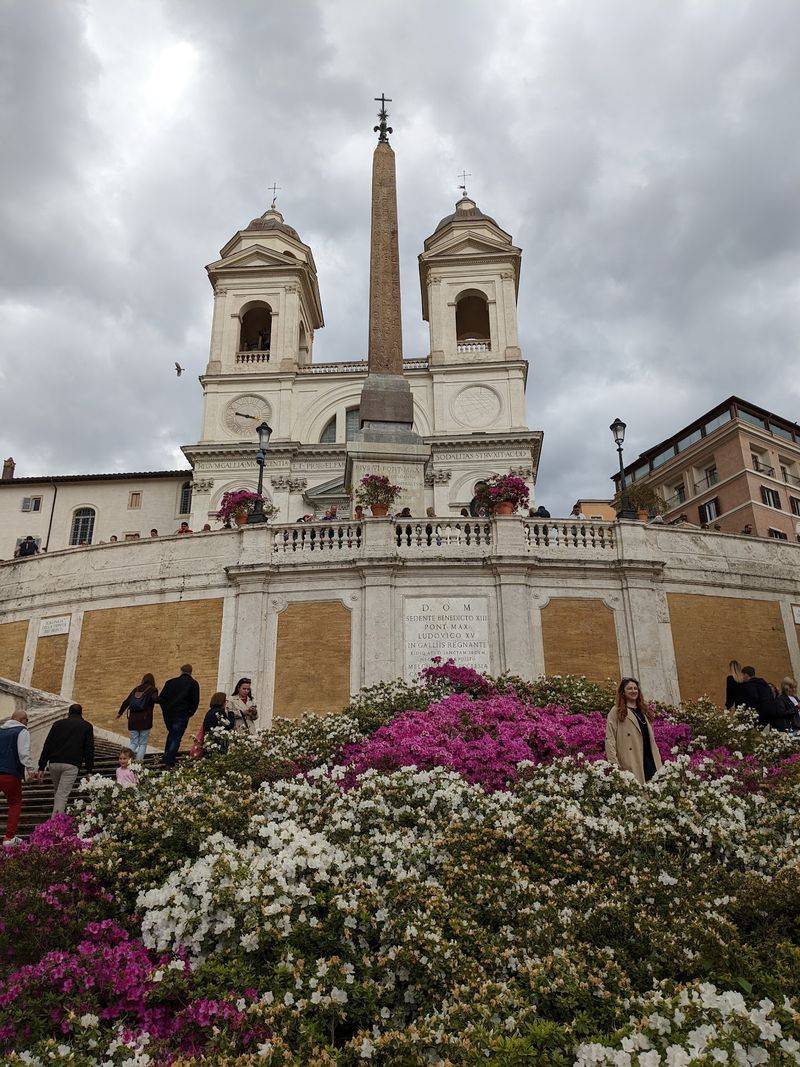
Walk a few blocks in Rome and you may pass a building older than the United States by about two thousand years. The Colosseum, finished around 80 AD, once held crowds of tens of thousands for public games and shows.
The Roman Forum sits right next door, and the ticket for the Colosseum often includes entry to it and Palatine Hill. Booking a timed ticket online can save a long wait in line, especially in summer.
Vatican City is a separate country inside the city, and it holds St. Peter’s Basilica and the Vatican Museums. The museums lead visitors to the Sistine Chapel, painted by Michelangelo.
Dress rules apply there, so shoulders and knees should be covered.
Rome is also a very walkable city. The Trevi Fountain and the Pantheon are close enough to reach on foot in one day.
Food stops are easy too, with pasta dishes like cacio e pepe and carbonara found on many menus around town.
Machu Picchu, Peru
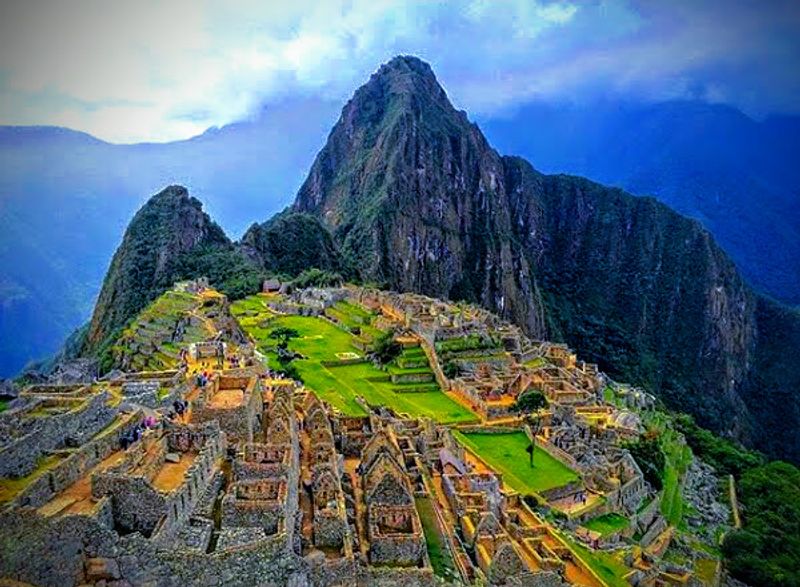
Few photos in the world are as famous as the green terraces of Machu Picchu high in the Andes. The Inca citadel was built in the 1400s and sits at about 7,970 feet above sea level, so a day or two in Cusco first helps the body adjust.
Most visitors reach the site by train from Cusco or the Sacred Valley to the town of Aguas Calientes. From there, a short bus ride climbs up to the entrance gate.
Entry is controlled, and tickets are sold for set time slots and circuits. Peru has required booking ahead for years, so planning months early is smart, particularly for the dry season from roughly May to September.
Hikers can also take the Inca Trail, which needs a permit and a licensed guide. Whichever way you arrive, a guide inside the site can explain the temples, the sun-focused stonework, and how the Incas moved water through the terraces.
Kyoto, Japan
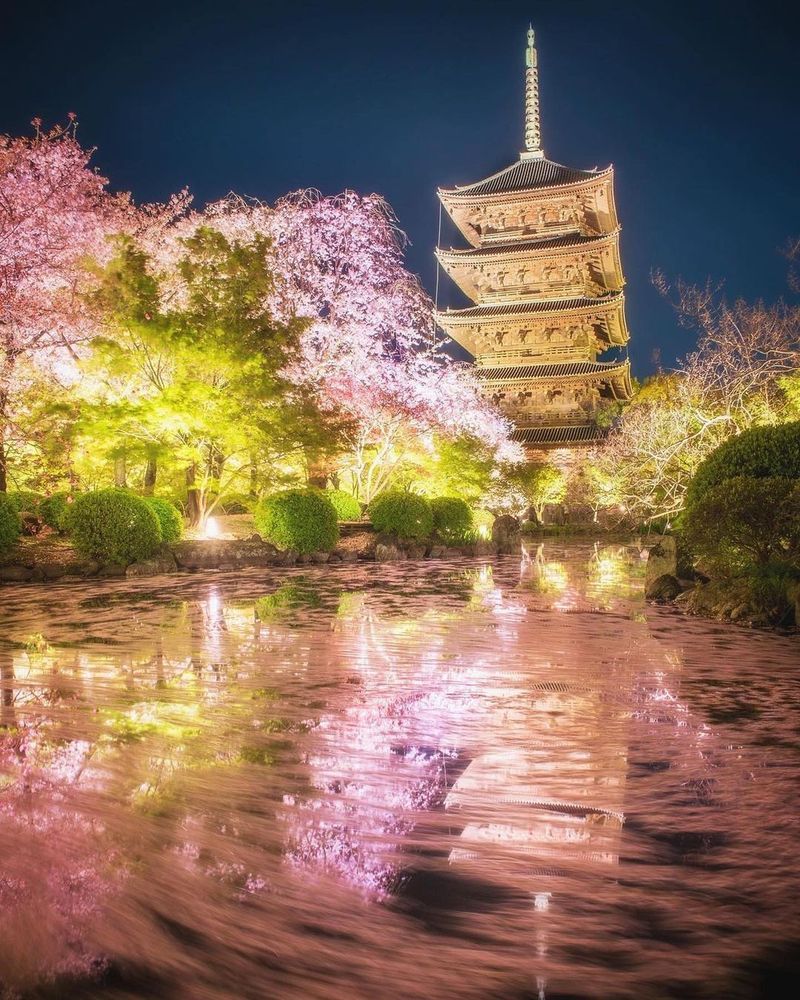
Kyoto was Japan’s capital for over a thousand years, and it still holds around 1,600 Buddhist temples and many Shinto shrines. That history makes it one of the best places for first-time visitors who want to see traditional Japan.
Fushimi Inari Shrine is known for thousands of bright orange torii gates lining paths up a wooded mountain. It is open all day, and entry is free, so an early start means thinner crowds.
Kinkaku-ji, the Golden Pavilion, is covered in gold leaf and sits beside a reflecting pond. Arashiyama has a famous bamboo grove and is an easy trip by train from central Kyoto.
Spring cherry blossoms and fall leaves bring the biggest crowds, so book hotels ahead. Buses and trains cover most sights, and Kyoto’s food scene includes tofu dishes, matcha sweets, and kaiseki multi-course meals.
Kruger National Park, South Africa
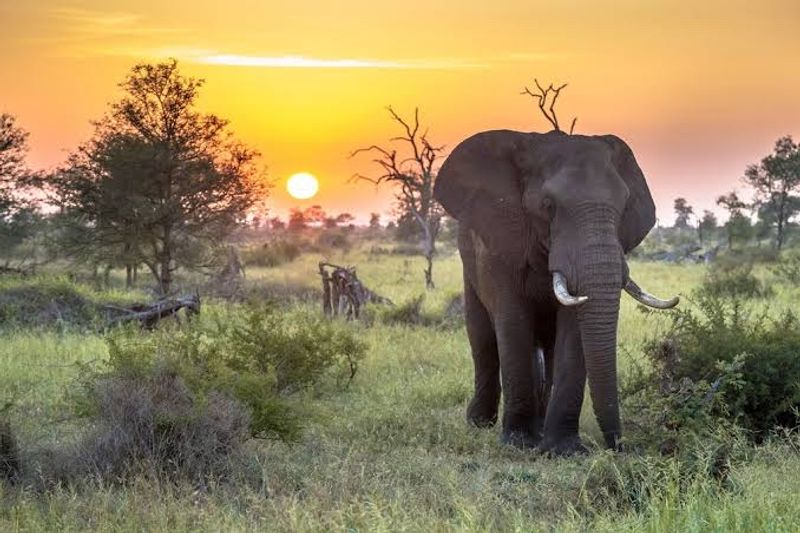
Spotting the Big Five in one trip is the goal for many safari fans, and Kruger National Park gives a real shot at it. Lions, leopards, elephants, rhinos, and buffalo all live in this park, which covers nearly 5 million acres in northeastern South Africa.
Visitors can drive themselves on paved and gravel roads in their own rental car, which makes Kruger one of the more budget-friendly safari options. Rest camps offer lodging, camping, and restaurants inside the park.
Guided game drives run at sunrise and sunset, when animals tend to be most active. Gates open and close at set times that change by season, so checking the schedule matters.
Many Americans fly into Johannesburg, then drive or take a short flight toward the park. Binoculars, a good camera lens, and patience go a long way.
Staying in the vehicle at all times, except in marked areas, is a strict rule.
Golden Circle, Iceland
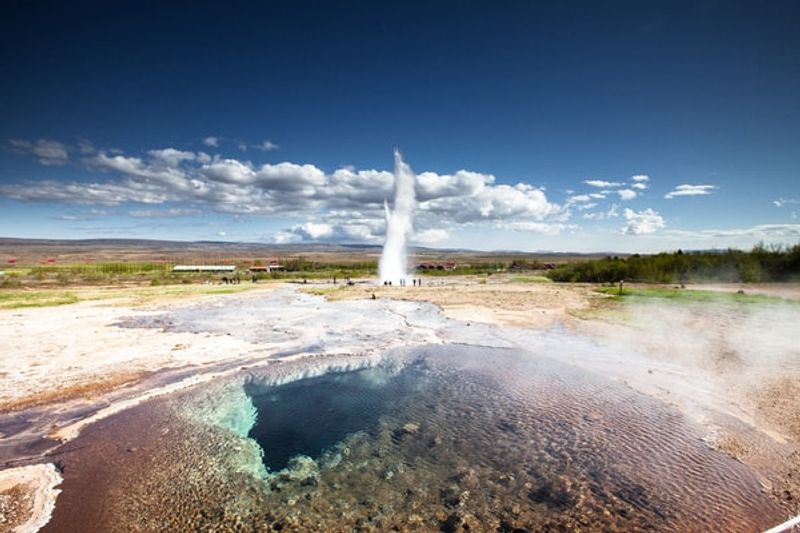
Iceland packs three big sights into one easy day trip from Reykjavik. The Golden Circle is a loop of about 190 miles that links Thingvellir National Park, the Geysir geothermal area, and Gullfoss waterfall.
Thingvellir is where the North American and Eurasian tectonic plates are slowly drifting apart. Visitors can walk through a rift valley there, and the site is also tied to Iceland’s early parliament, founded in 930.
At Geysir, the Strokkur geyser shoots water into the air every several minutes. Gullfoss drops in two stages into a deep canyon, and walkways give close views.
The route is simple enough for a rental car, though winter roads can be icy, so checking road conditions is smart. Summer brings long daylight hours, while winter gives a chance to see the northern lights.
Layers and waterproof shoes help in any season.
Milford Sound, New Zealand
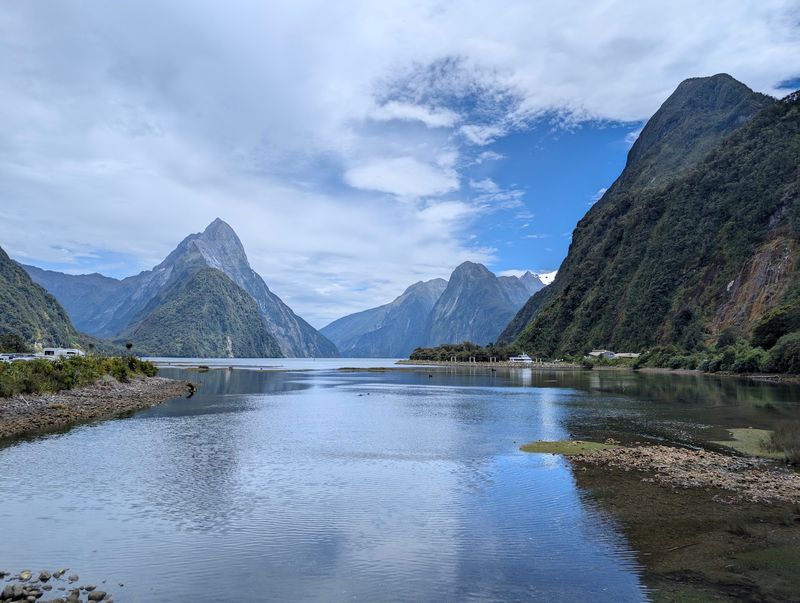
Rain is not a problem at Milford Sound, since heavy rain makes dozens of temporary waterfalls spill down the cliffs. This fiord in Fiordland National Park on New Zealand’s South Island is carved by glaciers, with Mitre Peak rising about 5,560 feet from the water.
Most visitors take a boat cruise, which usually lasts around one to two hours. Boats pass waterfalls, rock walls, and often seals resting on the rocks, and dolphins sometimes appear.
The drive from Te Anau on the Milford Road is a sight all by itself, though it takes about two hours without stops. Some travelers add a scenic flight from Queenstown instead.
Weather can close the road in winter due to avalanche risk, so checking conditions is a good habit. Sandflies are common near the water, so insect repellent is handy.
It is a long way from the United States, but the view is hard to match.
Great Barrier Reef, Australia
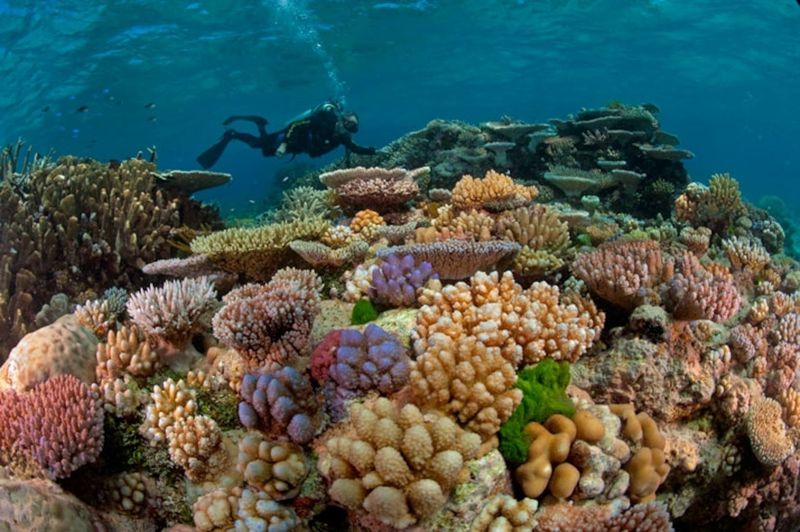
Astronauts can spot it from space, which gives a sense of how big the Great Barrier Reef really is. It stretches roughly 1,400 miles along the Queensland coast and is made up of about 2,900 individual reefs.
The reef is a World Heritage Site and home to hundreds of coral types, plus sea turtles, rays, and colorful fish. Snorkeling and scuba diving are the best ways to see it up close, and many tours run from Cairns and Port Douglas.
Beginners can join guided snorkel trips that include equipment and instruction. For anyone who prefers to stay dry, glass-bottom boats and scenic flights offer other views.
Visitors are asked to use reef-safe habits, like not touching coral and picking sunscreen carefully. The dry season from about June to October brings milder weather.
From November to May, stinger suits are often provided for protection from jellyfish.
Santorini, Greece
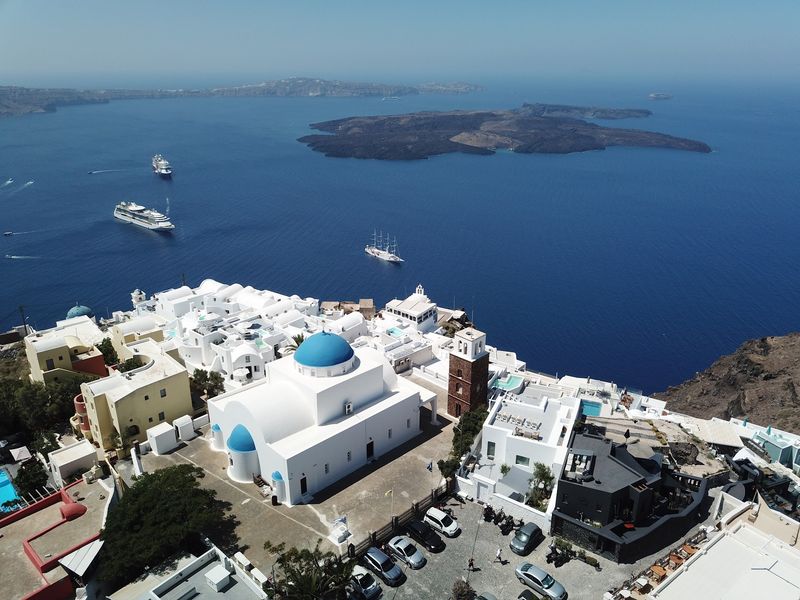
Santorini looks like a curved slice of island because it is the rim of a giant volcanic caldera. A massive eruption thousands of years ago shaped the cliffs, and today white buildings with blue domes sit along the edge above the Aegean Sea.
Oia, at the island’s northern tip, is the best known village for sunset views. It gets very busy in the evening, so arriving early helps.
Fira, the main town, has shops, museums, and a path along the cliff to Imerovigli.
The ancient site of Akrotiri shows a Bronze Age town preserved under volcanic ash. Beaches here have black and red sand, like Perissa and Red Beach.
Greek dishes like fava, tomato fritters, and fresh seafood are easy to find. Summer is crowded and pricey, so May, June, or September can be a smarter time to visit.
Ferries and flights connect the island to Athens.
Giza, Egypt
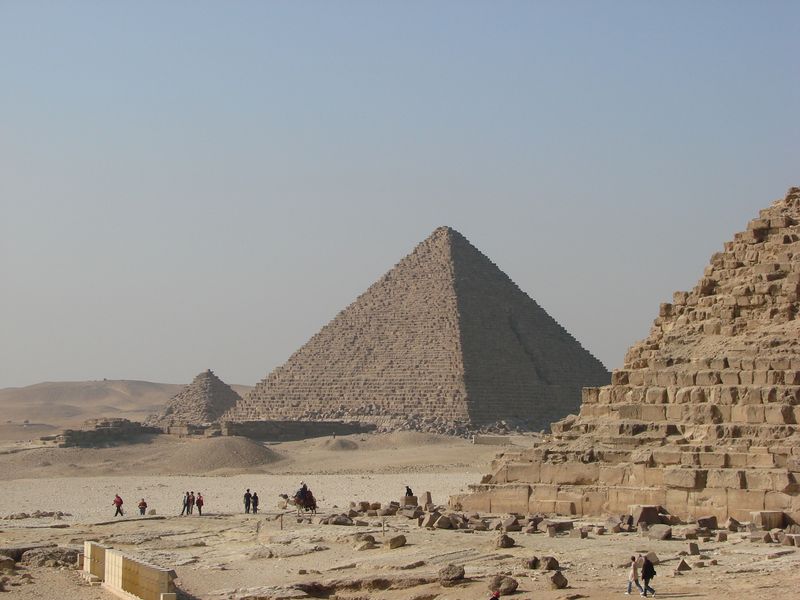
The Great Pyramid of Giza was the tallest human-made structure on Earth for nearly 3,800 years. Built for the pharaoh Khufu around 4,500 years ago, it is the only one of the Seven Wonders of the Ancient World still standing.
The Giza plateau also has the pyramids of Khafre and Menkaure, plus the Great Sphinx. Visitors can walk around the base, and tickets for entering the pyramids themselves are sold separately.
The Grand Egyptian Museum sits nearby and holds a huge collection of ancient artifacts, including items from Tutankhamun’s tomb. Checking its current opening details before you go is wise.
Going early in the morning means cooler temperatures and fewer crowds. Many travelers hire licensed guides and agree on prices before starting.
Sunscreen, a hat, and plenty of water are helpful for a day spent in the desert sun.
Marrakech, Morocco
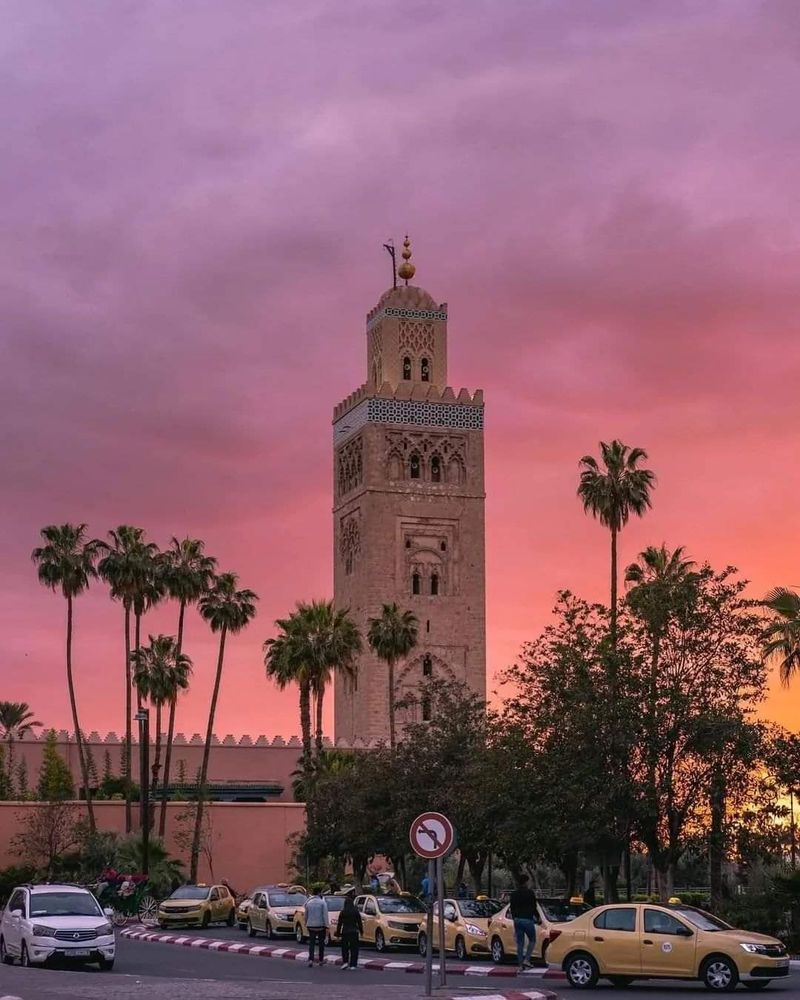
Marrakech has a way of putting a lot in front of you at once. The old walled city, called the medina, is a maze of narrow lanes filled with spice stalls, leather shops, lanterns, and rugs.
Jemaa el-Fnaa is the main square, and in the evening food stalls set up to serve grilled meats, soups, and snacks. The Koutoubia Mosque, with its tall minaret, is a landmark that helps with directions.
Bahia Palace and the Saadian Tombs show off detailed tilework and carved wood. The Majorelle Garden is known for its bright blue buildings and cactus plantings, and tickets are often best booked ahead.
Bargaining is common in the souks, and a friendly attitude helps. Many travelers stay in a riad, a traditional house with an inner courtyard.
Spring and fall bring milder weather, since summer can be very hot.
Jungfrau Region, Switzerland
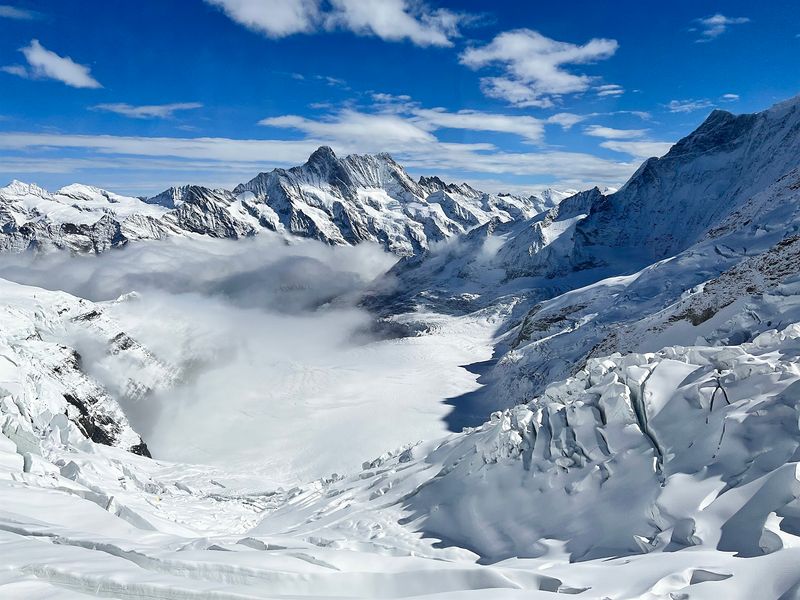
Trains climb right into the mountains here, which makes the Jungfrau Region one of the easiest places to see the Swiss Alps. The area near Interlaken includes the villages of Grindelwald, Wengen, and Lauterbrunnen, all set below the peaks of the Eiger, Monch, and Jungfrau.
The Jungfraujoch railway runs to a station often called the Top of Europe, at about 11,333 feet. Tickets cost a good amount, so checking prices and weather before choosing a clear day is a good idea.
Lauterbrunnen Valley has dozens of waterfalls, including Staubbach Falls. Hiking trails range from easy valley walks to steep mountain routes, and the First cliff walk near Grindelwald offers a high platform view.
Summer is best for hiking, while winter brings skiing and snowshoeing. The Swiss Travel Pass can cover many trains, boats, and buses across the country.
Petra, Jordan
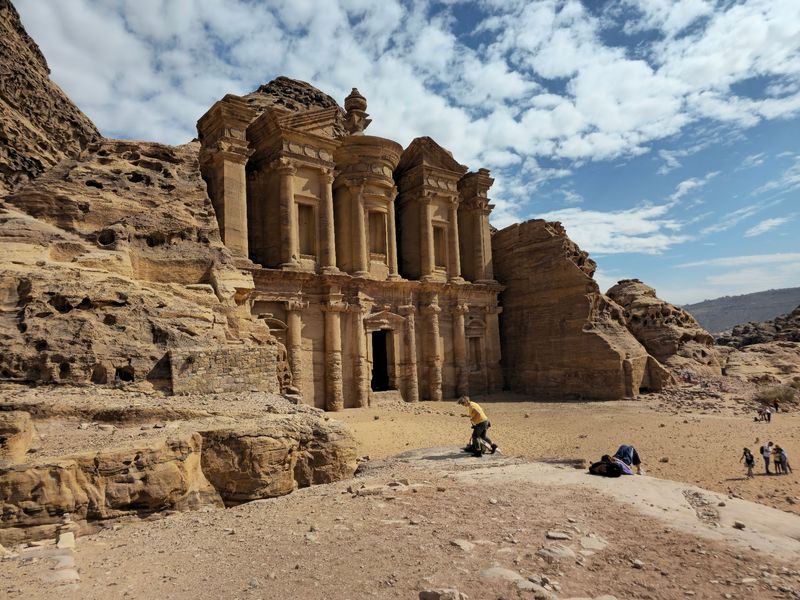
The first view of Petra comes at the end of a long, narrow canyon called the Siq. Walking through it takes about 20 minutes, and then the rose-colored face of Al-Khazneh, the Treasury, appears between the rock walls.
Petra was the capital of the Nabataean people, who carved tombs and buildings straight into the sandstone more than 2,000 years ago. The city is a UNESCO World Heritage Site and covers a large area, with many more sights past the Treasury.
The Monastery is one of the biggest, reached by climbing roughly 800 steps. Comfortable shoes, water, and sun protection are essential for a full day.
Many visitors spend two days to see more without rushing. Petra by Night, a candlelit evening walk to the Treasury, runs on certain nights.
The cooler months of spring and fall are the most comfortable times to go.
Torres del Paine National Park, Chile
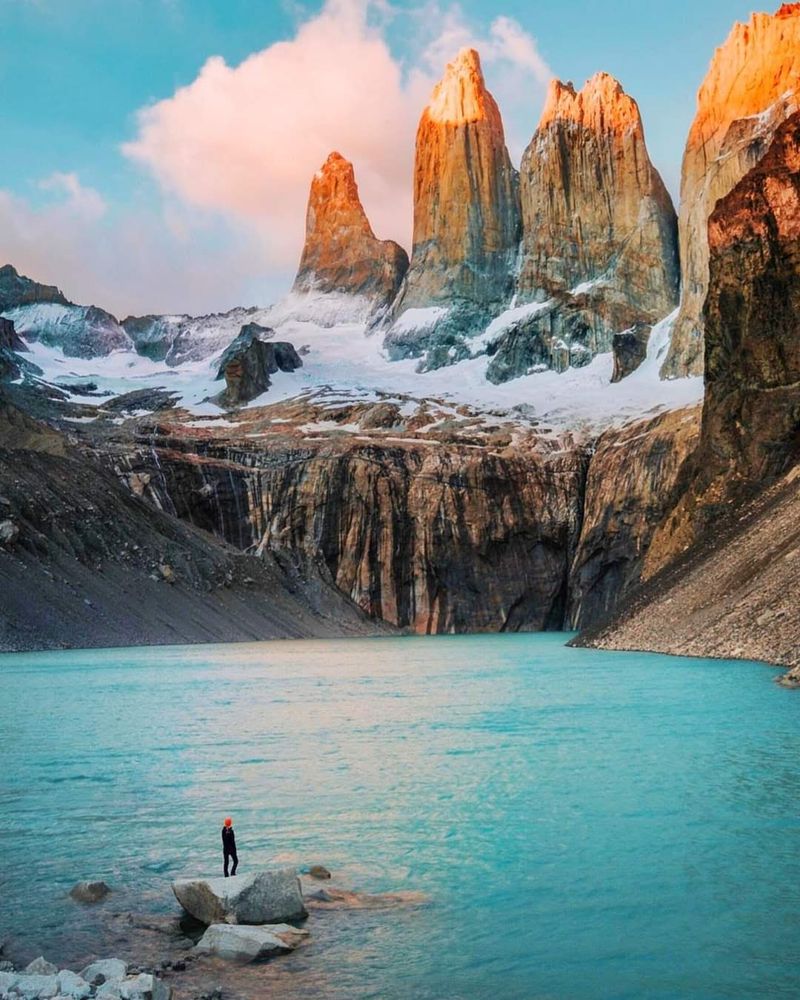
Patagonia does not do small. Torres del Paine National Park in southern Chile is known for three granite towers, blue glacial lakes, and wide grasslands where guanacos graze.
The W Trek is the most popular multiday hike, usually done in four to five days, and it passes the base of the towers, the French Valley, and Grey Glacier. The longer O Circuit loops the whole massif.
Not everyone needs to camp or hike for days. Day hikes, like the walk to Mirador Base Las Torres, and boat trips on Lake Grey are also options.
Refugios and campsites need booking well in advance, especially from November to March.
Weather can shift fast, with strong wind and sudden rain, so layers are key. The park is reached from Puerto Natales, and entry requires a paid ticket.
Wildlife can include pumas, foxes, and condors.
Paris, France
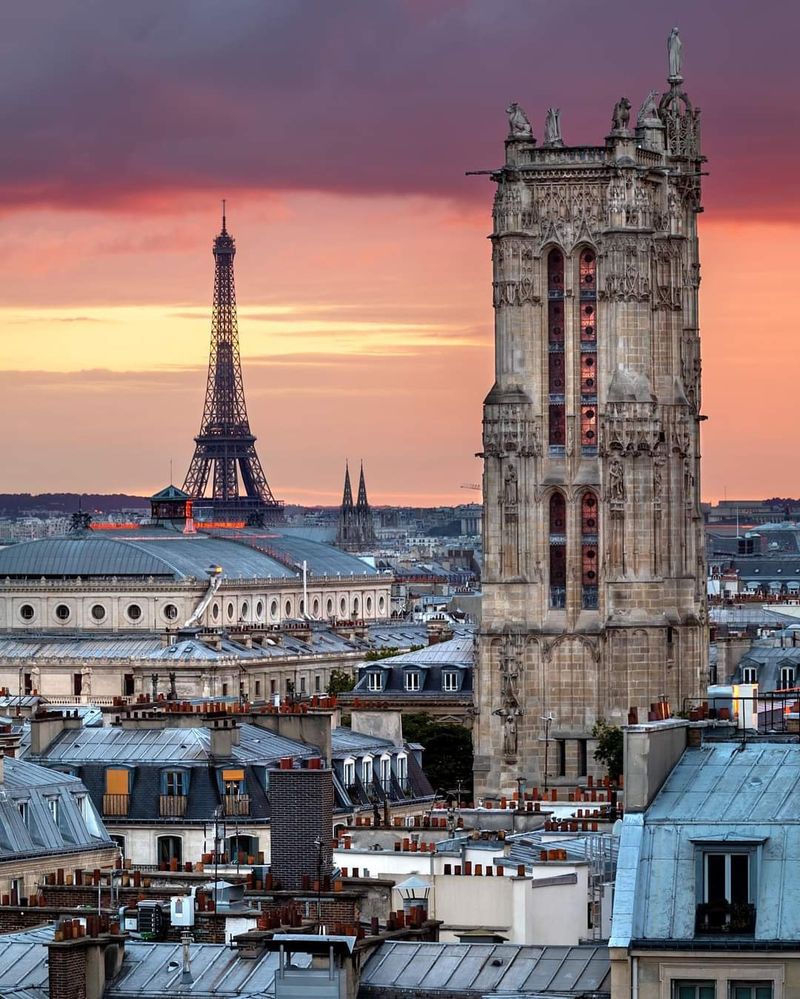
Paris is a city where a coffee break can come with a view of a landmark. The Eiffel Tower, finished in 1889, stands about 1,083 feet tall and can be reached by stairs or elevator.
The Louvre holds the Mona Lisa and many other works, and booking a timed ticket helps cut the wait. Musee d’Orsay, in a former train station, features Impressionist paintings.
Notre-Dame Cathedral has reopened after its restoration, and the area around it on the Ile de la Cite is worth a stroll.
Walking is the best way to get a feel for the city, from the Seine riverbanks to neighborhoods like Montmartre and the Latin Quarter. The Metro covers longer distances quickly.
Bakeries sell fresh croissants and baguettes, and cafes serve crepes, onion soup, and more. Spring and early fall bring comfortable weather, and a day trip to Versailles is an easy add-on.
Share this story