A flat stretch of Mississippi Delta farmland hides a hill that no machine built. Every basket of soil was carried by hand, and the tallest mound rises about 55 feet above fields that stretch for miles.
Long ago, this was the center of a busy community with many mounds around a open plaza. Today, the grassy giants still stand, and walking among them feels like stepping into a chapter most history books skip.
A Hill Carried Up One Basket at a Time
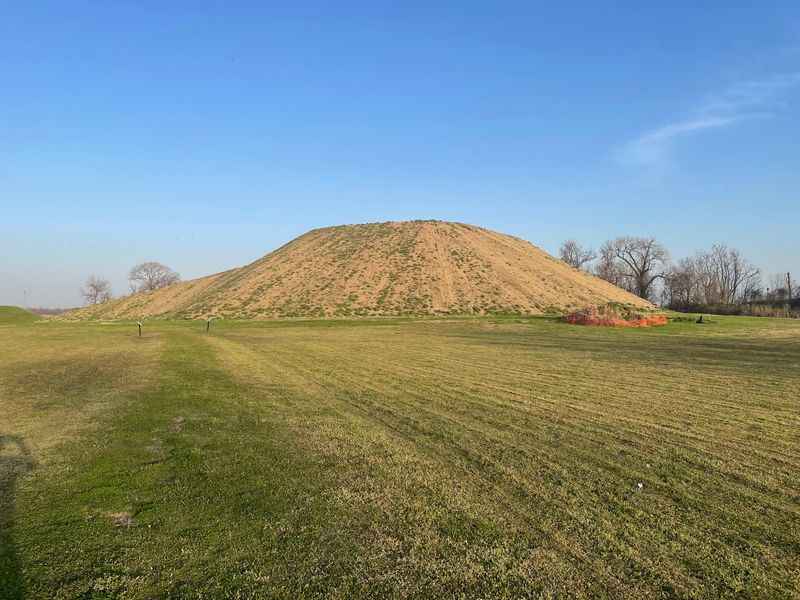
Flat land makes any hill look huge, and this one rises about 55 feet above the Delta. No bulldozers or trucks shaped it.
People hauled soil by hand and stacked it, layer after layer, over many years.
That hand-built effort is the heart of this story. Think about how many trips it took to move that much dirt, and how many people had to work together to finish the job.
The mound is grass-covered now, smooth and wide, with a flat top that once held important buildings. Seeing it from the parking area gives you a first hint of its size, though the real scale only sinks in as you walk closer.
Bring a camera, because the tall shape against the open sky makes a striking photo. Next, let me tell you where this place actually is.
Finding the Site Off Highway 1
The answer to the mystery is Winterville Mounds Museum, 2415 MS-1, Greenville, MS 38703, United States. It sits just north of Greenville, and you can drive right up from the highway and park.
The site is run by the Mississippi Department of Archives and History. Hours listed online run from 7 am to 5 pm every day, though it is smart to check the official website before you go.
The small museum building has been closed for stretches in recent years, so plan on the outdoor grounds being the main event. A brochure box outside has offered a self-guided map when staff are not around.
Walking the grounds is free, and the layout is easy to follow. Once you park, the first thing to understand is how big this place used to be.
A Once-Larger Ceremonial Center
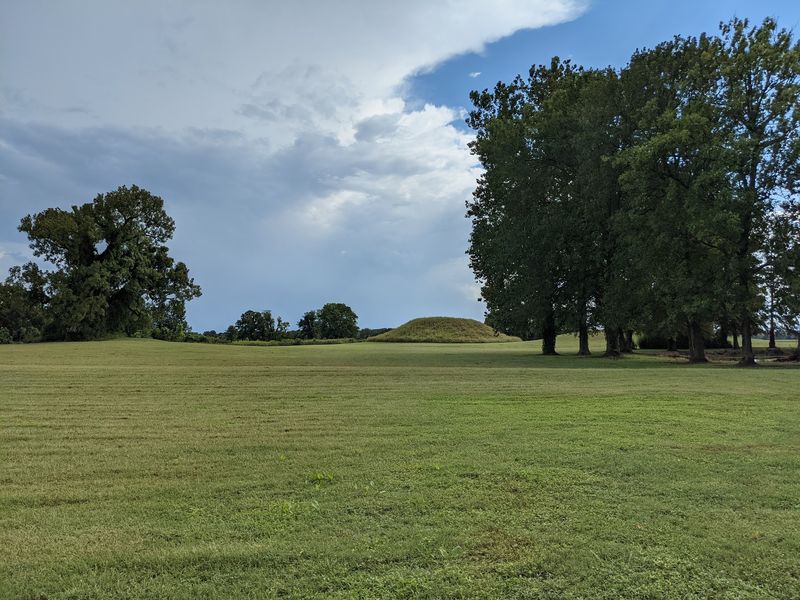
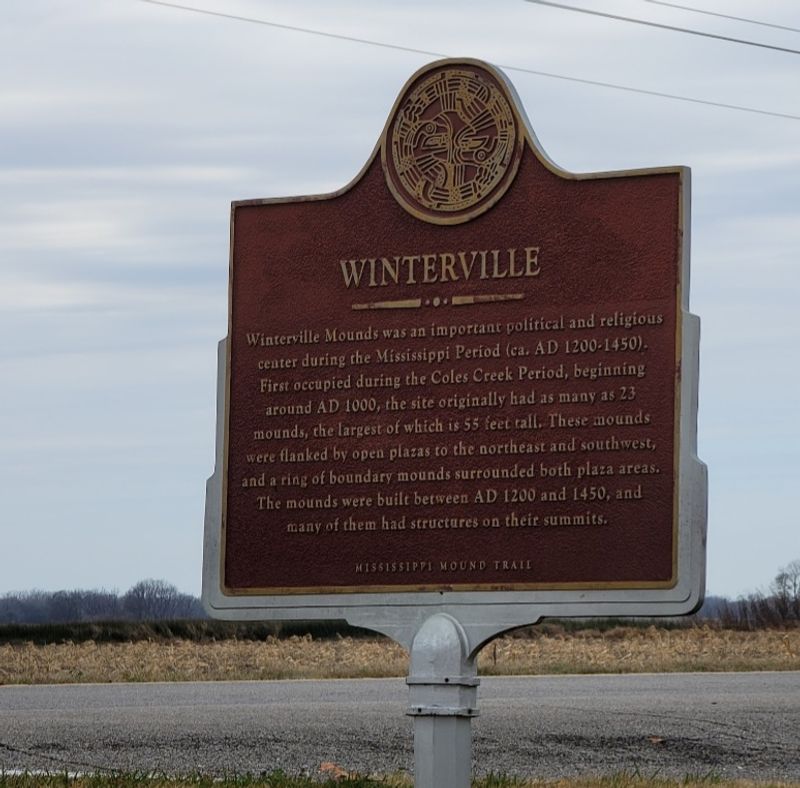
Eleven mounds remain today, but the site once had around twenty-three. That means what you see is only a portion of a much larger community center.
The mounds were arranged around an open plaza, a design common in Mississippian culture. People gathered here for ceremonies, trade, and leadership activities.
Standing in the middle of that open space helps you picture how busy it must have been. The grassy plaza is wide enough that sounds seem to fade out, leaving only wind and birds.
Many visitors rush straight to the big mound and miss the layout. Take a minute to look at how the smaller mounds frame the plaza, because the pattern tells you the place was carefully planned.
The Mississippian Culture Behind It
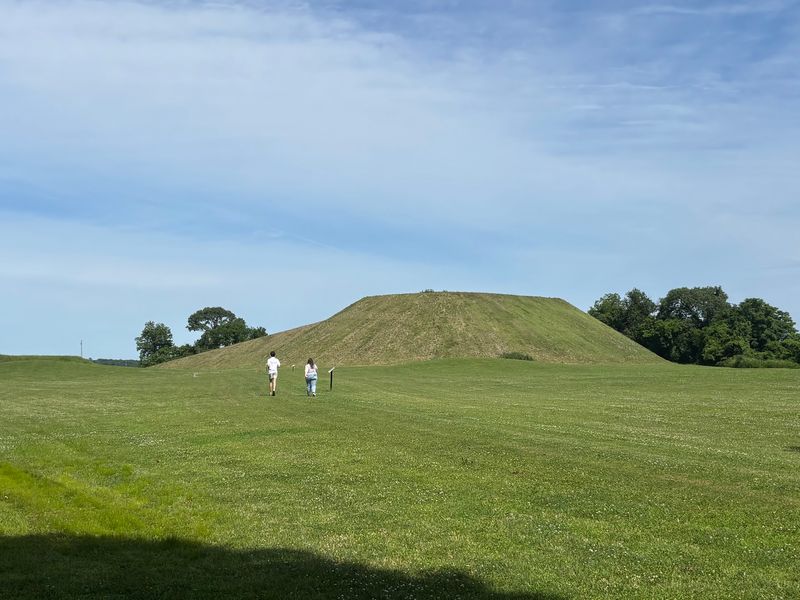
Mississippian people built mound towns across much of the Southeast, and this one was a major center in the Delta. It was active roughly between about 1000 and 1450 CE.
Platform mounds like these held temples and homes of leaders on their flat tops. Farming corn, beans, and squash supported large communities and made big building projects possible.
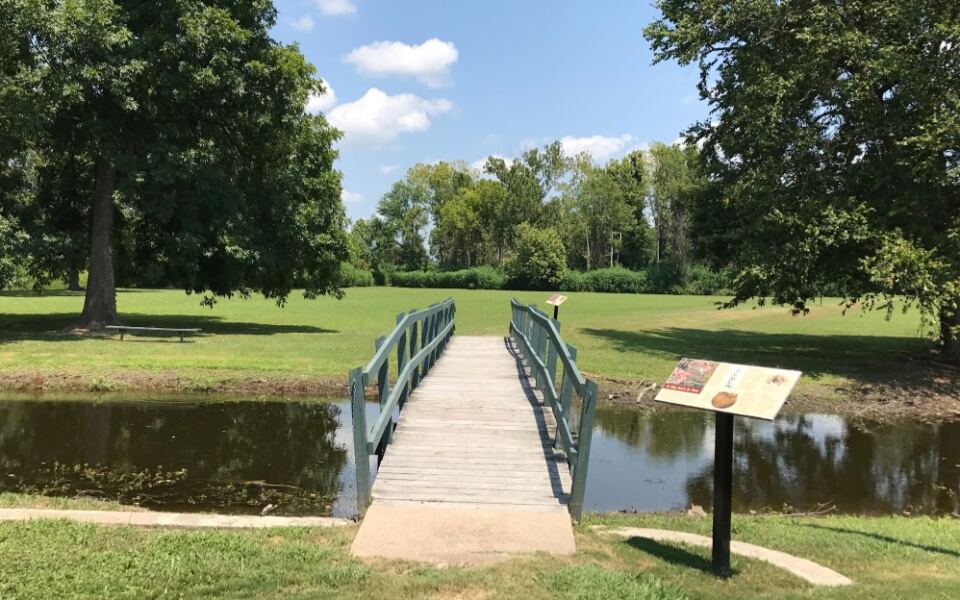
Informational markers along the path explain these ideas in clear language. They are worth reading slowly, since they connect the shapes in front of you to real daily life.
Visitors often mention that this is history they never learned in school. Reading the markers fills that gap in a surprisingly short time, and it makes the next stop on the trail more meaningful.
Why Sunrise Is the Best Time to Go
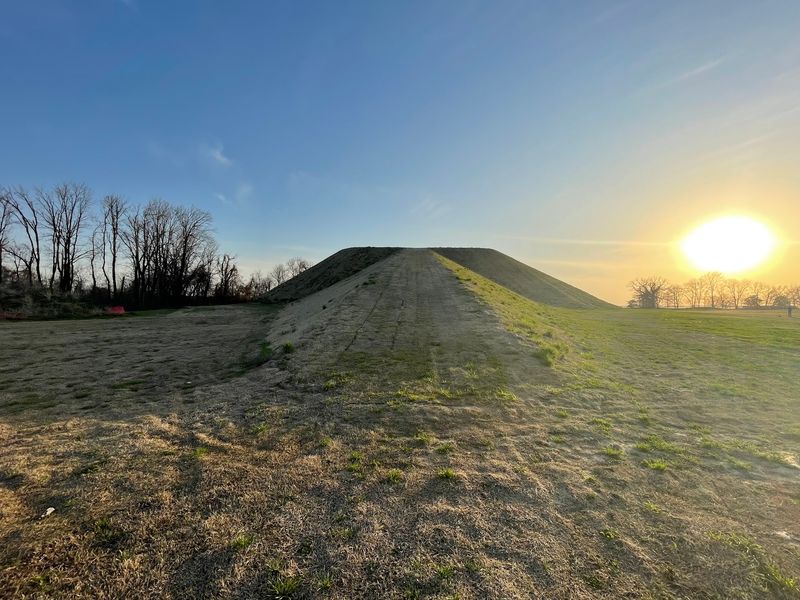
Early light does something special here. Low sun stretches long shadows across the slopes and makes every curve of the mounds stand out.
Arriving within an hour or two of sunrise is a smart move for photographers. The grounds are quiet, the air is cooler in warm months, and the grass often glows gold.
Midday sun flattens the view, so the mounds can look like simple green bumps. Morning or late afternoon gives them depth.
Wear comfortable shoes, since the grass can be damp early. Once the light has settled and you have your photos, it is time to walk the paths and see what else the grounds hold.
Walking the Grounds Beyond the Main Path
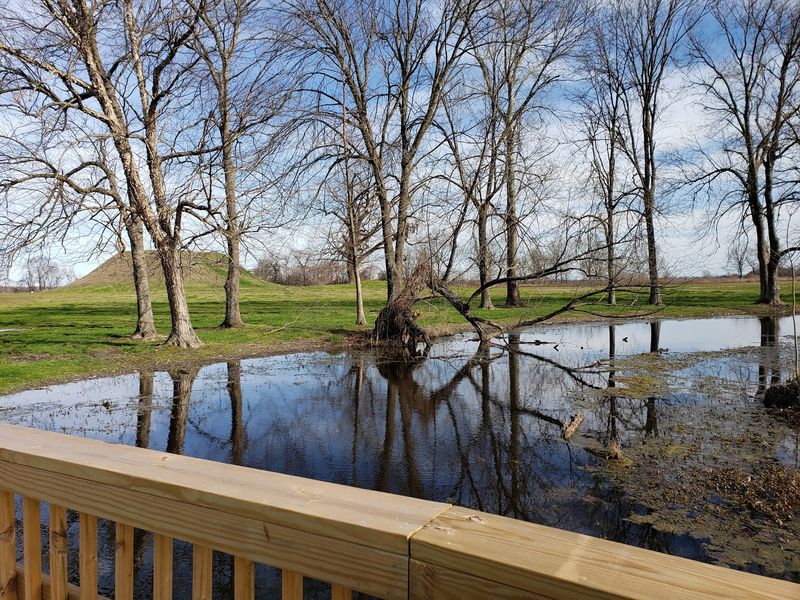
Most people follow the main causeway and call it a day. Wander farther and you will find the smaller mounds scattered around the site.
Spending time learning the site plan pays off. The brochure map helps you understand which mound is which and how they relate to each other.
A couple of mounds are fenced off, likely for upkeep, so respect those barriers. Climbing the big mound is not allowed either, which protects the earthwork for future visitors.
The grounds are well maintained and open, with plenty of room to stroll. Plan on thirty minutes to an hour, longer if you like to read every marker and take a lot of photos.
The Museum and Its Exhibits
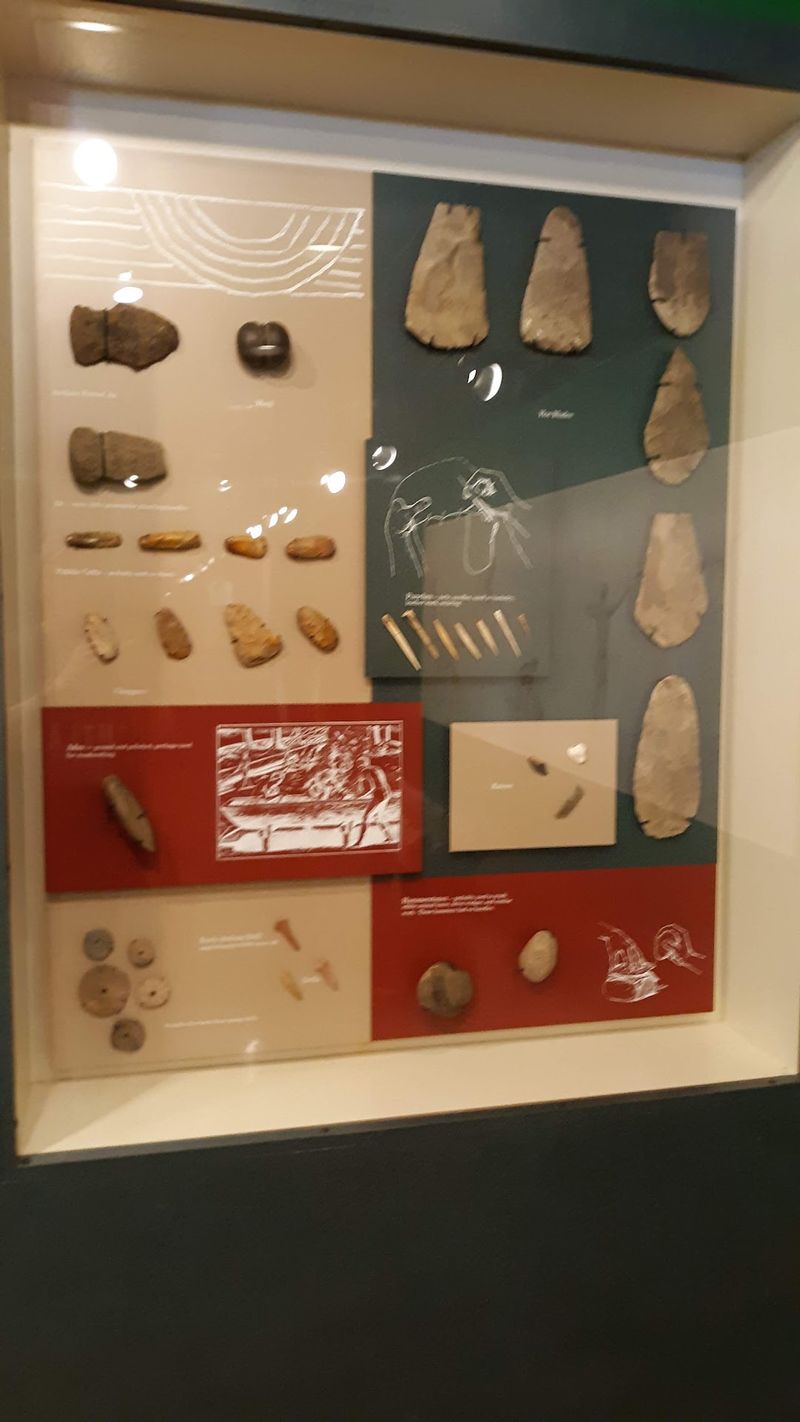
A small museum on site was built to hold displays about the people who made these mounds. Exhibits there have covered the history of the site and the culture behind it.
Access has changed over time, and the building has been closed for renovations and other reasons in recent years. Because of that, check the official website for current status before you plan around it.
If the doors are shut, you still get a lot from the outside. Signs, markers, and the brochure box do much of the explaining.
Think of the museum as a bonus rather than the main reason for the trip. The mounds themselves are the real exhibit, and they are always there to see.
A Quiet Place to Slow Down
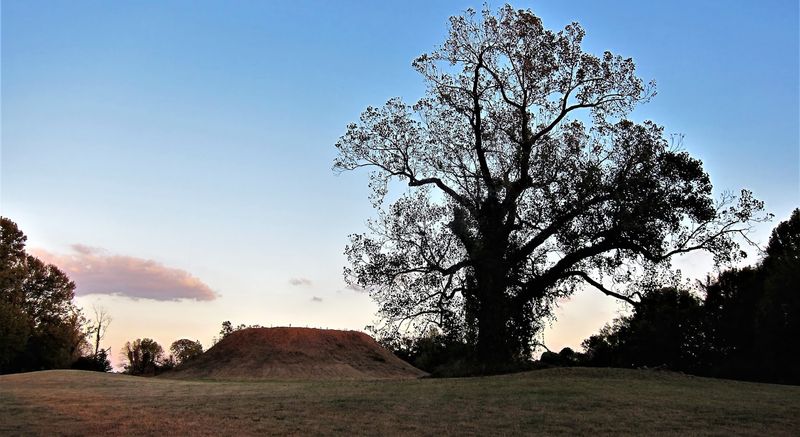
Quiet is one of the first things you notice. Traffic fades quickly, and the open fields give the place a calm, spacious feel.
Many visitors describe it as a spot to reflect on the people who lived here long before. A bench or a slow walk along the edge of the plaza makes that easy.
The site is also a good stop for stretching your legs on a longer drive through the Delta. It does not demand a full day, so it fits easily into a road trip.
Bring water in warm weather, because shade is limited on the open grounds. Up next is the local connection that keeps people coming back year after year.
A Local Favorite Across Generations
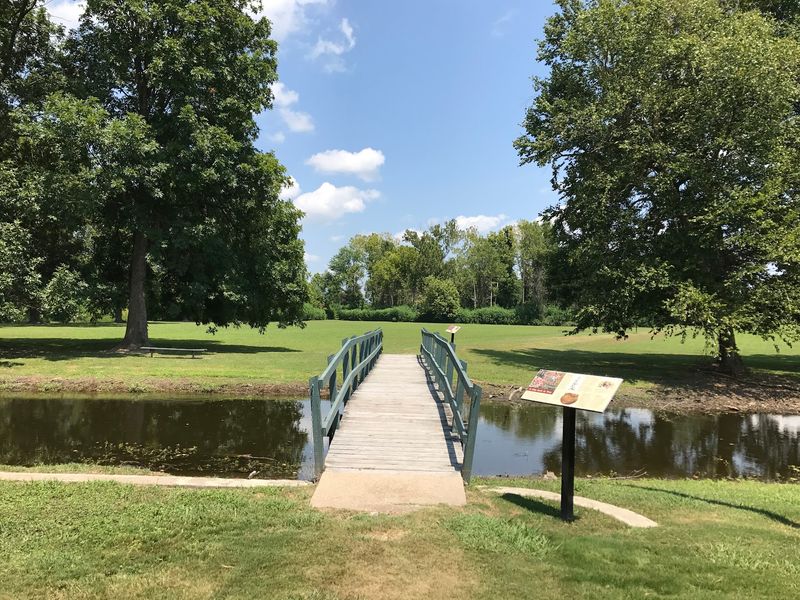
Plenty of locals grew up calling this place simply the Indian Mounds. School trips and family outings brought many of them here again and again.
Community events have also been part of the story, including Native American Days, which has been held at the site in the past. Event schedules change, so check ahead if you hope to catch one.
That sense of shared memory gives the grounds a warm feel. Friends still gather here to talk and spend time outdoors.
For visitors from far away, it is a chance to see a spot that matters deeply to the people nearby. And if you enjoy this kind of stop, there is more to explore along the Mississippi River region.
Adding It to a Delta Road Trip
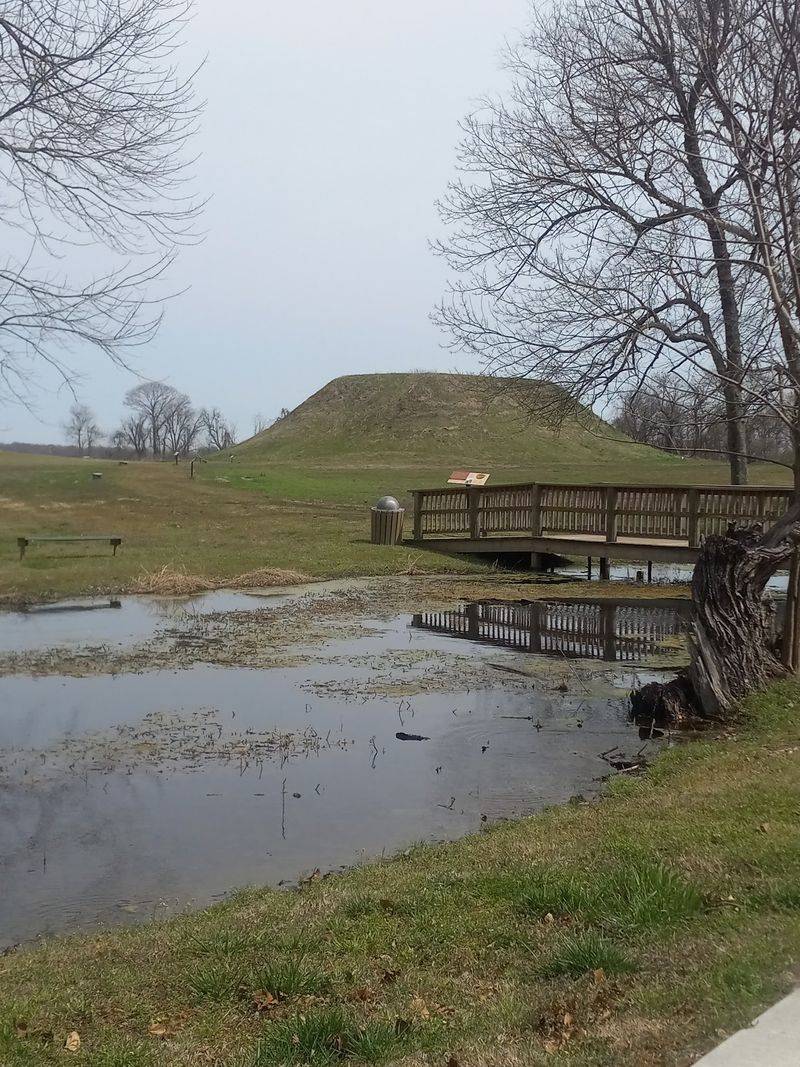
The site is on the Mississippi Mounds Trail, a route that links many mound sites across the state. Visiting one makes you curious about the others.
It also pairs well with other Delta stops. Greenville is close, and travelers interested in culture often combine the mounds with music and river history in the region.
Plan for a short visit of thirty to sixty minutes, then continue on your way. The easy parking and free grounds make it simple to fit in.
Leave with a fresh sense of how much history sits beside the highways we drive every day. If this one surprised you, other mound sites along the trail are well worth a look.
Share this story