Some trips stay with you long after the suitcase is unpacked. This list gathers twenty of the planet’s most memorable adventures, from high Himalayan trails to wildlife-rich plains, icy southern seas, desert camps, and ancient stone cities.
Some ask for strong legs and months of planning. Others need only a plane ticket, a good camera, and a little curiosity.
Each stop comes with real details about what makes it special, including trail lengths, seasons, and practical tips that help you plan with confidence. Whether you are dreaming big, building a bucket list, or looking for a place to send a friend who loves to explore, there is a destination here that might change how you see the world.
Grab a notebook and start saving the ones that make you want to pack right now.
Everest Base Camp, Nepal
Most trekkers begin this journey with a short flight to Lukla, an airstrip that is famous in its own right. From there, the classic route to Everest Base Camp covers roughly 130 kilometers round trip and usually takes about two weeks.
The path passes through Sherpa villages like Namche Bazaar, rope bridges strung high over river gorges, and Buddhist monasteries such as Tengboche. Mountain views build slowly, which makes every day feel like a new chapter.
Base Camp sits at about 5,364 meters, so time to adjust to the altitude is built into the schedule. Rest days in Namche and Dingboche are not optional extras.
They are part of the plan.
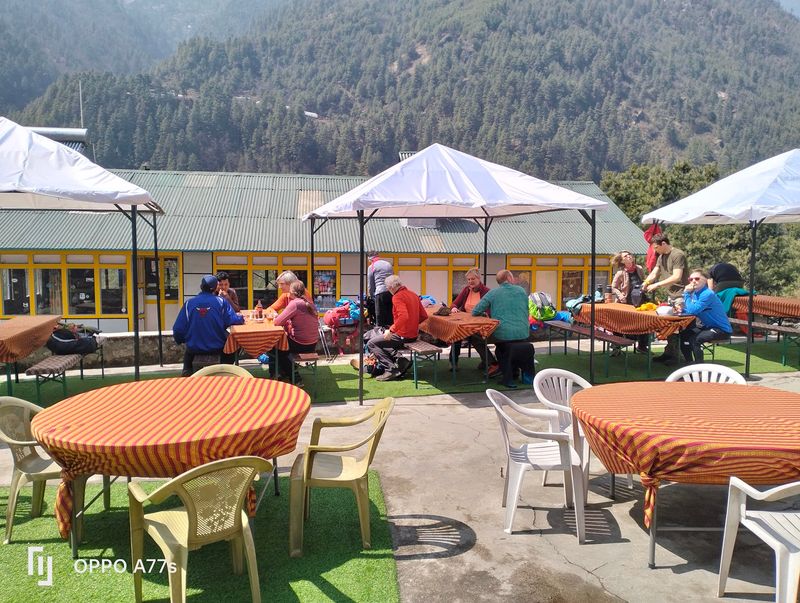
Spring and autumn are the most popular seasons because skies tend to be clearer and the trail is more comfortable. Teahouses along the route offer simple rooms and meals, so trekkers do not need to carry a tent.
Permits are required, and booking a licensed guide or agency is a smart way to handle them.
Serengeti National Park, Tanzania
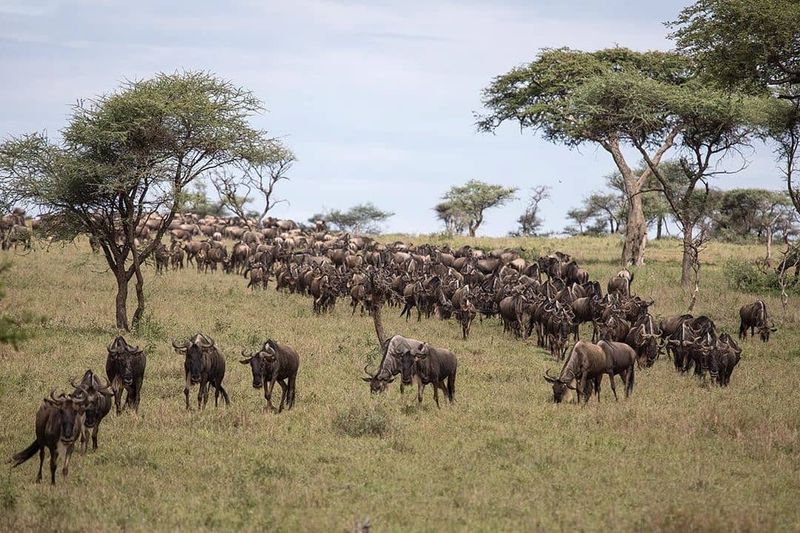
Few wildlife shows are as big as the Great Migration, when well over a million wildebeest travel with zebras and gazelles across the Serengeti ecosystem. The herds move in a loop that follows rainfall and fresh grass, so where they gather changes through the year.
The park covers about 14,750 square kilometers of grassland, rocky outcrops called kopjes, and river woodlands. Lions, leopards, elephants, giraffes, and cheetahs all live here, which keeps game drives busy even when the herds are elsewhere.
Most visitors explore by safari vehicle with a guide, and many lodges and tented camps sit inside or beside the park. River crossings in the north often happen between about July and October, though timing varies.
If dates are flexible, ask your operator where the herds are likely to be during your visit. A good plan puts you close to the action without chasing it.
Mount Kilimanjaro, Tanzania
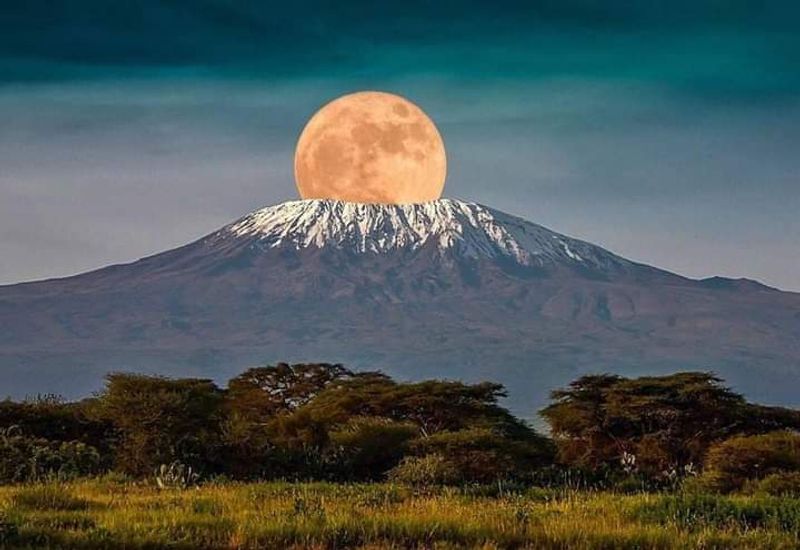
Standing at 5,895 meters, Kilimanjaro is the tallest mountain in Africa and the highest free-standing mountain in the world. It rises alone from the plains, and that is part of its drama.
Climbers do not need ropes or technical gear, but the altitude is a real challenge. Routes such as Machame, Lemosho, and Rongai take between six and nine days, and longer itineraries give the body more time to adjust.
The trek passes through several climate zones. Rainforest gives way to heath, then moorland, then alpine desert, and finally the icy summit area near Uhuru Peak.
Park rules require climbers to go with a licensed guide and porters. January through March and June through October are generally the drier periods.
Pack layers, because the temperature swing between the base and the top is huge.
Antarctic Peninsula, Antarctica
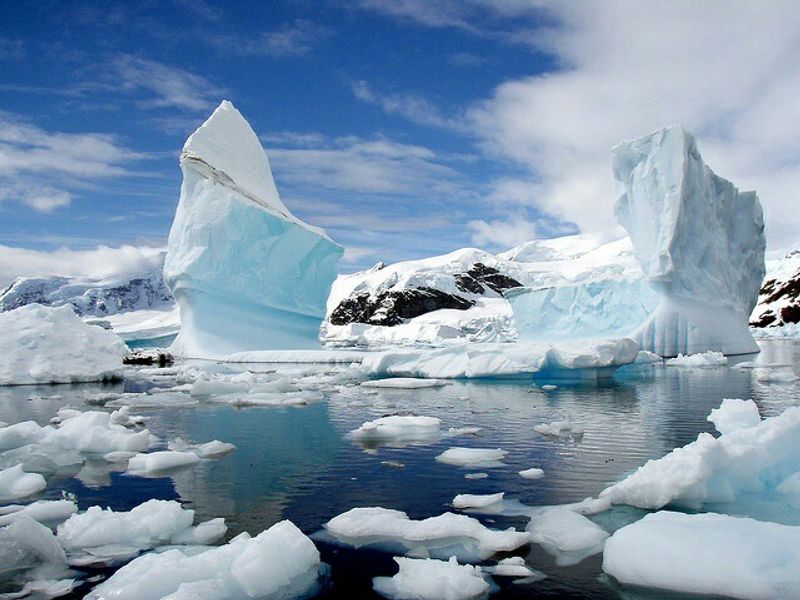
Penguin colonies, towering icebergs, and mountains that drop straight into the sea make the Antarctic Peninsula the most visited part of the continent. It is also the closest part to South America, which is why most trips start in Ushuaia, Argentina.
Expedition ships carry small groups, and passengers go ashore in inflatable boats called Zodiacs. Landings may include chances to see Adelie, gentoo, and chinstrap penguins, along with seals and, from the water, whales.
The main travel season runs from about November to March, which is the southern summer. Early season often brings more snow and courtship activity, while late season is known for whale sightings.
Strict rules protect wildlife, so visitors keep a set distance from animals. Weather decides the daily plan, so flexibility is part of the adventure.
Most voyages last about ten days or more.
Cappadocia, Türkiye
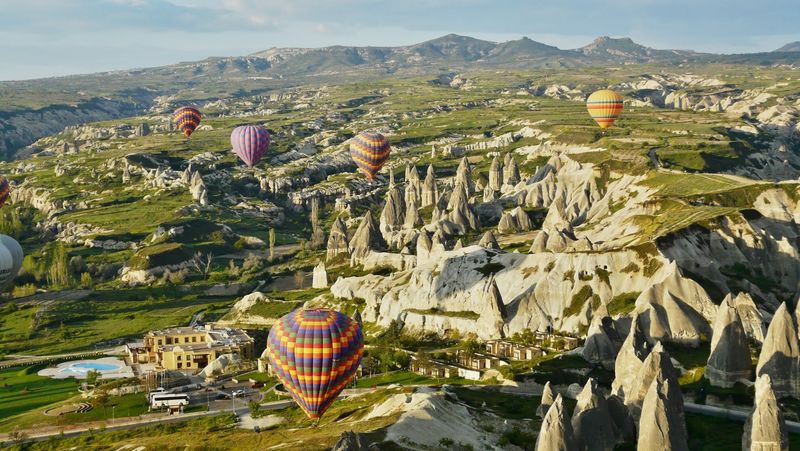
Early risers get the best show in Cappadocia, where hot air balloons lift off at dawn over valleys full of odd rock spires. Flights are weather dependent, so building a few extra days into the trip gives you better odds.
The region in central Türkiye was shaped by volcanic ash that eroded into formations often called fairy chimneys. People carved homes, churches, and storage rooms into the soft stone over many centuries.
The Göreme Open-Air Museum preserves rock-cut churches with Byzantine frescoes. Underground cities such as Derinkuyu and Kaymaklı reach several levels down and show how communities once sheltered below the surface.
Many travelers sleep in cave hotels, which are rooms built into the rock. Hiking trails through Rose Valley and Love Valley are free to wander, and sunrise and sunset are good times to go.
Camino de Santiago, Spain
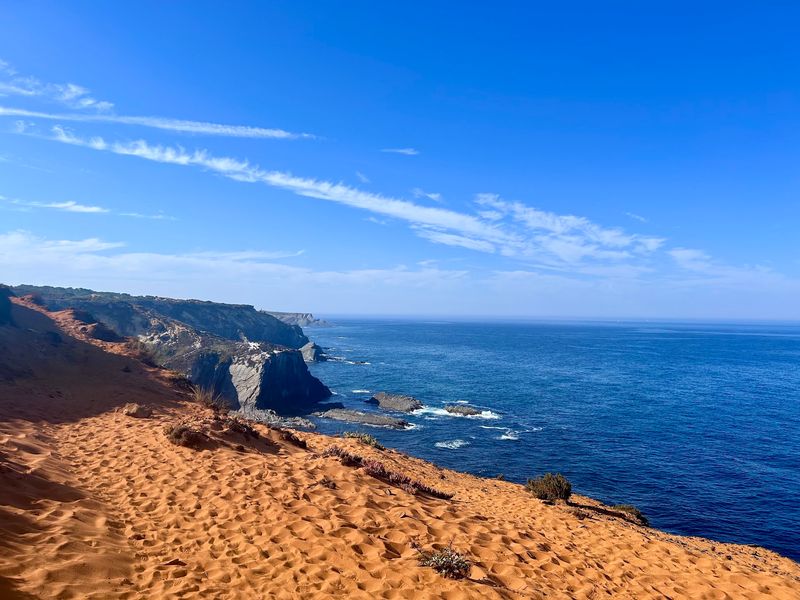
Look for the yellow arrows and scallop shell symbols, because they guide walkers along the Camino de Santiago for hundreds of kilometers. The routes lead to the cathedral in Santiago de Compostela, which has been a pilgrimage destination for over a thousand years.
The Camino Francés is the best known, starting in Saint-Jean-Pied-de-Port, France, and covering about 780 kilometers. Many people walk it in around five weeks, though shorter sections are common too.
Walkers who cover at least the final 100 kilometers on foot can receive the Compostela certificate. Pilgrims carry a credential book that gets stamped along the way, and it gives access to affordable hostels called albergues.
Spring and early autumn bring comfortable weather. Good broken-in shoes matter more than any gadget, and packing light saves sore shoulders.
Merzouga and Erg Chebbi, Morocco
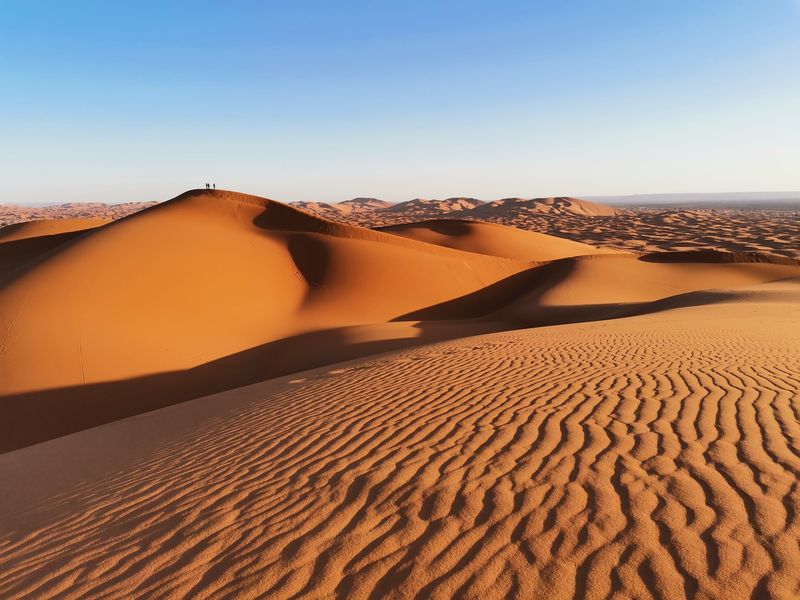
Erg Chebbi is a sea of sand dunes in southeastern Morocco that can rise to around 150 meters. The village of Merzouga sits at its edge and serves as the main base for desert trips.
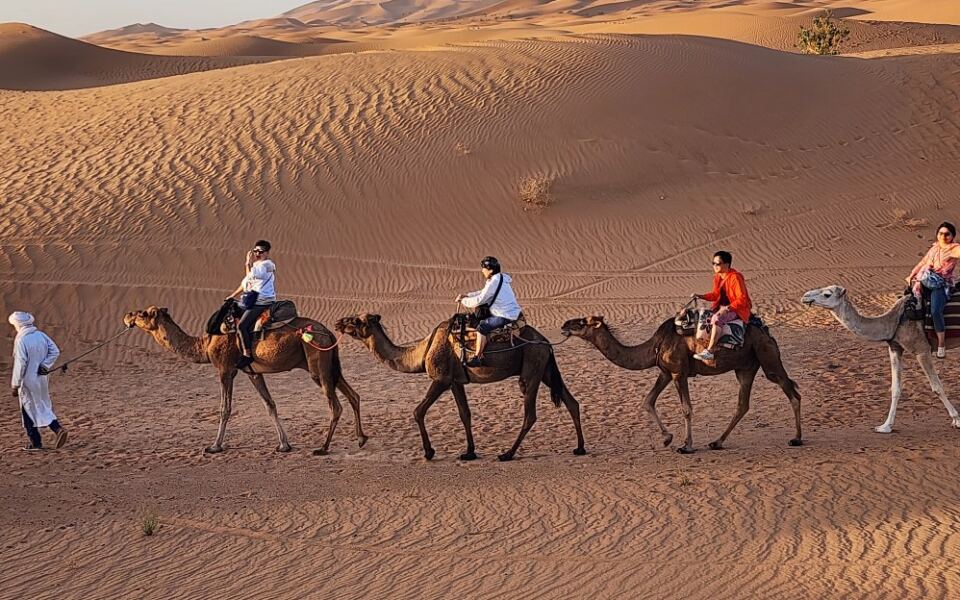
The classic outing is a camel trek into the dunes, with a night at a desert camp. Camps vary from simple tents to more comfortable setups with beds and private bathrooms, so it pays to check what is included.
Sunrise and sunset change the color of the sand from gold to deep orange. Visitors can also try sandboarding, quad biking, or a 4×4 tour that stops at nearby villages.
Cooler months from October to April are more comfortable, since summer temperatures can climb very high. Merzouga is a long drive from Marrakech or Fès, often split across two days with a stop in the Dadès or Todra gorges.
Wadi Rum, Jordan
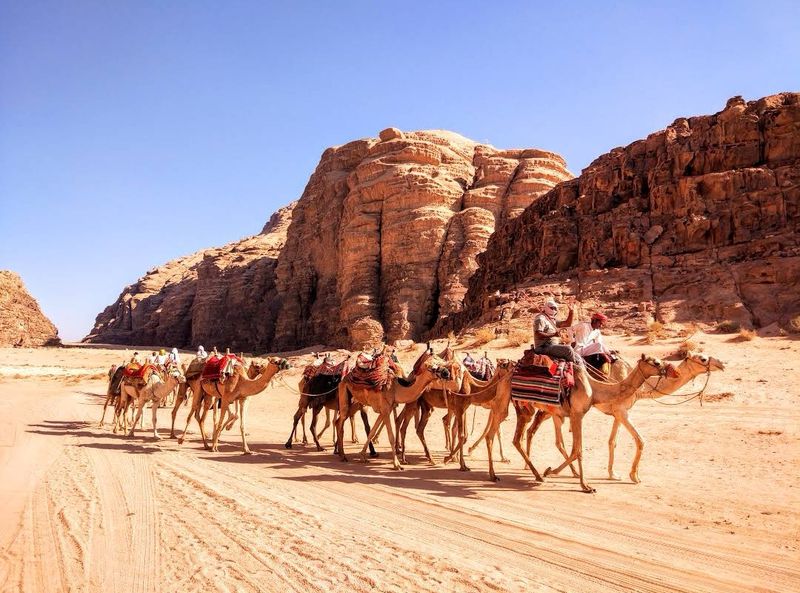
Film crews have used Wadi Rum as a stand-in for other worlds, including Mars, which tells you a lot about the scenery. Towering sandstone and granite cliffs rise from red sand in southern Jordan, and the area is a UNESCO World Heritage Site.
Local Bedouin guides lead jeep tours that stop at natural rock bridges, canyons, and ancient carvings. Burdah Rock Bridge and Khazali Canyon are common stops for those who like to scramble a bit.
Many visitors stay overnight in Bedouin-run camps, where traditional meals like zarb, cooked in an underground oven, are often on offer. Without city lights, the night sky is full of stars.
Spring and autumn offer the most comfortable temperatures. Entry goes through the visitor center in Rum village, and the Jordan Pass can cover some fees.
Camel rides and hiking tours are also available.
Petra, Jordan
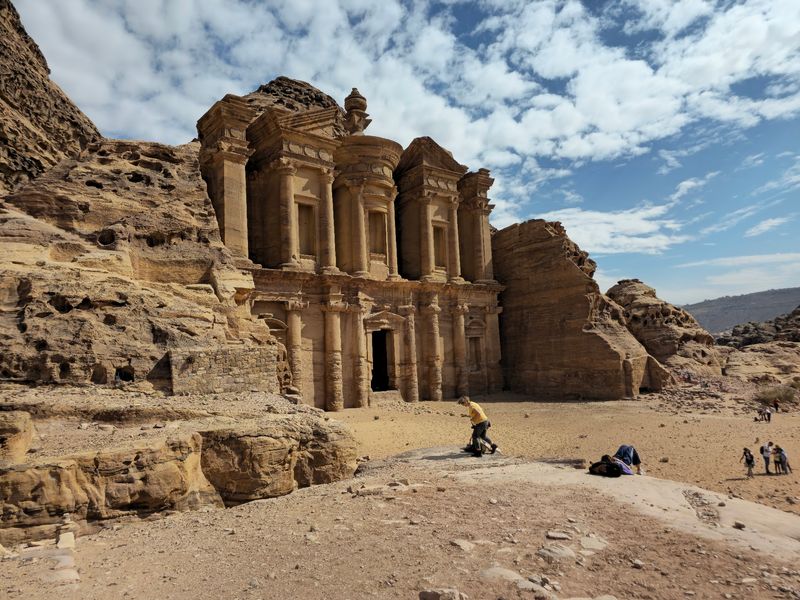
The first view of the Treasury comes at the end of the Siq, a narrow canyon that runs about 1.2 kilometers. Walking through it builds anticipation before the carved facade appears between the rock walls.
Petra was the capital of the Nabataean kingdom and a major trading hub. The site is a UNESCO World Heritage Site and covers far more than the Treasury, with royal tombs, a Roman-style theater, and the Street of Facades.
The Monastery sits high above the main area and is reached by about 800 rock-cut steps. It is bigger than the Treasury and often quieter, so the climb tends to be rewarded.
Plan a full day or two, since the site involves several kilometers of walking. Comfortable shoes, water, and sun protection help.
The Jordan Pass can bundle entry with a visa waiver for eligible stays.
Tromsø, Norway
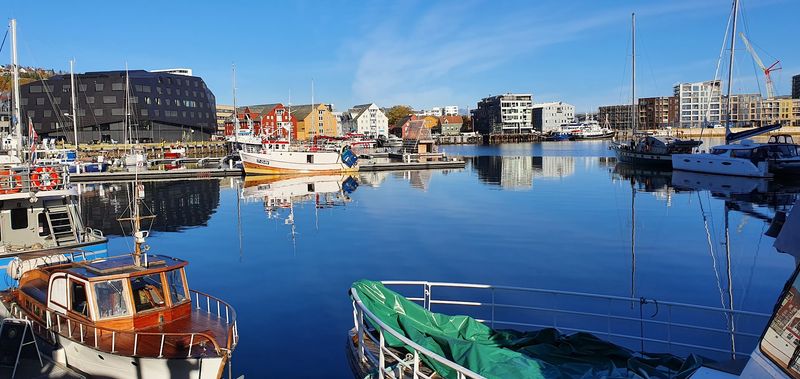
Sitting about 350 kilometers north of the Arctic Circle, Tromsø is one of the most popular places to chase the northern lights. The aurora season generally runs from late September to early April, when nights are dark enough.
Guided tours head out of town in search of clear skies, since the lights need both solar activity and a gap in the clouds. Joining more than one outing improves the odds.
Winter days offer plenty more to do. Visitors can try dog sledding, reindeer visits with Sami culture experiences, and whale watching in the nearby fjords from around November to January.
The city itself has the Arctic Cathedral, a striking triangular church across the bridge, and the Fjellheisen cable car, which rises to a viewpoint above town. In summer, the sun does not set for weeks, giving the midnight sun instead.
Golden Circle, Iceland
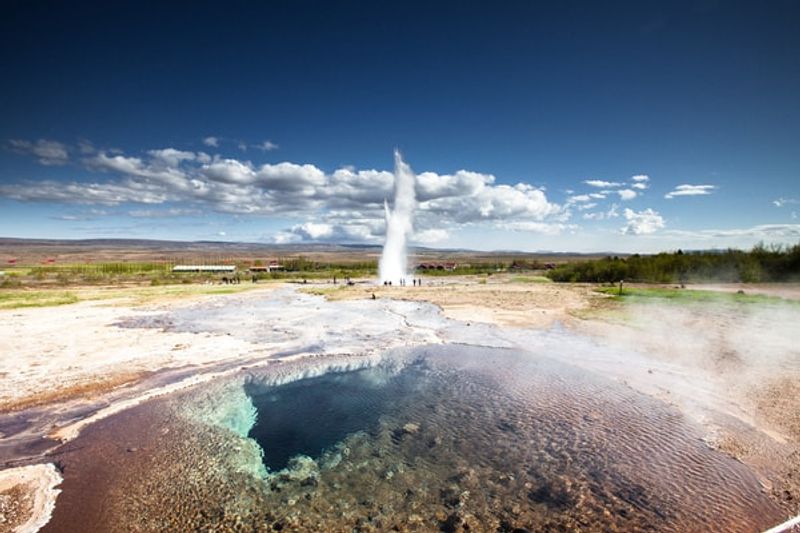
Three famous stops sit within easy reach of Reykjavik, and together they form the Golden Circle. The loop is about 300 kilometers and can be done in a day by rental car or guided tour.
Þingvellir National Park is where the North American and Eurasian tectonic plates are drifting apart. It is also the site of Iceland’s first parliament, founded in 930.
At the Geysir geothermal area, Strokkur erupts every several minutes, sending hot water high into the air. Gullfoss, a two-tiered waterfall, drops into a deep canyon and is free to visit.
Many visitors add extras like the Secret Lagoon, Kerið crater, or the Friðheimar tomato greenhouse. Summer brings long daylight hours, while winter has shorter days and a chance of northern lights.
Roads can be icy in cold months, so check conditions before heading out.
Mount Fuji, Japan
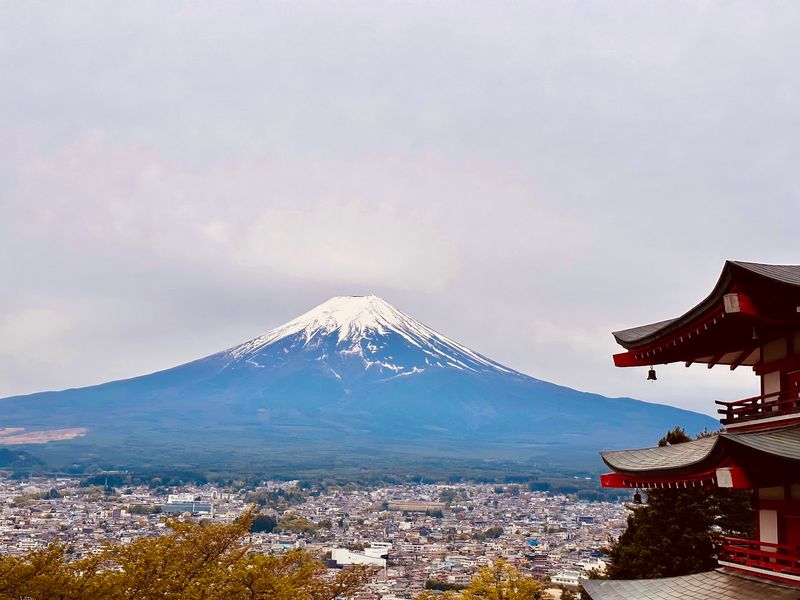
At 3,776 meters, Mount Fuji is Japan’s tallest peak and a symbol seen in art for centuries. It is a UNESCO World Heritage Site recognized for its cultural importance.
The official climbing season is short, usually early July to early September, when trails are open and mountain huts are running. Four main trails lead to the top, with the Yoshida Trail being the most popular.
Many hikers start in the afternoon, rest at a hut, and continue before dawn to reach the summit for sunrise. Entry rules and fees can apply on certain trails, so check current regulations before going.
Not everyone needs to climb. The Fuji Five Lakes area offers views from the shore, and Chureito Pagoda is a well-known photo spot, especially in cherry blossom season.
Clear mornings often give the best views.
Banff National Park, Canada
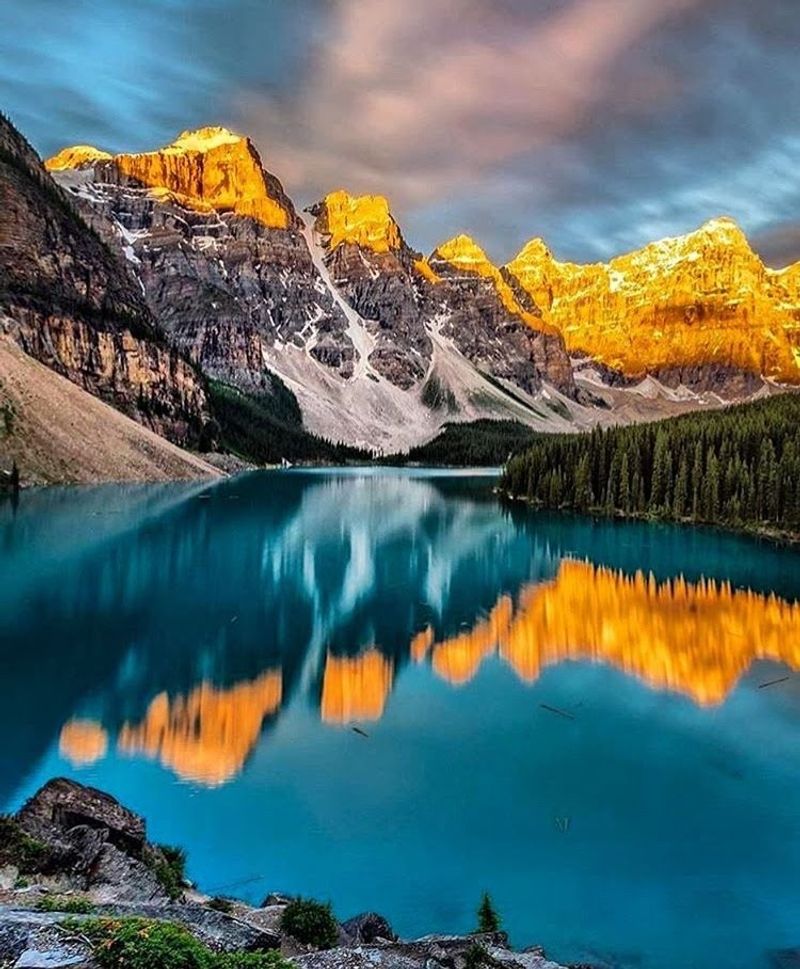
Canada’s first national park, established in 1885, sits in the Rocky Mountains of Alberta and is still a showstopper. Lakes like Moraine and Lake Louise get their turquoise color from rock flour carried by glacial meltwater.
Hiking is a major draw, with trails ranging from easy lakeside strolls to long mountain routes. Johnston Canyon features catwalks that lead to waterfalls, and the Banff Gondola rises to the top of Sulphur Mountain.
Wildlife such as elk, bighorn sheep, and bears live in the park, so keeping a safe distance matters. Park passes are required, and in peak season some popular sites use shuttles or limited parking.
Summer is great for hiking and canoeing, while winter brings skiing at places like Sunshine Village. The town of Banff has restaurants, shops, and hot springs that make a handy home base.
Milford Sound, New Zealand
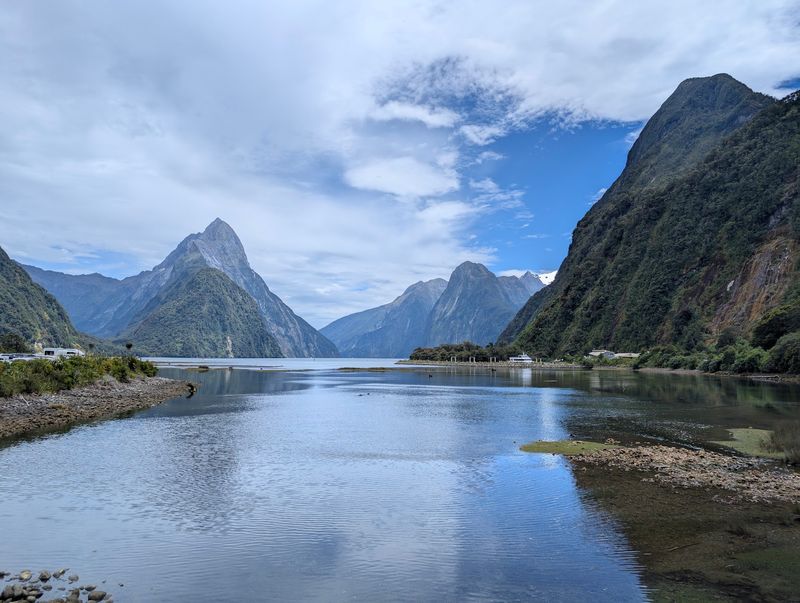
Rain is not a problem here, since it makes waterfalls appear all over the cliffs. Milford Sound, called Piopiotahi in Māori, is a fiord in Fiordland National Park on New Zealand’s South Island.
Cliffs rise steeply from the water, with Mitre Peak standing at about 1,692 meters. Boat cruises are the main way to see it, and they often pass seals, bottlenose dolphins, and Fiordland crested penguins in season.
The drive from Te Anau follows the Milford Road, which takes about two hours without stops. Scenic spots like Mirror Lakes and The Chasm are worth a pause, and road conditions can change quickly in bad weather.
Many visitors also take a scenic flight or an overnight cruise. Booking ahead is wise in summer, and a rain jacket is handy year round.
Machu Picchu, Peru
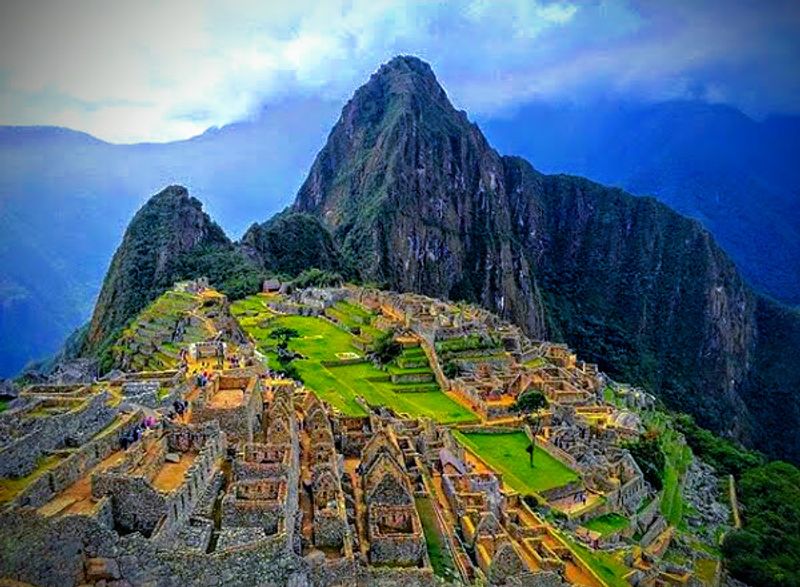
Built in the 15th century and linked to the Inca ruler Pachacuti, Machu Picchu sits high in the Andes and remained unknown to most of the outside world until 1911. Today it is a UNESCO World Heritage Site and one of the New Seven Wonders of the World.
Visitors can reach it by train to Aguas Calientes and then a bus up the mountain, or by hiking the Inca Trail. The classic trail is about 43 kilometers over four days, and permits sell out far in advance.
Entry tickets are timed and limited, and circuits through the site are set, so booking early is smart. Guides help explain features like the Temple of the Sun and the Intihuatana stone.
The dry season, roughly May to September, brings clearer skies. Take time to adjust to altitude in Cusco first.
Galápagos Islands, Ecuador
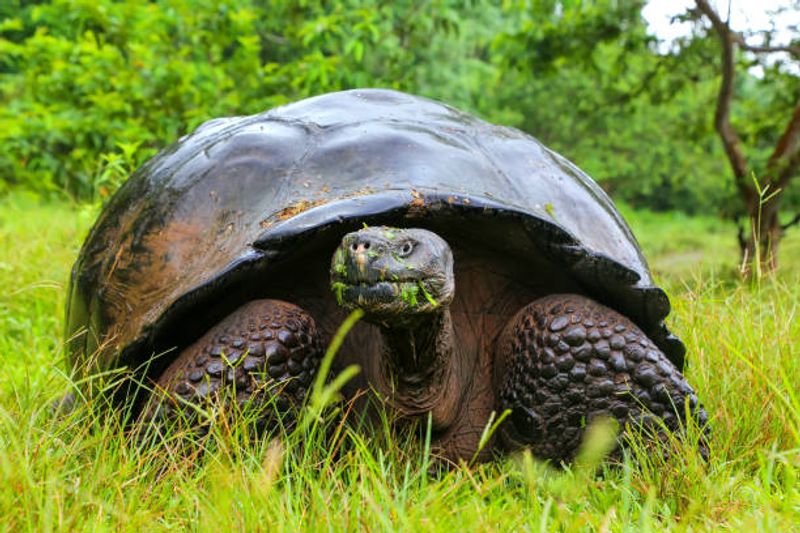
Wildlife here has little fear of people, so animals like sea lions, giant tortoises, and blue-footed boobies are often seen up close. The islands sit about 1,000 kilometers off the coast of Ecuador and are famous for inspiring Charles Darwin’s ideas on evolution.
Visitors can explore by multi-day cruise or by staying on inhabited islands like Santa Cruz, San Cristóbal, and Isabela and taking day trips. Snorkeling is a highlight, with chances to swim alongside turtles and rays.
Strict rules protect the ecosystem. Visitors pay a park entry fee, follow marked trails, and often travel with licensed naturalist guides.
Wildlife is active year round, though conditions vary. The warmer, calmer months of roughly December to May bring warmer water, while June to November is cooler and drier.
Different islands offer different species, so itineraries matter.
Komodo National Park, Indonesia
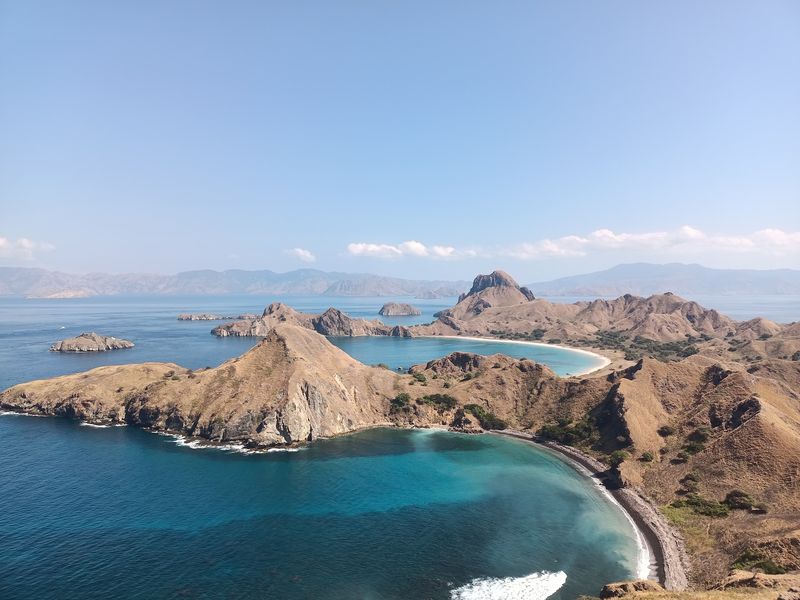
Komodo dragons are the largest living lizards, and this park in the Lesser Sunda Islands is one of the few places they live in the wild. The park, a UNESCO World Heritage Site, includes Komodo, Rinca, and Padar islands.
Rangers guide visitors on walking routes on Komodo and Rinca, and keeping to those groups is required for safety. Dragons can grow to around three meters long, so watching from a distance is the rule.
Padar Island has a well-known viewpoint, reached by a short climb, that looks over curved bays with different sand colors. Pink Beach gets its tint from tiny red coral fragments.
The surrounding waters are known for diving and snorkeling, with manta rays and colorful reefs. Trips usually start from Labuan Bajo on Flores, and day tours or live-aboard boats are common options.
Torres del Paine National Park, Chile
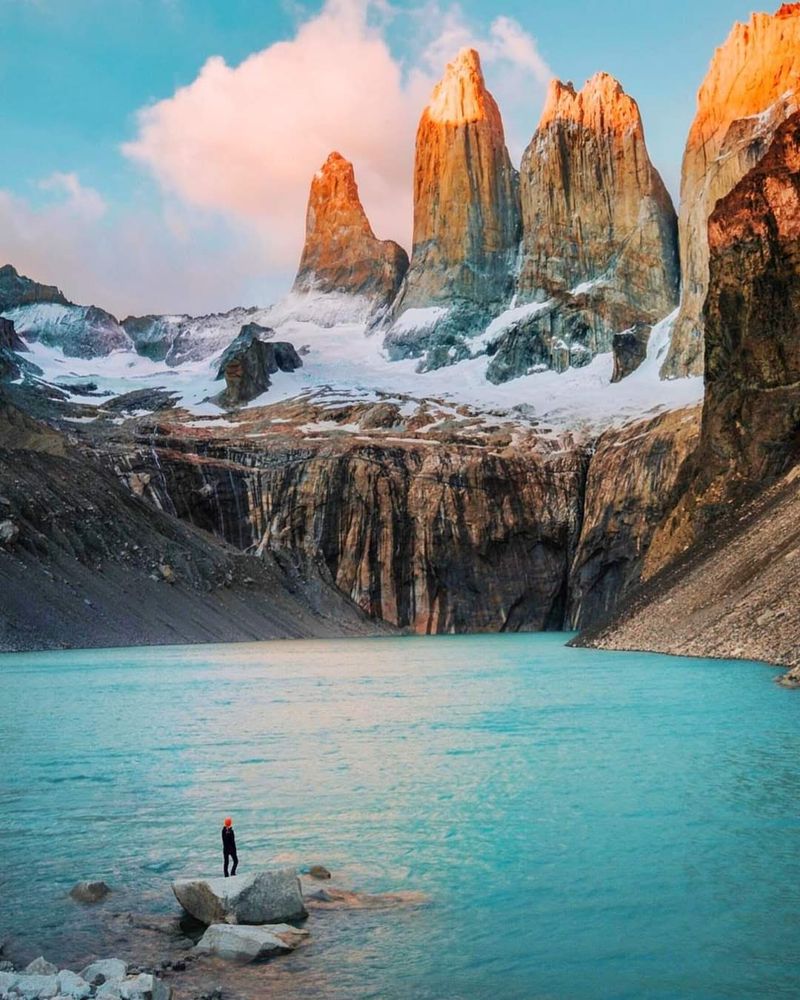
Granite spires, turquoise lakes, and glaciers fill this corner of Chilean Patagonia. The park is best known for the three towers that give it its name, and it is a UNESCO Biosphere Reserve.
Hikers choose between the W Trek, usually about four to five days, and the longer O Circuit, which loops around the entire massif in about seven to ten days. Day hikes such as the trail to the Base of the Towers are popular too.
Wildlife includes guanacos, foxes, and Andean condors, and with luck, pumas. Weather changes fast, and strong winds are common, so layers and waterproof gear matter.
The main season runs roughly from October to April. Campsites and refugios need advance reservations, especially in peak summer months.
The nearest hub is Puerto Natales.
Sahara Desert, Morocco
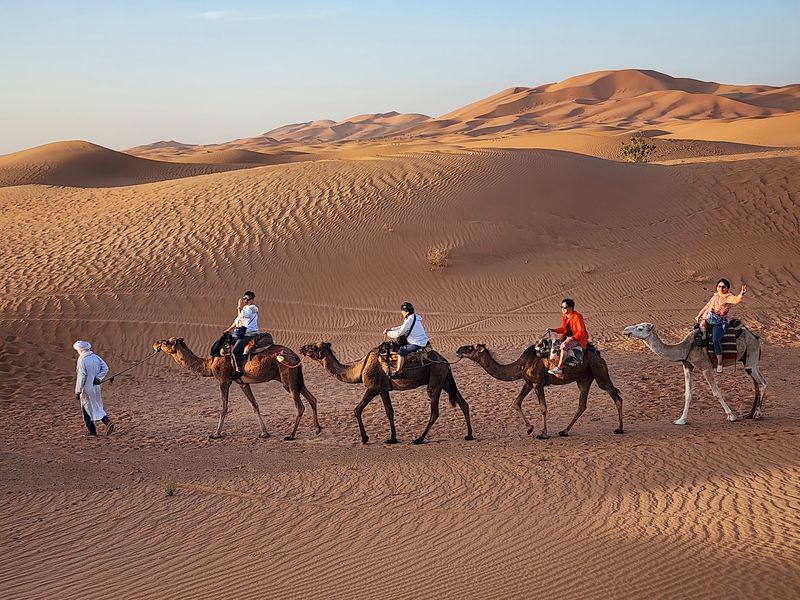
Spanning much of North Africa, the Sahara is about the size of the United States, and Morocco offers an approachable way to experience it. Trips usually run from Marrakech through the High Atlas and Ouarzazate before reaching the dunes.
Along the way, stops often include Aït Benhaddou, a fortified village made of earthen buildings, and the palm-filled Draa Valley. Multi-day tours are common and can include camel rides and a night at a desert camp.
Beyond the famous dune fields, travelers can also visit Zagora and the Erg Chigaga area, which is more remote and takes longer to reach. Off-road tracks usually require a 4×4 and a local driver.
Autumn through spring offers more comfortable temperatures, while summer heat can be intense. Bring a scarf for sun and sand, and plenty of water.
Drake Passage, Antarctica
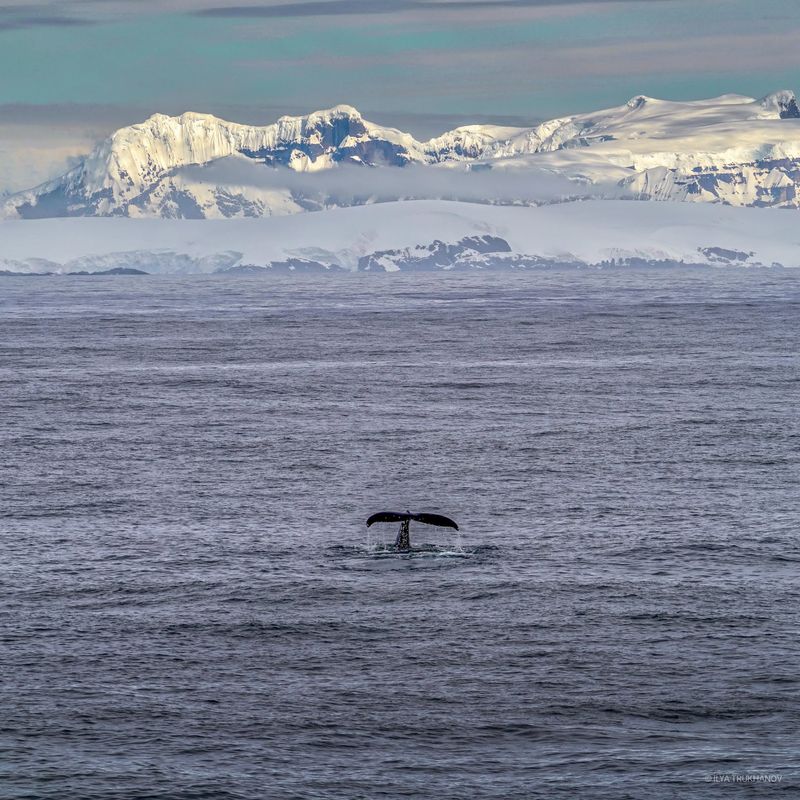
Sailors have long known the Drake Passage as one of the roughest stretches of ocean, and it is the sea route between the tip of South America and Antarctica. It is about 800 kilometers wide, and crossings usually take around two days each way.
Conditions vary. Some trips get what travelers call the Drake Lake, with calm seas, while others bring big swells known as the Drake Shake.
Many people pack seasickness remedies and choose a cabin lower and near the middle of the ship.
The crossing has its own wildlife appeal. Albatrosses and petrels glide along beside the ship, and onboard lectures cover topics like penguins, glaciers, and polar history.
Crossing the Antarctic Convergence, where cold southern waters meet warmer northern ones, brings a change in sea temperature and in marine life. Most voyages depart from Ushuaia, Argentina, during the November to March season.
Share this story