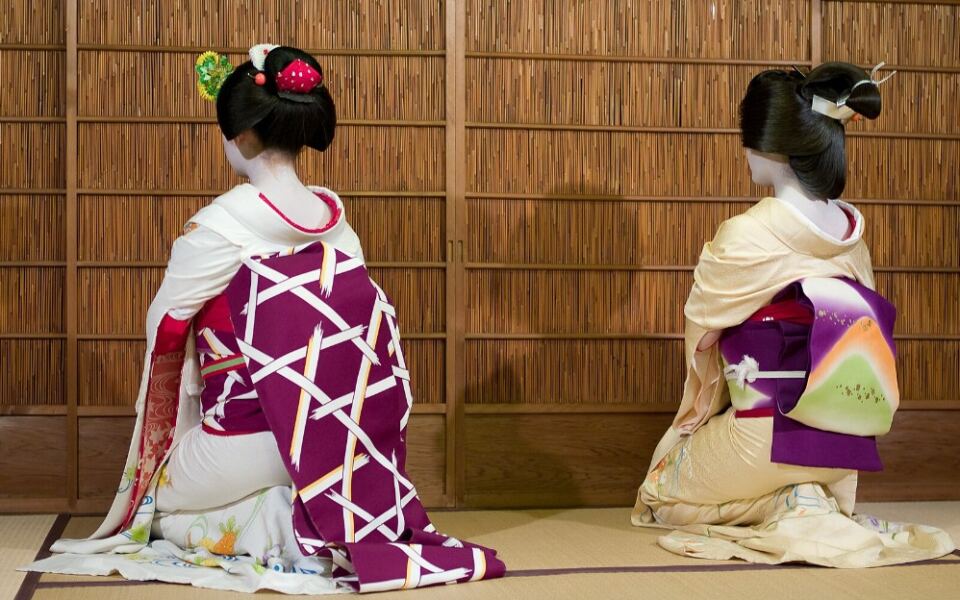
Geisha are often seen as symbols of Japanese art and tradition, yet their history includes hardship, strict rules, and widespread misunderstanding. Looking at the harder parts of that story helps separate fact from fiction.
This list covers eleven chapters, from the earliest entertainers to modern myths. Each one shows how real people lived and worked in a demanding profession.
1. The First Geisha Were Men
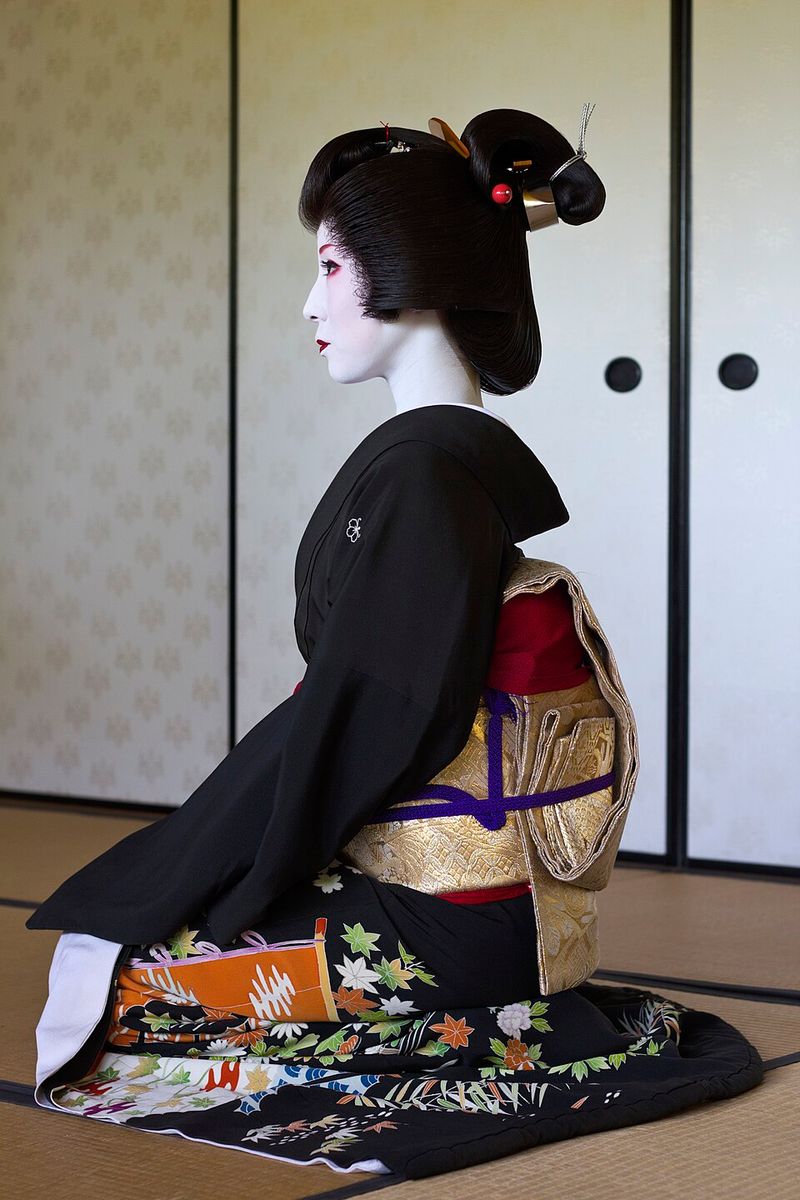
Picture a banquet in 18th-century Japan where the life of the party is a man in formal robes, cracking jokes and telling stories. That was the taikomochi, the earliest form of the geisha profession.
These male entertainers performed at social gatherings, keeping guests amused with conversation, music, and clever wordplay. Some had roots in older traditions of court and samurai household entertainers.
Women entered the same line of work in the mid-1700s, first as dancers and musicians in pleasure districts. They proved so popular that they gradually took over the title.
By the early 19th century, geisha were mostly women, and male performers became a small minority.
The shift matters because it shows the profession was always about skill and hospitality first. The dark side came later, as women in the trade faced rules, rivalry, and social judgment that the early male entertainers rarely experienced in the same way.
2. Poverty Pushed Some Girls Into Geisha Houses
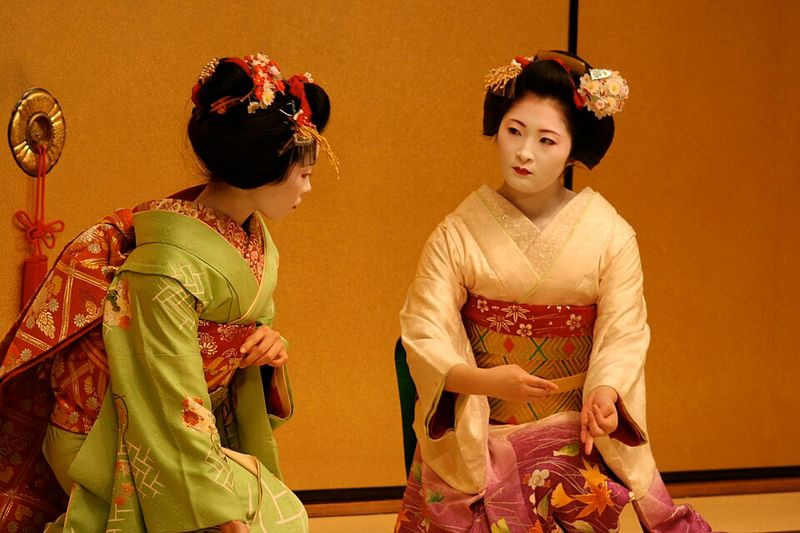
For many families in old Japan, a bad harvest could mean real hunger. In those moments, sending a daughter to a geisha house sometimes looked like the only way to keep everyone fed.
Historically, girls from poor households were placed in apprenticeship arrangements. The family might receive money upfront, and the girl would live in the house, learning the trade while working for her keep.
These agreements often came with contracts that favored the house. A child had little say in the decision, and leaving was not simple.
Not every geisha came from hardship, and some families chose the path because it offered a respected skill. Still, poverty was a common reason, and it shaped the lives of countless girls.
Understanding this helps explain why the profession carried both admiration and sorrow.
3. Geisha and Courtesans Were Not the Same
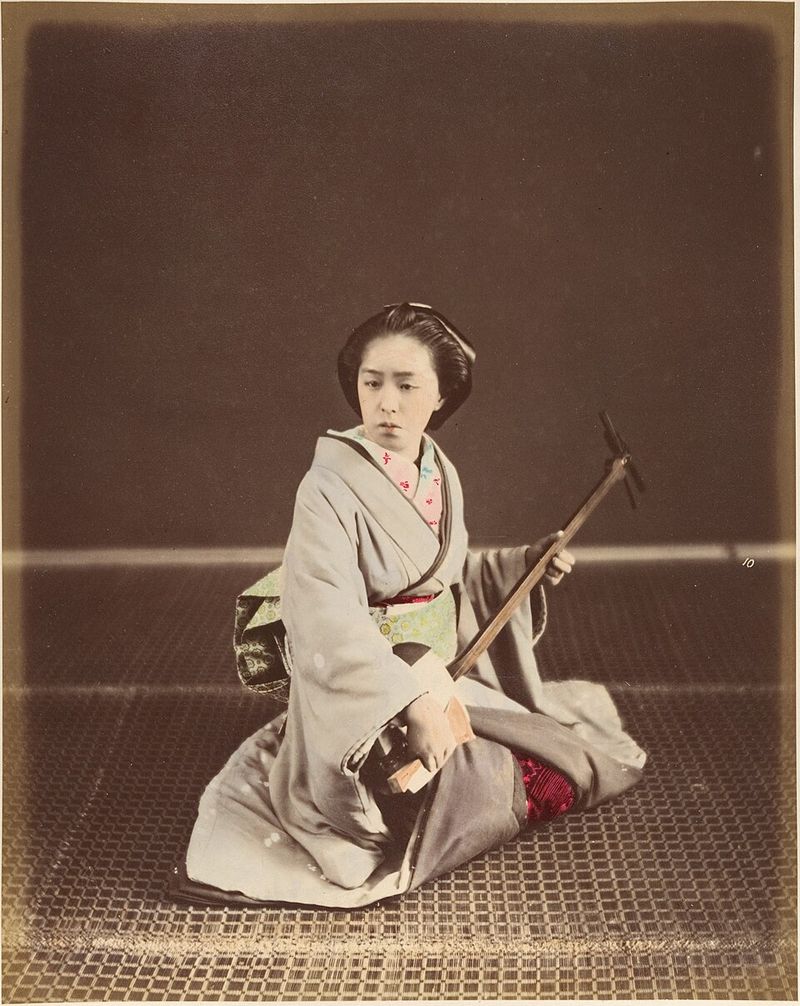
Mix up a geisha and a courtesan in Japan, and a historian will gently correct you. The two jobs were different, even if they sometimes shared the same neighborhoods.
Geisha were trained in music, dance, poetry, and lively conversation. Their goal was to entertain guests at banquets and tea houses using artistic skill.
Courtesans, such as the famous oiran, worked within Japan’s licensed pleasure quarters, where the trade was legally regulated. Their roles, clothing, and customs were separate from those of geisha.
Because the professions overlapped in certain environments, outsiders often confused them. That confusion grew over time and still shapes how people picture geisha today.
Knowing the difference is the first step toward understanding the real history, including the pressures geisha faced when others assumed they were something they were not.
4. Training Could Begin in Childhood
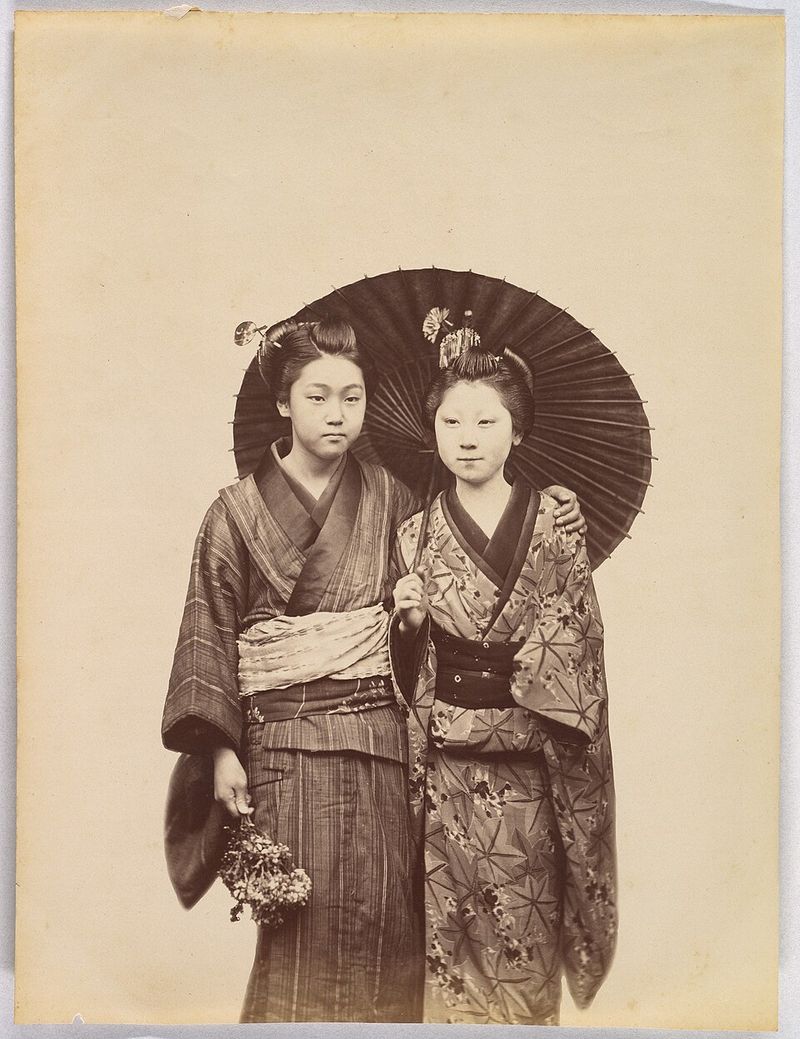
At an age when most children were playing outside, some future geisha were already scrubbing floors and memorizing songs. Training often started young, sometimes around age ten or even earlier.
Apprentices spent years learning shamisen, traditional dance, tea ceremony, calligraphy, and polite speech. Between lessons, they handled household chores and served senior women in the house.
Days were long, and teachers could be strict. Mistakes might bring harsh scolding, and the pressure to perform well was constant.
The system did produce highly skilled artists, and many graduates were proud of their craft. Yet the cost was a childhood shaped by work and discipline.
Today, rules in Japan require that apprentices be older, which reflects a shift away from the demanding conditions of the past.
5. Debt Could Limit a Woman’s Freedom
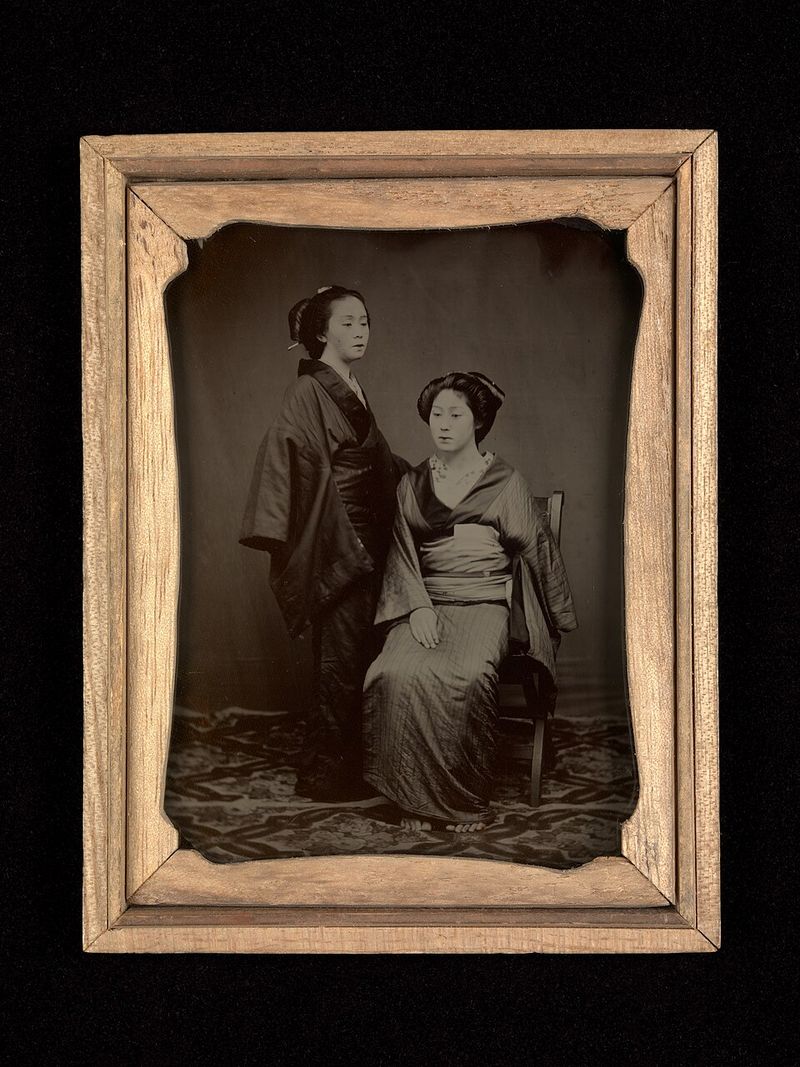
A kimono can cost as much as a house, and in old geisha districts, someone had to pay for it. Often, that someone was the young woman wearing it.
Clothing, lodging, meals, and lessons were usually paid for by the okiya, the house where geisha lived. Those expenses were recorded as debt that the apprentice repaid through her earnings.
Because costs were high and income was controlled by the house, the balance could take years to clear. Until then, leaving certain establishments could be very difficult.
Some women paid off their debts and built independent careers. Others stayed bound far longer than they had hoped.
The system shows how money, not just tradition, shaped daily life behind the paper doors.
6. The Mizuage Tradition Has a Controversial History
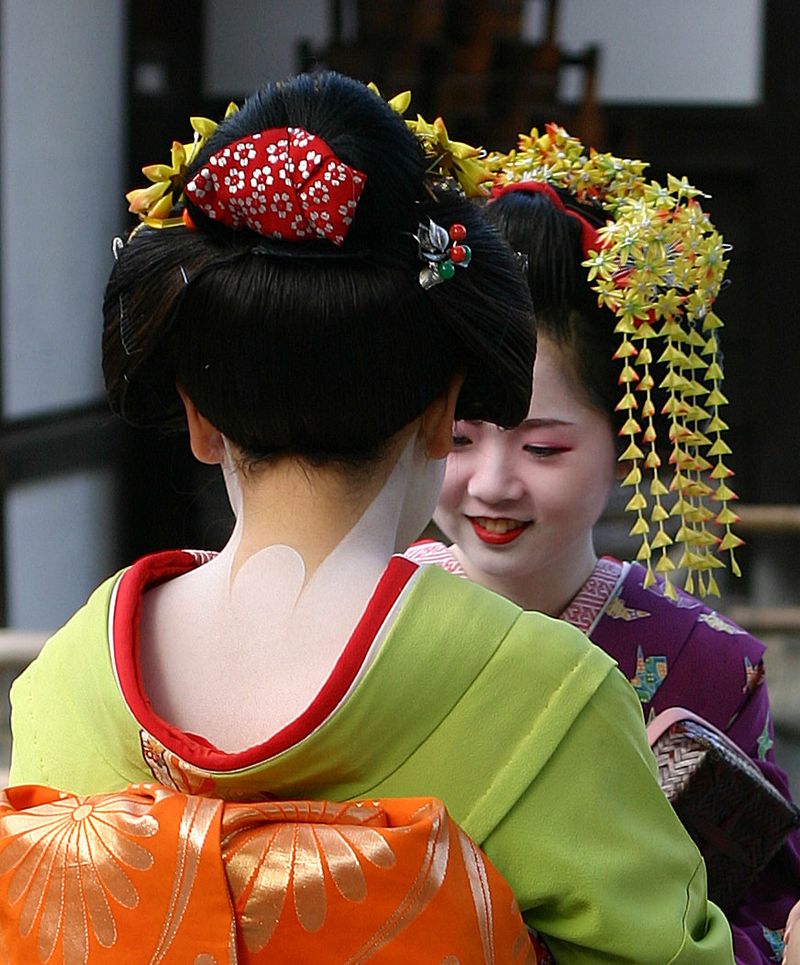
Few words about geisha cause as much confusion as mizuage. Literally, it referred to a coming-of-age step in a young woman’s career.
In some historical settings, the term became linked to the sale of a young woman’s virginity. That meaning shocked many readers and has been repeated in books and films ever since.
However, this was not a universal geisha practice. Practices varied by place and era, and in many cases mizuage simply marked a change in status, such as a new hairstyle or a ceremony.
Popular fiction has made the darkest version seem like the rule, which has created widespread misconceptions. Careful historians separate documented cases from dramatic retellings, reminding readers that one troubling custom should not define an entire profession.
7. Geisha Worked Within Strictly Regulated Districts
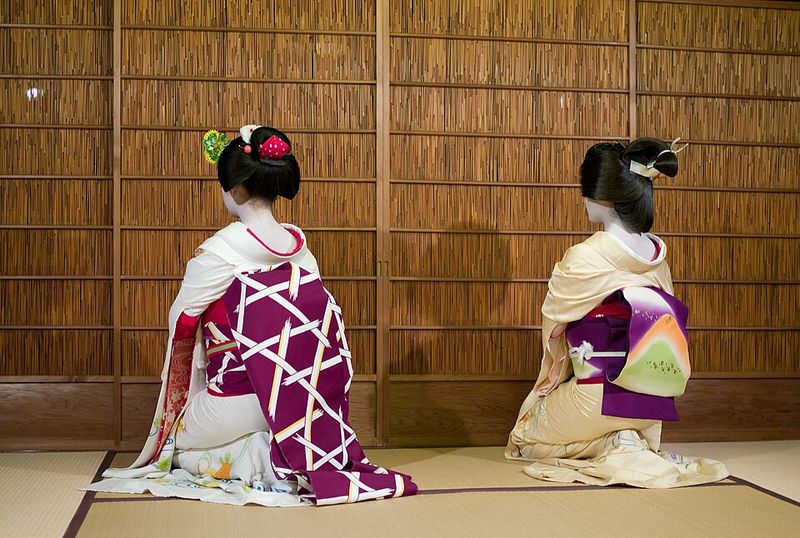
Behind the glow of lanterns in Edo-period entertainment districts, a thick rulebook was at work. Geisha did not simply open a business and invite guests in.
Government licensing shaped where entertainers could work and how they were organized. Registration offices tracked members, and professional associations set standards for conduct and fees.
Rules also separated geisha from courtesans. Geisha were meant to focus on performance, and regulations aimed to keep them from competing with licensed pleasure quarters.
These controls gave the profession structure, but they also limited personal choices. Women had to follow strict codes about work, behavior, and sometimes even appearance.
Seeing the system helps explain why geisha life was so tightly managed and why individual freedom was often narrow.
8. Women Faced Social Stigma Despite Their Artistry
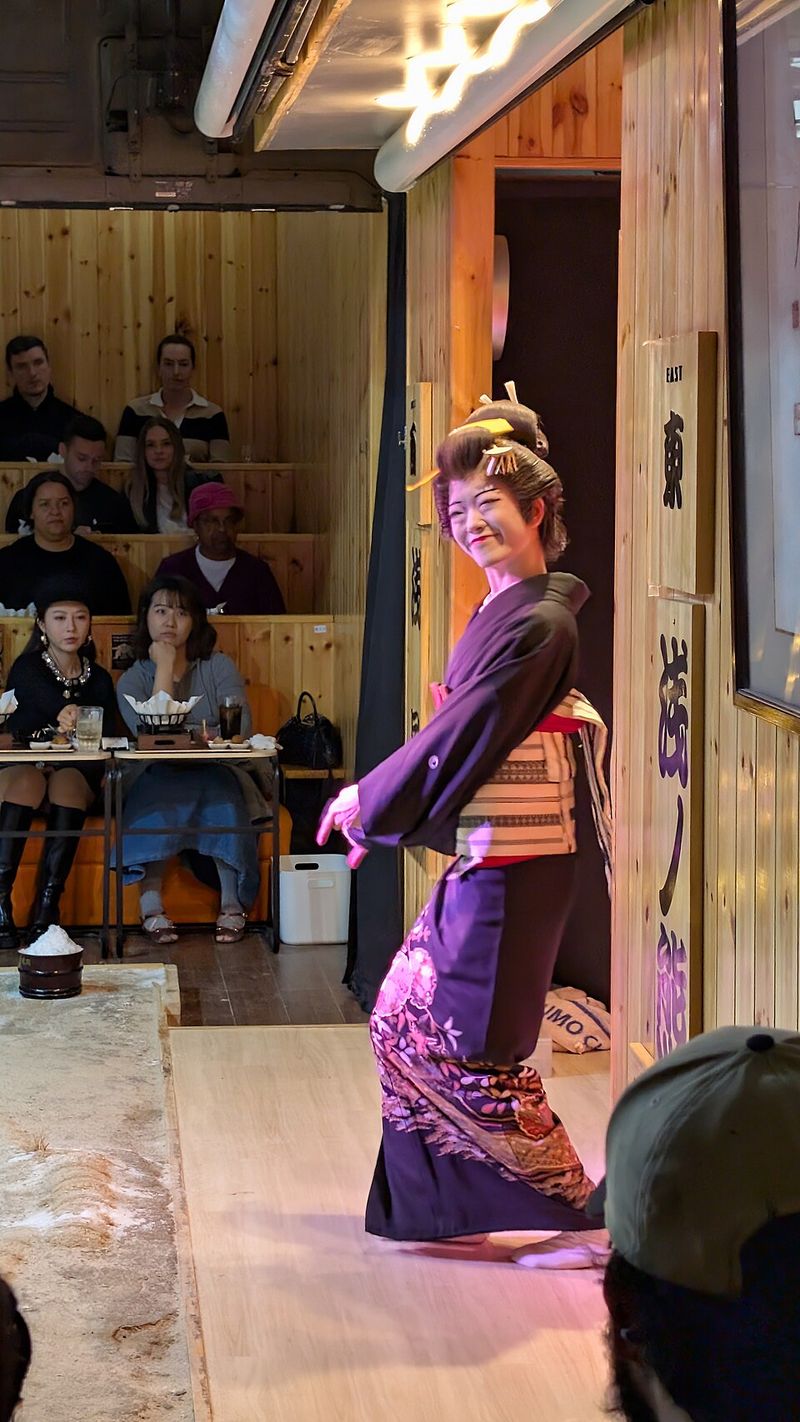
Imagine being applauded for your dance and whispered about on the way home. That tension followed many geisha for generations.
Top performers could earn real cultural prestige. They set fashion trends, appeared in prints, and were admired for their refined skills.
Even so, social attitudes toward female entertainers often pushed them to the edges of respectable society. Marriage to a man outside the community could be difficult, and families sometimes kept their distance.
This mix of fame and judgment created a lonely balance. Geisha were praised as symbols of tradition while being treated as outsiders in daily life.
The contradiction remains one of the most telling parts of their story.
9. World War II Disrupted the Geisha Profession
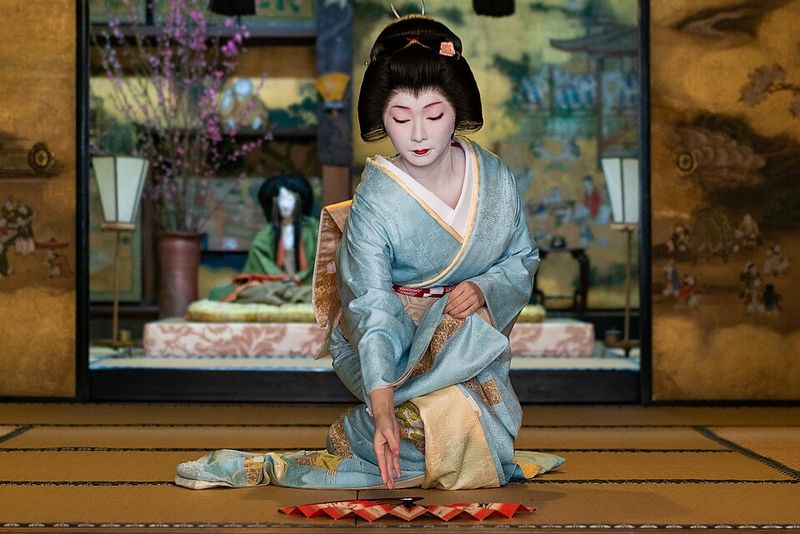
When war came to Japan, the quiet rooms of the tea houses changed overnight. Entertainment districts faced shortages, restrictions, and shifting priorities.
Wartime rules closed or limited many establishments. Some geisha were mobilized to work in factories, while others found their communities scattered.
Some Kyoto geisha took part in military fundraising campaigns. They were also pressured to follow expectations of patriotic womanhood, which often meant setting aside their usual dress and arts.
The war interrupted training and income, and many traditions struggled to survive. Rebuilding after 1945 took years.
The period shows how national events can reshape even the most tradition-bound communities.
10. Postwar Japan Created New Misconceptions
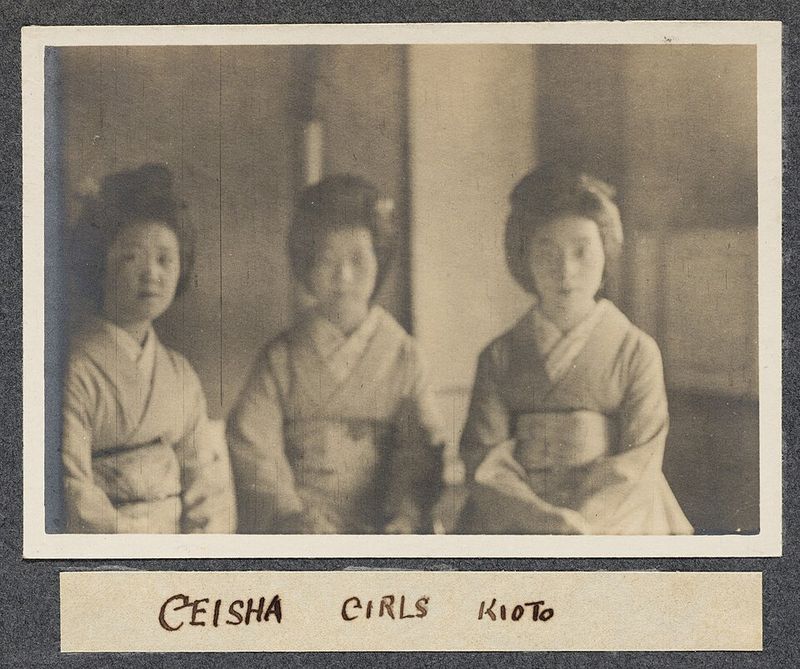
After 1945, Japan was under American occupation, and meetings between two very different cultures led to plenty of misunderstandings.
Many foreign visitors had heard of geisha but did not know the details. Some assumed any woman in a kimono who entertained men was a geisha.
The association of geisha with prostitution became especially confusing during this time. Women who used the name for other work added to the mix, and the label spread in ways that hurt the reputation of true artists.
These stereotypes lasted for decades. They hid the training, discipline, and artistry that define the profession.
Clearing up the postwar confusion is key to seeing geisha as performers rather than as a caricature.
11. Popular Fiction Distorted Their History
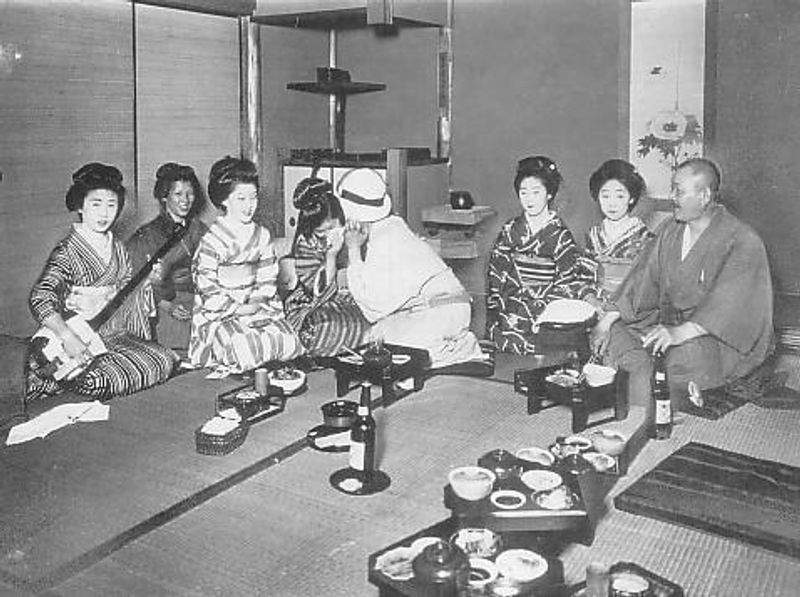
For many readers around the world, the first look at geisha life came from a novel. Memoirs of a Geisha became a bestseller and was later made into a film.
The story helped popularize an image centered on sexual exploitation. That picture was dramatic, but it left out much of the real profession.
Historians emphasize that geisha history also includes artistic achievement, professional independence, and cultural preservation. Many women earned respect and a living through music and dance, and they helped keep traditional arts alive.
Fiction can spark curiosity, but it is not a record of facts. Reading memoirs, museum research, and scholarly books gives a fuller view.
The best account honors both the hardships and the talent of the women who built this world.
Share this story