Many national identities feel ancient, but several are much younger than people expect. Three centuries ago, the maps looked very different, and many of these countries were colonies, kingdoms, or parts of larger empires.
Looking at when each nationality took shape helps explain how borders, laws, and shared identity develop. Here are twelve examples, each with a clear date and some helpful context.
1. Americans
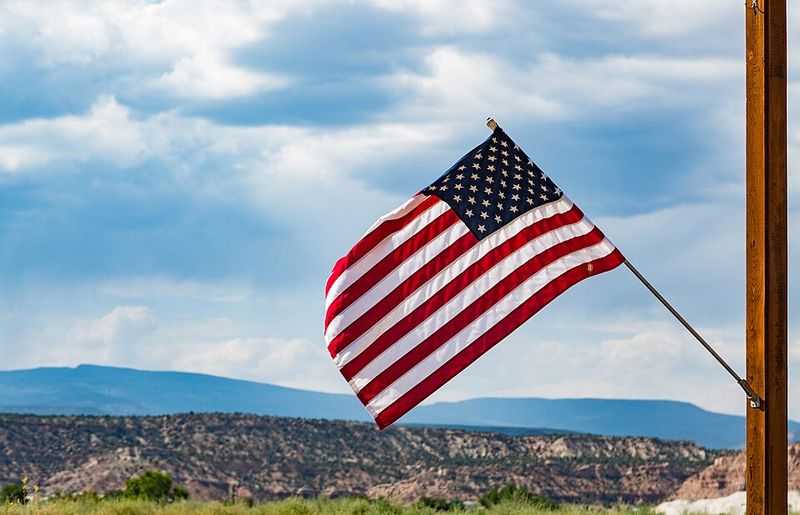
Picture a room in Philadelphia in the summer of 1776, where a group of delegates argued over words that would reshape the world. The Declaration of Independence announced that thirteen colonies no longer belonged to Britain.
Before that moment, people living there were mostly British subjects. They thought of themselves as Virginians, New Yorkers, or Pennsylvanians first.
The break with Britain created a new political identity and, over time, a shared national citizenship.
The idea of being American kept growing after independence. The Constitution was approved in 1787 and set up a central government that united the states under one set of laws.
Later events, such as westward expansion, the Civil War, and waves of immigration, kept adding new layers to the identity. So while the roots go back to the colonial era, the American nationality as people know it today began to form only in the late 1700s.
2. Canadians
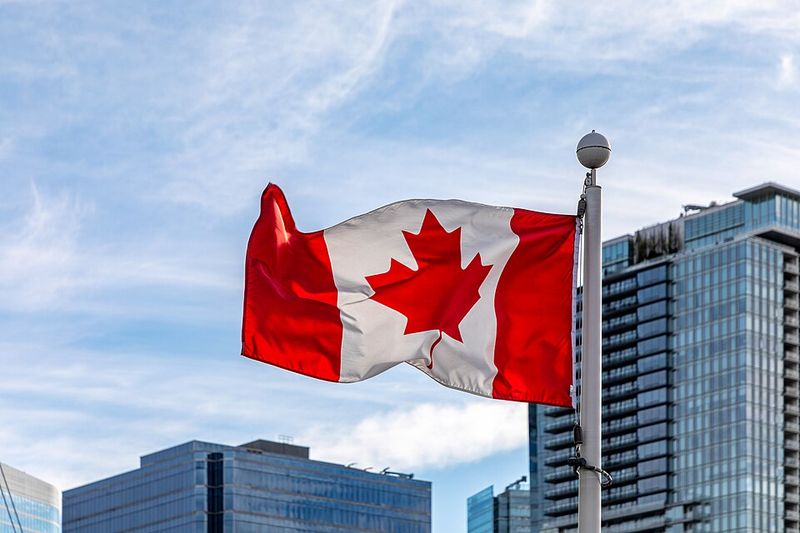
Few people realize that Canada is younger than the typewriter. On July 1, 1867, Canadian Confederation joined Ontario, Quebec, Nova Scotia, and New Brunswick into one dominion.
Even then, people in Canada were still British subjects. A separate Canadian citizenship did not exist in law until the Canadian Citizenship Act took effect on January 1, 1947.
Canada’s first citizenship ceremony was held that same year.
Indigenous peoples have lived on these lands for thousands of years, and French settlers arrived in the early 1600s. Yet the modern national category of Canadian, with its own legal status, took shape much later.
Over time, more provinces joined, and the country gained greater control over its own laws. Canadian identity today blends Indigenous, French, British, and global influences, built over many generations.
3. Australians

On New Year’s Day in 1901, crowds in Sydney gathered to watch six British colonies become one country. Before then, New South Wales, Victoria, Queensland, South Australia, Western Australia, and Tasmania ran their own affairs.
Federation created the Commonwealth of Australia, but the new nation still thought of itself as part of the British Empire. Most residents were legally British subjects.
Australian citizenship was not formally created until the Nationality and Citizenship Act came into force in 1949.
First Nations peoples have lived on the continent for at least 60,000 years, which makes their cultures among the oldest in the world. The modern label of Australian, though, as a legal and political identity, is a twentieth-century development.
It grew through wartime experiences, immigration, and a gradual move toward independent decision making.
4. New Zealanders
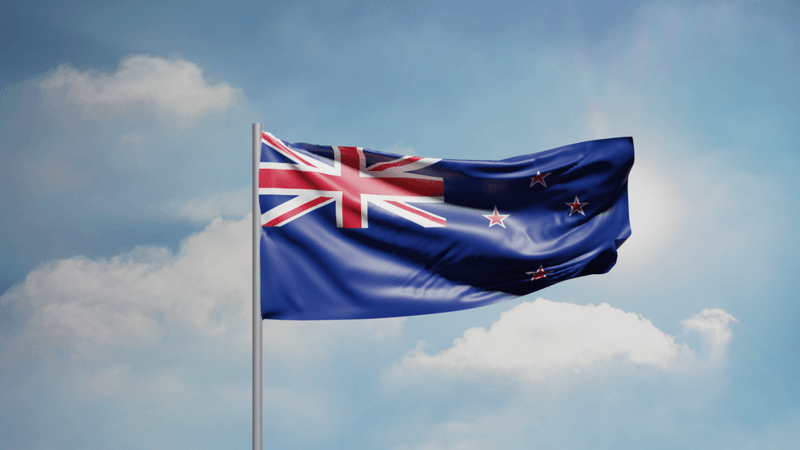
Here is a quick timeline puzzle: New Zealand became its own British colony in 1841, only a year after the Treaty of Waitangi was signed in 1840. Before that, it was administered as part of New South Wales.
For the next century, many settlers still considered themselves British. New Zealand gained dominion status in 1907 and greater self-government over time.
Its own citizenship came with the British Nationality and New Zealand Citizenship Act of 1948, which took effect in 1949.
Maori had been living in Aotearoa for several centuries before European contact, with deep traditions and tribal identities. The shared national identity of New Zealanders, combining Maori and settler heritage, developed gradually.
Today the term covers a diverse population with a strong sense of place, shaped by both ancient roots and modern law.
5. Pakistanis
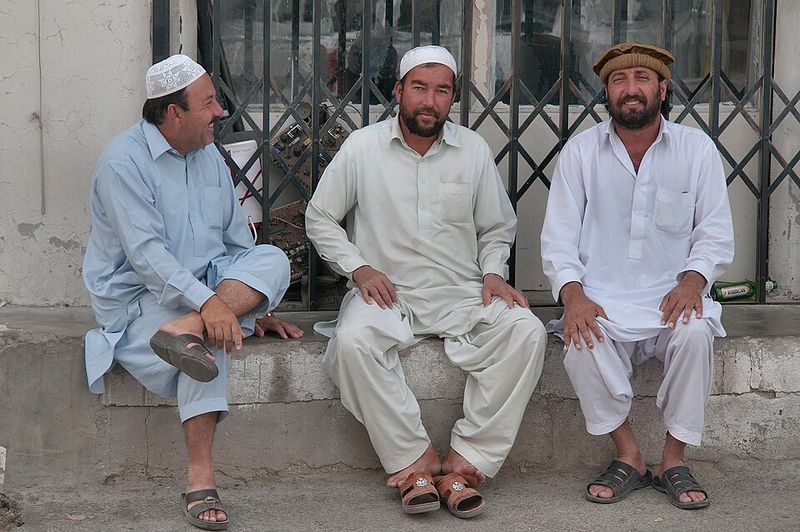
At midnight on August 14, 1947, a new country appeared on the map. Pakistan was created when British India was partitioned into two independent states, Pakistan and India.
The move was based on the idea that many Muslims in the region should have a homeland of their own. Mohammad Ali Jinnah led the Muslim League and became the country’s first Governor-General.
The partition also led to one of the largest migrations in history, as millions of people crossed new borders.
The land that makes up Pakistan has a very long past, including the ancient Indus Valley civilization and the Mughal era. Still, Pakistani as a national identity is a product of the twentieth century.
It combines many regional cultures, such as Punjabi, Sindhi, Pashtun, and Baloch, under one national framework.
6. Bangladeshis
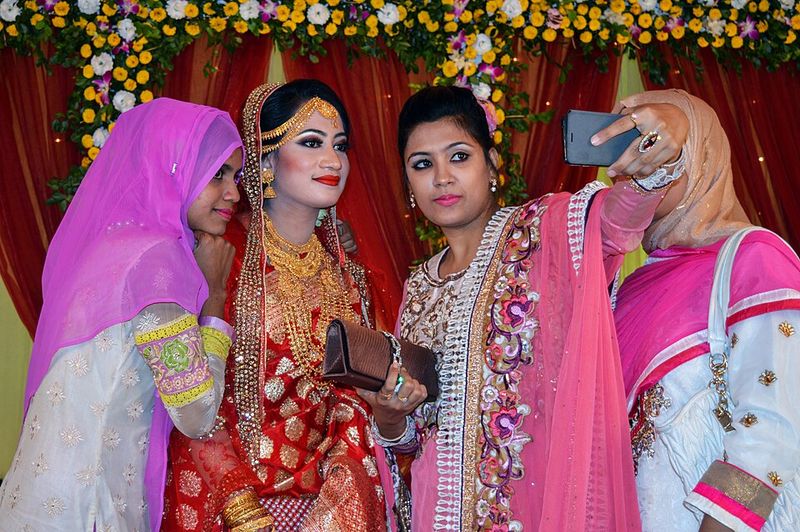
Language played a surprising role in the birth of Bangladesh. In 1952, students in Dhaka protested for Bengali to be recognized as a state language, and that movement became a symbol of cultural pride.
After Pakistan formed in 1947, the eastern wing was known as East Pakistan. Political and economic tensions grew over the following decades.
A war of independence in 1971 ended with Bangladesh becoming a sovereign nation on December 16.
Bengali culture itself is far older, with a rich literary and musical tradition stretching back many centuries. Poets such as Rabindranath Tagore and Kazi Nazrul Islam helped shape it.
So the people have a long cultural heritage, yet the country and the national identity of Bangladeshi are only a little over fifty years old.
7. Singaporeans
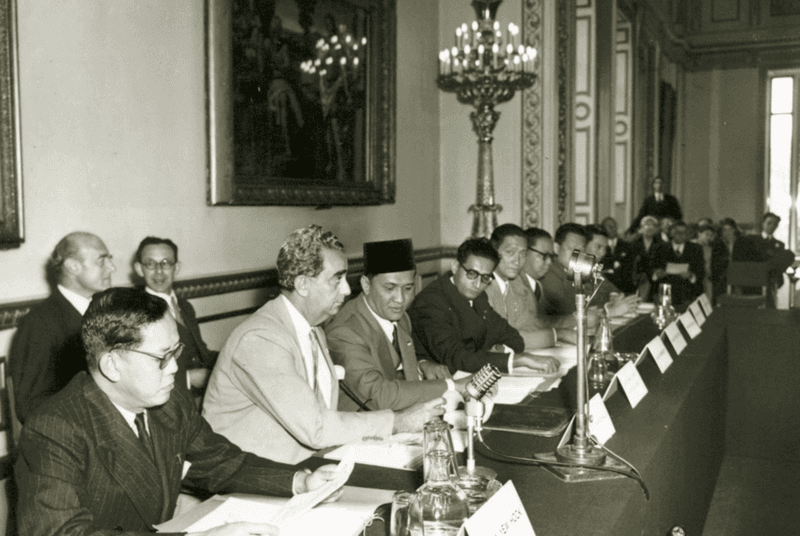
Singapore’s story includes one of the most unexpected national births of the twentieth century. On August 9, 1965, the island left the Federation of Malaysia and became an independent republic.
Leaders had not planned it that way. Political and economic disagreements made the union difficult, and separation came quickly.
Prime Minister Lee Kuan Yew spoke emotionally on television about the decision.
The island had been a trading post since the early 1800s, when the British established a base there. Its population came from Chinese, Malay, Indian, and other backgrounds.
Building a shared Singaporean identity from that mix became a national project, supported by public housing, bilingual education, and National Service. In just a few decades, a small port city became a distinct nation with its own sense of belonging.
8. Malaysians
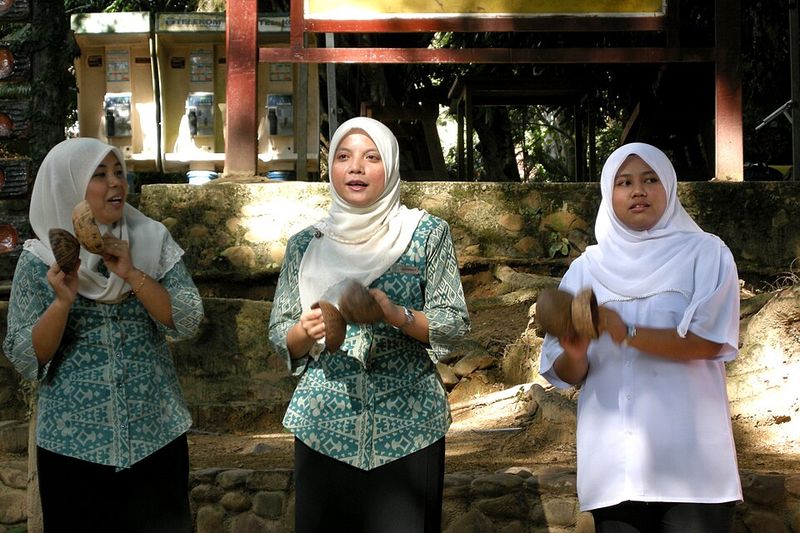
Malaysia is a union of several parts that came together on September 16, 1963. The new federation joined Malaya, Sabah, Sarawak, and, at first, Singapore.
Malaya had gained independence from Britain in 1957, but the broader Malaysian nation was formed later. The idea was to bring together territories with different peoples and histories under one government.
Singapore left in 1965, leaving the country in its current shape.
The region has a long history of Malay sultanates, trade networks, and diverse communities including Malay, Chinese, Indian, and many Indigenous groups. The Malaysian national identity grew from that mix.
Because the country was created so recently, its leaders have often focused on building unity, using shared institutions, a national language, and public holidays to connect people across different backgrounds.
9. Emiratis
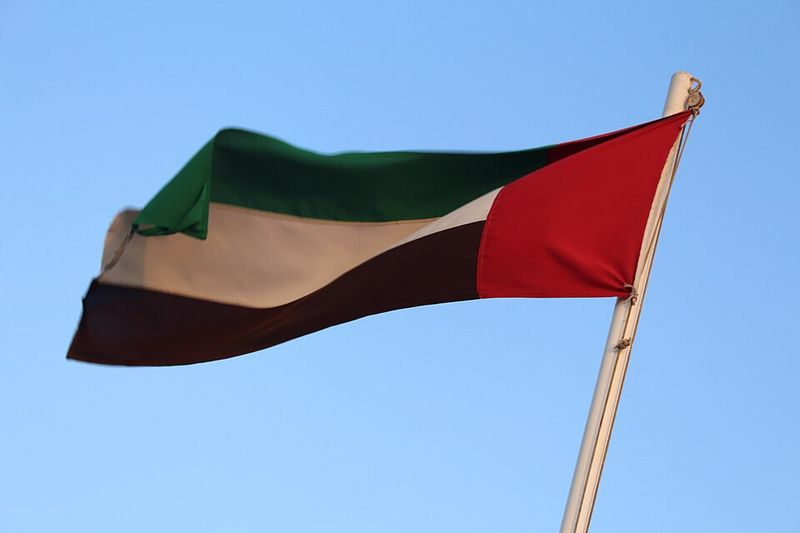
A few decades ago, the coast of the Arabian Peninsula looked very different from the skylines seen today. Before 1971, the area was known as the Trucial States, linked by treaties with Britain.
On December 2, 1971, six emirates joined to form the United Arab Emirates: Abu Dhabi, Dubai, Sharjah, Ajman, Umm Al Quwain, and Fujairah. Ras Al Khaimah joined in early 1972.
Sheikh Zayed bin Sultan Al Nahyan became the first president.
Local communities had lived there for centuries, relying on pearl diving, fishing, herding, and trade. Tribal and family ties were central to identity.
The modern Emirati nationality, tied to a single federation and shared citizenship, is a product of the last half century. Oil wealth and rapid development then reshaped the country’s economy and society.
10. South Sudanese
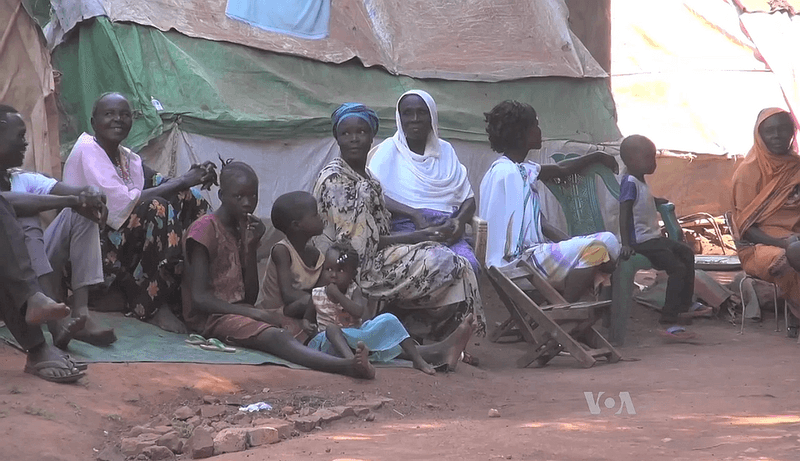
When South Sudan raised its new flag on July 9, 2011, it became the newest country in the world. Thousands gathered in Juba to celebrate after decades of conflict.
The path to independence was long. Sudan had experienced two civil wars between the north and the south, with the second lasting from 1983 to 2005.
A peace agreement in 2005 promised a vote on the south’s future. In January 2011, nearly 99 percent of voters chose independence.
The region is home to many ethnic groups, including the Dinka, Nuer, Shilluk, and Azande, each with distinct languages and traditions. Creating a shared national identity has been a major challenge, especially after internal conflict began in 2013.
The South Sudanese nationality is therefore both very new and still taking shape.
11. Indonesians

Imagine thousands of islands, hundreds of languages, and one shared name. That is the challenge Indonesia faced as it formed a national identity.
For centuries, the islands were home to separate kingdoms and sultanates. Later, Dutch colonial rule connected them under one administration.
In the early twentieth century, young activists began to imagine a single nation. In 1928, the Youth Pledge declared one homeland, one nation, and one language.
Sukarno and Mohammad Hatta proclaimed independence on August 17, 1945, although the Netherlands did not recognize it until 1949 after a struggle. The Indonesian language, based on Malay, helped unite a diverse population.
As a result, the Indonesian nationality is largely a modern creation, built from many older cultures and identities.
12. Filipinos
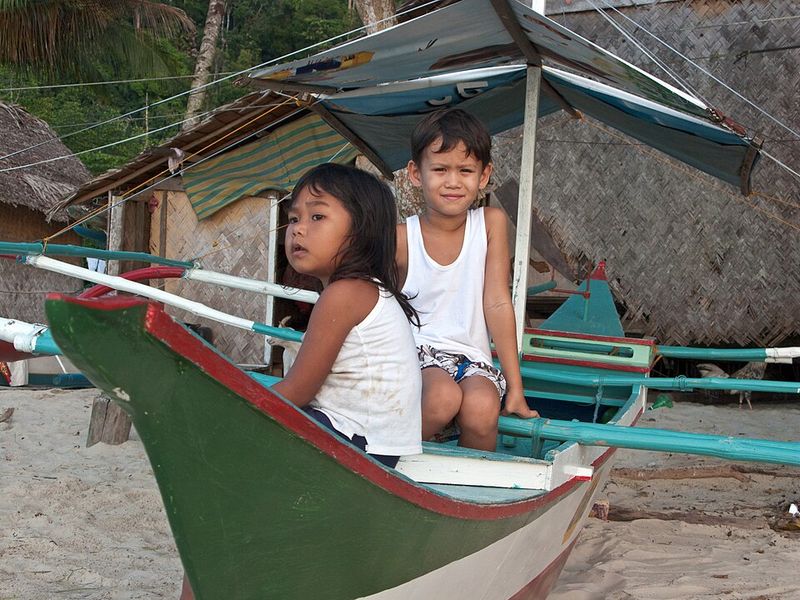
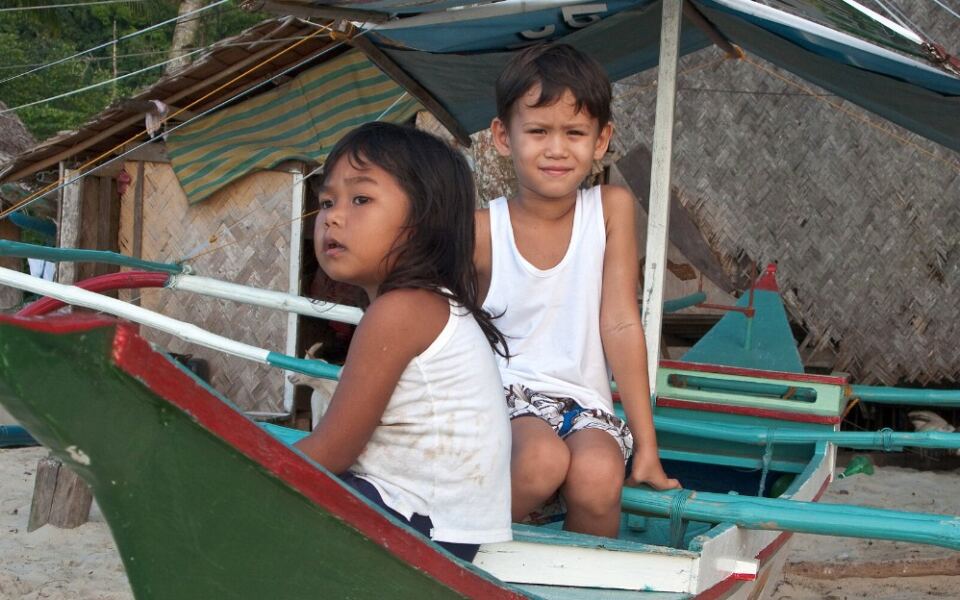
Not long ago in historical terms, the word Filipino mostly referred to Spaniards born in the Philippines. Over the 1800s, its meaning changed to include all people of the islands.
Spain had ruled the archipelago since the 1500s, and local identities were often tied to region, language, or ethnic group. In the nineteenth century, reformers like José Rizal wrote about equality and national dignity.
The Katipunan, a revolutionary society, launched an uprising in 1896.
Independence was declared in 1898, but the United States took control after the Spanish-American War. The Philippines became fully independent on July 4, 1946.
The modern Filipino identity grew through resistance to colonial rule, shared language, and a growing sense of common history. It is a good example of how a national label can change over time.
Share this story