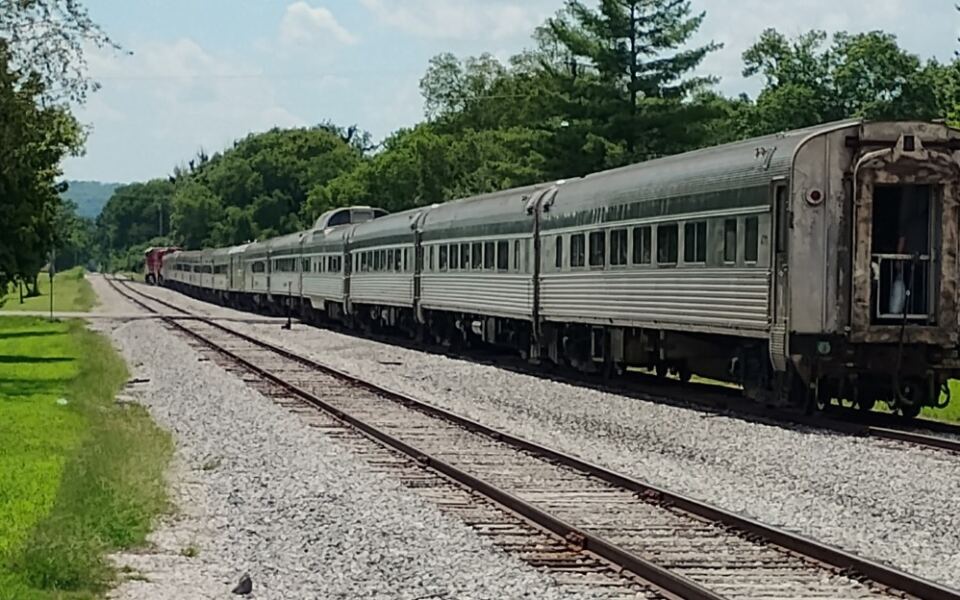
Some of the best family traditions in Tennessee start with a ticket, a window seat, and a snack shared across a small table. A quiet rail yard tucked away from the busy streets turns out to hold a full fleet of 1950s passenger cars that still roll out into the countryside.
Families come back year after year for themed rides, small-town meal stops, and long hours of easy conversation while the miles pass by. Keep reading to find out where this train waits, what happens on board, and the smart tricks that make the day run smoothly.
Where the Tracks Begin
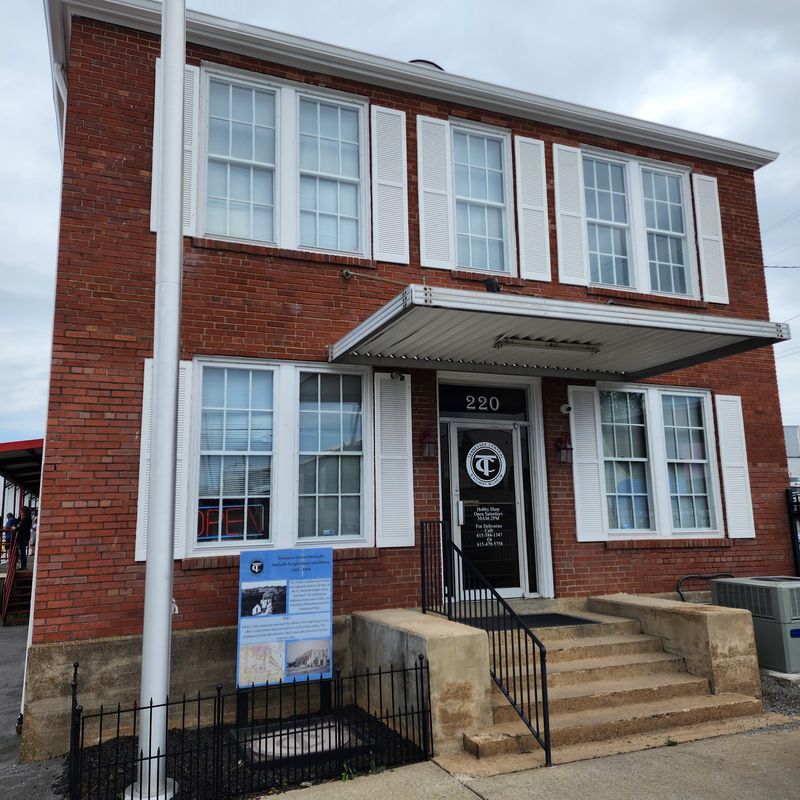
Nashville is famous for guitars, but one of its most beloved family outings runs on steel wheels. The Tennessee Central Railway Museum sits at 220 Willow St, Nashville, TN 37210, just outside the downtown bustle.
The organization has a clear mission. It preserves vintage railroad equipment and puts that equipment to work on day excursions aboard historic trains.
That second part is what draws the crowds. Instead of looking at old passenger cars behind a rope, guests climb aboard, find a seat, and ride out into the Tennessee countryside.
The museum building serves as the starting point and the return station for every trip. Riders board and exit in the same spot, which gives everyone time for photos after the journey wraps up.
For Middle Tennessee families, it has quietly become a tradition worth repeating. Plenty of folks book their next ride before the current one even ends.
Roots in the Golden Age of Rail
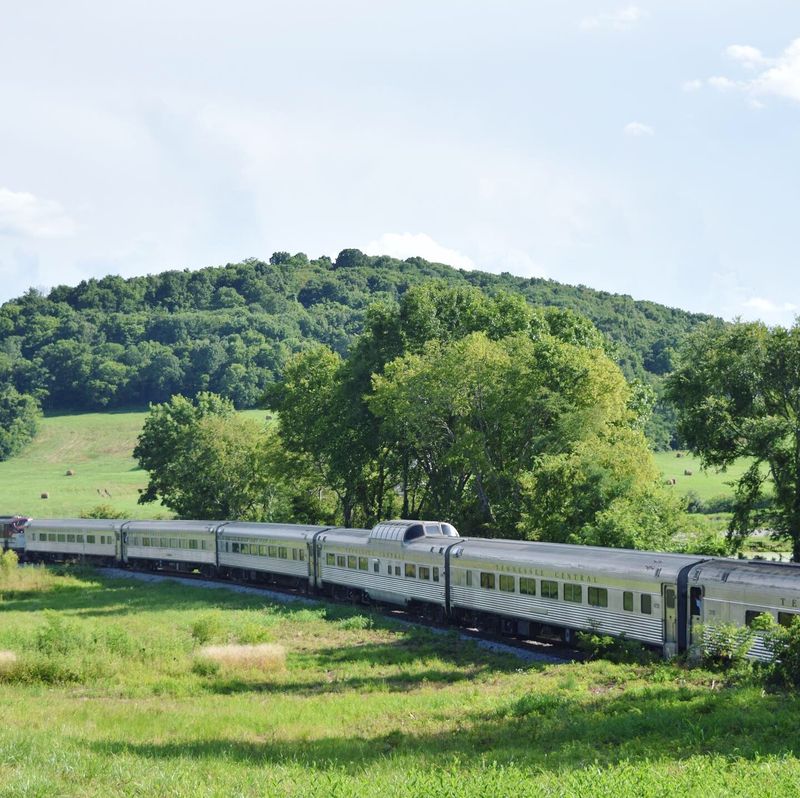
Long before streaming and smartphones, rail travel was how many Americans saw the country. The equipment here comes straight from that era.
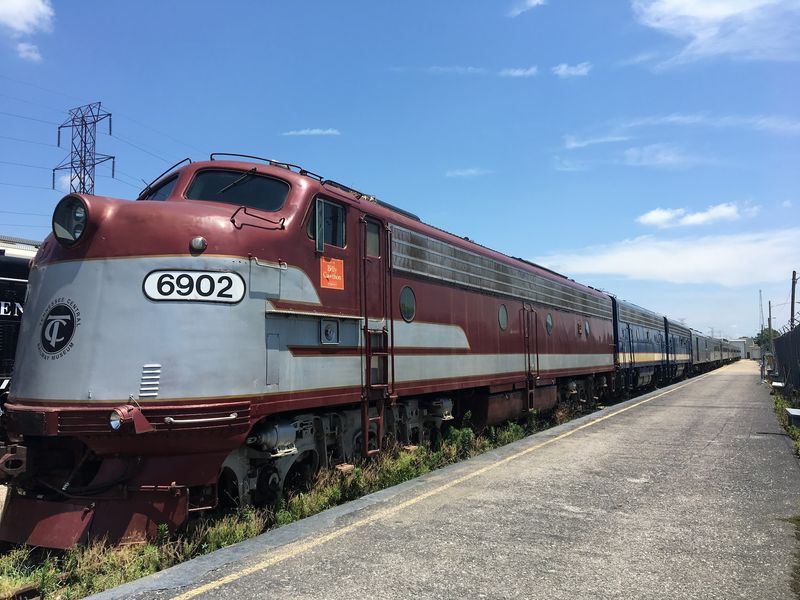
Much of the fleet dates to the 1950s, including cars that began service in 1953. Those cars remain in good condition and still carry passengers today.
Conductors have been known to appear in period clothing, which adds a fun layer of old-time charm. It feels less like a reenactment and more like a living chapter of railroad history.
The route itself connects Nashville to the small town of Watertown, making for a round trip of roughly 168 miles. That distance gives plenty of time to settle in and enjoy the ride.
Short line railroads like this one are rarer than they used to be. Seeing one still rolling is a small point of pride for Tennessee rail fans, and a reminder that some traditions are built to last.
Miniature Worlds Inside the Museum
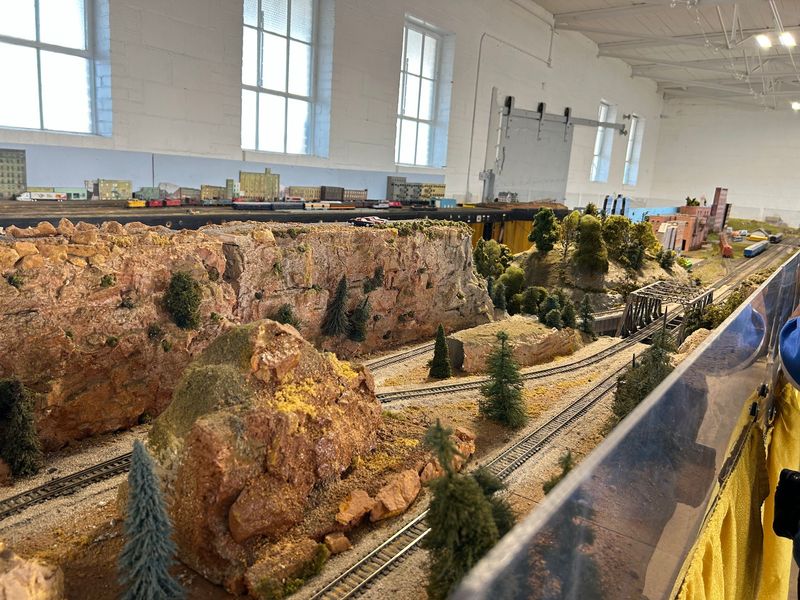
Not every adventure here requires a ticket for the big train. The museum itself offers a free stop that rewards a little wandering.
Near the entrance, a small exhibit displays railroad artifacts from earlier decades. Tools, signs, and keepsakes help tell the story of how rail shaped the region.
Toward the back, two large model train layouts steal the show. Tiny trains loop around detailed tracks, and kids often plant themselves in front of them for a long while.
Outside, the rail yard holds full-size passenger cars and engines. It is a chance to see the real equipment up close before or after an excursion.
The museum has vintage models but no running locomotives on display inside. Still, arriving early to browse before the boarding crowd gathers is a smart move.
Consider it a warm-up act for the main event, and a pleasant bonus for anyone curious about how railroads work.
Passenger Cars With Personality
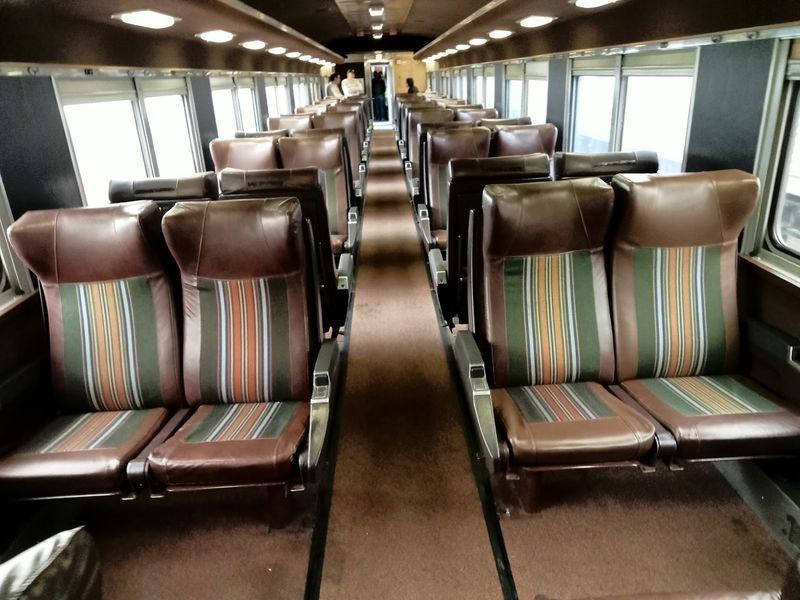
Every car on this train has its own history, and riders tend to pick favorites quickly. Seating is arranged in groups of four, with pairs facing each other.
That layout matters for families. A group of four gets its own little table zone, while smaller parties may end up sharing space with friendly strangers.
Many riders say those shared seats lead to new friendships. Hours of conversation with a neighbor can become one of the most memorable parts of the day.
Some cars are known for newer seats and a smoother ride, such as car 7602, which staff have pointed out as especially comfortable. Others show their age a bit more, with thinner padding in spots.
Each seat often comes with paperwork about the destination town, so there is something to read along the way.
Vintage equipment comes with quirks, but those quirks are part of the story these cars keep telling.
The Dome Car Upgrade
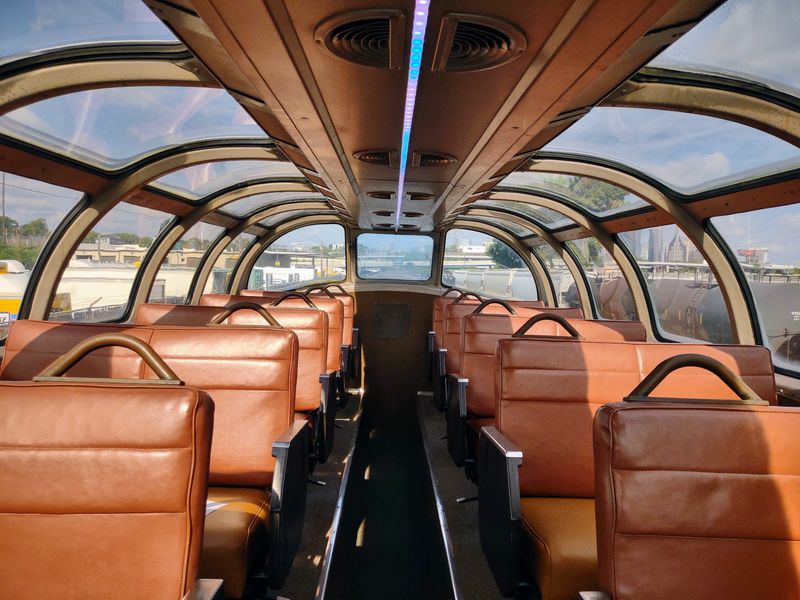
Ask repeat riders for one piece of advice, and many will point upward. The dome car is the seat to book when it is available.
A dome car features an elevated, glass-topped section that gives passengers a wider view of the route. Instead of looking out a single side window, riders can take in more of the countryside.
Plenty of guests call dome seating a must for the Watertown trip. It turns a simple ride into a front-row tour of rural Middle Tennessee.
Along the way, the scenery includes foliage, small towns, and stretches of open land. Fall trips are a popular choice for families who want color outside the windows.
Standard coach windows are beveled, which can make photos tricky. The dome offers a better shot at memorable pictures.
It may cost a little more, but for a once-a-year family outing, the elevated view tends to feel like money well spent.
Snacks, Shared Tables, and Onboard Rules
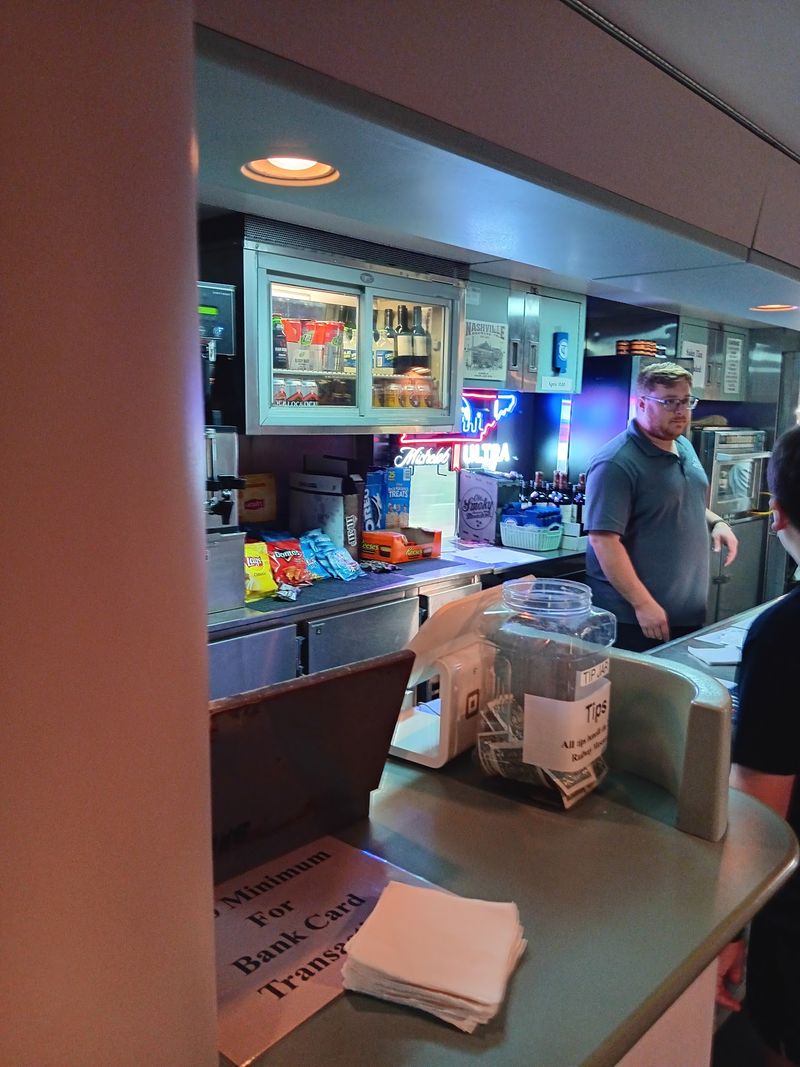
Meals on this train are less about fancy plates and more about sharing a table with people you love. A dining and snack car serves the whole train.
Options are simple. Cans of soda, candy bars, chips, cheese and crackers, and sometimes hot dogs show up on the menu, with snack prices around $2.50 for basics.
Some riders find the selection reasonable and handy for the trip. Others wish for more variety, so expectations should stay modest.
One firm rule surprises newcomers. Outside food is not allowed on board, so plan meals accordingly.
Cars closer to the engine sit farther from the snack car, which means a longer walk while the train is moving. Grabbing food right after boarding can save trouble later.
Families often treat the onboard snacks as a light bite and save the real meal for the town stop, where sitting down together feels like the heart of the day.
Lunchtime in Watertown
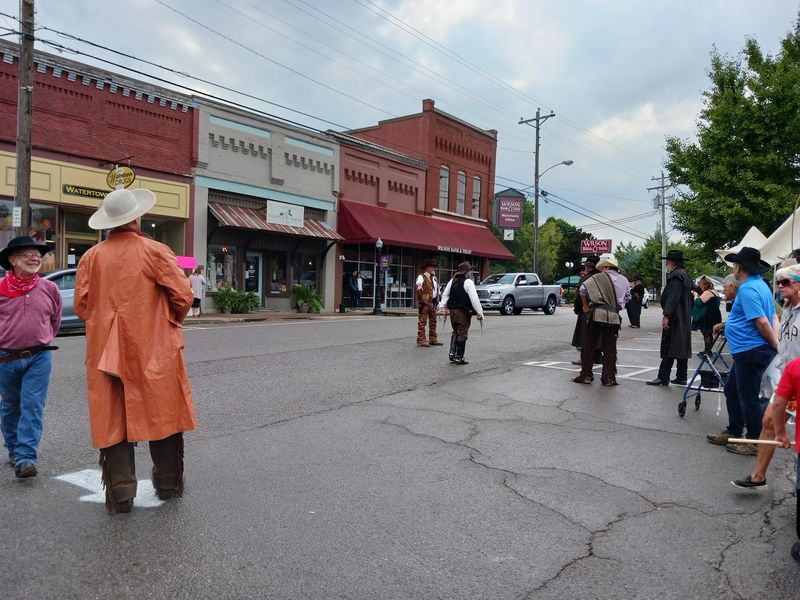
Halfway through the journey, the train pauses in Watertown, a small town east of Nashville. Riders usually get around two and a half hours to explore.
That window is when many families share their main meal. Choices include a Mexican restaurant called Casa Amigos, a meat-and-three spot, a coffee shop, and sometimes a barbecue food truck.
Here is the catch. Hundreds of people step off the train at once, and there are only a handful of places to eat.
Quick movers get the best seats. Heading straight to a restaurant after leaving the train can mean faster seating and a more relaxed lunch.
Benches around the downtown square work well for food-truck picnics. Afterward, Farmhouse Social is a favorite for coffee or ice cream.
The Welcome Center next to Casa Amigos offers town history, and a few boutiques and an archives museum round out a pleasant small-town stroll before the whistle calls everyone back.
Wild West Theatrics on the Rails
Some excursions come with a dose of old-fashioned showmanship. The train robbery ride is one of the most talked-about themes.
Costumed performers board the train and stage a playful Wild West holdup. Many families rave about the energy and enthusiasm the cast brings.
The act on board is fairly short, often around fifteen minutes. Performers also collect donations for a scholarship program during the show.
More entertainment waits in Watertown. Past trips have featured an Old West show, including a whip-cracking performer who left first-timers grinning.
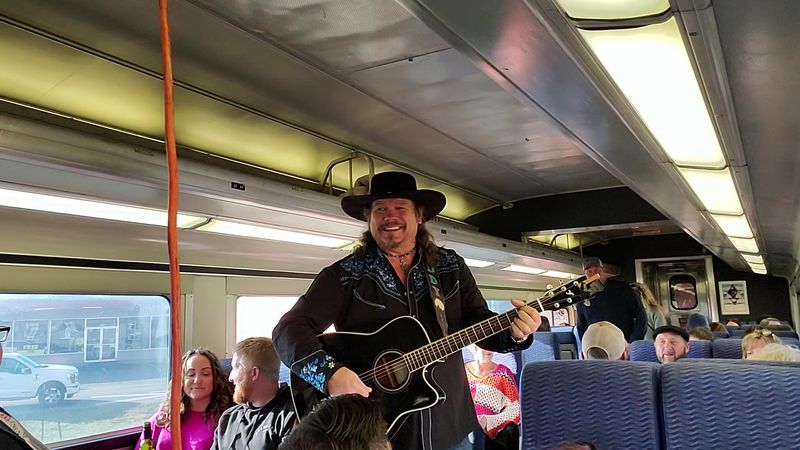
Musicians sometimes stroll through the cars, too. Trios and small bands playing a few songs per car get some of the warmest praise of the whole outing.
Expect plenty of quiet time between acts, since the ride each way runs over two hours. For kids who love cowboys and costumes, though, this theme turns an ordinary Saturday into a story they will retell at dinner for weeks.
Holiday Trains and Seasonal Favorites
Calendars fill up fast in families who have made this train a holiday habit. Seasonal rides are some of the most popular offerings.
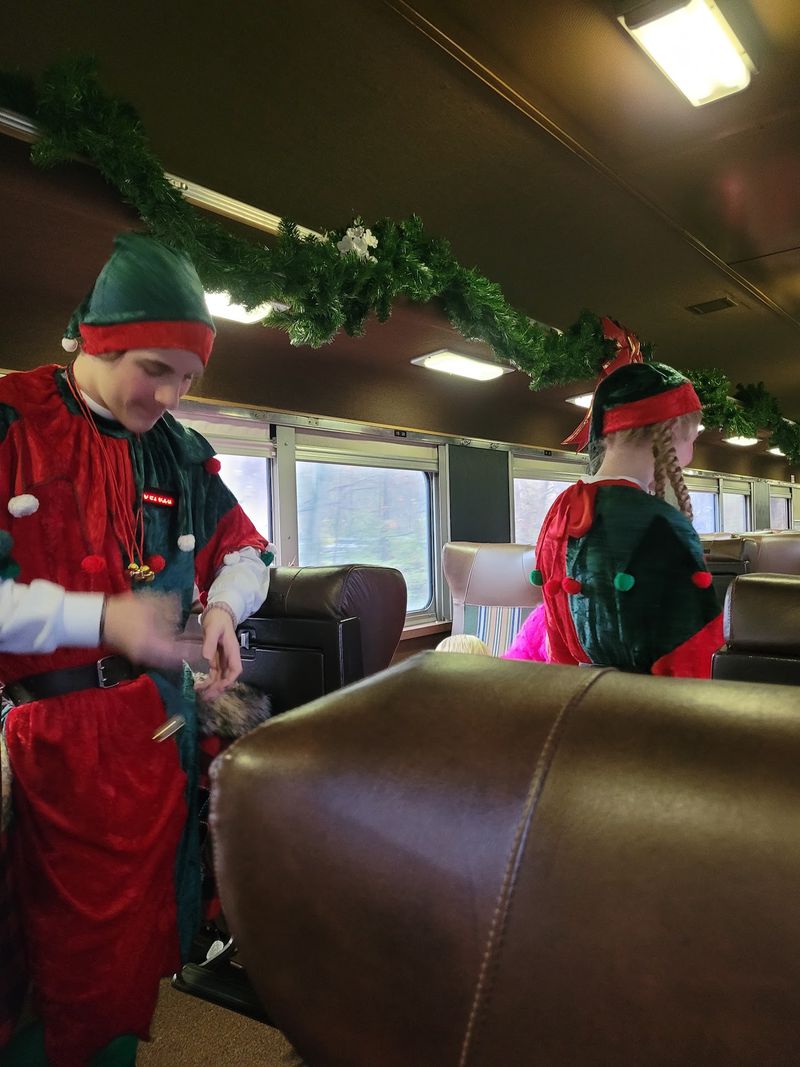
Winter brings Christmas-themed trips that many riders connect with the Polar Express story. Carolers often travel through the cars, adding cheerful songs to the ride.
Spring has its own tradition. An Easter train experience has earned enthusiastic praise from grandparents and grandkids alike, with some families driving an hour and a half each way to join in.
Little ones who love Thomas the Tank Engine also find plenty to celebrate, as the train has a following among young rail fans.
Special occasions like Mother’s Day and fall weekends draw crowds as well. Autumn trips in October are a common rebooking choice.
Because each season brings a different flavor, many families pick one theme per year. Checking the website for the current schedule is the best way to catch the right ride.
Volunteers Who Know Every Rail
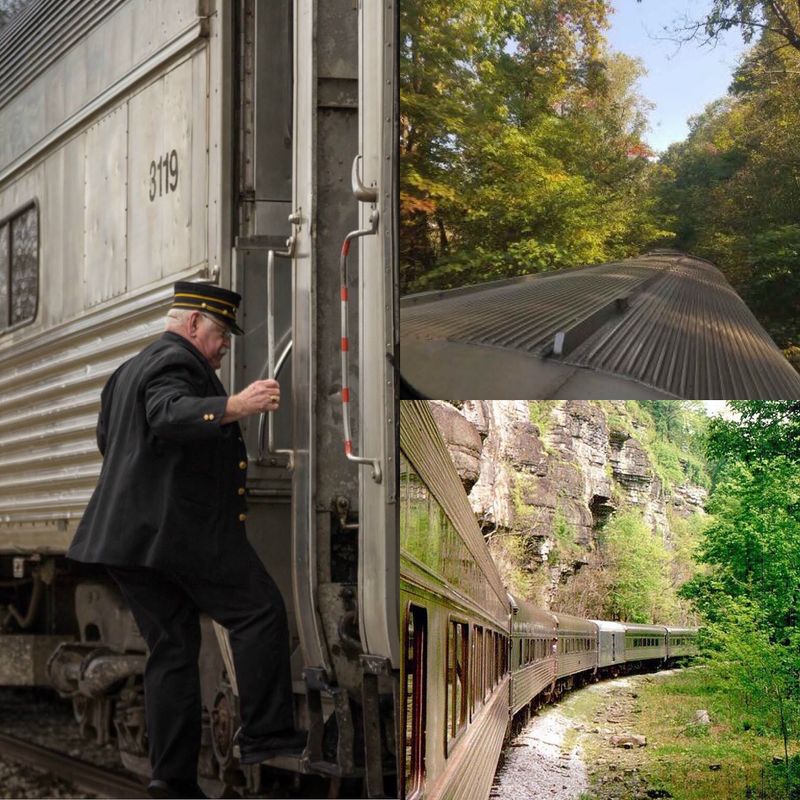
Behind every smooth trip stands a crew of dedicated people, many of them volunteers. Their friendliness comes up again and again.
Car hosts guide guests through the day and answer questions. Some volunteer guides know an impressive amount about trains and enjoy sharing that knowledge.
Even the train chief has been known to stroll through the cars to chat with passengers. That personal touch makes first-timers feel welcome right away.
Station staff also help newcomers understand the history of the railroad and the equipment. Their greetings set a warm tone before anyone boards.
Volunteers help with parking, boarding, and keeping things organized during busy mornings. Attendants direct traffic in the lot so arrivals go more smoothly.
It is clear the people here care about keeping these old trains running. For many families, the hospitality becomes the reason they return, and a big part of why the ride feels like a hometown tradition.
Who Gets the Most From the Ride
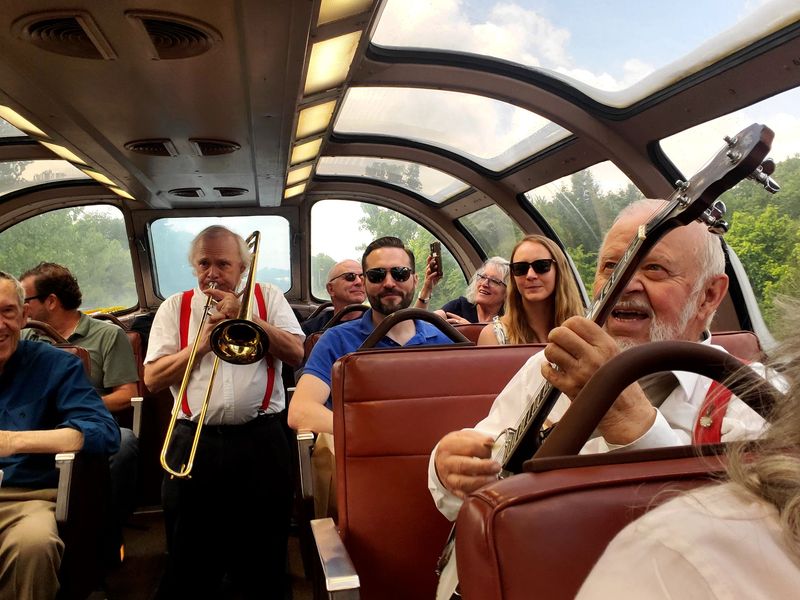
Not every outing suits every traveler, and that honesty helps families plan better. This ride shines for people who enjoy slow, social days.
Multi-generational groups tend to love it. Grandparents, parents, and kids get hours together without screens pulling them apart.
Couples often book surprise day dates here. Solo riders can enjoy the window views or strike up conversations with seatmates.
The pace is relaxed, and many guests describe it as a calm, restful day. Others find the long stretches a bit sleepy, especially on the return leg when entertainment is lighter.
Bringing a card game, a book, or a downloaded movie can help younger travelers stay happy.
Anyone with trouble on stairs should know that boarding involves steps, and moving around a rocking train takes care. For everyone else, the day offers something rare in modern life: uninterrupted time with good company and a changing view outside.
Beat the Boarding Rush
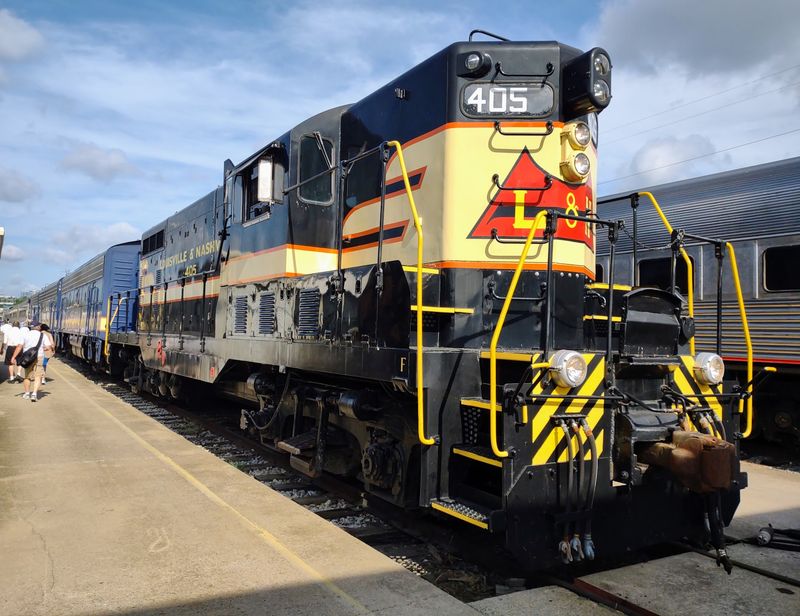
Timing can make or break this outing. Seasoned riders have learned a few tricks the hard way.
The museum suggests arriving one hour early. Many guests recommend closer to two hours, since crowds of 400 or more people gather before departure.
Restrooms are the biggest bottleneck. Only two are available in the waiting area, and onboard restrooms stay closed until the train starts moving, so waits can stretch to 45 minutes.
A quick stop at a gas station before parking is a popular workaround.
On-site parking is plentiful, with attendants guiding cars into spots. Having tickets ready on a phone speeds up boarding considerably.
A good order of operations helps, too. Get in line to board first, then visit the gift shop car and snack counter before settling into seats.
Early arrival also opens time for the museum and model trains before the crowd arrives, turning waiting into part of the fun.
Comfort Tips for a Full Day Aboard
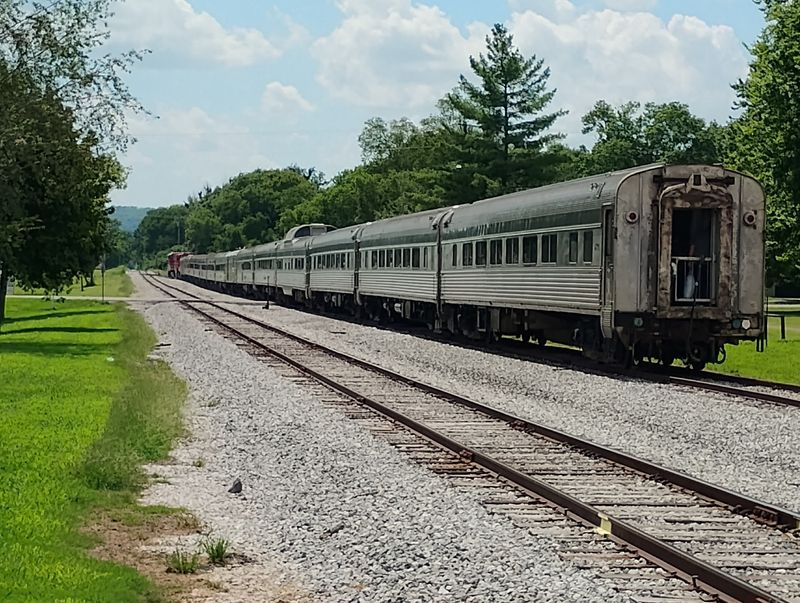
Riding 1950s equipment comes with a few old-school realities. A little preparation keeps everyone comfortable.
Warm days can feel hot on board. The cooling system is original to the cars, so lightweight clothing makes sense for spring and summer trips.
Some seats have worn padding. Bringing a small cushion is a clever move, since the round trip lasts around seven hours.
A fanny pack or compact bag works better than a big tote. Riders hold onto their belongings, and space is limited.
Walking while the train moves takes balance, so plan restroom and snack trips with care. Families with small children may want to buddy up for each trip down the aisle.
Guests sensitive to musty air in older cars may want to plan ahead, too.
None of these issues stop people from coming back. They simply turn a good day into a better one for families who show up ready.
Hours, Tickets, and the Final Whistle
Planning starts with the calendar. The museum keeps short public hours, open Saturdays from 10 am to 2 pm and closed the rest of the week.
Excursions run on select dates, and Watertown trips often happen about every two weeks. Departures commonly leave around 10 am, with the return train heading back mid-afternoon.
Ticket prices vary by trip, generally ranging from about $60 to $80 per person for themed excursions. Dome seating and special events can differ.
Popular rides sell out quickly. Some longtime fans recommend booking several months ahead, especially for holiday and fall dates.
Details and schedules live on the official website at tcry.org.
From Knoxville, Chattanooga, or Memphis, the museum makes a doable weekend trip, and it is an easy morning drive for Nashville-area families. Few Tennessee outings pack this much history, togetherness, and small-town charm into one Saturday, which explains why so many families keep climbing aboard.
Share this story