Some of the best surprises in Tennessee hide behind a plain ticket booth and a long escalator ride up. You go in expecting a quick look at a few fish tanks, and three hours later you are still trying to decide between the otters, the sharks, and a room full of butterflies.
One riverfront spot in the Volunteer State has turned that kind of happy accident into a family tradition for people from all over the South. Keep reading to find out where it is, what to see first, and how to plan a day that does not end in a parking ticket.
A Riverfront Address Worth Remembering

Big things really do come in waterfront packages. The Tennessee Aquarium sits at 1 Broad St, Chattanooga, TN 37402, right along the river in the heart of downtown Chattanooga, Tennessee.
It is a full waterfront complex rather than a single building. Inside, you will find freshwater and saltwater animals, birds, butterflies, interactive shows, and even cruises that head out onto the water.
The aquarium is often described as one of the largest freshwater aquariums in the world. That is a pretty bold claim for a spot many out-of-state travelers have never heard of.
For Tennesseans, though, it has long been a point of pride. Plenty of families from Knoxville, Nashville, and north Georgia make the drive just for a day here.
The downtown setting also means restaurants, shops, and riverside walks sit within easy reach. So the aquarium can anchor a whole weekend instead of a single afternoon.
Two Buildings, Two Very Different Worlds

One aquarium was simply not enough for Chattanooga. The collection is so large that it is split into two separate buildings.
River Journey holds the freshwater side of things. Ocean Journey covers the saltwater world, with sharks, rays, jellyfish, and plenty of colorful fish.
Many guests suggest starting with River Journey and then heading to Ocean Journey. That order lets the day build from local rivers to faraway seas.
Time spent in each building can vary quite a bit. Some groups linger about an hour and a half on the freshwater side and finish the ocean side in roughly 30 to 40 minutes.
Others find both buildings equally worth the time. Either way, the split helps the crowds spread out, so the exhibits rarely feel packed.
The freshwater focus is what makes this place stand apart. Very few aquariums in the country give rivers this much attention.
Up the Escalator, Down Through the Exhibits
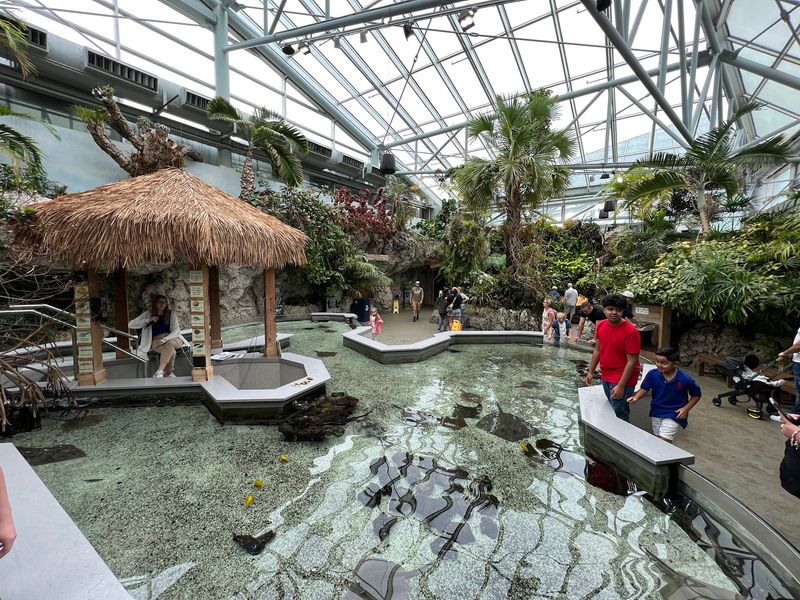
Gravity does a lot of the work here. After you enter, long escalators carry you straight to the top floor.
From there, the path winds downward through one exhibit after another. It is a simple design, but it keeps everyone moving in the same direction without much confusion.
Many people praise how organized the layout feels. Exhibits are paced well and spread out enough that the space does not feel cramped.
The building is also well lit, which is not always the case at aquariums. That makes reading signs and spotting smaller animals a lot easier.
Small interactive portals pop up all along the route. Kids tend to treat them like a scavenger hunt.
One fair warning comes up again and again. There is a lot of walking involved, so comfortable shoes are a smart choice.
Consider it a workout disguised as a field trip.
Penguins at Lunchtime
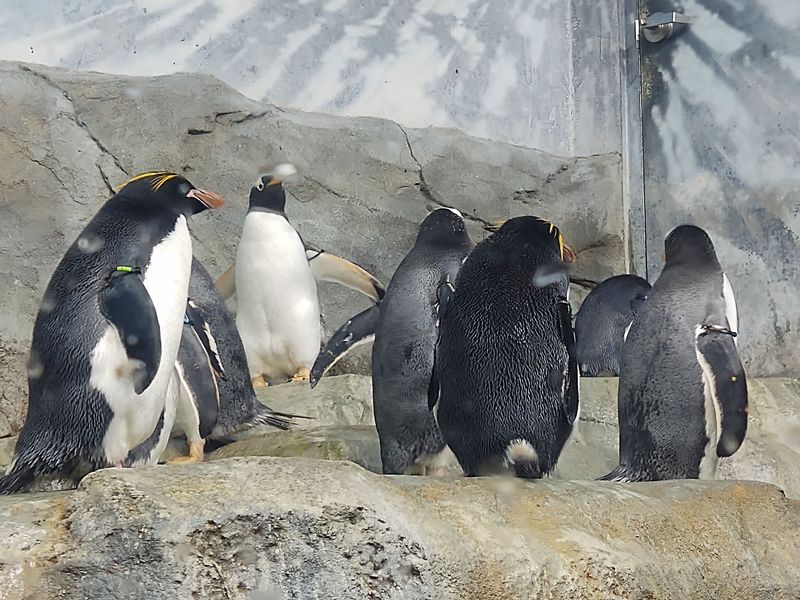
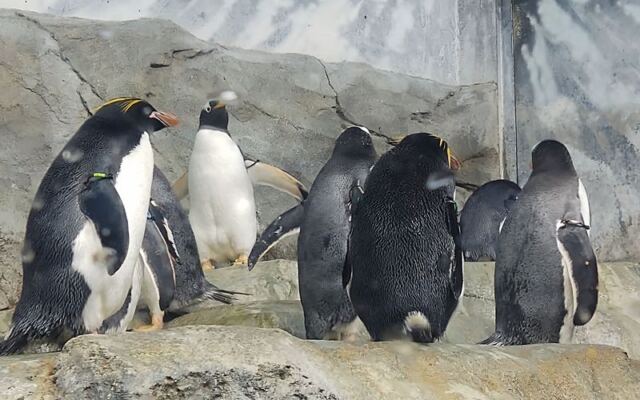
Few things draw a crowd faster than a penguin waiting for a snack. Catching the penguins at feeding time is a favorite memory for many families here.
The penguin exhibit lives in the Ocean Journey building. It is a regular stop on the list of favorites, right next to otters and sharks.
Watching the birds eat gives kids a close look at how these animals behave. Staff are on hand and are known for being friendly and knowledgeable, which helps with all the follow-up questions.
Penguins tend to earn a lot of loyal fans. Some people say they are the main reason they keep coming back.
Feeding times can change, so it is worth checking the aquarium website before you go. Planning the visit around that window can make the day.
Nobody needs a plane ticket south to meet a penguin. A drive to Chattanooga does the trick.
Fingertips Meet Fins
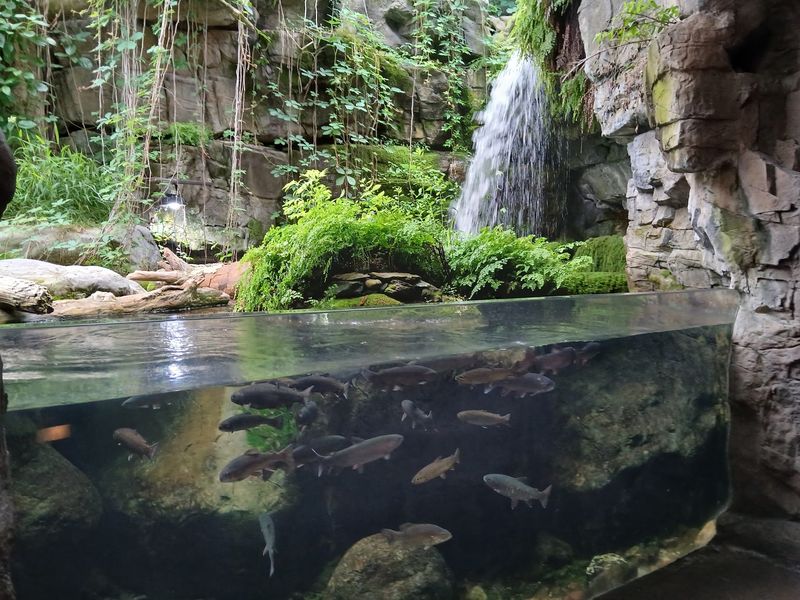
Looking through glass is nice, but touching is better. The aquarium offers hands-on stations where guests can gently touch stingrays and sturgeon.
The stingray touch area is one of the most talked-about features in the whole complex. The sturgeon station gets plenty of love too, especially since few people ever get near one of these river fish.
Both stations are a hit with kids. Adults often end up just as excited, even if they try to play it cool.
Staff keep an eye on things to help everyone interact safely. They also share facts about how the animals live.
Sturgeon have been around for a very long time. Getting to touch a species with that kind of history is a neat bonus for curious minds.
Bring a little patience, since the touch pools can get busy. The wait is usually short and worth every minute.
Lemurs, Gators, and a Few Shark Fins
Lemurs at an aquarium may sound like a mix-up. Yet these curious primates are among the most popular residents in the building.
Upper levels hold habitats for mammals, and the lemurs fit right in. They are a fun surprise for anyone expecting nothing but fish.
Alligators and crocodiles also make appearances. They add a little drama to the freshwater side of the tour.
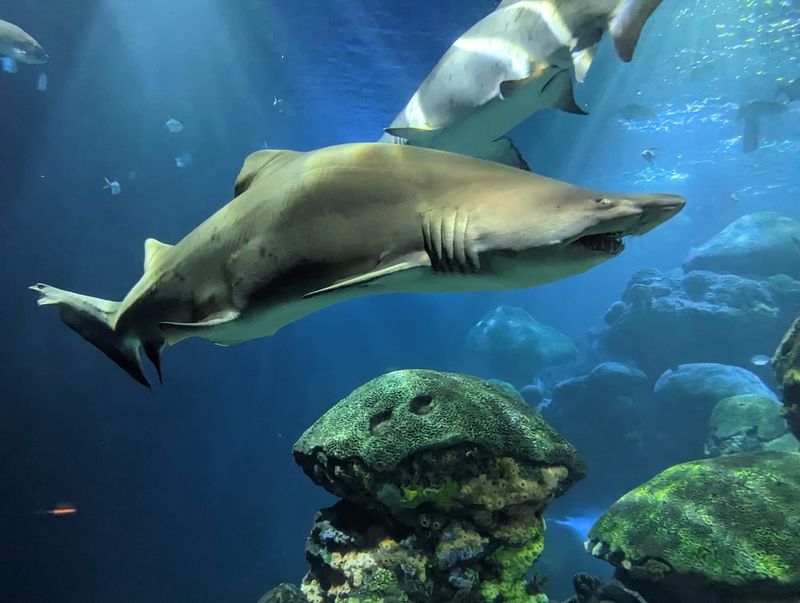
Over in the saltwater exhibits, sharks and rays glide through large tanks. Jellyfish displays offer something completely different.
Turtle fans are well served too. Some guests come specifically for the turtles and leave very happy.
Kids especially enjoy a nursery area where tiny baby fish are kept. It is a small exhibit that often sparks big questions.
All this variety keeps the day from feeling repetitive. Just when you think you have seen it all, another room opens up.
Out on the Water

Some of the adventure happens beyond the walls. The aquarium complex is known for offering cruises along with its exhibits and shows.
Since the building sits right on the river, heading out on the water feels like a natural next step. It turns a day of looking at river animals into a day on the river itself.
Boat options, schedules, and ticket details can change by season. Checking the official website before your trip is the best way to see what is running.
Interactive shows are part of the lineup too. They add another layer of learning for families who want more than a walk through the tanks.
Many people bundle extras like these into a longer visit. Others keep things simple and stick to the two main buildings.
Either approach works fine. The key is planning ahead so nobody feels rushed.
Streams, Pools, and Water Stairs Outside

Here is a tip worth packing a towel for. The grounds outside the aquarium include streams, pools, and water stairs leading down toward the river.
On warm days, families use them to cool off after hours of walking. Kids often treat this area as a bonus attraction.
The surroundings are well designed and popular for photos. Many guests describe the location as beautiful.
This outdoor space also makes a good meeting point. Groups that split up inside can regroup here before heading into downtown.
Some people wish there were a few more food trucks around. Weekday crowds may see fewer options than busier days.
Spending time outside is free once you are in the area. That makes it an easy way to stretch out the fun without spending more.
Bring spare socks if the little ones tend to wander into the water.
Built for Curious Minds of Every Size
Educators tend to notice the details. Signs throughout the aquarium explain each habitat in both kid-friendly and research-based language.
That balance helps adults and children learn side by side. Some homeschool families even see the aquarium’s history as a great research project.
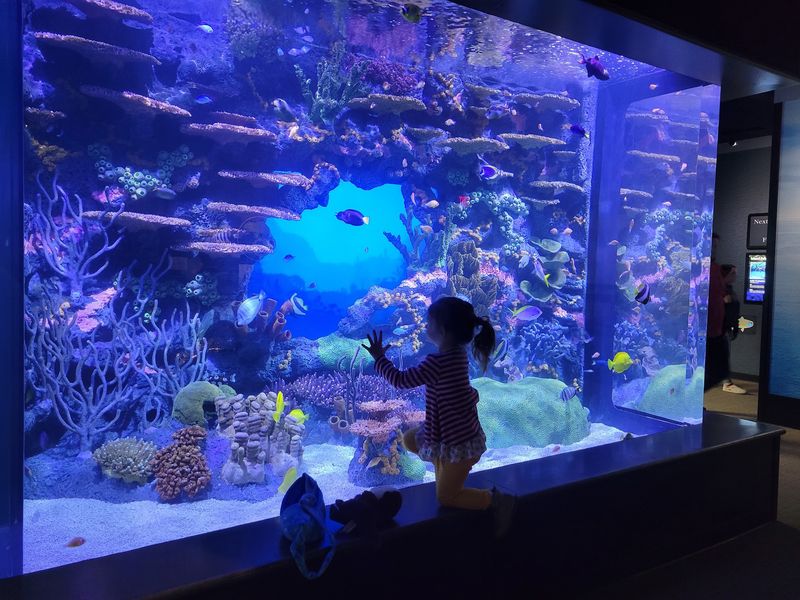
Accessibility is another strong point. The complex is wheelchair accessible, and many exhibits sit at a lower height so children and wheelchair users can see clearly.
Families with kids make up a big part of the crowd. Couples and solo animal lovers also find plenty to enjoy.
A few adults feel the experience leans more toward children. Anyone who would rather avoid lots of young voices may prefer a quieter weekday.
Staff are widely described as friendly and helpful. Someone is usually nearby to answer a question or point the way.
Lots of photo spots also mean nobody leaves empty-handed.
Hours, Tickets, and the Parking Puzzle

Timing matters more than you might think. The aquarium is open 10 AM to 5 PM Thursday through Tuesday, and 11 AM to 5 PM on Wednesday.
Early entry is a smart move. Morning time slots, especially on weekdays, tend to mean smaller crowds and easier parking.
Parking is the most common headache. Lots fill up as the day goes on, and leaving the area at midday can take a while.
Always pay for parking. Unpaid cars have received tickets of 40 dollars or more, while one nearby lot charged around 11 dollars for 24 hours.
The aquarium takes part in the Museums for All program. Qualifying guests can get tickets at a much lower cost.
Locals within a few hours’ drive often suggest a membership. Repeat trips add up fast.
An entrance photo is offered too, with images emailed afterward if needed.
Why the Drive Pays Off

Tennessee has no shortage of weekend escapes, but few pack this much into one address. Two buildings, touch pools, penguins, otters, lemurs, and a butterfly garden make for a very full day.
Some families say they enjoyed it even more than larger aquariums in neighboring states. That is a quiet win for the home team.
The freshwater focus gives it a local identity. It celebrates the rivers that run through the region rather than only faraway oceans.
Plan for a few hours at minimum. Many people find the aquarium alone fills the day, leaving little energy for extras like the IMAX theater.
Arrive early, prepay for parking, and wear good shoes. Those three steps solve most common hiccups.
Then let the escalator do the climbing. The rest of the day tends to flow downhill in the best possible way.
Share this story