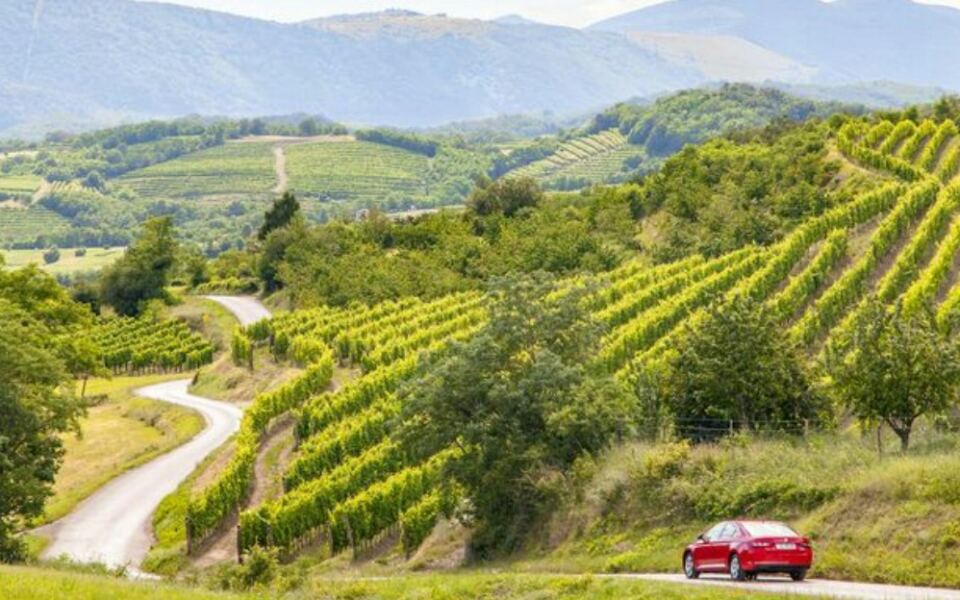
Fall is a great time to find the quiet side of Europe. Summer crowds fade, hiking trails calm down, and small towns go back to their local rhythm.
Each place on this list is a smart swap for a busy capital or a packed resort island. Pack a jacket, check the bus and ferry times, and get ready to explore.
Bieszczady Mountains, Poland
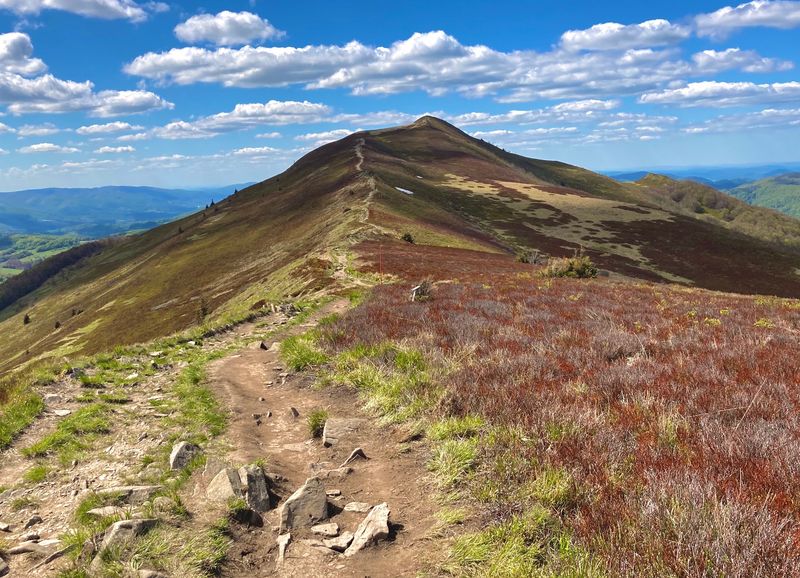
Deer calls echo across the valleys at dusk, and that is only the start of the show. Poland’s tourism organization names autumn the best time to visit the Bieszczady Mountains, thanks to the calm and the wildlife.
In October the beech forests turn yellow, orange, and red. The high grasslands, known as poloniny, fade to gold and brown.
Long ridgelines roll on and on, and villages are few and far apart. It feels very different from the busier Tatra Mountains.
Good trails are easy to find. Połonina Wetlińska gives wide open views from the top.
Tarnica is the famous peak for hikers who want a bigger challenge. Lake Solina offers a gentler day with water views and fall color along the shore.
Fall is also deer-rutting season, so the evenings can sound dramatic. Stay quiet near forest edges and you might spot the animals.
Bring warm layers, because mountain weather can change fast, and start hikes early so you finish before dark. Small guesthouses in the villages are a cozy place to warm up after a long day outside.
Plan your route ahead of time and keep a paper map handy, since phone signal can fade in the hills. Pack snacks too.
Ambroz Valley, Spain
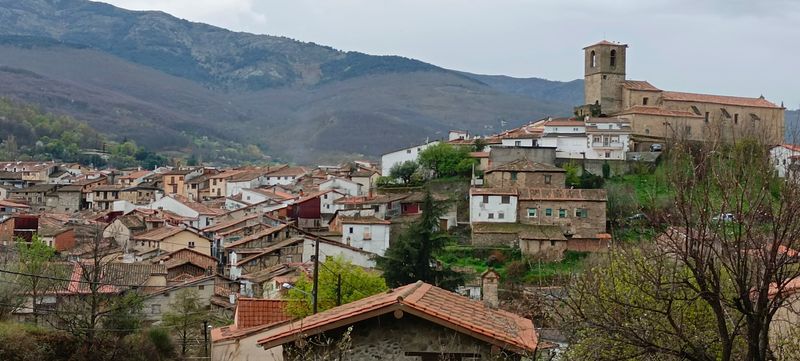
Most places wait for fall to arrive. The Ambroz Valley throws it a party.
The Magic Autumn program runs from October 23 through November 29 in 2026, just as the forests turn deep ochre, red, and brown.
Start in Hervás, where the preserved Jewish quarter has narrow lanes and old stone houses. Wander without a plan and you will still find something charming.
A short drive away, Baños de Montemayor offers thermal bath traditions that go back to Roman times. A warm soak after a chilly walk is hard to beat.
Walking and cycling routes follow old roads and forested slopes. Some paths are easy enough for a relaxed family stroll, while others climb higher for bigger views.
The European Commission has recognized the region for sustainable tourism, so local businesses care about keeping the valley special.
Compared with Madrid, Seville, or the busy coast, this is a peaceful rural escape. Rent a car to reach the smaller villages, and ask locals about seasonal food.
Chestnuts are a fall favorite, and you will see them everywhere.
Book rooms early for weekends during the festival, since small towns fill up fast.
Schist Villages, Portugal
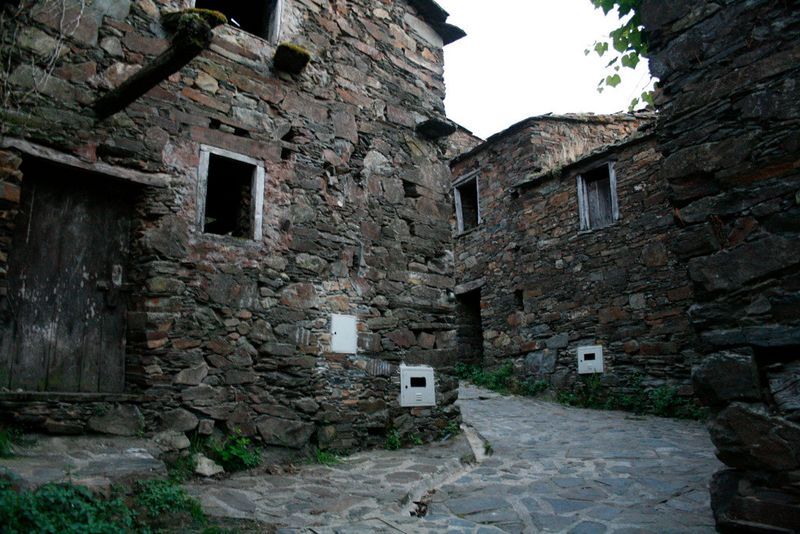
Dark stone houses seem to grow right out of the hillside here. Portugal’s Schist Villages are tucked into wooded mountains in the interior, and Visit Portugal calls the network one of the country’s best kept secrets.
Walking routes connect the villages, and mountain-bike trails weave through the forests. Some spots even have river beaches for a quick cool-off on a warm September day.
Small restaurants serve hearty regional dishes, which taste even better after a long hike.
Fall is the sweet spot for visiting. Cooler air makes hiking around Serra da Lousã and nearby ranges far more comfortable than in midsummer.
Cerdeira, Talasnal, and Janeiro de Cima are good villages to start with, each with its own mood and views.
Compared with Lisbon, Porto, and the Algarve, these hills are wonderfully calm. Weekdays outside holiday periods are the quietest of all, so plan your trip then if you can.
Roads are narrow and winding, so drive slowly and allow extra time. Pack sturdy shoes, because the stone paths can be slippery after rain.
Bring cash for small shops and craft stalls, since not every place takes cards.
Mértola, Portugal
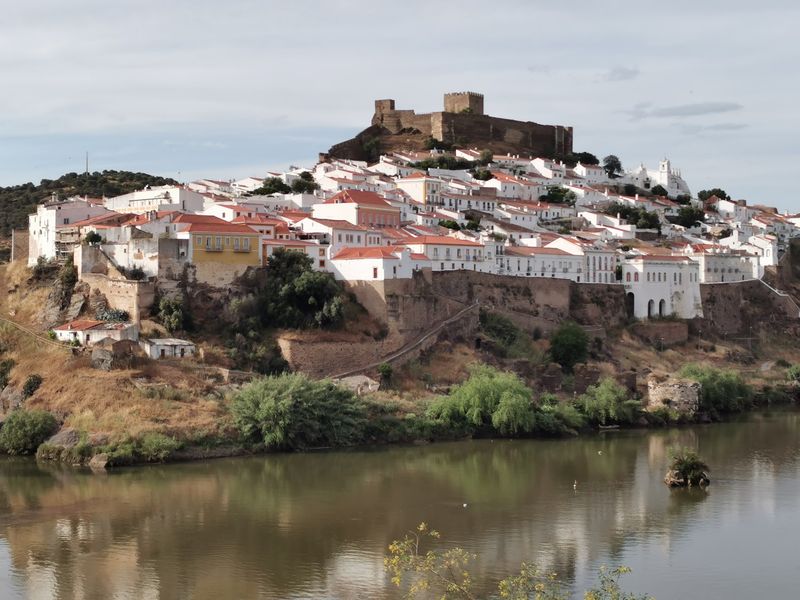
Walk up one steep lane in Mértola and you may cross a thousand years of history. This small hill town rises above the Guadiana River in southeastern Portugal.
It holds Roman, Islamic, and medieval Christian layers all in one place.
The old mosque became the parish church, and you can still see the Islamic design inside. Museums around town explain the archaeology found under streets and buildings.
Visit Portugal calls Mértola a surviving museum town, yet it sits far from the usual tourist routes.
Fall is a lovely time to explore. The summer heat has eased, so climbing the medieval lanes feels like a pleasure rather than a workout.
Comfortable shoes are a must, since the cobbles are steep and uneven.
Beyond the town, the Guadiana valley is full of hiking paths, birdlife, and wide rural views. Mértola was once an important river port, and you can picture boats arriving as you look over the water.
Plan to stay overnight if you can. The evenings are peaceful, and the town feels even more special after day visitors leave.
Check museum opening hours first, because small towns often close for lunch.
Vipava Valley, Slovenia
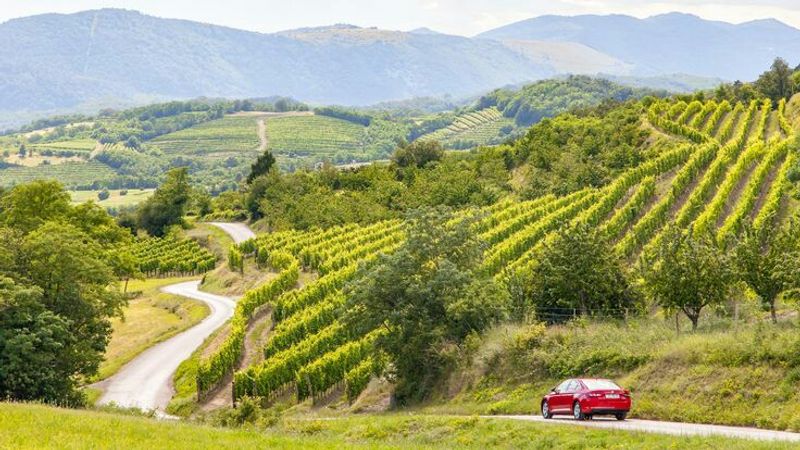
Pinela and Zelen sound like characters in a fairy tale, but they are local grapes. Both grow in the Vipava Valley, a corner of western Slovenia where Alpine, Karst, and Mediterranean landscapes meet.
The valley is packed with vineyards, orchards, stone villages, and low mountains. Slovenia’s tourism board points to local wine, fruit, and traditional food as the stars of the region.
Outdoor fun is easy to find too.
Autumn brings the grape harvest and golden vineyard colors. Best of all, you will not find the crowds that fill Lake Bled or Ljubljana.
Small producers often welcome visitors for tastings, so ask around and see what is open.
Hiking and cycling routes link villages such as Vipava and Goče. You can ride between wineries, but be sure to leave the bottle tasting for after the ride.
The mild climate keeps outdoor plans comfortable deeper into fall than in the high Alps.
Visit a farm for a long lunch of local cheese, cured meats, and fresh bread. Book tastings ahead during harvest weekends, since smaller cellars have limited space and opening hours.
Tzoumerka, Greece
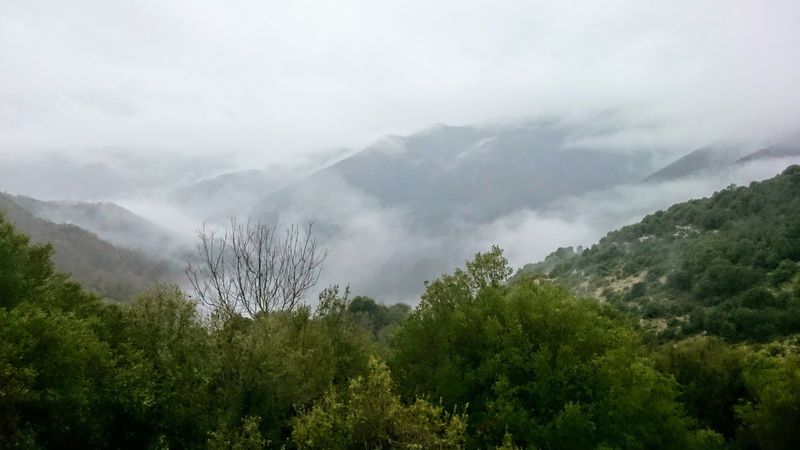
Forget white-washed cubes by the sea for a moment. Tzoumerka, also called the Athamanika Mountains, shows a very different Greece.
There are 47 villages scattered between the Arachthos and Acheloos rivers.
Stone bridges arch over rivers. Monasteries cling to hillsides, and gorges and waterfalls fill the landscape.
Visit Greece highlights villages such as Syrrako, Kalarrytes, Pramanta, and Vourgareli, many built in traditional stone architecture.
Fall suits this region well. Cooler weather makes hiking and village strolling much easier.
Forests of deciduous trees add warm color to an already dramatic mountain scene, so your photos will look great without any effort.
Roads here are narrow and twisty, and the weather can shift quickly in the mountains. Give yourself extra time to get between villages, especially later in the season.
Pack a rain jacket and a warm layer, even if the morning starts sunny.
Stop at a village tavern for a plate of local pies and a hot drink. Staying a few nights in a guesthouse lets you explore at a slower pace and soak in the quiet evenings by the fire.
Ithaca, Greece
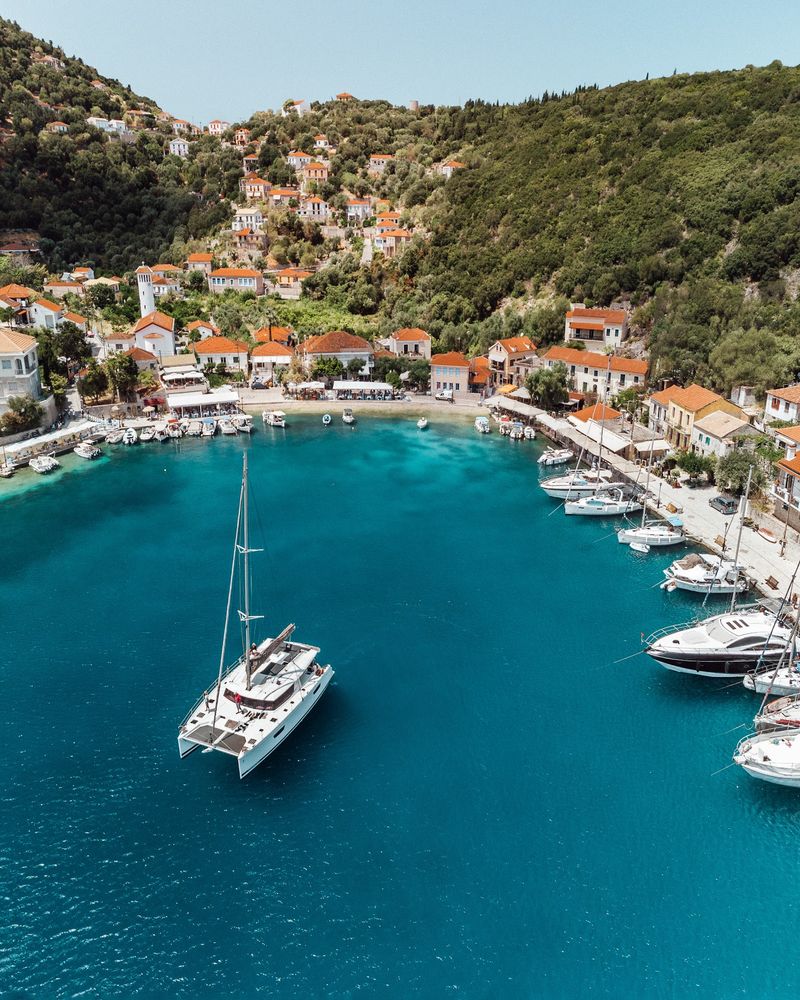
Odysseus spent years trying to get home to Ithaca, and after one visit you may understand why. Despite its legendary fame, the island stays far quieter than Greece’s celebrity islands.
You will find traditional villages, steep hills, hidden caves, sheltered bays, and clear pebble beaches. There are no giant resort complexes here.
Vathy, the capital, curves around a natural harbor. Frikes and Kioni keep a strong fishing-village feel, perfect for slow evenings by the water.
Early fall is the ideal moment. The sea can stay comfortably warm while summer visitor numbers drop.
Aim for September or early October, because ferry schedules get thinner later in the season. Check times before you book, so you are not stuck.
Hiking trails climb through cypress, olive, and scrub-covered hillsides. The air smells of herbs, and the views over the water are worth every step.
Bring a hat and plenty of water for sunny days.
Spend a few lazy hours at a harbor cafe, watching the boats come and go. Rent a small car or scooter to reach the quieter beaches, and ask locals which bay is calmest that day.
Saaremaa, Estonia
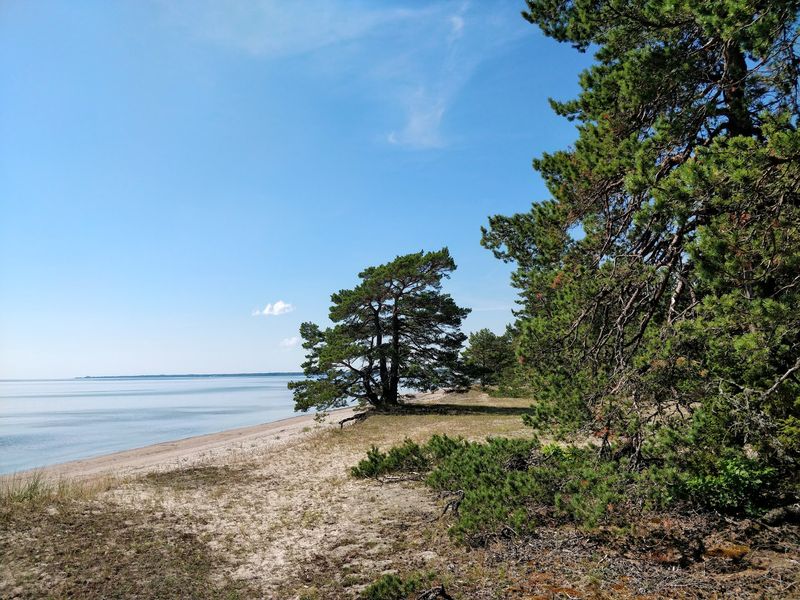
Two Viking ships lay buried at Salme for more than a thousand years. Archaeologists found them dating to about 700 to 750 CE, and the discovery is just one reason to visit Saaremaa, Estonia’s largest island.
The island feels wonderfully far from the mainland. Windmills turn above juniper fields, coastal cliffs drop to the sea, and medieval Kuressaare Castle stands guard in town.
Visit Estonia promotes Saaremaa as a place to relax, and it even uses autumn photos from Kuressaare to show it off.
Fall strips away the summer beach scene and leaves the good stuff. Cycling quiet roads, walking forest paths, soaking in spas, and tasting local food all become the main events.
Coastal drives are peaceful, with plenty of places to pull over and look.
Migratory birds pass through in the season, which adds extra interest for nature lovers. Ferries keep the island practical to reach even after the busiest weeks are over.
Book a spa stay for a rainy day and save the castle for a crisp, sunny morning. Check ferry times in advance, and bring a warm jacket for windy shores.
Kuldīga, Latvia
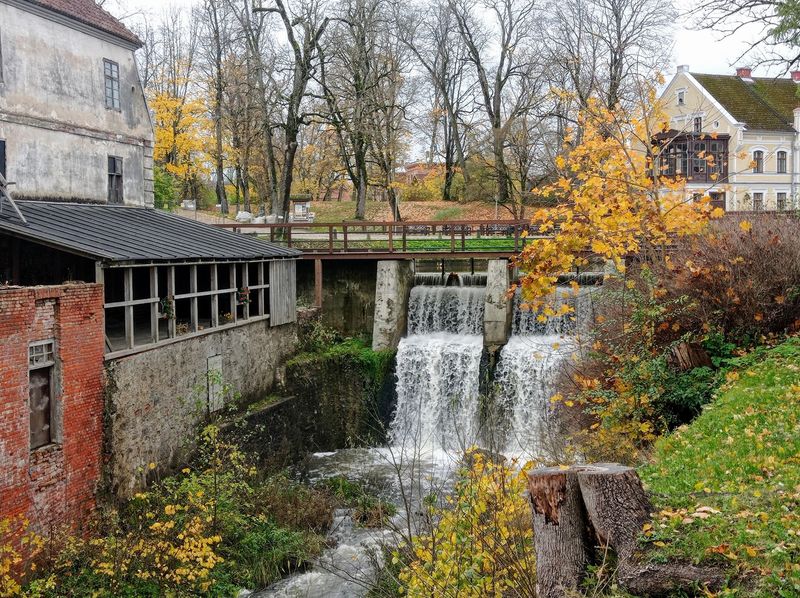
Here is a waterfall that is not very tall but is famously wide. The Venta Rapid stretches across the river in Kuldīga, and locals say it is the widest waterfall in Europe.
The small historic center is a mix of cobbled streets, timber houses, and brick buildings. Latvia’s tourism authority calls the town a favorite romantic escape for locals.
Walking routes follow both banks of the Venta River, so a simple stroll becomes a full afternoon.
UNESCO added the historic center to its World Heritage List in 2023. Even so, Kuldīga is far less crowded than Baltic capitals such as Riga or Tallinn.
That makes it easy to find a quiet corner on the riverbank.
Autumn brings mist, calmer streets, and colorful leaves along the water. The old brick bridge looks especially moody in morning light.
You do not need a big sightseeing plan here. Wander, sip something warm, and let the town set the pace.
Look for a small cafe with cake and strong coffee. If you drive from Riga, plan for a couple of hours each way, and stay overnight if you can.
Agnone and Alto Molise, Italy
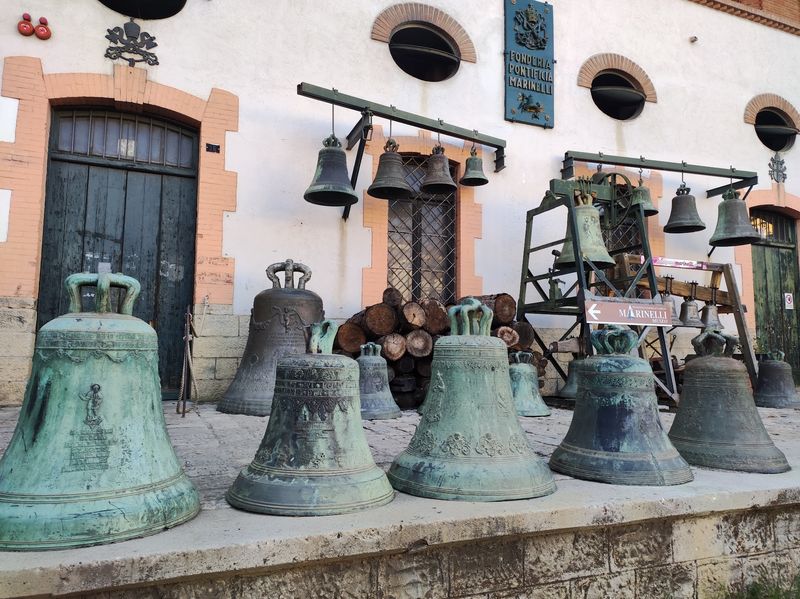
Italy has a region that many Italians barely mention, and that is part of the charm. Molise is one of the country’s least visited areas, and Italia.it describes it as off the beaten track and largely undiscovered by mass tourism.
Agnone sits in the mountainous north and is known for traditional bellmaking. Its historic center overlooks valleys and forests.
Step into a workshop and you may hear the ring of freshly cast bronze. Nearby Capracotta rises above 1,400 meters, with protected beech and fir woods nearby.
Fall fits this land well. The foliage glows, and the old tratturi, grass routes once used for moving livestock to winter pastures, are great for walking.
You can follow them and imagine herds passing by.
Crafts, rural food, and small mountain villages come together here. It is a strong alternative to Tuscany or Umbria for travelers who want quiet roads and honest local meals.
Ask for local cheeses and cured meats at a family restaurant. Rent a car, since public transport is limited, and pack warm clothes for cool mountain evenings.
Mullerthal, Luxembourg
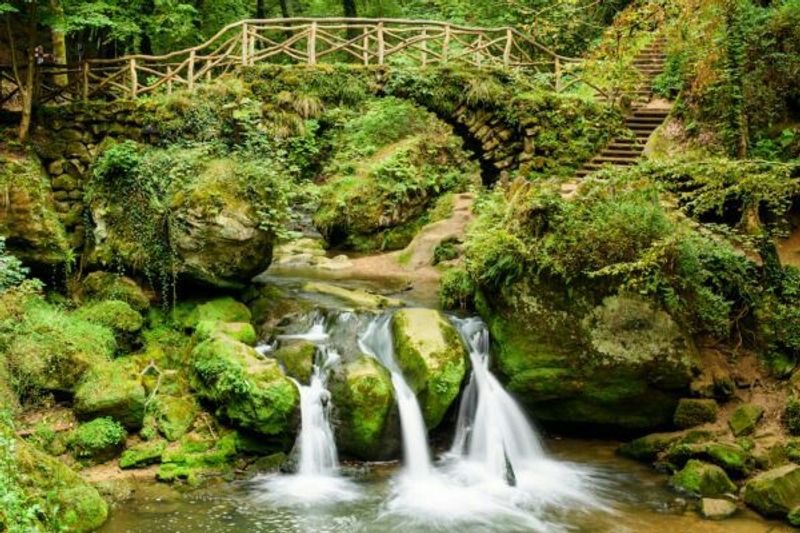
Some people call it Little Switzerland, but there are no big peaks here. Mullerthal in Luxembourg is all about dense woods, sandstone cliffs, narrow ravines, caves, streams, and villages.
The 112-kilometer Mullerthal Trail winds through a UNESCO Global Geopark. You can chop it into shorter day hikes around Echternach, Berdorf, Beaufort, and Consdorf.
Squeezing through rocky passages is half the fun, and kids tend to love it.
Autumn makes the forest glow, while temperatures stay good for walking. One tip matters from mid-October: check local hunting notices before heading onto trails.
That keeps everyone safe and avoids surprises.
The region is only a short trip from Luxembourg City, yet it feels dramatically quieter. There are enough routes to fill several days, so a base in one village works well.
Beaufort is a nice stop for its castle ruins.
Wear shoes with good grip, since leaves and wet stone can be slick. Pack a picnic, or finish the day at a village cafe with a hot meal.
Trail signs are clear, but a map app helps.
Litomyšl, Czechia
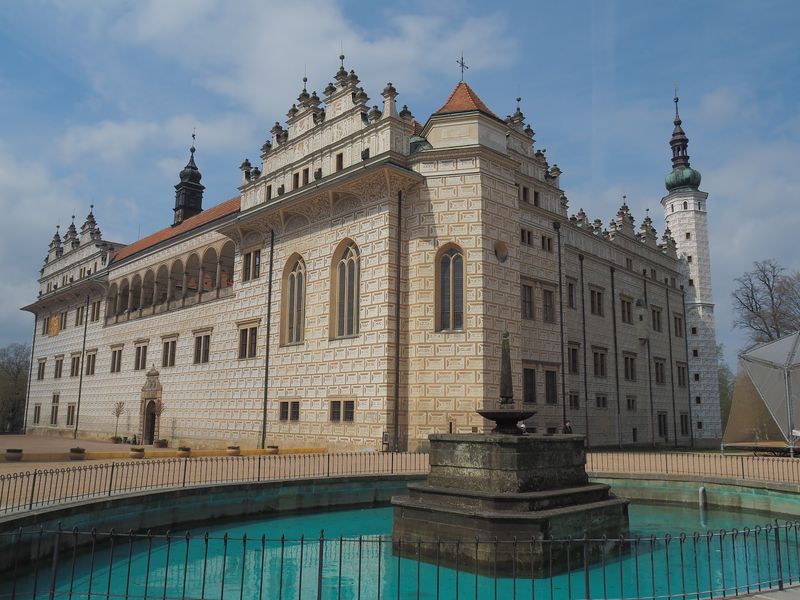
Look closely at the walls of Litomyšl Chateau and you will see thousands of tiny brick-like patterns. They are sgraffito, a scratched decoration, and they make this UNESCO-listed Renaissance chateau truly special.
The historic center adds Baroque and Classical facades, gardens, churches, and galleries. It is also the birthplace of composer Bedřich Smetana, so music lovers have a reason to visit.
The town has the beauty of a major heritage site without the size of Prague or the crowds of Český Krumlov.
VisitCzechia describes Litomyšl as a place to slow down and relax. Cooler fall days suit that mood perfectly.
The surrounding East Bohemian countryside is easy to explore by foot or car, with quiet roads and gentle hills.
Some interior tours run on shorter schedules in the off-season. Even so, the chateau grounds and the Monastery Gardens stay lovely, so you can still enjoy the setting outdoors.
Check opening hours before you go and plan your visit for the middle of the day. Finish with a stroll through the main square, where cafes make a great spot to warm up.
Logar Valley, Slovenia
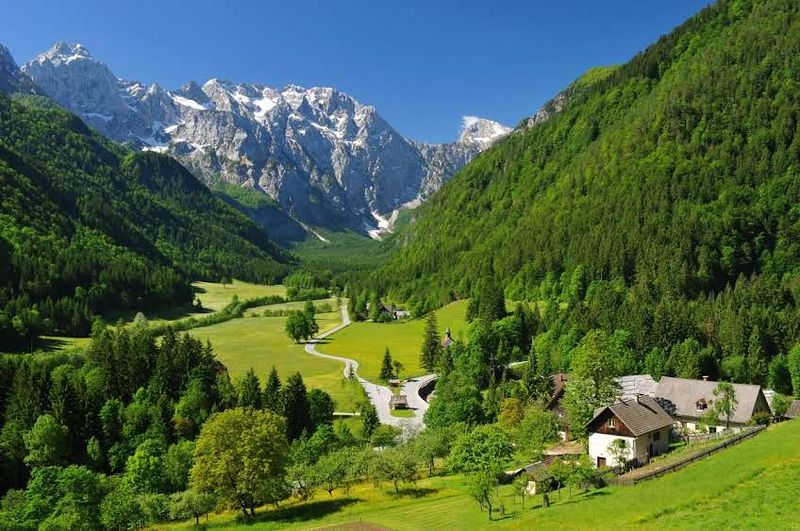
Cows graze under towering rock walls, and hardly anyone is around to photograph them. Logar Valley is one of Slovenia’s most striking glacial valleys, yet it stays far calmer than the headline Alpine spots.
Slovenia’s tourism authority highlights the balance of traditional farming, protected nature, and outdoor fun. A walking trail crosses meadows and forest beneath the Kamnik-Savinja Alps.
It leads toward waterfalls and high mountain walls that make your neck tilt back.
The wider Solčava region adds panoramic roads and small farm stays. Sleeping on a working farm is a cozy way to see local life, and breakfasts are often homemade.
In early and mid-autumn, deciduous trees bring warm color to the valley floor. Up high, the peaks may already be wearing their first snow.
The contrast is stunning on a clear day.
By late fall, weather and road conditions can change quickly, so flexible plans help. Check forecasts and road updates before you drive in.
Bring layers, waterproof shoes, and a thermos, because mornings in the valley can be chilly even when afternoons turn bright.
Share this story