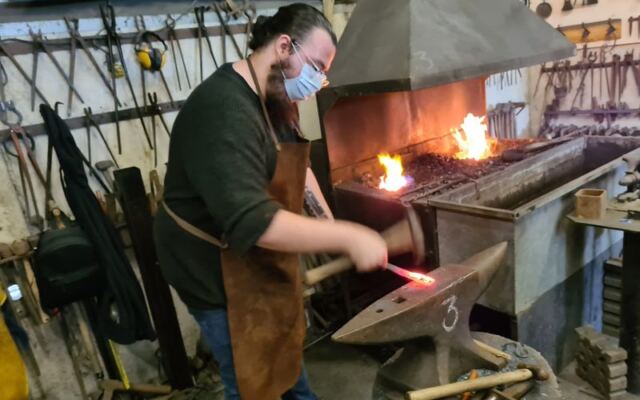
Somewhere in Oklahoma, a classroom once filled with the glow of a forge fire and the ring of hammers. Beginners walked in with no metalwork experience and walked out holding a hook they shaped themselves.
It sounds like a small thing, but a simple object can make an old craft feel real. Here is what that class looked like, what current listings actually show, and what to ask before you plan a trip.
Oklahoma’s documented S-hook class took place in 2018

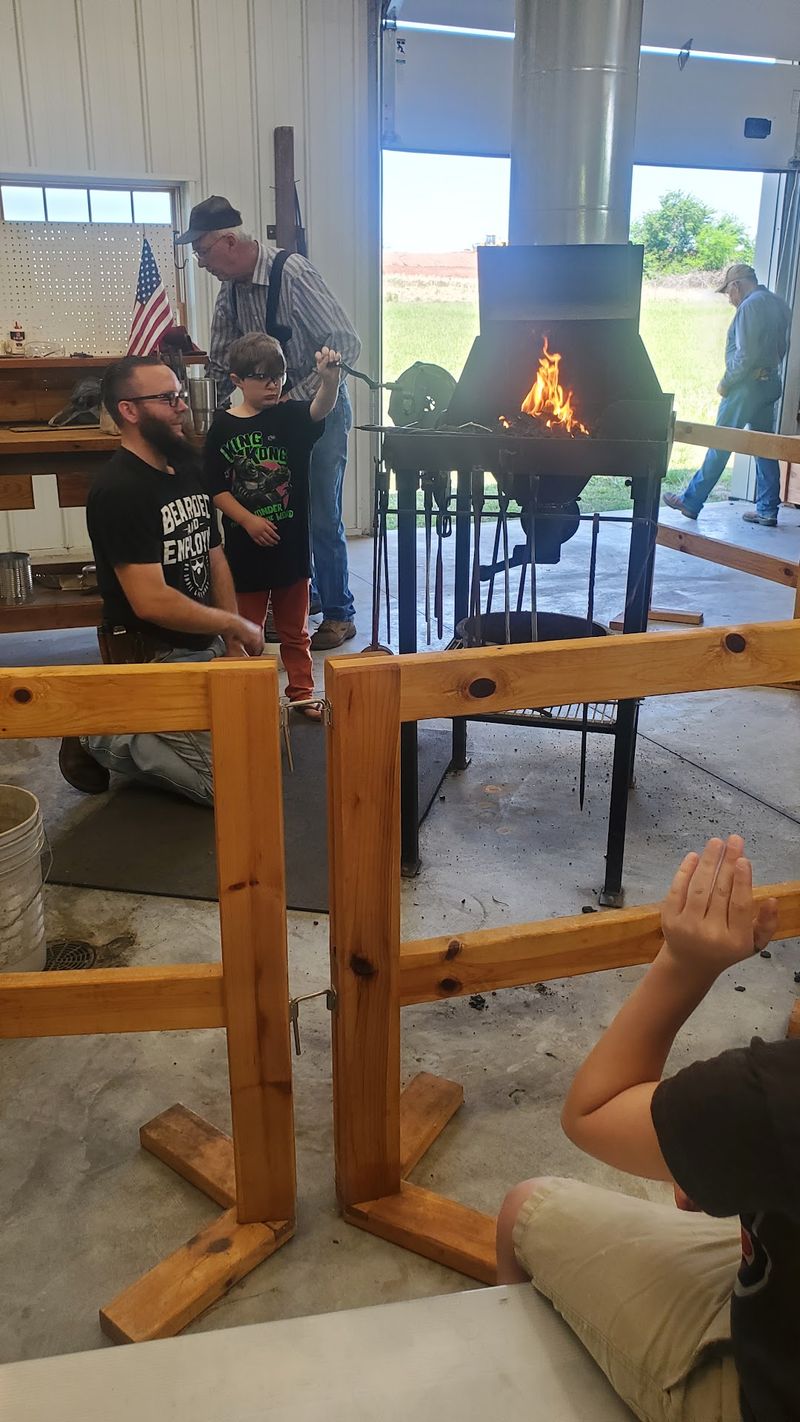
Picture a Saturday in March 2018. On March 10 of that year, Autry Technology Center in Enid, Oklahoma, hosted a beginner blacksmithing class, and a report reprinted in a Saltfork Craftsmen newsletter tells the story.
According to that report, participants spent about six hours in instruction. They learned to start a forge fire, which is the kind of first step that makes the whole craft feel serious.
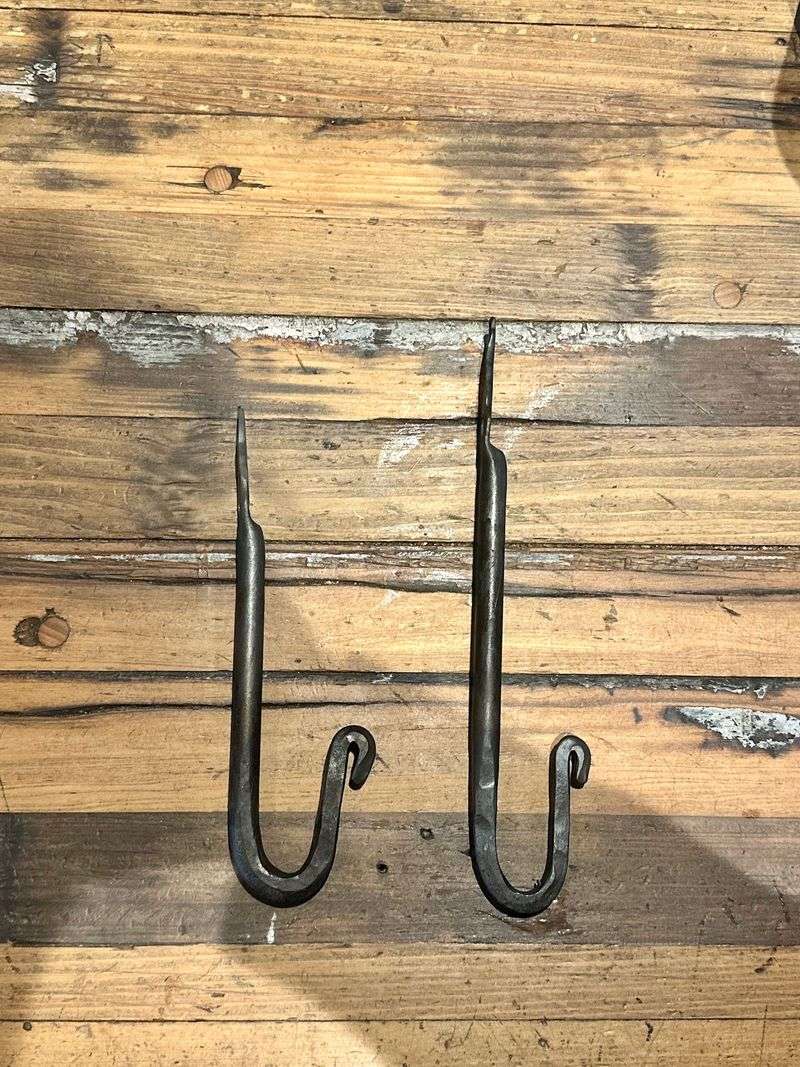
By the end of the day, each person left with a finished steel S-hook.
The date matters, so let me say it plainly: this happened in 2018. It is a documented piece of Oklahoma history, not a class you can sign up for today.
Nothing in the report promises that Autry Technology Center or anyone else will repeat it.
Still, the account is a handy window into what a beginner day can look like. A group of newcomers, a long afternoon at the forge, and one small steel object to carry home.
That is a very concrete result for a single session, and it explains why the story stuck around in a newsletter years later.
Treat it as a model of what to look for rather than a booking tip. The rest of this article sorts out what current listings show and which questions are worth asking.
A simple forged object makes the learning tangible
Small projects have a sneaky advantage. An S-hook has a straight start, a couple of bends, and a clear finish line, so a beginner can see progress with every heat.
When the 2018 class ended with a finished steel S-hook in each participant’s hand, the lesson turned into something you could hold.
That take-home object is a big part of the appeal. Instead of leaving with notes about technique, students left with proof of a day’s work.
It gives a new skill a shape and a weight.
Current beginner classes are a slightly different story. Saltfork’s 2026 calendar describes beginner lessons in forge safety, hammer control, striking, tapering, and twisting, though for other projects.
Those are the sort of building blocks that many beginner sessions can cover.
It would be a stretch to say every class follows the same order, or that the 2018 hook class covered every skill on that list. Each instructor builds a day around a particular project, and the project shapes the lesson.
So the hook is best read as an example of how one simple object can anchor a beginner day. If a project like that appeals to you, ask an organizer what you would actually make.
Current listings do not confirm a hook-making session
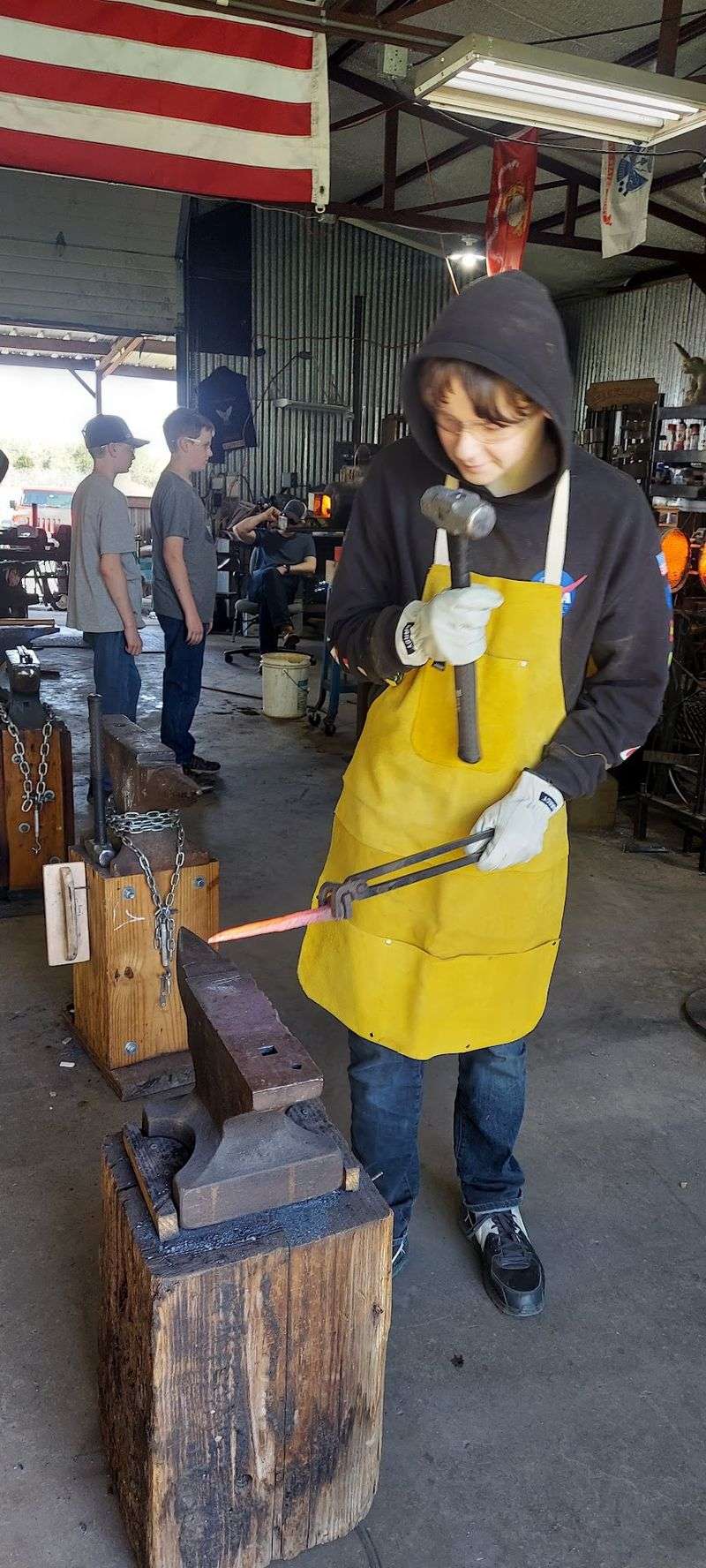
Here is where a good story meets a practical limit. Saltfork Craftsmen’s calendar lists beginner classes in 2026, which is encouraging for anyone curious about the craft.
But the projects posted there do not confirm that a steel-hook class is currently available.
In other words, beginner instruction shows up in the listings, and a hook-making session does not. Project details change from date to date, so a class that sounds like the 2018 one may or may not exist right now.
Saltfork also keeps a newsletter archive that can help you follow updates.
Another page offers background on how a past class was run. Blue Leaf Forge’s events page describes a beginner format running 9:30 a.m. to 5:30 p.m., with a lunch break, advance registration, Saltfork membership, and required protective gear.
Every one of those details comes from events listed in 2024. They show what a full-day format has looked like, not what is offered today.
Dates, prices, registration, and requirements could all be different now.
Nothing here says you can book a hook class this season. Treat the listings as a starting point, then contact the organizers to confirm what is actually scheduled.
Shop safety depends on the work and the workspace
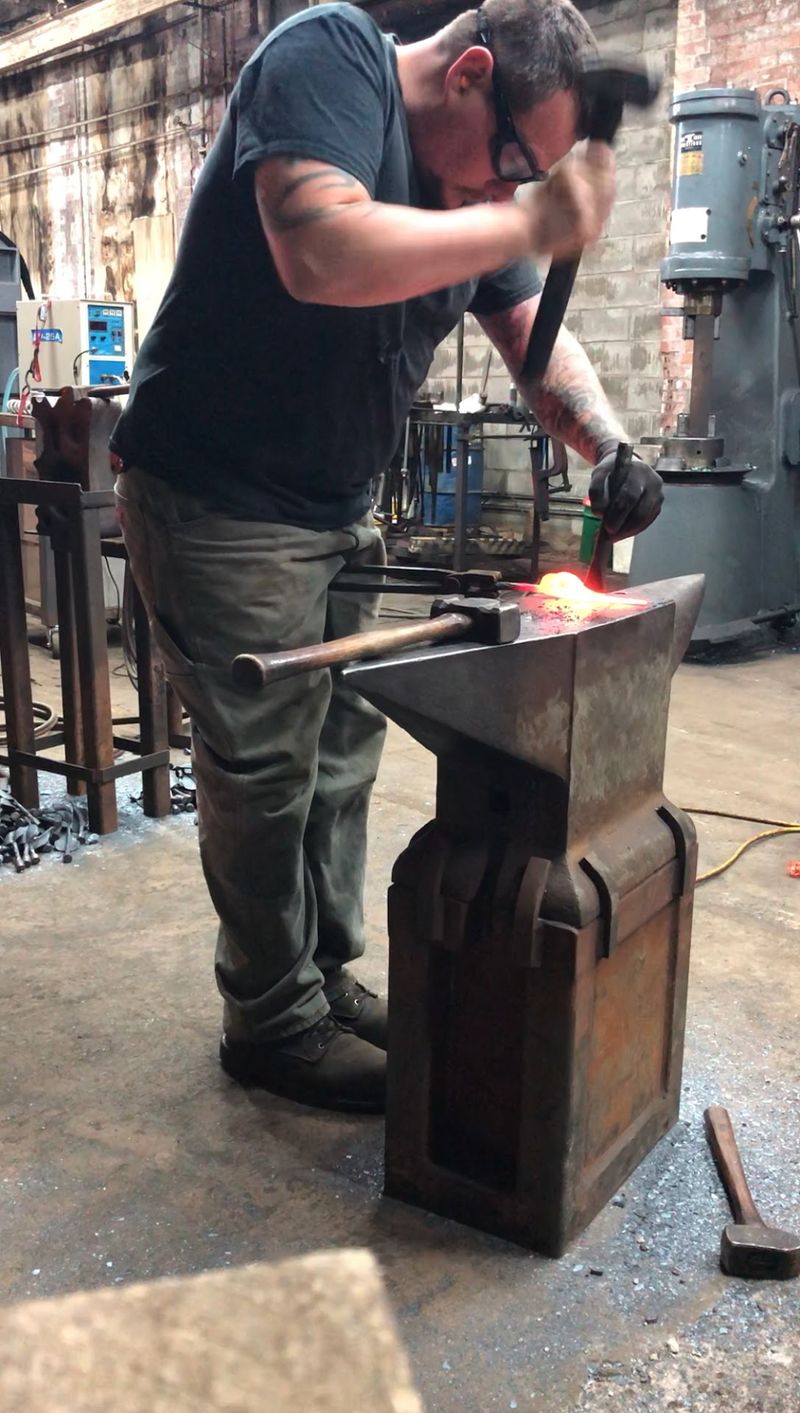
A forge is exciting, and it is also a place with real hazards. Hot metal, swinging hammers, sparks, dust, and fumes all come with the territory.
Blacksmithing is not risk-free, and any good class treats that seriously.
For class preparation, Saltfork’s calendar mentions eye and ear protection, closed-toe shoes, and clothing such as cotton or denim that will not melt. It also says some protective equipment may be available for a fee.
Requirements can differ by instructor, so those notes are a starting point.
University of Arizona Cooperative Extension guidance stresses workspace planning, ventilation, maintained equipment, and protective gear suited to the task. It also notes that beginners and different operations call for different needs.
The same idea shows up in OSHA’s eye and face protection guidance. It identifies hot sparks and flying fragments as hazards and says protection should match the hazard.
Where a face shield applies, it is worn over primary eye protection.
That is why this article does not offer a gear list. The right setup depends on the shop and the job being done.
Follow the instructor’s current rules, and ask about them before you show up.
Ask what the project is made of—and what it is for
Words like iron and steel get tossed around as if they mean the same thing, but they do not. The National Park Service’s Metals in America explains that wrought iron and steel differ in composition and processing, and that mild steel is now used for new hand-worked metalwork.
That is the practical takeaway: do not assume. The 2018 Oklahoma report describes a steel S-hook, so that one is steel.
For any class you find now, ask the instructor what material the project uses.
The current calendar lists beginner instruction and projects, but material is something to confirm directly with the organizer.
The second question is about purpose. None of the class sources give a load rating or any tested use for the hook.
Nothing in them says it can safely hold a particular weight or serve a particular job.
Think of a first hook as a souvenir of a skill you learned. If you want to use something you made for a real task, that is a conversation to have with the instructor, not an assumption to make.
Check the details before you plan a trip

Before you gas up the car, send a message. A short list of questions can save a long drive.
Start with the basics on the calendar and the newsletter archive, then ask the organizer directly.
Is a class currently scheduled and accepting participants? Is the project a hook, or something else?
What material will it use?
What are the registration steps, and does membership apply? What protective gear is required, and is any available to borrow or rent?
These checks matter because the documented hook class is historical, and current listings do not confirm a hook-making session. The answers decide whether a trip makes sense.
A forge fire has a way of making an afternoon feel unforgettable, but only if you show up on the right day.
Share this story