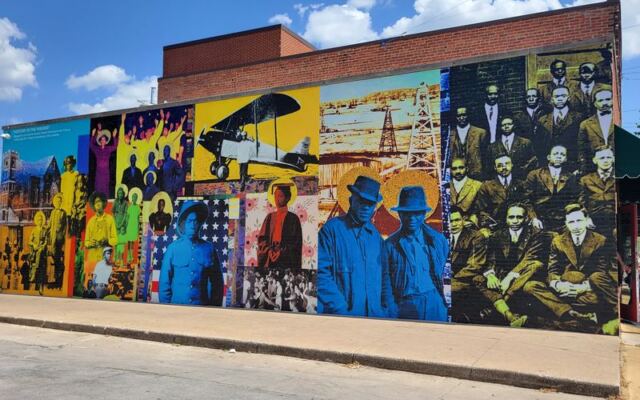
I went looking for a quick coffee stop and a stretch of my legs, and I ended up standing still on a sidewalk for a long time. The walls around me were covered in bright paint, and the ground under my feet held stories I only half knew.
Some places in Oklahoma feed your stomach, but this one fed my curiosity in a way I did not expect. If you have ever wanted history to feel real instead of distant, keep reading.
A Historic Corner on Greenwood Avenue
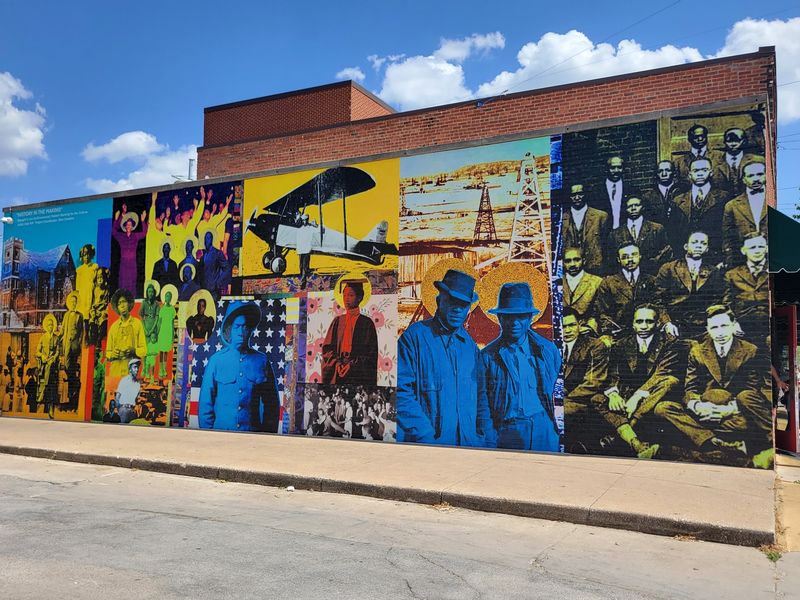
Picture a city block in downtown Tulsa where brick storefronts, painted walls, and small historic markers all compete for your attention. That is the scene at 100 S Greenwood Ave, the heart of the Greenwood District, better known around the world as Black Wall Street.
Officially, the spot is listed as a historical landmark. In practice, it feels more like an open-air storybook you can walk through at your own pace.
Murals splash color across the buildings, plaques line the sidewalks, and local shops keep the street humming with everyday life.
Visitors often describe the area as friendly and welcoming, which might surprise anyone expecting a quiet, formal memorial. People chat with shop owners, families pause to read markers together, and first-timers wander with their phones out, snapping photos of the artwork.
The mood is thoughtful without feeling heavy every second.
Because the district sits right near downtown, it is easy to add to almost any Tulsa itinerary. You can spend twenty minutes here or an entire afternoon.
Either way, expect to leave knowing far more than when you arrived, and probably wanting to come back. Plenty of visitors say exactly that after their first trip.
Three Hundred Businesses and a Dream
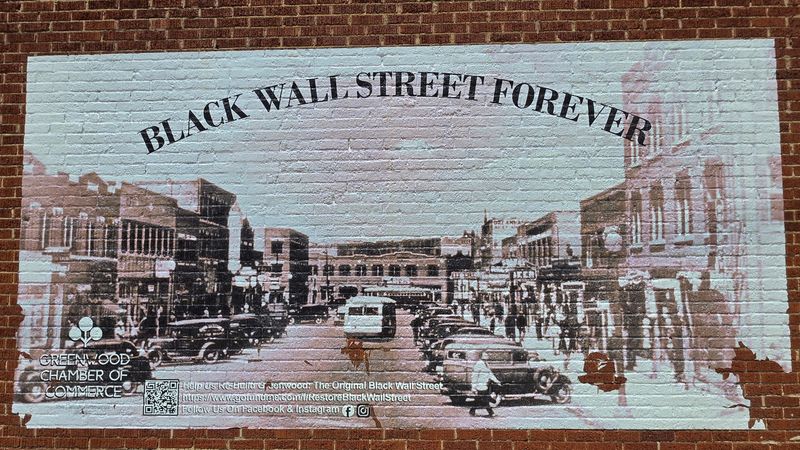
Over 300 Black-owned businesses once thrived along these few blocks. Let that number sink in for a moment, because it explains why the nickname Black Wall Street stuck so firmly.
Lawyers kept offices here. Barbers trimmed hair and traded neighborhood news.
Business owners of every kind built shops, services, and reputations that drew customers and admiration from far beyond Tulsa.
Walking the district today, you can still sense that spirit of ambition. Plaques along the street name real people and the trades they practiced, turning abstract history into faces and livelihoods.
One visiting parent described it as standing where excellence was built by hand, brick by brick and customer by customer.
What made Greenwood remarkable was not just wealth. It was self-reliance, community pride, and the idea that a neighborhood could support itself and flourish on its own terms.
That energy shaped schools, churches, and gathering places, and it gave residents a strong sense of who they were.
Understanding this golden era matters before you explore further. The murals, markers, and museum all build on it.
Once you know how high Greenwood rose, the rest of the story lands with far more weight, and the rebuilding that followed feels even more inspiring.
1921 and the Long Road Back
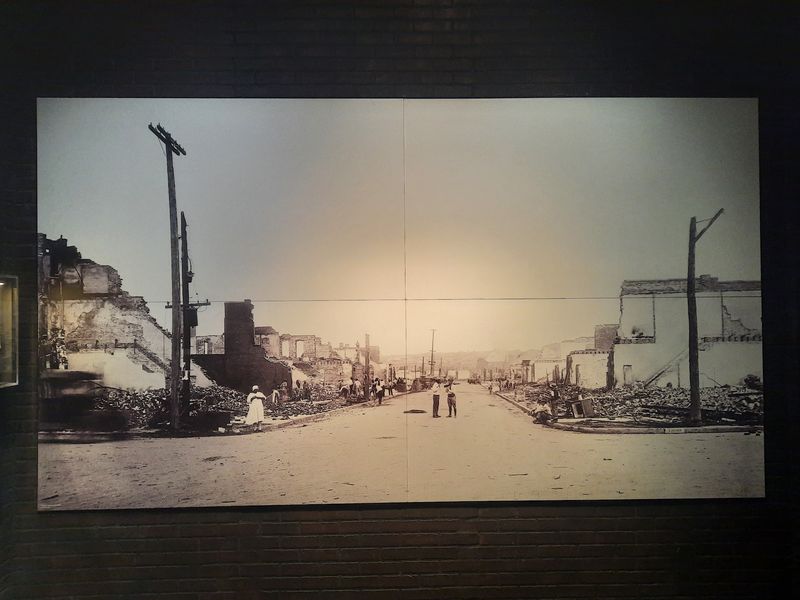
Few years carry as much weight in Oklahoma history as 1921. That spring, a racist mob tore through Greenwood, destroying homes, businesses, and much of what the community had worked so hard to create.
Visitors consistently describe learning about it here as sobering and emotional. Some say they arrived knowing the basics, yet seeing the actual buildings and reading the details on site hit them in an entirely new way.
Others admit the experience left them sad, overwhelmed, and asking hard questions about how such hatred could happen.
Still, the story does not end with loss. Some residents rebuilt after 1921, reopening shops and restoring parts of the neighborhood with stubborn determination.
Many others never got that chance, and the plaques honor both groups.
That mix of grief and resilience is what gives the district its power. One traveler put it well, saying the place reminds you of both the pain of the past and the strength that keeps inspiring new generations.
Another felt the area has been preserved so people can finally learn truths that were kept quiet for too long.
Come prepared to feel something. Most people do, and that is part of why it matters.
Walls That Talk in Color
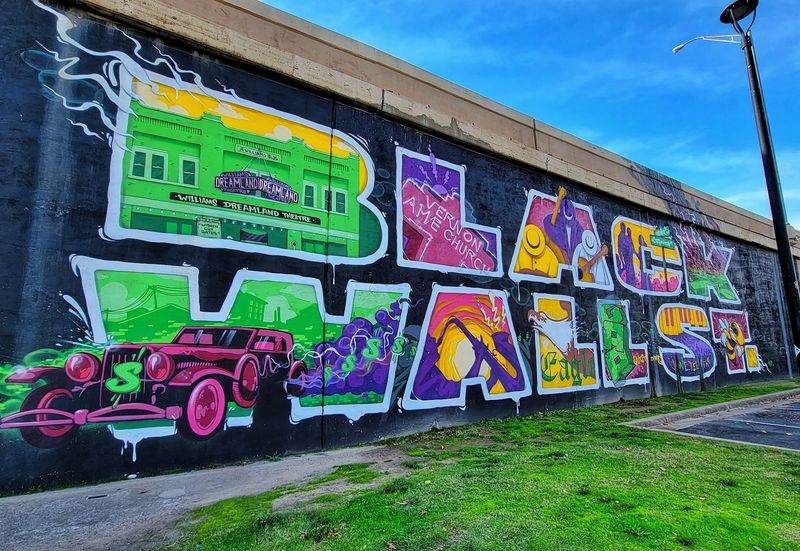
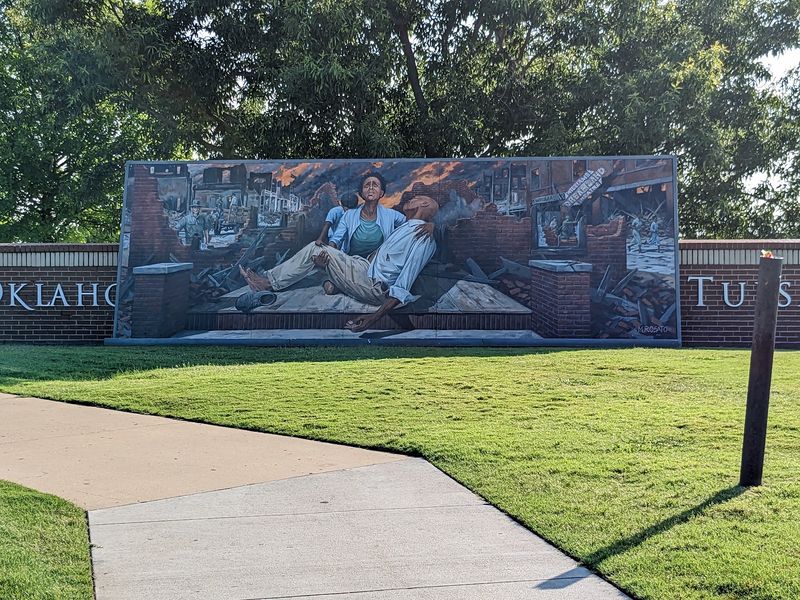
Bright paint has a way of pulling you across the street before you even realize you are walking. Murals are one of the most talked-about features of Black Wall Street, and for good reason.
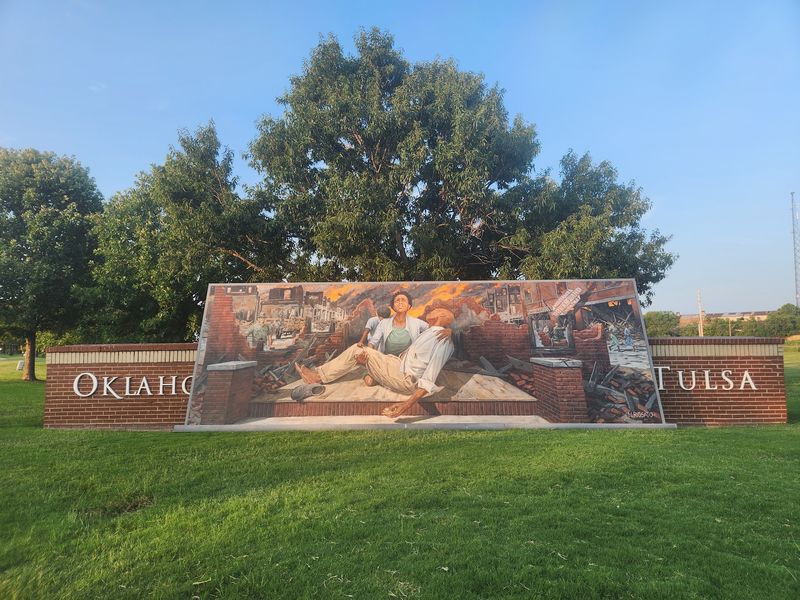
The artwork spreads across walls throughout the district, transforming plain brick into vivid storytelling. Scenes and symbols tied to Greenwood’s history greet you around corners, giving the neighborhood a gallery feel without any doors or tickets.
What makes these murals special is how they bridge past and present. You can read about Black Wall Street in a book, but seeing its story in bold, sweeping color on the very streets where it unfolded feels completely different.
Visitors mention the murals right alongside the shops and cafes as must-see stops.
Photographers, take note. Morning and late afternoon light tends to make painted walls glow, and since the district is open around the clock, you can time your stroll to catch the best conditions.
Bring a wide-angle lens or just step back across the street for the full picture.
Try not to rush, though. Each mural rewards a second look, and small details often reveal themselves only after you stand there a little longer than planned.
Plaques Beneath Your Feet
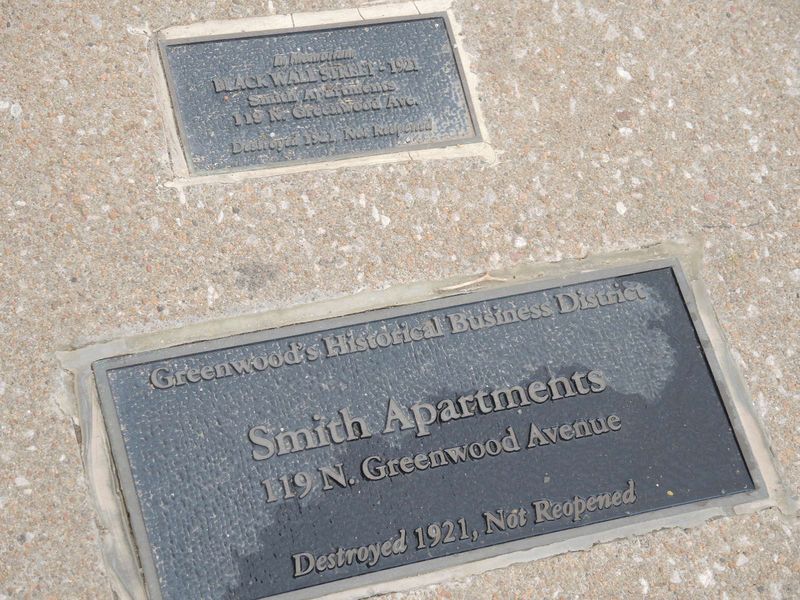
Glance down while you stroll, and you will notice something easy to miss at first. Markers along the sidewalks name the businesses that once stood in Greenwood, from law practices to barbershops.
Each plaque tells a small, specific story. Instead of a vague reference to a thriving community, you get the actual type of business and a sense of the person behind it.
It turns a walk down the block into a slow reading of a neighborhood directory frozen in time.
One parent who visited with children called the experience a real-time homeschool lesson. Rather than reading about history, the family walked through it, stopping at each marker so the kids could ask questions.
That hands-on approach brought the story out of the textbook and into the open air.
Some plaques also note which businesses reopened after 1921 and which did not. Seeing that contrast in a row of markers can be surprisingly moving.
Here is a simple tip from people who have done it: do not just pass through. Read the markers one by one, let the names and trades sink in, and give yourself permission to linger.
The sidewalk itself becomes the guidebook.
Greenwood Rising and the Museum Experience
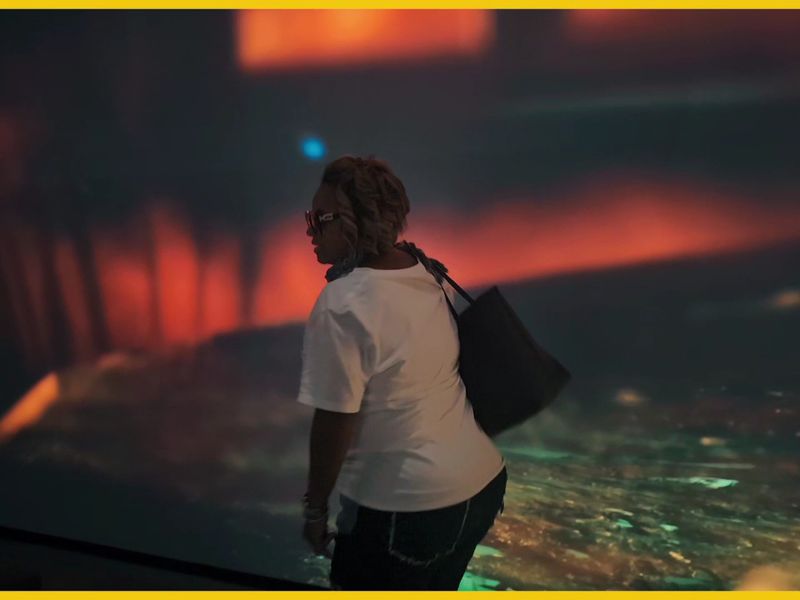
Ready for the deepest layer of the story? The website tied to this landmark points to Greenwood Rising, a cultural history center that guides visitors through Greenwood’s rise, loss, and renewal.
People who have toured it describe a powerful, immersive experience. One visitor spent well over an hour moving through interactive displays during a self-guided Saturday tour, booked with advance tickets in December.
She walked out feeling enlightened and invigorated, praising both the kind staff and the welcoming fellow guests.
Another traveler compared the emotional intensity to some of the world’s most difficult historical memorials, adding that it absolutely needs to be experienced. Many agree it is suitable for all ages, especially families looking to start meaningful conversations.
A few practical notes come straight from visitors. Some mention the museum being free, while others reserved timed tickets ahead of time, so checking greenwoodrising.org before you go is the smart move.
Several people also found it closed during special events like the annual motorcycle rally, or simply on the day they stopped by.
Plan around that, and you will avoid disappointment. The museum pairs beautifully with an outdoor walk, giving context to every mural and marker you see afterward.
Boutiques, Bodegas, and Friendly Faces
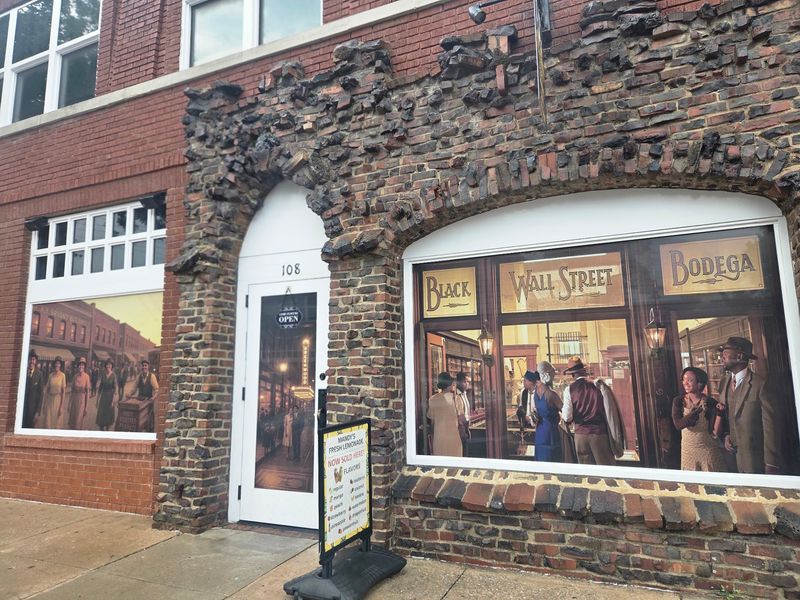
Some of the best history lessons on Greenwood come from behind a shop counter. Friendly locals running the boutiques and stores here often share the neighborhood’s story with anyone curious enough to ask.
One visitor stopped into a t-shirt shop where the owner walked through exactly how events unfolded in 1921. Another raved about the Black Wall St Bodega, describing it as run by a gracious, sharp woman and stocked with a wide range of reasonably priced items.
The store itself was created partly to commemorate the community’s history.
Shoppers keep using the same kind of words: warm, welcoming, proud. Many say the people in these stores clearly love the place they belong to, and that affection rubs off on visitors.
One first-timer summed up the whole atmosphere as Black excellence at its finest.
Shopping here also feels purposeful. Every purchase supports small businesses in a district that was built on local ownership, which makes picking up a shirt or souvenir feel like a tiny piece of continuing the legacy.
So browse slowly, say hello, and ask questions. You might leave with a bag of goods and a story you will retell for years.
Coffee, Books, and Black Authors
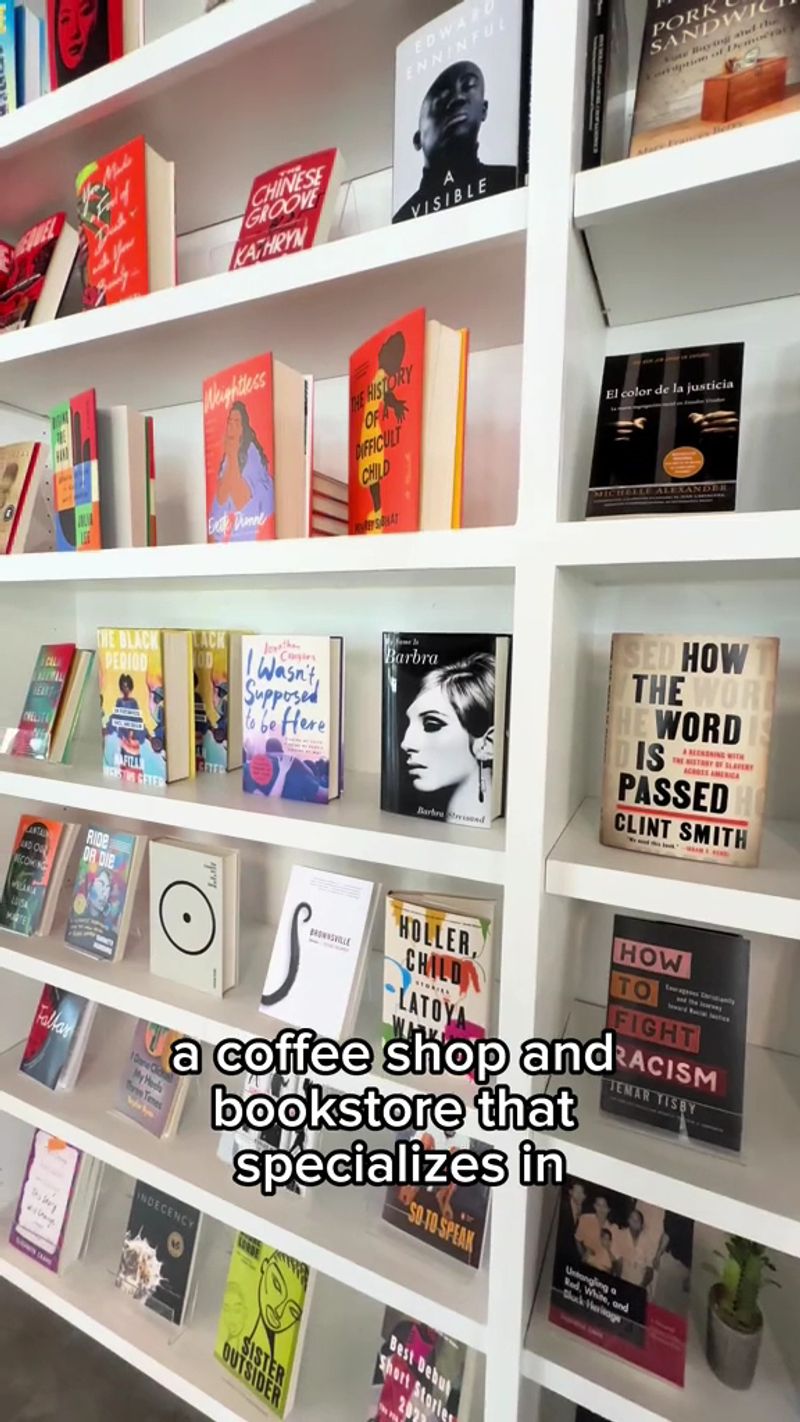
Nothing pairs with a history walk quite like a warm cup and a good book. Fulton Coffee and Books has become a favorite pit stop for visitors exploring Greenwood.
What makes it stand out is the shelves. According to visitors, the bookstore focuses on Black authors and subjects, a thoughtful nod to the neighborhood’s heritage.
Browsing here feels like extending the lesson you started outside, only now with a comfy seat and a coffee in hand.
Cafes like this one give the district a relaxed, lived-in feel. After reading plaques and absorbing heavy chapters of history, a quiet corner with a latte can be exactly what you need to reflect.
You might even find a title that answers questions the street raised.
Other cafes and eateries dot the area too, and travelers mention them alongside boutiques and murals as reasons to linger. One group celebrated a milestone birthday at Tisdales nearby and called the gathering a blessing, proof that Greenwood is a place for joy as well as remembrance.
Grab a cup, pick a book, and give yourself an hour. Few bookstore visits carry this much meaning, and the setting makes every page feel a little more personal.
Rally Weekend on Greenwood
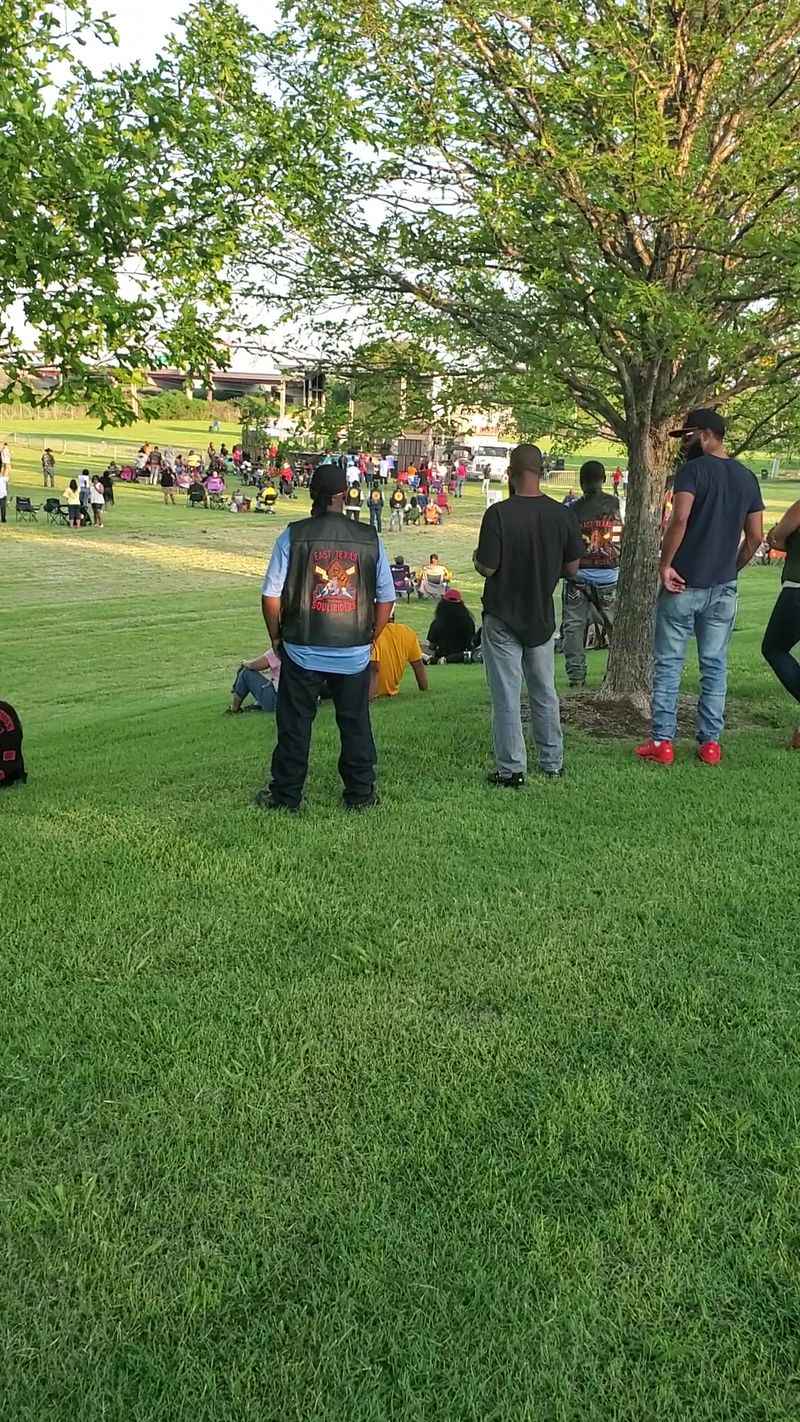
Rumbling engines and laughter fill the air when the annual Black Wall Street motorcycle rally rolls into town. For many visitors, this event is the best time of year to experience the district.
Bikers arrive from across the country, and riders describe the thrill of taking over the neighborhood with their crews. One group rode in with chapter brothers from California and Las Vegas, calling the trip a highlight.
First-timers love seeing rows of motorcycles lining Greenwood’s streets.
The celebration goes well beyond bikes. Past rallies have featured comedy shows, vendor booths, and live music lineups, creating a festival vibe that draws families and curious onlookers alike.
One repeat visitor came back in May 2025 and praised the fun, the food, and the new friendships formed over the weekend.
There is also an annual festival connected to the district, adding another reason to keep an eye on the calendar.
A quick heads-up from someone who attended: the free museum was closed during the rally. If seeing exhibits is a priority, consider arriving a day early or staying an extra day.
That way you get the party atmosphere and the deeper history, without having to pick just one.
An Outdoor Classroom for Every Generation
Kids remember what they can touch, see, and ask about. That is exactly why so many parents describe Greenwood as one of the most valuable family stops in Oklahoma.
Learning history ranks among the most mentioned themes from visitors, and walking comes up just as often. The district is compact and easy to explore on foot, so children can move from mural to marker to shop without getting worn out.
Each stop invites new questions.
One mother shared that her children finally understood both the greatness and the loss of Greenwood because they stood on the actual ground. She encouraged other families to slow down, read every marker, and let the visit become a lesson in resilience and legacy, not just dates.
Adults find it eye-opening too. Several travelers said they had heard about the story through film and television, yet nothing compared to being there in person.
Others felt grateful the area has been preserved so future generations can learn the full truth.
Some visitors were even fortunate enough to speak with descendants of Greenwood families, describing the conversation as a blessing. Moments like that turn an ordinary walk into a memory your family carries home and talks about for years.
Planning Notes Before You Go
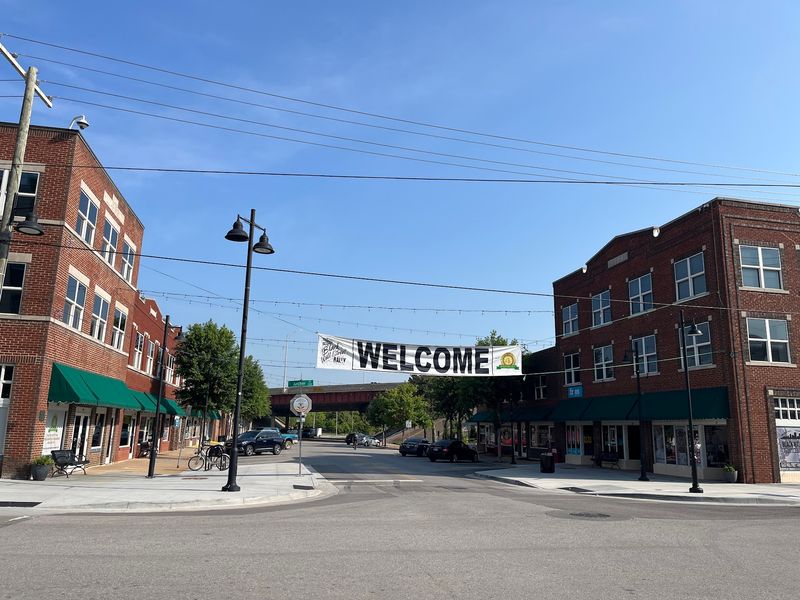
Good news first: the district itself is listed as open 24 hours, every single day of the week. You can wander the streets, view murals, and read markers whenever it fits your schedule.
Shops, cafes, and the museum keep their own hours, so plan accordingly if you want to step inside. Visitors have occasionally found the museum closed, including during rally weekend.
Checking the official website at greenwoodrising.org before your trip is the easiest way to confirm details, and some guests booked advance tickets for timed self-guided tours.
Need to call ahead? The listed phone number is 918-829-4213.
Getting there is simple. The address is 100 S Greenwood Ave, Tulsa, OK 74120, close to downtown, making it a natural add-on if you are already exploring the city.
Once you arrive, plan to park and walk, since strolling is the best way to take everything in.
How much time should you set aside? A quick loop might take thirty minutes, but most people recommend more.
Between the museum, shops, a coffee break, and reading markers, two or three hours disappears fast. Wear comfortable shoes, bring a water bottle, and leave room in your day for lingering.
Why Greenwood Belongs on Your Oklahoma List
Plenty of Oklahoma road trips are about scenery, quirky stops, or a great bite to eat. Greenwood offers something rarer: a place that changes how you see the state you thought you knew.
Visitors use words like powerful, moving, and enlightening again and again. Many admit they shed a few tears, and nearly as many say they left feeling hopeful and inspired.
That balance of heartache and pride is what makes the district unforgettable.
Who will love it most? History buffs, families looking for meaningful outings, art fans chasing murals, and anyone who enjoys supporting small local businesses.
Riders and festival lovers have their own reasons to circle rally weekend on the calendar.
It also costs very little to experience much of it. The streets, murals, and markers are open to everyone, any hour of the day, and the welcoming locals make newcomers feel right at home.
So next time you pass through Tulsa, carve out a few hours. Walk slowly, read carefully, grab a coffee, and talk to the people behind the counters.
Greenwood has a way of staying with you long after you drive away, and that might be the best souvenir of all.
Share this story