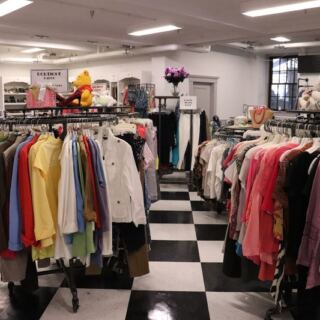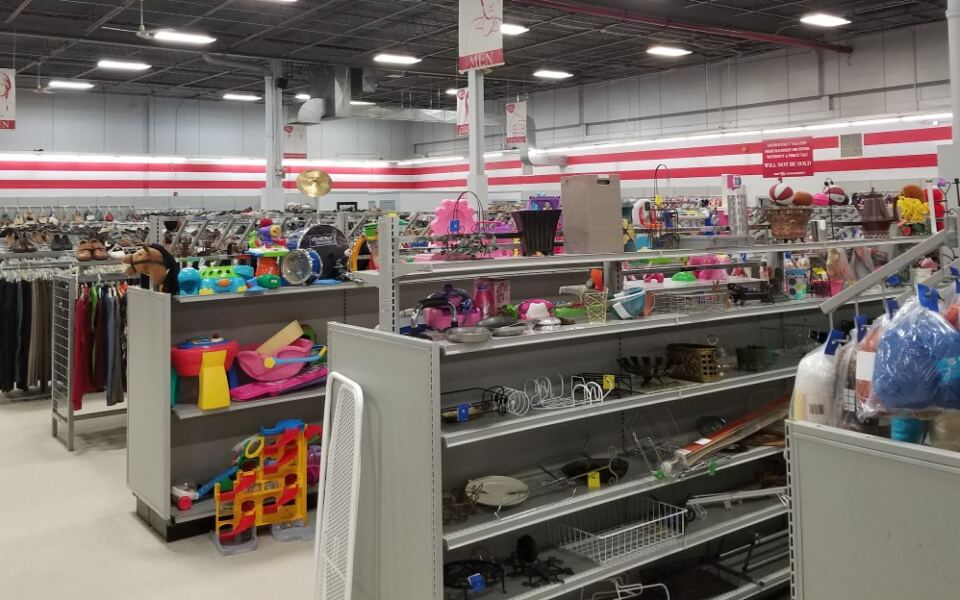
A quick thrift stop can turn into a much longer outing when the books alone deserve their own browsing time. At one large New Jersey store, earlier accounts describe three aisles of books, with clothing, housewares, and plenty more competing for attention.
The appeal is having enough choice to make a careful search worthwhile, not simply grabbing the first bargain. Bring comfortable shoes, leave room in the schedule, and keep a sensible budget handy.
A Pennsauken Stop With Plenty to Browse
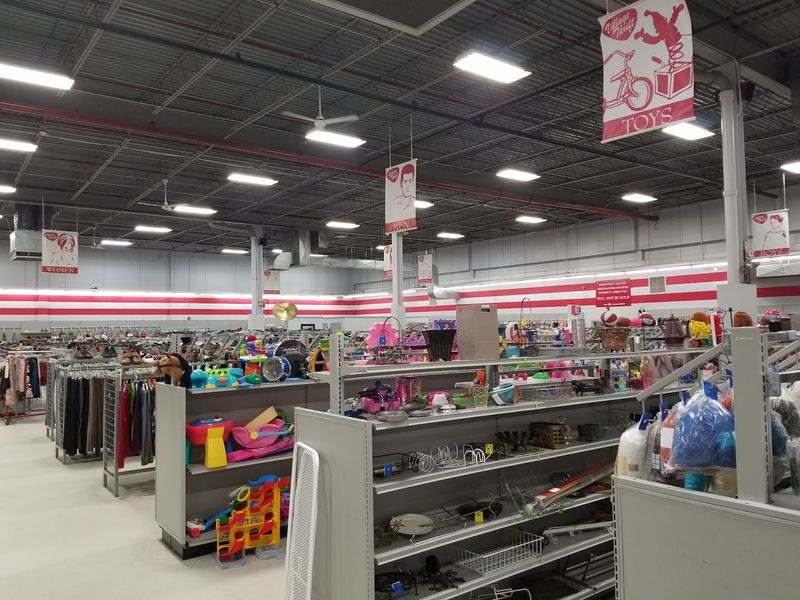
A short shopping list may need a little extra time here. 2nd Ave is a chain thrift store at 7533 S Crescent Blvd, Pennsauken, New Jersey 08109, United States, with secondhand clothing, accessories, housewares, and toys.
The store’s broad selection is the main reason to give it more than a quick stop. Accounts across several years describe a large, well-stocked space with enough merchandise to reward a patient browse.
That matters when planning the outing. A shopper searching for one household item can focus on a single department, while someone with an open afternoon has several categories to explore.
Start with the section that matters most, then leave the rest optional. There is no need to inspect every item to make the trip worthwhile, although the selection may test that sensible plan before checkout arrives.
Three Book Aisles With Lasting Appeal
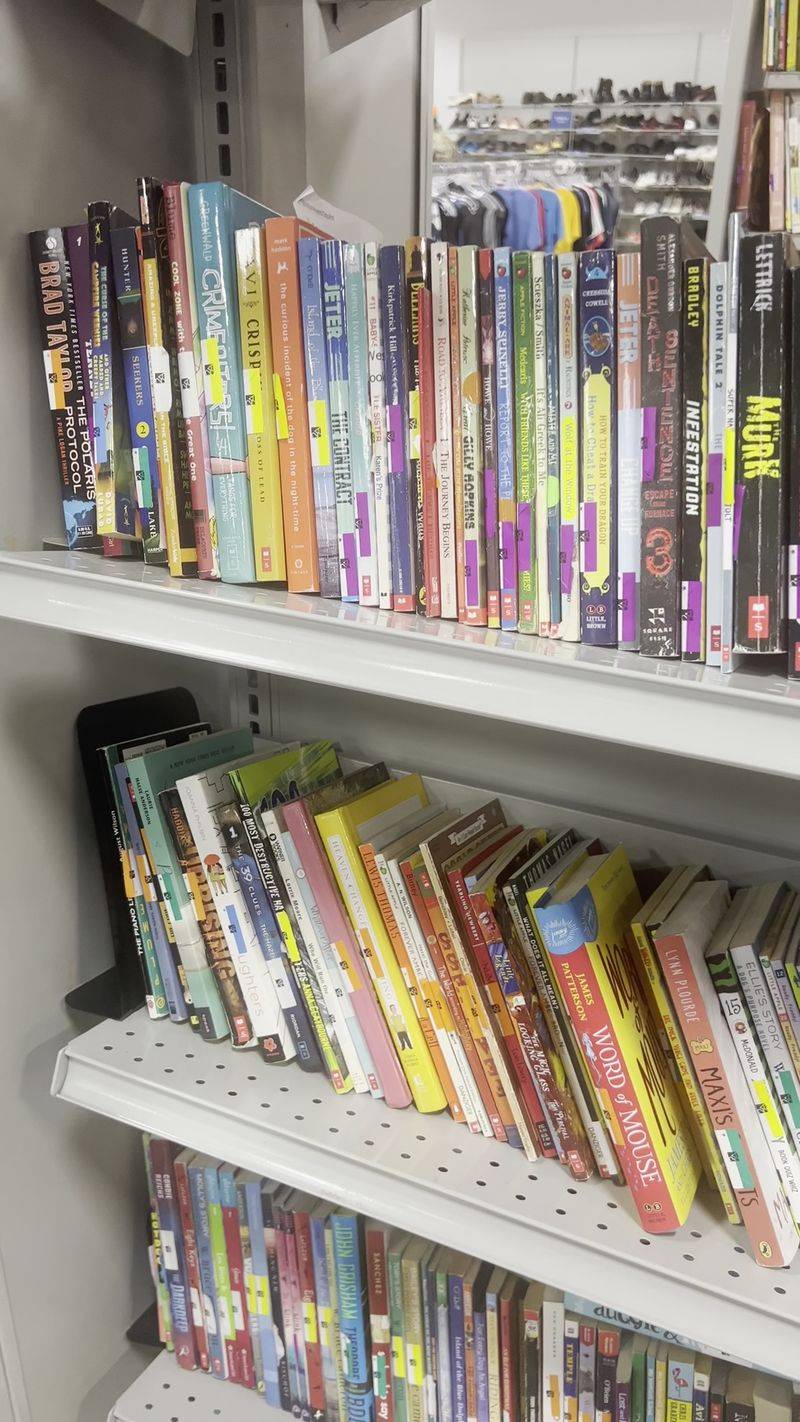
Books provide the most tempting reason to slow down. An earlier account describes three aisles devoted to them, while more recent accounts continue to mention books among the store’s varied offerings.
The exact three-aisle arrangement comes from an older description, so treat it as a documented feature rather than a guaranteed current floor plan. No current inventory list establishes specific authors, subjects, or editions.
For readers, the practical approach is simple: allow time to browse without depending on a particular title being available. A short list of books already owned can also prevent an accidental duplicate purchase.
Check each potential purchase for missing pages, writing, and overall condition before deciding its value. The attraction is the chance to choose something useful from a substantial secondhand selection, not a promise that every shelf will hold a personal favorite or every book will be a bargain.
Clothing Racks With a Useful Head Start
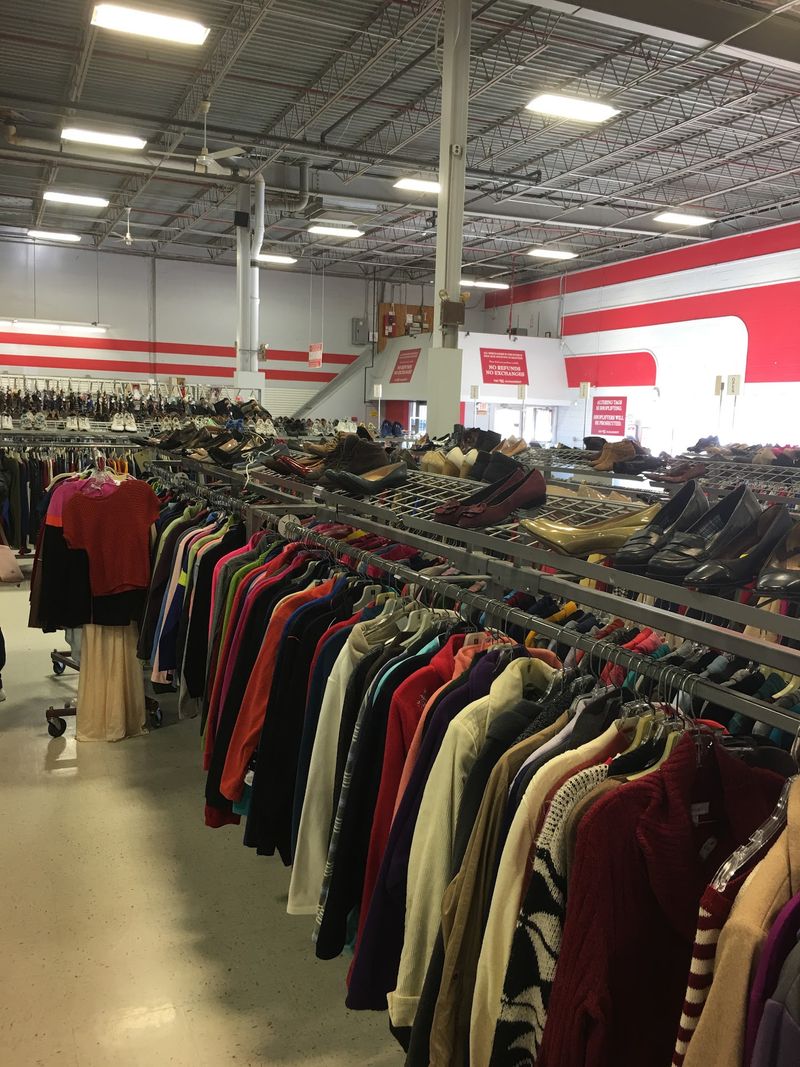
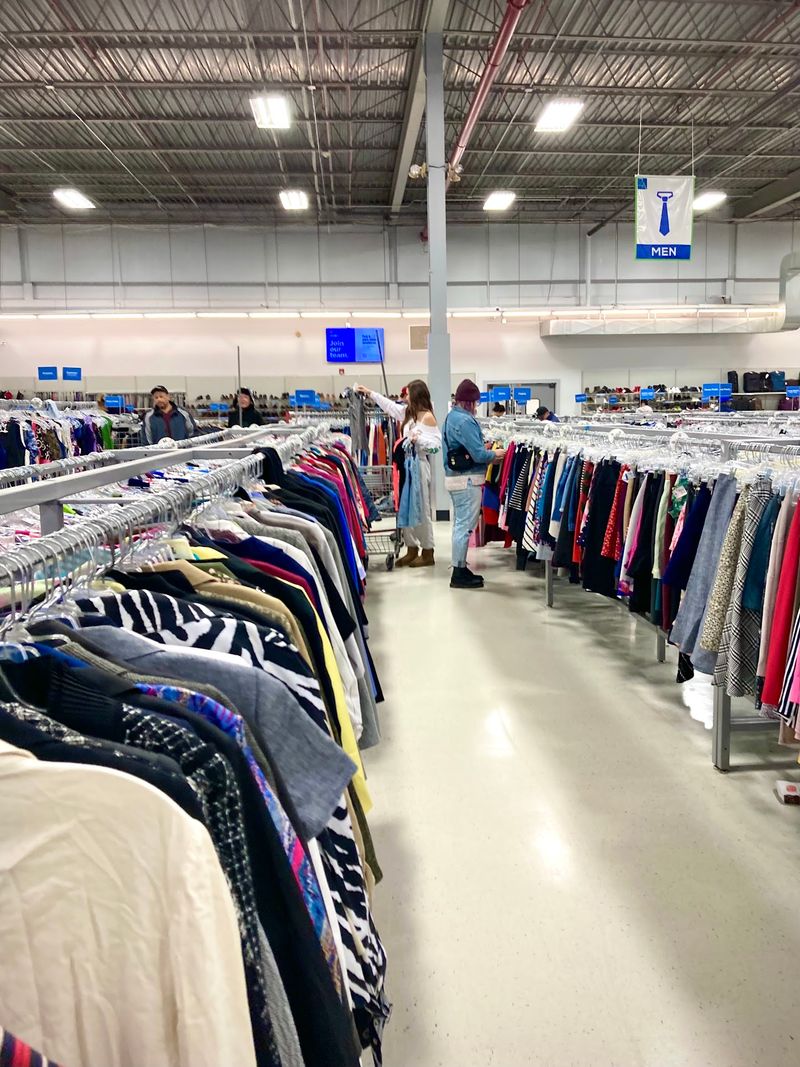
A clothing search gets easier when there is some order to it. Earlier descriptions specifically note clothing and shoes arranged by size, and newer accounts continue to emphasize the store’s organization.
The selection includes secondhand clothes and accessories, with accounts mentioning shirts, dresses, coats, and bags. Individual finds are examples of past inventory, not items that can be promised for a future trip.
Fit deserves special attention. A past account reports that changing rooms were removed, so confirm the current fitting-room situation before building a shopping plan around trying things on.
Bring measurements for a garment that already fits well, and examine seams, fastenings, and care labels before buying. Ask about the current return policy rather than assuming an unsuitable purchase can come back.
A useful addition to the wardrobe should work beyond the excitement of finding it on a rack.
Household Finds With Everyday Potential
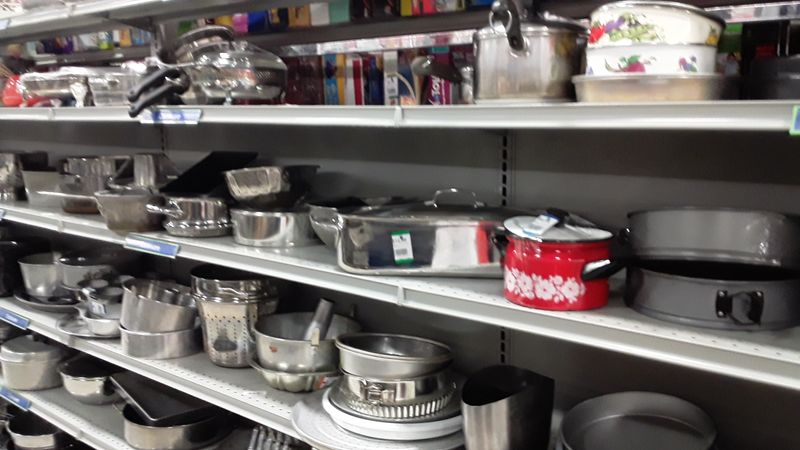
Not every worthwhile find belongs in a closet. Housewares and home decor are established parts of the selection, and past purchases have included a children’s bookshelf and assorted household pieces.
Furniture has also appeared in earlier descriptions, although the available pieces cannot be predicted. Anyone shopping for a particular space should bring measurements and decide in advance how a larger purchase would get home.
Completeness matters as much as appearance. Some accounts describe household items missing lids, making a careful check of all included parts especially useful before heading to checkout.
A practical wish list helps separate a genuine need from an appealing extra. Look for pieces that solve a specific problem, fit an existing space, or replace something already on the shopping list.
The strongest purchase is not necessarily the most unusual object; it is the one that earns its place at home.
Smaller Departments That Reward Attention
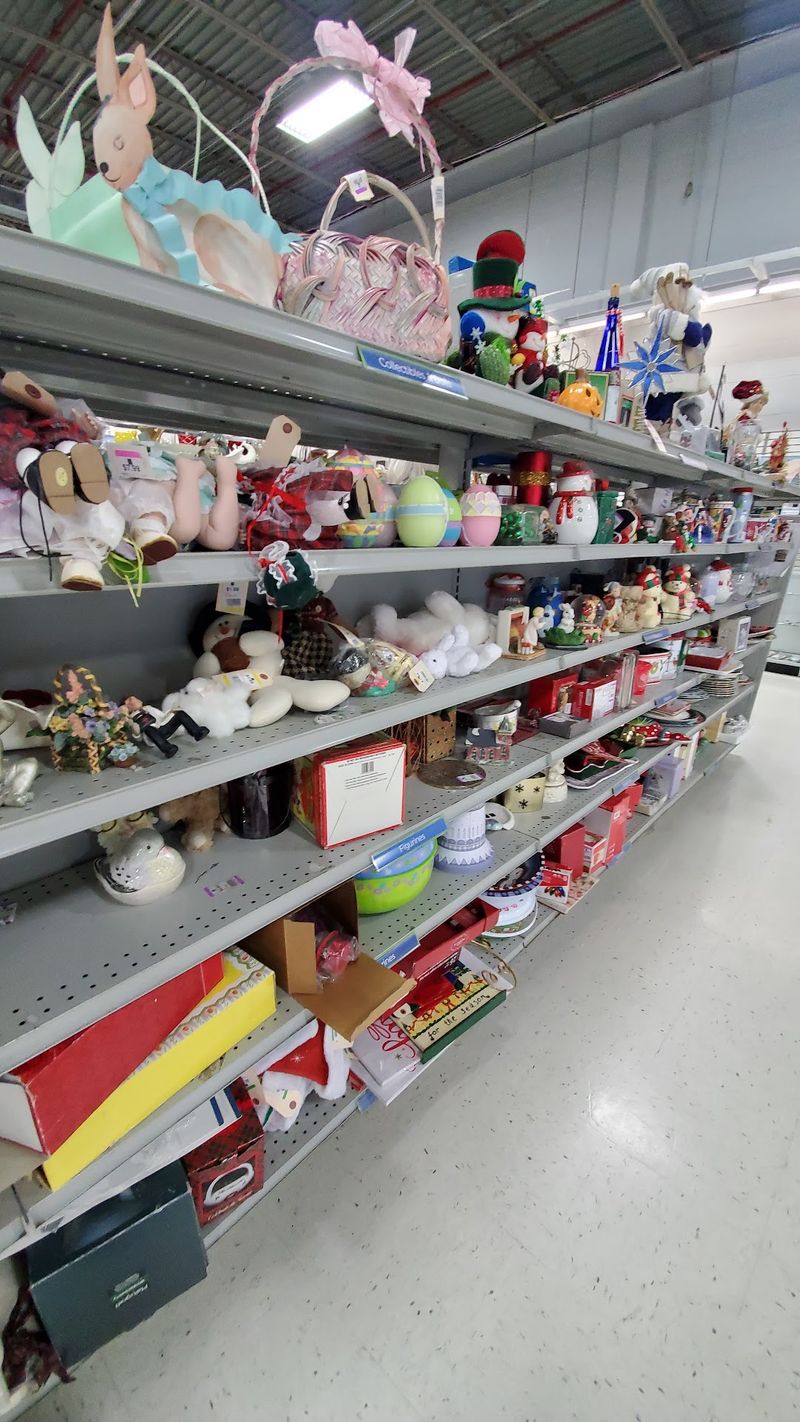
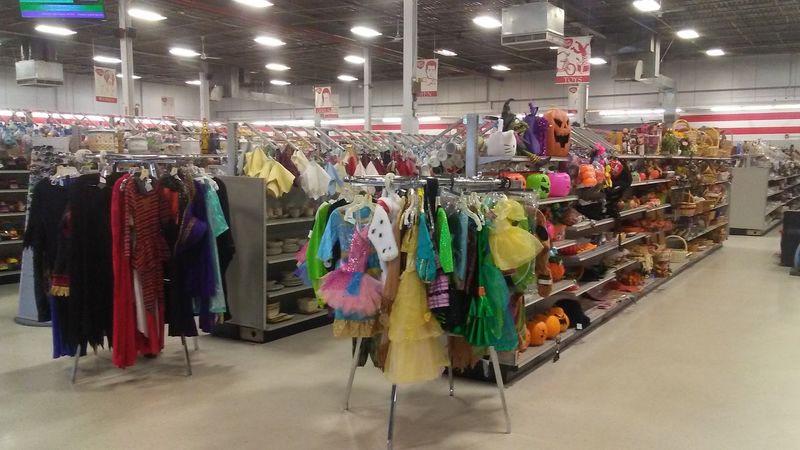
The smaller categories can easily extend a shopping trip. Jewelry, bags, toys, and accessories appear in descriptions of the merchandise, giving shoppers reasons to venture beyond books and clothing.
Craft projects are another useful angle. Accounts include successful searches for project materials, though there is no fixed supply list or guarantee that a particular component will be available.
Electronics have turned up as well, including a monitor and wireless headphones in one past purchase. That does not establish a storewide testing policy, so ask about testing and purchase conditions rather than assuming every device has been checked.
Keep a short list of needed sizes, connections, or replacement parts on a phone. Small purchases deserve the same care as larger ones, especially when several inexpensive extras begin adding up.
A useful find should still be useful once the shopping bag is unpacked.
An Organized Space for Patient Shoppers
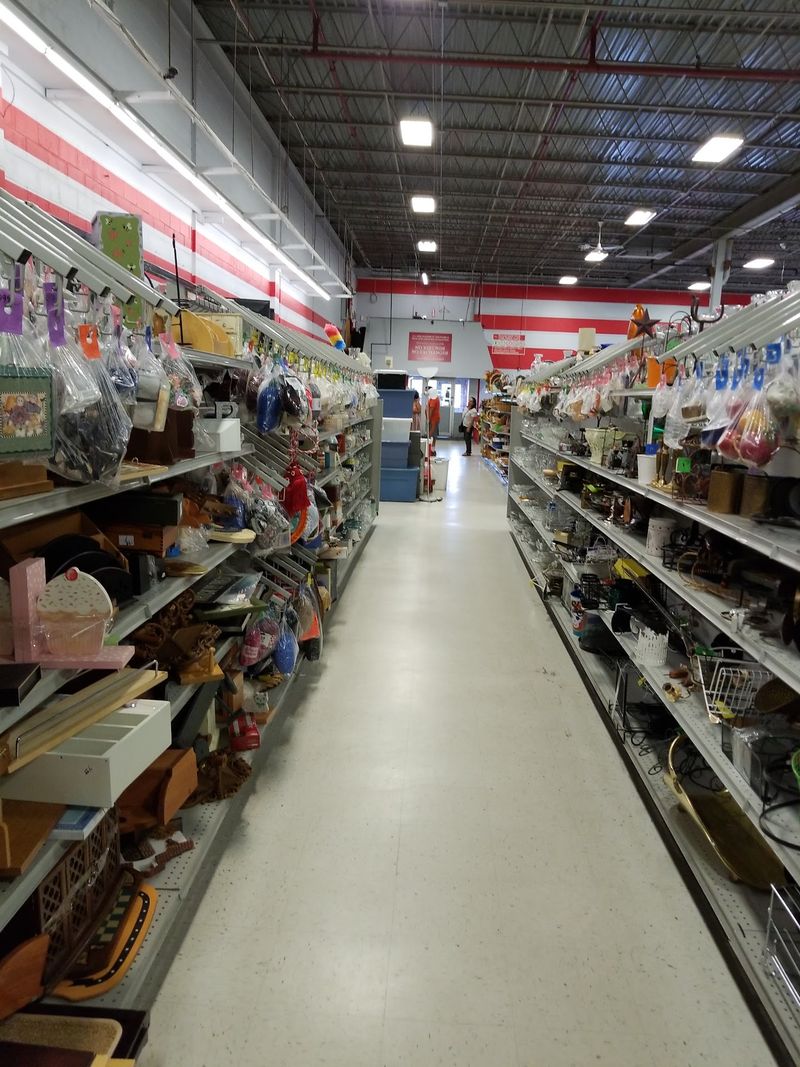
Order makes a large selection less demanding to explore. Organization is a recurring strength in the supplied accounts, including recent descriptions of a clean, well-stocked store where items are easy to locate.
The atmosphere suits shoppers who enjoy comparing possibilities rather than following a fixed inventory list. Readers, household bargain seekers, and people gathering project materials each have a reason to take their time.
A weekday may be worth considering for those who prefer fewer people. One account contrasts busier weekends with quieter weekdays, but that is an individual experience rather than a reliable crowd forecast.
Choose a pace that works for the whole group, especially when shopping with friends or family. Agree on a meeting point and a rough finish time before separating into departments.
Comfortable shoes make sense here because a broad selection can turn a modest errand into a longer browse.
A Budget That Leaves Room for Judgment
A full shopping basket is not automatically a good deal. Accounts differ sharply on value: some describe reasonable purchases, while others find certain secondhand items too expensive.
There is no reliable current price list in the supplied information. Older item prices should not become a budget promise, especially when condition, brand, and category can affect whether a purchase makes sense.
Discount days, weekly color tags, membership offers, and email coupons appear in past accounts. Their current terms are not established here, so ask which offers apply and whether any exclusions affect the items being considered.
Set a spending limit before browsing, then compare each candidate with what a suitable alternative would cost. Confirm the total before paying instead of relying on an assumed discount.
Leaving something behind can be the smartest shopping decision of the day, even after spending time choosing it.
Daily Hours and Straightforward Trip Planning

The listed schedule gives this stop plenty of flexibility. Operating hours are 9 a.m. to 9 p.m. every day, Monday through Sunday, making both daytime browsing and an evening errand possible.
Check the official store page before leaving, particularly around holidays or when planning a longer drive. A listing is useful for preparation, but a same-day confirmation is better than an unnecessary trip.
A parking lot is documented, with past accounts describing parking as easy and ample. The supplied information does not establish public transportation routes, detailed accessibility arrangements, or exact driving times, so check those separately as needed.
Give the visit enough room in the schedule to inspect potential purchases without rushing. Self-checkout has also been reported, although current checkout arrangements should be confirmed in store.
Aim to finish choosing items before closing rather than treating the final minutes as extra browsing time.
A Worthwhile Browse With Sensible Expectations
The best reason to come is the range of possibilities, not a guaranteed bargain. A large selection, recurring praise for organization, and books alongside everyday goods give the store a clear purpose for curious secondhand shoppers.
Its limitations deserve equal attention. Prices do not satisfy everyone, individual items need inspection, and older details about book aisles, fitting rooms, or discounts should not be treated as current promises.
Arrive with one priority and enough flexibility to consider something else. That approach works for a reader seeking another book, a household shopper replacing a useful item, or a craft enthusiast gathering materials.
Keep the budget firm and the schedule a little less so. The three-book-aisle description explains the headline’s appeal, but the broader selection is what gives the outing room to grow.
Comfortable shoes and careful choices are a sensible combination for making the most of it.
Share this story