Montana had thousands of years of history before the first cowboy ever tipped a hat. Native nations built communities here, traded across huge distances, and created clever ways to live on the plains and in the mountains.
Their stories did not stop in the past, either. Tribal communities across the state still keep their languages, art, and traditions going strong today.
The best part is that you can learn about this history in person. Some stops sit at the bottom of cliffs where bison hunts once fed whole villages.
Others hold beadwork so detailed it might make you rethink your own craft projects. A few mark battles that changed the country, and one is run by a tribe that rebuilt after its museum burned down.
You will also find spots with free admission, which is great news for family road trips. Each stop on this list gives you real facts, helpful tips, and a reason to pull off the highway.
Keep reading to plan a trip that teaches more than any textbook could.
1. Museum of the Plains Indian, Browning, Montana
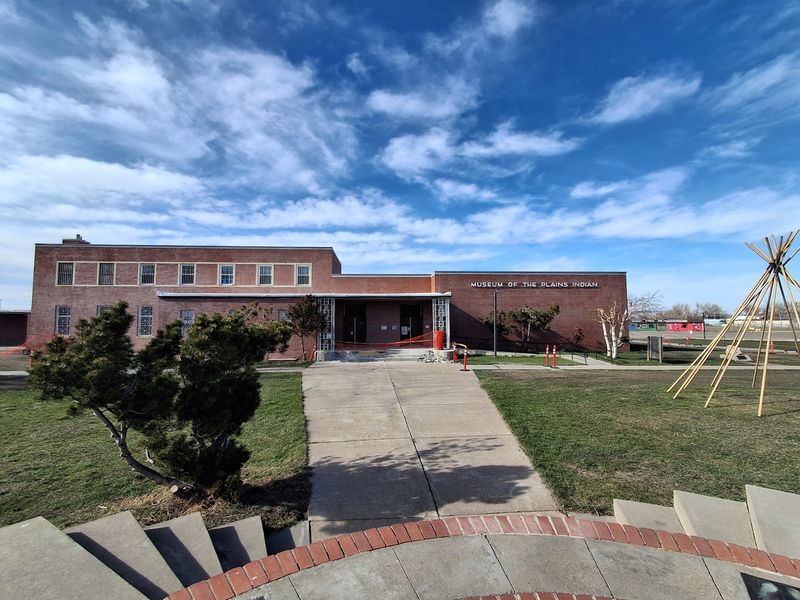
Back in 1941, the federal government opened a museum on the Blackfeet Reservation, and it still runs today. The U.S.
Department of the Interior manages it, which makes it one of the older Native art museums in the country.
Collections cover many Northern Plains nations. You will see work tied to the Blackfeet, Crow, Northern Cheyenne, Assiniboine, Cree, Nez Perce, and others.
Look for historic clothing, horse gear, household tools, and baby carriers. Modern pieces by living Native artists share space with the older objects.
Exhibits rotate by season, so a second visit can feel brand new. Photography is usually not allowed inside, so leave the phone in your pocket.
Budget tip: admission is charged in summer but free in fall, winter, and spring. The gift shop sells jewelry and crafts made by Native artists, perfect for meaningful souvenirs near Glacier’s east entrance.
2. First Peoples Buffalo Jump State Park, Ulm, Montana
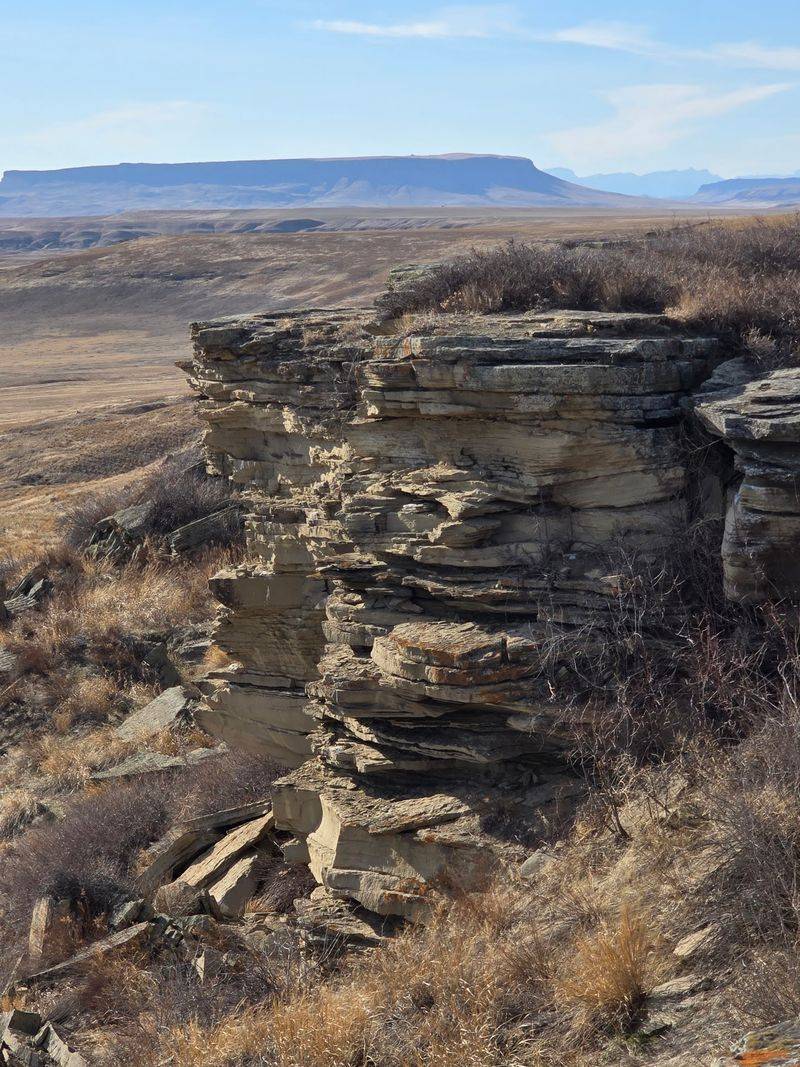
Picture a cliff a full mile long, and you have one of the biggest bison jump sites in North America. Native hunters used it for at least 2,000 years.
A skilled runner, often wearing a bison calf skin, led herds toward the edge. Others guided the animals using lines of stacked rocks, which you can still spot on top of the cliff.
Below the drop, buffalo remains pile up to 18 feet deep. That is some serious evidence of teamwork.
The 6,000-square-foot visitor center explains how every part of the bison was used. Bones became tools, hides became shelter, and even tails turned into fly swatters.
Outside, you will find an amphitheater and fields for traditional games. Out of more than 300 buffalo kill sites in Montana, this is one of just three protected as state parks.
3. Chief Plenty Coups State Park, Pryor, Montana
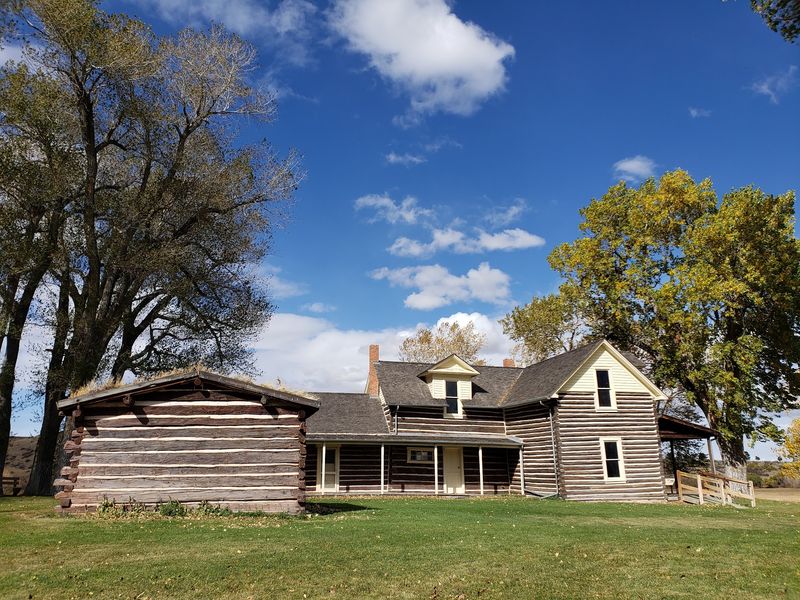
His name meant many achievements, and Chief Plenty Coups truly earned it. Born in 1848, he became a Crow chief by age 28.
About 40 minutes south of Billings, his park sits on the Crow Reservation. It protects his log home, his farmstead, and a sacred spring he saw in a vision as a young man.
Plenty Coups helped his people through huge changes. He farmed, opened a general store, and met several U.S. presidents.
In 1921, he represented all Indian Nations at the burial of the Unknown Soldier at Arlington. His headdress and coup sticks are still displayed there.
Before passing in 1932, he and his wife, Strikes the Iron, asked that 195 acres become a public park. Today, a visitor center tells his story, and a 3/4-mile trail follows Pryor Creek around the grounds.
4. Little Bighorn Battlefield National Monument, Crow Agency, Montana
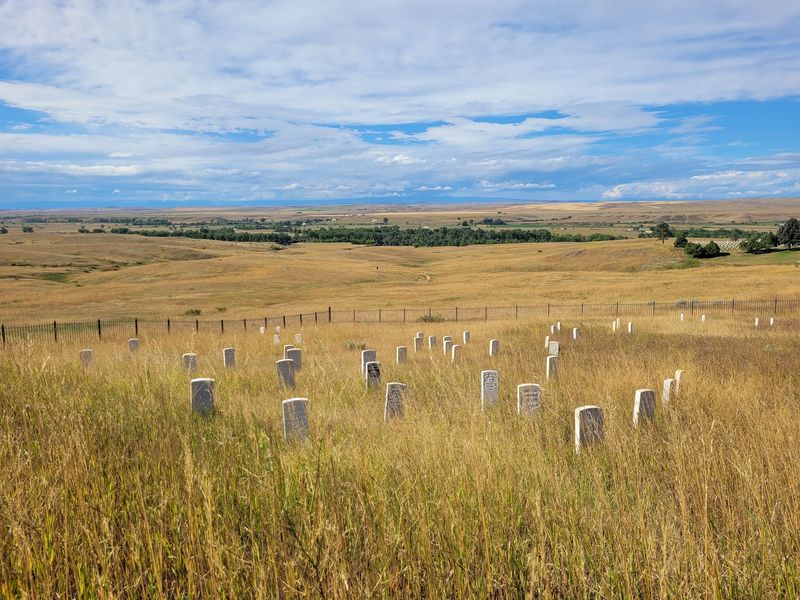
History books once told this story from mostly one side. The site was even called Custer Battlefield until it was renamed in 1991.
On June 25 and 26, 1876, Lakota, Northern Cheyenne, and Arapaho warriors won a decisive victory here. They defeated Lieutenant Colonel George Armstrong Custer’s 7th Cavalry.
Make time for the Indian Memorial, completed in 2013. Its theme is Peace Through Unity, and circular granite panels share words and images from the tribes involved.
Across the hills, markers tell a quiet story. White marble ones note where soldiers fell, while red granite markers honor Native warriors such as Lame White Man and Noisy Walking.
Do not skip the Reno-Benteen area about three miles southeast. Many visitors miss it, yet it completes the picture of how the battle unfolded.
5. Big Hole National Battlefield, Wisdom, Montana
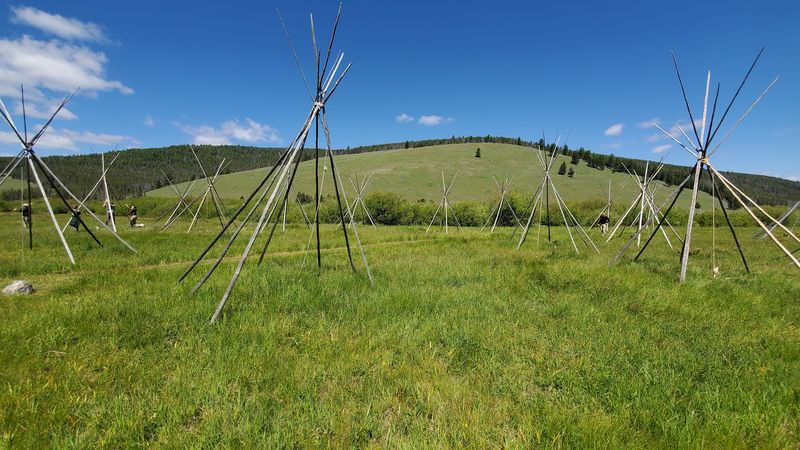
August 9, 1877, changed everything for a group of Nez Perce families camped in this valley. U.S. troops under Colonel John Gibbon attacked at dawn.
The Nez Perce were on a 1,200-mile journey to avoid being forced onto a reservation. Chiefs Joseph, Ollokot, and Looking Glass led them.
Nearly 90 Nez Perce people were lost, and fewer than a third were warriors. The survivors slipped away at night and kept moving.
Start at the visitor center with its 26-minute film. Exhibits show photos, quotes, and belongings of people who were there.
Three self-guided trails lead to the Nez Perce camp, the Siege Area, and the Howitzer Capture site. Each walk takes about an hour, and rangers lead programs in summer.
Please treat the camp area with respect, since it is sacred to Nez Perce descendants.
6. Three Chiefs Culture Center, Pablo, Montana
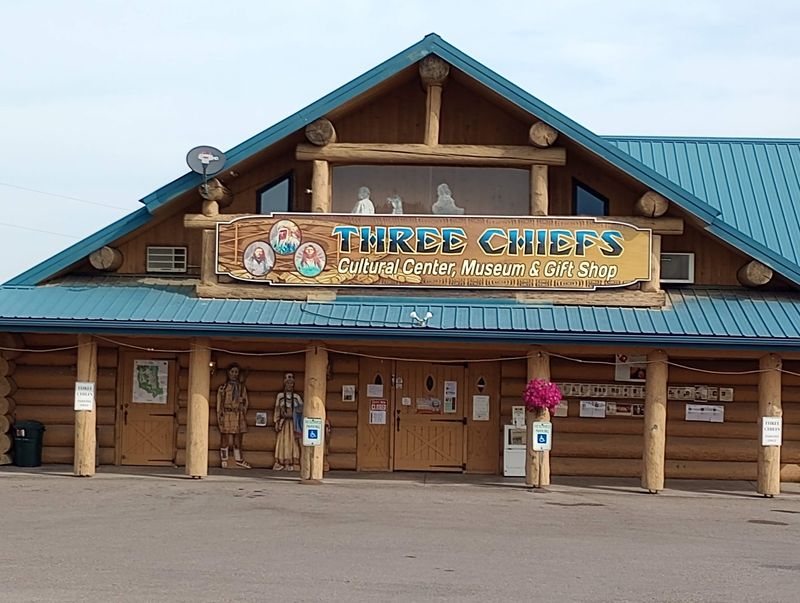
Resilience is not just a word here. In 2020, a fire destroyed the original building, then called The People’s Center.
Staff refused to give up. Over five years, they cleaned rescued artifacts by hand, sometimes bead by bead.
The center reopened in September 2023 inside a former bank building in Pablo. The Confederated Salish and Kootenai Tribes run it, and plans for a permanent home are underway.
The new name honors the Salish, Kootenai, and Pend d’Oreille peoples equally. That detail matters to the community.
This is more of a living experience than a quiet museum. Depending on the day, you might catch craft classes, drumming, storytelling, traditional games, or an art market.
The gift shop sells products made by Native artists. Your purchase supports Native-owned businesses directly, which is a pretty great bonus.
7. Ninepipes Museum of Early Montana, Charlo, Montana
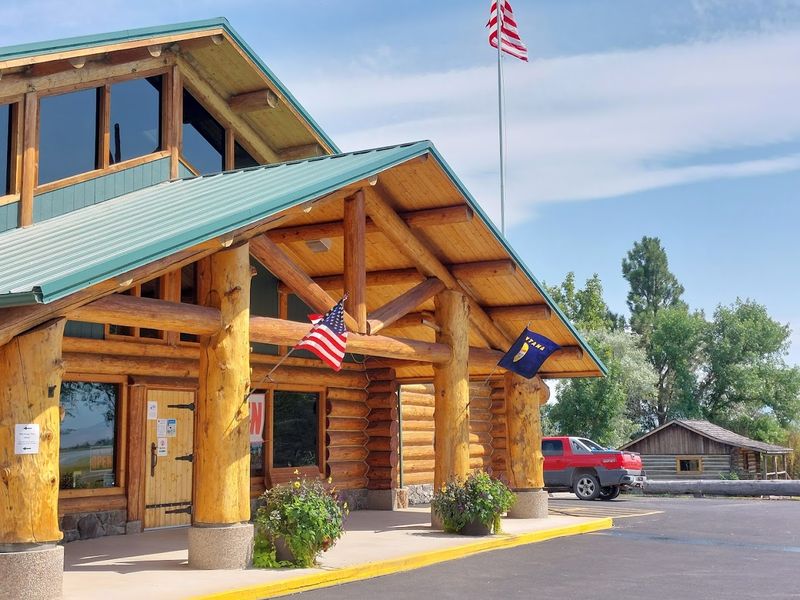
Bud and Laurel Cheff started this museum in 1997, and their collection now tops 2,000 items. That is a lot of history packed into one stop on Highway 93.
The main focus is the Flathead Indian Reservation. Exhibits show clothing and objects the Salish, Kootenai, and Pend d’Oreille peoples used for hunting, food, daily life, and ceremony.
Art fans get a treat too. Works by Charles Russell, E.S. Paxson, Ace Powell, and Frederic Remington hang inside.
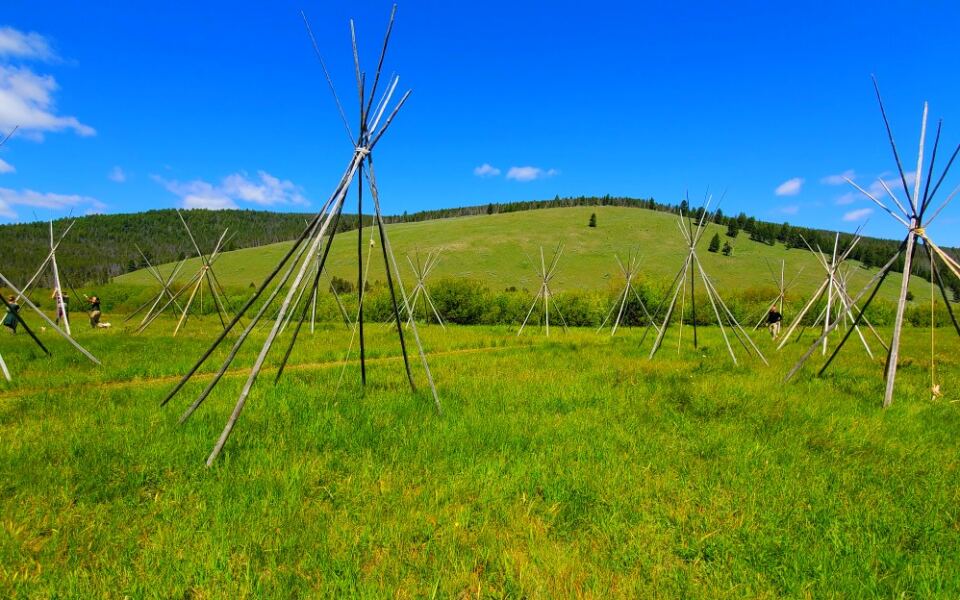
Head outdoors on the Adelle Rogers Cheff Nature Trail. Along the way, you will find a cabin, tipi poles, old wagons, and a dugout canoe.
The gift shop deserves a few extra minutes. It carries pine needle baskets, beadwork, hand-sewn ribbon shirts, jewelry, and quilts.
Bonus: the Mission Mountains make an amazing backdrop for photos in the parking lot.
8. Pictograph Cave State Park, Billings, Montana
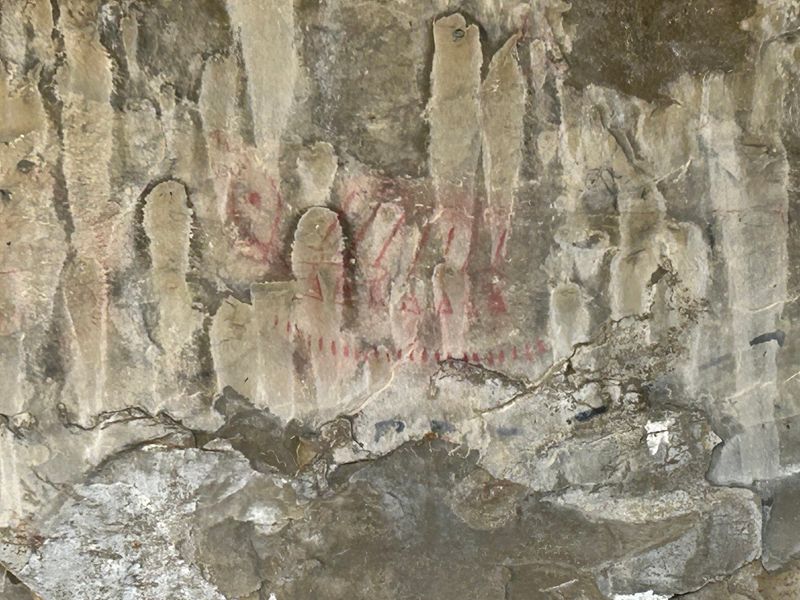
A painted turtle about 2,100 years old is the oldest known artwork at this park. Not bad for a creature that never needed a museum frame.
Just five miles south of Billings, the park protects three caves called Pictograph, Middle, and Ghost. People used the site for at least 3,000 years, and maybe much longer.
The paintings show animals, warriors, and even rifles. Their ages range from 200 to 2,100 years.
Digs from 1937 to 1941 found more than 30,000 artifacts. Some seashell beads came all the way from the Pacific Coast, proof of long trade routes.
A paved trail only a quarter mile long leads to the caves. Signs explain what was found and why it matters.
Pack binoculars for a better look. The rock art is often easiest to see after rain or snowmelt.
9. Bear Paw Battlefield, Chinook, Montana
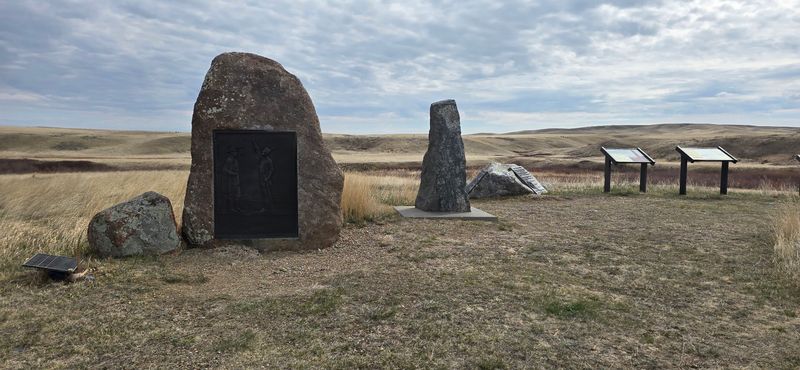
Canada was less than 40 miles away when the Nez Perce journey came to an end here. After more than a thousand miles, about 400 people were surrounded by the U.S. Army.
The siege lasted five days, from September 30 to October 5, 1877. Cold weather, low supplies, and exhaustion made things harder each day.
Chief Joseph finally surrendered. His famous words, I will fight no more forever, are still quoted in classrooms today.
An interpretive trail winds through the key spots of the siege. Signs explain who was there and what happened next.
The site is remote, so plan ahead. Bring water, snacks, and a full gas tank.
Pairing this stop with Big Hole National Battlefield helps tell the full story. Seeing both start and finish areas makes the journey easier to understand.
10. Madison Buffalo Jump State Park, Three Forks, Montana
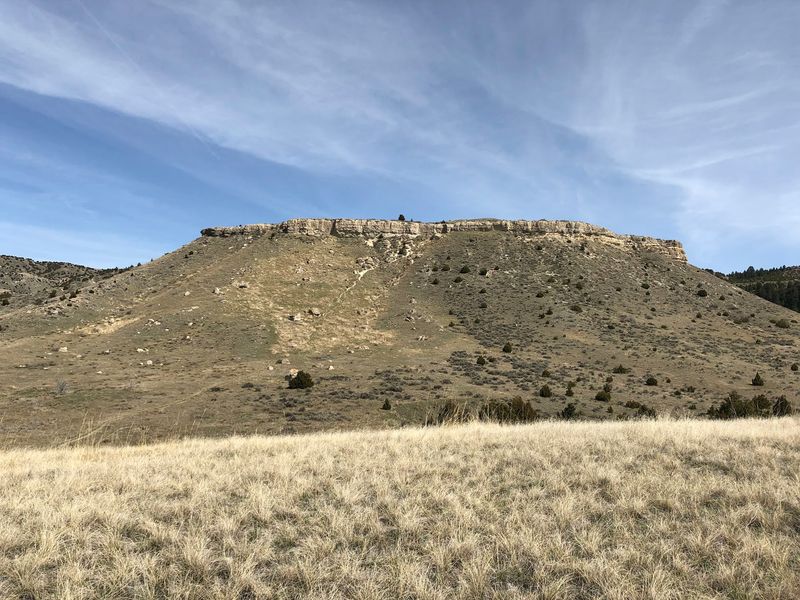
Engineering class meets history class at this limestone cliff. Native hunters used it as a pishkun for over 2,000 years.
The word comes from the Blackfoot language. It roughly means deep kettle of blood or bottomless pit.
Hunts took serious planning. A runner first purified himself in a sweat lodge, then wore a calf skin to lead bison toward the edge while stone drive lines steered the herd.
Afterward, women did the hard work of processing. They skinned the animals, cut meat, cleaned bones, and tanned hides.
Horses arrived around the 1700s, and jumps like this stopped being used. Hunting simply changed.
Today, you can hike toward the jump and read signs along the way. Wear sturdy shoes, since the trail climbs.
The view over the Madison River Valley makes the effort worth it.
11. Montana Heritage Center, Helena, Montana
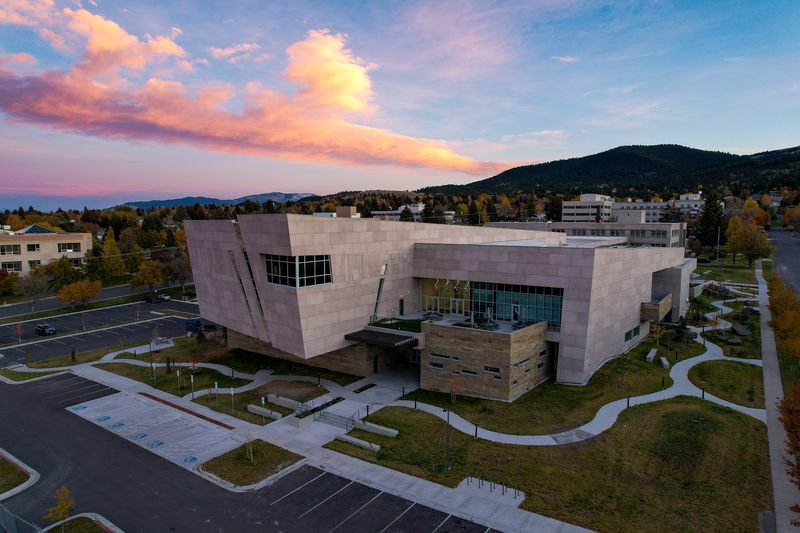
Twenty years of planning and $107 million paid off in December 2025. That is when the expanded Montana Heritage Center opened to the public.
Admission is free, which makes it an easy pick for families. The Montana Historical Society runs it.
Start in the Homeland Gallery. It takes you in a circle through more than 10,000 years of history, from the Ice Age to today, and includes a Sovereign Nations exhibit.
The east entrance features an arbor built in lodgepole style. It represents each of Montana’s tribal nations.
Near the Homeland Gallery, a Smudge Room offers space for quiet reflection. Few museums include a room like that.
The Charles M. Russell Gallery is now three times bigger.
Hungry? Norm’s Café is on site, and the gift shop sells Indigenous-made products.
12. Yellowstone County Museum, Billings, Montana
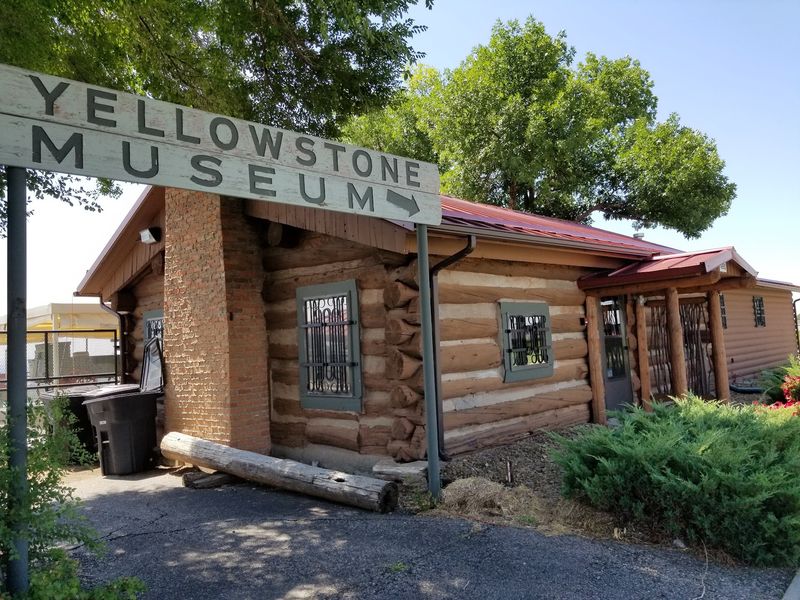
Got a layover in Billings? This free museum sits right near the airport.
It opened in 1956 and covers just 5,000 square feet. Yet it holds more than 30,000 objects.
Beadwork lovers, take note. The museum has one of the largest regional collections of American Indian beadwork, with pieces from Crow, Cheyenne, Blackfeet, and Lakota artists.
Look for moccasins, belts, leggings, and saddles. Some are decorated with porcupine quills.
The Ghost Dance collection is a standout. It includes Lakota shirts, drums, and children’s toys, and even the Smithsonian has shown interest.
Ledger art is another highlight. Warriors once drew their stories on pages from accounting books, and modern artists are reviving the style today.
Guided and self-guided tours are both available. The staff knows a lot, so ask questions.
13. Custer Battlefield Trading Post & Cafe, Crow Agency, Montana
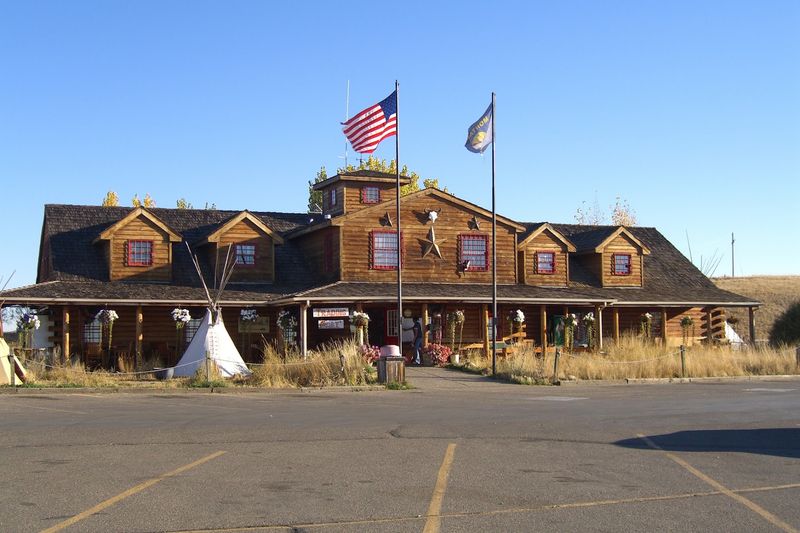
Fry bread and history make a pretty good pair. You will find both at this stop across from the Little Bighorn entrance.
James and Jill Thompson opened it in 1985. The log building was designed to look like the 1877 Old Fort Custer Hospital.
Inside, the shopping goes well beyond key chains. Look for beaded Crow and Cheyenne cradles, turquoise and silver jewelry, and paintings.
One showpiece is a beaded elk hide wedding blanket. It is a great chance to see Crow artistry up close.
The full-service cafe serves buffalo burgers, Indian tacos, homemade soup, and fry bread. Eating here before the battlefield keeps your energy up for the walk.
Find it at Exit 510 where Highway 212 meets I-90. Summer hours often run 8 AM to 9 PM, while winter hours vary.
14. Western Heritage Center, Billings, Montana
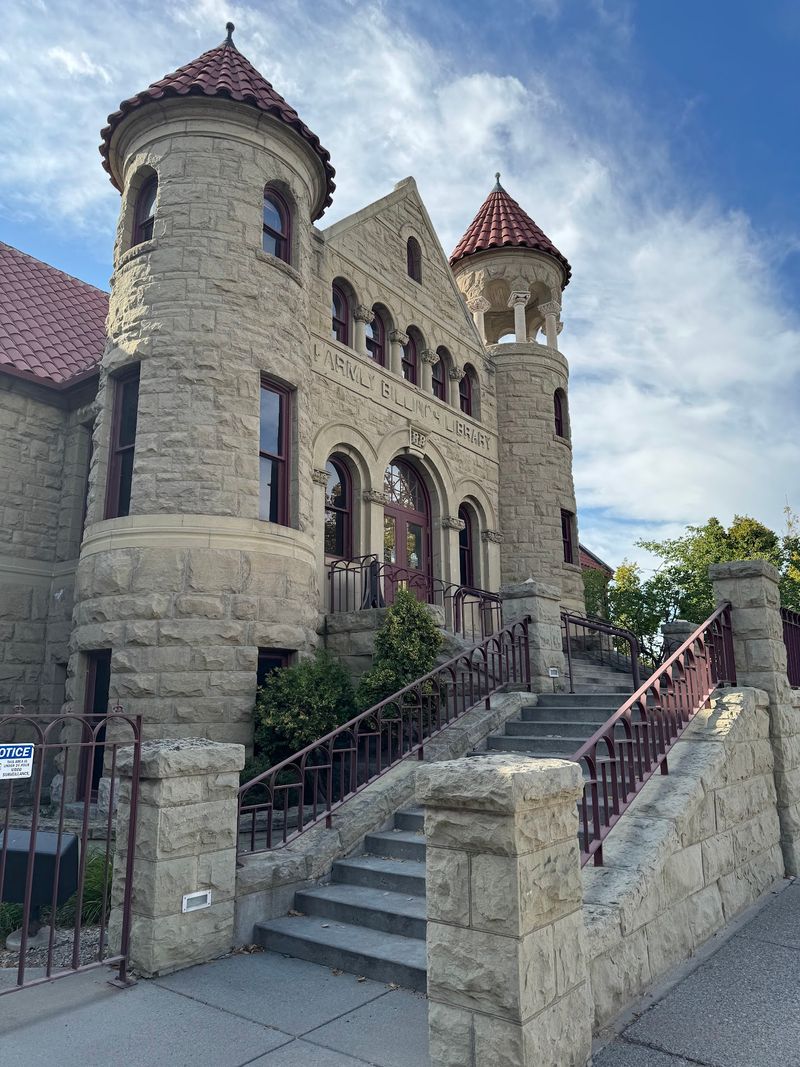
Books once filled this sandstone building. Dedicated in 1901, it started as the Parmly Billings Memorial Library.
Now it is a Smithsonian affiliate museum. The collection includes over 17,000 artifacts and more than 6,000 historic photos.
Cheyenne and Crow history gets special attention. Past shows included Ancestral Homelands and a look at health care on reservations.
The museum also lends traveling exhibits to other places. Titles include Coming Home: The Northern Cheyenne Odyssey and Parading Through History: The Apsaalooke Nation.
Exhibits change often, so check the website before you go. A recent show featured artist Joseph Henry Sharp, known for painting Native people in the early 1900s.
Want more than displays? Lectures, workshops, and historic walking tours run throughout the year.
Downtown parking is usually easy, and restaurants are close by for a lunch break.
Share this story