A Missouri prison that once held notorious criminals now lets visitors investigate its cell blocks after dark. Missouri State Penitentiary in Jefferson City offers overnight paranormal investigations, giving ghost hunters access to historic housing units, underground dungeon cells, and even the former gas chamber.
The prison operated from 1836 to 2004, holding inmates such as James Earl Ray and heavyweight boxing champion Sonny Liston. Today, visitors can explore parts of the facility that remained off-limits to the public for generations.
Some come for the ghost hunts, while others want to discover what life was really like behind these walls. With guided history tours, shorter ghost hunts, and overnight investigations, this former prison offers several ways to experience its unusual past.
A Capital City Prison With a Very Long Memory
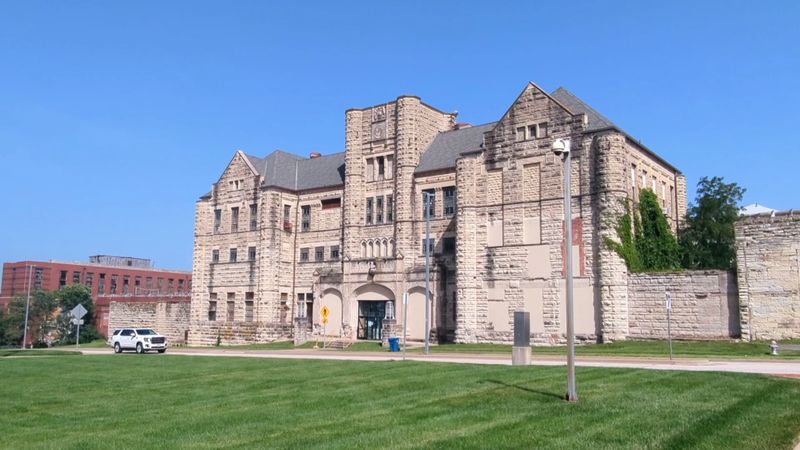
The Missouri State Penitentiary opened in 1836, back when Missouri was still a young state. It sits at 115 Lafayette Street in Jefferson City, Missouri, close to the Missouri River and the downtown area.
For 168 years, it held inmates without a break. It was once known as the oldest continually operating prison west of the Mississippi River.
The doors finally closed to prisoners in 2004, when inmates moved to a newer facility.
Today, the site is open for guided tours. You can walk through cell blocks, a prison yard, and other buildings that once held thousands of people.
Some tours focus on history, while others lean into the spooky side.
I find the timeline here hard to wrap my head around. Inmates arrived in the age of horse wagons and left in the age of cell phones.
That long stretch means the buildings show many different eras side by side.
Big stone walls still surround much of the property. They make the place feel serious the moment you see them from the street.
Those same walls hold the stories that keep guests coming back after dark.
Lock-In Nights Built for Paranormal Fans
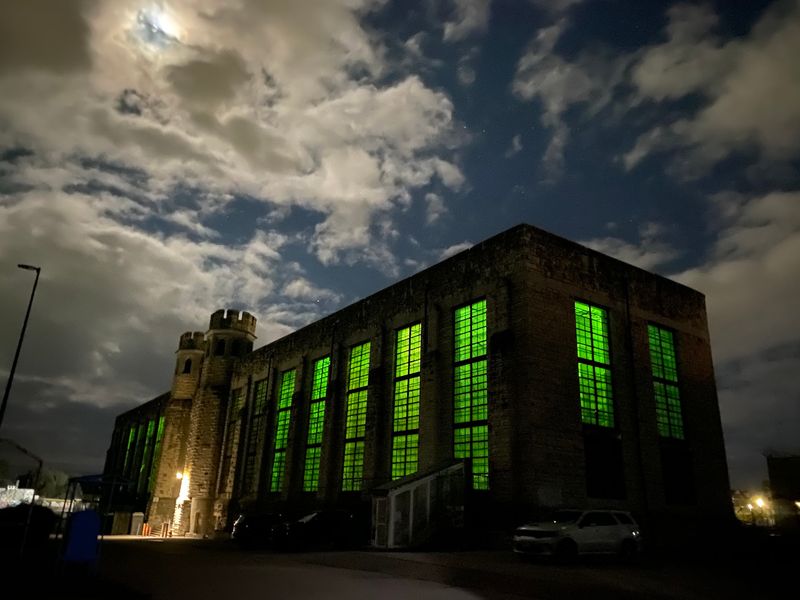
Spending the night inside a former maximum-security prison is not an everyday experience. Missouri State Penitentiary offers overnight paranormal investigations that give visitors extended access to historic cell blocks and other designated areas after dark.
Five-hour and eight-hour investigations are available on select dates. Participants receive instructions before exploring permitted areas, giving them time to investigate locations associated with the prison’s long history.
Bring a flashlight, spare batteries, and any paranormal investigation equipment you plan to use. Comfortable shoes are important because the experience involves walking through aging buildings, navigating stairs, and spending several hours on your feet.
Visitors should also dress for changing temperatures, since the historic buildings are not maintained like modern indoor attractions. Overnight investigations are not offered in October, so checking the official schedule before planning a visit is essential.
No paranormal activity is guaranteed, but the opportunity to explore a prison that operated for 168 years is an unusual experience in itself. For history enthusiasts and ghost hunters alike, the extended access is the main attraction.
Two-Hour Ghost Tours for First Timers
Not ready for a whole night in a prison? Shorter ghost tours offer a gentler start.
Many groups head out in the evening, and an 8 p.m. start time is a common choice.
Guides usually open with history and stories tied to the buildings. On some ghost tours, guests get time to explore on their own in the dark after an opening walk.
That shift from listening to wandering can raise your heartbeat quickly.
Teens who love spooky things tend to enjoy these tours. Families should check age rules before booking, since some experiences have limits.
Planning ahead saves a disappointing surprise at the door.
A three-hour ghost hunt is another option for people who want more time. It gives you a longer stretch to settle in and listen.
Longer visits also let you return to areas that felt strange the first time.
I would suggest bringing your own flashlight even on shorter tours. Old cell blocks get very dark, and a good beam helps you see details.
It also makes you feel a lot braver when a door creaks somewhere down the hall.
Daytime History Tours Change the Whole Picture
Sunlight makes this old prison look surprisingly different. The history tours run during the day and explain how the place actually worked.
Many guests say the two styles of tours feel like visiting two separate places.
The standard history tour lasts about two hours. It usually includes housing units, the uncovered underground cells, and the gas chamber.
A longer three-hour version adds even more ground, including areas tied to the old death row housing.
Here is a practical tip I like. Take the history tour before a ghost tour if you can.
Knowing the background makes the night much richer, since you will recognize names and rooms.
Guides share facts, trivia, and stories about famous inmates and everyday life inside. Some buildings are in rougher shape than others, and tours explain why.
That honest look at the decay adds to the experience rather than taking away from it.
Tickets should be bought ahead of time. Popular tours can fill up, especially on weekends and around fall.
Booking early also gives you more choice of times, which helps when you are driving in from out of town.
Guides Who Once Worked Behind These Walls
Some of the best storytellers here did not learn their facts from books. Several guides once worked at the prison as officers.
They share memories of daily routines, close calls, and changes they saw over the years.
That kind of firsthand knowledge brings the buildings to life. A cell is just a cell until someone explains who stood guard outside it.
Hearing those details from a real person makes the history feel close and personal.
A special former inmate tour goes even further. It pairs perspectives from people who lived and worked inside.
Guests get two very different views of the same walls, and that balance is rare.
Bring questions, but keep an eye on the clock. Tours cover a lot of ground, and long question breaks can mean rushing later.
Saving a few questions for the end helps everyone see each stop.
I find this part of the experience the most valuable. Buildings can be preserved for a long time, but personal memories cannot.
Getting the chance to hear these stories now feels like something worth taking seriously while it lasts.
Underground Cells That Were Buried for Years
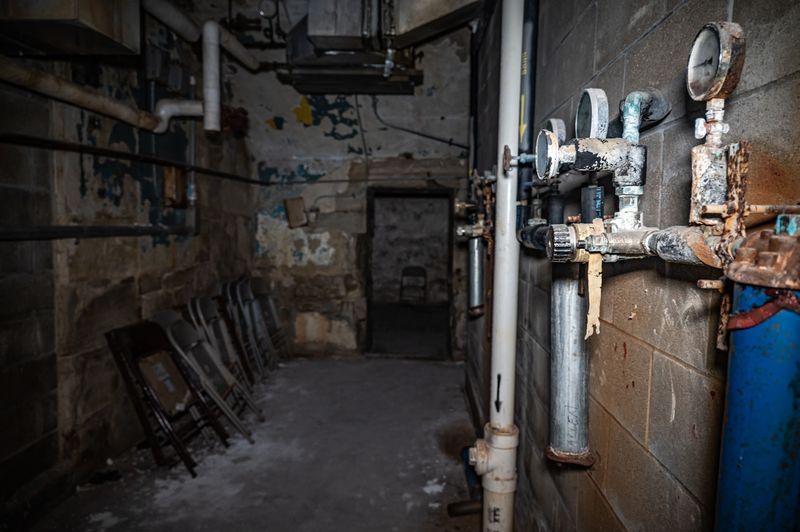
Below one of the oldest areas lies a row of stone cells sometimes called the dungeon cells. They were sealed off and forgotten for a long time.
Later, they were uncovered, and now tours lead guests inside.
These small rooms were used for punishment. Inmates who broke rules could be held in total darkness for days.
Tour stories describe some people staying in solitary confinement for far longer than that.
The blackout cells are often a turning point on a tour. Guides sometimes ask guests to stand quietly in the dark for a moment.
Even a few seconds can feel long when you cannot see your own hand.
Ghost hunters often spend extra time in this area at night. The low ceilings and thick stone create a heavy kind of silence.
Every footstep and whisper seems to carry, which keeps everyone listening closely.
Watch your step here. Old floors can be uneven, and ceilings are lower than in the cell houses.
A good flashlight and slow pace will help you notice the rough stonework that has survived since the early years.
Famous Names on Cell Doors
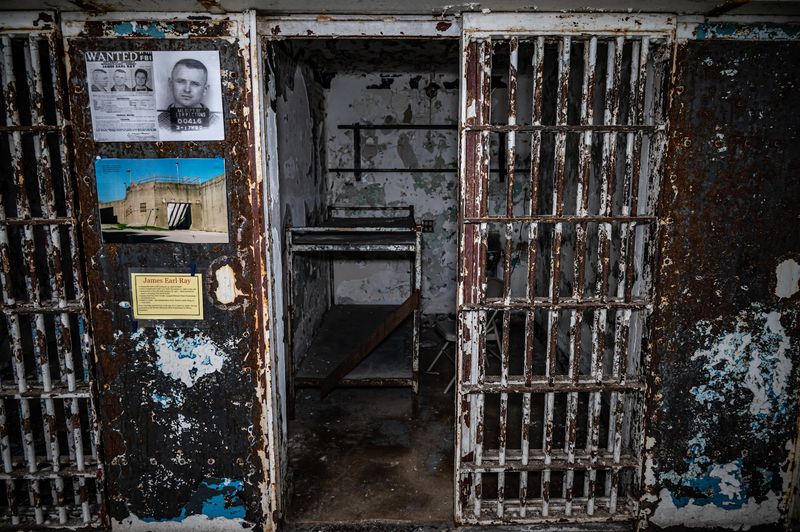
Pretty Boy Floyd, a well-known outlaw of the 1930s era, once lived here. So did James Earl Ray, who later escaped from this very prison in 1967.
Cells tied to famous inmates are marked with photos and background details.
Spotting those markers feels a bit like a scavenger hunt. Each one adds a real face to a tiny space.
It reminds you that every cell, famous or not, held a person with a story.
Boxer Sonny Liston also spent time at the penitentiary as a young man. He reportedly learned to box while inside before becoming a heavyweight champion.
That surprising link between prison and sports history catches many visitors off guard.
Guides explain how these people ended up here and what happened afterward. The stories are not always pleasant, but they are told with care.
Expect more facts than drama.
Bring your camera for these stops. The photo markers make good reference shots, and they help you remember names later.
They also lead nicely into the bigger buildings where so many ordinary inmates spent their days.
Cell Houses Stacked With Stories
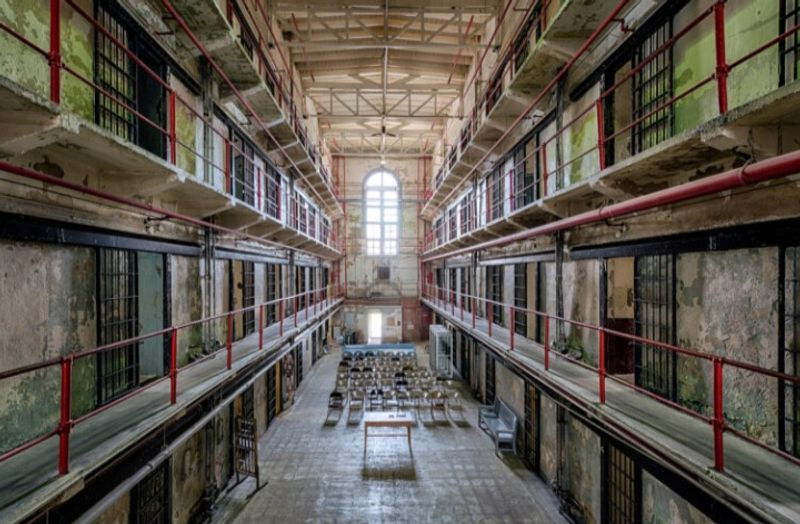
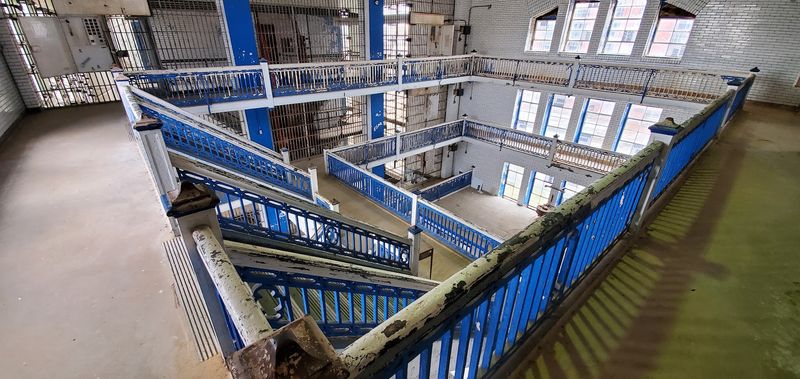
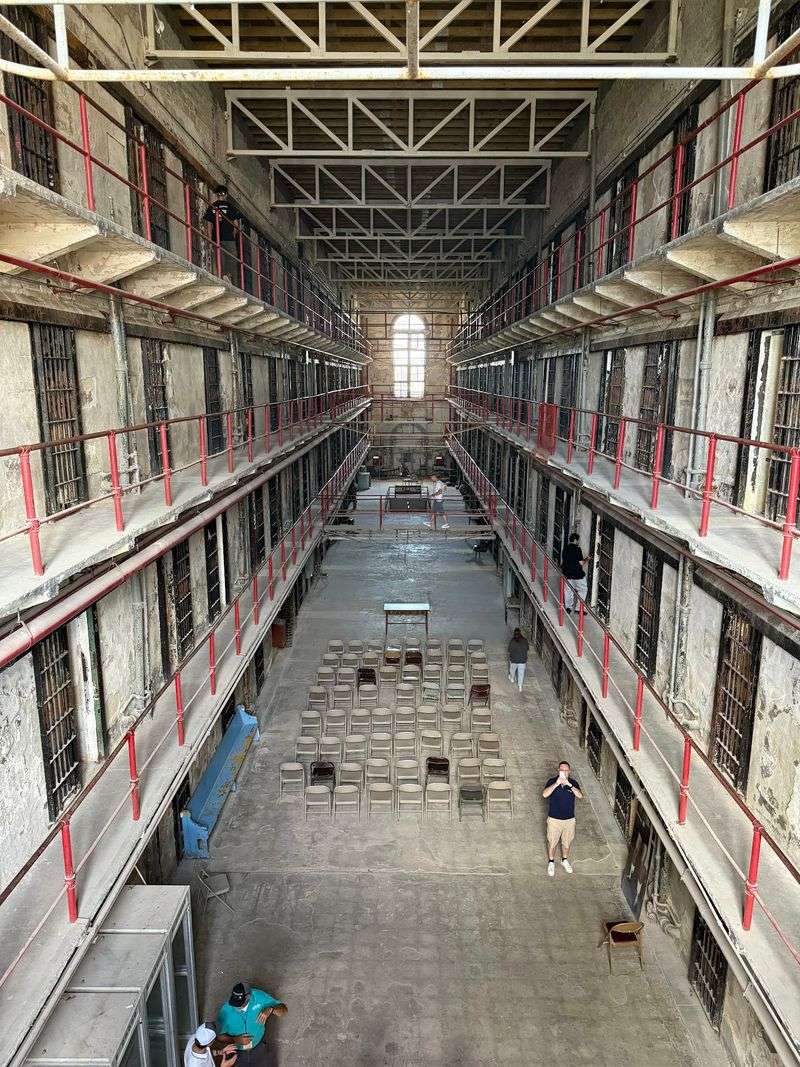
Rows of barred cells stretch along multiple levels inside the old housing units. Tours visit several of these buildings, each built in a different period.
Comparing them shows how prison design changed over the decades.
The penitentiary was mostly for men, but women were sometimes sent here too. As their numbers grew, a separate housing building for women was built in 1905.
Guides share this detail, and it often surprises guests.
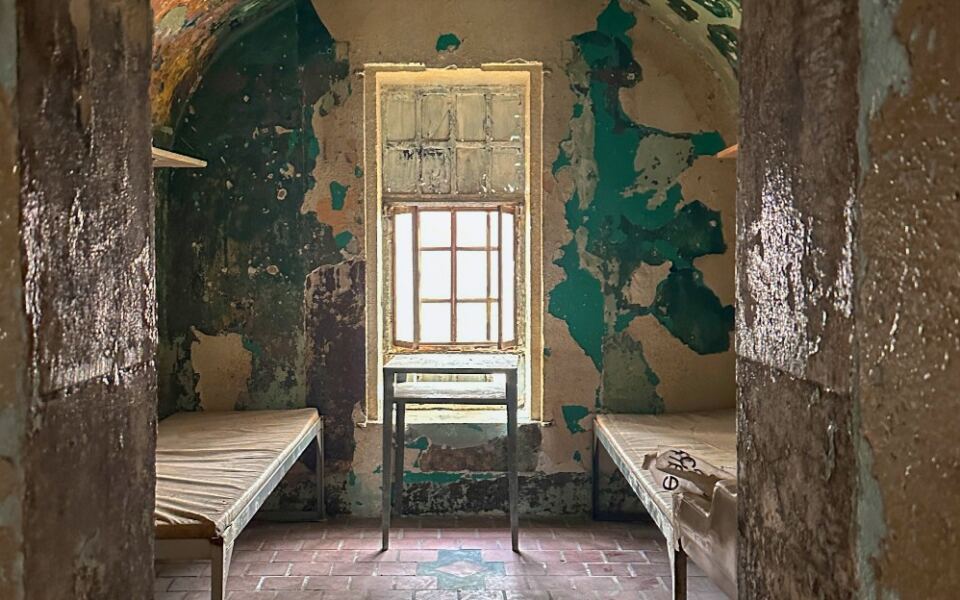
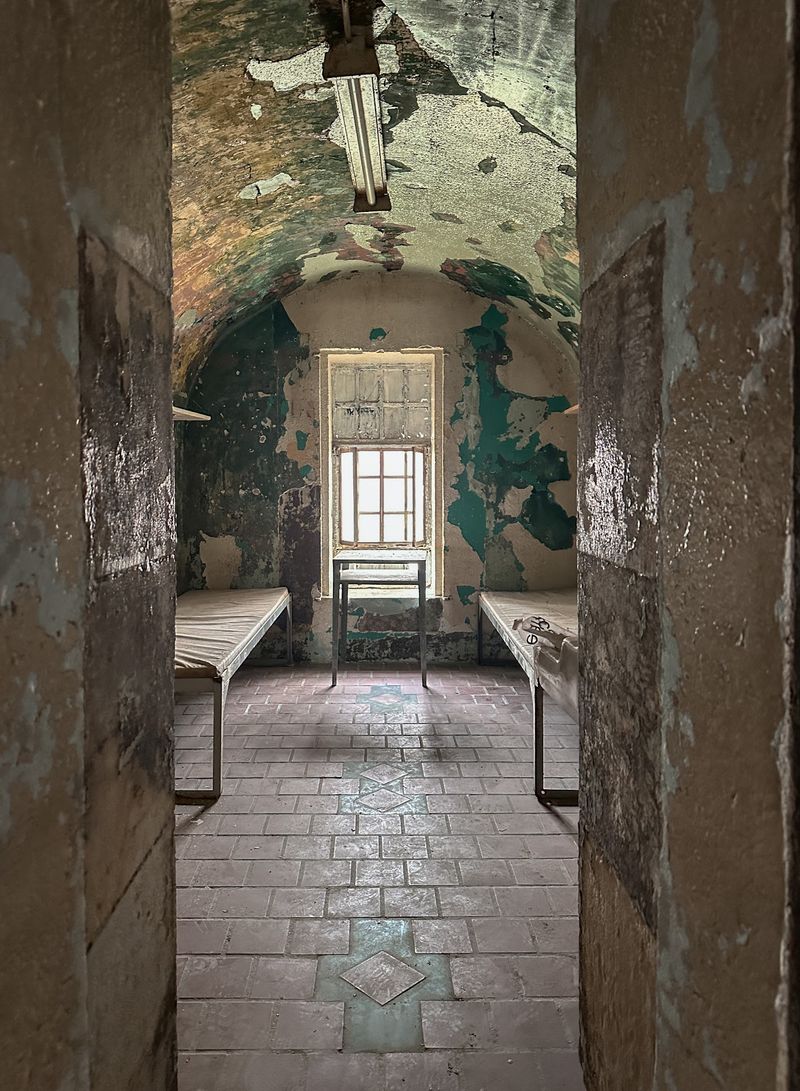
Many cell houses show peeling paint and crumbling plaster. Some visitors are surprised by how worn things look after only about twenty years without inmates.
Old buildings without daily care break down faster than people expect.
Still, that wear tells its own story. You can see layers of paint and old fixtures from many eras.
Architecture fans can spot sturdy limestone work in the older buildings.
At night, these big halls feel completely different. Long walkways echo, and the shadows stretch far.
Many ghost hunters set up in the cell houses for that reason, and the quiet makes every small sound worth noticing.
A Sobering Stop at the Gas Chamber
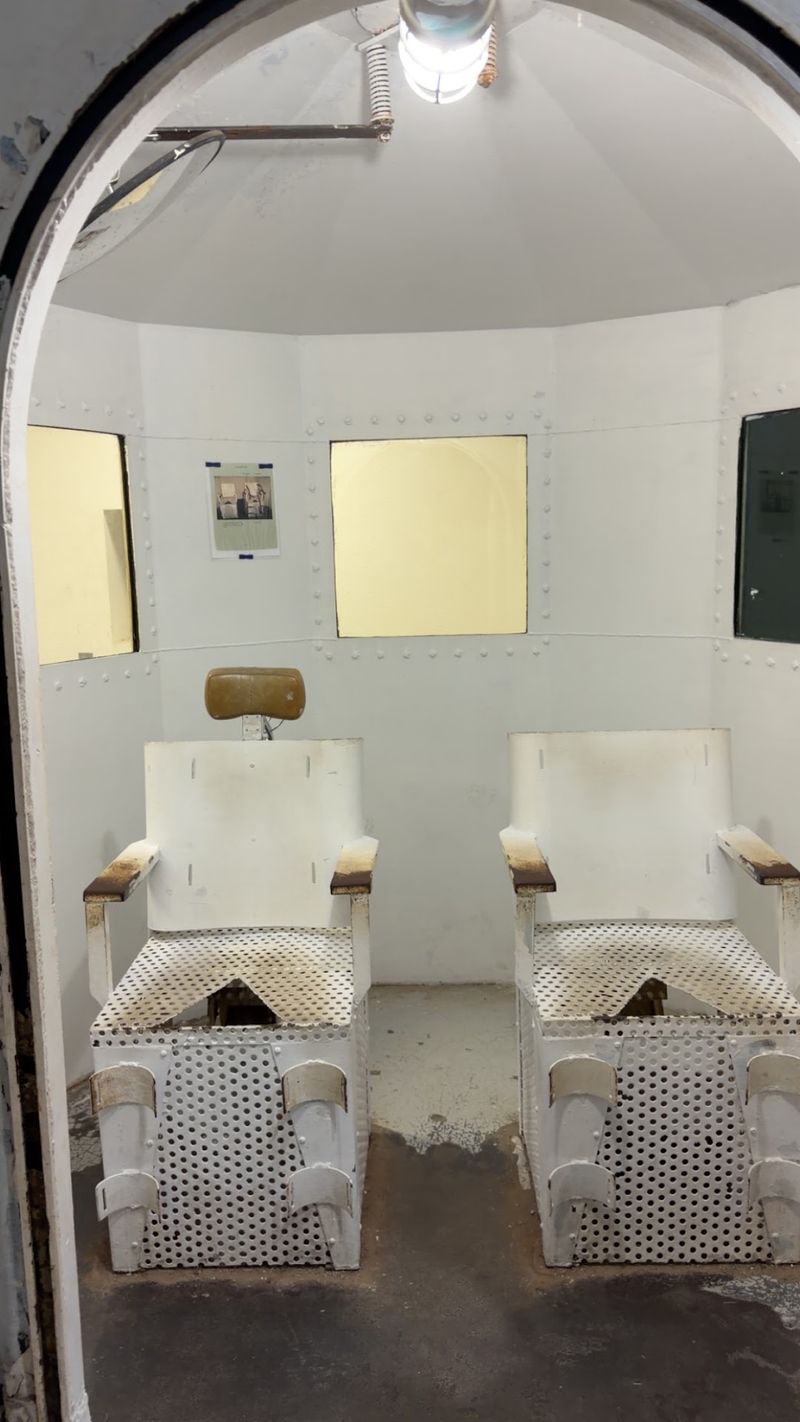
A small stone building on the grounds holds one of the most serious stops on the tour. It housed the state gas chamber, which was used from 1938 until 1965.
Tours bring guests to see it and explain its history.
Guides handle this part with respect. They share facts about the justice system of that era and the people involved.
The tone shifts here, and most groups grow quiet without being asked.
This stop often leads to good conversations. People talk about how laws and punishments have changed.
Some guests bring teens, and this part can spark thoughtful family discussions afterward.
Parents may want to prepare younger visitors before the tour. A short talk in the car can help kids know what to expect.
Guides are also happy to answer careful questions.
I appreciate that the site does not hide this chapter. Visiting it honestly helps the full history make sense.
It also adds weight to everything else you see, from the cells to the yard where daily life unfolded under watchful towers.
Smart Planning Before Your Prison Night
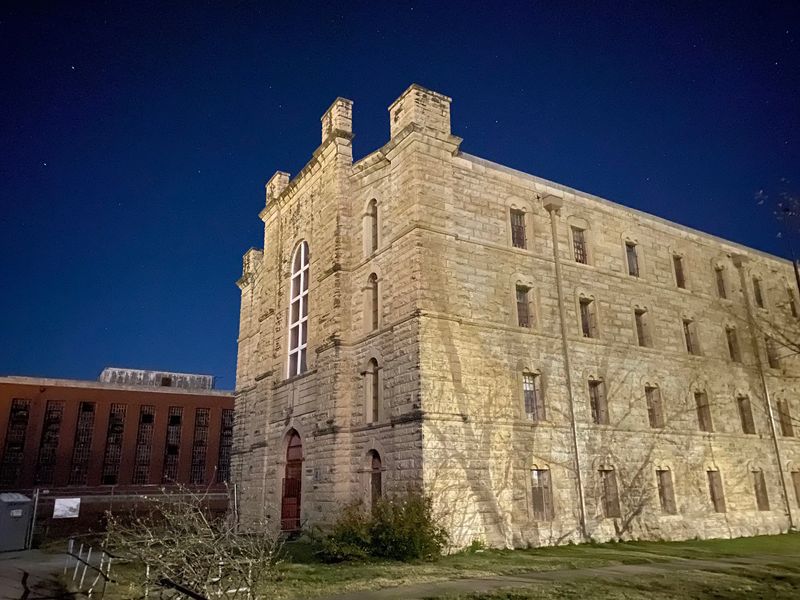
A little preparation makes visiting Missouri State Penitentiary much easier. The historic prison offers several experiences, including daytime history tours, guided ghost tours, and longer paranormal investigations.
Start by checking the official tour calendar and choosing the experience that fits your interests. Overnight investigations are scheduled on select dates and are not available in October, so advance planning is particularly important.
Comfortable walking shoes are essential, since visitors move through older buildings with stairs and uneven surfaces. Bring a flashlight and spare batteries for paranormal investigations, and dress appropriately for the weather.
Food and drinks are not permitted on the property, so plan to eat before arriving. Visitors should also review the rules for personal equipment and permitted items before their scheduled tour.
The prison’s long history, famous inmates, underground cells, and former execution chamber give visitors plenty to explore. Booking ahead and following the site’s guidelines will help you make the most of this unusual Missouri attraction.
Share this story