A real Picasso stands outside on a New Jersey college campus, and nobody charges a single dollar to see it. There’s no glass case, no ticket booth, and no velvet rope keeping you back.
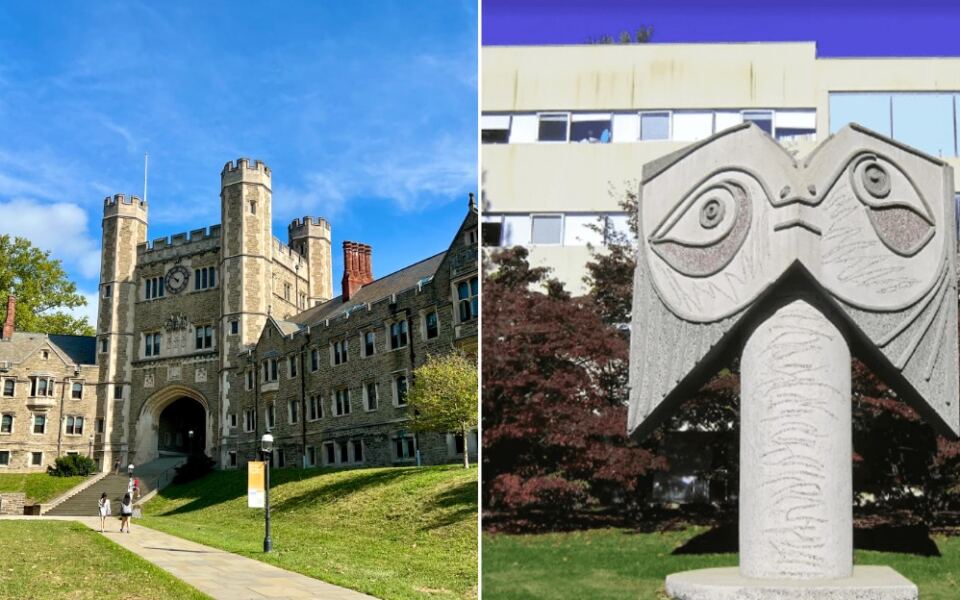
The piece is a towering concrete head of a woman, enlarged from a much smaller Picasso model. Norwegian artist Carl Nesjar helped bring it to full outdoor size in 1971.
I love that a world-famous name shares the grounds with squirrels, bikes, and students hurrying to class. A short stroll away, you can also find outdoor works by Henry Moore, Alexander Calder, and Louise Nevelson.
I honestly can’t imagine an easier way to spend an afternoon with art legends for free. So how many famous sculptures could you spot before your coffee gets cold?
An Ivy League Lawn Where A Picasso Lives Rent-Free
Few people expect a Picasso to share a sidewalk with backpacks and bicycles. Yet that’s exactly the setup at Princeton University, the Ivy League school founded in 1746.
The campus sits in central New Jersey, and its grounds feel like one giant open-air gallery. Stone towers, leafy quads, and wide walkways connect dozens of outdoor sculptures by major modern artists.
The star of the show is Picasso’s enormous Head of a Woman. Admission costs nothing, because the art simply stands outside for anyone strolling past.
That’s what makes the outing so appealing for families and day-trippers. You can wander at your own pace, stop whenever something catches your eye, and leave whenever you like.
Of course, Princeton is famous for far more than sculpture. The school is known for engineering, science, and humanities programs, plus a long list of Nobel laureates connected to it.
Still, you don’t need a lecture hall seat to enjoy the place. A comfortable pair of shoes and a little curiosity will carry you a surprisingly long way here.
How One Family’s Gift Filled The Grounds With Sculpture
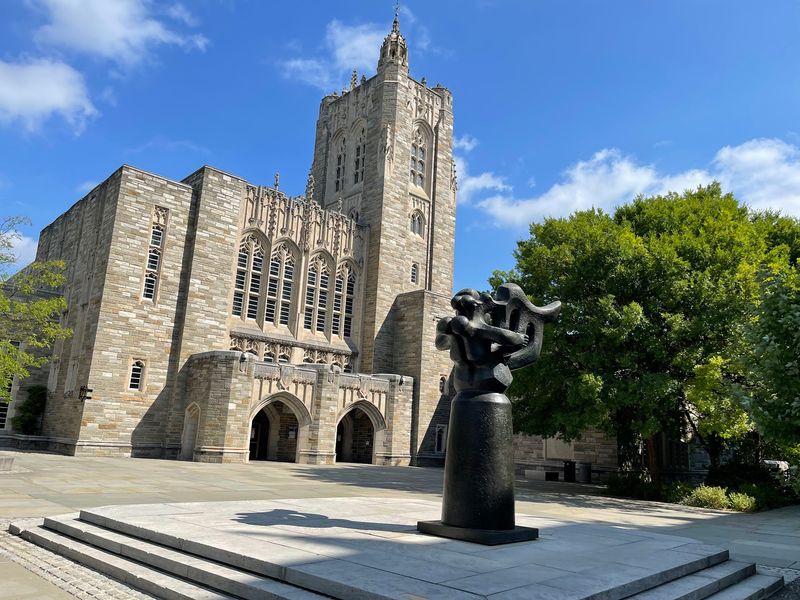
Credit for all this outdoor art goes largely to the John B. Putnam Jr. Memorial Collection.
The collection honors a Princeton student who served as a pilot during World War II, and it brought major modern sculpture to campus.
Most of the works arrived around the late 1960s and early 1970s. Suddenly, a centuries-old campus was mixing Gothic arches with bold, abstract shapes.
That contrast is half the fun today. You might pass a stone building with carved details, then turn a corner and meet a twisting metal form.
Princeton itself has deep roots in New Jersey history. It began in 1746 as the College of New Jersey and ranks among the oldest colleges in the country.
So the setting carries plenty of story before you even reach the art. The sculptures simply add a fresh chapter to grounds that already feel layered with time.
Knowing that backstory changes how a walk here feels. Each piece becomes less of a random decoration and more of a deliberate gift meant for everyone to share.
Picasso’s Concrete Head Of A Woman Up Close
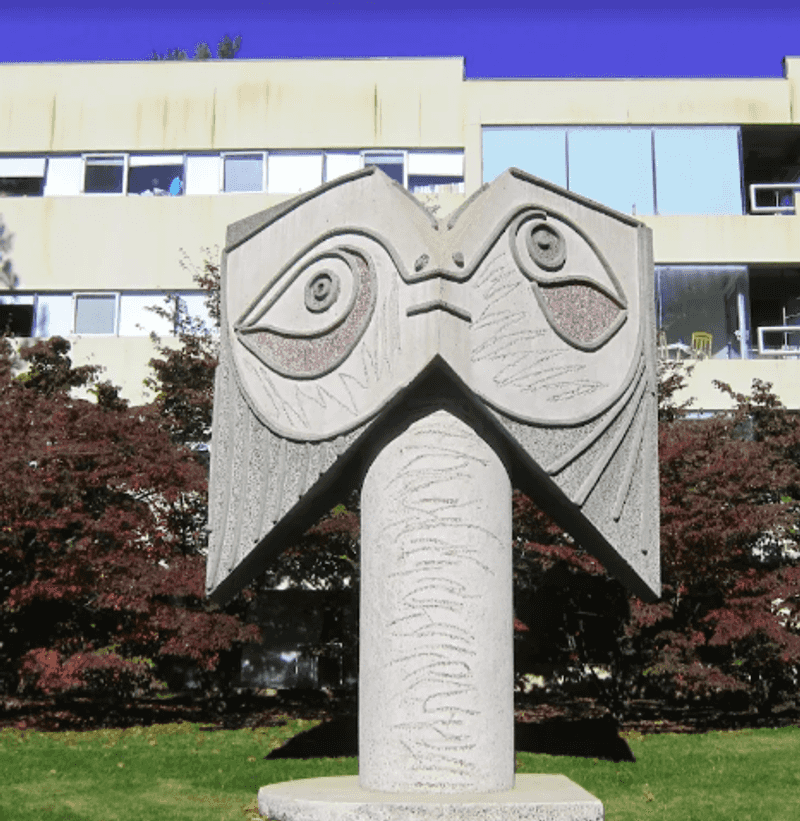
Picasso never stood beside this exact sculpture while it was being built. He created a much smaller model, and Norwegian artist Carl Nesjar enlarged it to towering scale in 1971.
Nesjar worked with Picasso on several big concrete pieces around the world. The surface lines were created by sandblasting the concrete, revealing the stones mixed inside.
The result looks like a flat drawing that somehow learned to stand up. Walk around it, and the face seems to change shape with every few steps.
That playful quality feels very Picasso. He loved breaking faces into angles and planes, and here those ideas get blown up for an outdoor audience.
Kids usually enjoy guessing where the eyes and nose are hiding. Adults may find themselves doing the exact same thing, just a little more quietly.
The piece stands close to the campus art museum area, so it pairs nicely with a museum visit. A campus map or the museum’s outdoor art guide will help you find it fast.
More Famous Names Scattered Across The Quads
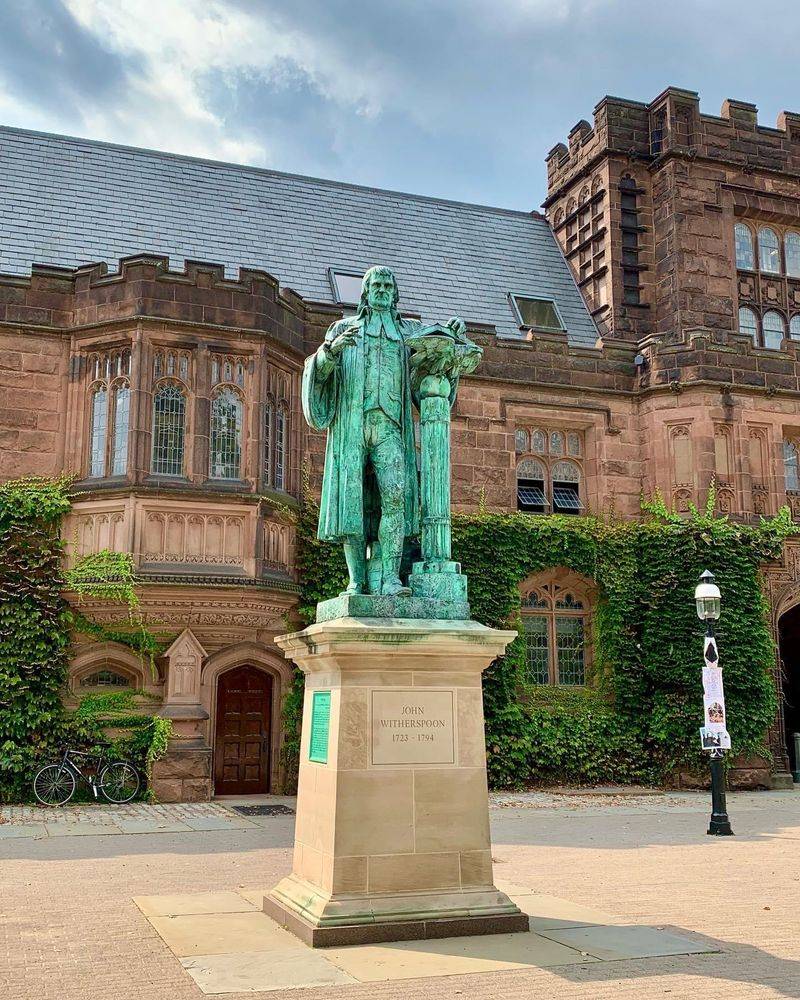
Picasso may grab the headlines, but he has plenty of famous company. The outdoor collection reads like a who’s who of twentieth-century sculpture.
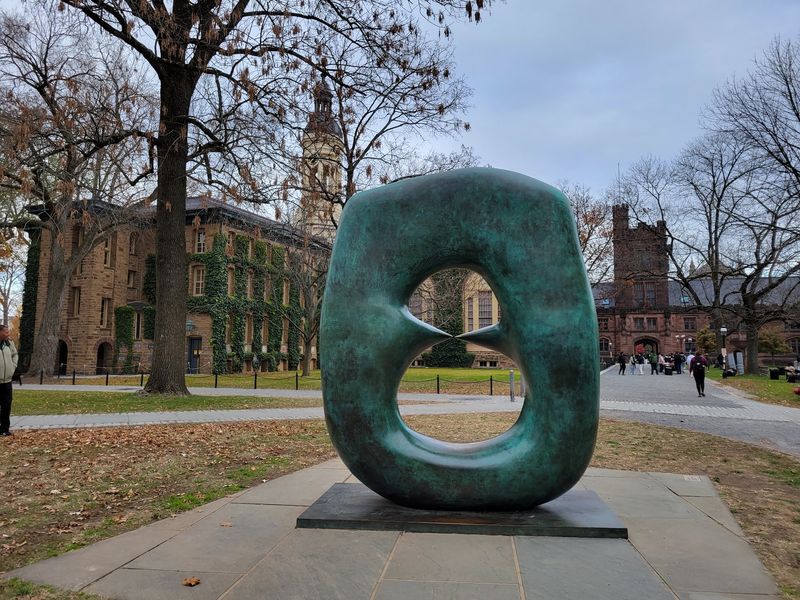
Henry Moore’s Oval with Points sits on a lawn and practically begs for a closer look. Its curving bronze shape has a hole in the middle that frames the scenery behind it.
Alexander Calder, the artist best known for mobiles, is here too. His Five Disks: One Empty adds bold, graphic shapes to the campus skyline.
Louise Nevelson’s Atmosphere and Environment X offers a dark, boxy grid of geometric forms. Jacques Lipchitz and Isamu Noguchi also have works on the grounds.
Hunting for them turns a simple stroll into a scavenger hunt. One alumnus even suggests keeping an eye out, since some sculptures sit away from casual viewing.
That little challenge keeps the walk lively. Bring a phone for photos and a list of names, and see how many you can check off.
Gothic Towers That Make The Art Look Even Bolder
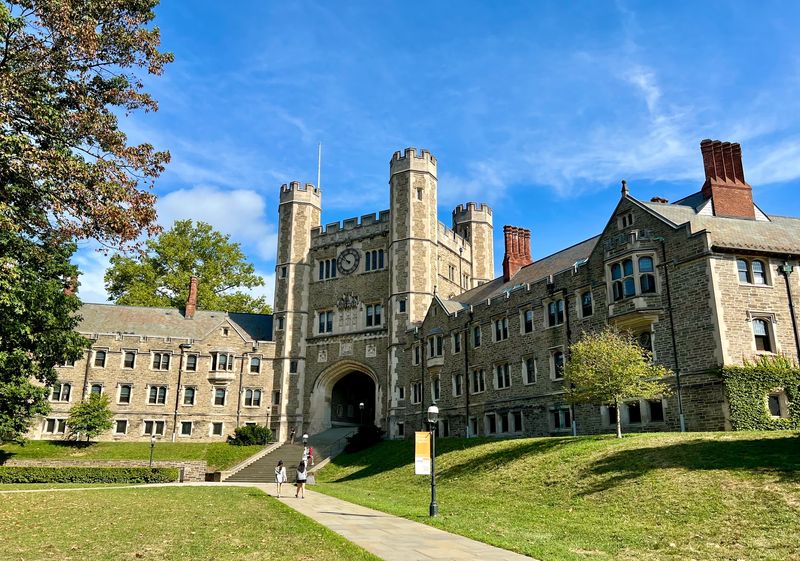
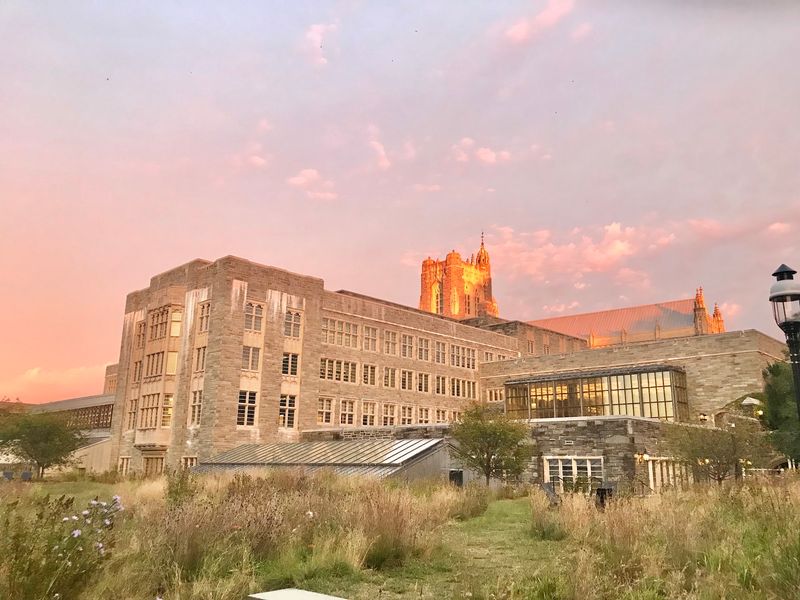
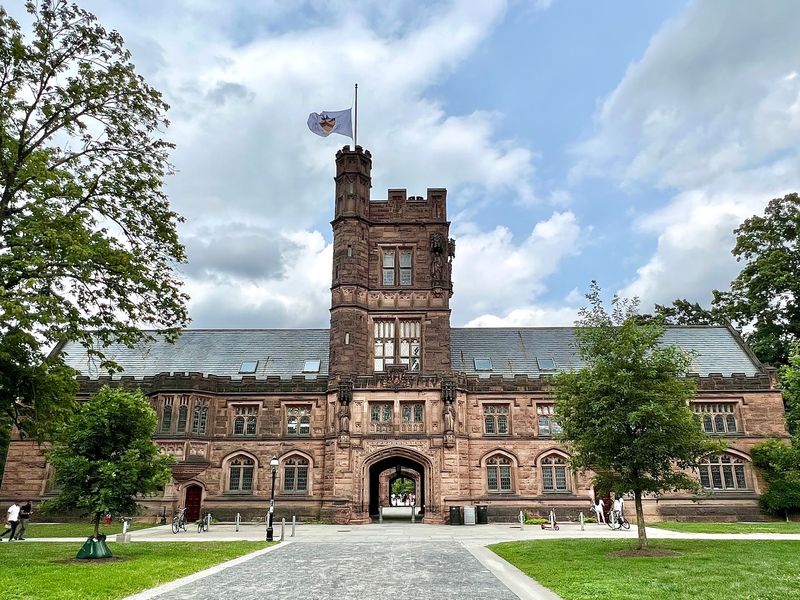
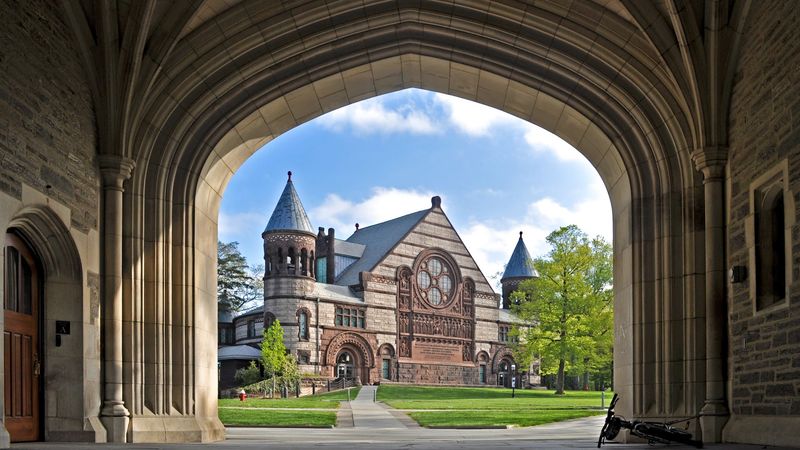
Plenty of visitors compare the campus to a wizard school, and it’s easy to see why. Collegiate Gothic buildings with stone arches, towers, and carved details line many of the walkways.
The university chapel is a standout, with its huge Gothic profile rising above the trees. Just know that some buildings, including the chapel at times, may limit entry to students, faculty, or staff.
Even from outside, the architecture delivers plenty. Arches frame views across the quads, and old stone walls shift color as the light changes.
Photographers love this place for good reason. Architectural shots, portraits, and graduation-style photo sessions are a common sight on these grounds.
Against all that historic stone, the modern sculptures look even more daring. A sleek bronze curve next to a centuries-old wall creates a contrast you won’t find at a typical museum.
Newer construction also mixes in with the older halls. That blend of eras gives the campus a feeling of history that keeps moving forward.
A Free Art Museum Right Next To The Outdoor Show
Once the outdoor art warms you up, there’s an indoor bonus nearby. The Princeton University Art Museum offers free admission, which makes a full art day surprisingly easy on the wallet.
The museum recently opened a brand-new building on campus. Its galleries cover a wide range of cultures and time periods, from ancient objects to modern works.
Pairing the museum with the sculpture walk just makes sense. You can see Picasso outside, then wander through galleries filled with art from around the world.
It’s also a smart plan for a chilly or rainy New Jersey day. Head indoors when the weather turns, then return to the lawns once the sun peeks back out.
Check the museum’s own schedule before going, since its hours differ from campus office hours. Special exhibitions and programs can change throughout the year.
Free art inside and outside is a rare combination. Few places let you see this many big names without spending a cent on tickets.
Smart Moves Before You Feed That Parking Meter
Watch that meter closely, because parking tickets can arrive the minute your time runs out. Setting a phone alarm is cheap insurance for an otherwise free outing.
For your GPS, the campus address is Princeton, NJ 08544. The university’s main offices keep weekday hours of 8:30 AM to 4:30 PM, closed on weekends.
Those office hours don’t limit a stroll around the open grounds, though. Many people enjoy walking the campus on weekends, while building access is a different story.
Lots of buildings require a university ID to enter. Plan on enjoying most of the architecture from outside, which is where the sculptures live anyway.
Wide walkways and ramps make the campus friendly for strollers and wheelchairs. A few gentle hills add some variety without turning the visit into a workout.
Fall brings especially colorful leaves across the quads. Spring is lovely too, particularly around Prospect Garden, where blooms add another reason to linger.
Why This Free Art Walk Earns A Spot On Your Calendar
Free Picasso, Gothic towers, and a world-class museum in one afternoon is a pretty strong lineup. Princeton University delivers all three without asking for a ticket at the gate.
The outing suits a wide mix of people. Families can turn the sculptures into a hunt, while art lovers can study famous names up close.
Photographers will find endless angles among the arches and lawns. History fans get a campus that’s been shaping New Jersey since 1746.
Afterward, the surrounding town offers plenty of food and shopping choices. That makes it easy to stretch the visit into a relaxed full-day trip.
The best part might be how casual it all feels. You can show up, wander, and discover masterpieces between classrooms and dorms.
So grab some comfy shoes and a campus map. Picasso’s concrete lady has been waiting outside for decades, and she’s still happy to meet new visitors.
Share this story