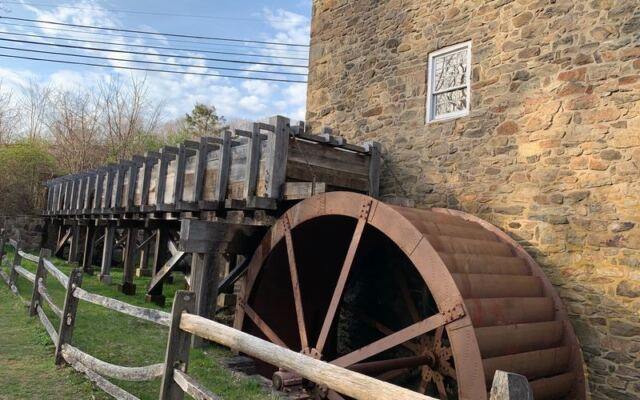
A river in New Jersey still turns a giant wheel that grinds real corn and wheat into flour. Not as a cute replica, either.
The machinery is nearly two centuries old.
Wood, stone, and leather do the heavy lifting inside. Dozens of connected machines spring to life when the guides let the water work.
Some of the grain milled here even ends up with commercial customers.
I love that a field trip favorite quietly kept its day job. I can’t imagine a better way to understand where bread actually begins.
The trails out back follow a rushing river past old stone ruins, too.
So how does falling water become a bag of flour you can bake with at home? The answer sits beside a busy road that most drivers zip past without a second look.
How A Riverside Family Business Became A Living Museum
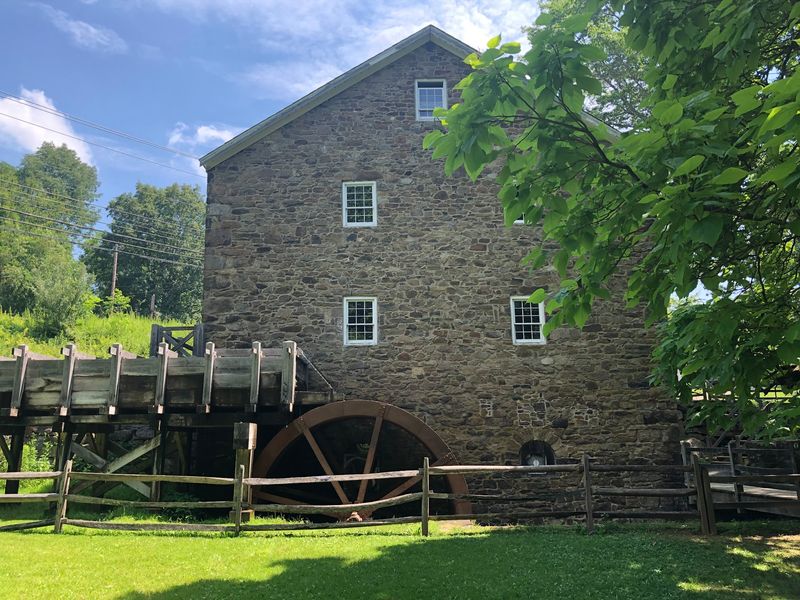
Long before supermarkets, a town needed a mill the way it needs a grocery store today. Farmers hauled their grain to the river, and the miller turned it into flour and meal for the whole community.
The Cooper family ran this mill, and their story is woven into how Chester grew. Tour guides happily share that family history alongside the mechanics, so you leave knowing the people as well as the gears.
The Black River once powered more than one mill along this stretch. An elongated mill pond, old sluiceways, and scattered ruins still hint at that busy industrial past.
Over the years, the building was carefully rehabilitated across all four floors. Restorers brought it back to its original design rather than turning it into a polished imitation.
That choice matters more than it sounds. Original-style construction means you see how a working mill really functioned, not a simplified version built for display.
Small mining pits along the nearby trail add another layer to the local story. Clearly, this corner of New Jersey once hummed with far more activity than its peaceful setting suggests today.
The Only Working Gristmill In New Jersey Hides In Plain Sight
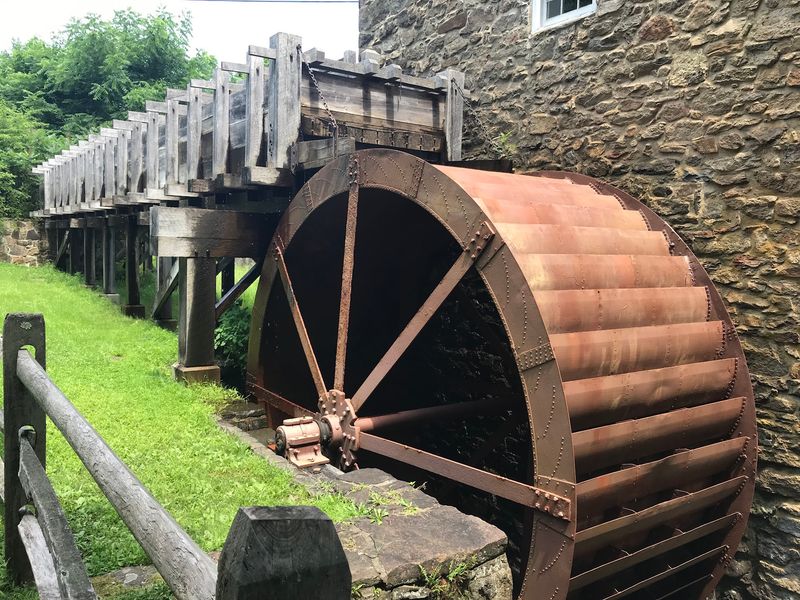
Chester is known for antique shops and busy weekend streets, but one of its hardest workers sits along the road on the edge of town. Cooper Gristmill is a restored, water-powered mill that still grinds grain the old-fashioned way.
It holds the title of the only operating gristmill in New Jersey. That alone makes it worth a detour for anyone who loves seeing history actually move.
The Morris County Park Commission looks after the site today. Guides lead visitors through the building and switch on the machinery so the whole place comes alive.
Outside, the Black River rushes past and supplies the power that makes everything possible. Trails head off in more than one direction, so a visit can stretch well beyond the mill itself.
Consider it two outings sharing one parking lot. You get an indoor history lesson with real moving parts, then a riverside walk under the trees.
From the road, the building looks calm, almost sleepy. Inside waits a working mill with parts close to two centuries old, still doing the jobs they were built for.
Roughly Thirty Machines Answer To One Spinning Shaft
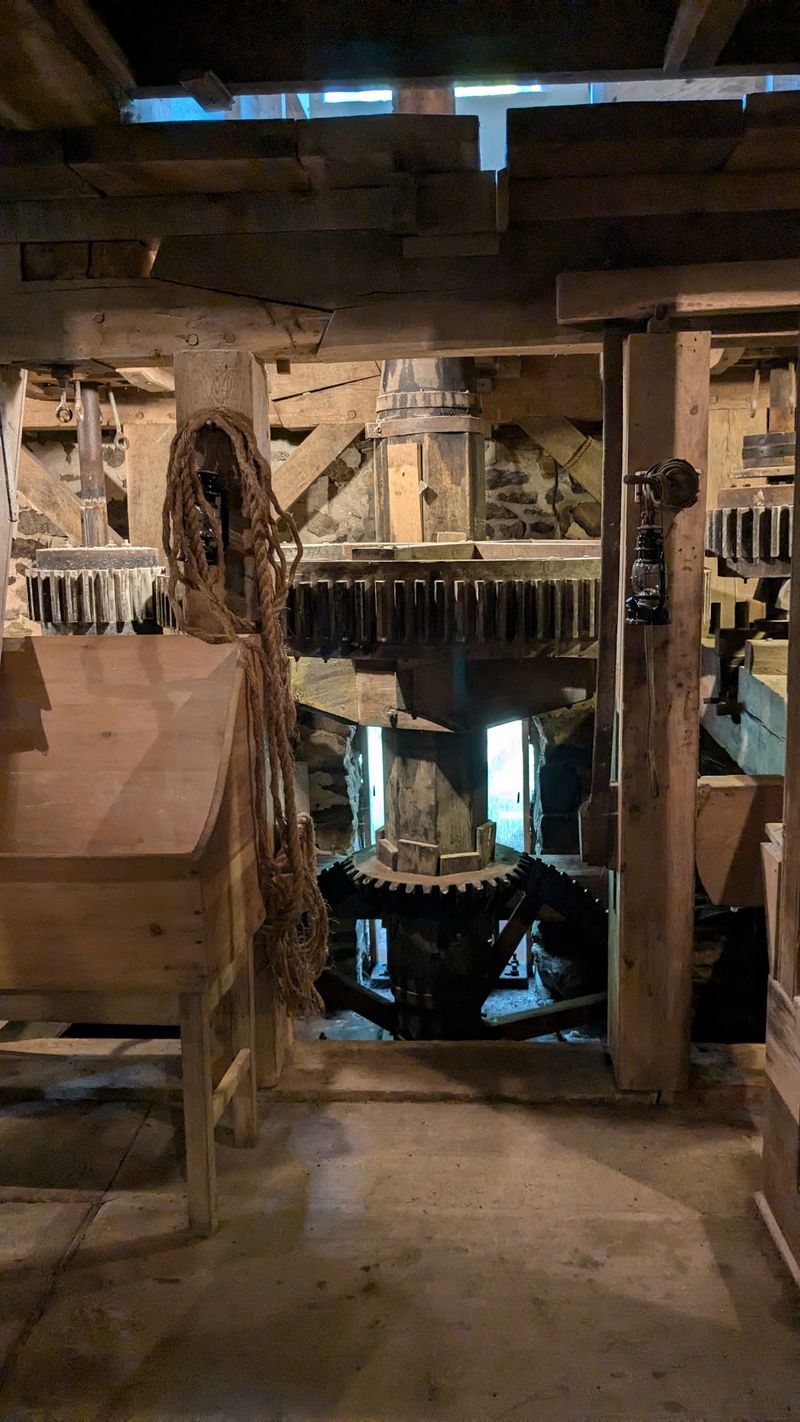
Wood, stone, and leather. That short list covers nearly everything inside the mill, and the result looks like a giant handmade puzzle.
About thirty different machines connect back to the main wheel shaft. When the water wheel turns, that single shaft sends motion humming through belts, gears, and stones on several floors.
Many of the operational parts are close to two hundred years old. Seeing them run smoothly feels a bit like watching your great-great-grandparents’ car start on the first try.
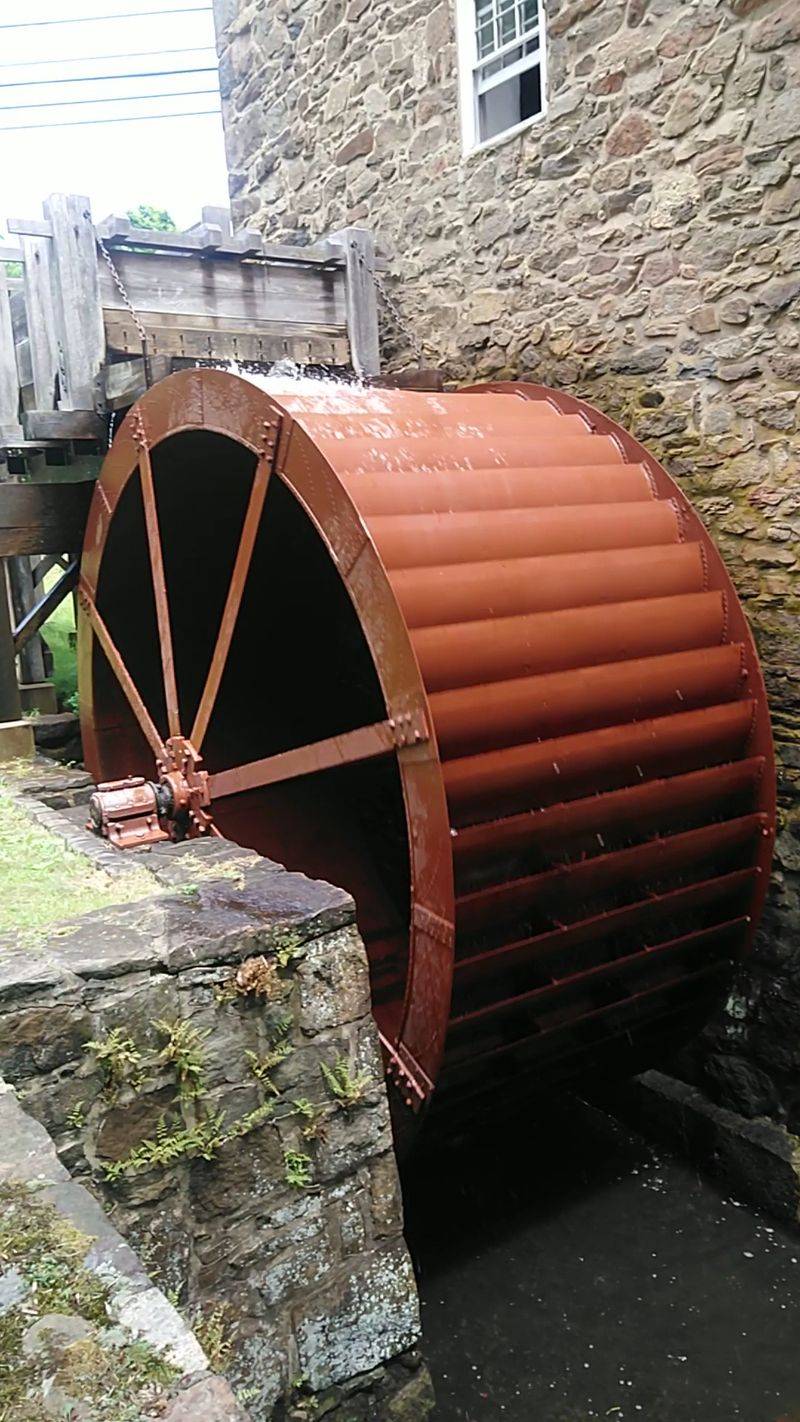
The big water wheel on the side of the building is the star of the show. Even from outside, it makes clear where all that power comes from.
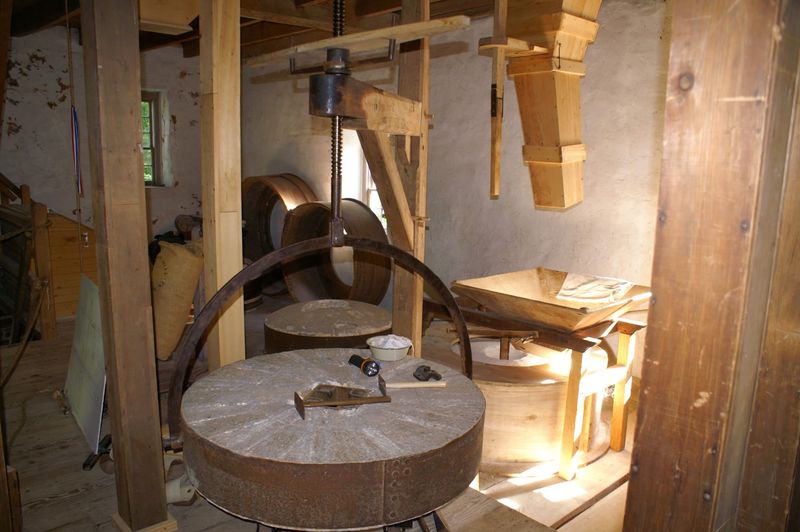
Indoors, the millstones handle the actual grinding of corn and wheat. Guides explain the different types of stones and why each one matters for the finished product.
Hand-driven devices round out the collection and give curious visitors something to try themselves. Kids especially tend to light up when a machine responds to their own effort.
Nothing here hides behind glass. You see the parts, hear them working, and understand the process from grain to flour in one connected chain.
Guides Who Light Up When You Ask One More Question
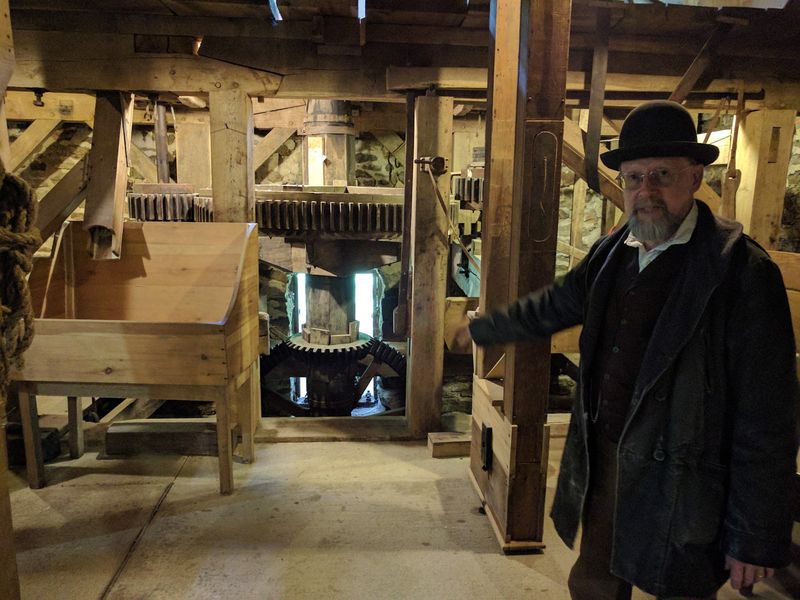
Questions are basically the price of admission here. The Morris County Park Service guides seem to enjoy them, and they welcome follow-ups without rushing anyone along.
Tours walk you through the history of the mill, the Cooper family, and the mechanics of milling. The real highlight comes when guides turn the machinery on, sometimes more than once, so you catch every motion.
Watching corn get ground right in front of you changes how the whole building makes sense. Suddenly the belts and stones stop being museum pieces and become tools.
Guides also share stories about everyday life in earlier generations. Those details give context to why a mill once sat at the center of a small town’s routine.
The staff clearly care about maintaining the equipment, and it shows in its excellent condition. Some of these folks have deep milling expertise and genuine passion for the craft.
Tours tend to feel thorough rather than hurried. Plan on lingering, because one answer usually sparks two more questions you didn’t know you had.
Fair warning for the curious types. You may leave knowing more about grain than you ever expected.
Your Kitchen Can Take Home A Little Piece Of The River
Most museums send you home with a brochure. This one can send you home with flour.
The mill produces real whole wheat flour and corn meal, ground with that same river-driven equipment. Visitors have been able to purchase both, which turns a history tour into a baking project.
On some Fridays in the past, guests have even received small bags of freshly ground flour as a sample. Offerings can change, so it’s smart to ask what’s available when you arrive.
Here’s a detail that surprises plenty of people. The mill isn’t only for show, because grain ground here goes to commercial organizations too.
That makes Cooper Gristmill a working producer, not a frozen snapshot of the past. The demonstrations you watch connect directly to flour that ends up in real kitchens.
Bringing some home makes the lesson stick. Pancakes, cornbread, or a simple loaf all taste a little more interesting when you’ve seen the stones that ground the grain.
Kids especially love carrying their own bag out the door. It’s a souvenir that eventually becomes breakfast, which might be the best kind.
Blue Blazes And Waterfalls Along The Black River
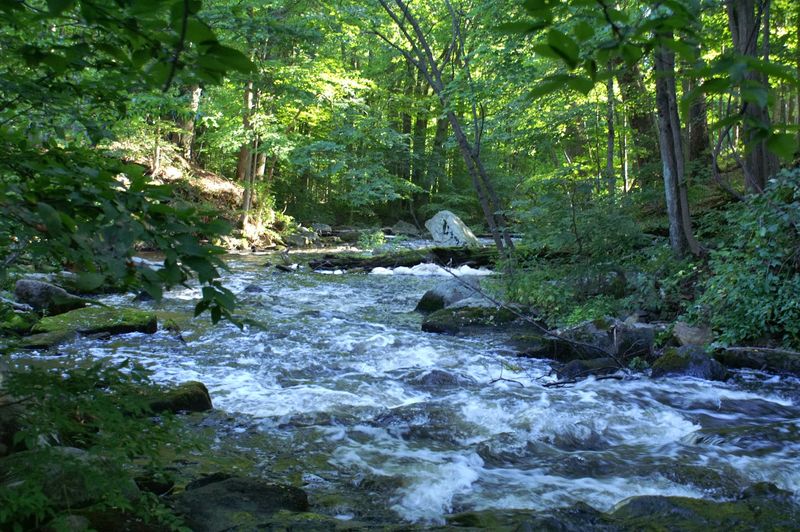
Lace up after the tour, because the mill marks a trailhead for some lovely walking. Patriots’ Path follows the Black River upstream with blue blazes guiding the way.
Along the route, the river tumbles over small waterfalls and past crumbled stone houses with old fireplaces. Sluiceways and mill ruins add a quiet, storybook feel to the walk.
One popular stretch heads down wooden steps and follows the river toward the Kay Environmental Center. It doesn’t loop, so you simply turn around when you’re ready.
Another option passes through a pedestrian tunnel beneath Route 24 toward Chubb Park. That section has been described as trickier and less maintained, so wear sturdy shoes.
Shade covers much of the path, making it a cool escape on hot summer days. In season, berries along the way can be a sweet bonus.
Stick to marked trails, though. Wet ground and soft spots appear off the path, and nobody wants to lose a boot to the mud.
Hikers can easily log a few miles here. Plenty of folks come back just to explore farther upstream.
Grandkids, Shutterbugs, And Dogs All Find Their Thing
Small kids and old machines turn out to be a perfect match. A turning wheel, grinding stones, and hand-cranked devices give young visitors plenty to watch and touch.
Grandparents seem to love this one, too. It’s an easy, educational outing that doesn’t require hours of driving or a big budget.
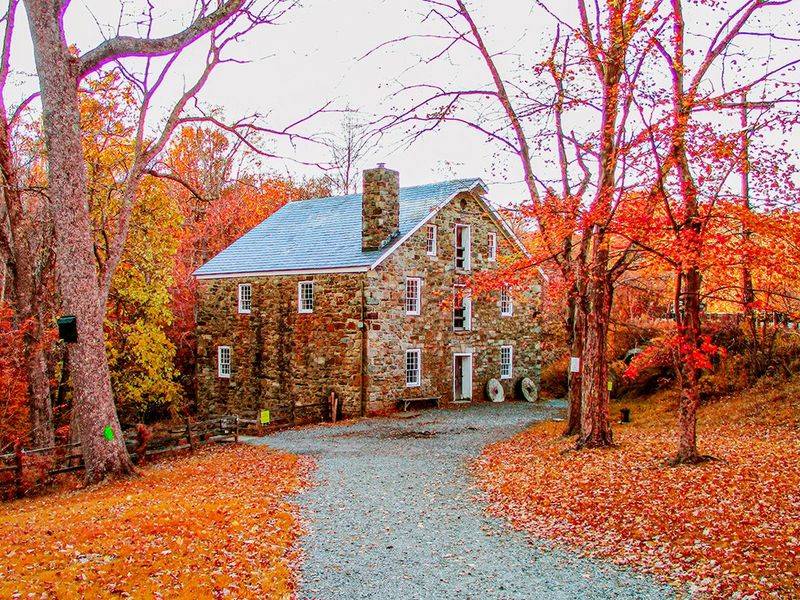
Photographers get rewarded as well. The well-kept mill, its water wheel, and the river backdrop make for pictures that look good in any season, especially during fall color.
History fans and anyone with a mechanical streak will feel right at home. Families with millwright roots sometimes visit just to see equipment like their ancestors used.
Outdoors, the park welcomes leashed dogs on the trails. Anglers also cast lines into the Black River, adding to the relaxed, unhurried mood.
The overall vibe feels calm and curious rather than flashy. Nobody’s selling you a thrill ride, just a genuine look at how a community once fed itself.
After your visit, Chester’s shops and restaurants sit nearby. That makes it simple to build a full, low-key New Jersey day around one surprising stop.
Plan Around Fridays And Sundays, Then Let The River Do The Rest
Timing is everything with this mill. Tours typically run on Fridays and Sundays, generally from 10 am to 4 pm, and the building stays closed the rest of the week.
Check the Morris County Parks schedule before heading out. Arriving after hours means admiring the wheel from outside, which is pleasant but only half the fun.
You’ll find the mill at 66 Rte 24, Chester, NJ 07930. A parking lot sits right on site, with a gate and short path leading down toward the building.
Tour admission has historically been very modest, making this an easy pick for families watching their spending. Trail access outdoors doesn’t depend on mill hours.
Accessibility deserves a heads-up. The trails include stairs, narrow boardwalks, rocks, and roots, so they aren’t suited to strollers or mobility devices.
Restroom options have been limited in recent years. Plan ahead, especially with little ones in tow.
So is it worth the trip? For anyone who wants to see New Jersey history actually grinding away, Cooper Gristmill delivers a rare, hands-on look that few places anywhere can match.
Share this story