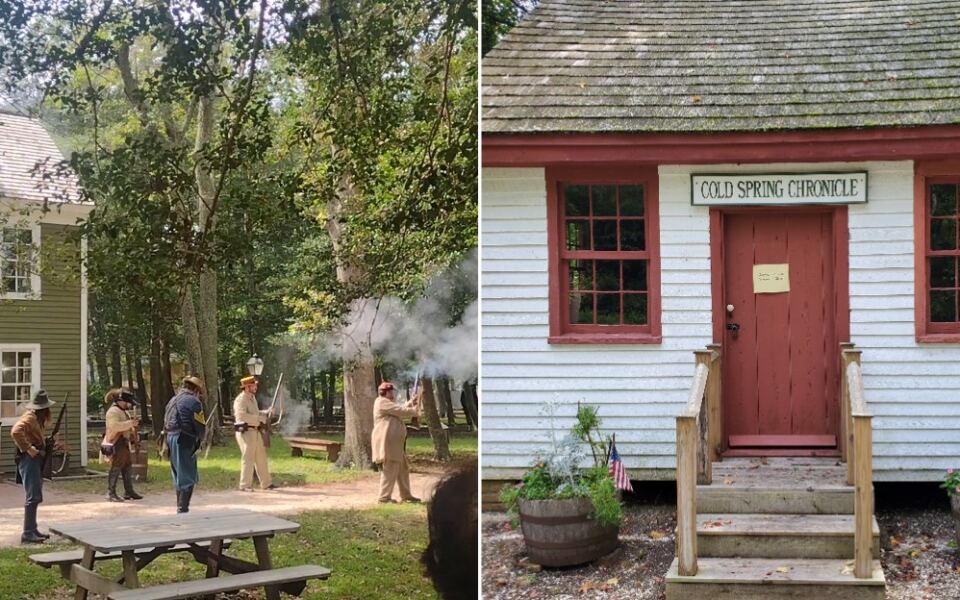
Somewhere in South Jersey, a costumed printer still sets type by hand and inks pages on a press the way it was done in the 1800s. Next door, a bookbinder stitches notebooks.
Down the lane, a tinsmith hammers out lamps.
I love that the goods made by these craftspeople often end up for sale in a general store, right beside old-time candy. That detail alone made me curious.
The whole place recreates life from the early years of American independence. Buildings were gathered from around the region and set along shady paths.
Horses, cows, pigs, and chickens wander nearby.
I can’t imagine a better way to make history feel touchable in New Jersey. So why does a little print shop steal the show for so many families?
Let’s find out together.
A Living Village Where 1789 Through 1840 Comes Back to Life
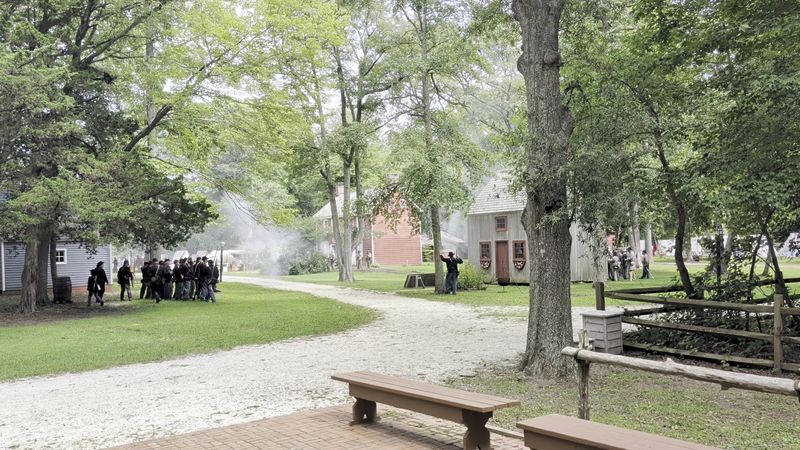
Historic Cold Spring Village is a living history museum that recreates life from 1789 to 1840. It sits near the southern tip of New Jersey, close to the Victorian streets of Cape May.
The focus is the first years of American independence. That era often gets skipped in favor of the Revolution or the Civil War, so the village fills a real gap.
Rather than glass cases and placards, you get working shops. Costumed interpreters stand inside historic buildings and demonstrate trades from the period.
A blacksmith, a potter, a printer, and a bookbinder are among the regulars.
The setup feels more like a small town than a museum. You wander from building to building, stepping inside each one at your own pace.
Every stop has a host ready to explain a slice of daily life.
Farm animals add to the scene, and shade trees line the paths. The result is a place where history is something you watch happen.
It’s also easy to ask questions, which turns a casual stroll into a surprisingly good lesson.
For families, it’s a rare chance to see the past with sleeves rolled up and tools in hand.
How a Donated Village Became a Nonprofit Treasure
Plenty of people assume the city of Cape May built this place. Not so.
The village was founded by Dr. and Mrs. Joseph Salvatore, who later donated it to Cape May County.
The county ran it for a stretch before returning it. Today, Historic Cold Spring Village operates as a nonprofit, and that status shapes everything you see.
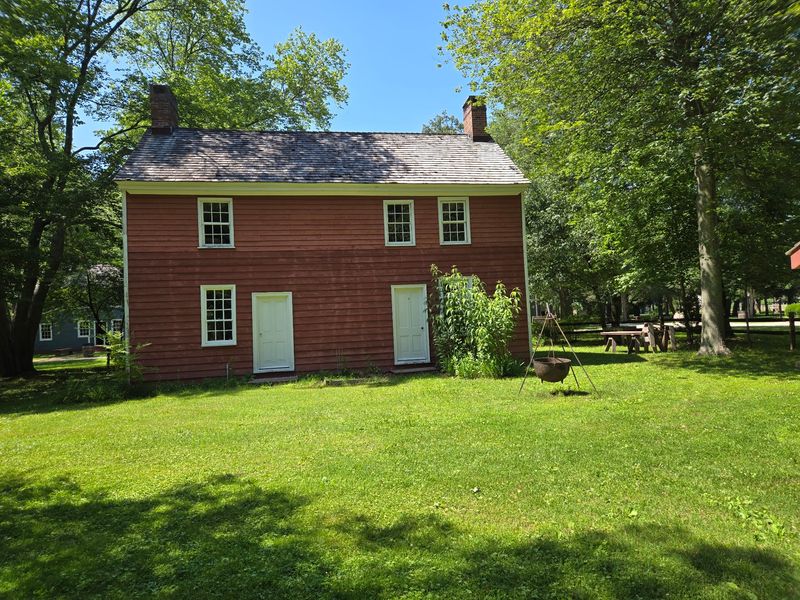
Here’s what makes the grounds special. The older structures were brought in from elsewhere in South Jersey rather than built new.
Each building was moved, preserved, and given a fresh purpose as part of a teaching village.
That approach means the history is broadly regional instead of tied to one family or estate. You’re looking at real old buildings, rescued and reassembled into a walkable community.
It’s preservation with a practical twist.
Knowing the backstory changes how you see the place. Every country store shelf and schoolhouse bench represents someone’s effort to keep local heritage standing.
Money spent here supports that educational mission.
So a visit doubles as quiet support for history in New Jersey. That’s a nice feeling to carry home along with a handmade souvenir.
Ink, Type, and the Print Shop Everyone Talks About
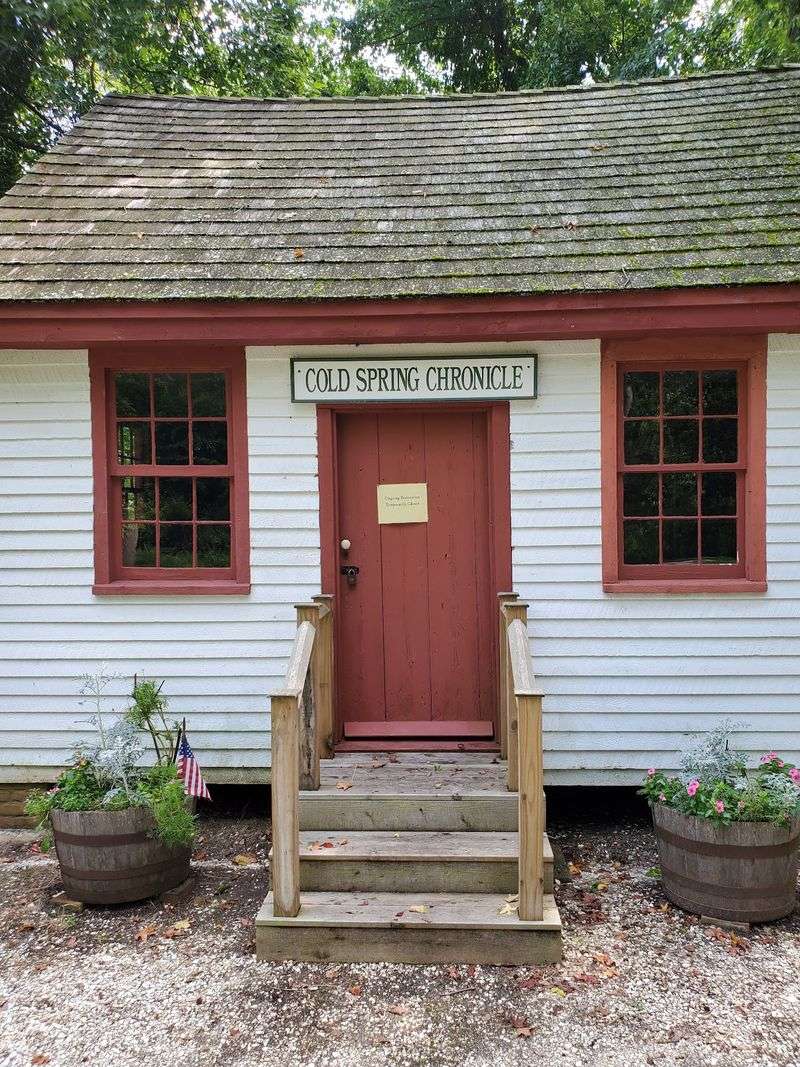
Set a single line of type by hand, and you’ll gain new respect for every newspaper ever printed. That’s the magic waiting inside the village print shop.
A costumed printer works with period tools, arranging letters and pressing ink onto paper. Watching the process slowly unfold explains why printed words once felt so valuable.
The print shop is a standout favorite for many families. Interpreters here are known for being knowledgeable and genuinely entertaining, which matters when kids are in the group.
A good host can make metal letters sound like a thriller.
It also connects neatly to the bookbinder nearby. One shop prints, and another stitches pages into finished books.
Seeing both gives you the full picture of how reading material came together before machines took over.
Bring questions. Why are letters stored backward?
How long did a single page take? The answers turn a quick peek into a real conversation.
Honestly, this is the stop that gives the village its old-fashioned headline. Few places in New Jersey let you watch printing done the way early Americans actually did it, right in front of you.
Sparks, Tin, and Clay at the Working Trade Shops
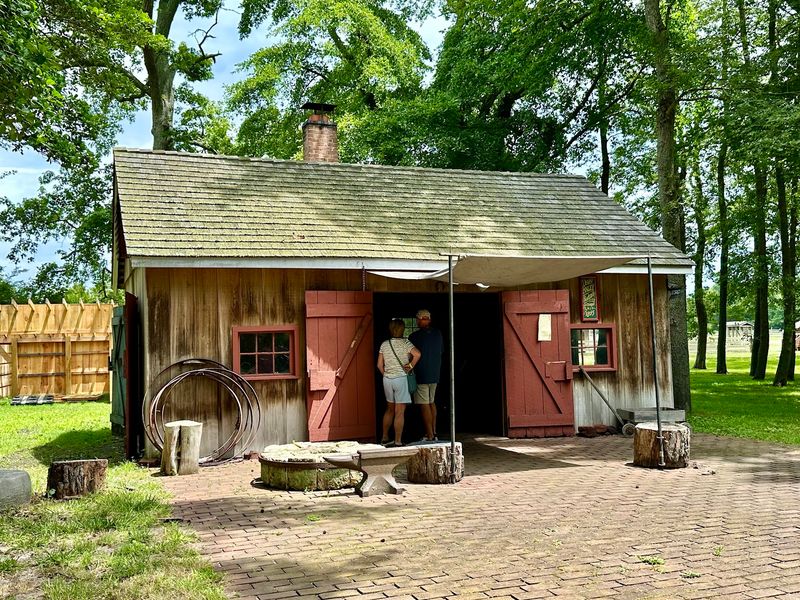
Clang. That’s usually the first sign you’re near the blacksmith shop.
Fire, iron, and muscle meet here in a demonstration that never really gets old.
Just down the way, the tinsmith shapes metal into useful goods. Tin lamps made on site have been sold at the village shop, which makes the craft feel wonderfully real.
Then there’s pottery. The potter’s studio shows how clay became everyday dishes and containers.
Pottery interpreters have earned a reputation for being lively storytellers as well as skilled hands.
Woodworking also appears among the trades. Each shop uses tools from the period, so you see how things were made without electricity or factories.
It’s slower, louder, and far more interesting than a video.
The best approach is simple. Linger, watch, and ask.
Interpreters tend to welcome curiosity and will walk you through techniques step by step.
Kids especially seem to love the hands-on energy here. Where else can they see a horseshoe or lamp take shape from raw material?
By the end, the phrase handmade will mean a lot more to everyone in your crew.
Baskets, Yarn, and Bookbinding for the Patient Crafter
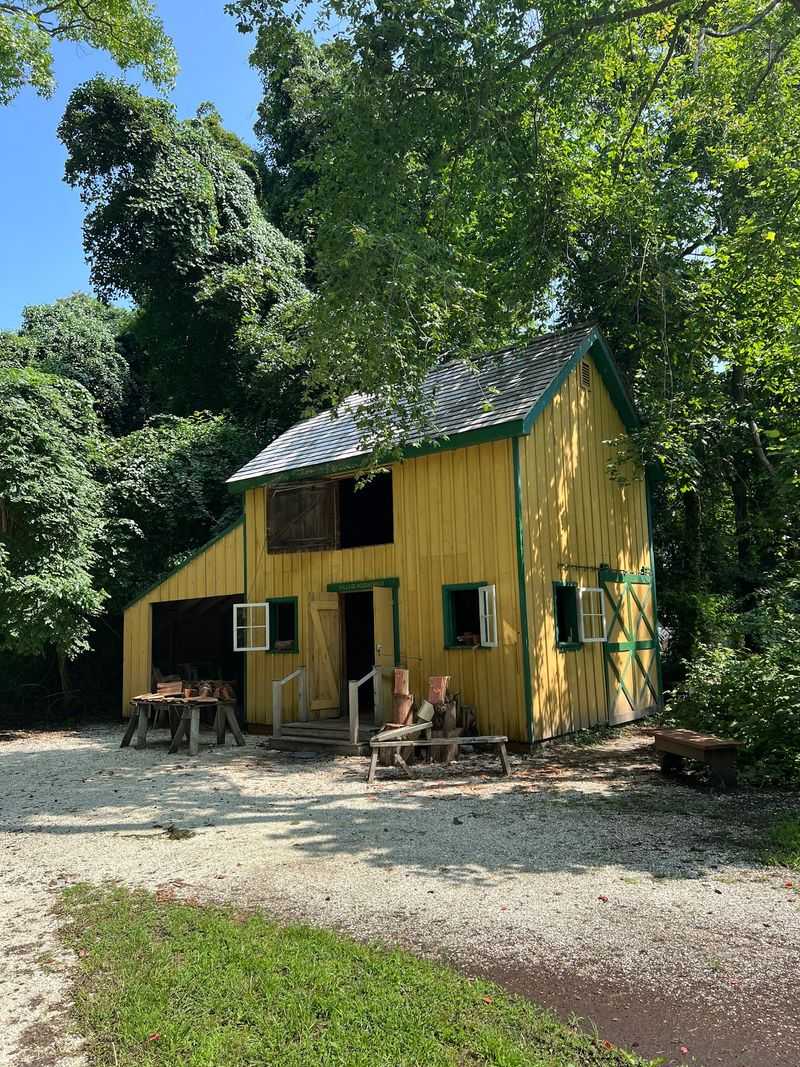
Quieter crafts get their moment too, and they’re every bit as impressive. Basket weaving, spinning yarn, weaving, and wicker work all appear among the demonstrations.
The basket weaver is a real highlight. Interpreters can walk you through nearly every stage of making a finished basket, from raw material to final shape.
Bookbinding rounds out this softer side of the village. Pages are stitched and covered by hand, producing notebooks with real character.
It pairs beautifully with the print shop for anyone who loves paper.
A shoemaker’s shop also adds to the mix. Seeing footwear made by hand might make you look at your sneakers a little differently.
These trades show how much skill went into ordinary objects.
What I like about these stops is the calm pace. They invite you to slow down and notice tiny details.
Twisting fibers and careful stitches become oddly mesmerizing.
Some handmade items have been available to buy. A basket made right at the village could become your next picnic carrier.
That’s a souvenir with a story, and it beats another refrigerator magnet by a mile.
Old-Time Candy and Handmade Goods at the General Store
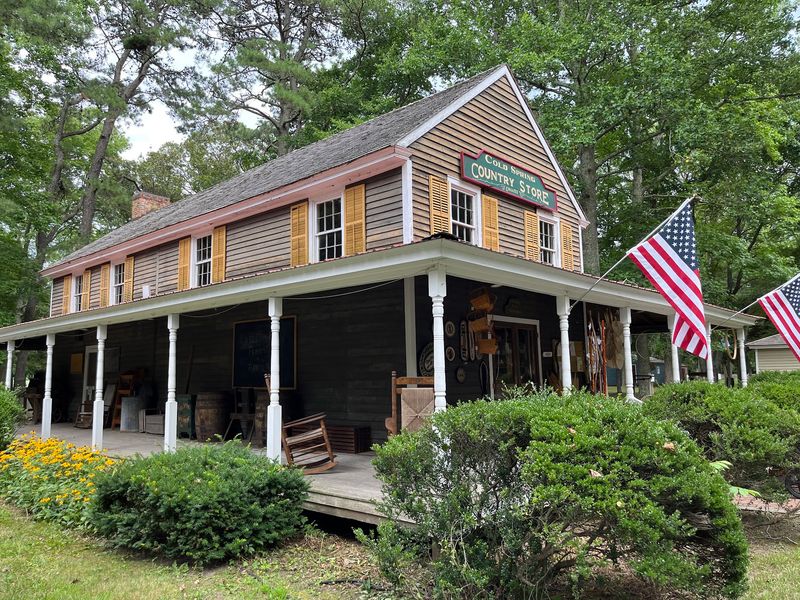
Candy you haven’t seen in years? It might be waiting at the general store.
Vintage-style products and nostalgic treats fill the shelves.
Better yet, the store has sold goods made by the village tradespeople. Handmade notebooks, tools, pottery, and items from the blacksmith or tinsmith have all turned up here.
That connection is what makes shopping here fun. You can watch a craft in the morning and see similar finished pieces later.
The item in your hand came from the same shops you just explored.
Both credit cards and cash have been accepted for purchases. That’s handy, since spontaneous souvenir buying is nearly guaranteed.
Old-fashioned shopping doesn’t require old-fashioned money.
The general store also fits the village’s history. Country stores were social hubs in early America, stocking a bit of everything.
Standing among the shelves gives you a sense of that bustling role.
Plan to leave a few minutes for browsing. Kids will gravitate to the sweets, while adults may linger over pottery and tinware.
Either way, you’ll probably walk out with something that feels far more personal than a typical gift shop find.
Schoolhouse Lessons, a Country Store, and the Stocks
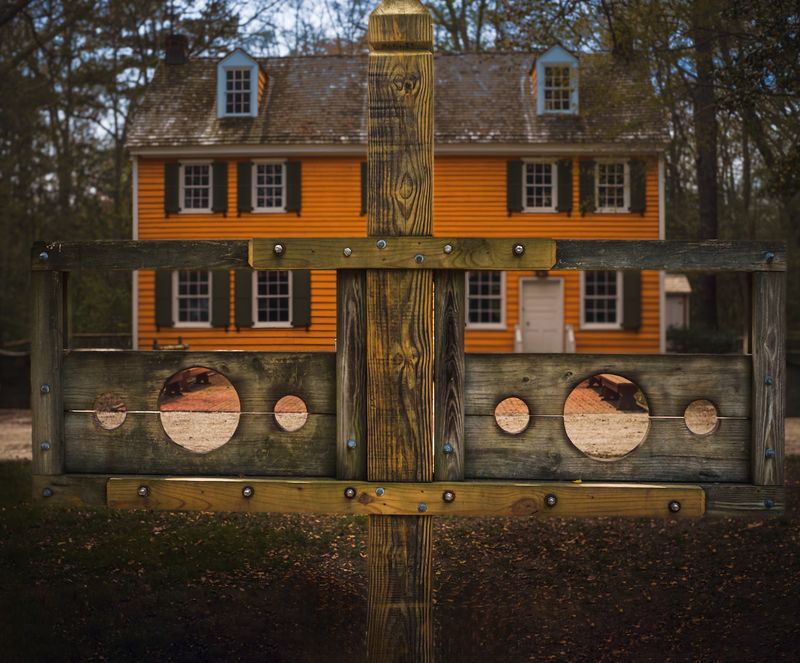
Old buildings tell stories even when nobody’s speaking. At this village, several structures stand out for showing everyday community life.
The schoolhouse is a favorite stop. Rows of simple seating hint at how children once learned, with far fewer distractions than modern classrooms.
Nearby, the inn and the meeting house reflect how people gathered, traveled, and shared news. Each building offers a different angle on social life in the early 1800s.
Together, they feel like a working town square.
And yes, there’s a set of stocks. Kids tend to find them hilarious, and parents may find them tempting.
It’s a playful reminder of how public punishment once worked.
A bakery and an ice cream parlor have also operated inside the village. That’s a sweet break between history lessons, especially on a warm afternoon.
Snacks make even the most curious explorers happier.
Wandering among these buildings shows why the village works. You’re not just visiting exhibits.
You’re moving through a recreated community where every doorway opens onto another piece of New Jersey’s past, waiting to be noticed.
Weekend Events From Vikings to Military Timelines
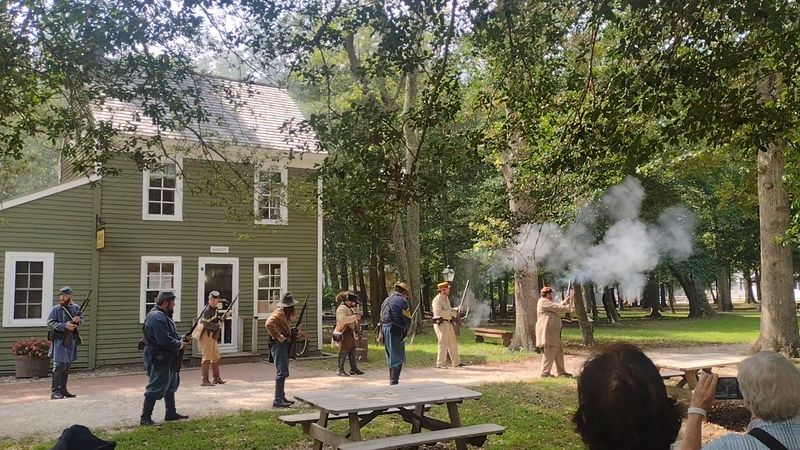
Summer weekends bring something extra. The village has hosted events every weekend during its summer season, each with its own theme.
Military Timeline is a longtime favorite. Reenactors representing eras from the Revolutionary War through World War II have set up across the grounds to demonstrate soldier life.
Other events lean adventurous. A Seafarers and Maritime Celebration has drawn praise, and a Viking area featuring The Clan of the Raven has shown off different makers and crafts.
History gets a lot more colorful with company.
These gatherings add new layers to a familiar visit. Even if you’ve toured the shops before, a themed weekend can feel completely fresh.
Returning visitors get a reason to come back.
Schedules change by year, so check the official calendar before planning. Event days may also bring special programming or different crowds.
Knowing ahead helps you pick the theme that suits your crew best.
I love that the village doesn’t rest on its permanent displays. Rotating events keep the place lively and surprising.
For families who enjoy costumes and storytelling, these weekends might be the sweetest spot on the calendar.
Lantern-Lit Ghost Walks for the Brave of Heart
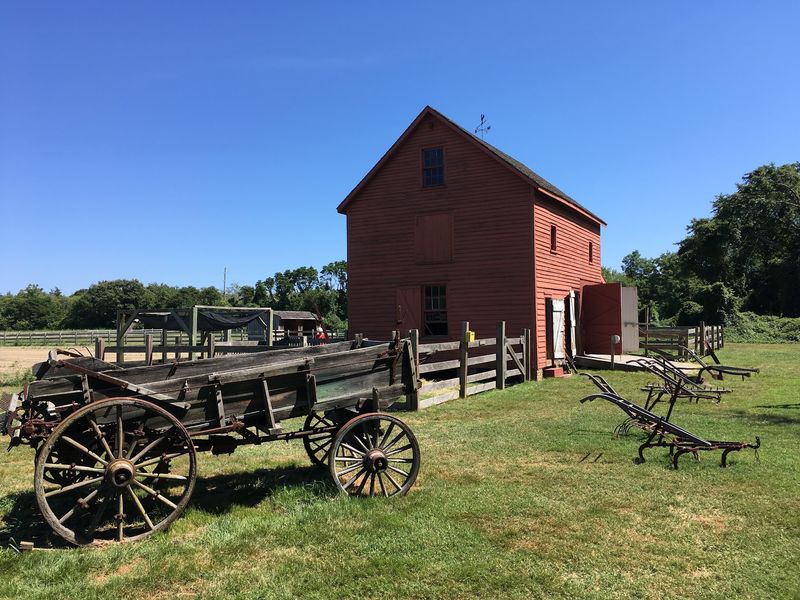
Daylight shows the crafts. Evening reveals the stories.
The village offers a Ghost Walk, and it has earned a strong following among history and mystery fans alike.
Guides share tales tied to the houses and property. Their knowledge of the buildings is a big part of the appeal, blending local history with spooky lore.
Paranormal interest is woven into village culture in a sincere way. Staff tend to treat the stories seriously rather than as a cheesy act.
That earnest approach makes the tours feel more like storytelling than theater.
Not into ghosts? No problem.
The paranormal side is easy to skip during regular daytime visits, so you can stick to blacksmiths and baskets.
Tours like this make sense in Cape May, a town famous for its old houses and atmospheric streets. The village fits right into that tradition.
Some fans compare it favorably to well-known tours elsewhere.
Check availability and age suitability before booking. Then bring a flashlight-loving friend and an open mind.
Even skeptics usually enjoy a good story told by someone who clearly loves the setting.
Planning Your Trip to Seashore Road
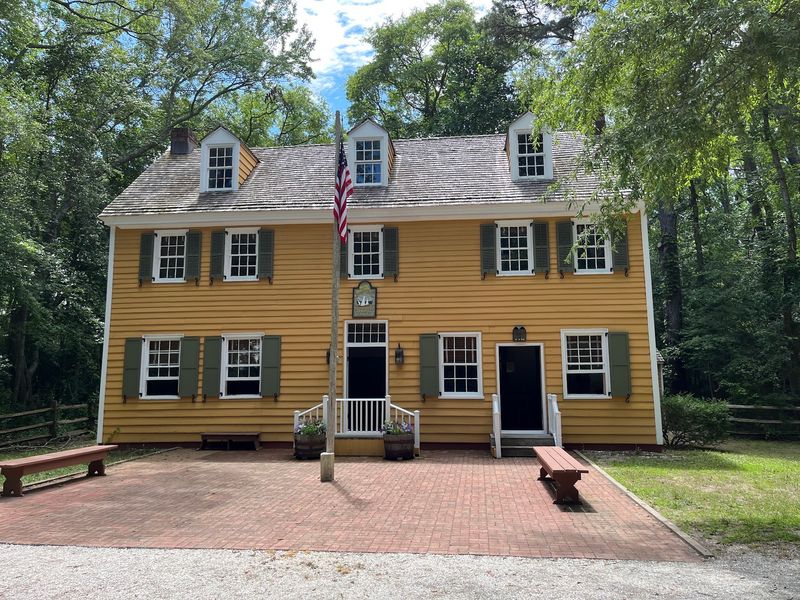
Getting there is straightforward. Historic Cold Spring Village sits at 735 Seashore Rd, Cape May, NJ 08204, just outside the center of town.
Hours vary by season, so always confirm before you drive. Recent listings show Saturdays from 10 am to 4 pm, with the main village experience geared toward the summer season.
Give yourself a few hours. Each shop invites conversation, and rushing defeats the purpose.
Plenty of shade trees make summer strolling more comfortable than you might expect.
Comfortable shoes are smart, since paths connect many separate buildings. Bring curiosity, a little patience, and maybe a tote bag for handmade finds.
Kids will appreciate snack breaks at the bakery or ice cream parlor.
Admission details and event pricing change, so check the official website for current info. Special weekends and ghost walks may have separate tickets.
Planning ahead avoids disappointment at the gate.
The location also pairs easily with a Cape May or Wildwood outing. Some families stop on the way to the shore and end up staying longer than planned.
That’s a pretty good problem to have on a New Jersey day trip.
Why This Slow-Paced Village Earns a Spot on Your List
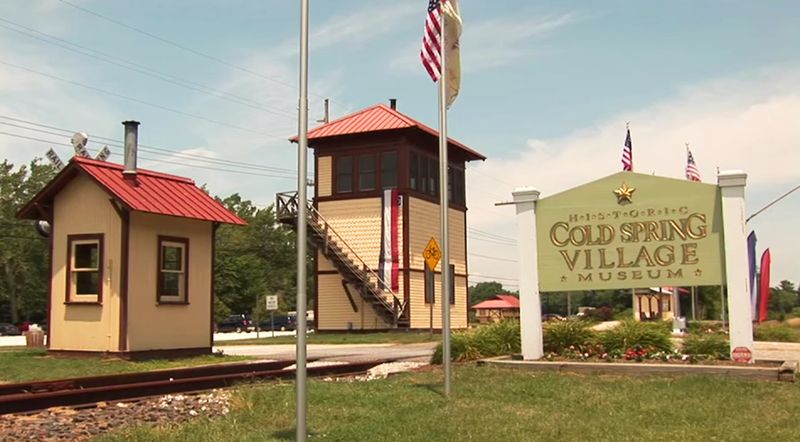
Few outings let you watch a printer, a potter, and a horse named Levi all before lunch. That mix is what makes this village so easy to recommend.
Historic Cold Spring Village rewards curiosity. The more you talk with interpreters, the richer your day becomes, and they clearly enjoy sharing what they know.
It suits families wanting hands-on learning, crafters hunting inspiration, and history fans tired of rope barriers. Couples looking for a gentle afternoon will find plenty to enjoy too.
The pace is relaxed, and the setting feels welcoming.
There’s also the nonprofit heart behind it all. Your visit supports preserving rescued buildings and keeping old trades alive.
That’s visible good, done one demonstration at a time.
Is it flashy? Not really.
And honestly, that’s the charm. It’s a place where ink, iron, and clay still matter.
So next time you’re heading toward the southern tip of New Jersey, consider a detour. You might arrive for a quick look and leave with a handmade notebook, a new favorite trade, and a few stories worth retelling.
Share this story