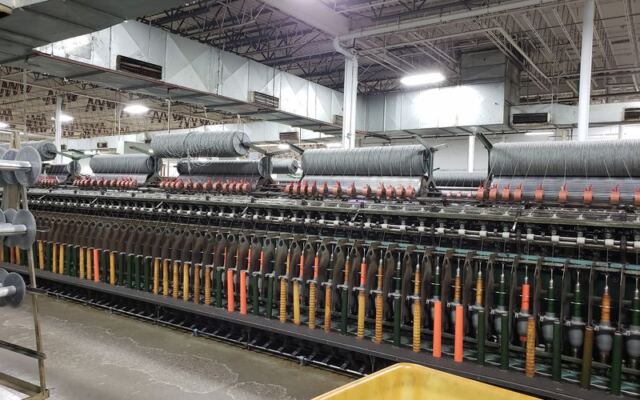
Some of the machines still spinning wool inside one Minnesota factory date all the way back to 1904. They share the floor with modern looms, and together they turn raw fleece into finished blankets.
I love that kind of stubborn craftsmanship. A single blanket can take up to 12 days of effort, which makes a big-box throw look a little lazy by comparison.
The same building holds a retail shop stacked with wool goods, from warm gloves to full bedding. There is also a seconds and clearance corner, and that feels like a treasure hunt for any thrifty crafter.
Tours run only on certain days, and you need a reservation to join one. I can’t imagine a better excuse for a weekend drive across the state.
So how does a mill this old keep humming along today?
A Riverside Mill Where Wool Still Becomes Blankets
Say it right first: FAR-ee-bo. That’s how folks pronounce the home of Faribault Woolen Mill Co., a working weaving mill in southern Minnesota.
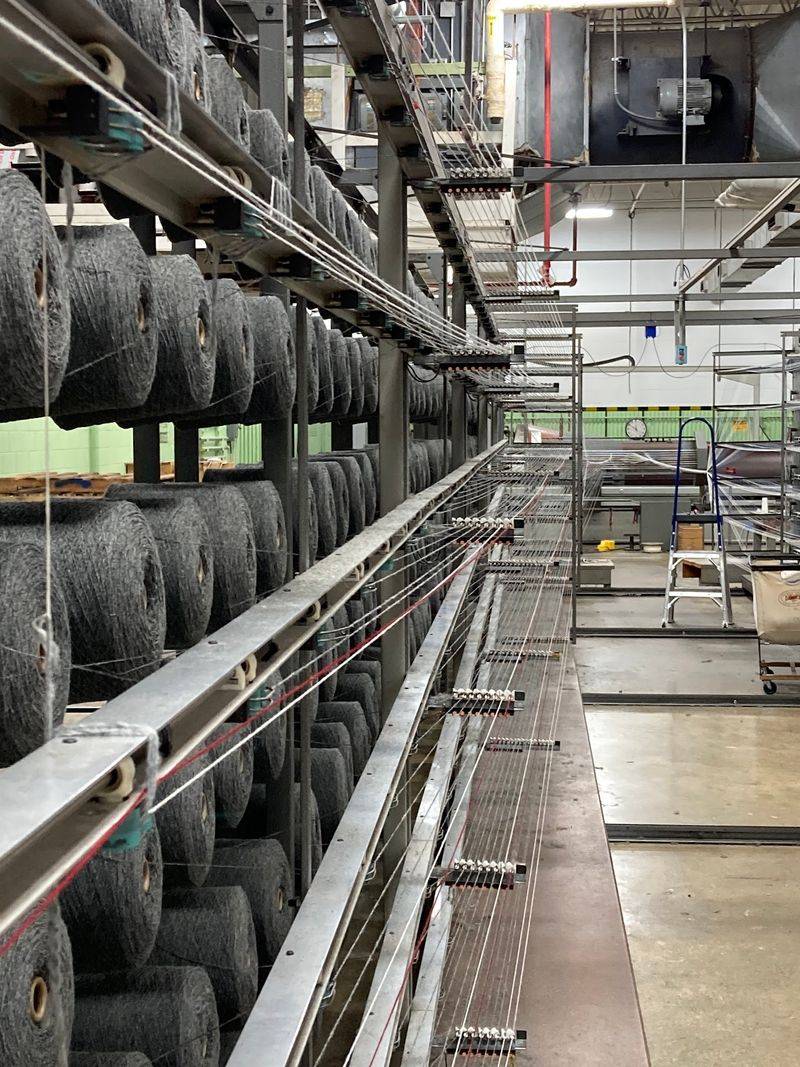
Plenty of places sell blankets, but very few still make them from scratch. Here, raw wool comes in one end and finished blankets leave the other, all under one roof.
The company is often described as one of only two operations in the country that still handle the full process. That means scouring, carding, spinning, weaving, and finishing all happen in-house rather than being farmed out overseas.
For crafters, that’s a big deal. You get to see the whole journey of a fiber, not just the pretty product sitting on a shelf.
The mill also runs a retail store packed with its own goods. Shoppers can browse throws, bed blankets, accessories, and discounted extras in the same building where everything gets made.
So yes, this is a factory, but it’s also a shop and a living museum. Few stops in Minnesota manage to wear all three hats this comfortably, and I think that’s exactly why people plan whole trips around it.
Comeback Story of a Mill That Refused to Fade
Back in 1865, the roots of this mill took hold, and the business has been tied to wool ever since. That’s a long run for any Minnesota company, let alone one making blankets by hand and machine.
The road wasn’t always smooth. After financial trouble around 2008, the mill went quiet for a stretch.
Then came the revival. Roughly 18 months later, the Moody family stepped in and reopened the doors with a focus on quality craft production.
Their bet was simple and bold. Build the brand back up by doing things the careful way, even when faster shortcuts exist.
Today the mill is often called a renaissance success story. It’s a reminder that old American industry can still find new life when people believe in it.
The mill has also long supplied wool blankets to the U.S. Armed Forces.
That connection adds real weight to every throw on the shelf.
Minnesotans love a good underdog tale, and this one checks every box. A small-town mill outlasting trends and big-city competition feels like a classic Minnesota win.
Century-Old Machines Still Earning Their Keep
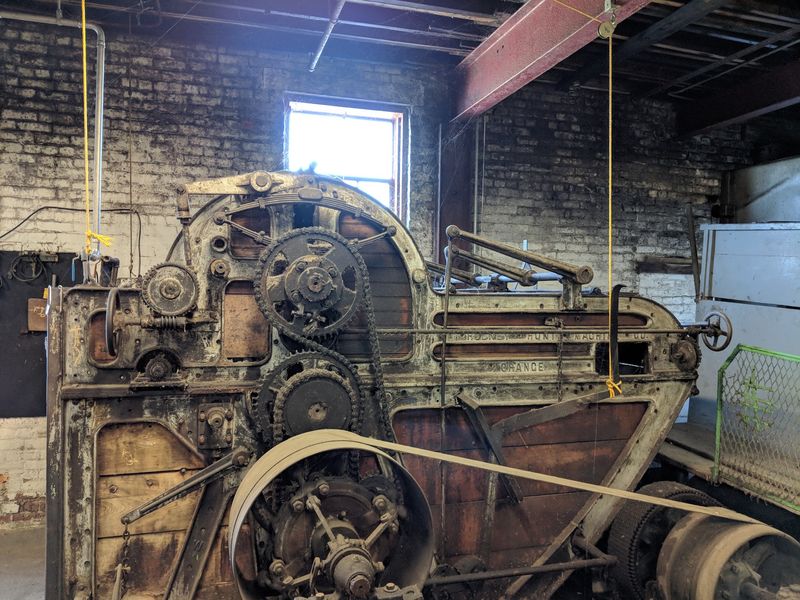
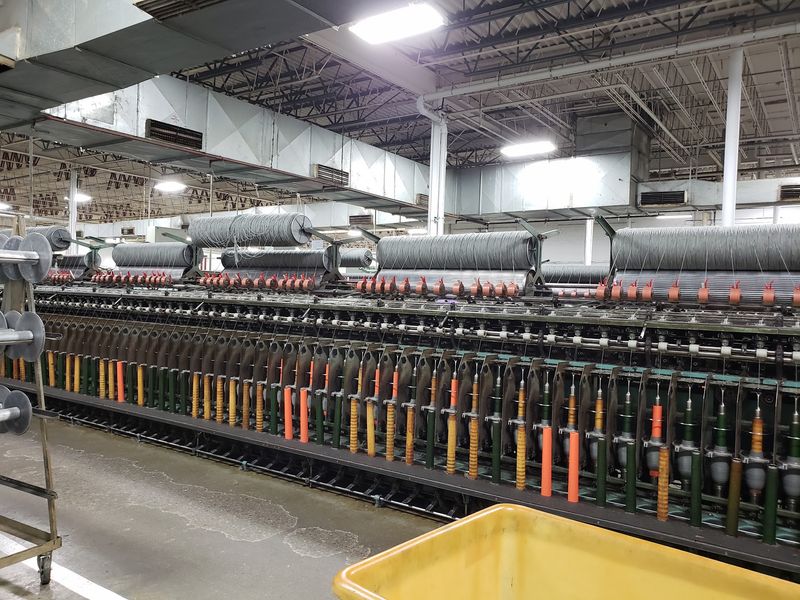
Gears from the early 1900s are still turning here. Some of the mill’s machines date to 1904, while others trace their roots to the 1800s.
Hold on, though, because the old equipment isn’t just for show. These machines do real work, helping transform fluffy raw wool into yarn and fabric.
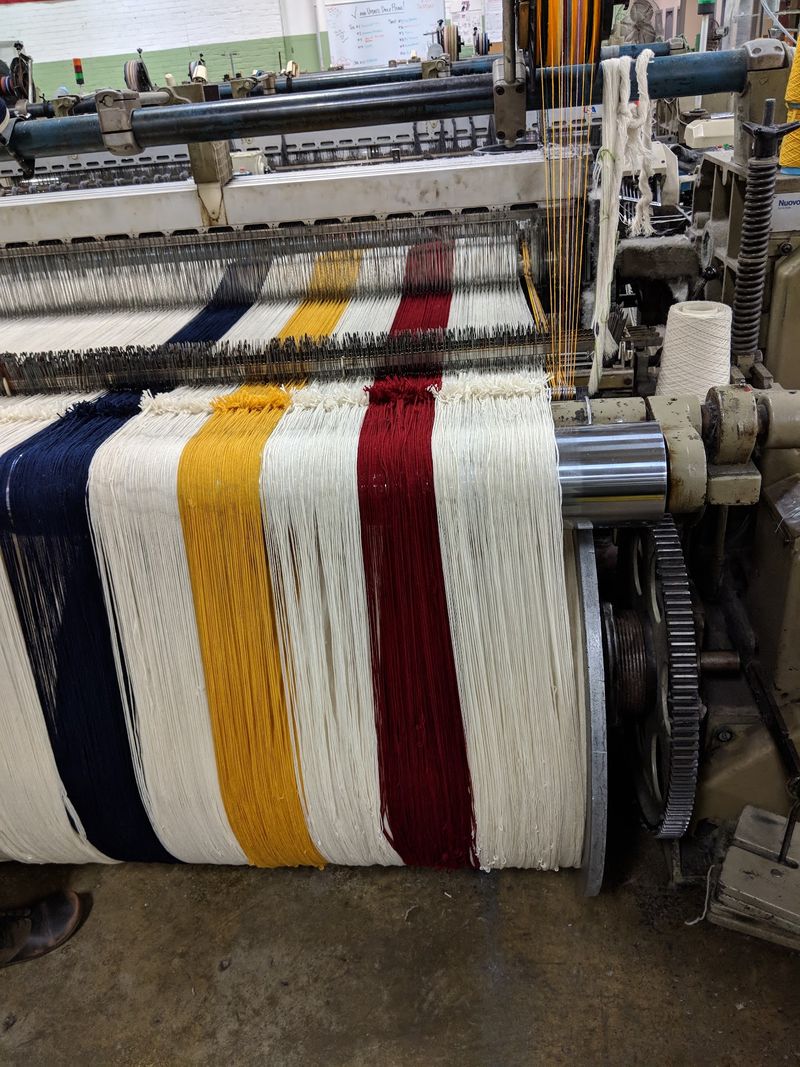
The mill blends that vintage gear with advanced modern weaving machines for certain products. Old and new work side by side, which is a pretty charming partnership.
Crafters tend to geek out over this part. Watching carding rollers and spinning frames explains so much about how thread actually comes to be.
Heads up for anyone with sensitive ears or busy hands. On a normal production day, many machines run with spinning rollers and moving parts that stay off-limits for safety.
That’s one reason tours are scheduled when production slows. It gives guests a closer look without the clatter drowning out every explanation.
Honestly, it’s rare to see machinery this old still pulling its weight. In a world of throwaway gadgets, these tough Minnesota workhorses feel almost heroic, and they make a pretty strong case for building things to last.
The Tour That Turns Fleece Into a Finished Story
Reservations are a must for this one. Tours are typically offered on Fridays and Saturdays, when mill production is paused.
That timing works in your favor. With the machines resting, you can hear the guide clearly and get closer to equipment that would usually be blocked off.
The tour follows wool from its rawest form all the way to a finished blanket. Along the way, you learn why one blanket can take up to 12 days of effort.
It’s a full education in a tidy package. The cost is modest, and many folks consider it one of the best values in the area.
Guides also share the history of the mill and its people. You’ll likely hear about long-tenured workers who have spent decades on these floors.
Families, history buffs, and fiber fans all find something to love. Even a reluctant teen might leave impressed by machines older than their great-grandparents.
Plan ahead, since spots are limited and schedules can shift. Checking availability before you leave home saves a lot of disappointment, especially if you’re driving down from the Twin Cities for the day.
Shelves of Wool That Make Choosing Nearly Impossible
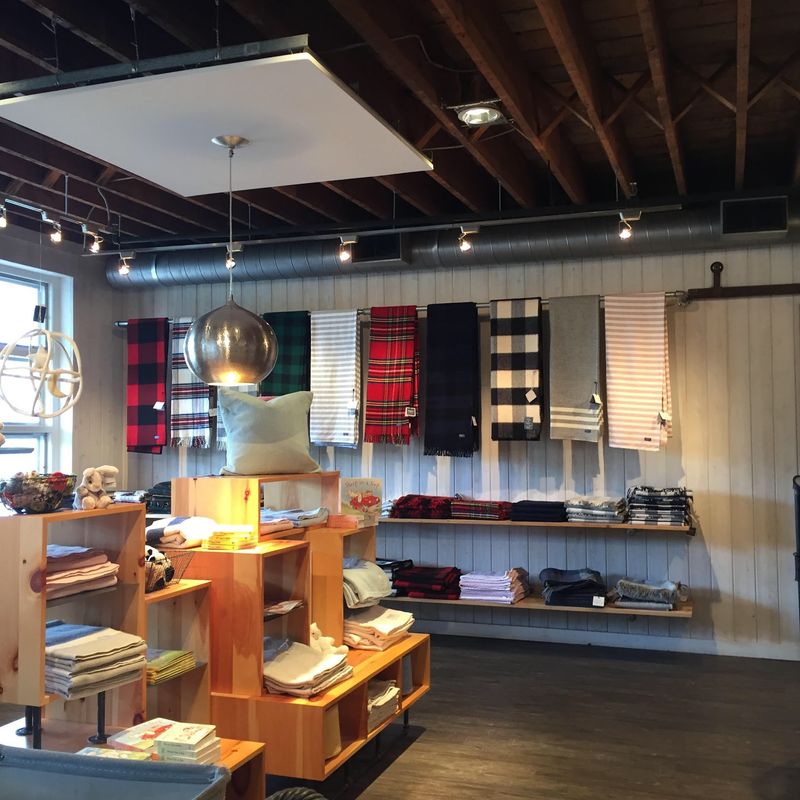
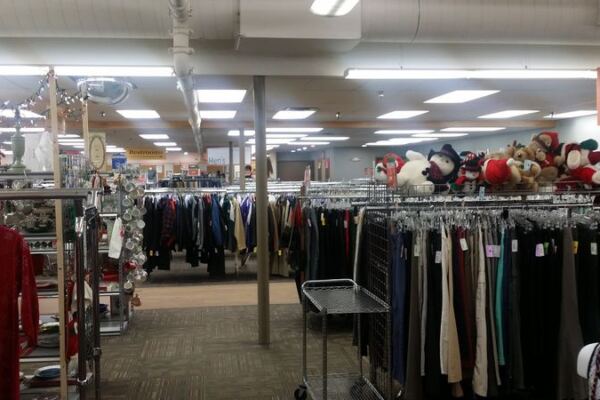
Good luck walking out with just one thing. The retail store at Faribault Woolen Mill Co. stocks most of the mill’s products, from gloves to full bedding.
The shelves are clean and organized, which helps when every blanket looks tempting. Throws, bed blankets, and smaller accessories all have their own spots.
Minnesota themes show up in fun ways. Past designs have included a loon pattern and a throw inspired by the Boundary Waters Canoe Area.
Those touches feel made for locals who love their lakes and loons. They also make thoughtful gifts for anyone who has moved away and misses home.
Custom blankets are another option. Some companies even order them as holiday gifts for employees, which beats a fruitcake every time.
Yes, quality wool costs more than a discount fleece throw. Still, these pieces are built to hold up for years of daily use.
The staff are known for being friendly and ready to answer questions. That helps a lot when you’re torn between three colors and two sizes, and you need a gentle nudge toward the right one.
Seconds, Closeouts, and the Thrifty Crafter’s Corner
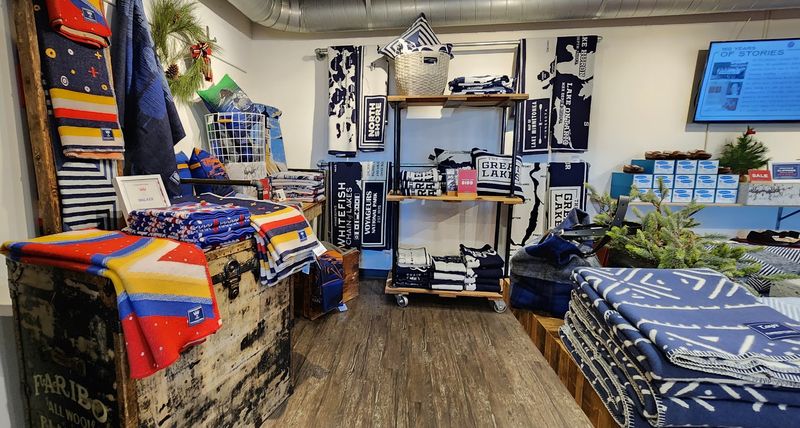
Bargain hunters, this part’s for you. The store keeps a section for factory seconds, closeouts, and clearance items.
Factory seconds usually have small cosmetic quirks. Most of the time, you’d never notice them once the blanket is draped over a couch.
That makes the mill a smart stop for budget-minded shoppers. You still get the same in-house wool quality, just at a friendlier price point.
The headquarters is also known for off-season and extras sales. Timing a visit around one of those could stretch your gift budget nicely.
Crafters often appreciate this corner for creative reasons too. A slightly imperfect piece can become a project without the guilt of cutting into a pristine blanket.
Inventory changes, so what you find one month may vanish the next. That unpredictability is half the fun of digging through the stacks.
Minnesotans know the joy of a genuine deal. Finding heirloom-quality wool marked down feels like winning a small prize, and it’s exactly the kind of story you’ll want to tell your friends the next time they compliment your new throw.
Hours, Access, and a Few Smart Planning Tips

Mark your calendar before you hit the road. The mill is typically open Monday through Saturday from 9 AM to 5 PM and closed on Sundays.
You’ll find it at 1500 2nd Ave NW, Faribault, MN 55021. It makes an easy stop on the way to or from the Twin Cities.
Parking shouldn’t be a headache. There’s a large lot, plus a long ramp that offers easy access into the building.
That ramp is a nice touch for strollers, wheelchairs, and anyone carrying armfuls of blankets. Accessibility matters, and it’s good to see it handled well.
Remember that tours need advance reservations. They’re usually held on Fridays and Saturdays, so plan your trip around that window.
One more tip involves special orders. Items that aren’t in stock may take longer than expected to arrive, so in-person shopping can be the quicker route.
Buying straight off the shelf means you go home happy the same day. For a gift deadline, that simple choice could save you plenty of stress and a few anxious email check-ins along the way.
Why Fiber Fans Keep Making the Trip
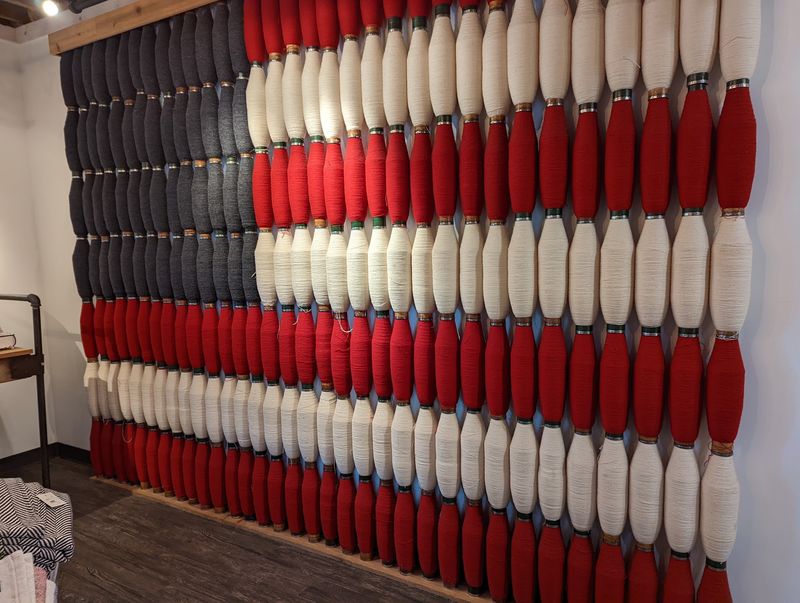
Few stops blend history, craft, and shopping this neatly. Faribault Woolen Mill Co. offers all three without feeling stuffy or overly polished.
Crafters get a rare peek at the full wool process. Families get a hands-on history lesson that beats any textbook chapter.
Shoppers, meanwhile, walk away with something that lasts. Owners of these blankets often say they hold up to heavy use remarkably well.
There’s also pride in buying something made right here in Minnesota. Each throw carries more than 150 years of local craftsmanship woven into its fibers.
Winter visitors may find the timing especially sweet. Nothing beats wrapping up in fresh wool when the snow starts piling up outside.
Summer works just as well, though. A drive through southern Minnesota farm country makes the trip feel like a mini getaway.
Big cities have plenty of trendy home stores. Still, few of them can claim century-old machines, military blanket roots, and a family-led comeback, so this little Minnesota mill earns its spot on any road-trip list and maybe a corner of your couch too.
Share this story