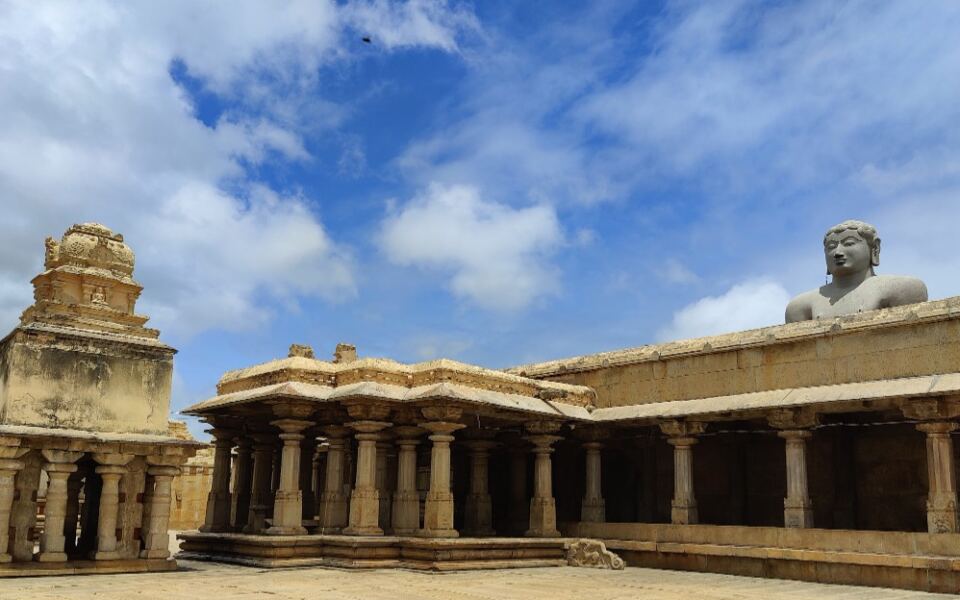
High on a rocky hill in Karnataka, a giant stone figure has watched over the land for more than a thousand years. The Gommateshwara Statue was carved from one huge block of granite, and it still looks calm and strong today.
Pilgrims, history fans, and curious travelers climb hundreds of steps just to stand at its feet. Here are ten facts and tips that show why this place is so special.
One Giant Block of Granite
Picture a sculptor facing a rock the size of a building and deciding to turn it into a person. That is exactly what happened here.
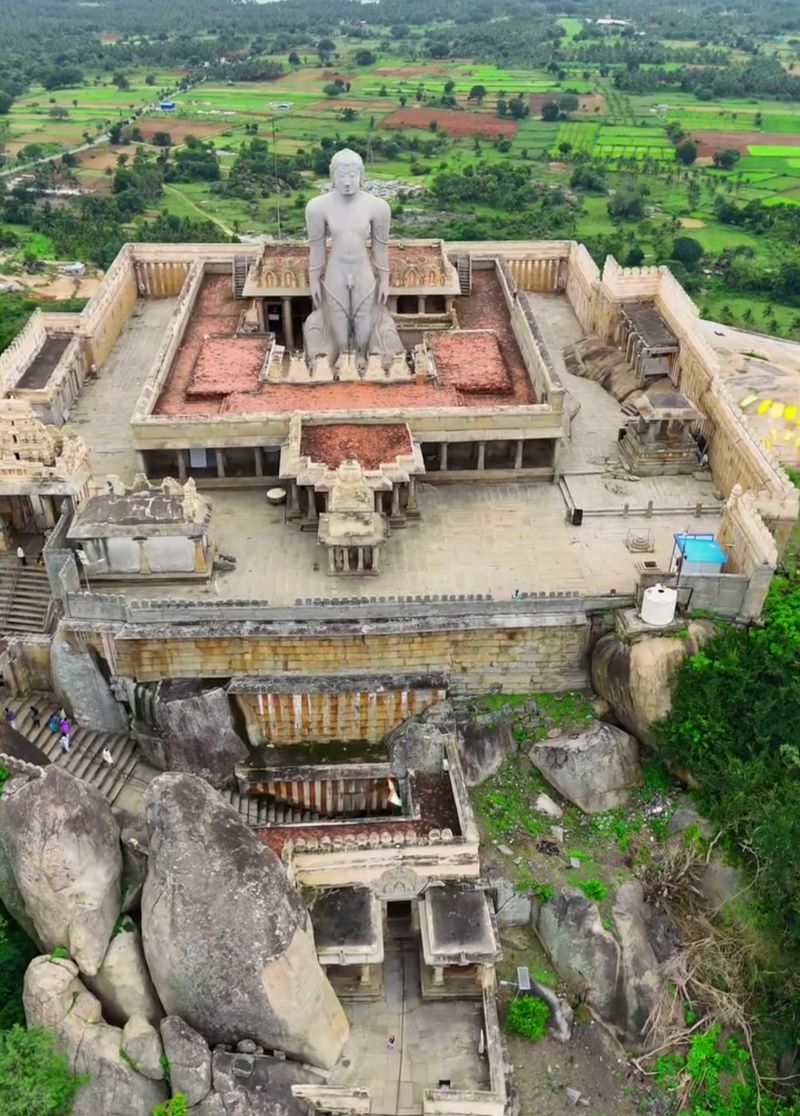
The whole figure of Bahubali comes from a single piece of granite, with no joins and no added parts.
The statue stands about 57 feet tall, and reviewers often call it one of the tallest free-standing monolithic statues in the world. Granite is hard, heavy, and not forgiving.
One wrong strike could have spoiled years of work.
Look closely when you arrive and you will notice the smooth surface, the sharp lines of the face, and the long, straight arms. Everything feels connected because it truly is.
The stone was never cut into pieces and stacked up.
Visitors say the size feels different in person than in photos. Some expect a taller giant, while others feel tiny beside it.
Either way, knowing it is one solid rock makes the sight much more impressive.
Stand back near the base of the figure for the best view of its full height.
Built by a Minister in 981 CE
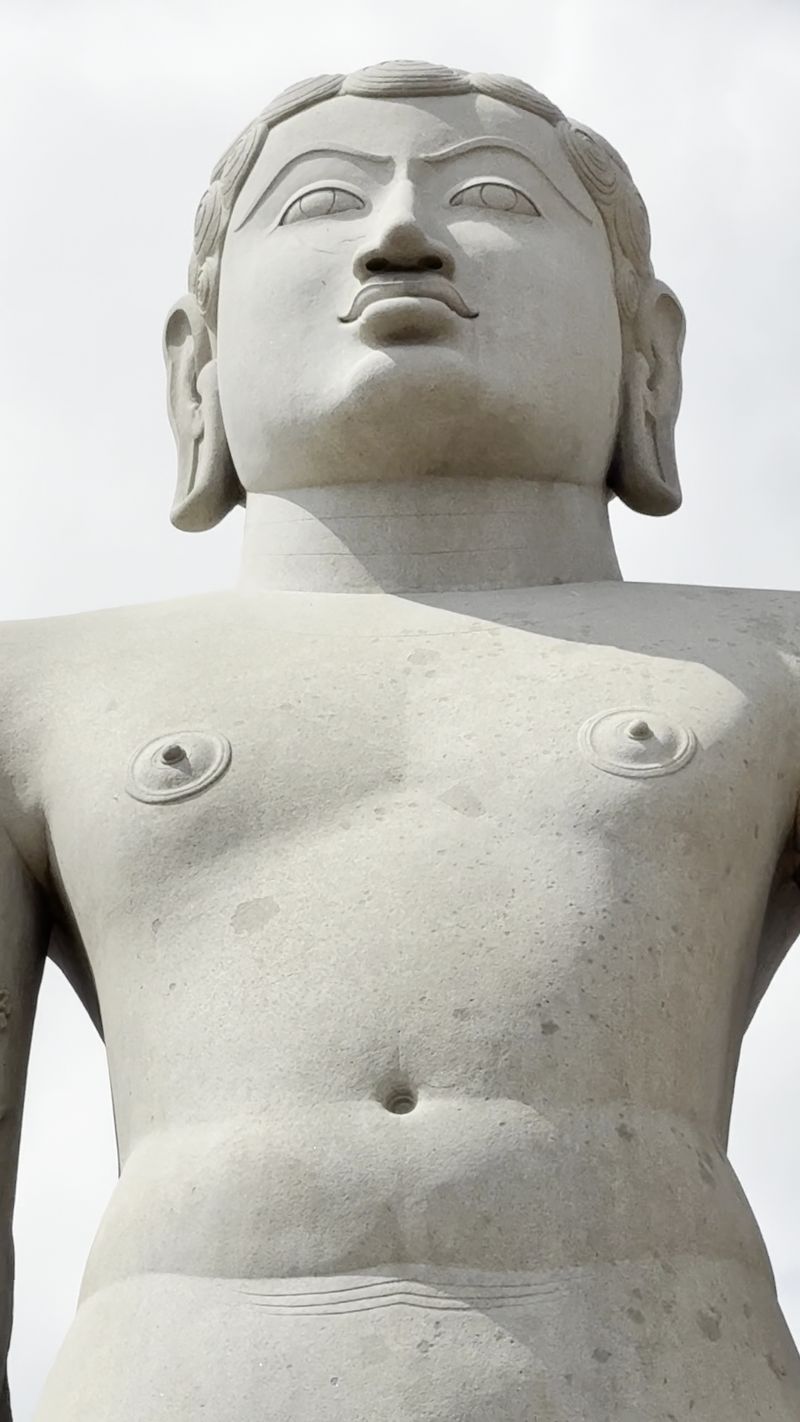
Here is a fun twist: the man behind this giant was not a king. Chavundaraya, a minister and commander of the Western Ganga dynasty, ordered the statue made around 981 to 983 CE.
That makes it more than 1,000 years old.
He served King Rachamalla IV and wanted a monument that reflected Jain ideals of letting go of worldly things. The result was a hilltop landmark that still draws visitors from all over.
Think about the effort. There were no cranes, no power tools, and no modern trucks.
Workers relied on hand tools, skill, and patience.
One reviewer noted that the statue would be about 1,045 years old by 2026. That is older than many famous castles and cathedrals in the world.
When you read the history on a guide’s explanation, you start to see the statue as a promise carved into rock. It still stands as proof of what one determined leader could inspire.
Hiring a local guide at the site can bring these stories to life.
Who Was Bahubali?
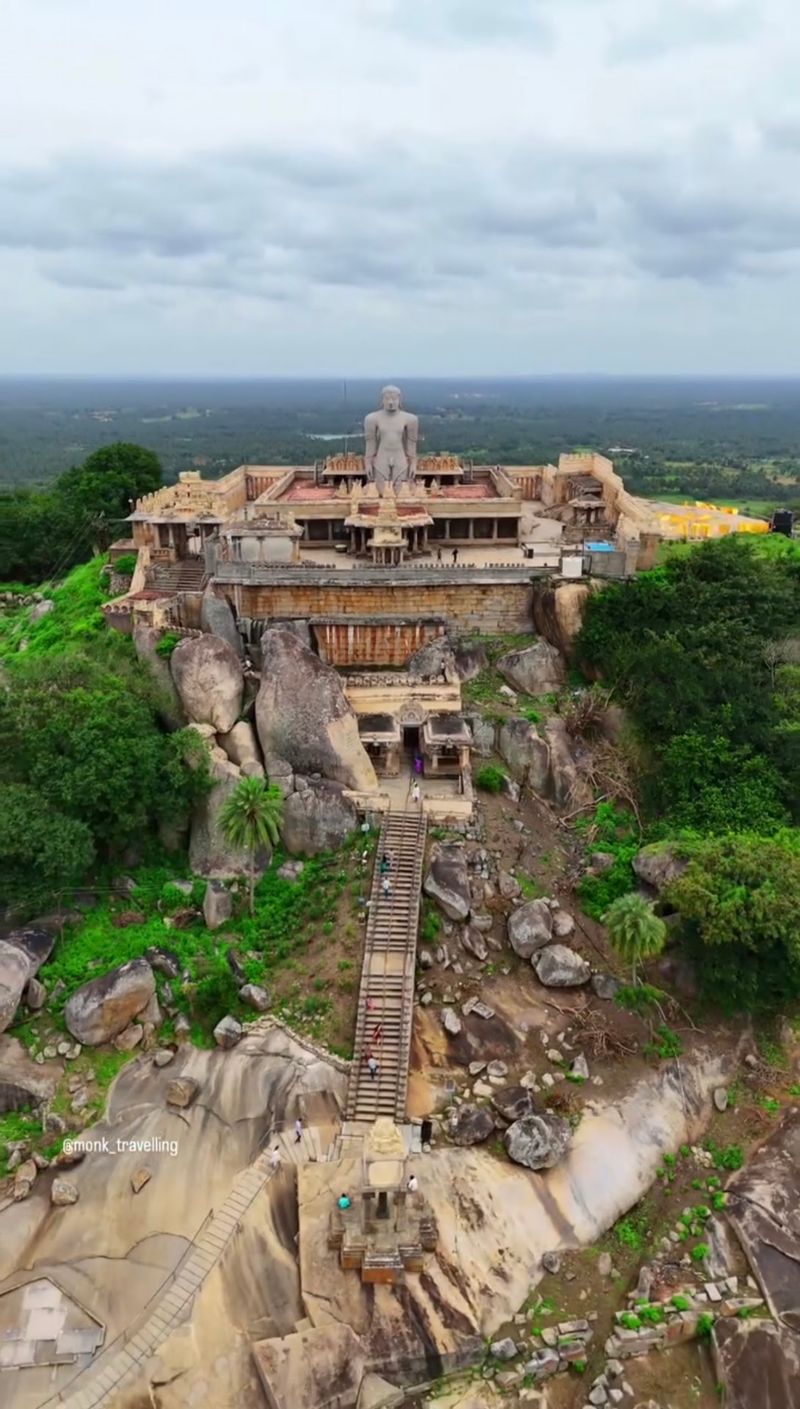
Every great statue has a story, and this one has a good one. Bahubali was the son of Adinatha, the first Tirthankara in Jainism, and the younger brother of Bharata.
Tradition says the two brothers fought over a kingdom.
Bahubali won, but he chose to walk away from power instead. He gave up his royal life and spent time in deep meditation.
The statue shows him standing still in that meditative posture. Vines are carved climbing his legs, which hints at how long he stayed in one place.
His face is calm and peaceful. Many visitors say the expression makes them stop talking and simply look.
The figure is a symbol of peace, non-violence, and renunciation. You do not need to be Jain to feel the quiet message.
Even a short pause in front of it can make a busy day feel a little slower and lighter.
The Famous Climb of 600 Steps
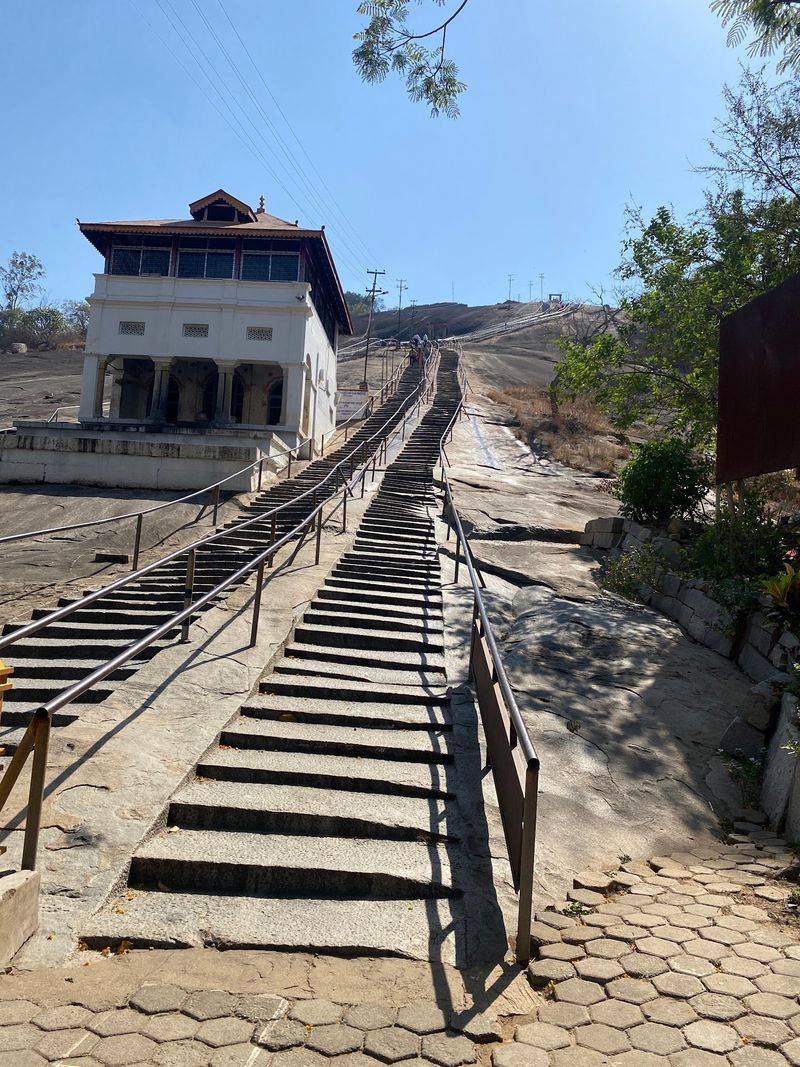
Your legs will have opinions about this one. Reaching the statue means climbing roughly 600 to 650 steps, though some sources say closer to 700.
All of them are cut straight into the bare granite hill.
Most steps are short, and railings help along the way. A fit person can finish in about 25 minutes, but there is no prize for rushing.
Take breaks at the resting spots and look back at the view. Small shrines and carvings appear on the way up, which makes the walk feel like part of the visit.
Reviewers describe the trek as moderately challenging but very rewarding. Slow and steady works well for almost everyone.
Remember that the climb is the entry fee. Once you reach the top, the effort melts away the moment you see the giant figure waiting for you.
Barefoot on Hot Rock
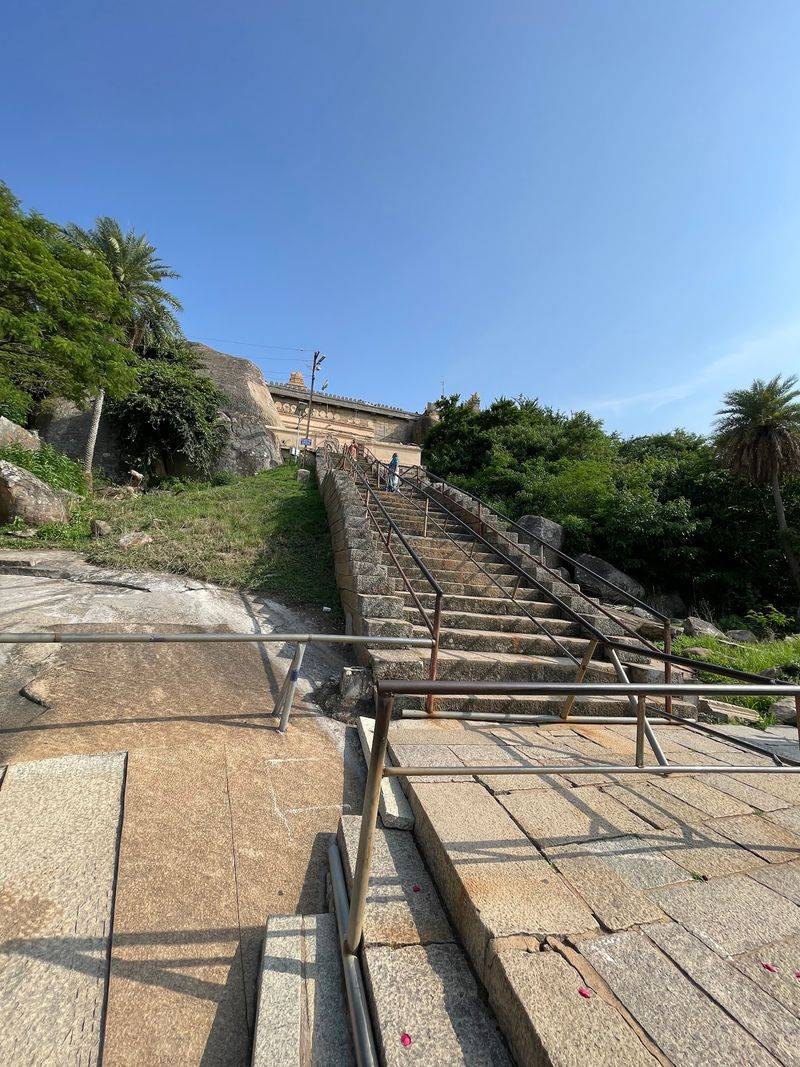
Ouch is the word many visitors use after the first few steps. Footwear is not allowed on the climb, so you leave your shoes at the stand near the base.
Socks are allowed, and they are a very smart idea.
Granite heats up fast, especially after 10 AM. Metal railings can get hot too, so touching them in midday sun is not pleasant.
Plan your trip for around 6:30 or 7:00 in the morning, or go late in the afternoon. The stone is cooler and the air feels fresher.
One visitor even wished for shade or cotton wraps on the railings. Until that happens, a thick pair of socks is your best friend.
Also carry a steel water bottle. Packaged drinking water is reportedly not allowed, so a refillable bottle saves you a lot of trouble.
The Once-in-12-Years Bath
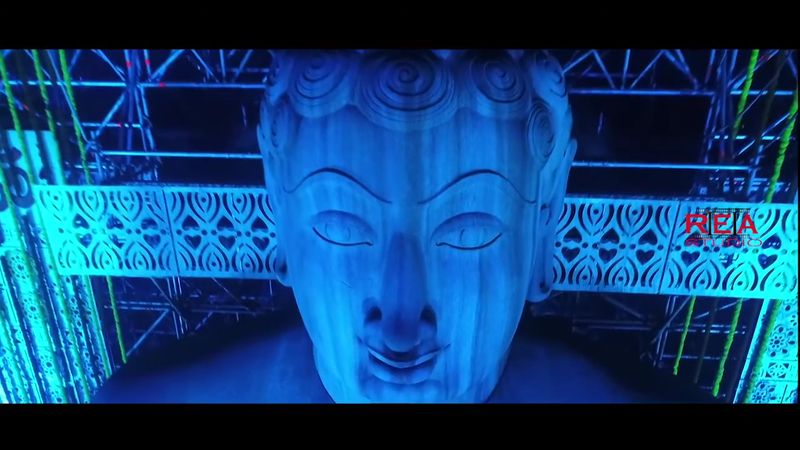
Imagine giving a 57-foot statue a bath. Every 12 years, that is what happens during the Mahamastakabhisheka festival.
Devotees pour milk, saffron, turmeric, and sandalwood paste over the figure.
Platforms are built around the statue so priests can reach the head. The liquids run down the granite in colorful streams, and the scene is unforgettable.
Pilgrims travel from all over the world to take part. The next celebration is expected around 2028 or 2030, according to one visitor.
If you plan to attend, book your stay early. The small town fills up fast, and crowds can be huge.
Even outside festival years, the site stays peaceful. But knowing that this ritual has been repeated for centuries gives the statue a lively, living quality that goes beyond a simple monument.
Views That Reward Every Step
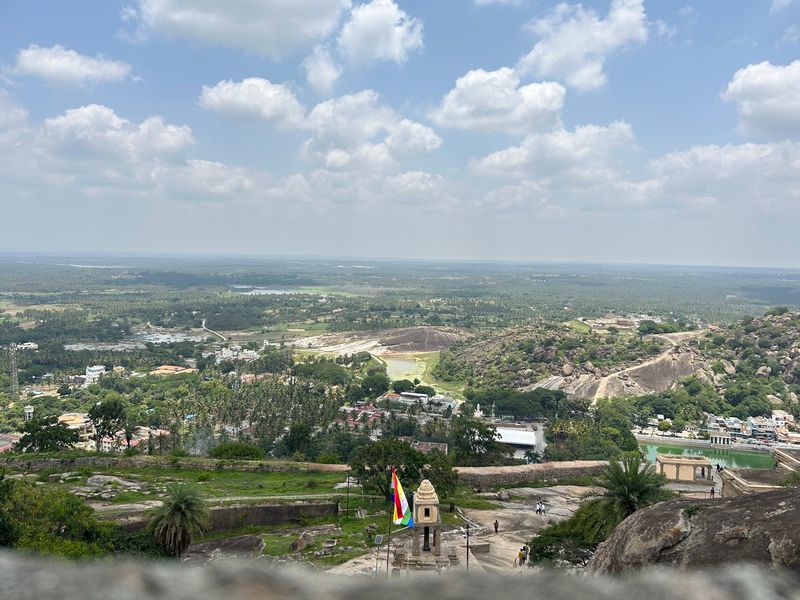
Turn around at the top and the whole countryside opens up. You can see the town of Shravanabelagola, nearby lakes, and green fields stretching out in every direction.
Reviewers mention a nearly 360-degree view.
The hilltop sits at about 3,347 feet. That height gives you wide skies and a cool breeze, especially in the early morning.
Across the valley stands Chandragiri Hill, a quieter hill with old temples and inscriptions. Seeing both hills together shows how much Jain heritage is packed into one small town.
Photography is allowed, which is great news for anyone with a phone. Selfies and drones, however, are reportedly not permitted, so keep that in mind.
Photographers love the soft light of early morning on the granite. Bring a hat, take your time, and let the scenery do its work.
Help for Tired Legs
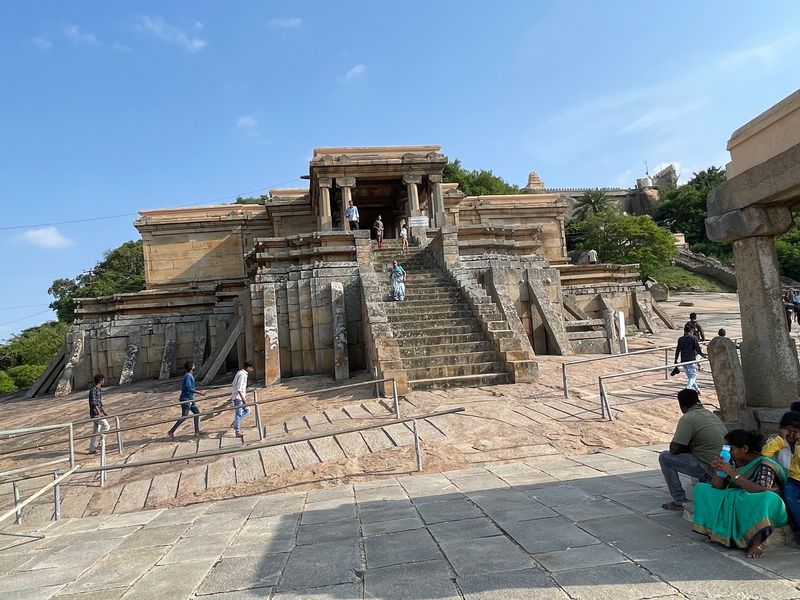
Not everyone can manage 600 steps, and that is perfectly fine. A doli, which is a carried chair or palanquin, is available for elderly visitors or anyone with mobility concerns.
You can ask for it at the main office or near the base.
The service is chargeable, and the fee depends on the weight of the person. Entry to the site itself is reported to be free.
Railings and well-kept steps make the climb easier for those who want to try on their own. Rest areas along the way let you catch your breath.
Basic facilities are close to the entrance. These include toilets, drinking water, a footwear stand, and small refreshment stalls.
Planning ahead takes the stress out of the day. With the right support, grandparents and young kids can enjoy the same view as everyone else.
Dress Code and Etiquette
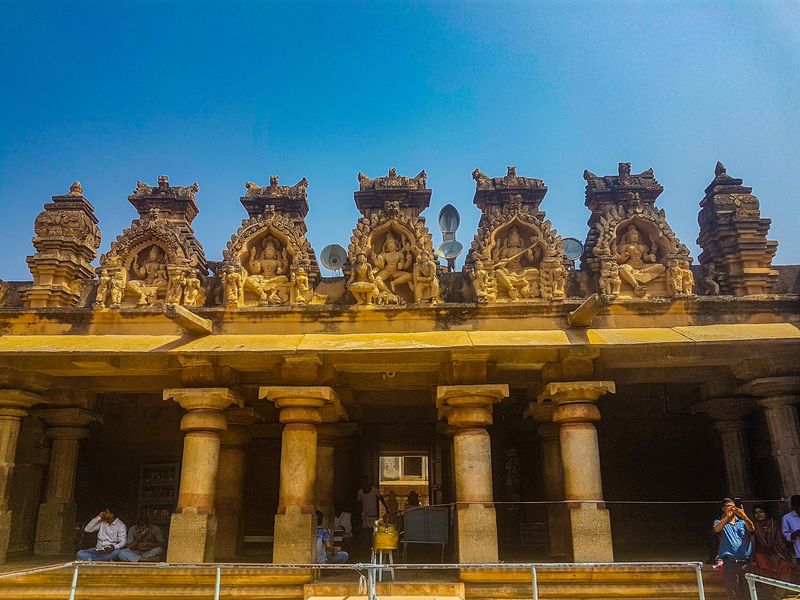
Shorts and sleeveless tops will not get you far here. The site is sacred, so modest clothing is expected.
One visitor said the staff handed out a shawl that was returned after the visit, but it is smarter to carry a light jacket or scarf.
Quiet behavior matters too. Many reviewers praise the calm mood, which feels very different from busy tourist spots.
Speak softly, move slowly, and give pilgrims space to pray. Drones and selfies are reportedly not allowed, so follow the posted rules.
The area is kept clean, and the staff work hard to protect it. A little respect from every visitor keeps it that way.
Think of the dress code as a small price for entering a place that has stayed peaceful for a thousand years.
Is It Worth the Trip?
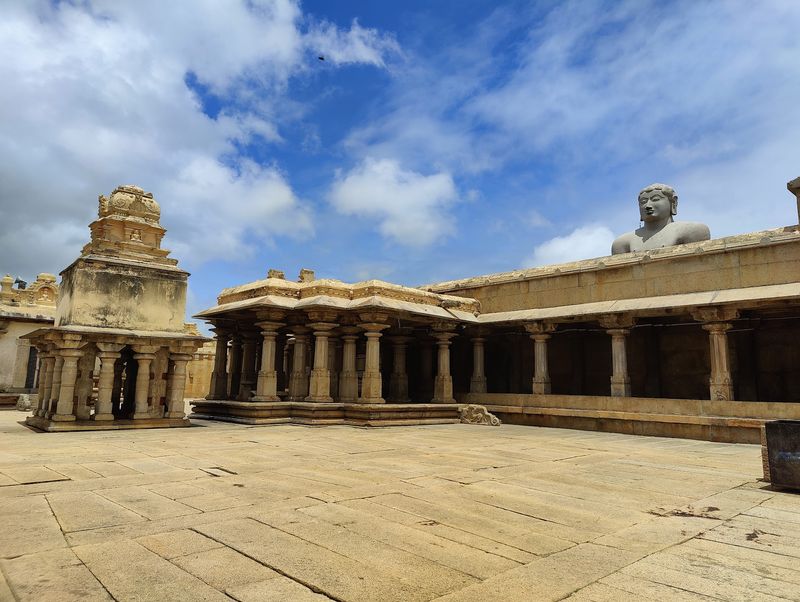
Opinions are mostly glowing, with a rating of 4.7 stars from hundreds of reviews. Many people call it a must-visit for history lovers, architecture fans, and anyone seeking calm.
A few visitors were less impressed. One traveler felt the statue did not seem as tall or as ancient as expected, and said casual tourists might skip it.
That honest view is useful. If you love quiet places, old stories, and a good walk, you will probably adore it.
If you want fast entertainment, you may feel differently.
It also works as a weekend getaway from Bangalore. You can arrive by road or rail, and a local bus from the rural railway station costs very little.
Pack water, socks, and patience, and go early. Most people leave feeling that the climb, the view, and the silence were all worth it.
Share this story