Red foxes, hawks, and owls share the same property as cows, pigs, and newborn lambs. That combo alone made me stop scrolling.
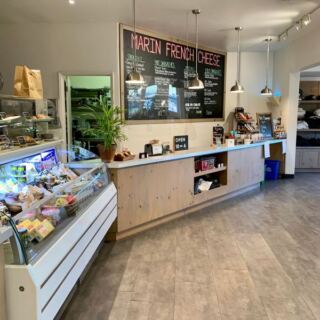
This spot is a real working farm and a wildlife sanctuary at once. Crops grow in the fields, and the farm stand sells honey, fresh eggs, and meat raised right there.
I like how it skips the zoo routine completely. No snack bars, no flashy rides, just barns, trails, and a quiet hill you can walk to the top of.
It sits close enough to Boston that you can arrive by train.
I can’t imagine a better low-effort family outing in Massachusetts. Kids get animals up close, and grown-ups get fields that feel miles from traffic.
So what exactly happens when a farm and a sanctuary decide to share one address?
A Farm and a Sanctuary Sharing One Address
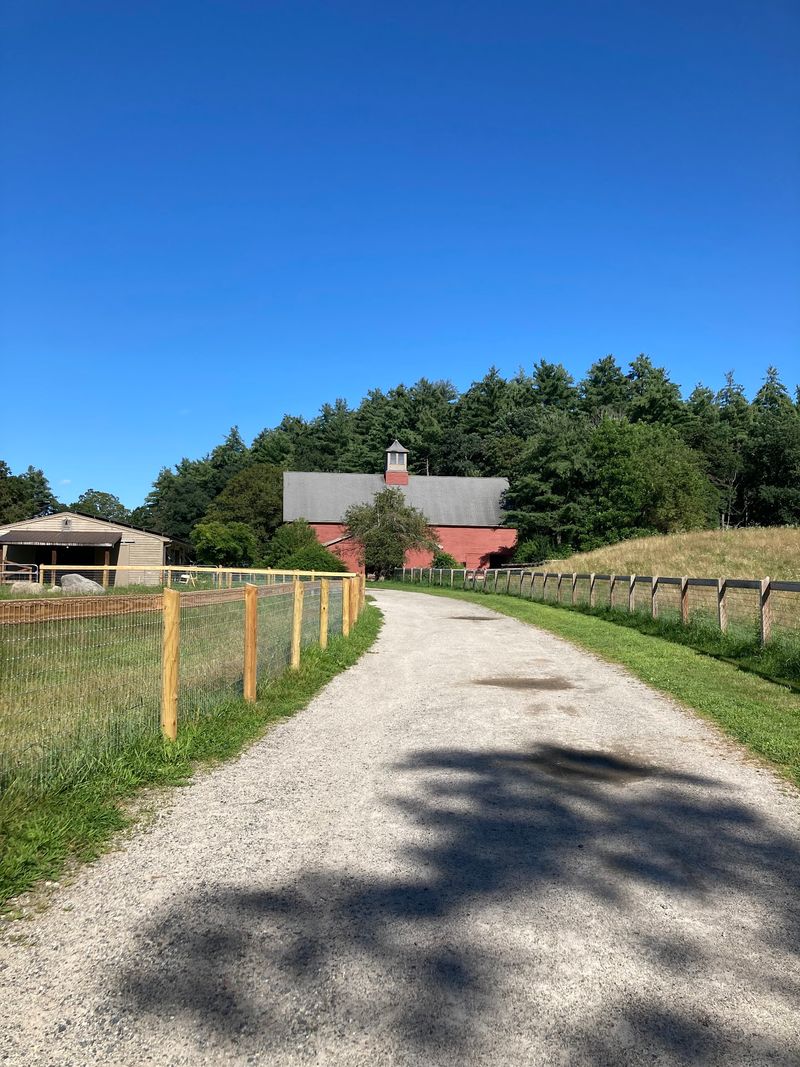
Mass Audubon’s Drumlin Farm wears two hats, and it wears both well. It’s a working farm and a wildlife sanctuary rolled into one sprawling property in Massachusetts.
The setup is simple to grasp. A farmyard with animal barns sits beside native wildlife exhibits, kid-friendly activities, and walking trails.
That mix sets it apart from a typical petting zoo. The animals here are raised and cared for as part of real farm life, not staged for show.
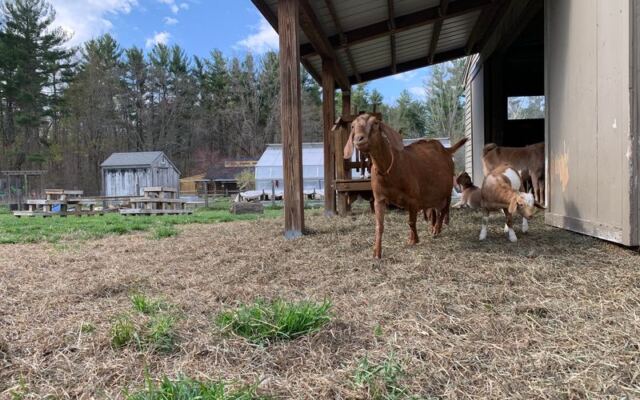
Families get cows, horses, pigs, goats, sheep, chickens, and rabbits in one stretch. Then the native side adds foxes, skunks, hawks, owls, and other birds.
Crops matter too. Kids can learn how vegetables are grown and harvested, then see them sold at the farm stand.
Mass Audubon runs the place as a sanctuary, so learning sits at the center of everything. Daily programs, a preschool, and a summer camp all operate on site.
Think of it as a classroom with hay on the floor. The lessons just happen to involve lambs, owls, and muddy boots.
The Hill That Gave the Farm Its Name
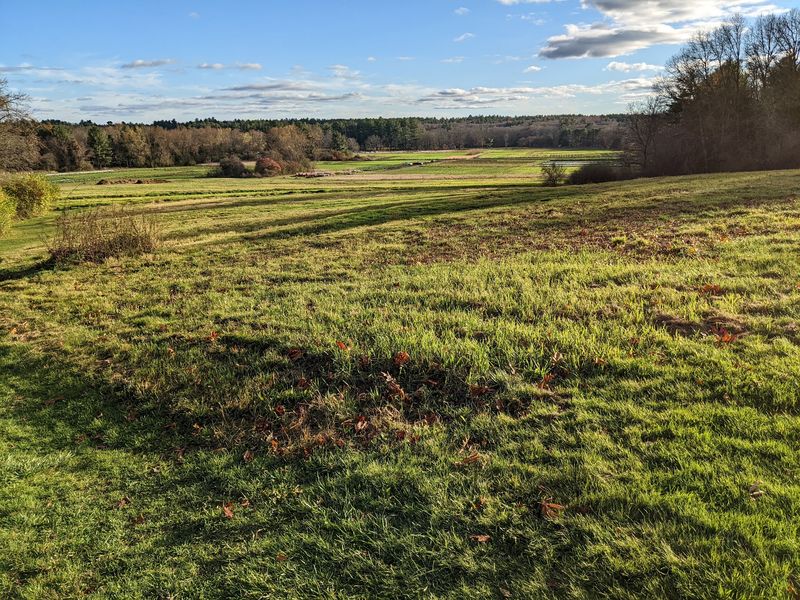
Glaciers did the landscaping here long before any barn went up. A drumlin is a smooth, rounded hill shaped by ice, and the farm is named for one.
You can actually walk to its top. The route is an easy stroll through open fields, so little legs can usually manage it.
Up there, the view opens across farmland and woods. It’s a nice reward for a short climb, and a natural spot to pause.
The trail network extends well beyond the hill. Paths wind through fields and woodland, giving the property a calmer side away from the barns.
Here’s a perk for quiet seekers. Most families crowd around the animals, so the trails often feel spacious with few people along the way.
The scenery also suits photography and simple stress relief. Many folks come just for a peaceful walk and leave feeling lighter.
Boyce Field is another easy-access area worth knowing. Between the fields and the drumlin, you get a real sense of rural Massachusetts without a long drive west.
Barns Full of Familiar Farm Faces
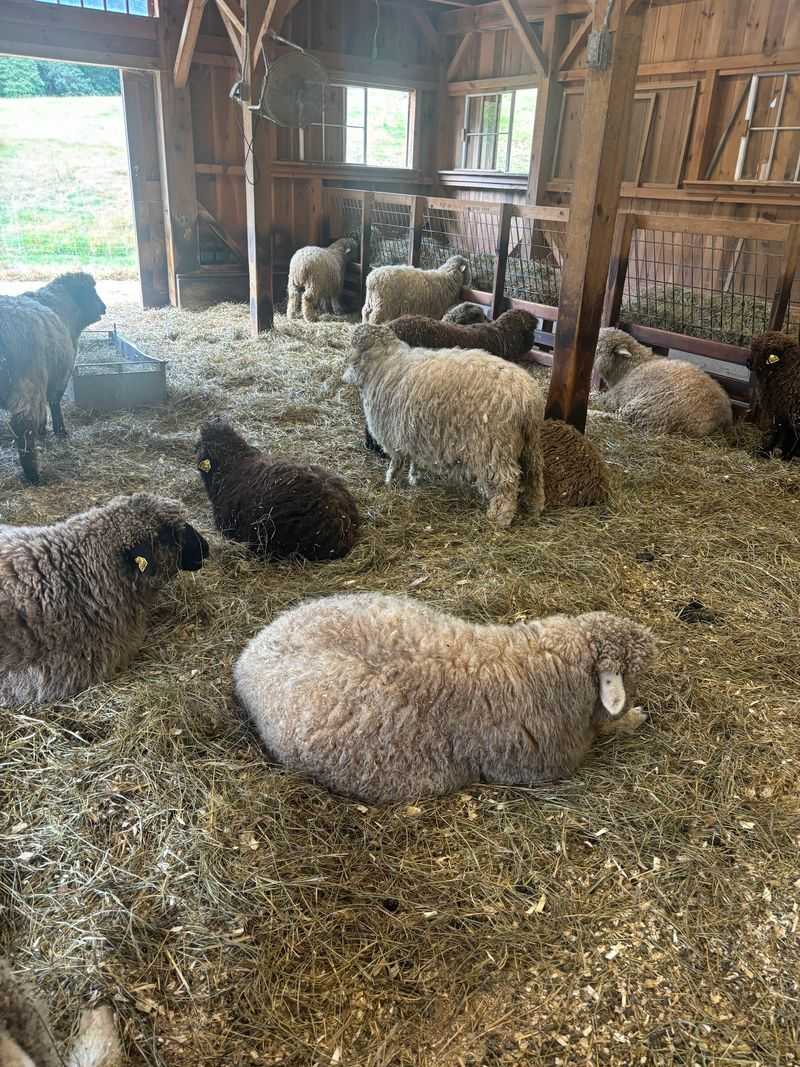
Cows, horses, pigs, goats, sheep, chickens, and rabbits make up the barnyard roster. That’s a lot of personalities under a few roofs.
Each barn gives kids a close look at animals they usually only see in picture books. The animals are well cared for, and staff keep a watchful eye.
Remember, this is a working farm. These animals have jobs, routines, and a real role in how the farm runs.
That changes the vibe a bit. Kids learn where eggs, wool, and meat come from, which sparks plenty of honest questions on the car ride home.
Plenty of handwashing stations and restrooms dot the grounds. Parents with toddlers will appreciate that detail more than they expect.
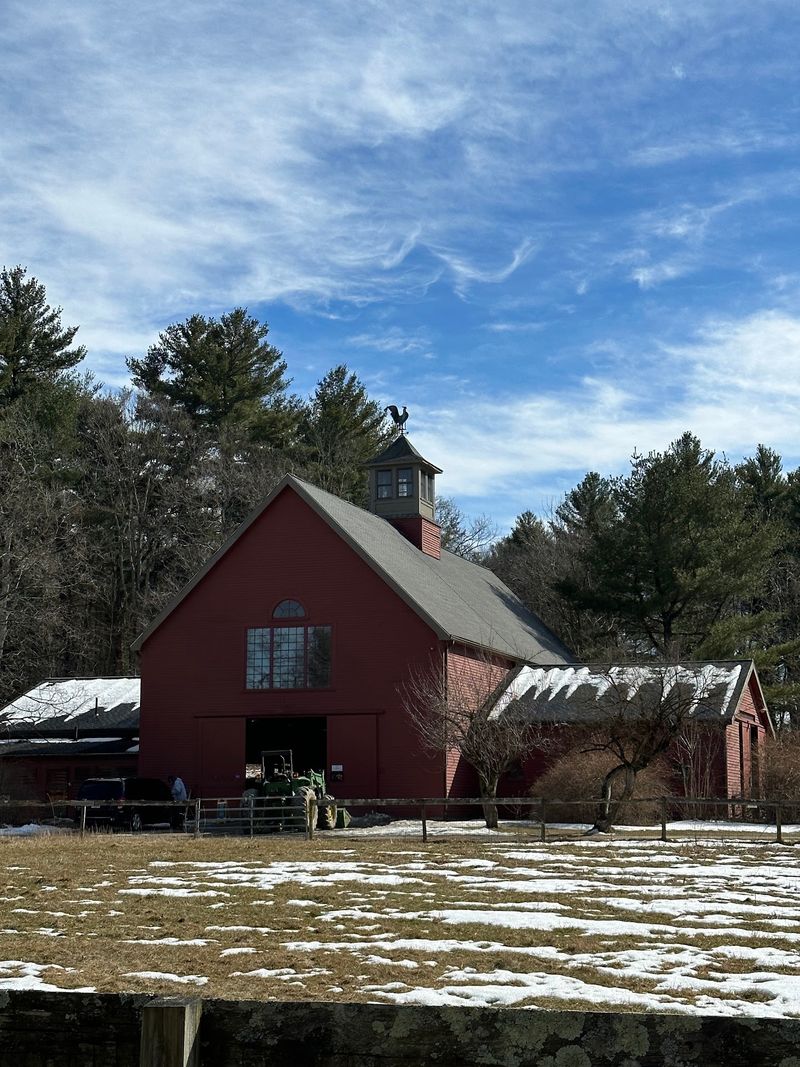
The red barn sits in the middle of the farm and works as a handy landmark. Strollers move easily between buildings, and the layout stays manageable.
Two to three hours is a comfortable window for a family visit. That’s enough time to greet every barn resident without anyone melting down before lunch.
Foxes, Owls, and a Surprising Vulture
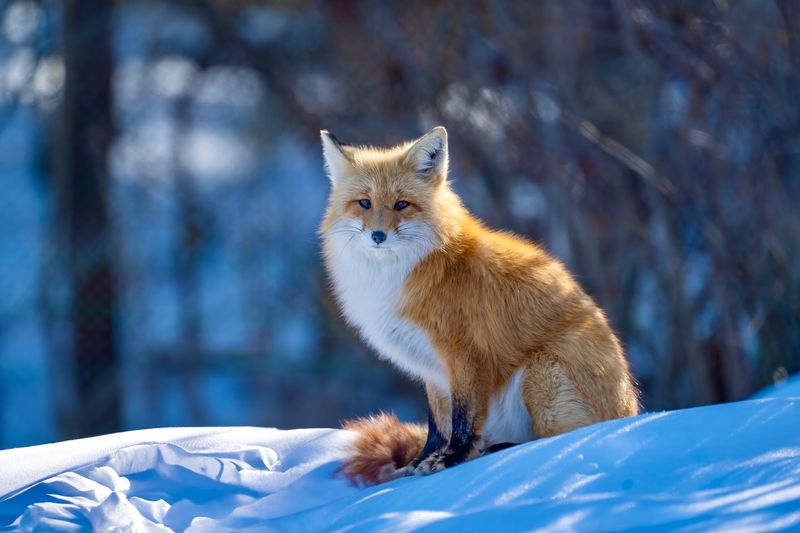
Red foxes tend to win hearts fast. Their exhibit is one of the most talked-about stops on the property.
The native wildlife side shows animals that actually live in Massachusetts. Skunks, wild turkeys, and a range of birds round out the lineup.
Then come the birds of prey. Hawks, owls, and a black vulture are on display, and the red-tailed hawk earns plenty of admiration.
These residents give kids a rare close look at creatures usually seen only in a flash overhead. Spotting an owl’s face up close is a different experience entirely.
The exhibits connect directly to Mass Audubon’s mission. Learning about local wildlife can make a backyard bird feeder feel a lot more exciting afterward.
Pair the farm animals with these wild neighbors, and the lesson clicks. Some animals live alongside people, while others thrive in woods and skies nearby.
Bring patience for this part. Foxes and owls keep their own schedules, and a quiet moment often brings the best view.
Fresh Eggs, Honey, and Produce From Right There
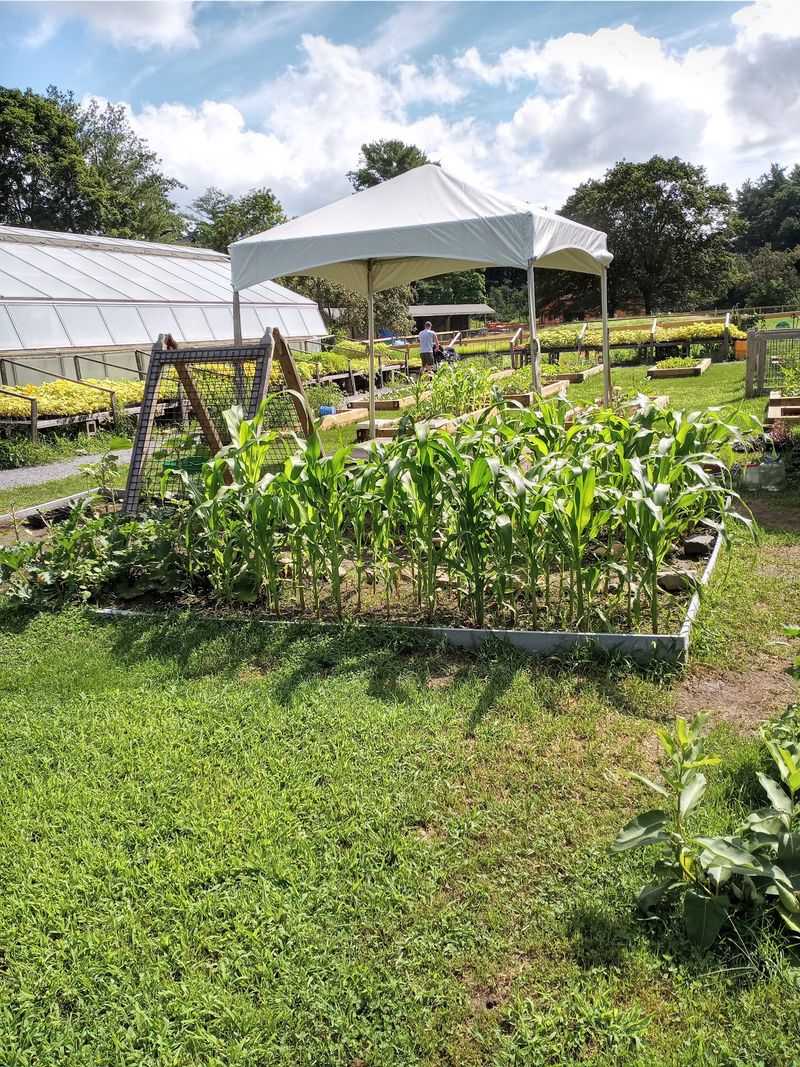
Few souvenirs beat a carton of eggs from the coops you just walked past. The farm stand makes that possible.
Produce grown in the farm’s own fields shows up there in season. Visitors can see the very rows where those vegetables started.
Honey, fresh eggs, and meat raised on the farm are also sold. Availability shifts, so eggs aren’t guaranteed every visit.
Seasonal timing matters most. The farm stand closes in colder months, so plan a summer or fall trip if fresh produce is the goal.
Autumn brings its own charm. Pumpkins have been a fall highlight here, along with hayrides that suit cool, crisp afternoons.
There’s something satisfying about cooking dinner with food from a place your kids just explored. It turns a day trip into a full farm-to-table lesson.
Bring a cooler bag if you plan to buy meat or eggs. Your drive home through Massachusetts will feel a bit more wholesome with groceries riding shotgun.
Tractor Rides and a Gift Shop Worth Browsing
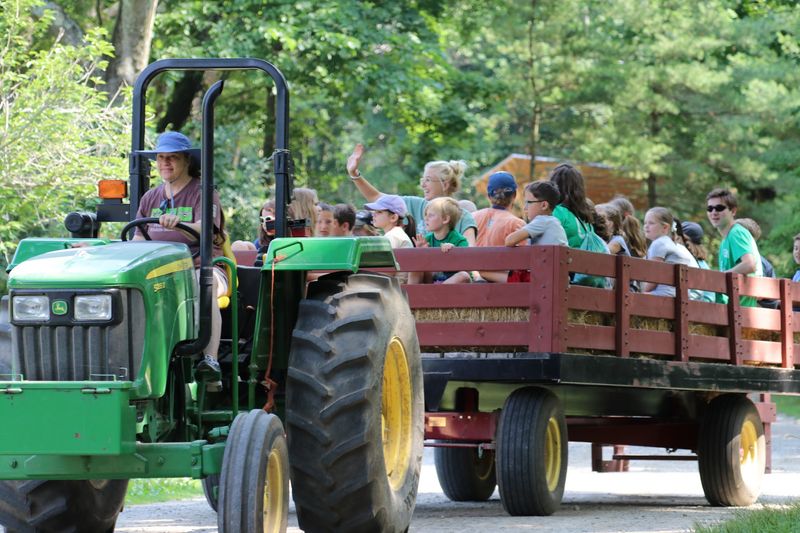
Here’s a tip that saves backtracking. Buy tractor ride tickets at the admission counter before you start exploring.
The ride picks up at the red barn, right in the middle of the farm. Grabbing tickets first keeps you from a long walk back to the entrance.
Hayrides have long been part of the fall fun too. Kids love bouncing through the fields, and adults get a break from walking.
Now, about that gift shop near the entrance. It’s surprisingly large, with nature-themed toys, children’s books, bird-feeding supplies, and gifts.
Prices there lean affordable, which is dangerous for anyone who loves birding gear. Bottled drinks and frozen treats are also available.
Every purchase helps fund the Massachusetts Audubon Society. That makes impulse buys feel a little more justified.
An ice cream stand has appeared in summer as well. Otherwise, there are no snack bars, so pack lunch for a longer day.
Camps and Classes for Curious Kids
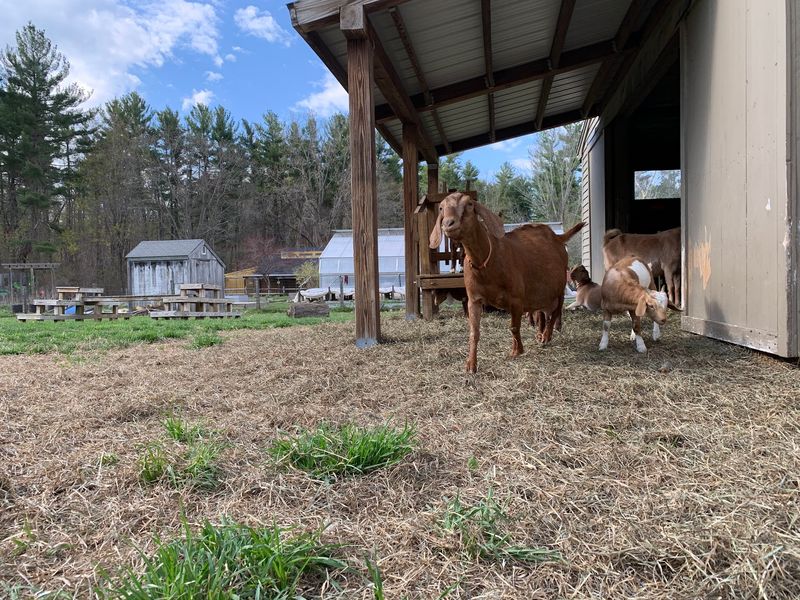
Summer camp at a working farm sounds like a kid’s dream job. Campers here play with animals and help with real farm chores.
Parents often praise the programs as wonderful. Children enjoy both family visits and their time as campers.
Camp groups are a common sight on summer days. Expect lots of kids moving between barns with counselors leading the way.
A preschool also operates on the property. Few early learners get a backdrop quite like sheep and gardens.
Daily programming runs throughout the week for regular visitors too. These sessions add structure to a visit and explain what kids are seeing.
Education sits at the core of Mass Audubon’s Drumlin Farm. Play spaces and hands-on lessons keep young minds busy without screens.
Staff earn kind words for being friendly and helpful. That warmth makes questions easy, and kids usually have plenty.
Check current program schedules before you go, since offerings change with the seasons.
Hours, Admission, and Getting There by Train
Mondays are the one day to skip. Mass Audubon’s Drumlin Farm opens 9 AM to 5 PM, Tuesday through Sunday.
You’ll find it at 208 S Great Rd, Lincoln, MA 01773. It’s an easy reach from much of eastern Massachusetts.
Admission is considered fair for families. Mass Audubon members get in free, which makes repeat visits very tempting.
Parking is usually simple on quieter days. During busy spring weekends, reserving a spot ahead is a wise idea.
Car-free families have a great option. The farm is less than a 15-minute walk from the train station.
That turns a farm day into a mini adventure. Kids get a train ride and barnyard animals in one outing.
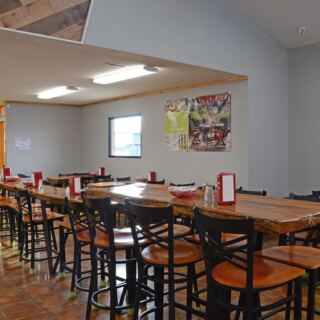
Picnic areas offer a place to eat a packed lunch. Restrooms and handwashing stations are easy to find.
Pets need a heads-up. Call ahead about animal policies, since newborn livestock and barns call for caution.
A Low-Key Day That Leaves a Big Impression
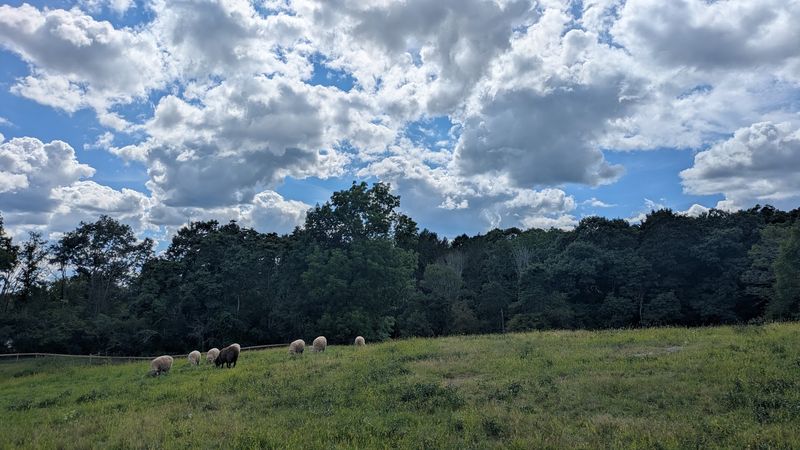
Small can be mighty. Drumlin Farm isn’t huge, but it packs barns, wildlife, trails, and farm food into one easy outing.
Families keep coming back year after year. Kids seem to discover something new each trip, from lambs to a resting owl.
The calm mood is a big part of the draw. Tranquility and quiet stand out, especially once you leave the barns for the fields.
Toddlers, school-age kids, and grandparents can all find their rhythm here. The paths stay accessible, and the pace never feels rushed.
One fair point to keep in mind. Some visitors would like to see more enrichment in a few enclosures, so watch the animals thoughtfully.
Still, the overall experience feels genuine and grounded. You leave knowing a bit more about farming and Massachusetts wildlife.
For a close-to-home outing that won’t drain the wallet, it’s hard to beat. Pack lunch, grab tickets, and say hello to the foxes for me.
Share this story