Europe does Christmas in a big way, but the best spots are not always the ones on every postcard. Some cities have markets that date back centuries, while others turn old squares, harbors, and hillsides into festive gathering places.
This list covers 15 destinations across the continent, from Nordic waterfronts to Alpine valleys and Central European old towns. Each one has its own holiday style, so you can pick based on food, scenery, history, or simply how far you want to travel.
Some are famous, and a few might be new to you. Opening dates and hours change each year, so check local event pages before booking a trip.
Copenhagen, Denmark
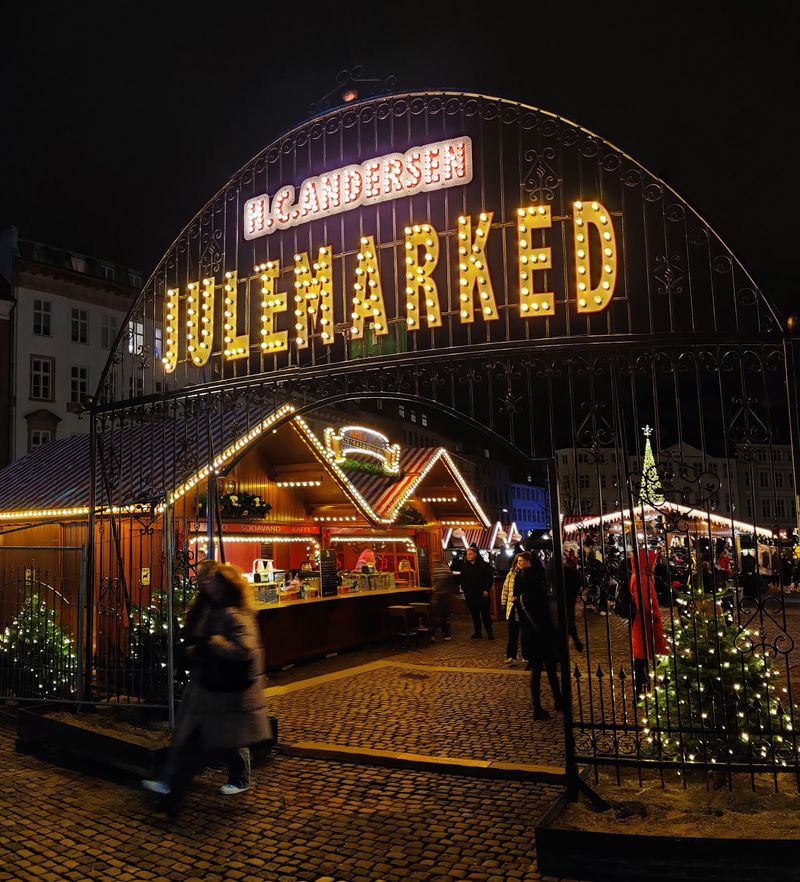
Denmark has a word for cozy, hygge, and Copenhagen puts it to work every December. Tivoli Gardens, the amusement park in the city center, opens a Christmas season with market stalls, decorations, and seasonal treats.
Tivoli is not the only stop. Nyhavn, the colorful harbor lined with old townhouses, usually hosts a Christmas market too, and the walk between the two is easy in the compact city center.
Food gives you plenty to try. Æbleskiver, small round pancakes dusted with sugar and served with jam, are a classic Danish holiday snack, and you can find them at many seasonal stands.
Winter days are short here, so plan outdoor wandering for the early afternoon and save museums for later. Many sights are close together, so comfortable boots matter more than a packed schedule.
Check Tivoli’s season dates and ticket details before you go, since they change from year to year.
Tallinn, Estonia
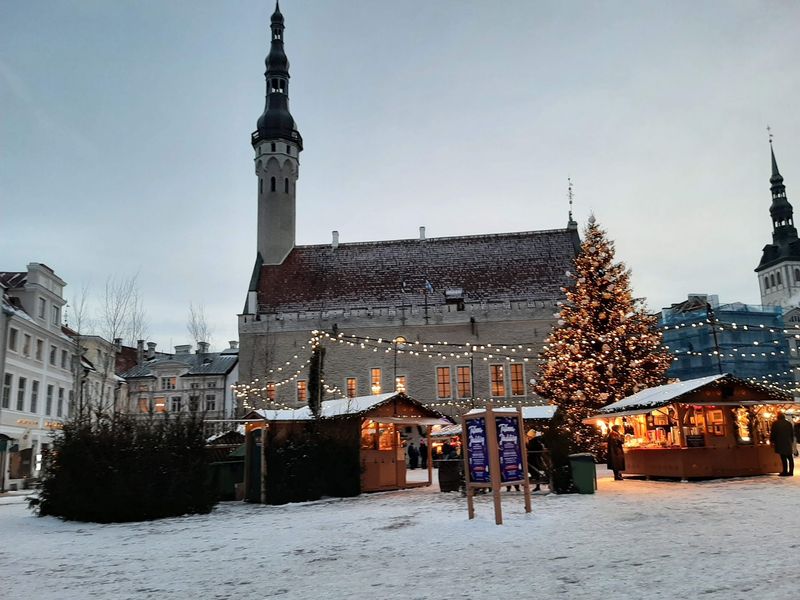
Tallinn claims a famous holiday first: its Town Hall Square tree is often described as the first public Christmas tree in Europe, with a tradition tied to 1441. Whether you care about trivia or not, the setting is hard to beat.
The medieval Old Town is a UNESCO World Heritage site, and the Christmas market sits right in the middle of it. Wooden huts sell handmade crafts, knitted goods, and seasonal snacks.
Warm up with Estonian treats like gingerbread and roasted almonds, which are common at holiday markets across the region. Look for woolen mittens and socks too, since they are practical and very much local.
The Old Town is built from cobblestones and steep lanes, so shoes with grip are a smart choice. The center is small enough to cover on foot in a day.
Visit on a weekday if you prefer thinner crowds around the square.
Gdańsk, Poland
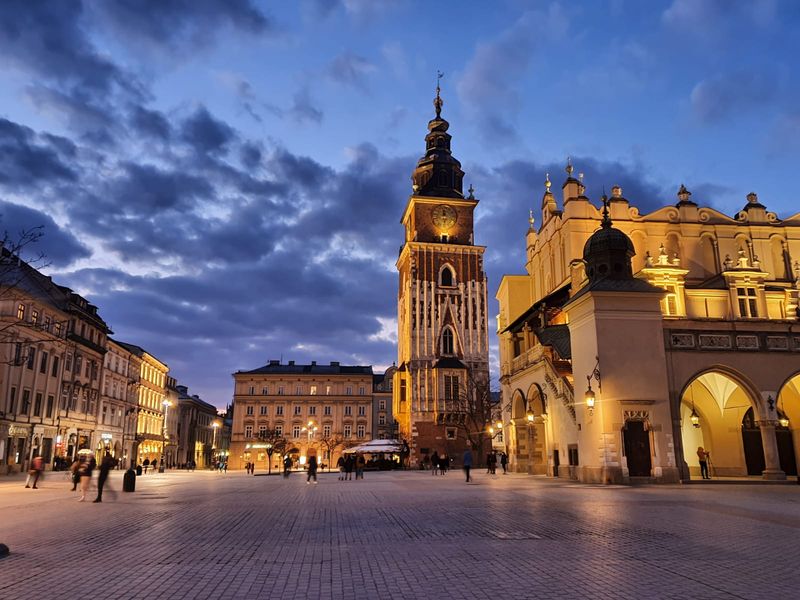
Amber is the star souvenir in Gdańsk, and the city’s Christmas market is a good place to see it. Fossilized tree resin from the Baltic region is turned into jewelry and small gifts, with many stalls selling it.
The market is set in the Main Town, where tall merchant houses line Long Market and Długi Targ. The reconstructed historic center gives the holiday stalls a dramatic backdrop.
Polish seasonal food is easy to sample. Gingerbread, known as piernik, is common in December, and you may spot pierogi, which are filled dumplings served in many forms.
The city is walkable, and the riverfront is only a short stroll from the main square. Museums like the European Solidarity Centre offer indoor options when the weather turns cold.
Check market dates in advance, because schedules shift slightly each season.
Gothenburg, Sweden
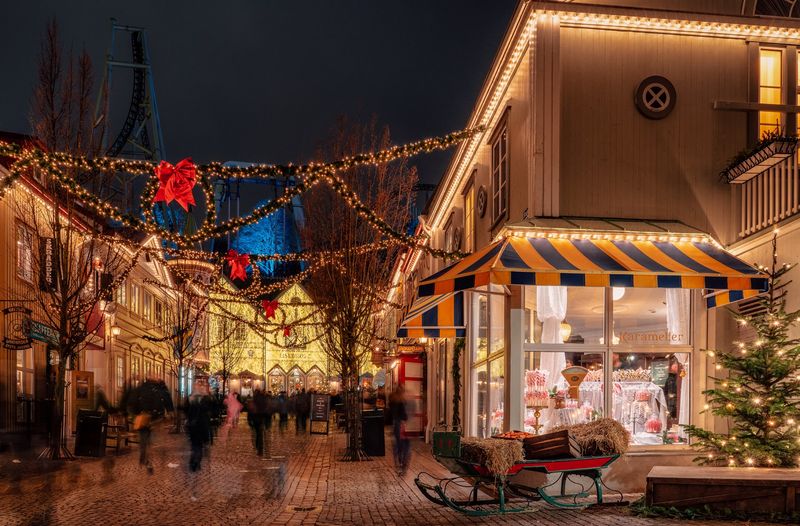
Sweden’s second-largest city has a holiday setup that surprises many first-time visitors: its amusement park, Liseberg, turns into a Christmas destination every winter. The park has long been known for its large seasonal light displays and a market.
Food is a big part of the appeal. Look for Swedish holiday treats such as saffron buns, gingerbread cookies, and glögg-style spiced drinks that come in non-alcoholic versions.
Away from the park, the city has a lively downtown with shopping streets and a Haga district known for cinnamon buns and old wooden houses. Many shops decorate for the season.
Trams make getting around simple. Dress in layers because Gothenburg’s coastal weather can be damp and breezy.
Liseberg operates its Christmas season on selected dates and requires tickets, so look up the schedule before you plan your trip.
Reykjavik, Iceland
Iceland’s Christmas has thirteen Yule Lads, mischievous folklore characters who visit in the days leading up to December 25. Children leave shoes by the window, and the lads leave small gifts, which makes the season playful in a way few places match.
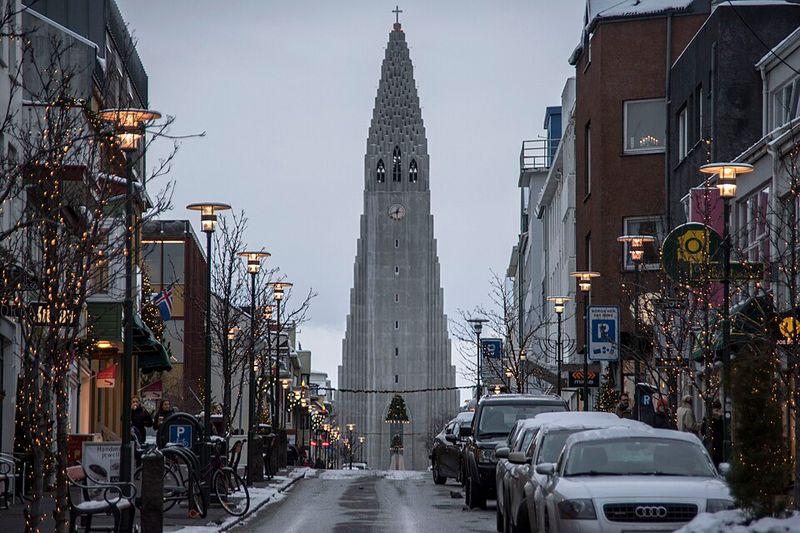
Reykjavik is a good base for the festive mood. The Hallgrímskirkja church towers over downtown, and shops and cafes put up seasonal decorations along the main streets.
Winter also brings a chance of seeing the northern lights, though sightings depend on weather and solar activity. Many tour operators run evening trips, and cancellations happen when the sky is cloudy.
Daylight lasts only a few hours in December, so plan your outdoor time carefully. Book tours ahead, and bring waterproof clothing and warm layers.
Public pools heated by geothermal water are a local favorite on cold days.
Turku, Finland
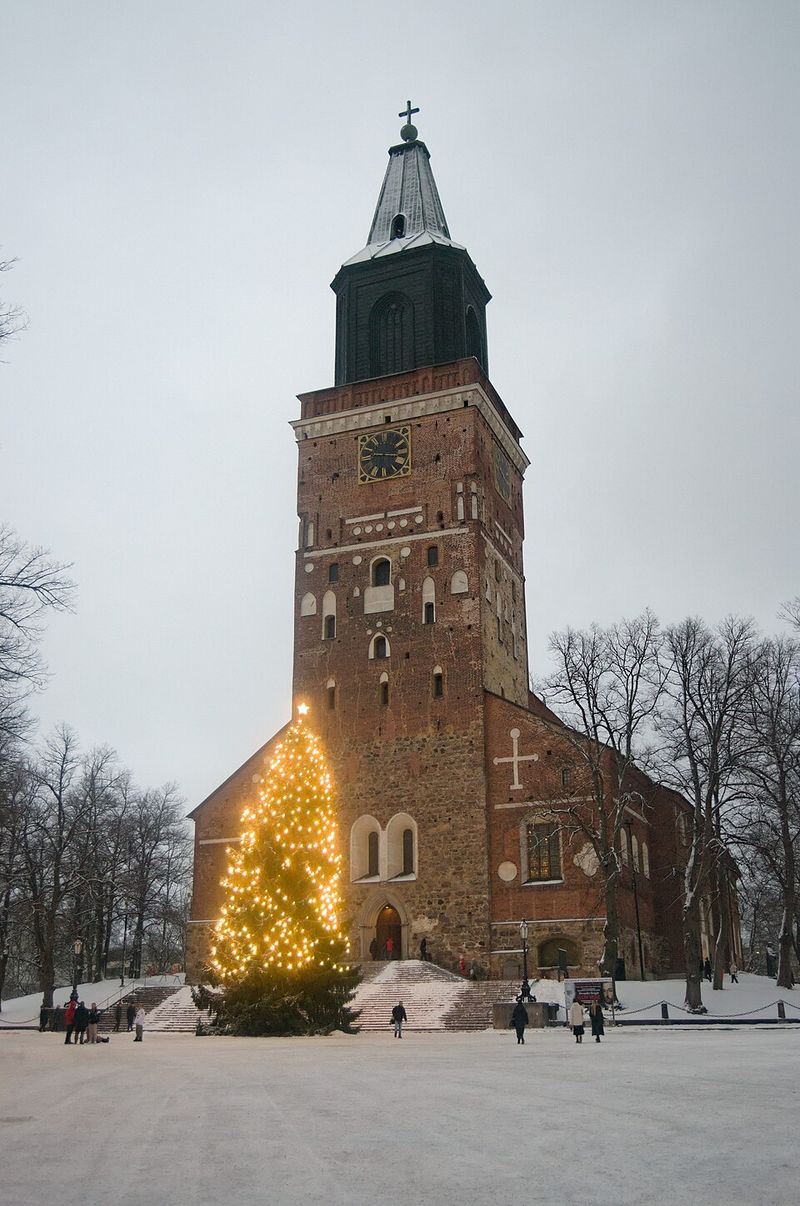
Finland’s official Christmas City is Turku, and the title comes with a very old tradition. The Declaration of Christmas Peace has been read from the Old Great Square each year at noon on Christmas Eve eve for centuries, and the ceremony is broadcast across the country.
The city’s medieval Christmas Market runs in the lead up to the holiday, with stalls, performances, and seasonal food. Turku Cathedral sits nearby, adding a historic setting to a short walk.
Along the Aura River, cafes and restaurants offer a place to warm up between sights. Finnish Christmas food often includes gingerbread, rice porridge, and baked goods flavored with cinnamon and cardamom.
Turku Castle, one of Finland’s oldest buildings, is another option for indoor sightseeing. Check opening hours in winter, since schedules can change around the holidays.
Ghent, Belgium
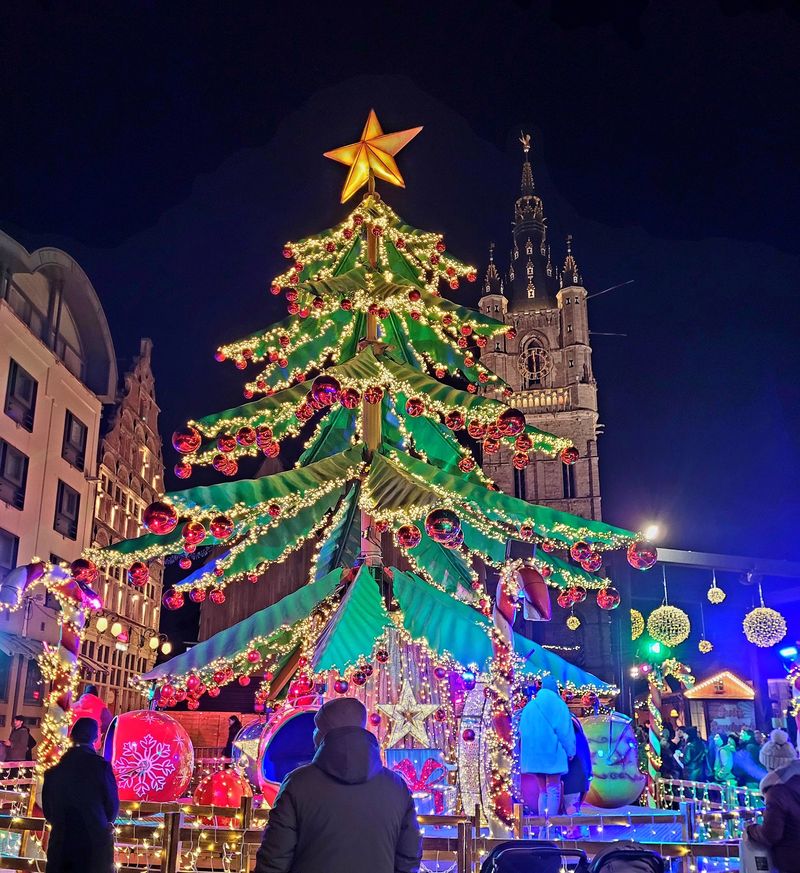
Ghent keeps its December lively with a Christmas market and a seasonal light festival that brings attention to its medieval center. The old port area, with Graslei and Korenlei lined by guild houses, makes a striking route to follow on foot.
Belgian food is part of the draw. Waffles, chocolate, and frites are common stops, and Ghent has its own sweet, cuberdons, a cone-shaped candy sold in local shops.
The city has strong sights to pair with the market. St Bavo’s Cathedral houses the Ghent Altarpiece, and Gravensteen castle sits in the middle of town and is open to visitors.
Winter evenings are a good time to walk by the canals when lights are on. Wear shoes with good grip, since cobblestones can be slick.
Check ticket requirements for the cathedral and castle before you arrive.
Aachen, Germany
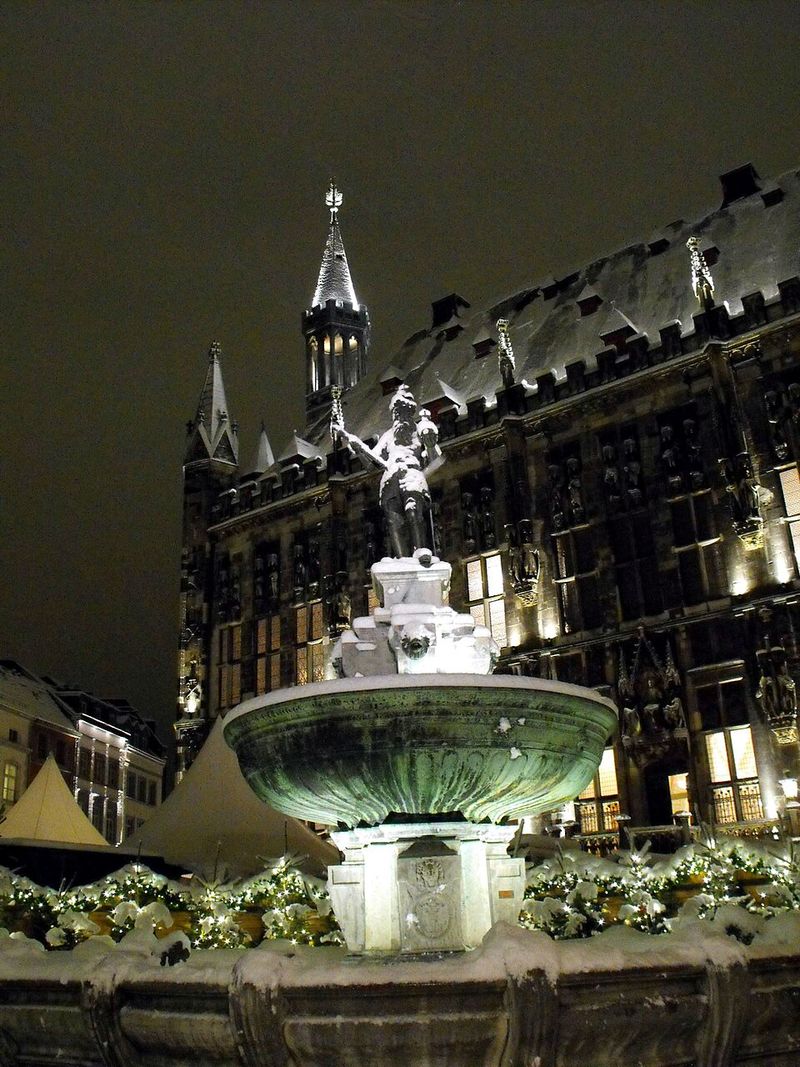
Printen, a spiced gingerbread-style cookie, is the local treat that defines Aachen’s holiday season. Bakeries across the city sell it in several forms, and it makes an easy edible souvenir.
The Christmas market sits between the cathedral and the town hall, so the setting is historic in every direction. Aachen Cathedral was the first German site listed as a UNESCO World Heritage site.
Charlemagne, the early medieval ruler, chose Aachen as a favored home, and the city’s history is tied to him. The cathedral treasury holds important religious artifacts, and it is open to visitors during regular hours.
Aachen is close to the borders of Belgium and the Netherlands, which makes it handy for a trip that crosses countries. Trains from nearby cities are frequent.
Check market dates and cathedral visiting hours before you go, as they can differ around the holidays.
The Hague, Netherlands
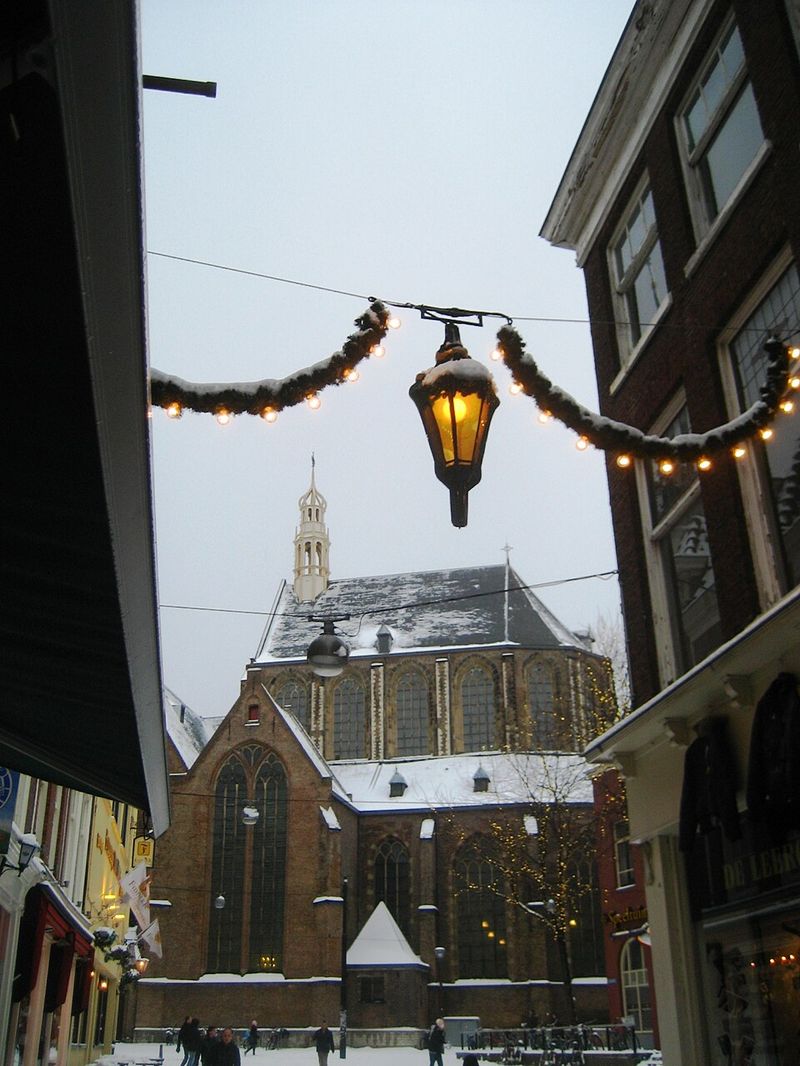
Most travelers pick Amsterdam for Dutch holidays, but The Hague has a calmer rhythm and plenty to see. The city is the seat of the Dutch government and home to the Binnenhof, a historic complex beside the Hofvijver pond.
Museums give you indoor choices when the weather is cold. The Mauritshuis holds Vermeer’s Girl with a Pearl Earring, and it is a short walk from the Binnenhof.
Dutch holiday treats include oliebollen, deep-fried dough balls dusted with sugar, which appear in stands around the end of the year. Speculaas, a spiced cookie, is also common in shops.
The coast is close, and Scheveningen beach offers a bracing winter walk for those who like fresh air. Trams and trains make moving around easy.
Check museum hours and book tickets ahead during busy holiday weeks.
Zagreb, Croatia
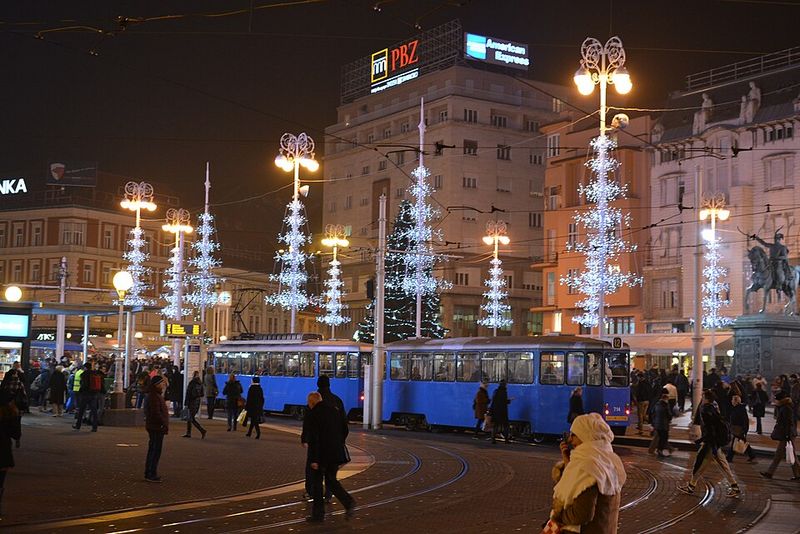
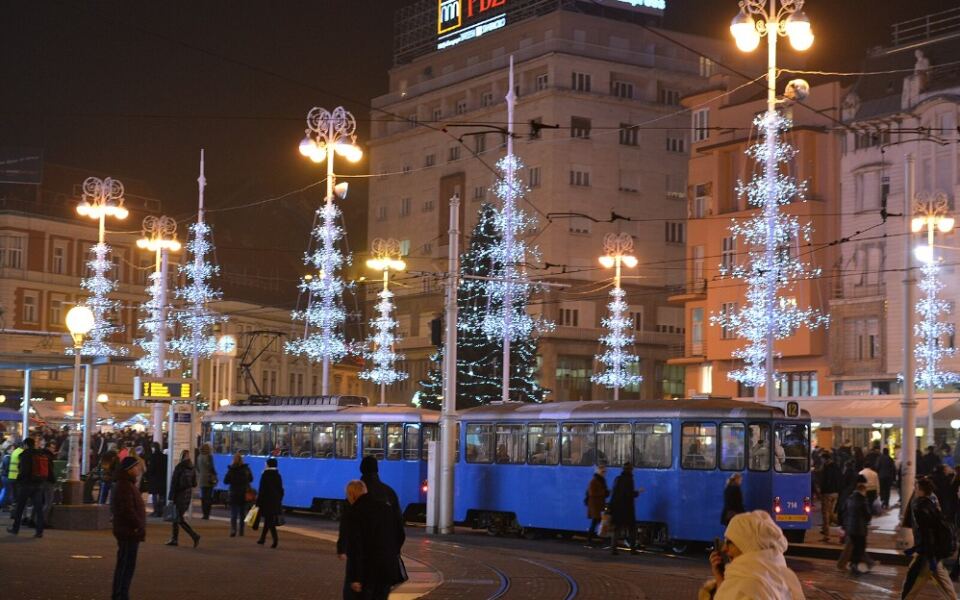
Zagreb’s Advent has earned repeated recognition in European best Christmas market contests, and the reputation is built on a city-wide setup. Stalls and events are spread across squares, parks, and streets rather than limited to one spot.
Ban Jelačić Square and the Upper Town are key areas, and the Zrinjevac park hosts a lively section. The mix of historic buildings and open spaces makes it easy to wander without a fixed plan.
Local food is a highlight. Look for štrukli, a baked pastry filled with cheese, and fritule, small fried dough balls often served at holiday time along the Croatian coast and inland.
The city has an ice rink in King Tomislav Square in winter, which draws skaters of all ages. Trams cover most areas.
Check Advent dates each year, as the schedule usually runs from late November to early January.
Innsbruck, Austria
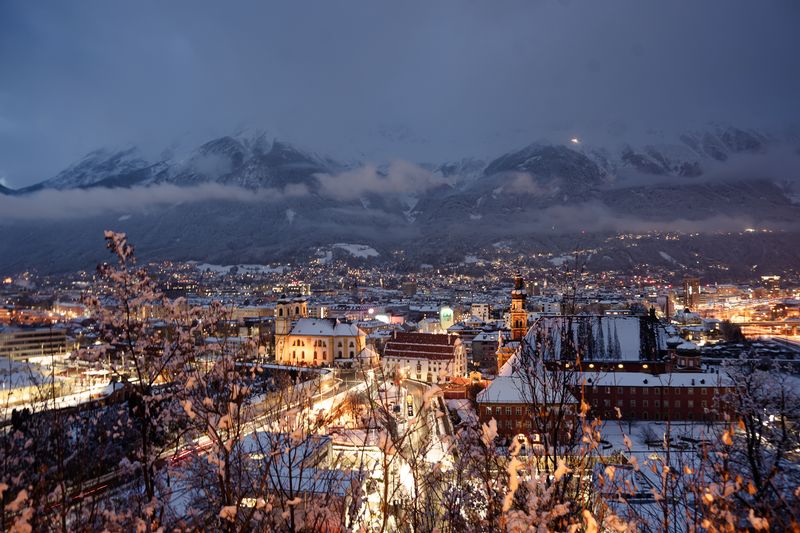
Snowy peaks rise right behind Innsbruck’s old town, and that backdrop sets it apart from most Christmas market cities. The Golden Roof, a landmark building with a gilded balcony, sits in the center and is a short walk from the main market.
The city hosts several markets, each with its own character. The one in the old town is the best known, and others are placed around the city for a wider choice.
Austrian holiday food includes Kiachl, a fried dough pastry, and roasted chestnuts. Markets also sell wooden ornaments, candles, and Tyrolean crafts.
Cable cars from the city reach the Nordkette mountains, so you can pair a market stroll with alpine views in the same day. Check lift schedules and weather before heading up.
Winter clothing with good traction on shoes is worthwhile.
Montreux, Switzerland
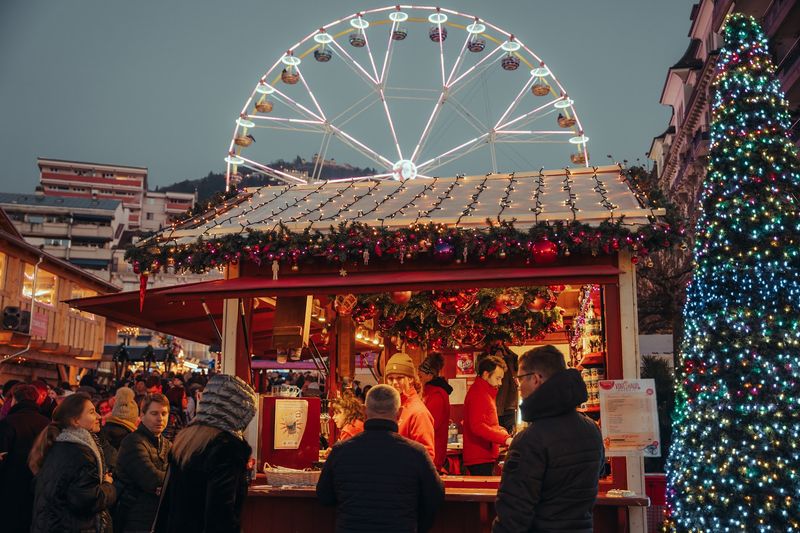
Montreux puts its Christmas market on the shore of Lake Geneva, with wooden chalets running along the promenade. The Alps stand across the water, and the setting is one of the more scenic in Switzerland.
The market is known for local crafts, decorations, and food stalls. Swiss favorites like raclette, melted cheese scraped over potatoes, and chocolate are easy to find.
The Christmas market also offers a trip up to Rochers-de-Naye, a mountain reached by a cogwheel train from Montreux. The train ride itself is a draw for visitors who like scenery from a window.
Chillon Castle, on the lakeside just outside town, is open for visits and gives a historic add-on. Swiss prices run high, so look for combined passes or train deals.
Check market dates and train timetables, since winter schedules differ from summer ones.
Bratislava, Slovakia
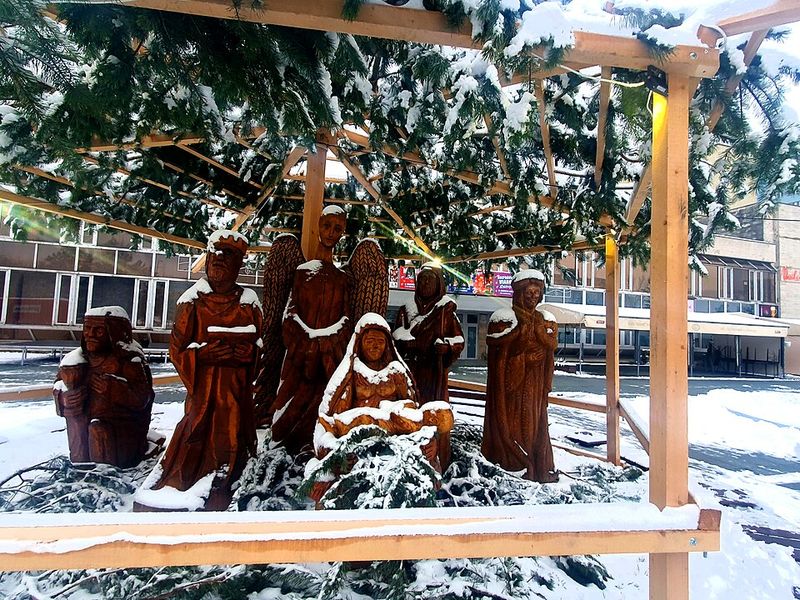
Bratislava sits right on the Danube, close to the borders of Austria and Hungary, and that makes it a handy stop on a multi-country trip. Vienna is only about an hour away by train.
The Christmas market fills the Main Square and Hviezdoslav Square in the old town. Wooden stalls sell crafts and seasonal food, and the area is small enough to see in one evening.
Traditional Slovak treats include lokše, potato pancakes, and bryndzové halušky, small dumplings with sheep cheese that appear on many menus. Stalls also sell honey cakes and gingerbread.
Bratislava Castle overlooks the city and the river, and the walk up gives good views. Old Town is pedestrian-friendly, so no car is needed.
Check market dates before booking, as they run through the Advent period into late December.
Colmar, France
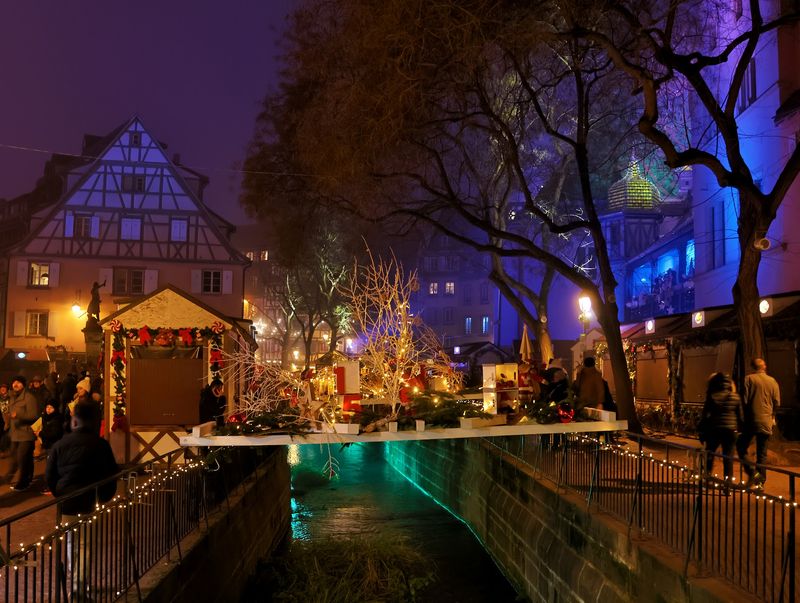
Half-timbered houses in pastel colors line Colmar’s canals, and during Advent many of them are covered in ornaments and lights. The town in Alsace has several small Christmas markets spread around the old center.
The Little Venice district is the best known area, with narrow waterways and flowered balconies. Winter decorations make it a popular photo spot.
Alsatian food gives the trip a tasty side. Bredele, small Christmas cookies, are sold at many stands, and kougelhopf is a ring-shaped cake common in local bakeries.
Colmar is also close to the Alsace wine route villages, though you can skip that and explore small towns like Eguisheim and Kaysersberg for their own holiday markets. A regional train from Strasbourg makes access simple.
Expect crowds on weekends, so weekday visits are calmer.
Ljubljana, Slovenia
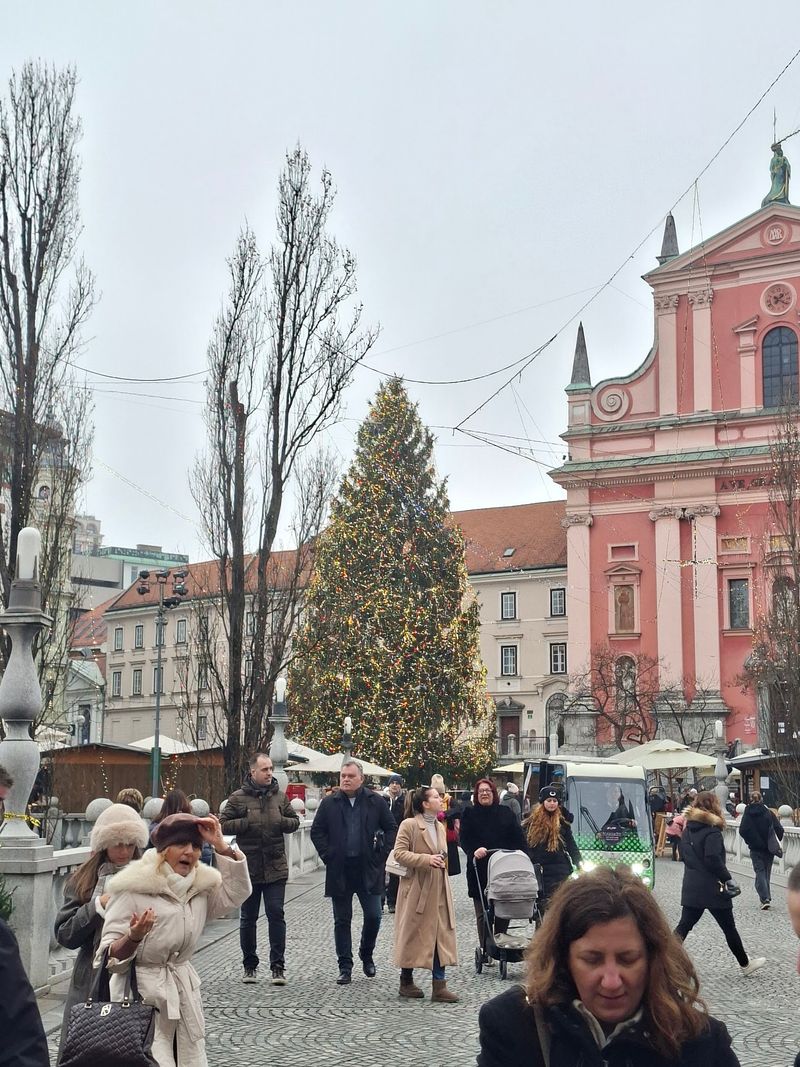
Ljubljana’s Christmas season spreads along the Ljubljanica River, and the lit bridges and cafe-lined banks make for an easy walk. The city is compact, and its center is largely closed to cars.
Festive Ljubljana, as the December program is called, includes market stalls, street food, and live events. Stands sell crafts and local specialties along the river and in nearby squares.
Slovenian food is worth a try. Potica, a rolled nut cake, is a traditional holiday dessert, and many stalls and bakeries offer it in different flavors.
Ljubljana Castle sits on a hill above the old town and can be reached on foot or by funicular. The views over the city are a good reason to make the trip up.
Check market dates and castle hours, since winter schedules differ from summer ones.
Share this story