Fame can open doors, but keeping them open takes real work. The stars on this list did more than sign endorsement deals.
They launched companies, bought stakes in brands, and built media empires that now stand on their own. Some made huge sales to major corporations, while others hit bumps along the way.
Each story shows a different way to turn a famous name into a lasting business. If you have ever wondered how a singer, actor, or athlete ends up running a company, these 18 examples give you plenty of ideas to think about and talk about.
Rihanna: Building a Beauty Empire With Fenty
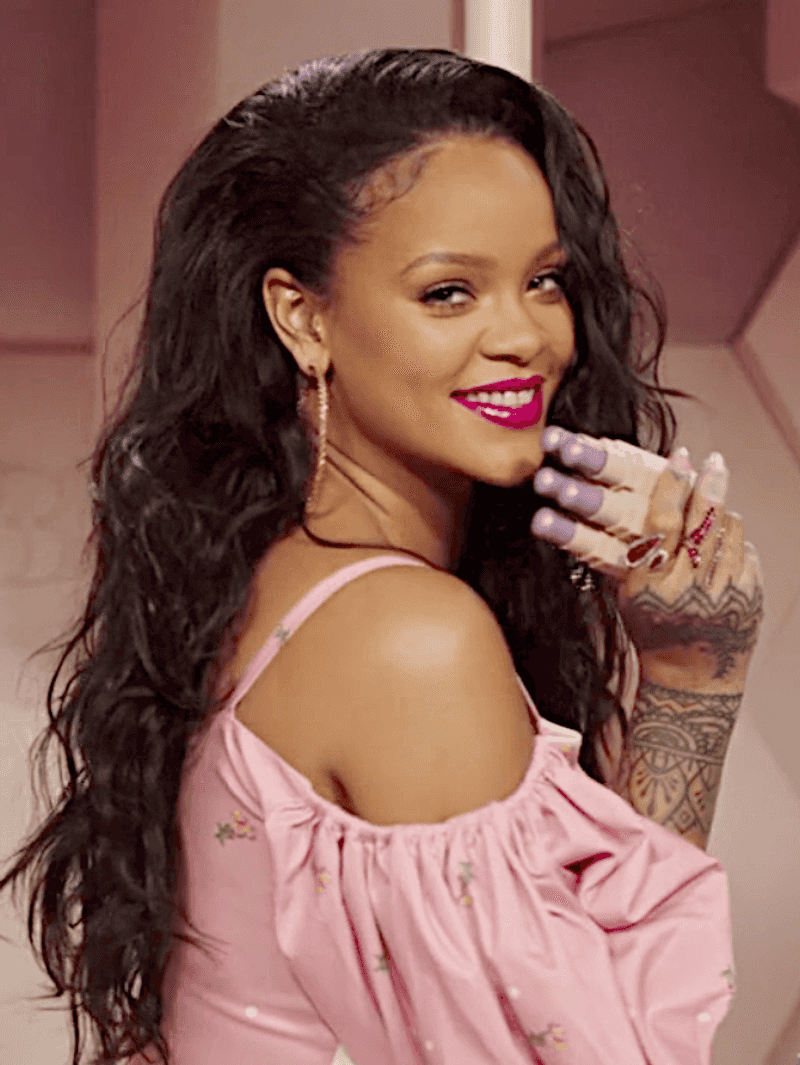
Forty foundation shades on day one was a bold move. When Fenty Beauty debuted in 2017, that range pushed the whole cosmetics industry to rethink who it was serving.
Rihanna had already conquered music, yet she chose a field where many shoppers felt overlooked. That choice gave her brand a clear identity right from the start.
Her business later grew through Fenty Skin and the lingerie company Savage X Fenty. Each line has its own look and message, so the name means more than a celebrity face on a box.
The big lesson is simple. Spotting a group of customers that nobody is serving well can open a path far beyond a first career.
Rihanna did not rely only on her fame. She built products with a distinct voice and wide appeal, and that mix helped the company stand out in a crowded market full of familiar names and loud marketing.
Kim Kardashian: Turning Reality TV Fame Into SKIMS
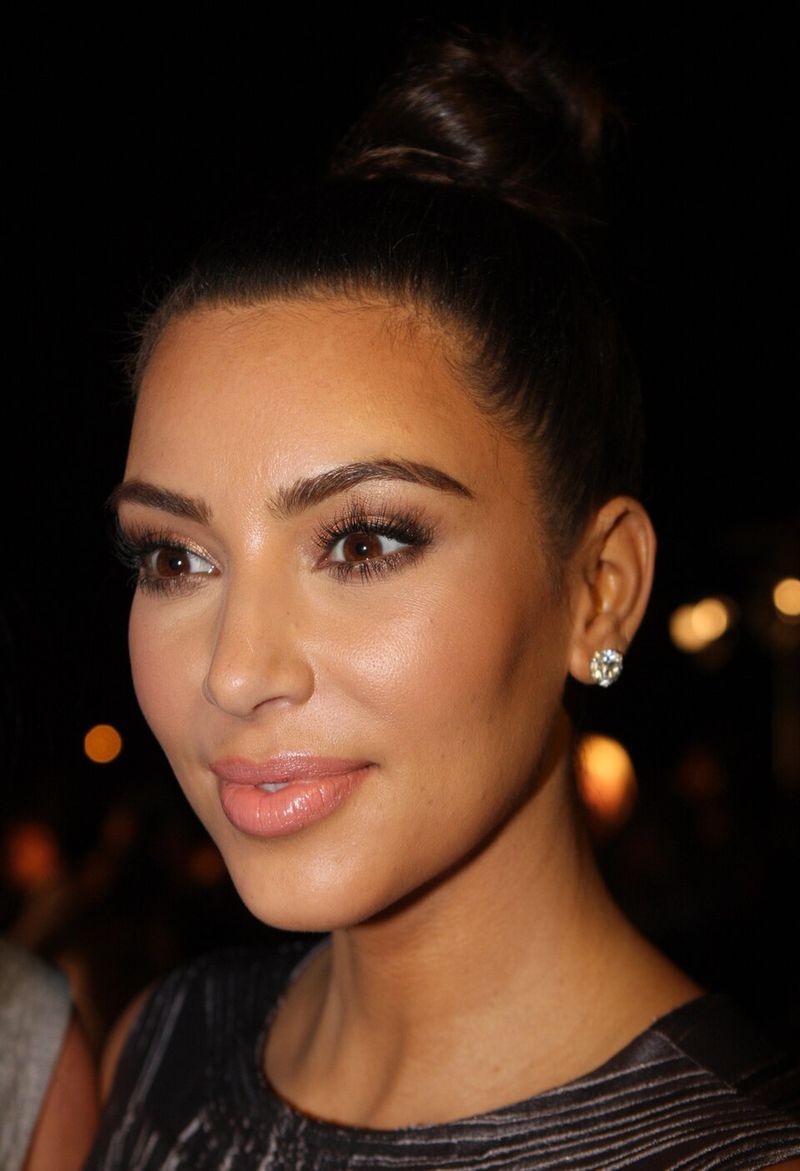
Neutral tones, simple shapes, and a very wide size range. That is the look that made SKIMS easy to spot when it launched in 2019.
Kim Kardashian started with shapewear, then grew the line into underwear, loungewear, and other apparel. Her years on television and social media gave the brand a ready audience, but the product design and marketing kept people coming back.
She also tried cosmetics and skincare, including SKKN by Kim. That standalone brand closed in 2025 after SKIMS acquired the business as part of a broader beauty plan.
Her path shows how fame, product development, and smart digital marketing can work together. A famous name can start the conversation, but a clear brand identity is what keeps shoppers returning.
SKIMS became a recognizable retail name by sticking to a consistent style across many categories of clothing.
Jay-Z: Expanding From Hip-Hop Into Major Investments
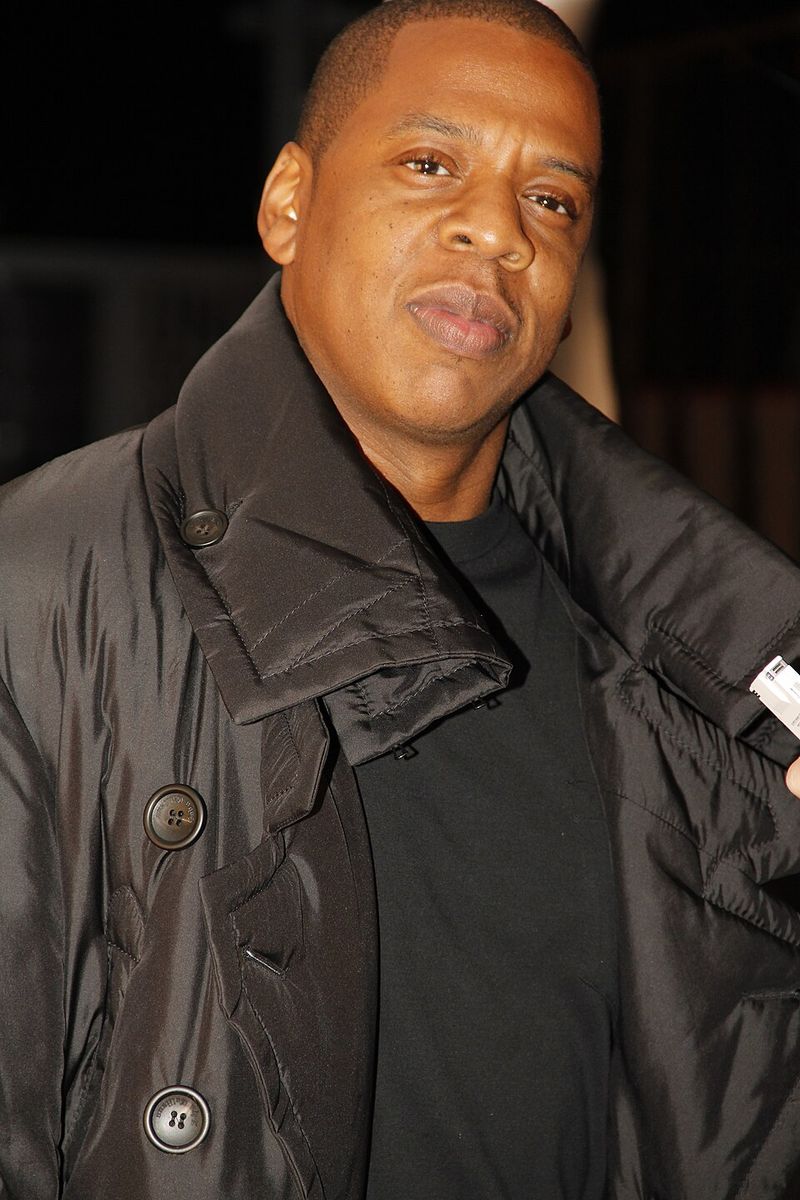
Owning the work instead of just performing it. That idea runs through much of Jay-Z’s career, and it helped turn a rap career into a business portfolio.
He co-founded Roc-A-Fella Records, then later started Roc Nation, which works across music, entertainment, and sports representation. His investments also included the streaming service Tidal and luxury beverage brands.
In 2021, LVMH acquired a 50 percent stake in Armand de Brignac, the brand tied to Jay-Z. That deal showed how a long-term brand can attract major global partners.
His story points to three habits: ownership, variety, and patience. Instead of leaning on one source of income, he spread his efforts across several industries and kept building.
What started as a successful music career grew into a wide collection of ventures that now stretch well past the recording studio.
Ryan Reynolds: Making Marketing Part of the Business
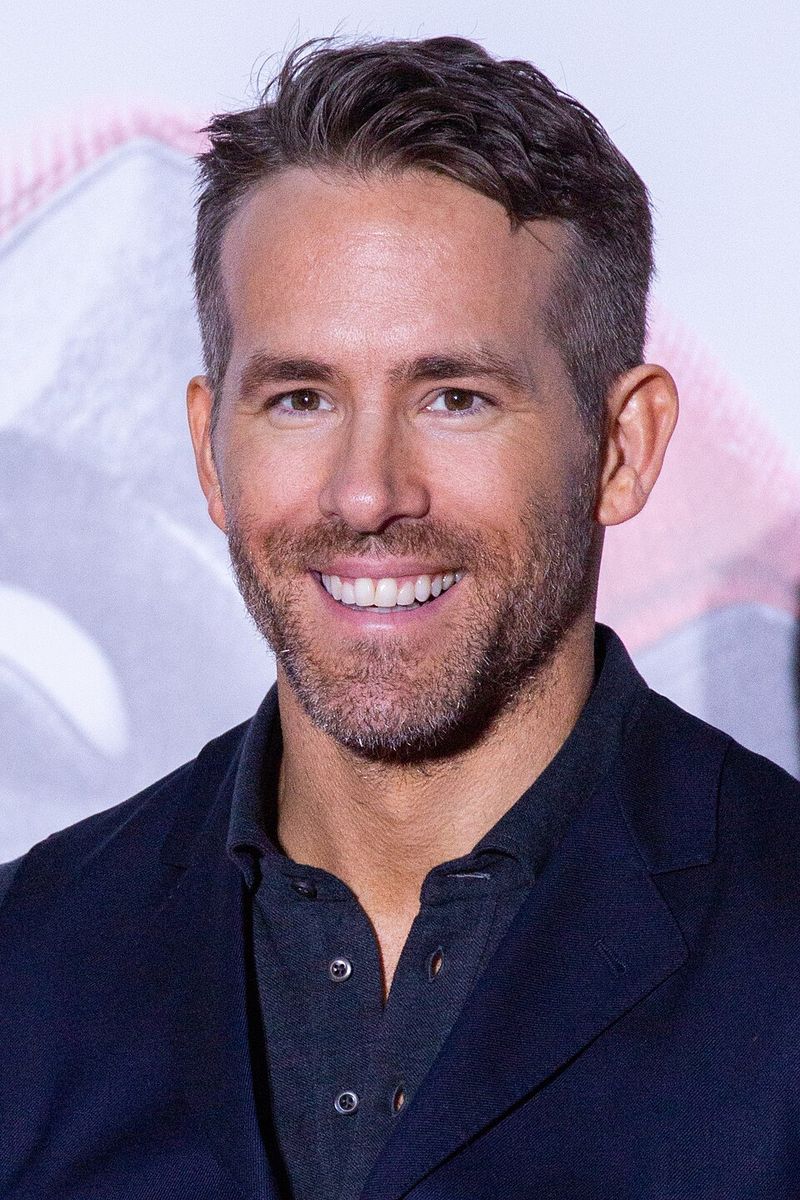
A funny ad can sell a lot of products. Ryan Reynolds figured that out early and made humor a business tool.
He became involved with Aviation American Gin and helped promote it before Diageo acquired its parent company in 2020. He also invested in wireless provider Mint Mobile, which T-Mobile acquired in 2024.
His interests reach into sports too, since he co-owns the Welsh soccer club Wrexham AFC.
What stands out is the style. His campaigns showed that personality-driven advertising can help a product stand apart in a crowded field, even in industries like phone service.
He also proves that celebrity entrepreneurs do not have to found every company themselves. Smart investing and strong promotion can build real value, and Reynolds has used both to create attention that many traditional advertisers would love to match.
LeBron James: Building a Business Career Beyond Basketball
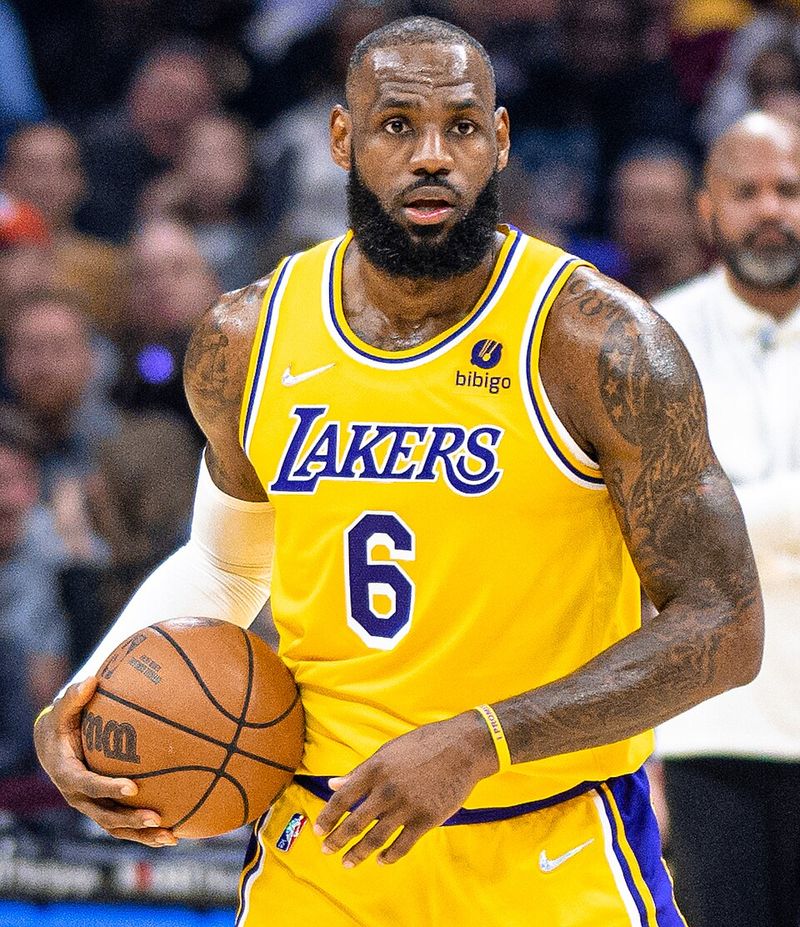
Points on the court are only part of the LeBron James story. Off it, he has gathered a portfolio that spans food, media, and sports.
He invested in Blaze Pizza and works with the entertainment company SpringHill, which produces films, television projects, and digital content. He has also pursued sports-related investments and large endorsement partnerships.
The pattern is ownership. Instead of relying only on athletic earnings, James has favored stakes in businesses that can grow over many years.
That approach gives younger athletes a useful example. A playing career has a limited length, so building other income streams early can create stability later.
By combining media, food, sports, and marketing, James has become an influential business figure. His career shows how an athlete can use professional success as a launch point for substantial interests away from the game.
Oprah Winfrey: Creating a Lasting Media Business
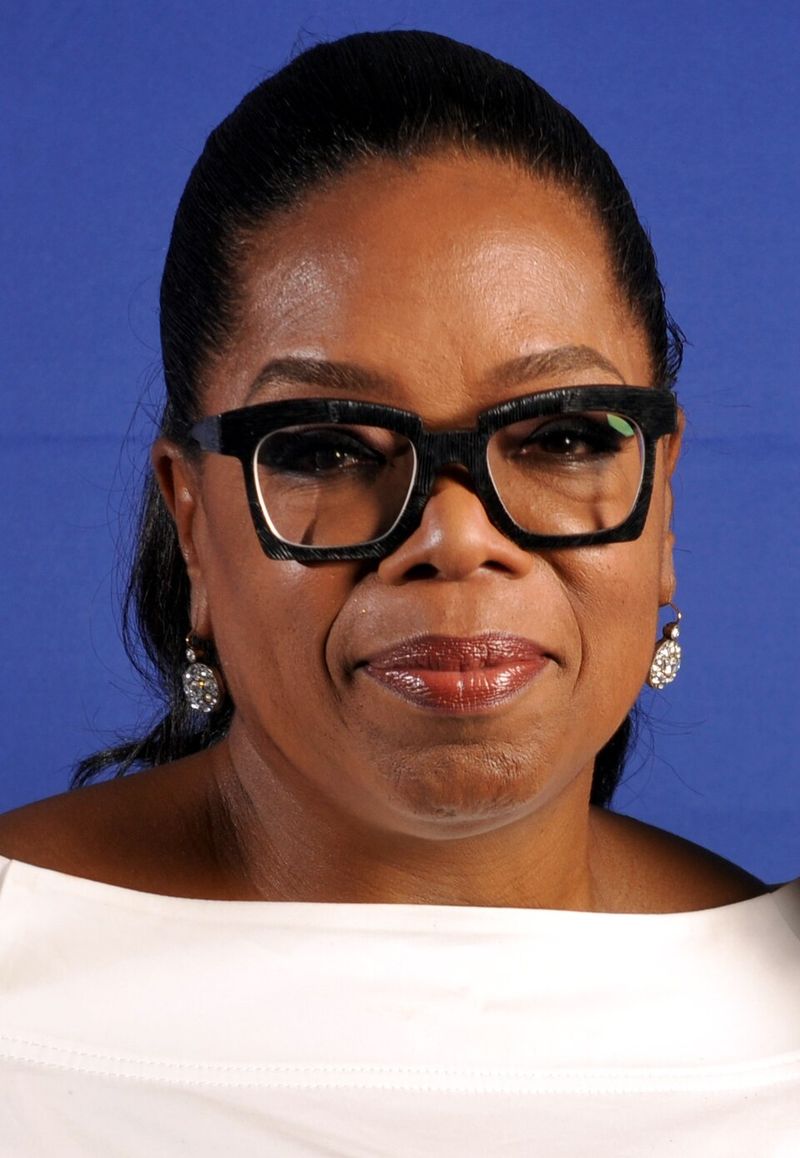
Decades of staying relevant is the real headline here. Oprah Winfrey built her business across years of major change in the media world.
Her company Harpo Productions became a key part of her operations. The Oprah Winfrey Network, known as OWN, then brought her influence to cable television.
She also created a highly influential book club and invested in WeightWatchers, though that investment changed significantly over time.
Her success is notable because it did not depend on a single hit. She adjusted as audiences moved between television, publishing, and digital platforms.
The takeaway is that trust matters. Her ability to connect with viewers helped create a brand that stretched far beyond her original talk show, and it still carries weight across many forms of media today.
Kylie Jenner: Turning Lip Kits Into a Cosmetics Brand
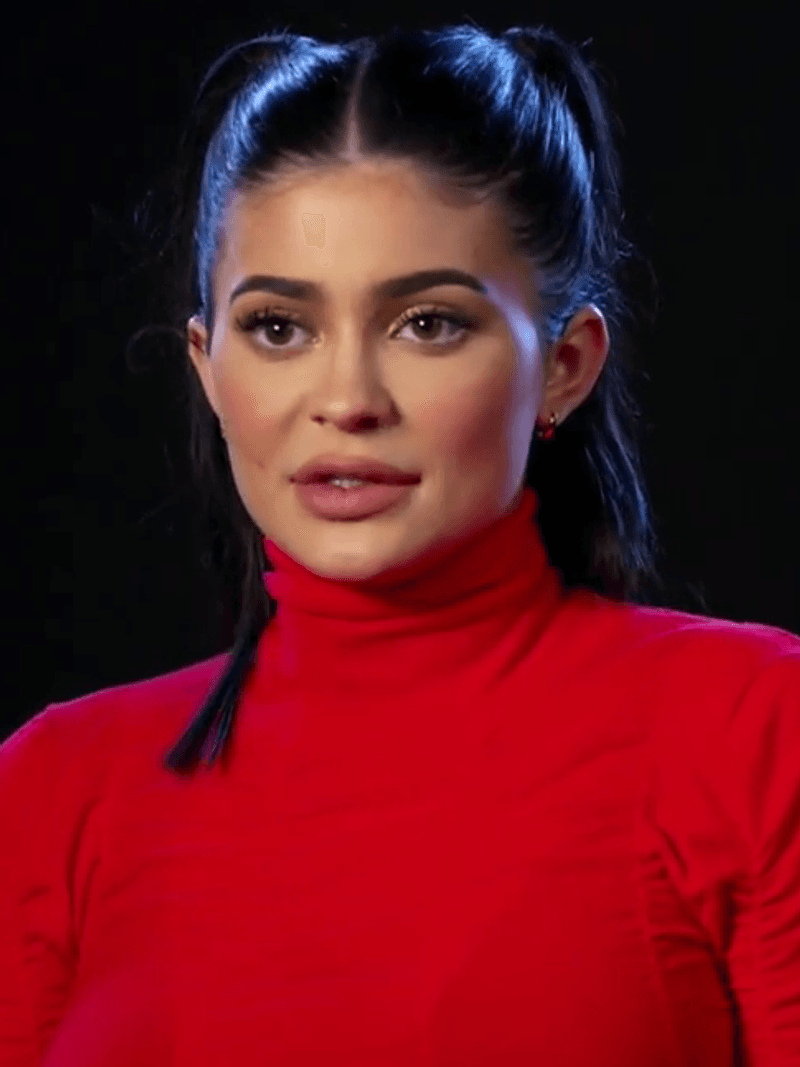
It all began with a lip kit in 2015. That first product became the base of Kylie Cosmetics.
Kylie Jenner already had a large social media following, which helped create strong demand right away. The company then added more makeup categories and skincare.
In 2020, beauty company Coty acquired a majority stake in Kylie Cosmetics. That deal put the brand under a much larger beauty corporation.
Her story highlights the commercial power of social media and direct contact with customers. Instead of waiting for a store to introduce a product, she could speak to buyers herself.
The brand’s valuation and her personal wealth have sparked debate. Even so, Kylie Cosmetics remains an established name in a very competitive industry.
Jessica Alba: Creating The Honest Company
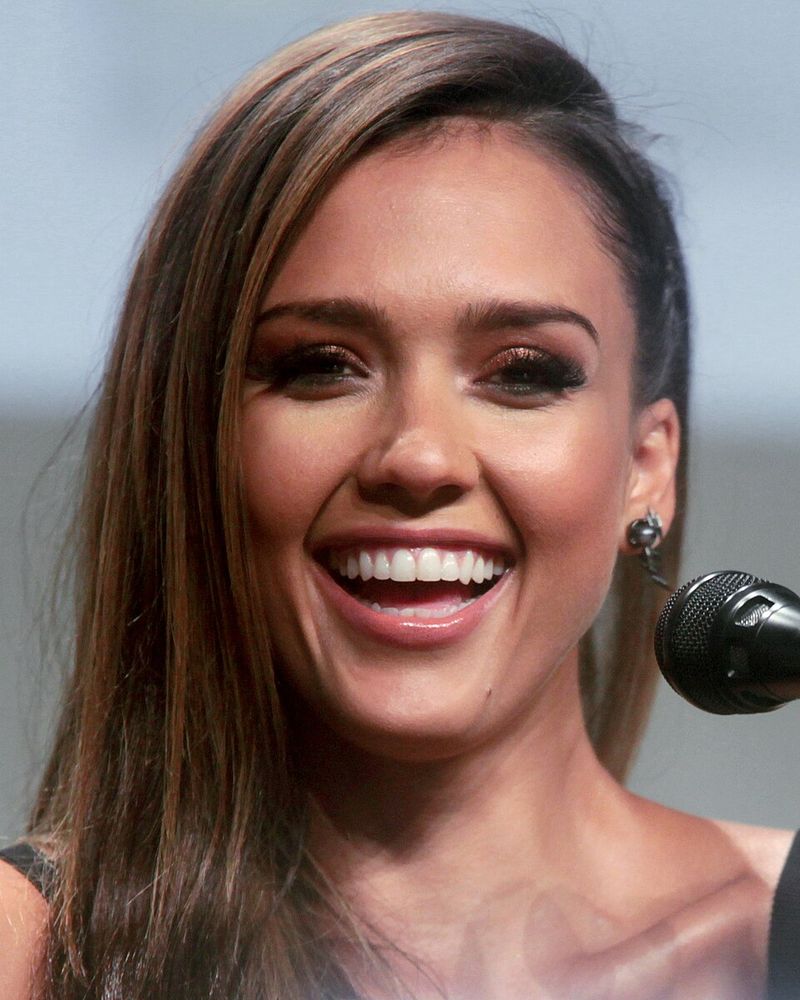
Worry about product ingredients pushed Jessica Alba toward a new path. In 2011 she co-founded The Honest Company.
The business offers diapers, wipes, personal care products, and household essentials. It grew into national retail distribution and went public in 2021.
Alba stepped down as chief creative officer in April 2024 but stayed involved through the board of directors.
The company’s history is not a simple victory lap. It has faced commercial challenges and questions about some product claims, which adds nuance to the story.
Still, building a substantial consumer products business outside Hollywood is a real achievement. It shows how a personal concern can become a company that reaches shoppers across the country.
Reese Witherspoon: Changing Hollywood Through Hello Sunshine
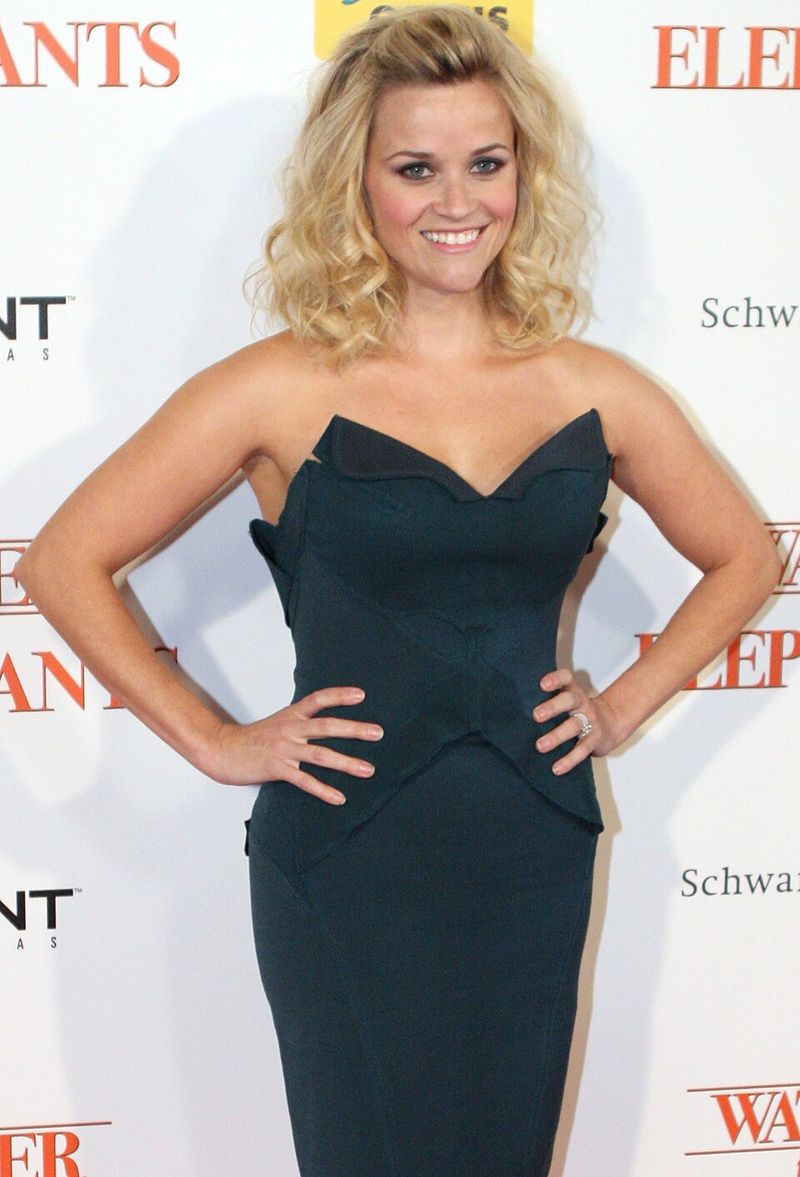
Stories about women took center stage in Reese Witherspoon’s business plans. She co-founded Hello Sunshine in 2016 to focus on exactly that.
The company helped bring Big Little Lies, Little Fires Everywhere, and The Morning Show to audiences.
A majority stake was sold in 2021 at a reported valuation of about $900 million. Later, Witherspoon joined Mediawan in a deal to acquire the majority stake from Candle Media, which gives her renewed involvement in ownership.
Her other ventures include Reese’s Book Club and the lifestyle brand Draper James.
The lesson is that spotting a gap in storytelling can be a business plan. She turned a clear mission into a company that producers, networks, and investors took seriously.
Dr. Dre: Transforming Headphones Into a Global Brand
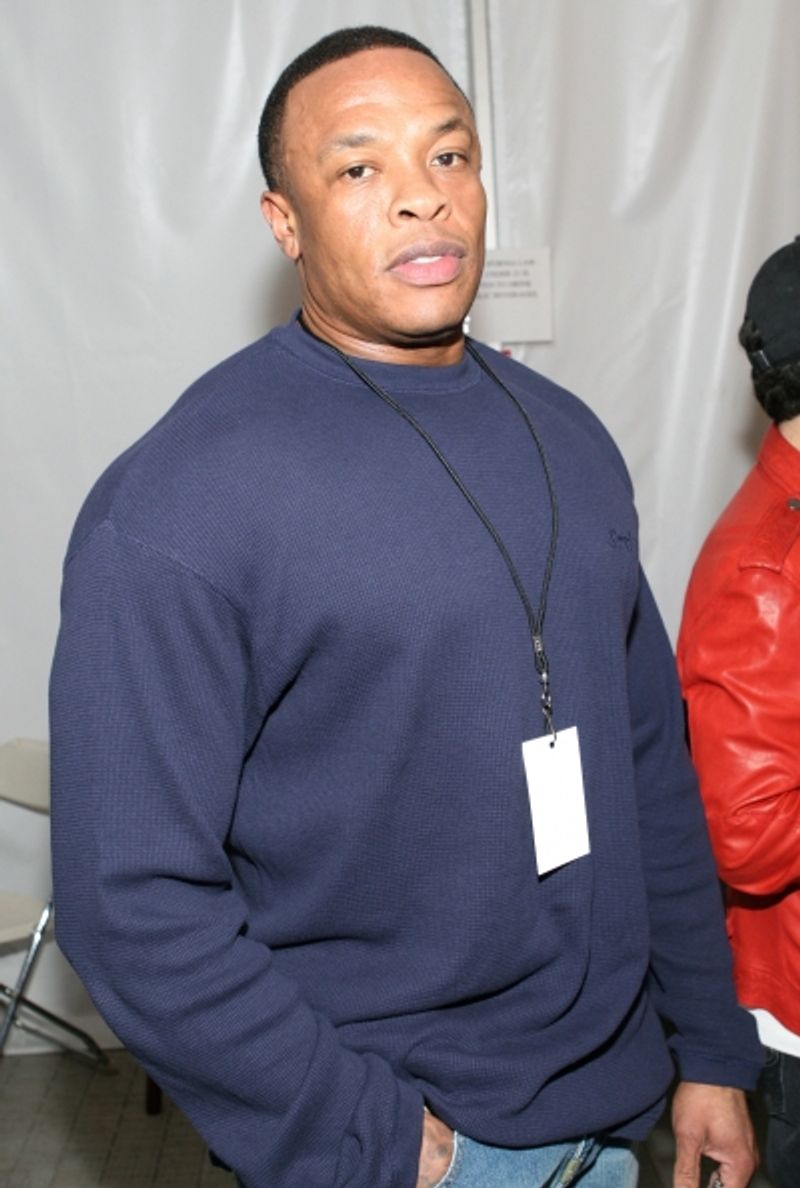
Three billion dollars is a big number for headphones. That is roughly what Apple paid in 2014 to acquire Beats Electronics.
Dr. Dre co-founded the company with Jimmy Iovine in 2006. Beats became known for distinctive headphones, celebrity marketing, and a focus on premium audio.
It also helped turn headphones into both personal technology and a fashion accessory, which changed how many people shopped for them.
Beats continues to operate as an Apple-owned audio brand.
His business career also includes Aftermath Entertainment, the record label tied to the success of several influential hip-hop artists. His path shows how skill in one field, like music production, can carry over into product design and brand building.
Gwyneth Paltrow: Turning a Newsletter Into Goop
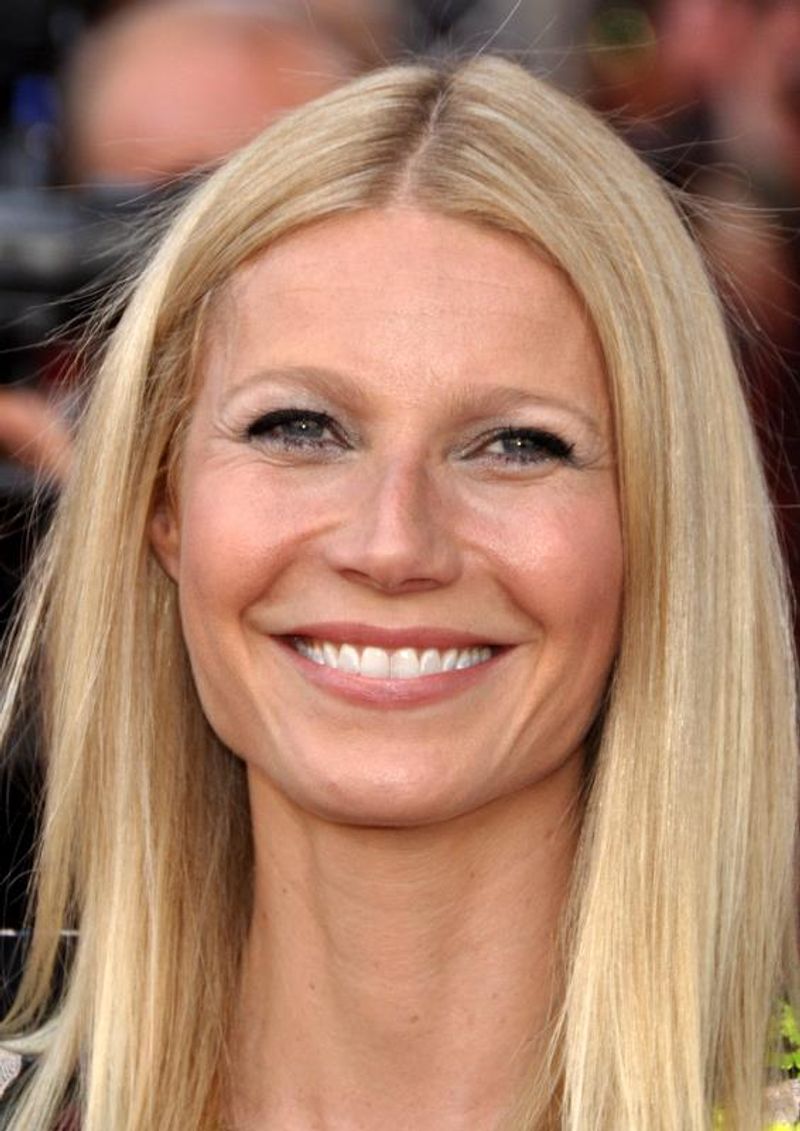
A simple newsletter started it all in 2008. Gwyneth Paltrow used it to share lifestyle recommendations, and the idea kept growing.
Goop now covers beauty, fashion, wellness, travel, and retail. It has branded products, physical shopping locations, events, and editorial content for a lifestyle-focused audience.
The company has also faced criticism over questionable wellness claims. That shows how hard it can be to work in an area where marketing and scientific evidence sometimes clash.
Even with those controversies, Paltrow expanded the business far beyond its early days.
Goop continues to operate across digital content and commerce, with Paltrow as founder and chief executive officer. Her story is a reminder that small starting points can grow, though credibility matters along the way.
Ashton Kutcher: Becoming a Hollywood Tech Investor
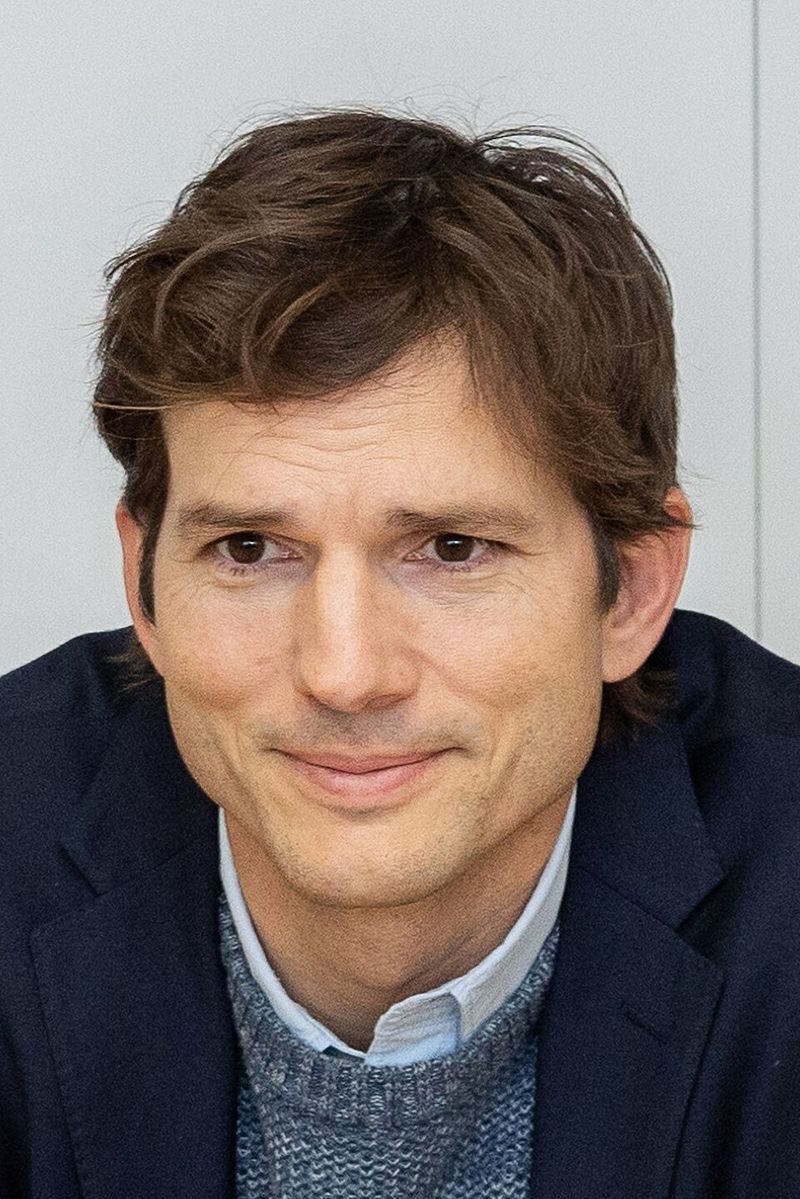
Spotting a startup before everyone else is a different kind of fame. Ashton Kutcher built that reputation as an investor.
He became involved with A-Grade Investments and later co-founded Sound Ventures, a venture capital firm focused on emerging companies. His investment history includes Airbnb, Uber, and Spotify.
He did not build a typical celebrity merchandise line. He focused on finding promising startups and supporting their growth.
That path shows that entrepreneurship can be about money and guidance as much as products.
Venture capital always carries substantial risks, and not every bet pays off. Even so, Kutcher gained credibility as an investor outside his television and movie career.
Serena Williams: Supporting Startups Through Serena Ventures
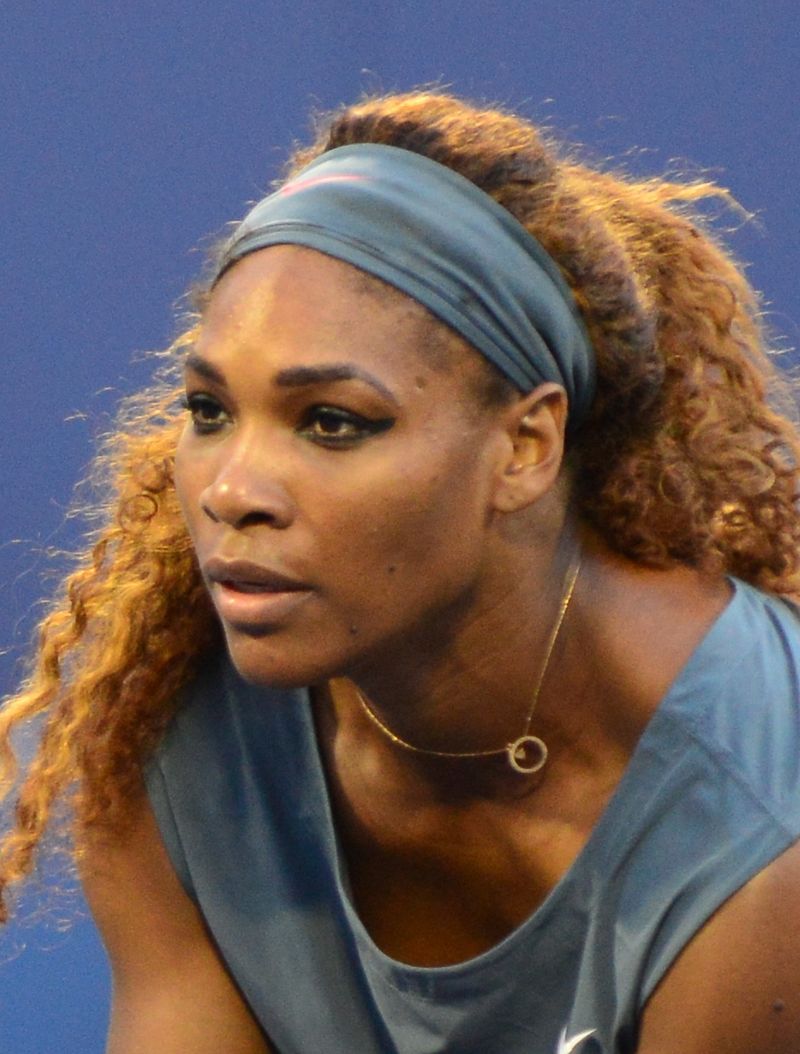
Serena Williams started thinking about business while she was still winning titles. That head start shaped Serena Ventures.
She established the firm to back early-stage companies, with special attention to founders who historically received limited venture capital funding.
Its interests cover technology, consumer products, and other growing industries. Williams has also joined fashion and business projects tied to her personal brand.
Her approach shows how athletes can use resources and experience to help companies beyond sports.
Rather than focusing only on endorsement agreements, she chose investments that let her take part in the growth of new businesses. That choice gives her a role in building companies, not just promoting them.
George Clooney: Co-Founding the Casamigos Tequila Brand
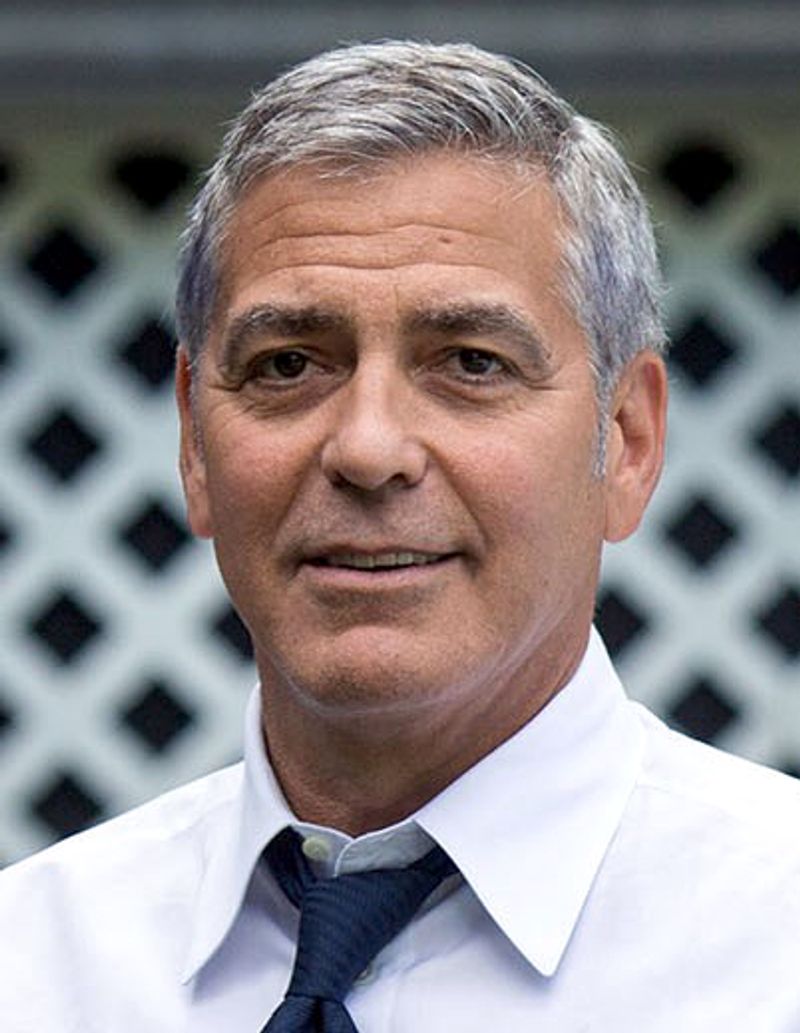
It started as a project tied to personal taste. George Clooney, Rande Gerber, and Mike Meldman created Casamigos together.
The brand grew into a commercial success with wider distribution and a recognizable premium identity. Clooney’s name brought considerable public attention.
In 2017, Diageo agreed to acquire Casamigos in a deal potentially worth $1 billion, including performance-based payments. The brand continued operating under its new ownership.
This story shows a different ending for celebrity entrepreneurs. Instead of owning a company for decades, the founders sold it to a larger corporation.
For anyone studying business, it is a clear example of building a brand to a point where a major company wants to take over.
Beyoncé: Building an Entertainment Business Through Parkwood

Control is the common thread in Beyoncé’s business life. Parkwood Entertainment is the company tied to her music, films, productions, and other creative projects.
That structure has helped her keep significant control over major parts of her work.
She also entered fashion with Ivy Park, first launched in 2016. The brand later partnered with Adidas, though that collaboration ended in 2023 after disappointing commercial performance.
Her experience shows both the chances and the challenges of stretching a celebrity brand into new industries.
Her entertainment operations remain the center of a career built on creative ownership and strategic partnerships.
Dwayne Johnson: Expanding From Wrestling Into Business
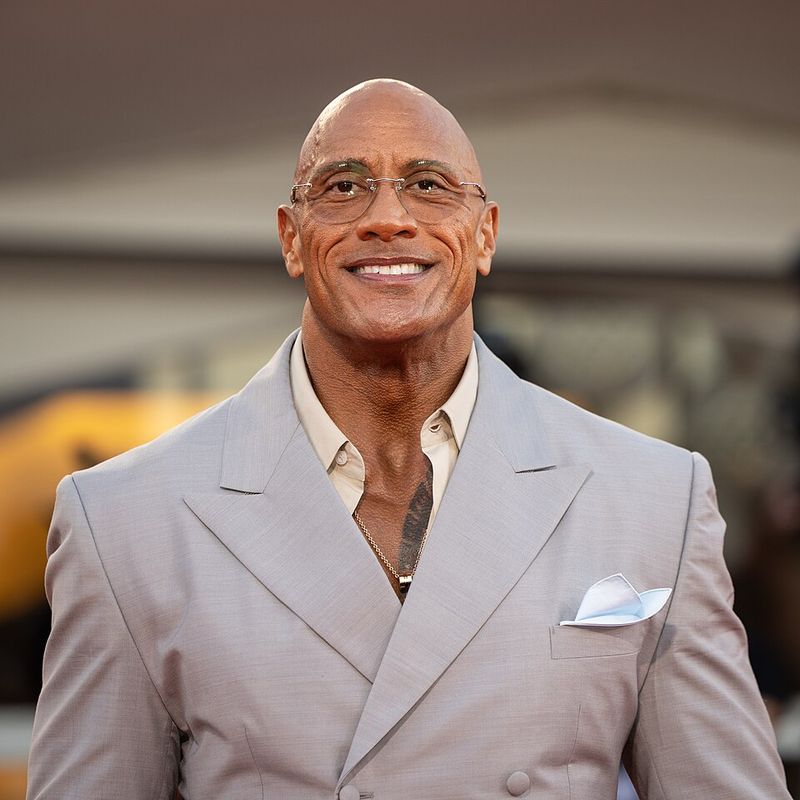
From the wrestling ring to the boardroom is quite a jump. Dwayne Johnson made it after building an acting career.
He co-founded Seven Bucks Productions, which has worked on major film and television projects, including some connected to his own acting career.
Johnson also helped launch Teremana Tequila in 2020. He developed fitness products through his Project Rock partnership with Under Armour.
Each business uses his well-known public identity while competing in a different category.
His approach highlights the value of recognizable branding, partnerships, and audience engagement. A strong public image can open doors, but each company still has to prove itself in its own market.
Taylor Swift: Taking Control of Her Music Business
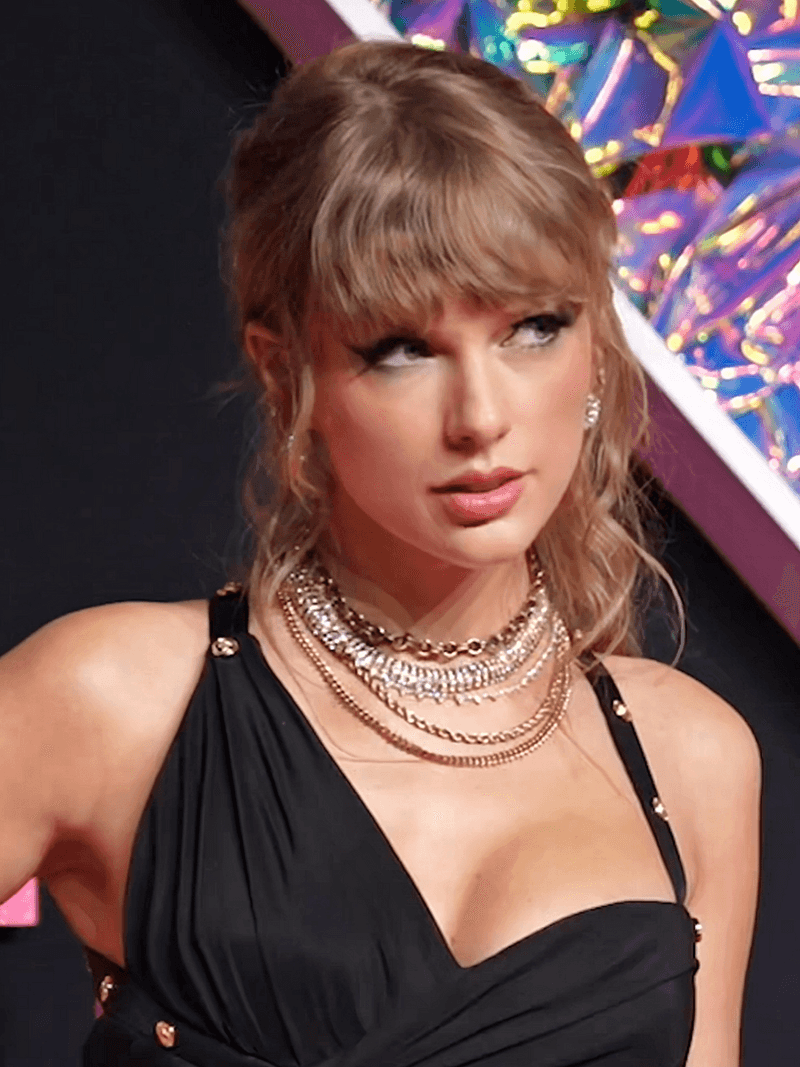
Owning her songs became the biggest business goal of Taylor Swift’s career. She pursued it in a very public way.
After the sale of the master recordings for her first six albums, she began releasing new recordings under the Taylor’s Version name. These releases became major commercial events and sparked wider talk about artists’ ownership rights.
In May 2025, Swift announced she had purchased the master recordings of her original six albums, reaching a long-standing goal.
Her record-breaking Eras Tour further showed her commercial influence.
Unlike many celebrities who branch into unrelated industries, Swift built much of her success around control of her music and related intellectual property.
Priyanka Chopra Jonas: Creating Businesses Across International Markets

Moving from Indian cinema to Hollywood is a big career shift, and Priyanka Chopra Jonas added business ventures along the way.
Her production company, Purple Pebble Pictures, has supported projects tied to India’s film industry, including regional-language productions.
She also helped establish Anomaly, a haircare brand launched in 2021 that focuses on accessible products and more sustainable packaging. In April 2026, Reliance Retail acquired Anomaly from its incubator, Maesa, to support further expansion.
Chopra Jonas was involved in the New York restaurant Sona, but she exited in 2023, and the restaurant closed in June 2024.
Her history reflects both successful brand building and ventures that changed ownership or ended.
Share this story