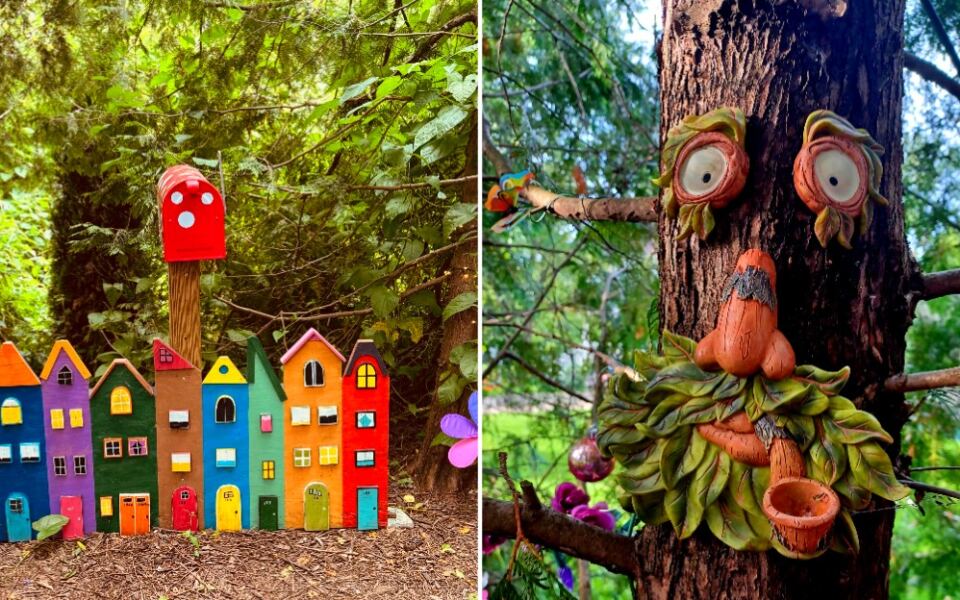
A Michigan homeowner turned a small wooded side yard into a miniature fairy village, complete with tiny houses, colorful gnomes, and doors hidden among the trees. The best part?
Visitors can explore it for free.
The Fairy Forest in Grass Lake is filled with handmade decorations, musical instruments, and a mailbox where visitors can leave messages. The displays change with the seasons, and strings of lights make the little village especially interesting after dark.
It’s a small attraction, not a full-size park, but there’s plenty to discover if you look closely. There’s even a bell to ring before entering and a playful warning about feeding the gnomes.
Before visiting, it helps to know where to find the entrance, what to expect, and how to handle parking near this unusual backyard attraction.
A Free Fairy Village in a Neighbor’s Side Yard
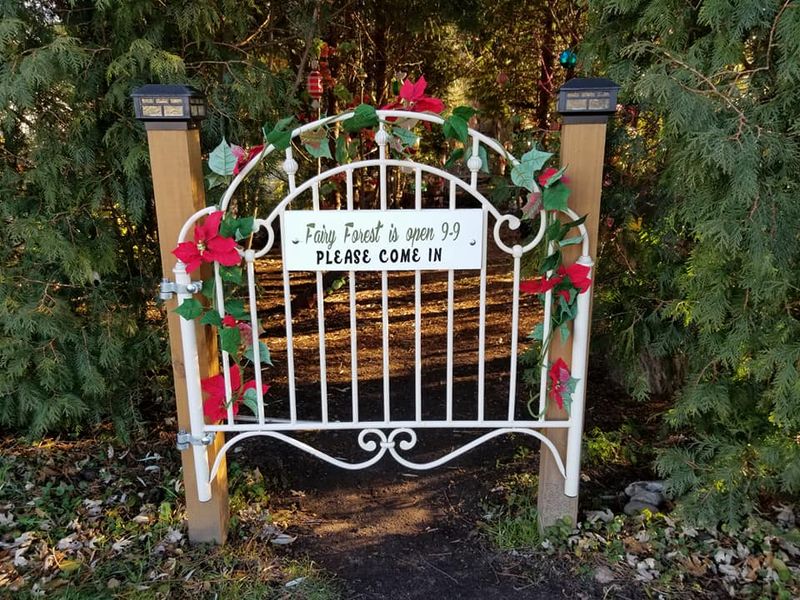
The Fairy Forest sits at 153 N Lake St in Grass Lake, Michigan, a small village in Jackson County. It isn’t a park or a museum.
It’s a little wooded area beside a private home, and the owners have opened it to the public.
Inside the trees, you’ll spot tiny houses, small doors, gnomes, and handmade decorations tucked into roots and branches. Admission is free, which I find generous for something that clearly takes so much time and care to keep up.
The owners describe it as a small, whimsical space on a tiny wooded lot. They call it a simple stop rather than a big attraction.
That honest description helps set the right expectations before you arrive.
Hours listed online run from 9 a.m. to 10 p.m. every day. That long window means you can stop by in the morning or come back after sunset for a different look.
Since it sits right next to someone’s home, good manners matter here. Keep voices friendly, stay on the path, and treat the decorations gently.
A little respect helps keep this kind spot open for the next family who wanders in.
Ring the Bell Before You Enter
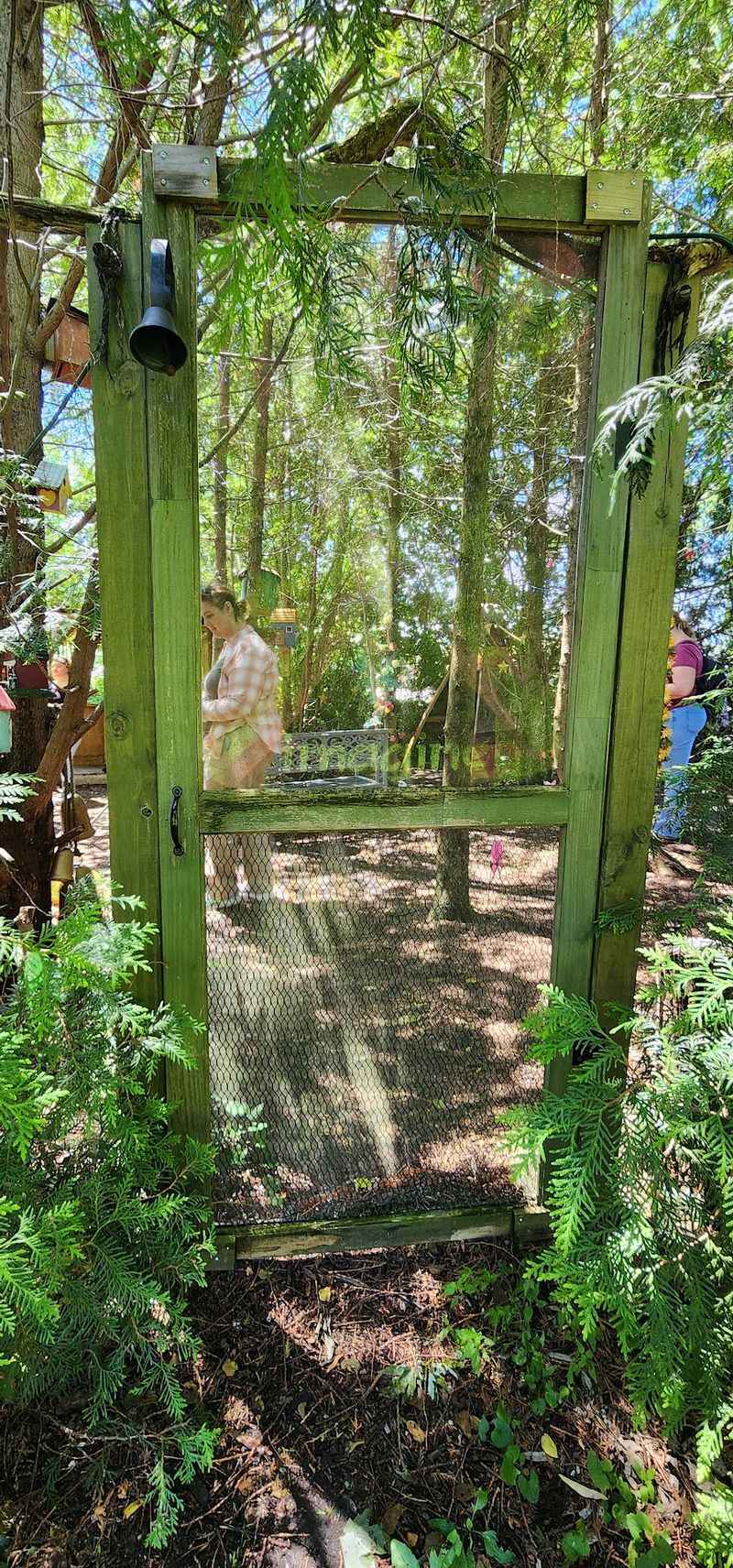
Good fairy etiquette starts at the entrance. Visitors have long been told to ring the bell first, a sweet little ritual that announces your arrival to the tiny residents.
Kids usually love this step. It turns a quick walk into a small adventure, and it gives younger children a fun job right away.
I like how something so simple sets a playful mood for the whole visit.
Another rule shows up on signs and in family stories: don’t feed the gnomes. It’s a joke, of course, but it also gently reminds everyone to keep snacks and trash out of the garden.
These small touches matter because the forest relies on visitors acting kindly. There are no ticket booths or staff guiding you around.
The space works on trust.
Before you head in, take a moment to talk with kids about looking with their eyes first. Many of the pieces are handmade and delicate.
A gentle touch keeps them safe for the next group.
Once the bell rings and everyone knows the rules, the fun of hunting for details can really begin along the path.
Tiny Details Hiding in Every Corner
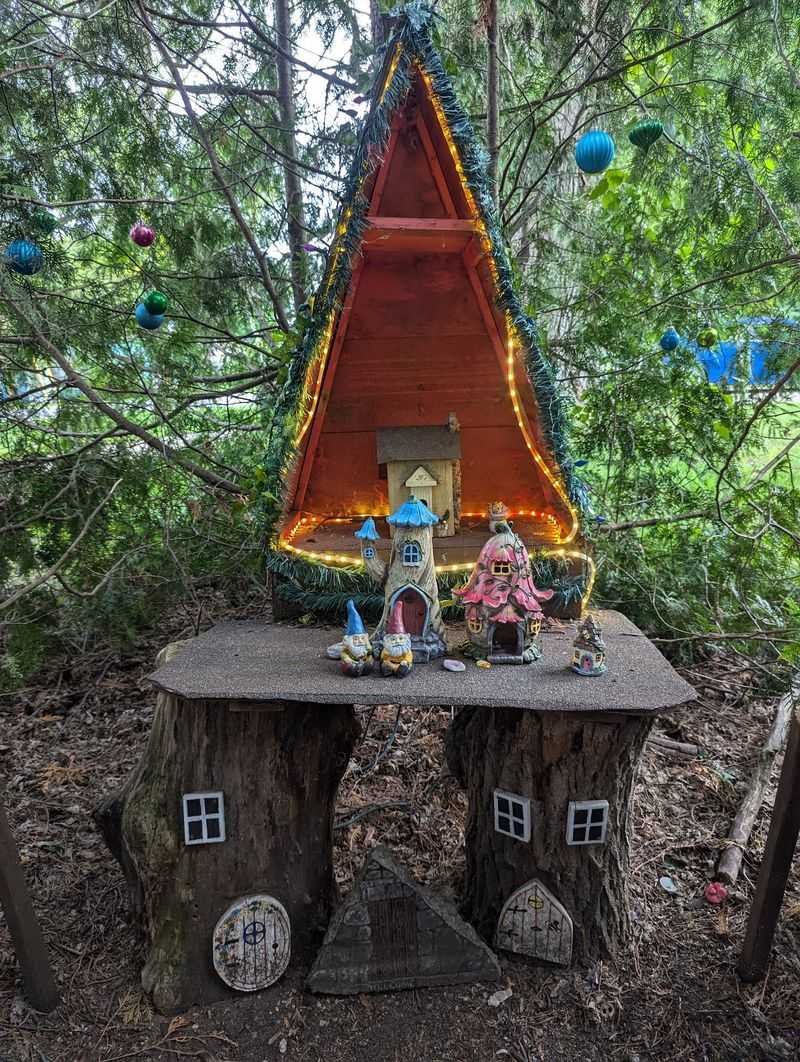
Slow down, because the best parts here are small. The garden is divided into different sections, and each one holds its own cluster of little scenes.
You might spot a tiny door at the base of a tree, a miniature porch, or a gnome posed near a path. Some pieces are handmade, which gives the village a personal, homemade feel you won’t get from store displays.
Because the lot is small, it’s easy to think you’ve seen everything in a few minutes. Then someone points out a hidden detail you walked right past.
That happens a lot in a space packed this tightly.
A fun game for families is a quiet scavenger hunt. Ask kids to find a door, a gnome, a mushroom, and something sparkly.
It keeps them looking closely instead of rushing.
Many groups spend around fifteen minutes here, while others linger for an hour. The difference usually comes down to how carefully you look.
I’d suggest walking through once quickly, then circling back slowly. The second lap tends to reveal the details that make the whole village feel lived in.
Music Makers Hanging in the Trees
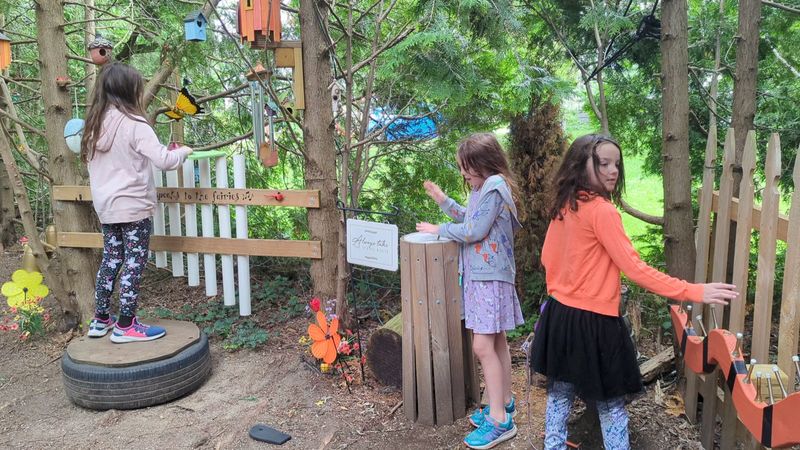
Listen closely and you might hear the forest before you see it. Instruments are set up among the trees, and visitors are welcome to play them.
That hands-on part changes the whole visit. Looking at tiny houses is fun, but giving kids something to tap and ring lets them join the story instead of just watching it.
The instruments fit the woodland theme, so they feel like part of the fairy world rather than a playground add-on. Little ones can make their own soundtrack while they explore.
A few friendly reminders help here. Play gently, take turns, and keep the noise reasonable since a family lives right next door.
A short song is plenty.
I like the idea of letting each child pick one instrument and make up a fairy tune. It’s a simple way to burn a bit of energy and spark some creativity at the same time.
Older kids and teens tend to enjoy this section too. Music is one of those things that gets almost everyone smiling, no matter their age.
After the concert, there’s a quieter spot waiting for anyone who’d like to sit and read.
Books, a Big Log Chair, and a Quiet Pause
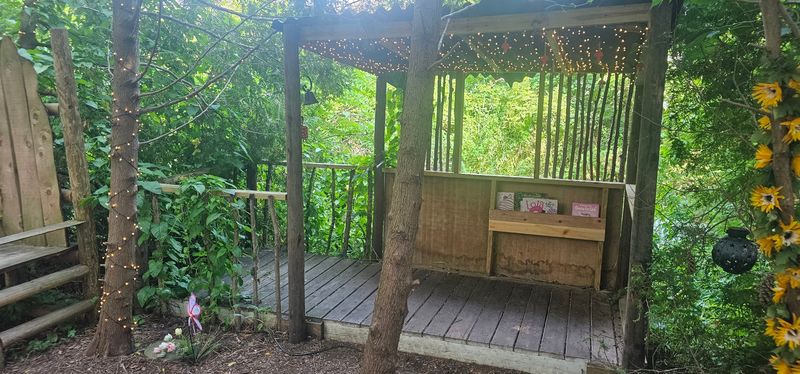
Not every part of the forest is about searching. A big log chair offers a spot to rest, and a few books have been left for visitors to sit and enjoy.
That reading corner gives the visit a calmer rhythm. Kids who like stories can flip through a book surrounded by the very kind of scene those stories describe.
Pine trees grow around the lot, and some visitors mention hearing water from a nearby creek while sitting. It’s a peaceful pause in the middle of a busy day.
I find this part especially appealing for grandparents and parents. While kids explore, adults get a quiet seat and a chance to watch little imaginations at work.
Please treat the books kindly. Return them where you found them, and keep them dry if the weather looks uncertain.
Shared items only last when everyone pitches in.
If you have a toddler who needs a short break, this is a good place for it. A story and a few minutes of rest can reset the mood before another loop around the trees and a stop at the mailbox.
Leave a Note in the Fairy Mailbox
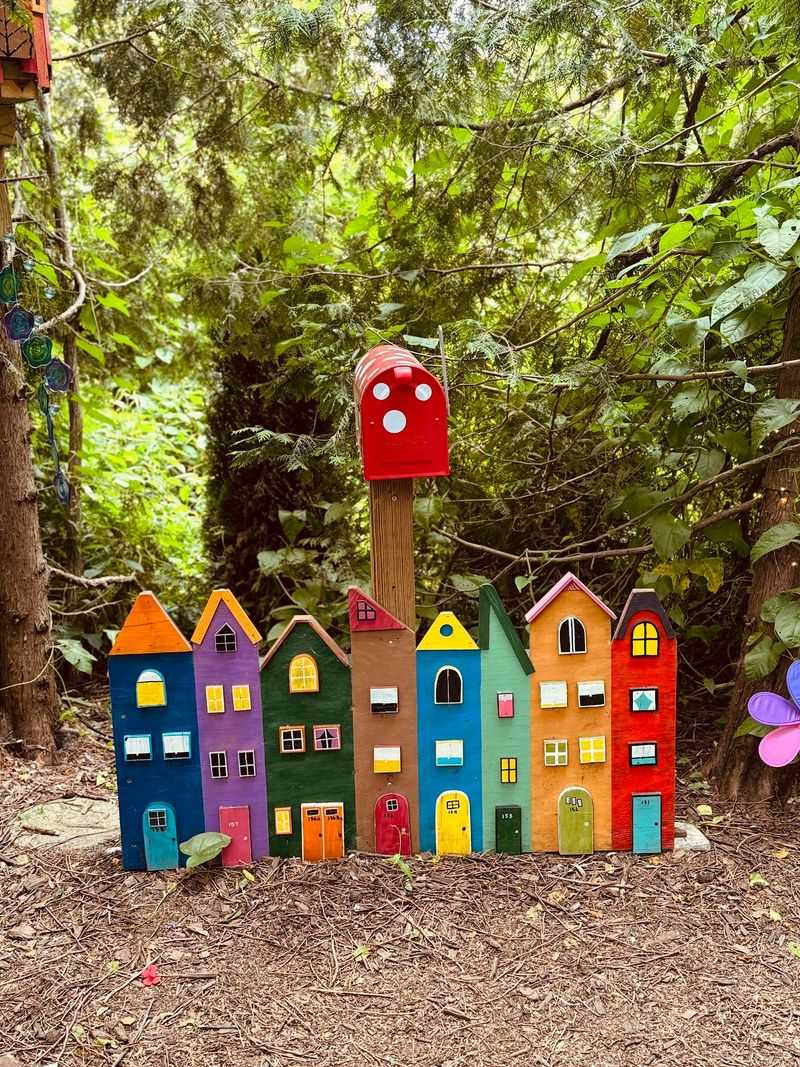
Somewhere among the trees stands a mailbox with a notebook inside. Visitors can open it up and sign their names, leaving a little record of their trip.
That notebook might be one of the sweetest features here. It connects strangers who have all stood in the same small patch of woods and enjoyed the same tiny village.
Kids love writing to fairies, so this is a great moment to let them draw a picture or leave a short message. A simple thank you to the creators is a kind touch too.
Reading earlier entries can be fun as well. You’ll get a sense of how many families have passed through and how much joy this little spot brings.
Bring your own pen just in case one isn’t there. It saves a moment of disappointment for an eager young writer.
I like that the mailbox turns a quick stop into a two-way conversation. The owners share their creativity, and visitors get to share their gratitude.
Speaking of creativity, the scenery itself keeps changing throughout the year, which gives people a reason to sign that notebook more than once.
Themes That Change With the Holidays
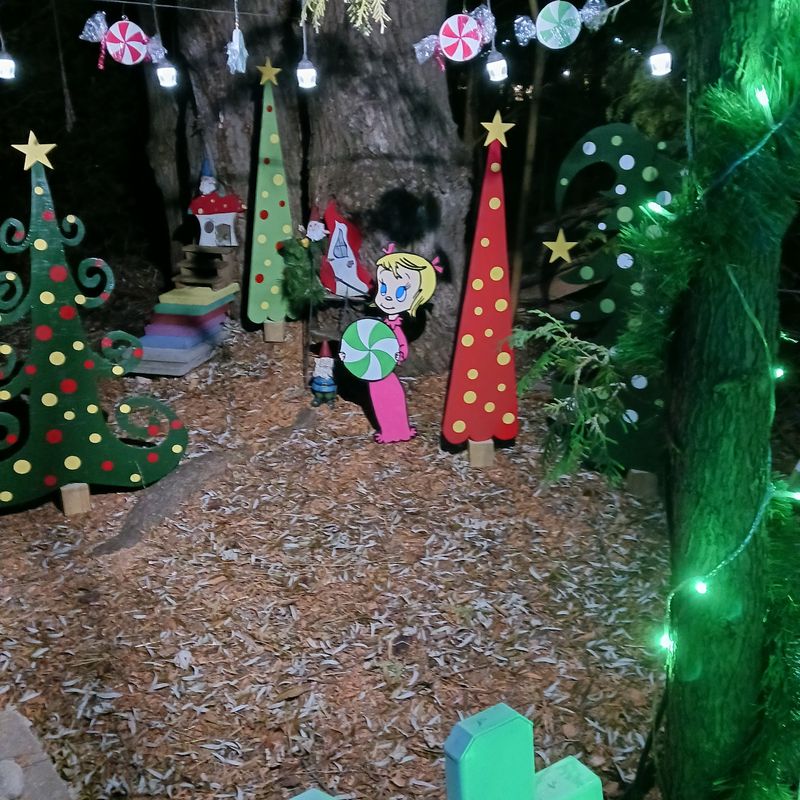
Visit in spring and you might find colorful Easter eggs hanging from the branches. Come back later in the year and the look could be completely different.
The themes change with the holidays, which keeps the forest fresh for repeat visitors. One family even recalled an Alice in Wonderland theme during their trip, showing how creative the owners get.
This rotating approach means no two visits are guaranteed to look the same. For nearby families, that’s a good excuse to stop by a few times a year.
I can understand why seasonal decorating would be a big part of the fun for the creators. Each holiday becomes a chance to tell a new tiny story.
Winter is a popular time too. The forest has drawn people who were out driving around to look at Christmas lights, and the glowing trees fit right in with that tradition.
Since themes aren’t posted on a set schedule, think of each visit as a surprise. Part of the fun is not knowing exactly which characters or decorations will be waiting.
The changing scenery looks even more striking once the sun goes down.
Why Evening Might Be the Prettiest Time
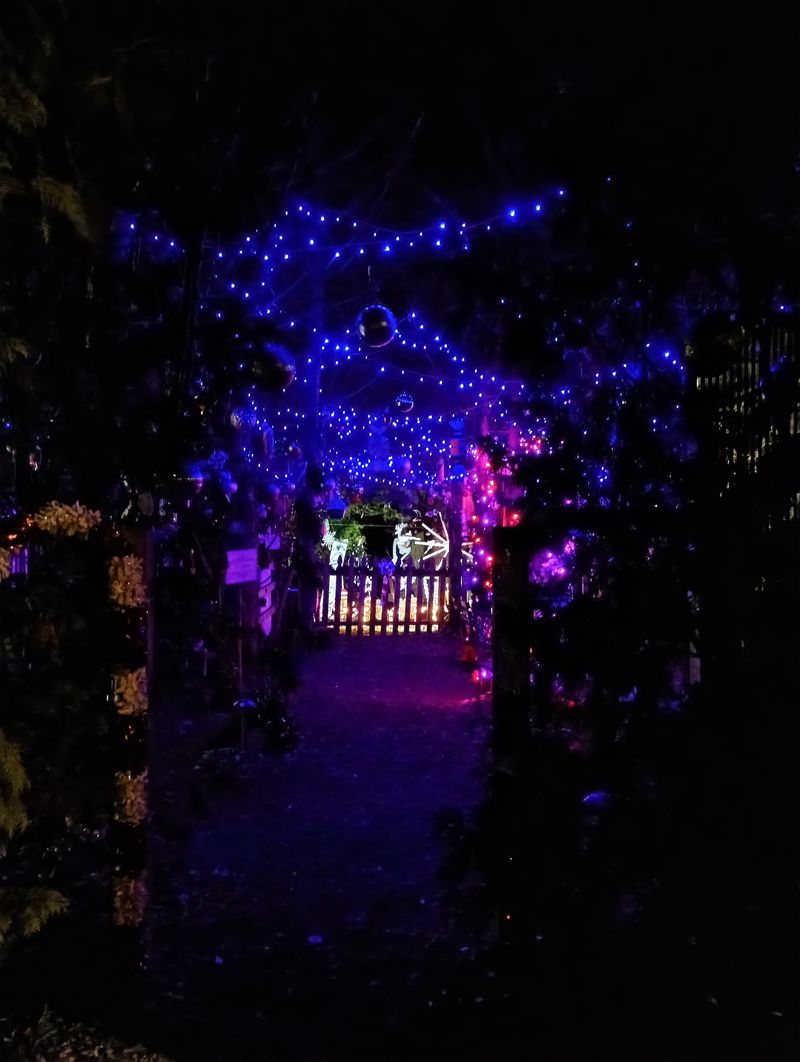
Strings of lights wind through the trees, and they change the whole feel of the place after dark. With hours listed until 10 p.m., an evening stop is easy to plan.
At night, the tiny houses and paths glow softly. Many people describe the forest as especially pretty in the dark, and it’s easy to picture why.
Daytime visits have perks too. You can see small details more clearly, and photos are simpler to take.
One family even shared that the owner switched the lights on for them during the day.
If you can, try both. A morning look helps you notice the handmade pieces, and a later visit lets you enjoy the sparkle.
Bring a small flashlight for walking safely, but keep it pointed down so it doesn’t wash out the lights. Weather can also play a role, since storms and power outages may leave things dark.
I’d plan an evening trip around the colder months when sunset comes early. That way, younger kids can see the lights without staying up too late.
Wherever you go, though, finding a parking spot comes first.
Smart Tips for Parking and Planning
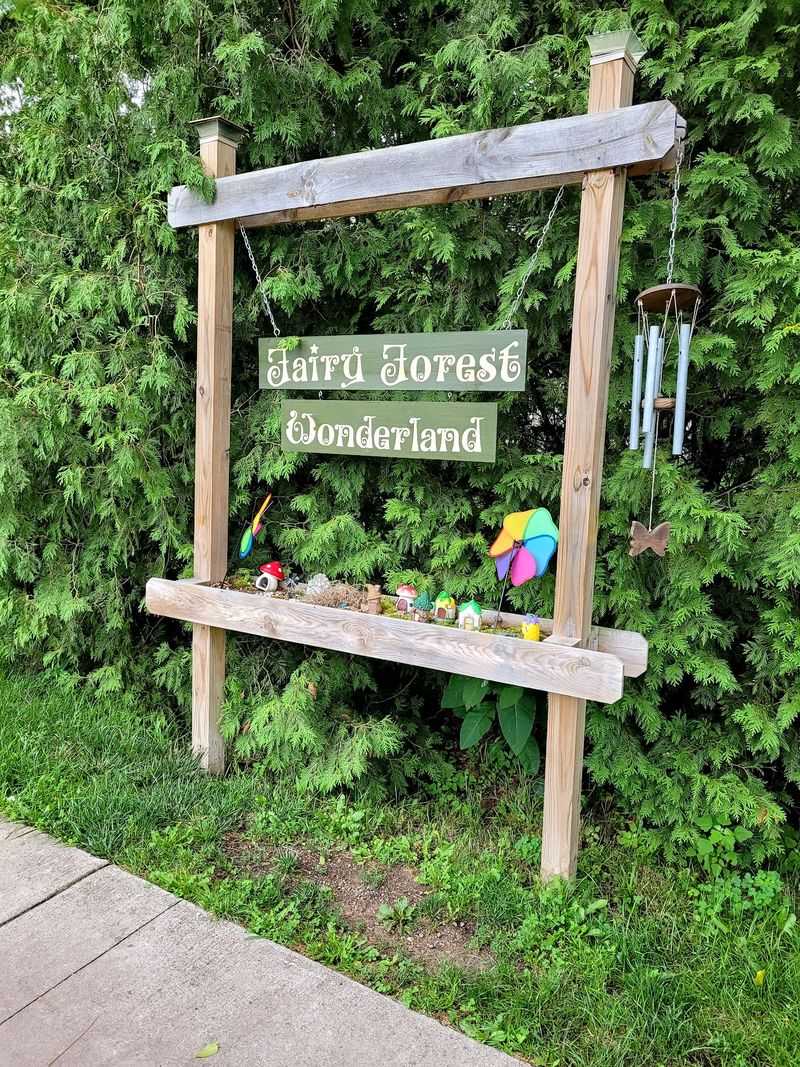
Parking can be the trickiest part of the trip. The Fairy Forest has no big lot of its own since it sits beside a private home.
Some visitors have parked at the car wash lot nearby and walked a short distance. Others were directed to park on the grass in front.
Watch for any posted signs and avoid blocking driveways.
Set expectations before you leave home. The owners themselves say it’s a small space meant as a quick stop, not a full-day destination.
Visits often last from fifteen minutes to about an hour.
That makes it a great add-on to other plans. Pair it with a meal in town or a drive through the area, especially if you’re already near Jackson or Ann Arbor.
Families with kids from preschool age through early teens have enjoyed it, according to the owners’ guests. Still, the setting fits best for anyone who loves small, creative details.
Wear comfortable shoes, since the ground is natural and may be uneven. After storms, branches and leaves can scatter around, so watch your step.
A little planning makes the stop smooth and easy.
Bringing the Fairy Spirit Home
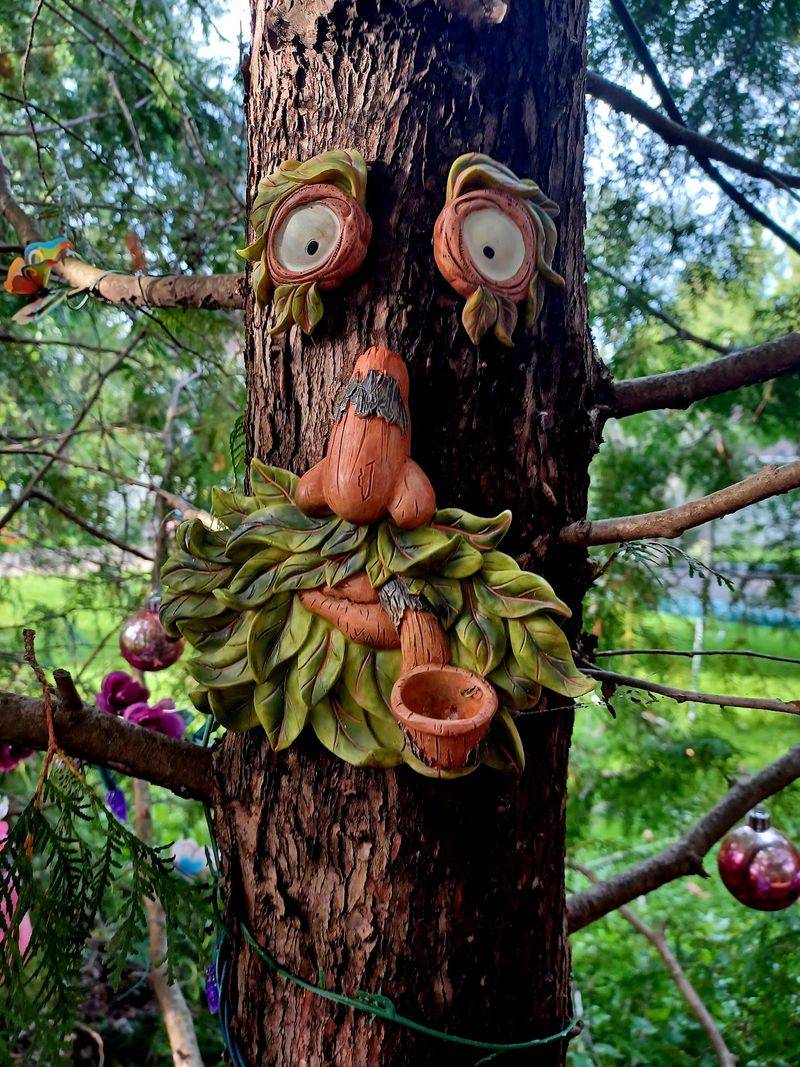
Plenty of people leave with an idea in their heads. After seeing tiny doors and gnomes tucked into trees, it’s tempting to try something similar in your own yard.
That might be the forest’s quietest gift. It shows how one creative family can turn a small wooded lot into something that brings joy to strangers.
You don’t need a whole forest to start. A single tree, a few twigs, some moss, and a little painted door can become a backyard fairy home.
Kids can collect natural pieces and design their own scenes.
I like the idea of making it a family project after a visit. Talk about which details your kids liked most, then build a mini version together.
Remember not to take anything from The Fairy Forest itself. Every piece belongs there, and leaving it in place keeps the village whole for others.
Small places like this remind us that creativity doesn’t require a huge budget or space. Sometimes all it takes is a patch of trees, some patience, and a willingness to share.
That generous spirit is what makes Grass Lake’s little fairy village so special.
Share this story