Inside an old Michigan barn, a giant organ can play the music of an entire band without a single musician. Nearby, century-old pianos perform on their own, and antique music boxes still play tunes from generations ago.
The Music House Museum in Williamsburg, just outside Traverse City, is filled with mechanical instruments that once entertained people in dance halls, theaters, and living rooms.
During a guided tour, visitors can hear these machines in action, including a massive Belgian dance organ built in 1922. There’s even a reproducing piano that brings George Gershwin’s Rhapsody in Blue back to life.
What looks like an ordinary farm building from the outside holds a remarkable collection of musical history, and much of it can still be heard today.
A Converted Barn Full of Restored Music Machines
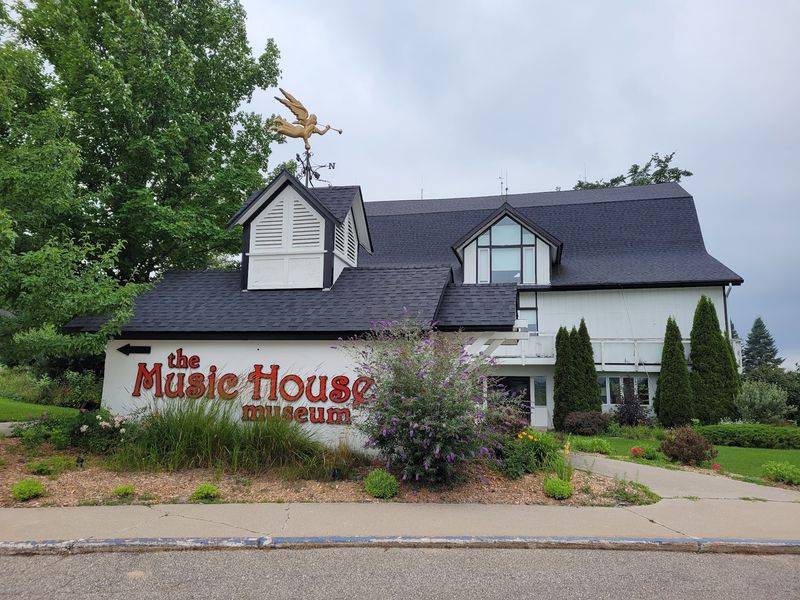
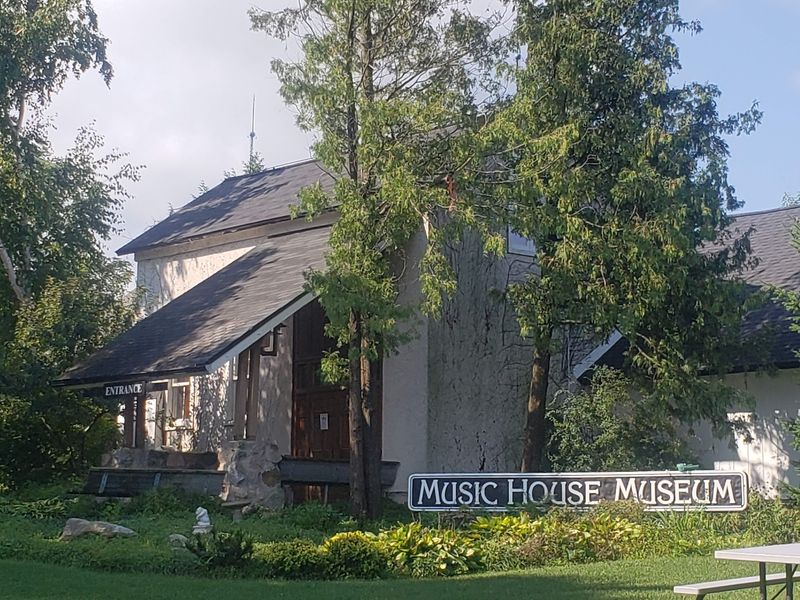
The Music House Museum sits at 7377 US-31 in Williamsburg, Michigan, just a short drive from Traverse City. From the road, it looks like a regular farm setting with an old granary and barn.
That plain outside hides a big surprise.
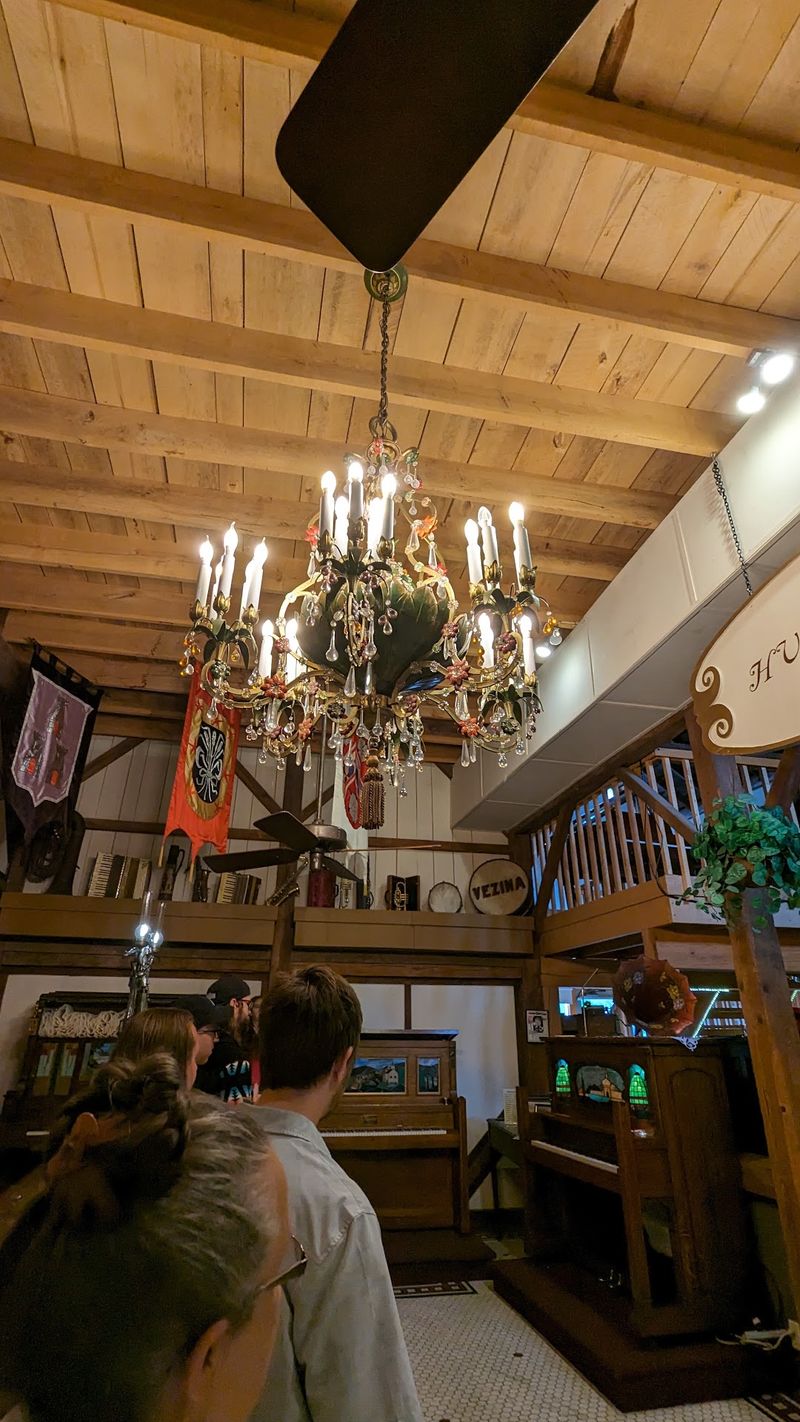
Inside, the buildings hold a collection of restored musical instruments, many of them automatic. Some date back to the late 1700s, while others come from the early 1900s, when self-playing machines were the hottest entertainment around.
The museum is a nonprofit. That matters, because the money from admission and the gift shop helps care for these fragile machines.
Keeping a century-old instrument working takes skill, patience, and a lot of spare parts that nobody makes anymore.
What I find interesting is the goal behind the place. Staff try to keep the instruments playable, not just pretty.
A machine that still runs tells a much richer story than one that sits silent.
The museum usually opens Tuesday through Saturday, with Sundays and Mondays closed. Hours can change by season, so checking ahead is smart.
Once you’re inside, the guided tour shapes the whole experience, and it deserves its own look.
Guided Tours That Bring Every Machine to Life
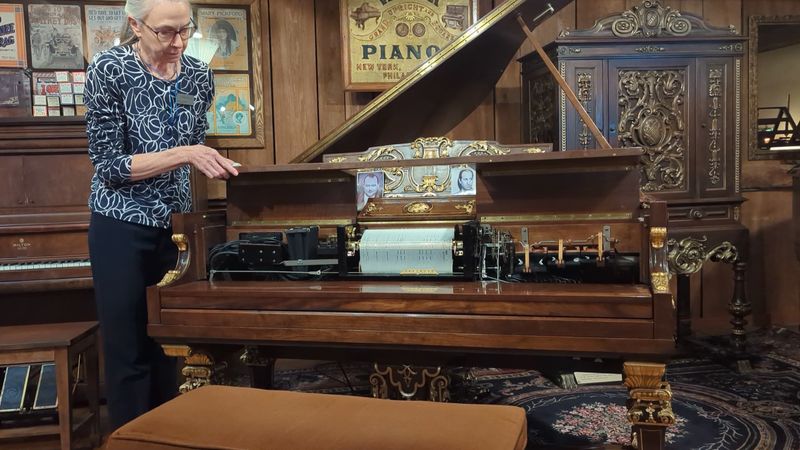
Here’s a museum where you don’t just read signs. A guide walks your group through the collection and switches the machines on one by one.
That’s the heart of a visit. Each guide explains how an instrument was made, why people wanted it, and how it actually works.
Then the machine plays, and suddenly the history makes sense.
Tours often run around 90 minutes, though timing can vary. Some groups stay longer when they ask a lot of questions.
Plan to arrive well before closing so you don’t miss the later demonstrations.
The tour moves through several areas of the building. Most of it involves standing, but seats are placed along the route for short breaks.
A few stairs offer better views of certain pieces, yet you can enjoy the tour without climbing them.
I’d suggest coming with a question or two in mind. The guides know the machines well, and curious visitors tend to get extra stories.
Kids especially seem to enjoy asking how things work.
One fair warning: these instruments were built for crowded halls. That leads straight into why some guests may want earplugs.
The Giant Dance Organ That Plays a Whole Band
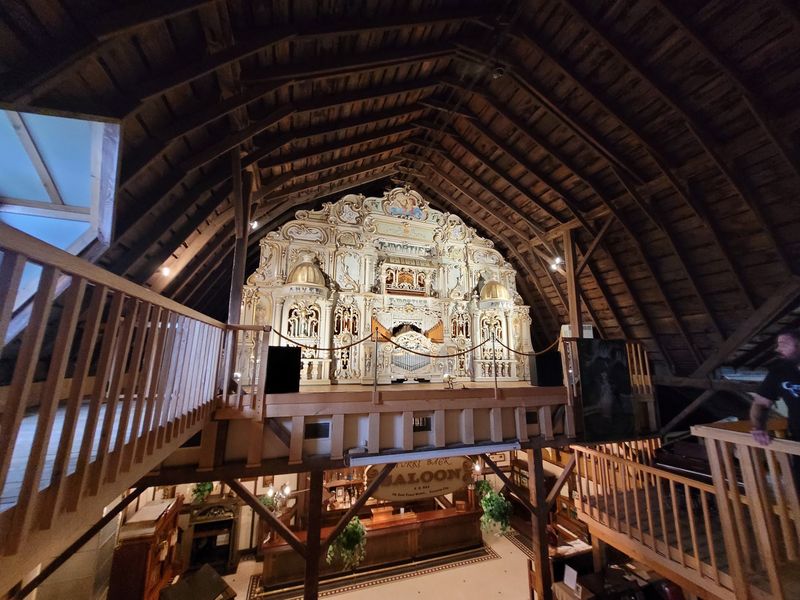
Big doesn’t quite cover it. The museum’s giant dance organ looks like something from a storybook, with a fancy painted front, rows of pipes, and built-in percussion.
Dance organs like this were made in Europe to fill dance halls with music. Instead of hiring a full band, a hall could use one huge machine.
It played melody, harmony, and rhythm all at once.
So how does it work without a musician? These organs read instructions from a set of punched cardboard book music or rolls.
Holes tell the machine which pipes, drums, and other parts to play.
Hearing it run is a lot like hearing a small orchestra warm up inside a barn. The sound is loud and bold, because it was meant to reach a crowded dance floor.
If you have sensitive ears, bring earplugs. Young children may enjoy it more with hearing protection too.
I’d keep my eyes on the front while it plays. Watching the moving parts is half the fun.
Still, this giant is only one chapter, because the museum also tells the story of pianos that learned to play alone.
Player Pianos That Learned to Perform Solo
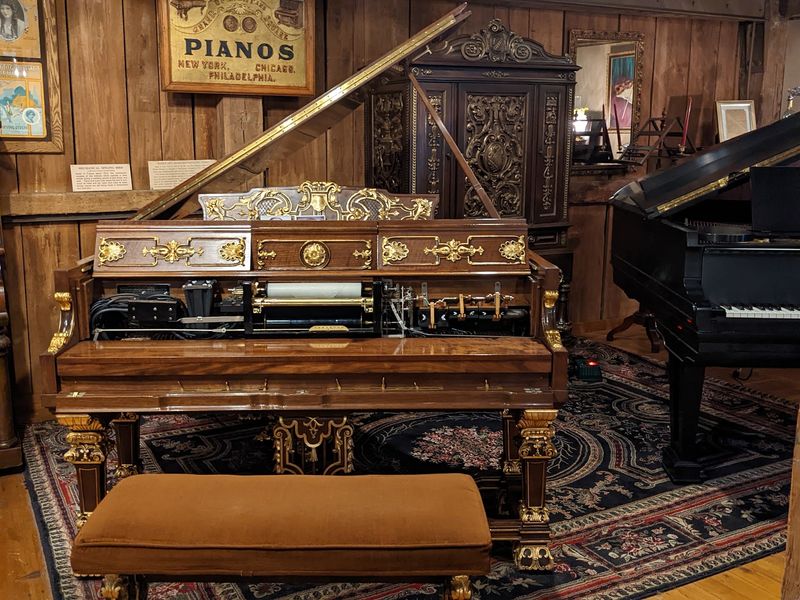
Long before streaming music, families could buy a piano that played itself. Player pianos used rolls of paper with tiny holes punched in them.
As the roll turned, air moved through the holes and pushed the keys down. The result sounded like a real person playing.
For many homes in the early 1900s, it was the easiest way to enjoy popular songs.
The museum shows how these pianos changed over time. Guides demonstrate several versions, so you can hear how the technology improved from one model to the next.
One highlight is a reproducing piano roll of George Gershwin performing Rhapsody in Blue. Gershwin recorded rolls in the 1920s, and these special pianos could copy the way he played, including softer and louder notes.
Think about that for a second. A piano can still repeat a performance by a famous composer from about a hundred years ago.
If you take piano lessons, this part might change how you look at your instrument. The keys move, the pedals press, and nobody is sitting there.
Music boxes worked on a smaller idea, and they show up in the collection too.
Tiny Music Boxes With Big Stories
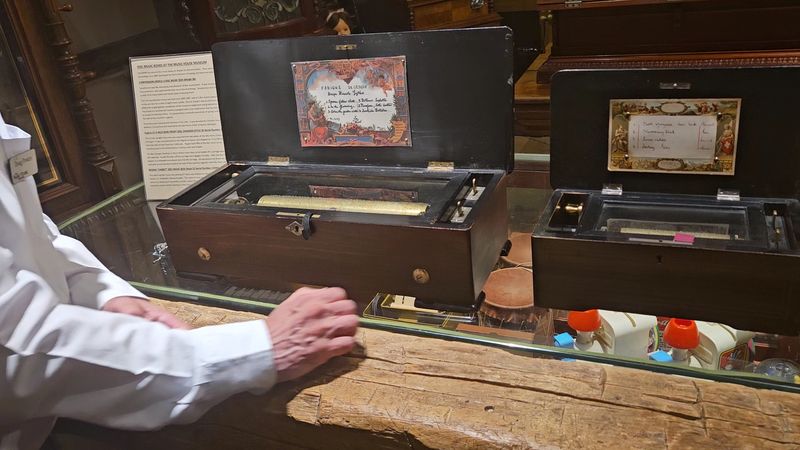
Small machines can be just as clever as giant ones. Music boxes were some of the earliest self-playing instruments people could keep at home.
Inside many of them, a metal cylinder covered with tiny pins turns slowly. Each pin plucks a tooth on a steel comb, and each tooth makes a different note.
Others use flat metal discs with punched patterns.
Disc music boxes were handy because you could switch the disc and play a new song. That was a big deal before records became common.
The museum includes music boxes among its mechanical pieces, and they make a nice contrast to the louder organs. Here, you lean in and listen closely.
I like how these boxes show the same basic idea in many sizes. A pattern of pins or holes tells a machine what to play.
That simple concept powers almost everything in the building.
The gift shop has sold music boxes that play different tunes, so you might be able to take a little one home. It’s a fun souvenir for someone who liked the tour.
Next up, the collection moves into the jukebox era.
Jukeboxes From the Days of Coin-Operated Songs
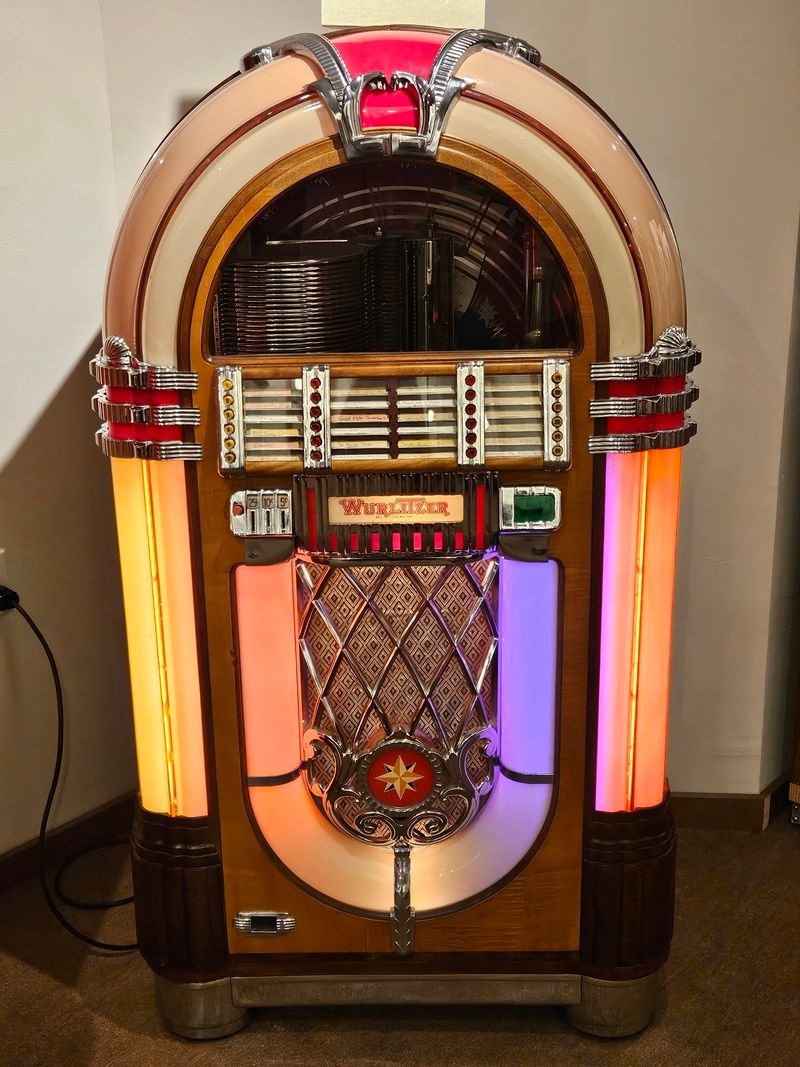
Drop in a coin, pick a song, and watch the machine do the rest. Jukeboxes turned that simple act into a favorite pastime at diners and soda shops.
The Music House Museum includes jukeboxes in its collection, including pieces from the famous Wurlitzer name. These machines show how automatic music moved from paper rolls to records.
Inside a jukebox, a mechanism grabs the chosen record, sets it on a turntable, and drops the needle. Watching it happen through the glass is surprisingly satisfying.
Kids who have only used phones for music may find this part funny. Choosing one song used to take a coin and a bit of waiting.
For grandparents, though, these machines can bring back real memories. That makes the jukebox section a good spot for family conversations.
Ask an older relative what song they used to pick.
Jukeboxes also connect the older machines to modern music players. The idea stayed the same: let people hear songs without a live band.
Only the tools changed.
Of course, music once had another big job. It helped tell stories on the movie screen, back when films had no sound at all.
Silent Movie Nights With Live Music
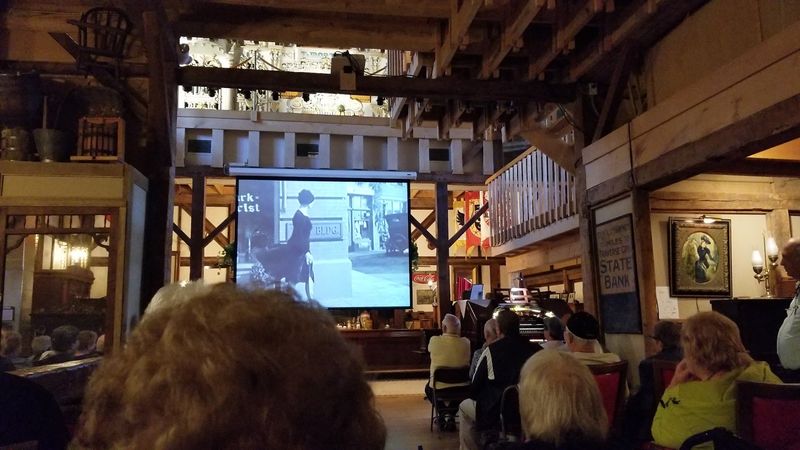
Silent films were never truly silent. Theaters used pianos, organs, and sound effects to give movies music and drama.
The museum celebrates that history with silent movie showings. Some events have featured live piano with percussion, while others used the museum’s own instruments and sound effects.
One showing featured The Cabinet of Dr. Caligari, a strange and famous German film from 1920. Pairing it with live music gives people a taste of how audiences first watched it.
I find this a smart way to use a collection like this. The instruments aren’t just displays.
They return to the job many of them were built to do.
Events change throughout the year, so check the museum’s schedule before planning around one. Special programs may have separate tickets or times.
If you go, try to notice how the music guides your feelings. Fast notes add excitement, and slow ones make a scene feel sad or spooky.
It’s a simple lesson in how sound shapes a story.
Movies aren’t the only place where big instruments once ruled. Churches and theaters had their own giants.
Organs Built for Churches and Theaters
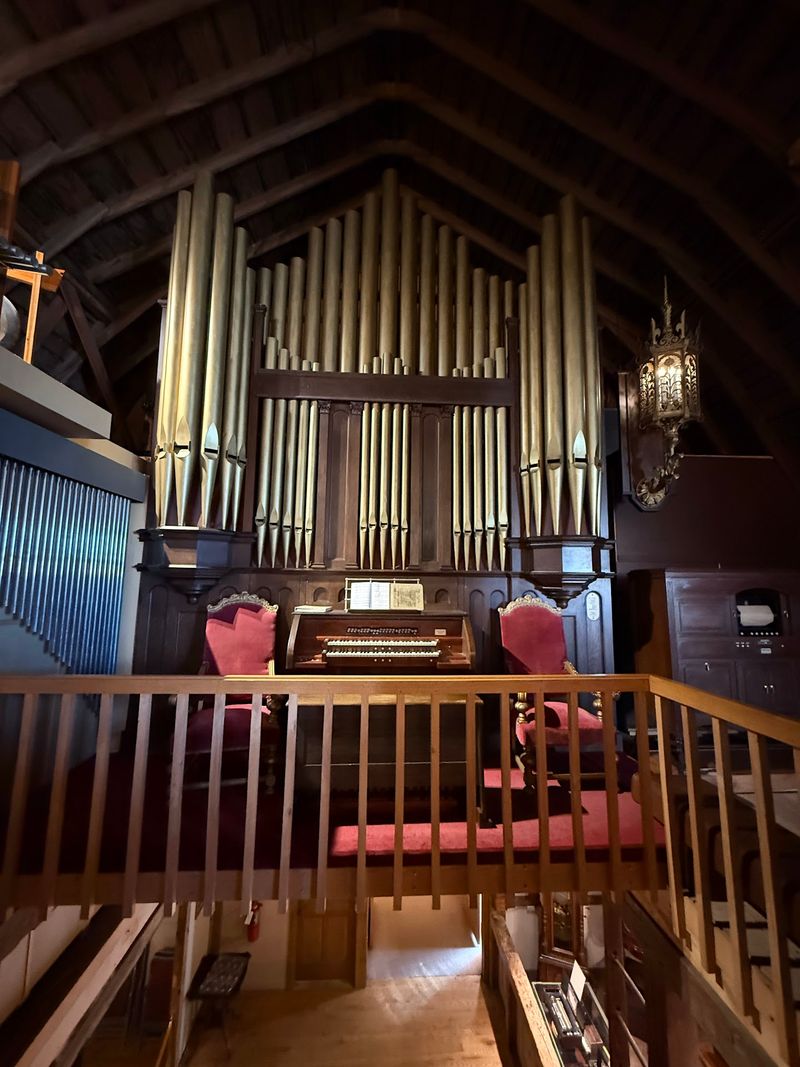
Organs come in more shapes than most people expect. The museum’s collection covers several kinds, including church organs and other large instruments.
Pipe organs work by pushing air through pipes of different lengths. Short pipes make high notes, and long pipes make deep ones.
Some organs have hundreds of pipes hidden behind a decorated front.
Many organs could also play automatically. Just like player pianos, they used rolls to control which notes sounded.
That let a church or hall enjoy music even without a trained organist.
Guides explain these instruments in plain language, so you don’t need music lessons to follow along. You’ll hear how each one was used and why people valued it.
What catches my attention is the craftsmanship. Woodwork, pipes, and moving parts all had to fit together perfectly.
Some guides have even let visitors try out a few instruments during tours. That isn’t promised every time, but it’s worth asking politely.
Hands-on fun doesn’t stop indoors, either. The newest attraction actually sits outside the front of the building, and anyone can join in.
Bells You Can Play Outside the Front Door
Grab a mallet and you become the musician. Out front, the museum added a circle of tuned bells that visitors can play.
Each bell makes its own note. Strike them in the right order, and you can play Amazing Grace.
It’s a simple, friendly way to make music, even if you’ve never read a note.
This installation is a nice change from the indoor tour. Inside, you watch machines play themselves.
Outside, the music depends entirely on you.
Families can take turns, and kids usually enjoy the challenge of getting the song right. Expect a few wrong notes at first.
That’s part of the fun.
The bells also connect to the museum’s mission. People have been able to donate a bell to support the project, which helps the nonprofit keep growing.
I’d stop here either before or after the tour. It’s a good warm-up, and it’s also a fun way to end the visit with your own song.
Speaking of keeping things going, every machine in this building depends on careful hands behind the scenes.
Tips for Planning a Visit Near Traverse City
Timing matters most here. Since the tour is the main experience, arrive with plenty of time before closing.
Many visits last about 90 minutes, and some stretch closer to two hours. Showing up late could mean missing a few demonstrations.
Morning or early afternoon arrivals give you room to relax.
The museum is usually open Tuesday through Saturday. Hours can shift with the seasons, so check the official site before you drive out.
Admission is charged, and it supports the nonprofit’s work. Keep that in mind if you’re traveling with a group.
Bring earplugs for small children or anyone who dislikes loud sounds. Some machines only seem to have one volume setting.
The location along US-31 makes it an easy add-on to a Traverse City trip. It works well on a cloudy day when the beaches feel less inviting.
Save a few minutes for the gift shop. Purchases help pay for instrument care, and you might find a music box worth keeping.
Most of all, come curious. The machines do the playing, but your questions shape the stories you’ll hear.
Share this story