Some of the best surprises in North Carolina hide at the end of a quiet country road, where you expect little more than trees and a mailbox. I went looking for a peaceful afternoon and found a small corner of Greece instead, complete with chanting, kind sisters, and a story that stretches back to a mountain village across the sea.
It costs nothing to feel curious here, and the calm stays with you long after the drive home. If you love places that turn out to be far more special than they look, keep reading.
A Slice of Greece Off Warner Road
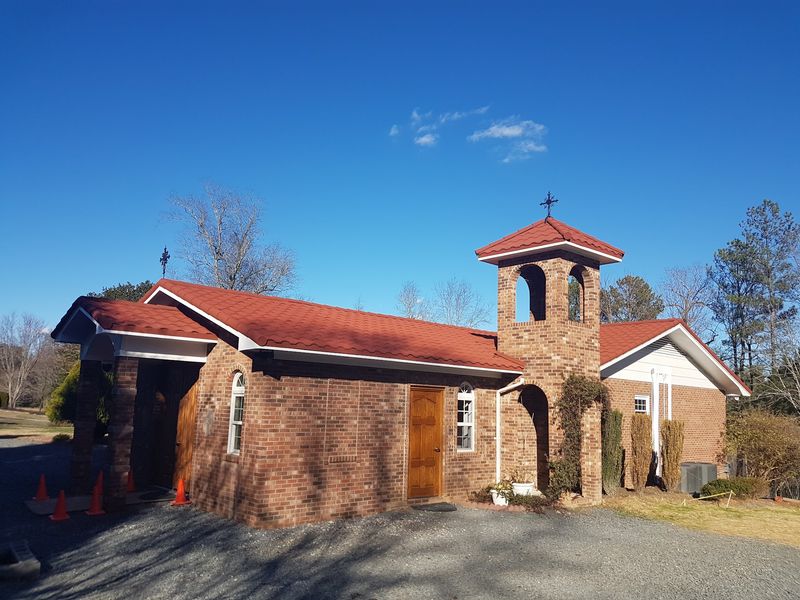
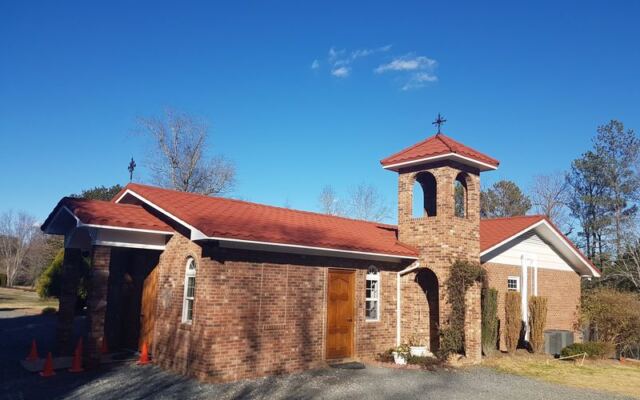
Picture a winding drive through the green Piedmont near Troy, and then, almost out of nowhere, a Greek Orthodox monastery appears. That is the first delight of Panagia Prousiotissa Greek Orthodox Monastery, set at 404 Warner Rd in Montgomery County.
Officially, it is listed as a Greek Orthodox church, but it feels more like a hidden retreat. Nuns live and work here, caring for the grounds and keeping a daily rhythm of prayer that has roots far older than anything else nearby.
Visitors describe it again and again with the same few words: peaceful, holy, tranquil, beautiful. Several say they return every chance they get, which tells you plenty about the pull of the place.
For North Carolinians used to beach trips and mountain overlooks, a Greek monastery in the rolling countryside is a wonderfully unexpected find, and it rewards anyone willing to slow down and look closely.
The Mountain Village Behind the Name
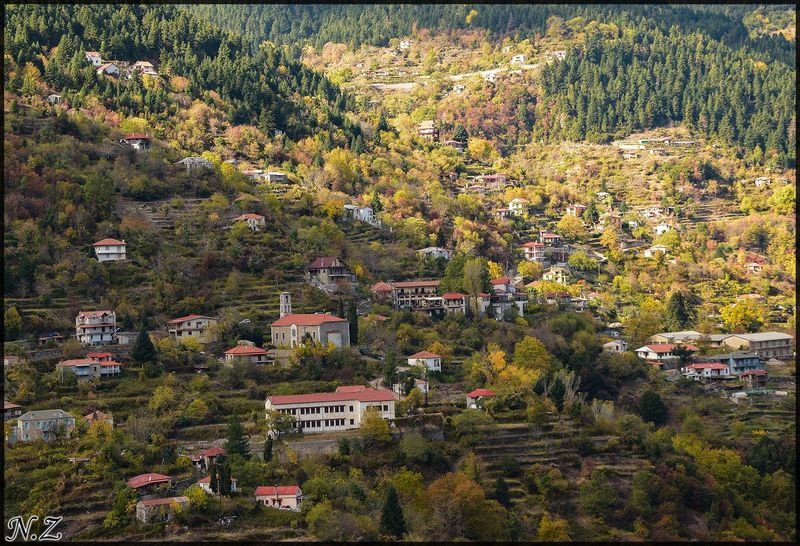
Names often carry stories, and this one carries a whole landscape. Panagia means the All-Holy One, a title Orthodox Christians give to the Virgin Mary, while Prousiotissa points to Prousos, a village in Greece.
One Greek-speaking visitor painted a lovely picture of that village in a note about the monastery. They described Prousos as built like an amphitheater on a slope, covered in fir trees and other woods, with many flowing springs.
So when you stand on the grounds in Troy, you are standing in a place named for a faraway mountain community. It is a small but meaningful bridge between two worlds.
Fun detail to tuck away: the Prousos connection is why Greek visitors often feel instantly at home here. For everyone else, the name becomes a quiet invitation to learn about a tradition that traveled thousands of miles to settle in the Carolina hills.
An Icon Tradition Carried Across the Sea
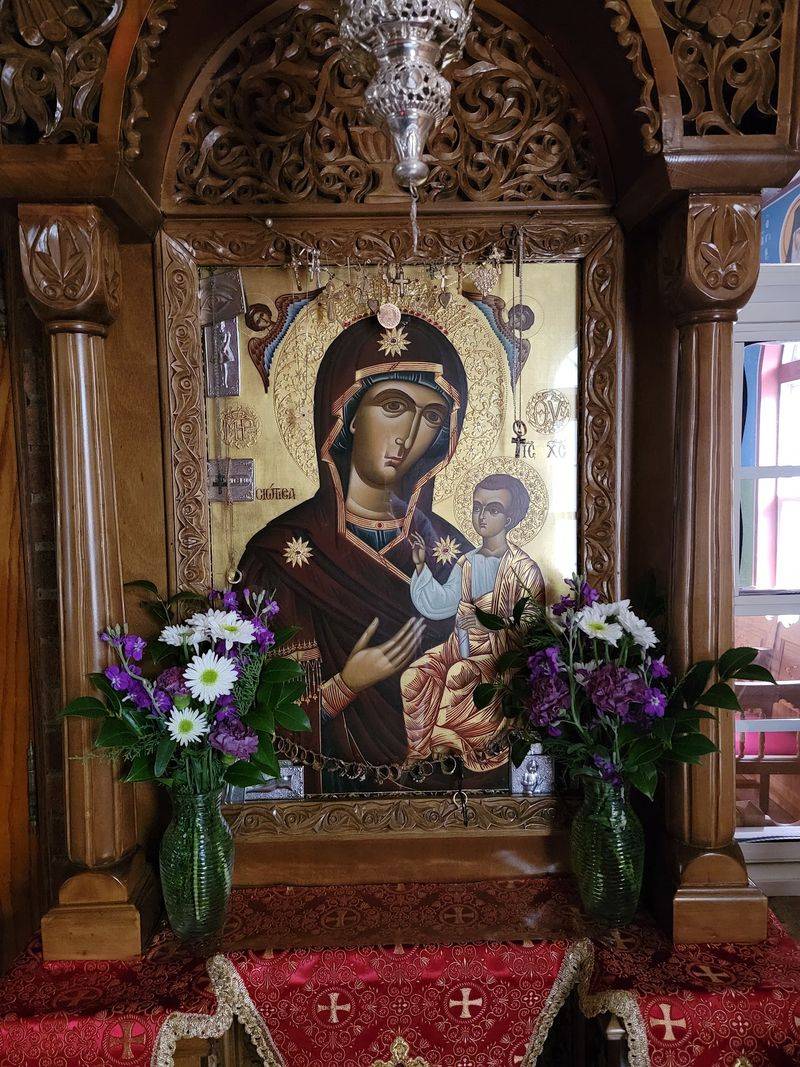
Icons sit at the heart of Orthodox worship, and the monastery takes its very identity from one Greek tradition honoring the Virgin Mary of Prousos. Its namesake connects it to a centuries-old devotion that Greek families have cherished for generations.
Inside an Orthodox church, icons are not simply decorations. Worshippers light candles before them, pray in front of them, and treat them with deep respect, which is why a reproduction of a beloved image can mean so much to a community far from Greece.
If you visit, approach any icon the way the faithful do, quietly and without rushing. Ask the sisters before taking photos inside.
The best way to learn more about the icon and its history is simply to ask kindly. Visitors note that the nuns are warm and welcoming, and a gentle question may lead to a story you will remember for years.
Roots in Elder Ephraim’s Family of Monasteries
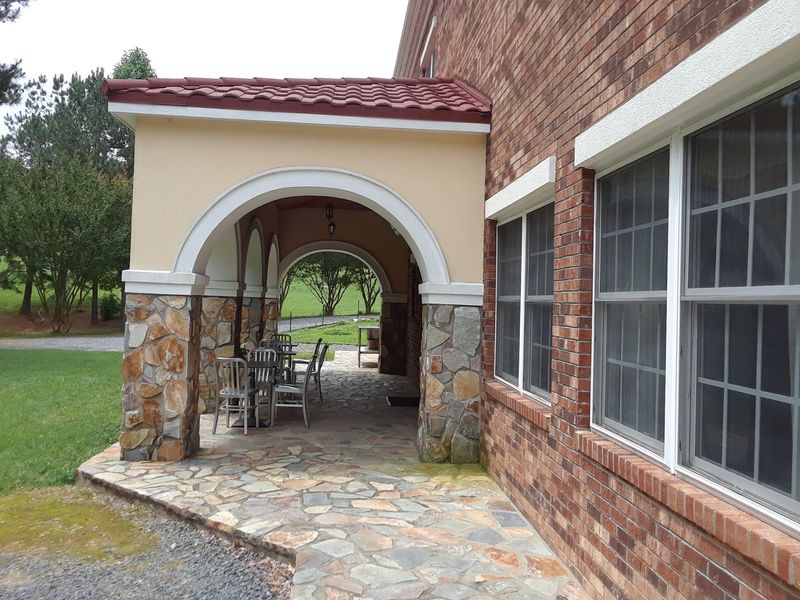
Across the United States, a network of Orthodox monasteries traces its beginnings to one respected Greek spiritual father. Panagia Prousiotissa is part of that story.
A Greek visitor called it a blessed monastery of Elder Ephraim, the well-known monk who helped establish a number of Orthodox communities in America. For many Greek Orthodox faithful, that connection alone makes the trip feel like a pilgrimage.
What does that mean for an everyday visitor from Charlotte or Raleigh? Mostly, it means the life here follows careful, traditional patterns.
Prayer, work, and hospitality are woven together, much as they are in monasteries on Mount Athos and elsewhere in Greece.
You do not need to know the history to enjoy a visit. Still, understanding that link helps explain why the place feels so rooted and steady, as if it belongs to something much larger than one quiet property in Montgomery County.
Sisters Who Make Strangers Feel at Home
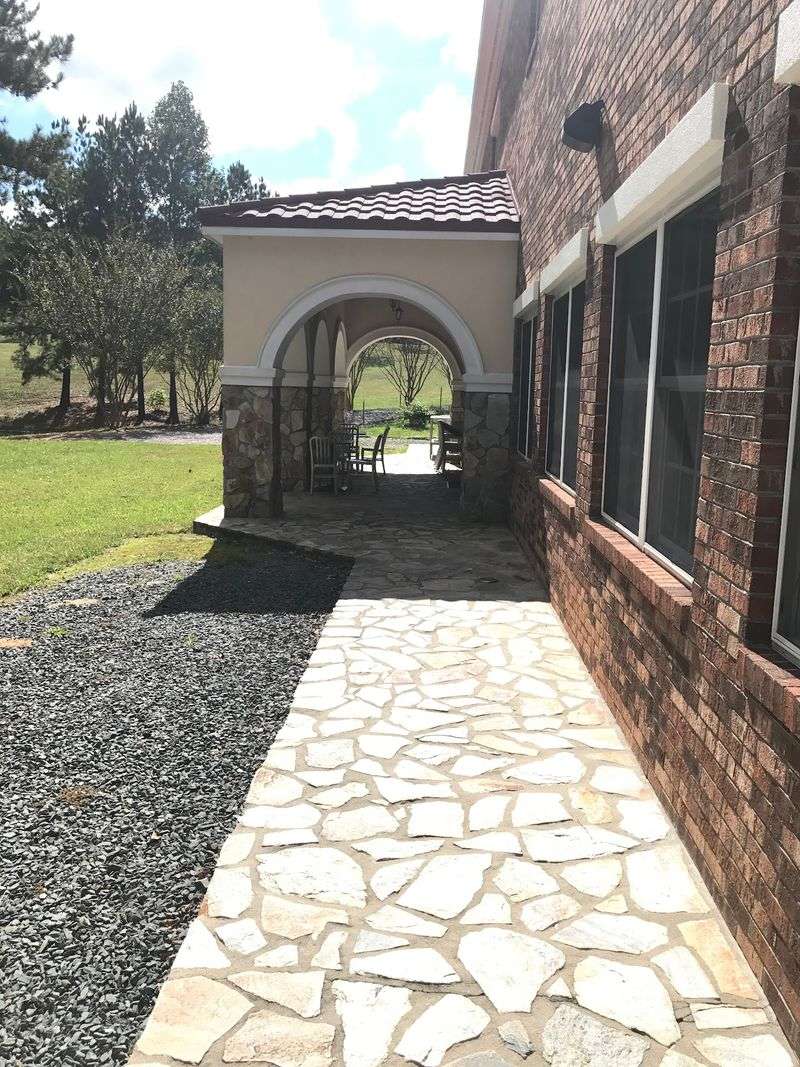
Ask almost anyone who has been, and the first thing they mention is not the building. It is the people.
Visitors speak of the Abbess and the sisters as precious, hospitable, and lovely ladies who take great care of the place. One guest called the whole monastery an oasis for the soul, and another described it as full of unconditional love.
Some people even ask the nuns to pray for their families, a sign of how much trust and affection guests feel. A priest serves here too, and visitors speak just as fondly of him.
Here is a sweet moment one traveler shared: the church was closed when they stopped by, yet the nuns still invited them in. That kind of welcome is rare anywhere.
Remember, though, that the sisters have daily duties, so be patient and grateful for whatever time they can offer you.
Chanting in the Language of the Gospels
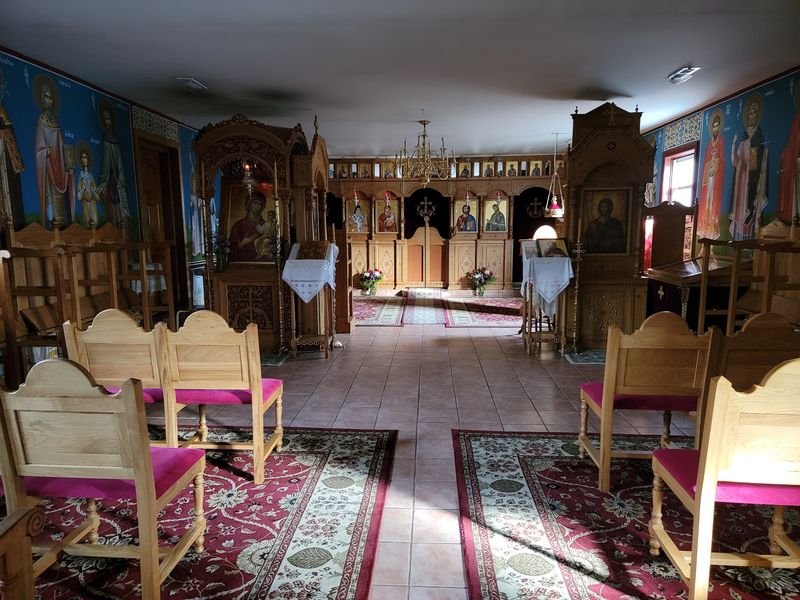
Close your eyes during a service and you might forget you are in North Carolina at all. The prayers here are offered in Greek, the same language in which the New Testament was first written.
A recent visitor called the service beautiful and mentioned it was entirely in Greek, adding that they plan to come back soon. Another guest simply said the service is very nice and everyone is kind.
Don’t worry if you do not understand a single word. The melodies, the flicker of candles, and the scent of incense speak a language of their own.
Standing quietly in the back is perfectly fine for first-timers. Watch, listen, and let the ancient rhythm carry you along.
Many guests find that the experience feels less like attending an event and more like stepping into a centuries-old song that has never stopped playing.
Grounds Built for Slowing Down
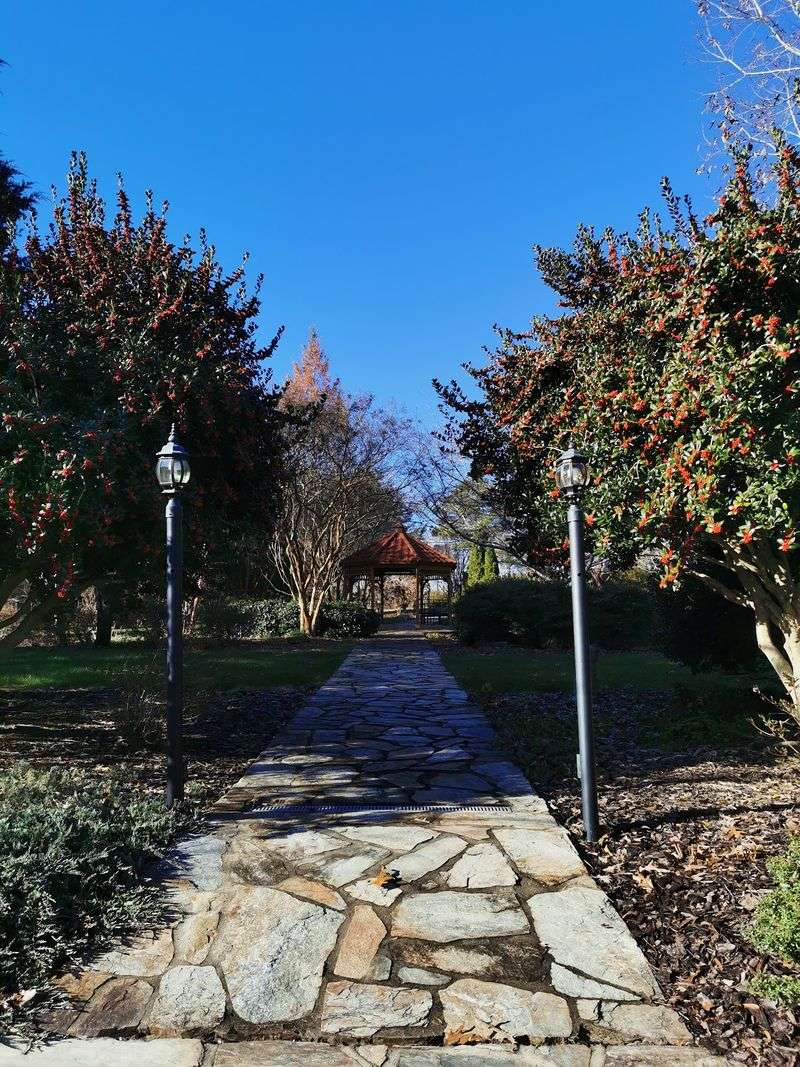
Silence is the main attraction outside the church walls. The grounds are often described as beautiful, serene, and tranquil, a place for reflection and prayer rather than sightseeing checklists.
Wander slowly, and you will notice how carefully the sisters tend everything. Visitors praise the loveliness of the property, and it shows in the small, well-kept details.
Seasons shape the mood nicely too. Spring brings fresh green to the Piedmont, fall paints the surrounding woods in warm colors, and even a crisp winter afternoon can feel cozy here.
Pack a little patience rather than a long agenda. This is not a place to hurry between photo spots.
Find a quiet moment, breathe in the fresh country air, and let your thoughts settle. Many who come say they leave lighter than they arrived, which is a pretty good return on a simple afternoon drive.
Modest Dress and Mindful Manners
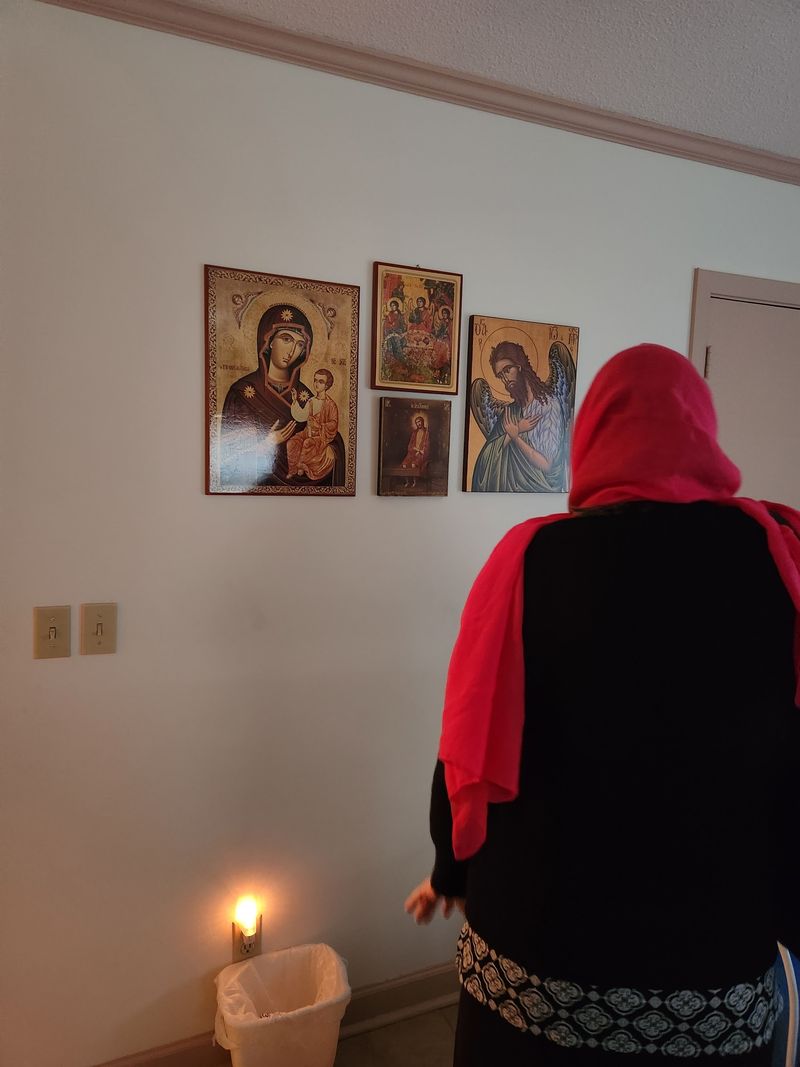
A little preparation goes a long way. One visitor offered helpful advice: be mindful of the nuns’ duties and of how you dress if you plan to visit.
Monasteries are homes and places of prayer, not tourist attractions. Modest clothing is the respectful choice, which usually means covered shoulders and knees, with long skirts and head coverings commonly worn by women at Orthodox monasteries.
Keep voices low on the grounds, silence your phone, and ask before taking pictures, especially of the sisters or inside the church.
Families with kids can absolutely enjoy a visit, as long as little ones understand it is a quiet place. Treat it a bit like visiting a beloved grandparent’s house.
Good manners, gentle footsteps, and a thankful attitude will make your time there smoother and leave a kind impression for the next visitor who comes along.
Getting There and Planning Ahead
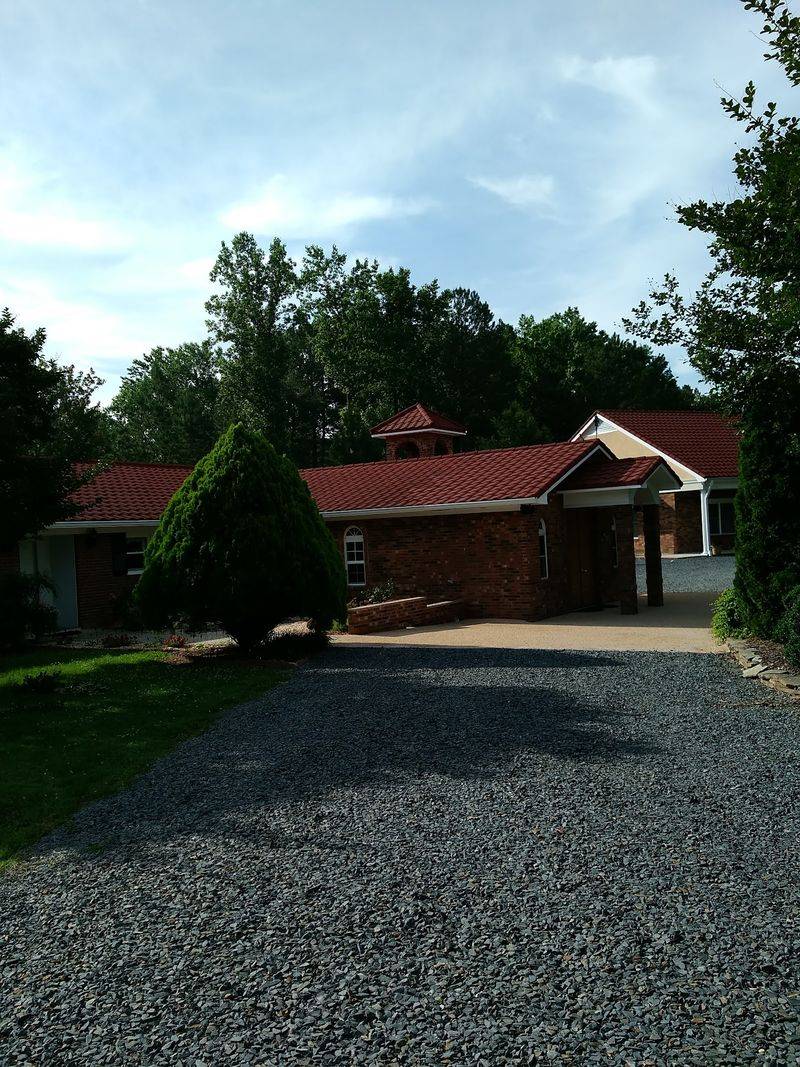
Mapping it out is easy enough: the monastery sits at 404 Warner Rd, Troy, NC 27371, in the rolling countryside of Montgomery County. It makes a natural stop for anyone exploring central North Carolina.
Hours are not posted in the information we gathered, and that matters. Monastery schedules revolve around prayer and services, and one visitor arrived to find the church closed.
Calling ahead at 910-572-3331 is the smartest move.
The official website, panagiaprousiotissa.org, is another good resource for service times and visiting guidance.
Bring a few things along for an easy trip:
Modest clothing, a respectful attitude, and some extra time to linger. Because the setting is rural, plan your snacks and fuel stops before you leave town.
With a little planning, the visit becomes a low-stress, budget-friendly outing that feels much bigger than its simple price of admission: your time and attention.
Why the Quiet Is Worth the Drive
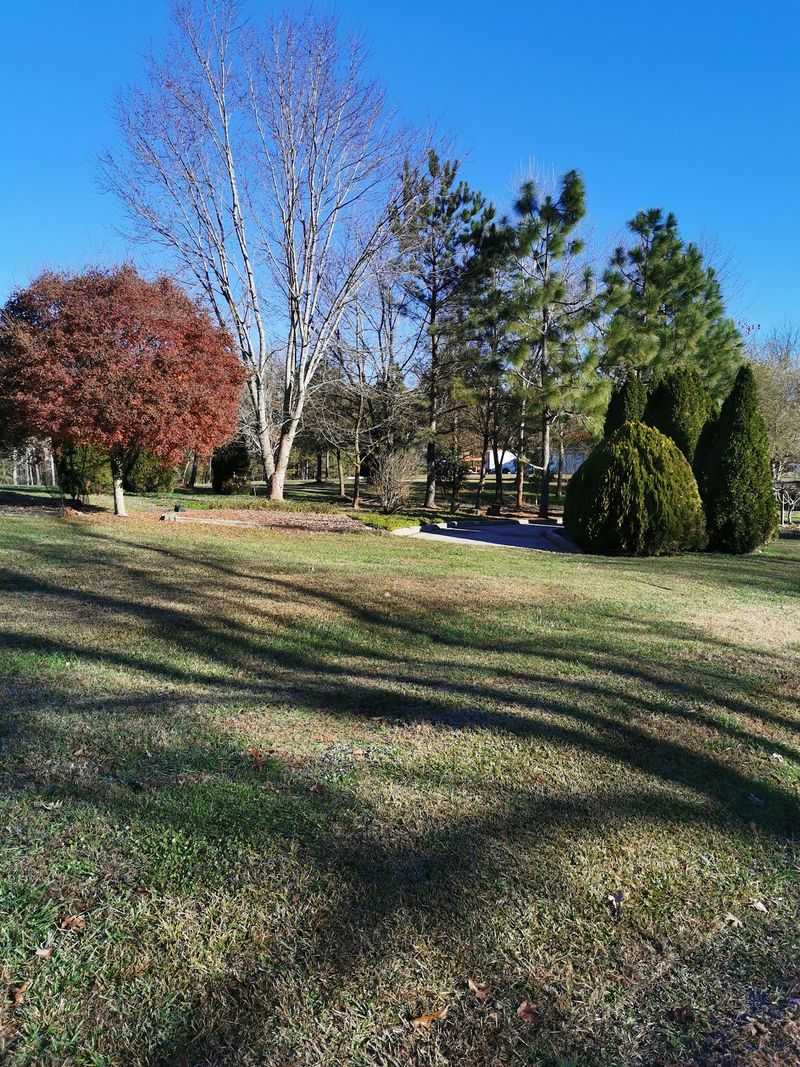
Plenty of day trips are loud, crowded, and expensive. Panagia Prousiotissa offers the opposite, and that is exactly its charm.
You get a living connection to a Greek mountain village, a tradition tied to Elder Ephraim, services sung in Greek, and sisters whose kindness visitors still talk about years later. One guest called it one of the most peaceful and welcoming places in the world, and another simply named it their favorite monastery.
Is it for everyone? Travelers hoping for gift shops and attractions may want to look elsewhere.
Anyone craving stillness, history, or a gentle spiritual pause will likely feel right at home.
Go with an open heart and modest clothes. Call ahead, stay respectful, and give the place time to work its quiet magic.
Sometimes the most memorable North Carolina discoveries are the ones that ask nothing more of you than to slow down.
Share this story