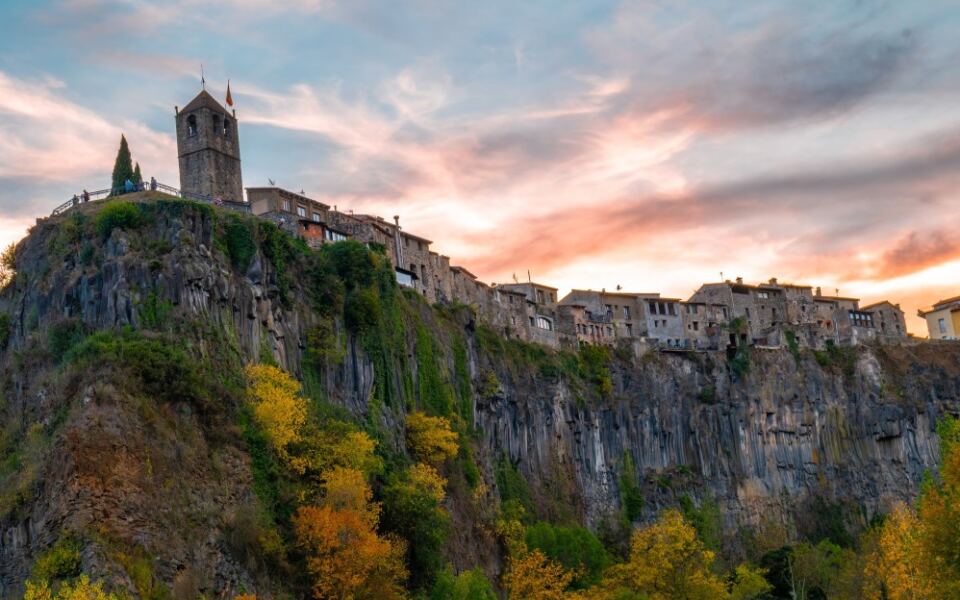
Spain is famous for big cities and busy beaches, but its small towns hold some of the best surprises. Think castles on cliffs, stone bridges, and streets that feel frozen in time.
Many of these places are quiet, friendly, and easy to explore on foot. Ready to find the Spain that most visitors miss?
Albarracín, Aragón
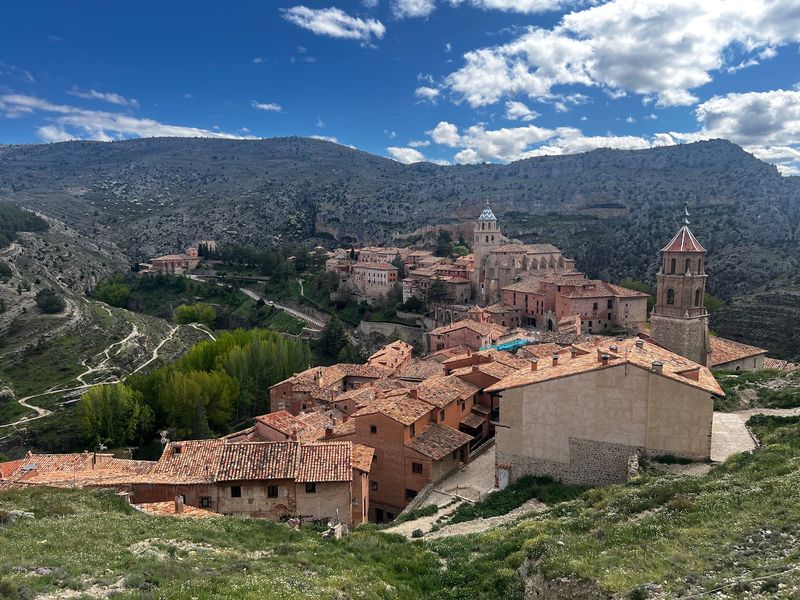
Rust-pink walls glow at sunset in Albarracín, and the whole town looks like it was painted by a patient artist. Steep lanes twist past old houses with wooden balconies.
Over the hill, walls and towers stretch along the ridge.
The town sits in Teruel, far from Spain’s busiest tourist routes. That means you can stroll in peace and hear your own footsteps on the stones.
Climb up to the castle and the cathedral for wide views of the rocky valley.
Nature adds its own show here. The land around the town holds fossils from a sea that covered the area about 150 million years ago.
Hikers can follow trails through red cliffs and pine forest.
Wear good shoes, because the streets are steep and uneven. Come early in the morning if you want empty alleys and soft light for photos.
Many visitors say Albarracín is one of the prettiest villages they have ever seen, and it still feels like a secret. Pack a jacket too, since nights up here can be chilly even in summer.
Cudillero, Asturias
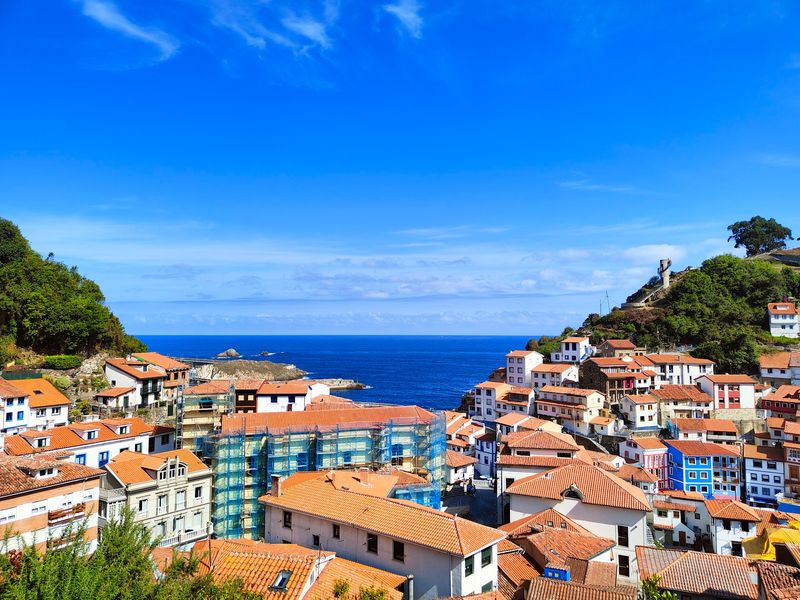
Fresh grilled sardines and salty sea air greet you the moment you reach Cudillero. Colorful houses are stacked up the hillside around a tiny harbor.
It feels like a theater, and the sea is the stage.
Narrow lanes and stairways lead up to viewpoints such as La Garita, La Atalaya, and El Pico. Each one gives a new angle on the rooftops and boats below.
The lighthouse is a good spot to catch the wind and the waves.
The small square by the harbor is packed with seafood restaurants. Try the local fish and a glass of cider, then watch the fishing boats bob nearby.
The 16th-century Gothic church and the older Chapel of El Humilladero add a touch of history.
Not far away, Playa del Silencio offers one of the most dramatic beaches in Asturias. Bring a camera and sturdy shoes for the stairs.
If you want a coastal town without the crowds of the Mediterranean, this one is a winner.
Morella, Valencian Community
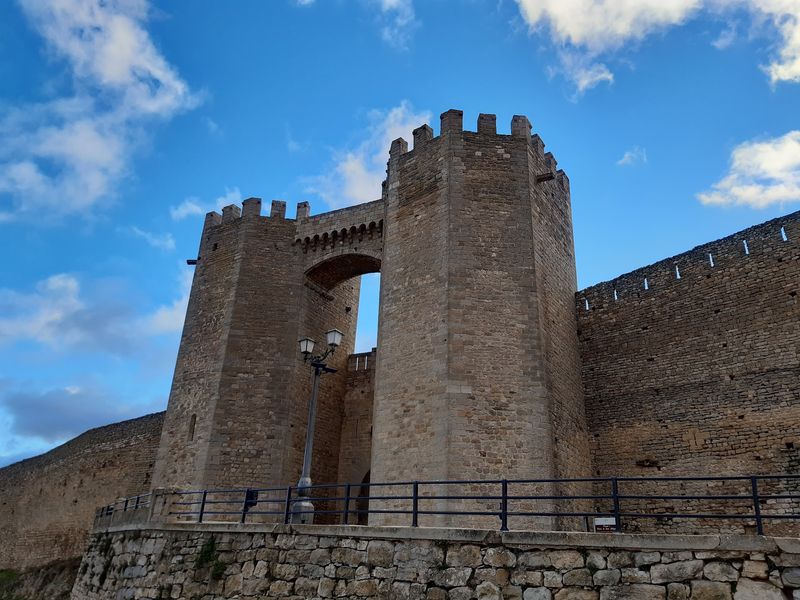
Ever seen a castle that seems to grow out of the rock itself? Morella’s fortress does exactly that, perched high above a hill in inland Castellón.
Most of the town walls date from the 14th century and still circle the old center.
Inside the walls, you will find Gothic churches, old convents, and streets lined with arches. Look for the remains of an aqueduct as you wander.
Spain protects Morella as a Site of Cultural Interest, and it is easy to see why.
Many people go to the Valencian coast for beaches, so this hilltop town stays pleasantly quiet. That gives you space to explore at your own speed.
Cafes and shops tuck themselves under the arcades, which is handy when the sun gets strong.
Save some energy for the climb to the castle. At the top, the views roll out across the rugged Els Ports mountains.
A walk along the walls shows the town from every side. Try the local cheeses and sweet pastries before you head home.
Pedraza, Castilla y León
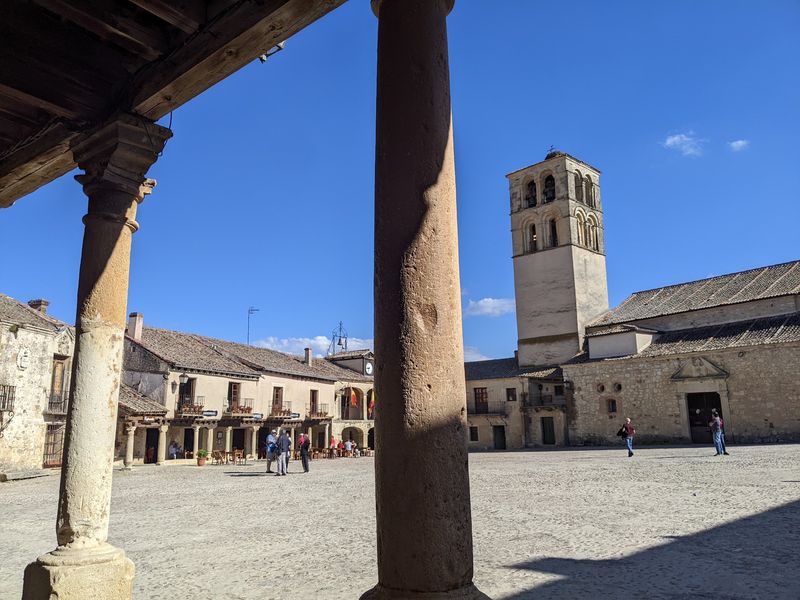
Only about 90 minutes from Madrid, Pedraza feels like another century. Cobbled lanes lead past stone mansions built in the 16th and 17th centuries.
Back then, the town grew rich from fine textiles.
The Plaza Mayor is the heart of the village. Arcaded buildings frame the square, and traditional restaurants fill it with the smell of roast lamb and suckling pig.
Castilian cooking is hearty, so come hungry.
Walk to the castle and the old medieval prison, then pass through the Puerta de la Villa, the gate that guards the entrance. Restored walls remind you that this was once a fortified settlement.
Spain named Pedraza a Historic-Artistic Site in 1951.
Even though it is close to the capital, the town does not feel like a quick day trip stop. It has its own calm rhythm, especially in the evening after the day visitors leave.
Stay overnight if you can. Candlelit streets and quiet stone walls make the night special.
Besalú, Catalonia
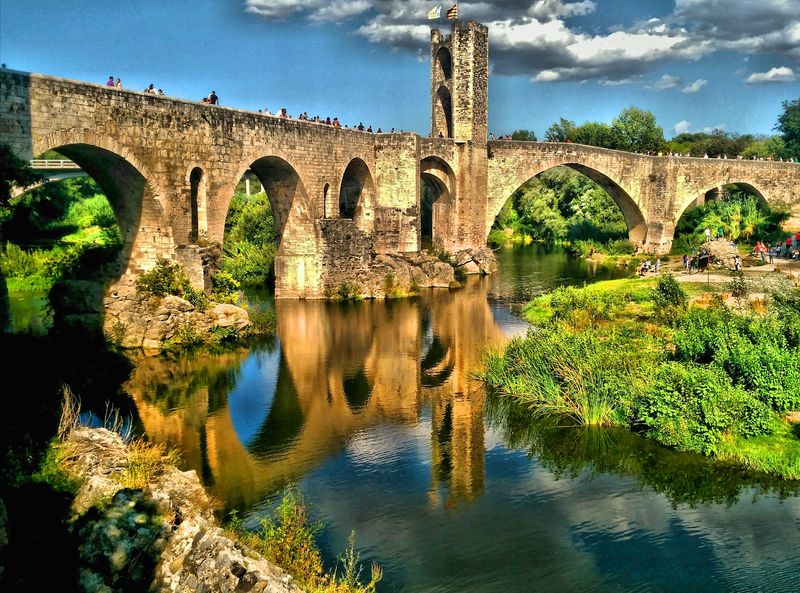
A stone bridge from the 12th century greets you at Besalú, and it is hard not to stop and stare. It crosses the Fluvià River with a gate tower in the middle.
The old town waits on the other side.
Cobbled streets lead to Romanesque and Gothic churches and noble houses. Besalú also had a Sephardic Jewish community in the Middle Ages.
A rare mikveh, a Jewish ritual bath, still survives and adds a deep layer to the story of the town.
The town lies in La Garrotxa, near volcanic hills and the foothills of the eastern Pyrenees. Nature lovers can add a hike or a bike ride to the day.
Check the local cafes for sweet treats made with regional ingredients.
Plenty of travelers see Barcelona and the Costa Brava and stop there. Besalú shows another side of Catalonia, one that is slower and quieter.
Go early to see the bridge without crowds. It looks amazing in the morning light.
Vejer de la Frontera, Andalusia
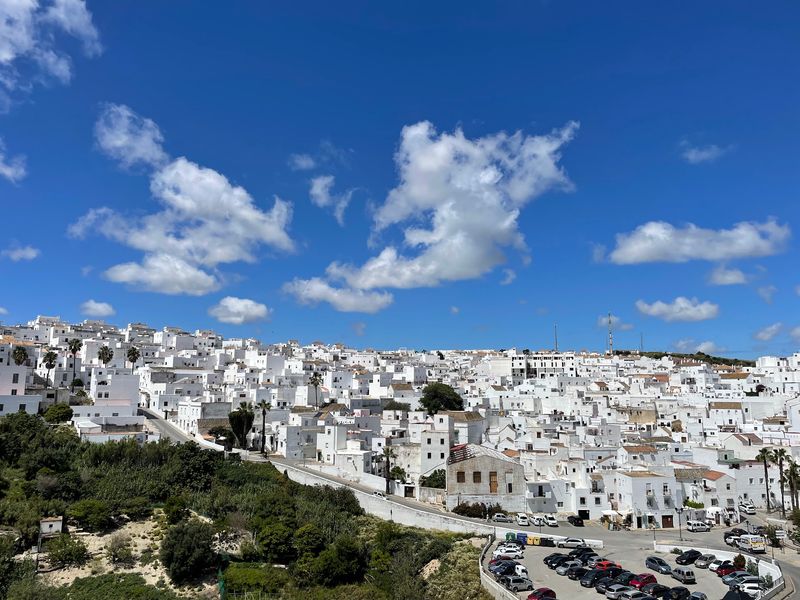
White houses tumble down a hilltop in Vejer de la Frontera like spilled sugar cubes. The town sits a few miles inland from the Atlantic coast of Cádiz.
Its Islamic past still shows in the shape of its streets and gates.
Winding lanes pass sections of old wall, an 11th-century castle, and the Jewish quarter. Look for the Arco de Segur, one of the old gateways.
The Church of Divino Salvador is another stop worth making.
Spain named Vejer a Historic-Artistic Site in 1976. The high position gives wide views over fields and toward the sea.
Sunset from the walls is a favorite moment for many visitors.
Everyone knows Seville, Córdoba, Granada, and Málaga. Vejer gets far less attention, so you can often explore without a crowd.
Wear comfy shoes for the hills and bring a hat for the sun. After a long walk, sit down in a plaza and enjoy tapas with a cool drink.
Castellfollit de la Roca, Catalonia
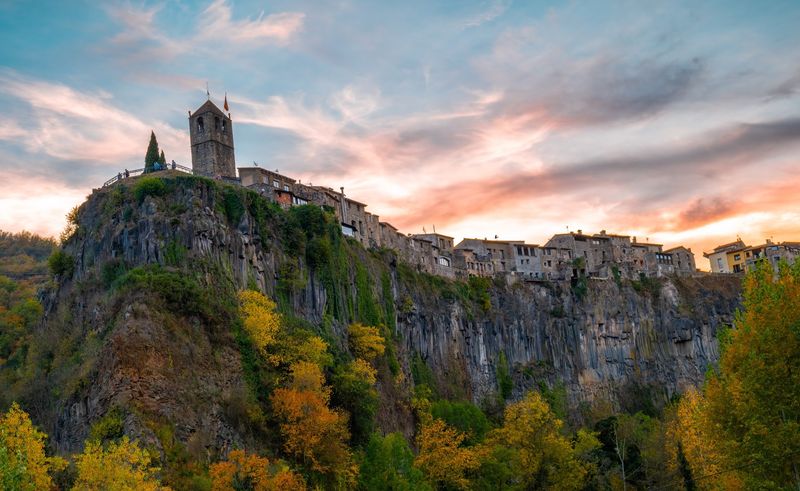
Houses at the edge of a cliff would make most people nervous, but Castellfollit de la Roca wears the look proudly. The village stands on a basalt cliff about 50 meters high.
Two rivers run below, squeezing the rock into a narrow ridge.
Stone houses line the top in a neat row, and narrow lanes run between them. The village is small, so you can see most of it on foot in an easy, slow walk.
Stop often, because every corner has a view.
For the best photo, head to the Josep Pla viewpoint. From there, the whole cliff and village fit in one frame.
Spain’s tourism authority lists Castellfollit as a lesser-known cultural stop, and many visitors agree.
The village sits in the volcanic landscape of La Garrotxa, so add a nature walk to your trip. Green hills, old lava flows, and quiet forests surround the area.
Bring water and a camera, then take your time.
Granadilla, Extremadura
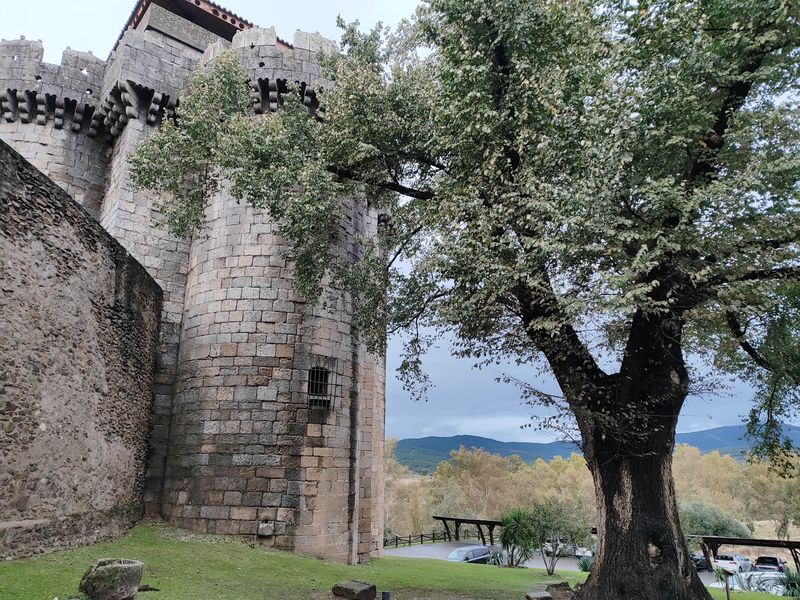
Silence is the loudest thing in Granadilla. This walled village in Extremadura has no regular residents, yet its streets, houses, and defenses still stand.
It feels like a movie set that just happens to be real.
The town dates back to the ninth century. Its place near the old Vía de la Plata route explains the strong walls.
Soldiers and traders once passed through here on their way across Spain.
In the 20th century, people had to leave after the nearby Gabriel y Galán Reservoir was built. The village sat empty for years.
In the 1980s, a national program for recovering abandoned villages began to restore it.
Today you can walk through the gates and wander among stone buildings. There is no hustle, no traffic, and no souvenir crowds.
Bring water and a hat, since shade can be scarce in summer. Take time to climb the walls for views of the lake and the countryside, then picnic nearby.
Briones, La Rioja
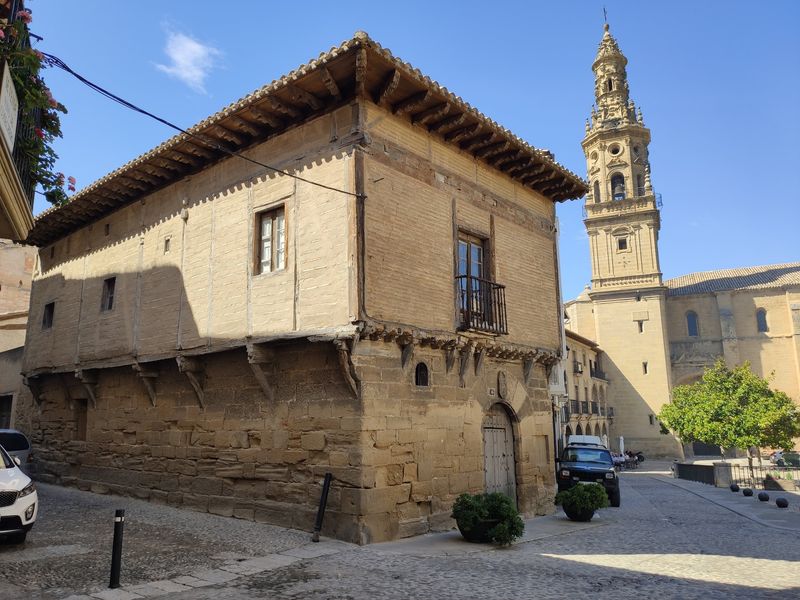
Grapevines roll out in every direction around Briones, and the town sits on top like a stone crown. Its historic streets pass old palaces, noble houses, and quiet corners.
The town overlooks the vineyards of Rioja Alta.
Spain’s tourism portal lists Briones among the lesser-known historic towns of inland Spain. Walking its lanes takes little time, but the details reward a slow pace.
Look up to spot carved coats of arms on the walls.
Just outside town, the Vivanco Museum of Wine Culture tells the story of wine from ancient times to today. Pair it with a stroll through the old center and you get a full picture of the region.
Food, farming, and history all blend in one visit.
Many travelers rush to a winery and then drive away. Stay a bit longer in Briones.
Have lunch in a local restaurant, taste a Rioja red, and watch the sun settle over the vines. It is a gentle, tasty way to spend a day.
Rubielos de Mora, Aragón
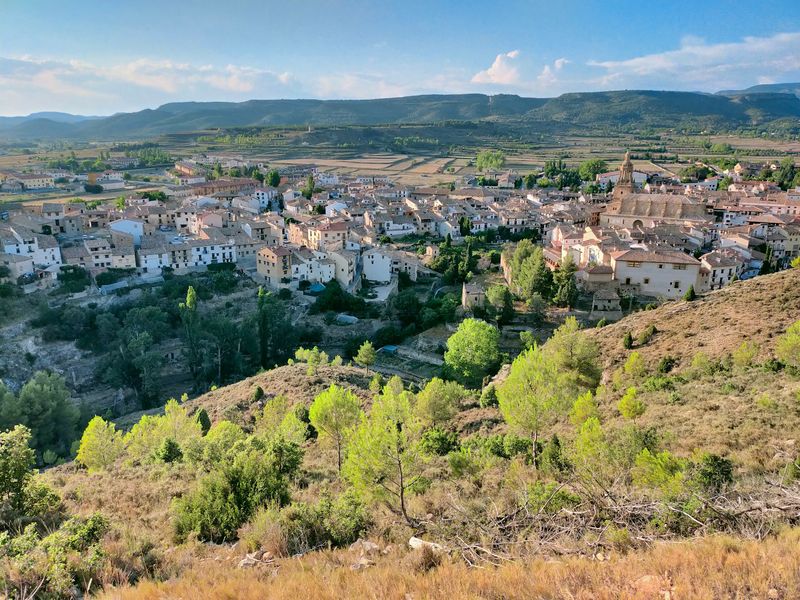
Slow down, because Rubielos de Mora wants you to. It belongs to the international Cittaslow network, which promotes local culture, food, and relaxed travel.
The pace here is easy and the welcome is warm.
The town lies in Teruel province and keeps its old charm. Stone mansions, medieval gates, and traditional streets tell the story of rich families and skilled craftspeople.
No single giant monument steals the show, and that is part of the fun.
Wander the lanes and notice the carved doorways and sturdy balconies. Stop in a local bakery or restaurant to try regional dishes.
Ask people about the town, because locals often love to share stories.
Rubielos also makes a handy base for exploring the highlands of southern Aragón. This part of Spain sees only a small share of the visitors that Andalusia or Catalonia receive.
Rent a car, plan a few day trips, and come back each evening to a calm, cozy town.
Share this story