Winter can be the smartest season to see Europe without emptying your wallet. After the holiday rush, hotel prices drop and crowds thin out.
Many cities in Central, Eastern, and Southeastern Europe also keep meals, buses, and sightseeing wonderfully cheap. Here are fifteen places where your money stretches far and the winter scenery still shines.
Sarajevo, Bosnia and Herzegovina
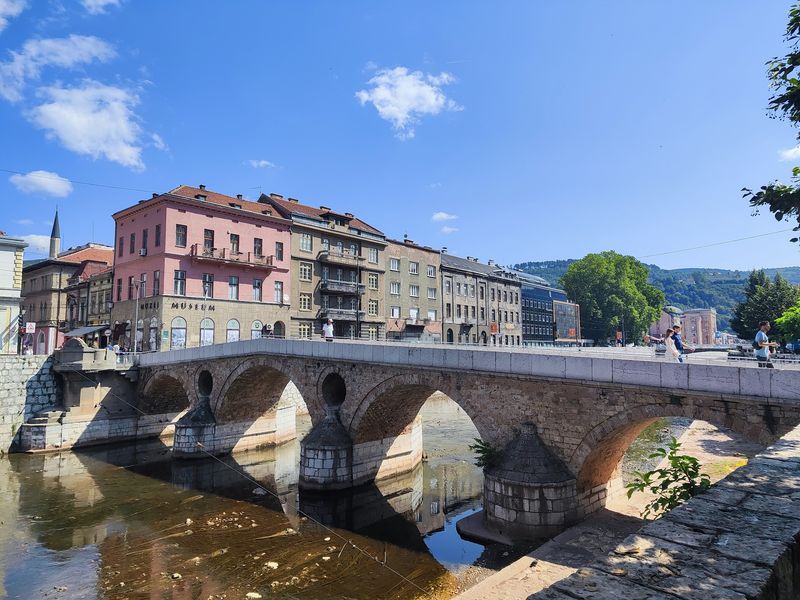
Snow on copper rooftops, coffee brewing in tiny cups, and a bill that barely stings. Sarajevo ranked cheapest of 50 European cities in the 2026 Post Office survey, at just £248 for two people.
Baščaršija, the old bazaar, turns magical after a snowfall. Its Ottoman-era lanes glow softly in the evening, and the smell of grilled ćevapi drifts from the restaurants.
Cafés make a perfect refuge when fingers go numb.
Museums and Austro-Hungarian streets give you plenty to explore on colder days. You can wander for hours without spending much at all.
Mountain fans have a bonus. Bjelašnica and Jahorina, tied to the 1984 Winter Olympics, are an easy trip from town.
You can ski or simply enjoy the white peaks.
The local tourism board now promotes the city as a winter destination, so more visitors are catching on. Go soon, bring warm boots, and save your budget for a second helping of dessert.
Bucharest, Romania
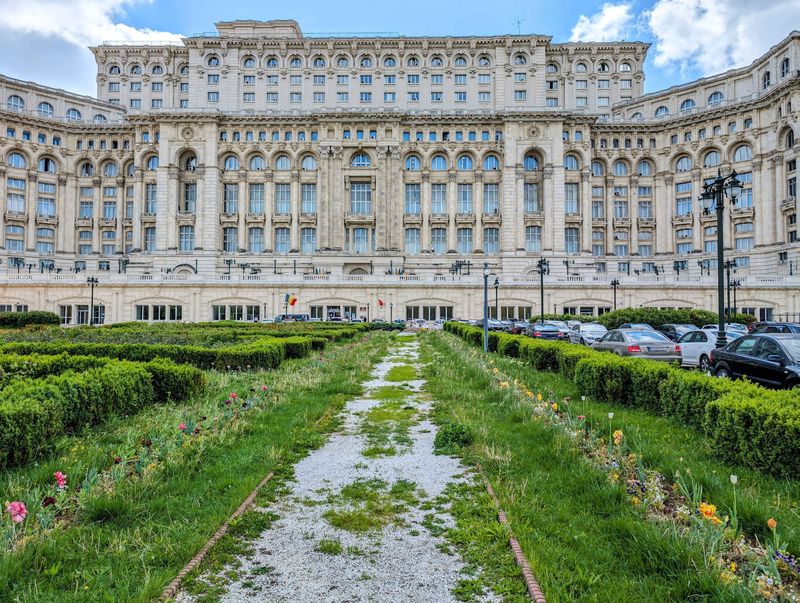
Few buildings make you feel as tiny as Bucharest’s Palace of Parliament. It is enormous, and winter is a great time to step inside and take a tour while the weather stays chilly.
The city came second in the 2026 City Costs Barometer, only £10 behind Sarajevo. At £258 for two, you get a big European capital without the big price tag.
Cold days push you toward museums, historic churches, and cozy cafés. At night, the Old Town stays lively with restaurants and bars.
Order sarmale, a hearty soup, or grilled meat with polenta, and you will be warm in no time.
Snow is possible but not guaranteed. January and February are usually calmer than festive December, so rooms and tables are easier to find.
If you have extra days, Bucharest also works as a gateway to Transylvania. Pack layers and a curious appetite.
Tirana, Albania
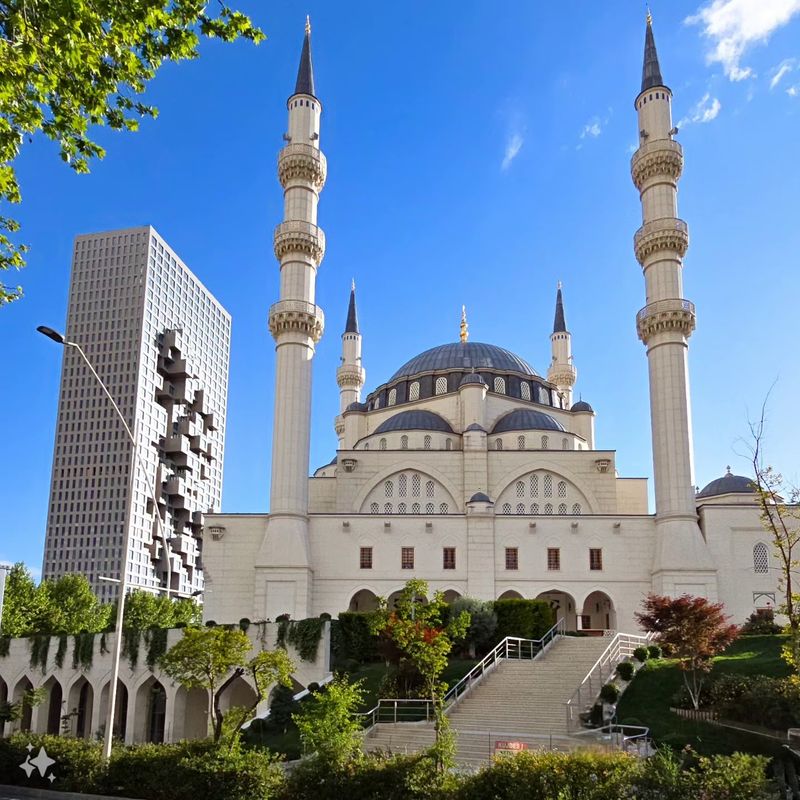
Here is a neat trick: breakfast in a mild city, lunch above the snow line. Tirana makes it possible thanks to Mount Dajti and its cable car.
The ride takes about 15 minutes. Up top, snowy hills replace the city streets, and the views stretch for miles.
Tirana placed third in the 2026 Post Office survey, with a two-person basket of £263. It also had the lowest hotel costs of all the cities compared.
That leaves more cash for coffee, pastries, and long lunches.
Winter here is far gentler than in Baltic or Central European capitals. Albania’s tourism authority describes the season as one of lit-up squares and cultural events, so evenings feel festive.
Museums and cafés fill the daytime hours nicely. After the New Year celebrations, January and February bring quieter streets and easy browsing.
Bring a light coat, and a warmer layer for the mountain.
Belgrade, Serbia
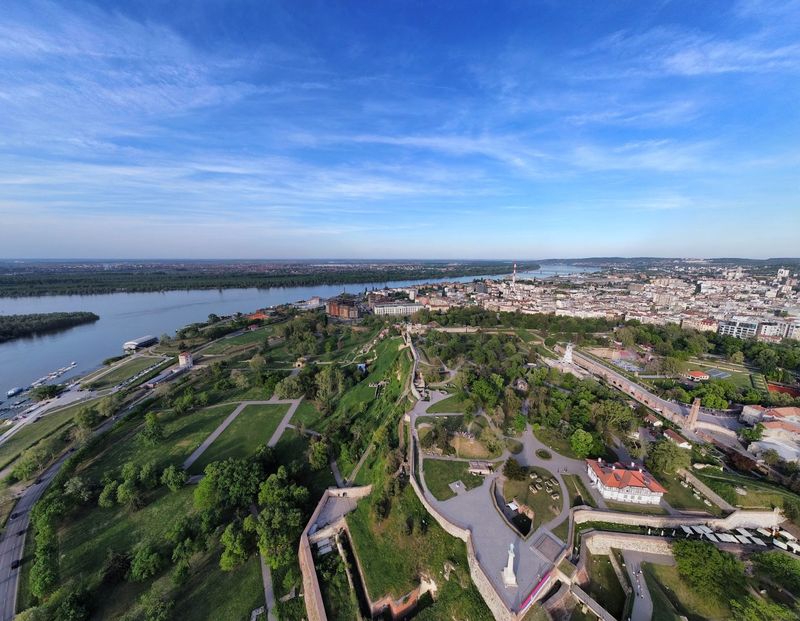
Gray skies, warm bakeries, and loud live music: that is Belgrade in winter. The city is at its best indoors, and that suits a small budget perfectly.
It finished fourth in the 2026 affordability ranking, only £17 above Sarajevo. The rivers may look moody on cloudy days, but the nightlife never seems to notice.
Traditional kafanas serve generous plates, while bars and venues keep evenings busy even in January and February. Museums offer a dry place to wander when the wind picks up.
Kalemegdan Fortress is free to explore, and most of the historic center is walkable. That saves you money on transport.
Expect higher demand around New Year. The weeks after that can deliver one of Europe’s cheapest capital breaks.
Food and rooms are the big reasons Belgrade scores so well, so come hungry and bring a hat.
Trenčín, Slovakia
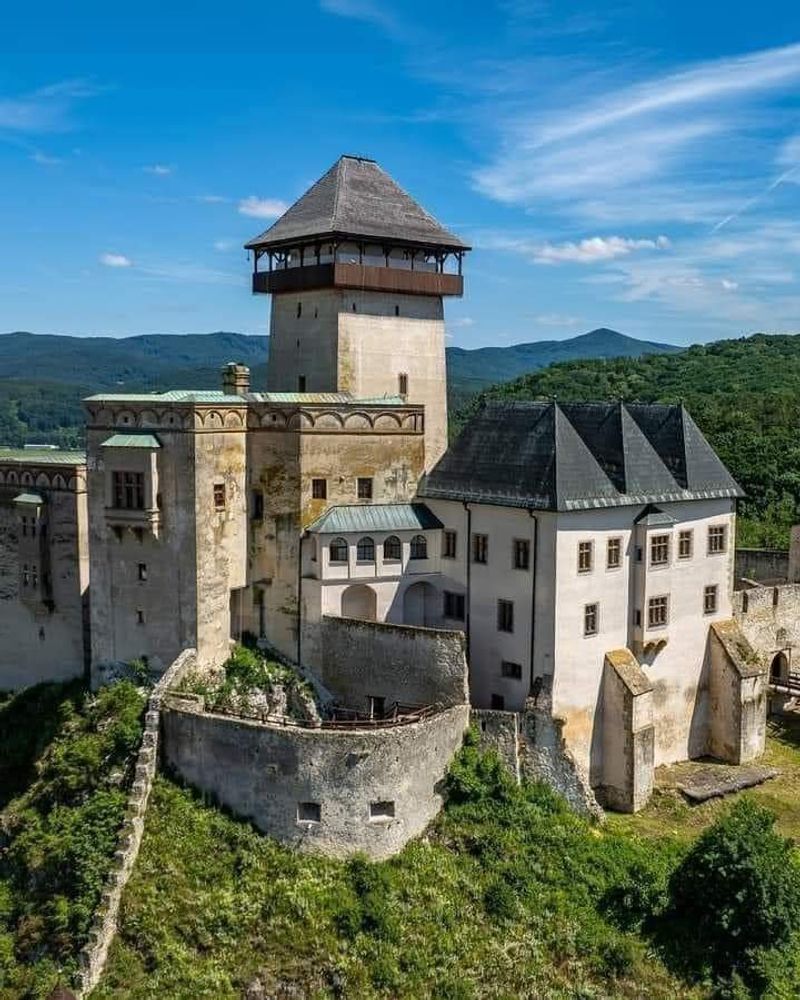
A castle on a cliff, a tidy old square below, and almost no crowds. Trenčín is small, and that is exactly the charm.
The Slovak town ranked first in the Post Office comparison for the value of meals for two. Its overall basket came to £272, which puts it among Europe’s strongest bargains.
The medieval castle towers over the compact center, so you can reach the main sights on foot. That means little spent on transport.
When snow arrives, the fortress and the hills around it look dramatic. Cafés and restaurants offer a warm break afterward.
Trenčín suits travelers who prefer a slow, small-town break to a packed capital. You can also link it with Bratislava or Vienna by rail, if you want a bigger city on the same trip.
Pack comfy shoes for the castle climb.
Riga, Latvia
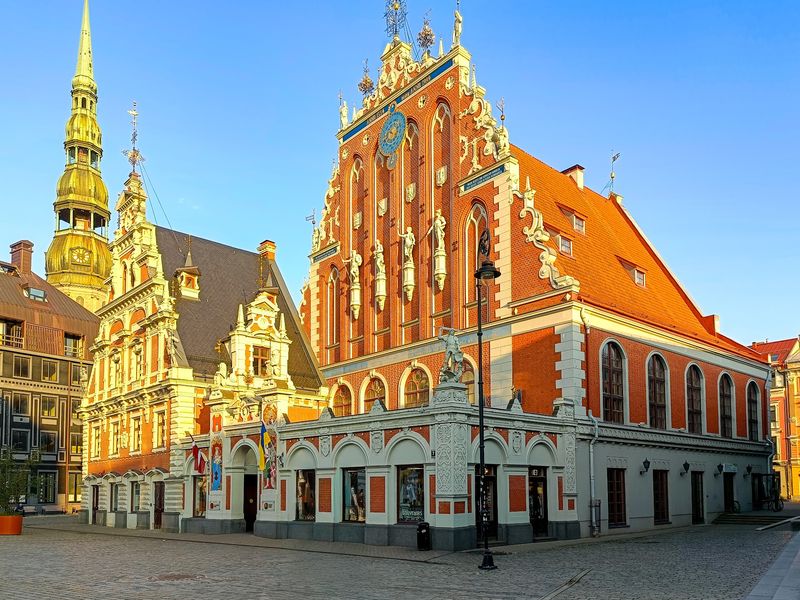
Second place among 15 Christmas-market cities, behind only Vilnius: that is Riga’s festive score in the 2025 Post Office barometer. It also ranked sixth in the 2026 city-break survey, at £278 for two.
The medieval Old Town looks like a storybook under lights. Art Nouveau buildings, cafés, and museums fill the rest of your days.
The 2026 Christmas program includes a market on Dome Square, concerts, workshops, and several smaller markets around town. Try Baltic dishes to warm up between stalls.
January and February are darker and colder. They are also quieter, and snowy streets can look striking.
If you can handle Baltic winter, you get a historic capital at prices far below Scandinavia. Bring thermal socks, a sturdy coat, and room for a bag of sweets.
Lille, France
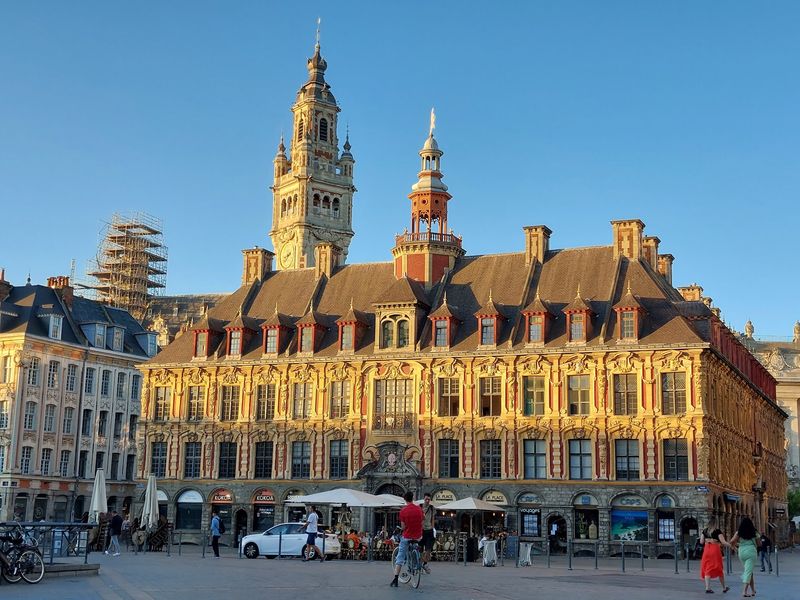
A French city on a bargain list? Yes, and Lille is a delightful surprise.
It took seventh place in the 2026 survey with a two-person cost of £289, the same as Vilnius.
That price beats many better-known Central European stops. The look is Flemish, with brick facades and cobbled squares.
Hearty regional cooking and a lively café scene make cold days easy to enjoy. Order something rich and let the chill outside do its worst.
For 2026, the Christmas village runs from November 18 through December 30. The 50-meter Ferris wheel on Grand-Place stays until January 16, 2027.
After the festive period, the Palais des Beaux-Arts and the nearby La Piscine museum keep rainy days manageable. Lille is one of Western Europe’s best value surprises right now.
Pack an umbrella and an appetite.
Vilnius, Lithuania
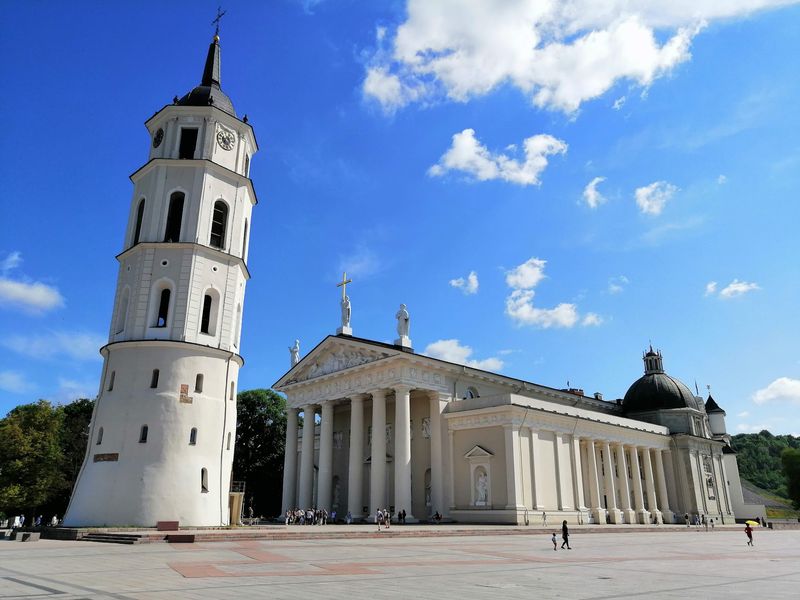
Skiing inside the city limits is not something you hear about every day. Vilnius offers it at Liepkalnis, and that is just one of its winter surprises.
The city ties with Lille at £289 in the 2026 City Costs Barometer. In the latest Christmas-market comparison, it ranked No. 1 for value, with a festive break costing £509 including travel items.
For winter 2026 to 2027, the Cathedral Square market runs from November 28 to December 27. An ice rink stays open in Town Hall Square through January 25.
The city tourism office says snow becomes more likely after New Year. That helps the Baroque Old Town look its best.
Wander the lanes, duck into a café, and try something hot and hearty. Wear grippy boots, because those cobbles can get slick.
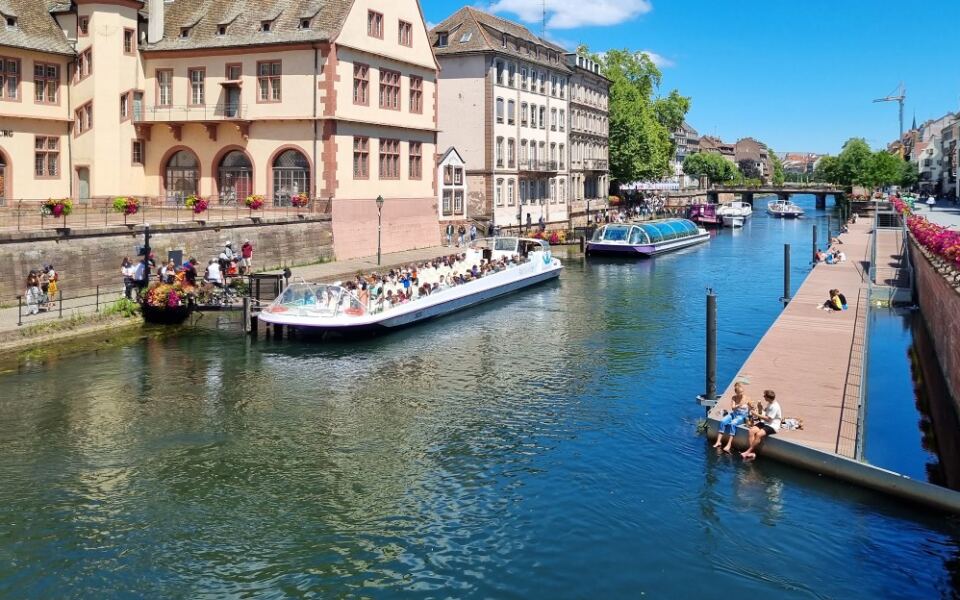
Strasbourg, France
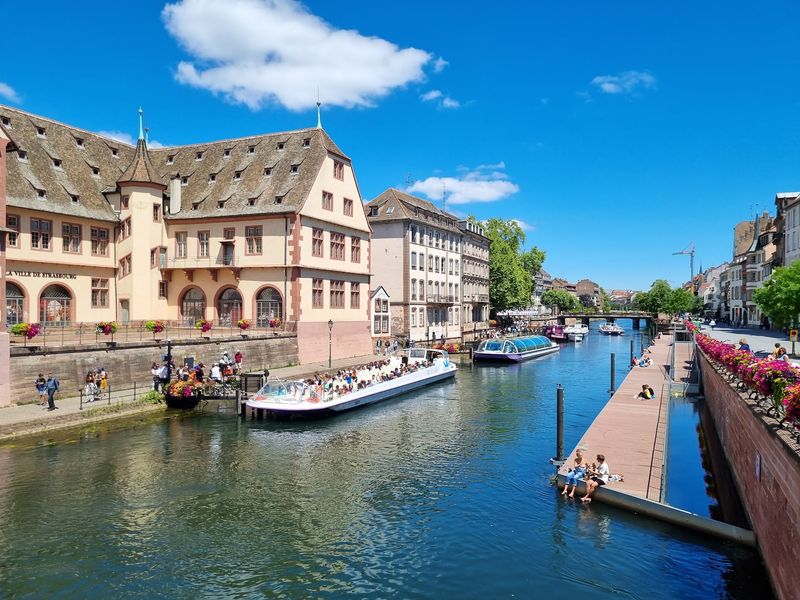
The oldest Christmas market in France dates to 1570, and Strasbourg still throws a great one. About 300 chalets fill the historic center in the 2026 edition, from November 27 through December 24.
Costs are higher than in Eastern Europe, yet the city ranked ninth of 50, with a two-person basket of £319. That is a strong showing for such a famous place.
Penny-pinchers should aim for January or February. The market premium fades, but the Gothic cathedral, Petite France, museums, and canals are all still there.
Alsatian restaurants serve rich, comforting dishes that are ideal after a frosty walk. Stroll along the water and admire the half-timbered houses.
Strasbourg proves that cheap winter travel does not mean skipping Western Europe. Bring gloves, and plan a long lunch.
Podgorica, Montenegro
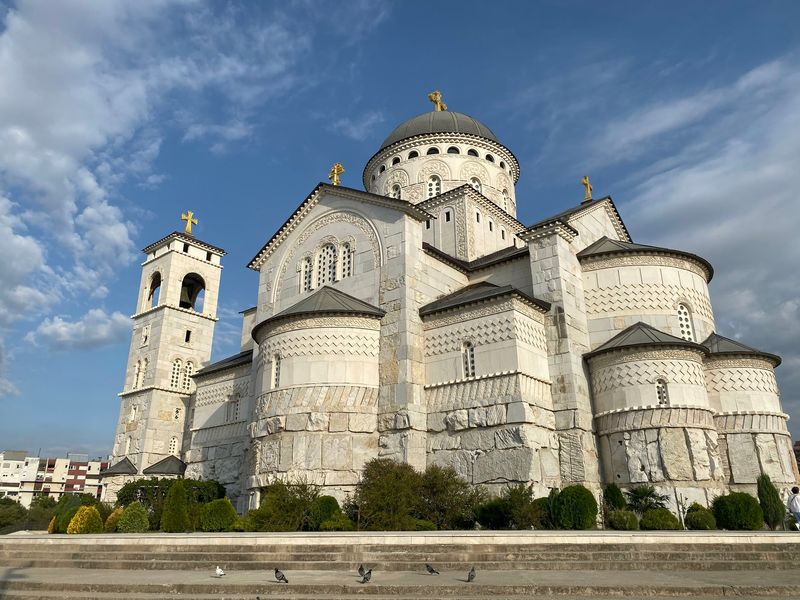
Not a postcard, but a smart base. Podgorica rounds out the top 10 cheapest city breaks, with a basket of £332 for two.
Its low elevation keeps winter fairly mild. Meanwhile, both the coast and the mountains lie around 50 kilometers away, according to Montenegrin tourism authorities.
That means you can reach Kolašin and other winter-sports areas without paying resort prices. Sleep in the city, ski by day, and come back for dinner.
The capital itself has restaurants, cafés, local wine, riverside walks, and a winter holiday market.
For a scenic detour, visit Niagara Falls on the Cijevna River. The tourism authority highlights it as especially attractive in winter, when the water runs strong.
Bring a waterproof jacket and a sense of adventure.
Gdańsk, Poland
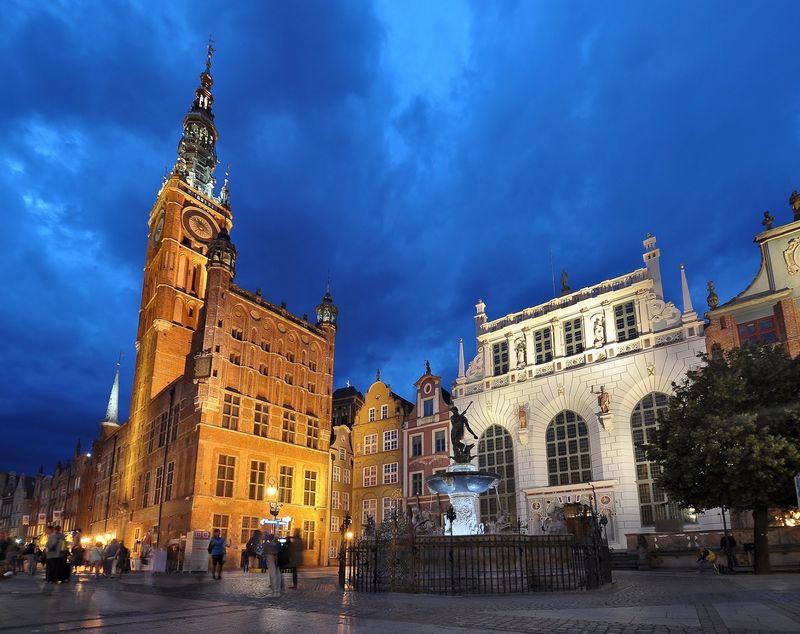
Daily spending in Poland runs roughly £25 to £80, depending on your style, says the Post Office country guide. Gdańsk makes that look easy.
The Baltic port narrowly missed the 2026 top 10. It still ranked fourth in the latest Christmas-market cost comparison, ahead of Budapest, Kraków, Berlin, and Prague.
Winter changes the place. Crowds thin on the rebuilt merchant streets, and the waterfront can look lovely with a bit of snow.
Museums offer plenty of indoor sightseeing, from maritime history to stories of the Solidarity movement. Warm up afterward with Polish comfort food.
If you do not need warm weather, Gdańsk delivers big architecture and history for modest everyday costs. Wear a windproof coat, because the sea breeze has opinions.
Budapest, Hungary
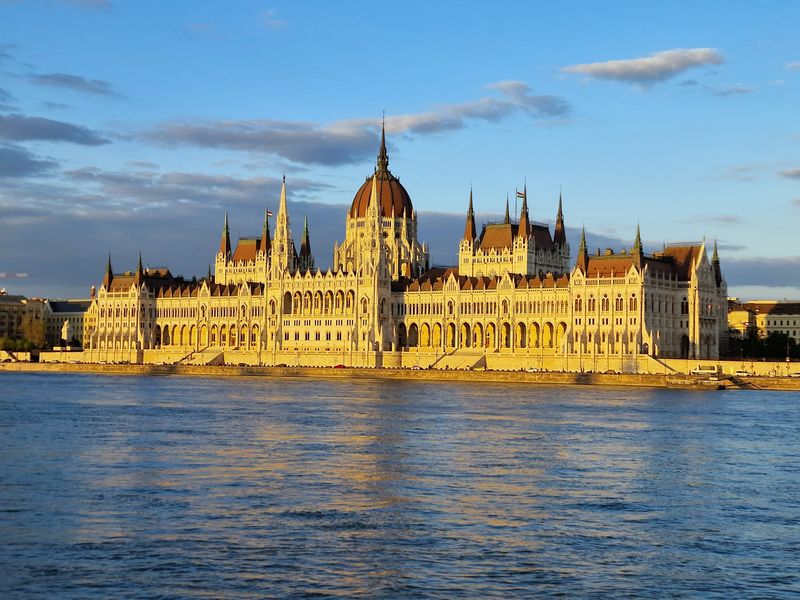
Picture soaking in steaming water while snowflakes land on your hair. Budapest makes that a regular winter scene.
Hungary is among Europe’s better-value countries, with typical daily spending of about £35 to £95, says the Post Office. That is a fair price for a grand capital.
Széchenyi, Rudas, and other baths stay open through the cold months. Budapest’s tourism organization also promotes the City Park ice rink, Christmas trams, and Advent markets.
When conditions cooperate, you can take snowy walks around Normafa. Winter averages sit around 0 to 2°C, so warm clothing is a must.
The thermal pools turn the chill into part of the fun. Pack a swimsuit, flip-flops, and a towel, and book your spa time early.
Sofia, Bulgaria
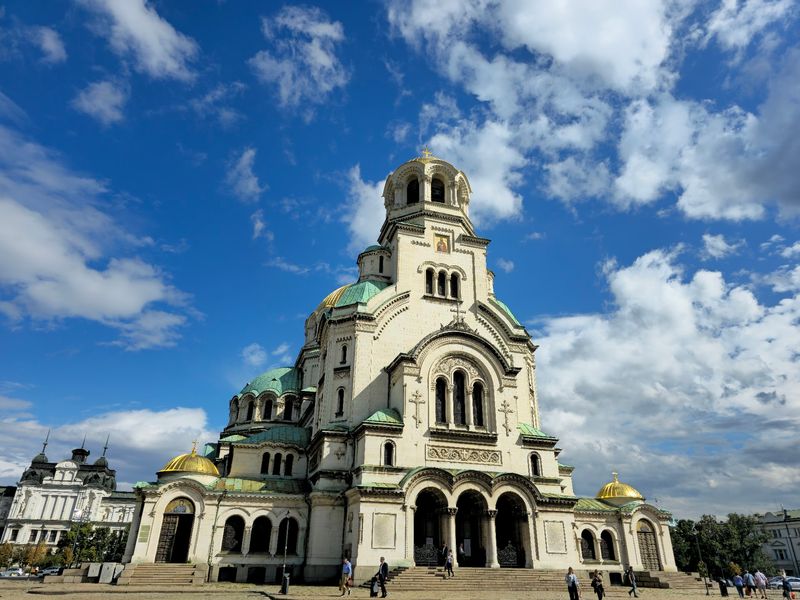
Few capitals let you ski before lunch and see Roman ruins after. Sofia does, thanks to Mount Vitosha right beside the city.
The ski season usually runs from early December to mid-April. The Aleko area sits around 1,800 meters and has more than 10 slopes.
Bulgaria is one of the cheaper European countries in Post Office research, with daily spending estimated at £30 to £75. That keeps lift tickets and dinner affordable.
Sofia’s tourism organization openly promotes winter for Christmas atmosphere, ice skating, traditional mehana restaurants, and value.
Spend one day among Orthodox churches and museums, then another in the snow. You get the mountain thrill without Alpine resort prices.
Rent your gear locally and save even more.
Algarve, Portugal
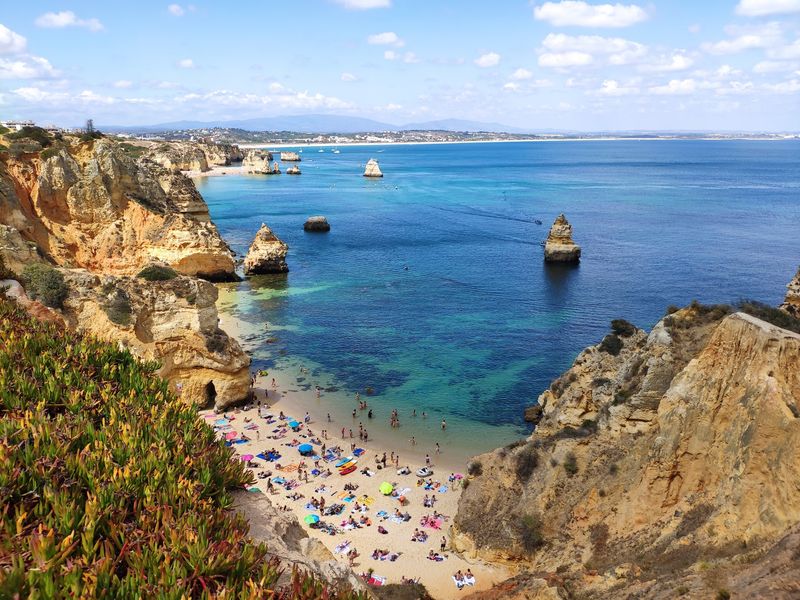
If snow is not your thing, head south. The Algarve was the best-value European destination in the Post Office 2026 Winter Sun Barometer, and sixth worldwide, with a basket of £82.35.
That survey uses different items from the city-break ranking. So please do not compare the numbers directly with Sarajevo or Bucharest.
Winter here is cooler than summer, of course. Still, you get cliff walks, beaches, historic towns, golf, and long stretches of Atlantic scenery without July and August crowds.
Lagos, Tavira, and Faro make practical bases. They suit travelers who like sightseeing and outdoor walks more than guaranteed swimming.
Bring a light jacket and good walking shoes. Sunset on the cliffs is free, and it never gets old.
Tenerife, Canary Islands, Spain
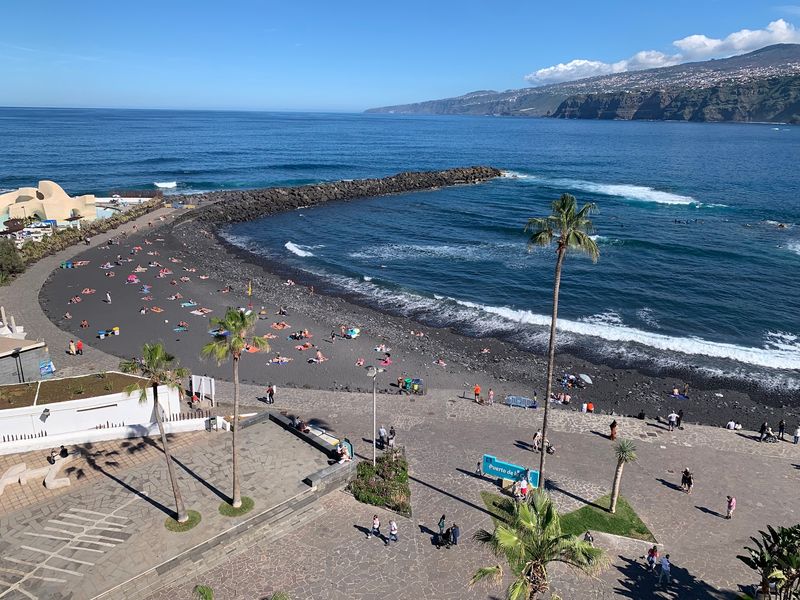
Snow on the peak, shirts on the beach: Tenerife can offer both on the same day. Conditions change dramatically with elevation.
It is the warmest pick on this list. The Post Office 2026 Winter Sun Barometer ranked it ninth globally, with a basket cost of £87.46.
Beaches stay usable through much of winter. Yet the island offers far more than sand.
Teide National Park brings volcanic scenery and hiking routes. Historic towns and whale-watching trips add variety.
The high slopes around Teide can even receive snow while visitors sit outside on the southern coast. That range gives an affordable winter trip more punch than a simple resort holiday.
Pack sunscreen and a warm layer for the mountain.
Share this story