Lions, tigers, capybaras, and more than 200 animals await visitors at a Michigan zoo where the main attraction is a walk through the woods. Wilderness Trails Zoo in Birch Run spreads its animal exhibits across 56 acres, with wooded paths connecting the enclosures.
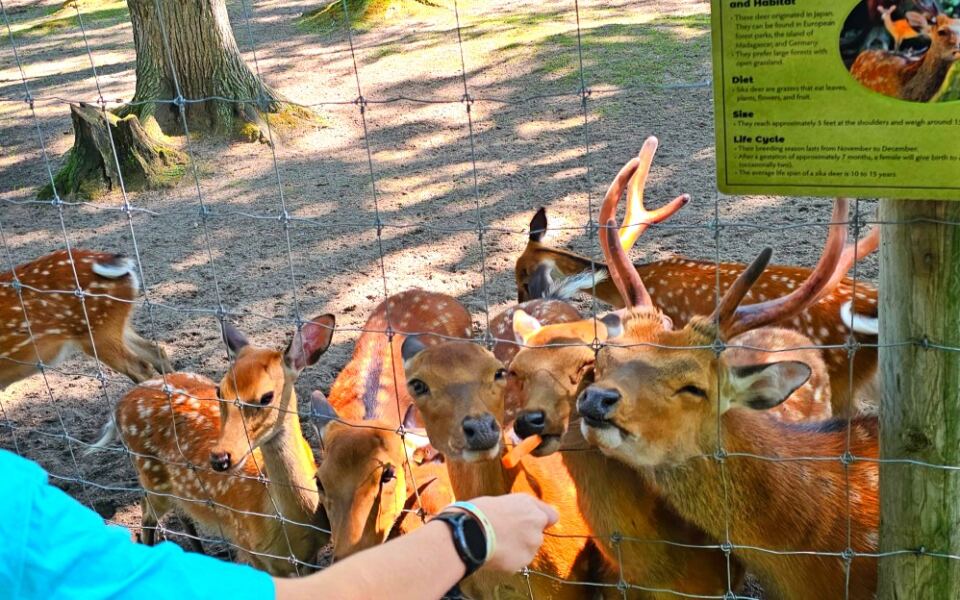
Visitors can feed certain animals using quarter-operated machines along the trail or purchase carrot cups for $5. There’s also a petting zoo, making this a particularly interactive stop for families.
For something more unusual, the zoo offers separately booked encounters with capybaras, bat-eared foxes, and a binturong, also known as a bearcat. There’s even an indoor tropical rainforest experience.
These activities cost extra, but they give visitors a chance to get closer to animals they might otherwise only see from a distance.
A Zoo Built Around a Forest Path
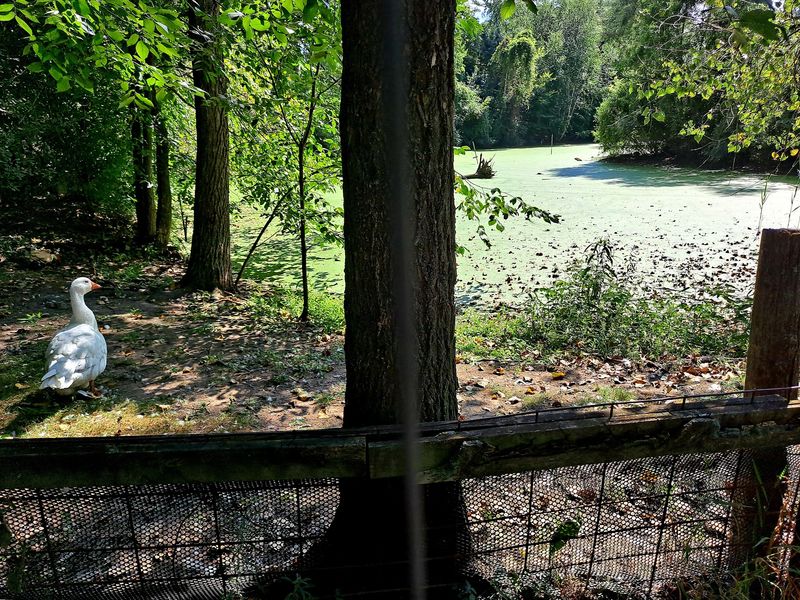
Most zoos start with buildings and add trees later. Wilderness Trails Zoo flips that idea, placing its animals along a wooded trail at 11721 Gera Road in Birch Run, Michigan.
The path stretches about a mile through local forest. Exotic animals live in enclosures along the route, so each bend in the trail brings a new face into view.
Birch Run sits in Saginaw County, an easy drive from Interstate 75. That location makes the zoo a handy stop for families traveling through the middle of the state.
I find the layout refreshing because the walk itself becomes part of the visit. You aren’t hopping between indoor halls or riding trams between exhibits.
Instead, you follow one loop at your own pace, stopping wherever something catches your eye. Shade from the trees helps a lot on warm summer afternoons.
The zoo is described as small, but the animal list feels bigger than you might expect. Lions, tigers, primates, zebras, goats, and birds all share space in these woods.
Plan on comfortable walking, because a mile of trail adds up quickly. That walk leads straight to some of the zoo’s most powerful residents, the big cats.
Big Cats in the Michigan Woods
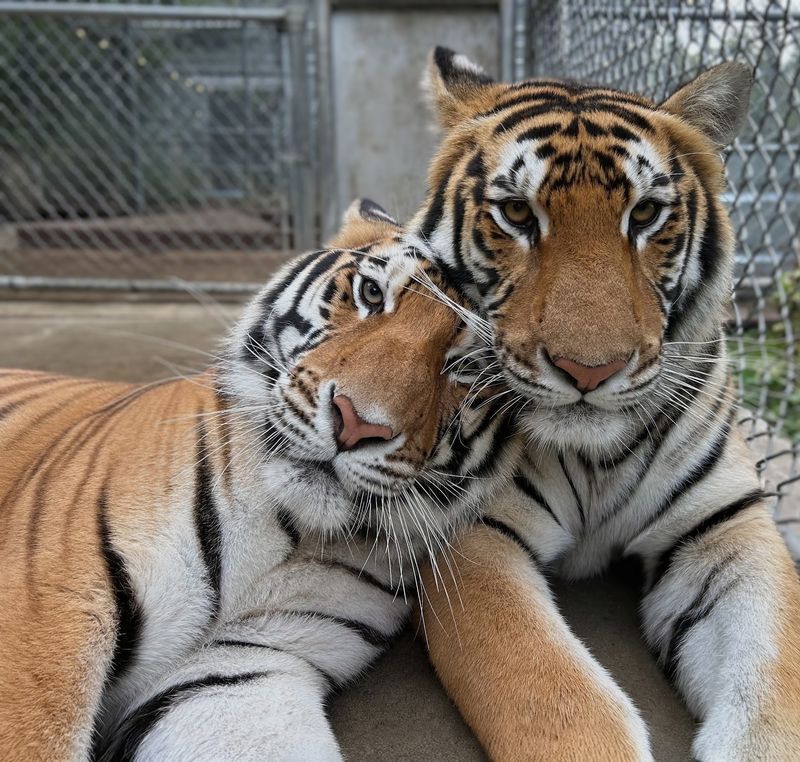
Lions and tigers in rural Michigan sound unusual, yet they are among the biggest draws on this trail. The big cat collection gets plenty of attention from people who visit.
Seeing a large cat surrounded by Michigan trees creates a memorable contrast. The forest setting puts these animals in a scene that feels far from city zoo concrete.
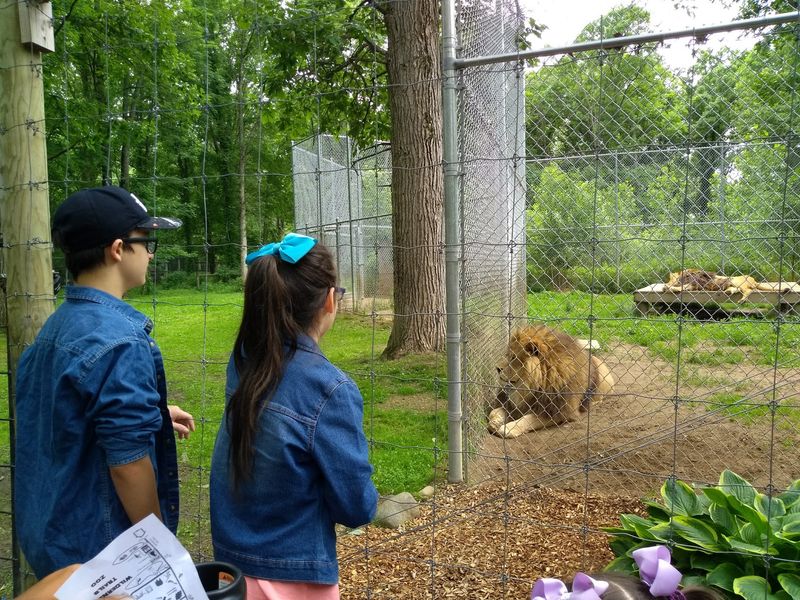
Field trip groups especially seem to enjoy the lions. Kids tend to slow down near these enclosures, hoping for a yawn, a stretch, or a stroll.
Timing can matter with big cats. Like house cats, they often nap, especially on hot days, so a cooler morning may give you better luck seeing movement.
I’d make a point of checking each big cat exhibit twice. Passing by on the way out sometimes shows an animal that was sleeping earlier.
Read the signs near each enclosure, too. Most placards share useful facts about the animal’s species, home range, and habits.
After watching these powerful predators, the next stop feels completely different. Smaller, chattier creatures are waiting, and they actually want you to come closer.
Parakeets That Land on Your Hand
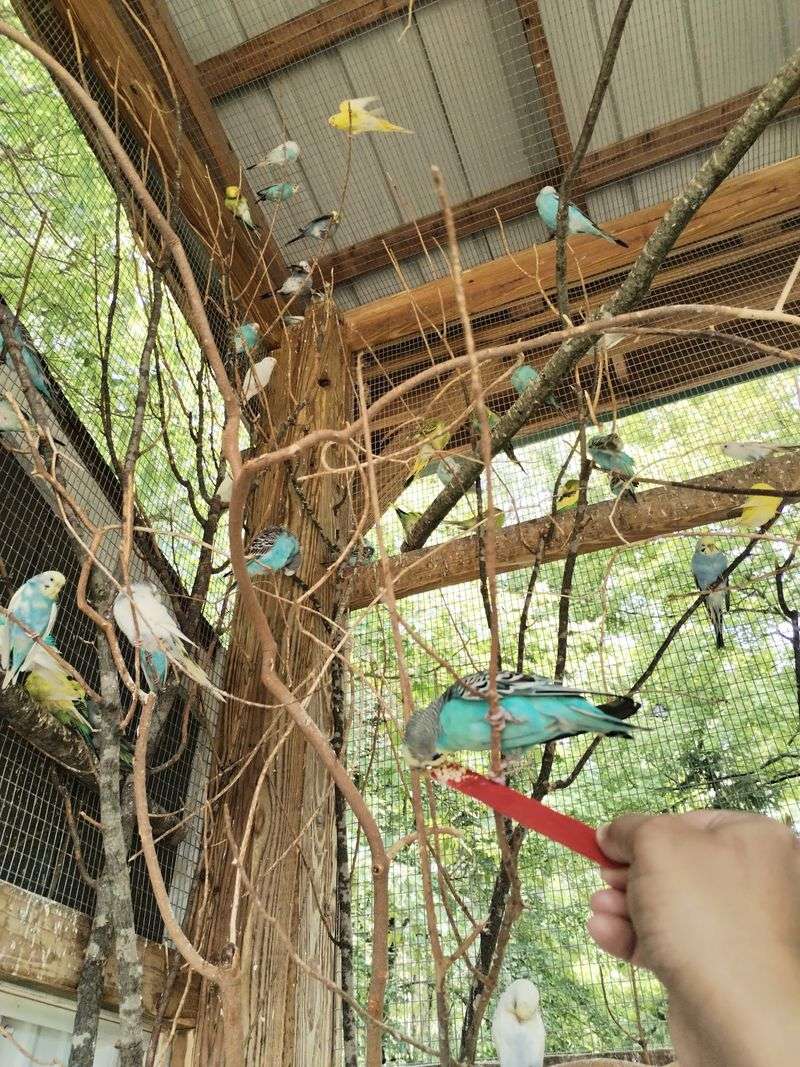
Colorful wings, quick chirps, and tiny feet gripping a seed stick make the parakeet house a favorite stop. This exhibit lets you walk in and feed the birds yourself.
The idea is simple. You hold out food, and the parakeets decide whether to visit, so patience pays off here.
Young kids often love this moment because the birds come right to them. A small bird landing nearby feels exciting without being scary.
Fun fact: parakeets are a type of small parrot, and many are very social. They live in flocks in the wild, which helps explain the busy chatter inside.
My tip is to move slowly and keep your arm steady. Sudden waving tends to send birds fluttering away, while calm hands invite them to stay.
Remind little ones to use gentle voices. A quieter group usually gets more birds landing close.
The parakeets are just one example of hands-on feeding at this zoo. Along the trail, you’ll want spare change ready, and the reason is pretty clever.
Bring Quarters and Grab a Carrot Cup
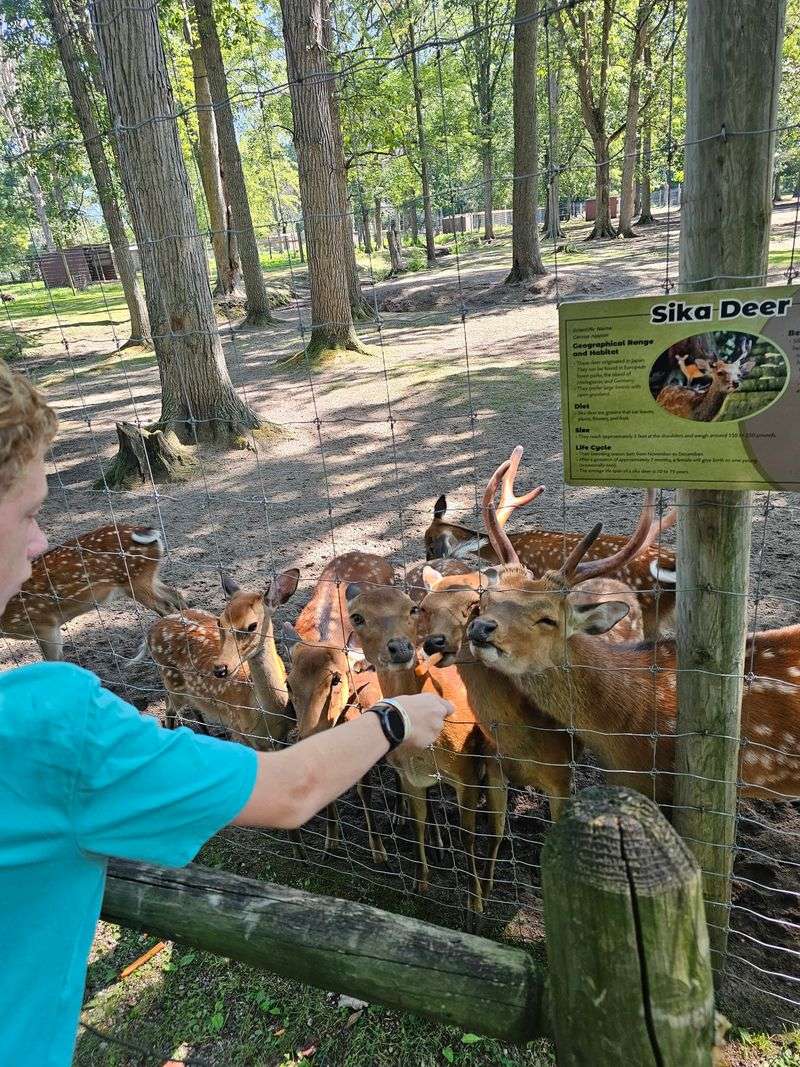
Quarters suddenly become valuable here. Coin feed machines sit along the trail, giving you food pellets to share with certain animals.
Carrot cups are also sold at the zoo. They make a simple, healthy treat for animals like goats, and kids love handing them out.
Here’s a smart trick some families use. Break carrots into smaller pieces so every goat in a crowded pen gets a turn.
I like that feeding is spread out along the walk. It keeps kids moving forward with a fun goal at each stop.
Bring a roll of quarters before you arrive. Finding change in your car once you’re deep in the woods isn’t easy.
Always follow the posted signs about which animals can be fed. Not every species gets snacks, and the rules protect the animals’ health.
Wash hands afterward, especially for younger kids who may touch their faces. The goats, in particular, belong to a larger hands-on area that deserves its own spotlight.
Goats, Petting, and Little Hands
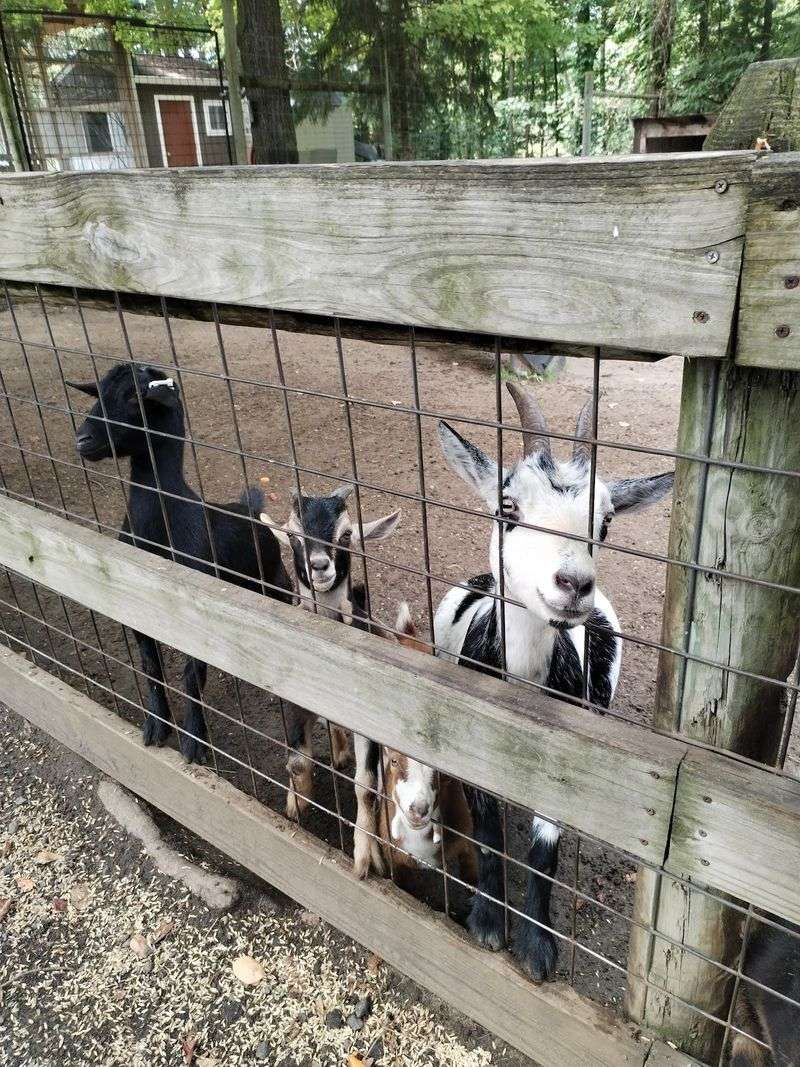
Goats have a way with toddlers, mostly because both groups are curious and a bit pushy. The petting zoo area brings them together.
This section offers petting and hand-feeding chances that feel friendly for younger kids. Goats often stretch their necks over the fence, eager for carrots.
Grandparents visiting with small children may find this stop easy and relaxed. The pace is gentle, and the animals are used to visitors.
Show kids how to offer food with a flat palm. That keeps little fingers safe from enthusiastic nibbling.
Goats are known for their rectangular pupils. Point that out, and kids may spend the next few minutes studying every goat’s eyes.
Wear clothes that can get a little dusty or sticky. Petting areas are fun, but they aren’t always tidy.
School groups often add a guided interactive experience, where kids touch several animals in small groups. If you want something even closer, the zoo’s private encounters take hands-on to another level.
Sitting With a Capybara
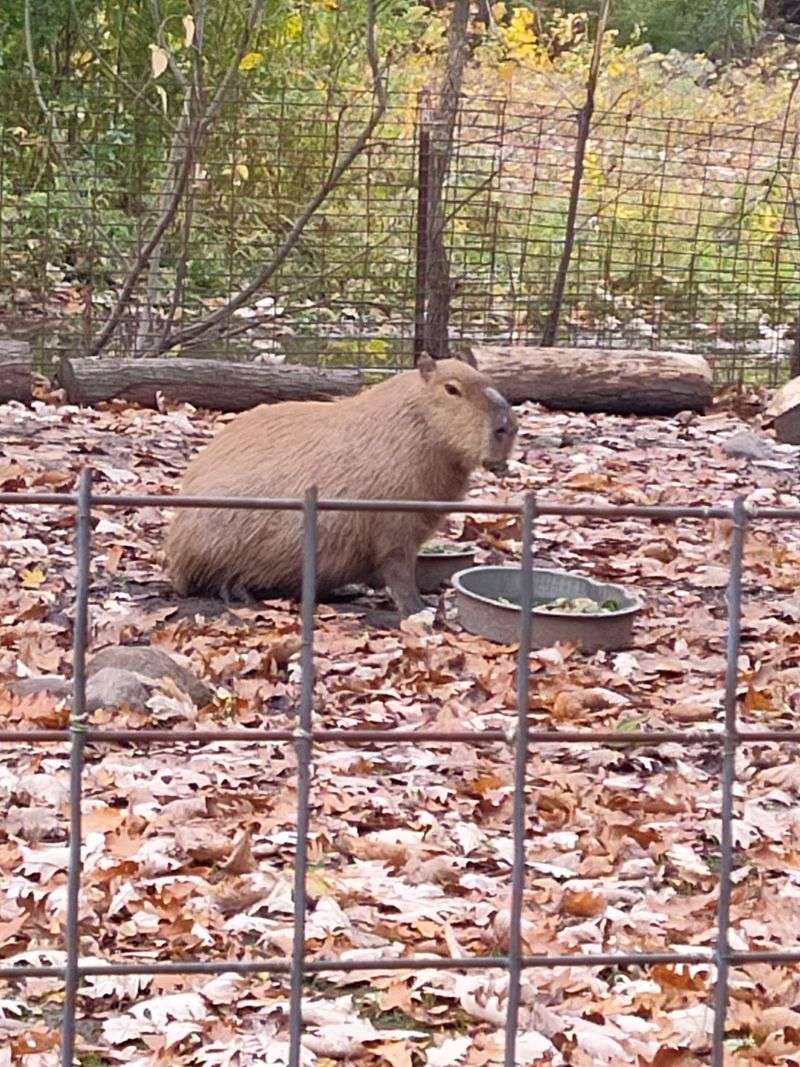
Capybaras are the largest rodents on Earth, yet they’re famous for being calm and relaxed. At this zoo, you can book an encounter that brings one close.
The capybara encounter lasts about 30 minutes. Guests have even had baby capybaras sit right on their laps.
This experience costs extra beyond regular admission. Think of it as a special add-on rather than part of the basic walk.
I can understand the appeal completely. Few people ever get to touch a capybara, let alone ask a keeper questions while one relaxes nearby.
Booking ahead is wise because encounters involve small groups and specific times. Showing up and hoping for a spot may not work.
Bring curious questions. Keepers can explain what capybaras eat, how they swim, and why they seem so laid-back.
Animals act on their own schedules, so every encounter may feel a bit different. The capybara isn’t the only animal with a booking calendar, either, and the other options include some real surprises.
Bearcats, Foxes, and Rainforest Friends
Ever met a binturong? Often called a bearcat, this animal is neither bear nor cat, and the zoo offers encounters with one named Bella.
Bella has climbed over guests and settled into laps during sessions. Binturongs are also known for a scent often compared to buttered popcorn.
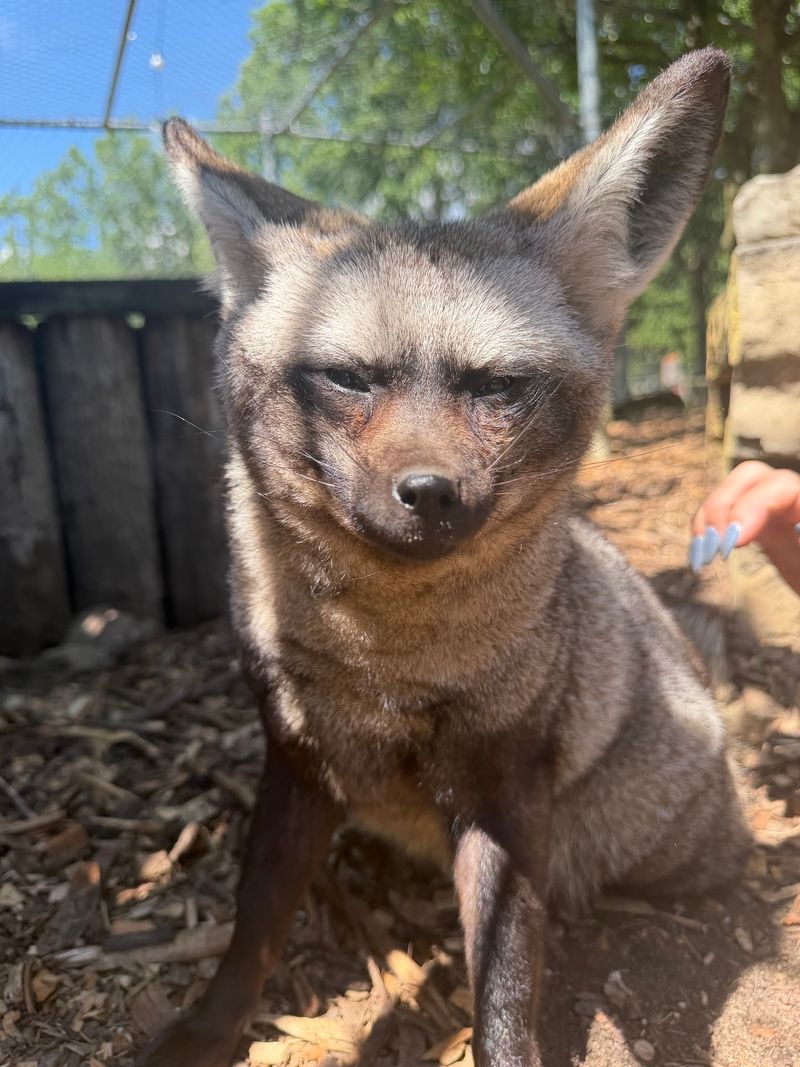
A bat-eared fox encounter is another option. One fox, Johnathan, has been known to roll over for belly scratches.
Those enormous ears aren’t just for looks. Bat-eared foxes use them to hear insects moving underground.
The zoo also offers a rainforest encounter featuring several friendly animals. Guests have met a baby capybara during this experience too.
Encounters are led by staff who know each animal well. That guidance helps the animals stay comfortable while visitors learn.
I’d choose an encounter based on which animal your family finds most fascinating. Each one requires a reservation and an extra fee, so check options before your trip, especially if you’re planning around the seasons.
Weather Changes the Whole Walk
Dirt trails make the zoo feel natural, but rain changes things quickly. After a wet day, puddles and mud can appear along the path.
Boots are a smart choice if it rained the day before. Sneakers you love may not come home looking the same.
The trail can also be tricky for scooters and some mobility devices. Check the weather and plan footwear or wheels accordingly.
Hot, sunny days bring a different challenge. Animals may nap in shade, and you’ll want water for that mile-long loop.
Cooler, overcast days can work surprisingly well. Even on a chilly, rainy field trip, many animals have been out and active.
The zoo is open daily, typically from 10 a.m. to 6 p.m., though checking current hours before you drive is a good habit.
Fall visits can include seasonal decorations along the route. Once you’ve conquered the trail, you’ll appreciate the places where you can sit down and refuel.
Pavilions, a Playground, and a Gift Shop
Picnic baskets are welcome company here. Pavilions give families a shaded spot to eat a packed lunch.
Bringing your own food makes sense, since dining choices on site are limited. Sandwiches, fruit, and water bottles go a long way after a long walk.
A playground sits near the end of the trail. Kids who still have energy after a mile of walking can burn off the rest.
Restrooms are available, which parents of little ones will appreciate. That small detail makes a longer stay more comfortable.
The gift shop offers souvenirs to take home. A stuffed tiger or capybara can keep the memory going on the car ride.
The grounds also include space for larger gatherings and special events. Some groups have even used the setting for weddings.
A large parking lot makes arrival simple. With the basics covered, the final question is how this woodland stop fits into a bigger day out.
An Easy Pairing With a Frankenmuth Trip

Frankenmuth’s Bavarian streets are only a short drive away, so many travelers pair the two. The zoo makes a relaxing change of pace after shopping and sightseeing.
Birch Run is also known for its outlet shopping. Families can split the day, letting kids enjoy animals before or after the stores.
Most people see everything in about two hours. That leaves plenty of time for other plans nearby.
Some Michigan residents have lived here for years without knowing the zoo existed. Out-of-state visitors often discover it on a whim while driving along I-75.
Remember that this is a small, privately run zoo. It isn’t accredited by the Association of Zoos and Aquariums, which some animal lovers like to consider before visiting.
Learning about any zoo’s care standards helps you make an informed choice. Asking staff questions is a great way to start.
For many families, the simple mix of shade, animals, and hand-feeding is the draw. It turns an ordinary road trip stop into a forest walk full of furry, feathered faces.
Share this story