Many lake towns in Europe look like postcards, but they are also real homes with schools, shops, and neighbors who stay long after the summer visitors leave. Life in these places follows the seasons, from busy summer docks to quiet winter mornings.
Here is a look at fifteen lakeside towns where residents live, work, and gather all year. Each one offers a different view of daily life beside the water.
1. Hallstatt, Austria
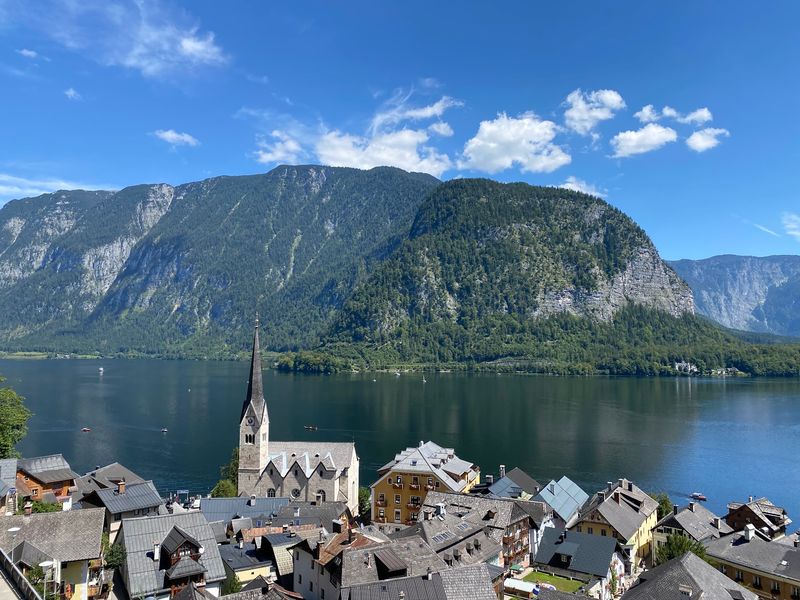
Tucked between a steep mountain and a deep blue lake, Hallstatt holds only about 700 residents. Many of them have family roots that go back for generations.
The village sits in a region that has been settled for thousands of years because of its salt mine, one of the oldest in the world.
Daytime brings crowds, but evenings are much calmer. Locals tend to shop early, use the small lanes before the tour buses arrive, and enjoy the quiet that returns after sunset.
Winter can be cold and snowy, and a few cafes and guesthouses close for the season.
Residents rely on a local school, a church, and community clubs to stay connected. Visitors who stay overnight often notice a different side of the village, one with lit windows, neighbors chatting on footbridges, and boats resting by the shore.
Respecting private homes and keeping noise low is always appreciated.
2. Varenna, Italy
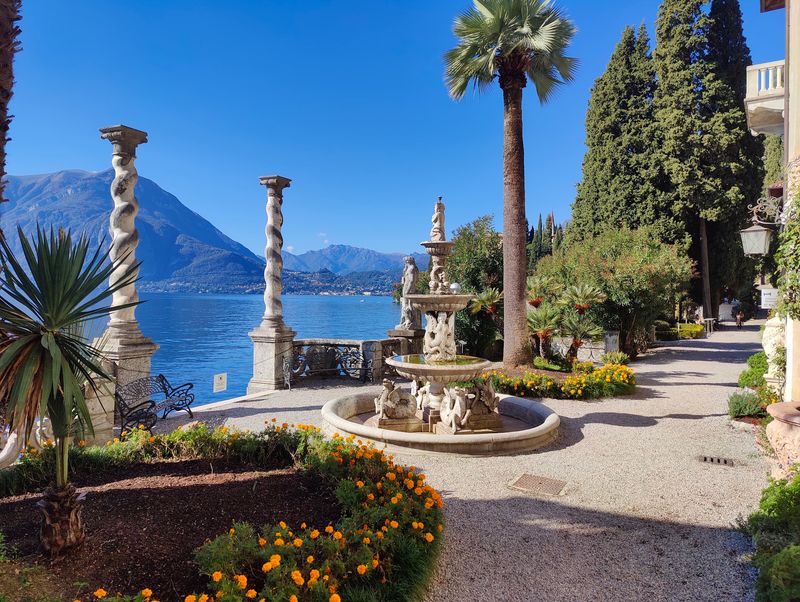
Picture a narrow lane so steep that grocery bags feel like a workout. That is everyday life in Varenna, a Lake Como village where pastel houses cling to the hillside.
Around 800 people call it home, and many have lived there for decades.
The village has a train station, which makes it practical for residents who commute to Lecco or Milan. Fishing was once the main trade, and a few families still keep that tradition alive.
Today, hospitality and small shops provide many local jobs.
Off-season is the best time to see how Varenna really works. Neighbors meet at the waterfront cafes, the ferry runs on a lighter schedule, and the church bells mark the hours.
Visitors can walk the Passeggiata degli Innamorati, a lakeside path, and notice laundry hanging from windows, which is a clear sign that real families live nearby.
3. Annecy, France
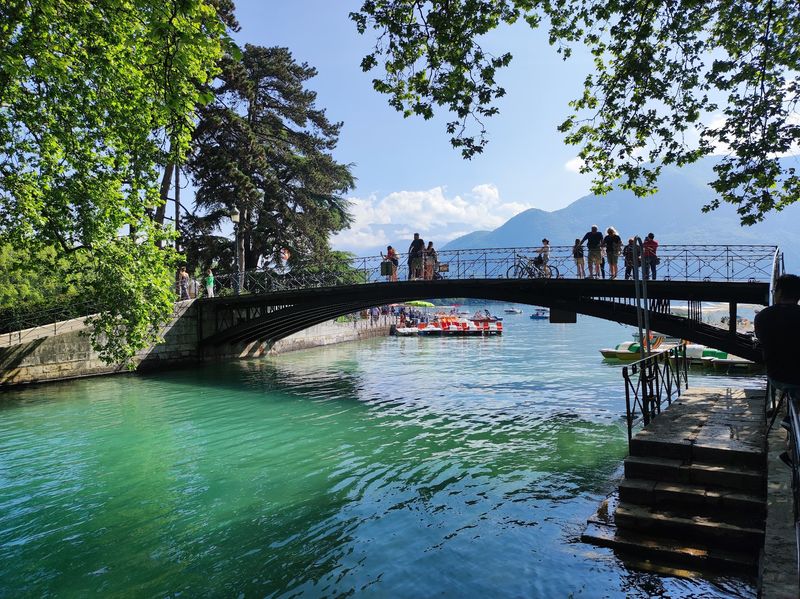
Known as the Venice of the Alps, Annecy is a real city with more than 125,000 people in its wider urban area. Students, remote workers, and families fill its neighborhoods.
The old town, with its canals and arcaded streets, is only one part of daily life here.
Residents spend their free time on the lakeshore, where paths for walking and cycling circle much of the water. Lake Annecy is often praised for its clean water, and many locals swim there in summer.
In winter, ski areas are within an hour’s drive.
Markets add to the rhythm of the week. On certain mornings, farmers sell cheese, fruit, and flowers along the old streets.
Tourists arrive in large numbers in July and August, so spring and autumn offer a calmer view of how the city works.
4. Bled, Slovenia
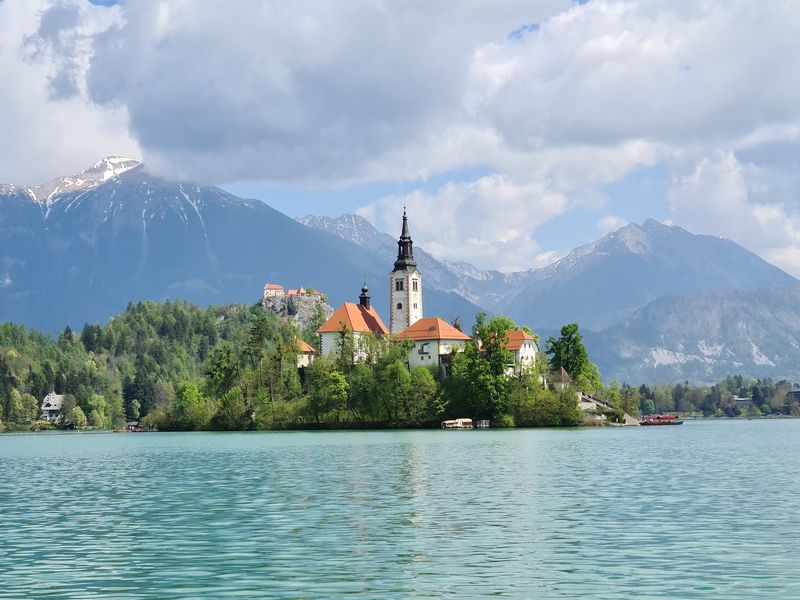
A small island with a church in the middle of a lake sounds like a storybook, yet Bled is a working town of about 8,000 people. Residents send kids to school, run family businesses, and gather for local events all year long.
The medieval castle sits on a cliff above the water, and the traditional pletna boats take visitors to the island. Many pletna rowers come from families who have held the job for generations.
The lake also draws rowing teams, and international competitions have been held here.
Winter turns Bled quiet and often snowy. Locals walk the 6-kilometer path around the lake, which is popular with joggers and families.
Try the local cream cake called kremsnita, a favorite among residents. Visiting outside summer gives a better sense of what everyday life looks like.
5. Bellagio, Italy
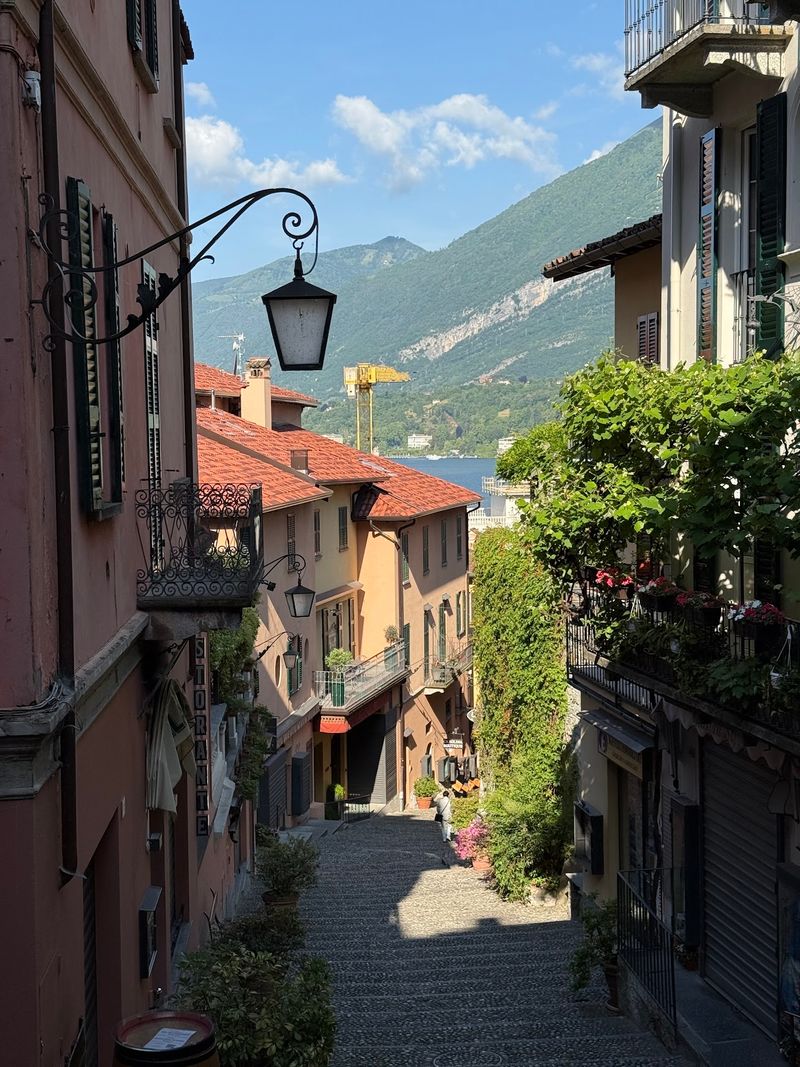
Bellagio sits on the point where Lake Como splits into two branches, and its position has shaped local life for centuries. About 3,000 people live in the municipality, and many reside in neighborhoods away from the busy waterfront.
Stone staircases called salite link the lake to the higher streets. Locals use them daily, carrying shopping or walking to school.
Craft shops sell silk and carved wood, and some businesses have been run by the same family for years.
The town also has a quieter season, when ferries run less often and the villas along the shore seem to doze. Residents use this time to repair buildings and prepare for spring.
If you visit, walk beyond the main square and look for small bakeries, community noticeboards, and gardens full of lemon trees. Those details show how people actually live here.
6. Montreux, Switzerland
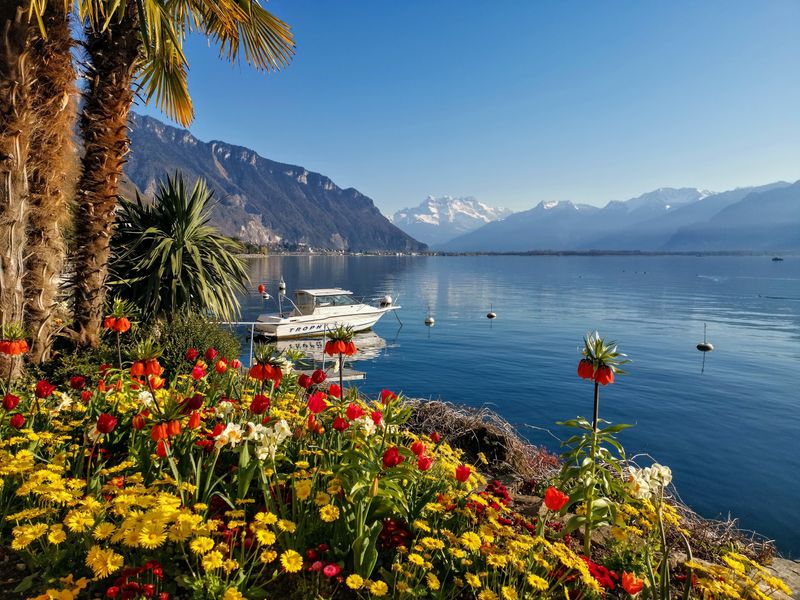
Palm trees in Switzerland might surprise you, but Montreux has a mild climate that allows them to grow along the shore. About 26,000 people live in the town, and many enjoy the long promenade that stretches along Lake Geneva.
Music defines the town’s identity. The Montreux Jazz Festival began in 1967 and still takes place every summer.
Outside festival season, residents attend concerts, exhibitions, and community events at local venues.
Steep vineyards rise behind the town, and trains connect Montreux with Lausanne, Geneva, and the mountains. This makes it practical for commuters as well as retirees.
The famous Chillon Castle stands nearby and is a favorite weekend walk for locals. Winter brings fewer visitors, quiet cafes, and clear views of the snowy peaks across the water.
7. St. Wolfgang, Austria
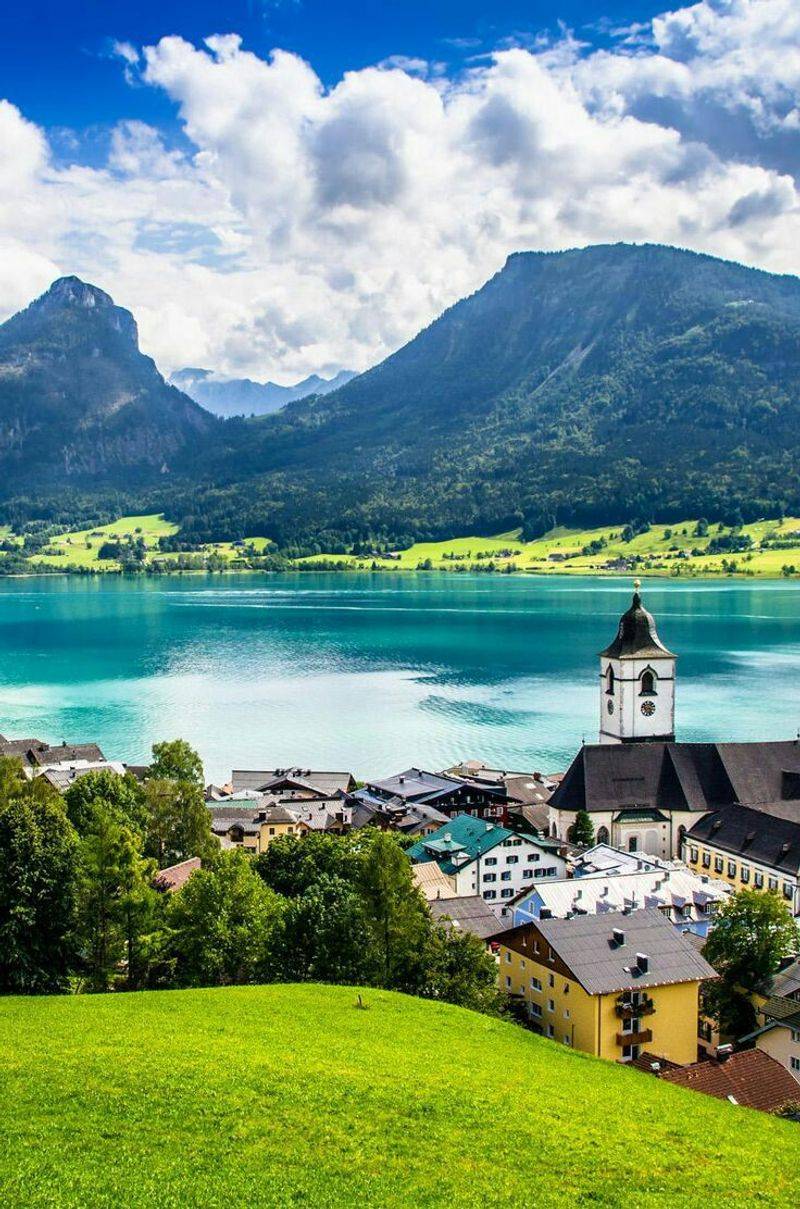
Back in the Middle Ages, pilgrims walked here to visit a small church by the water. Today, St. Wolfgang is home to roughly 2,800 residents who share the lakeshore with visitors.
The pilgrimage church still stands at the heart of the village.
Life moves with the seasons. Summer is for sailing, swimming, and hiking in the Salzkammergut region.
Winter brings Christmas markets and snow, and some businesses open only for part of the year.
The village is also known for the White Horse Inn, which inspired a famous operetta. Locals often work in hotels, farms, and small crafts.
A steam-powered cogwheel train climbs the nearby Schafberg mountain in summer, giving lovely views over several lakes. Walking the lakeside path in the early morning offers a calm look at how neighbors greet each other and start their day.
8. Lindau, Germany
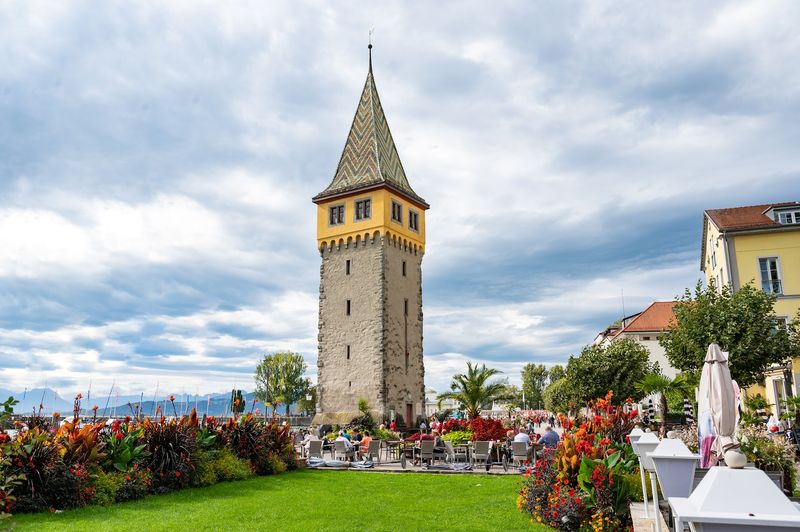
Lindau has a split personality in the best way. Its old town sits on a small island connected to the mainland by a bridge and a rail line, while most residents live on the shore side.
Together, the area has about 25,000 people.
The harbor entrance is guarded by a lighthouse and a stone lion, and the island has timber-framed houses and stepped gables. Locals shop at weekly markets, send children to nearby schools, and ride bikes along the Lake Constance cycle path.
Because Germany, Austria, and Switzerland all touch this lake, daily life here has an international feel. Ferries and trains link the region, and many people cross borders for work or shopping.
In winter, the island turns peaceful, and fog on the water gives the town a soft, quiet mood.
9. Sirmione, Italy
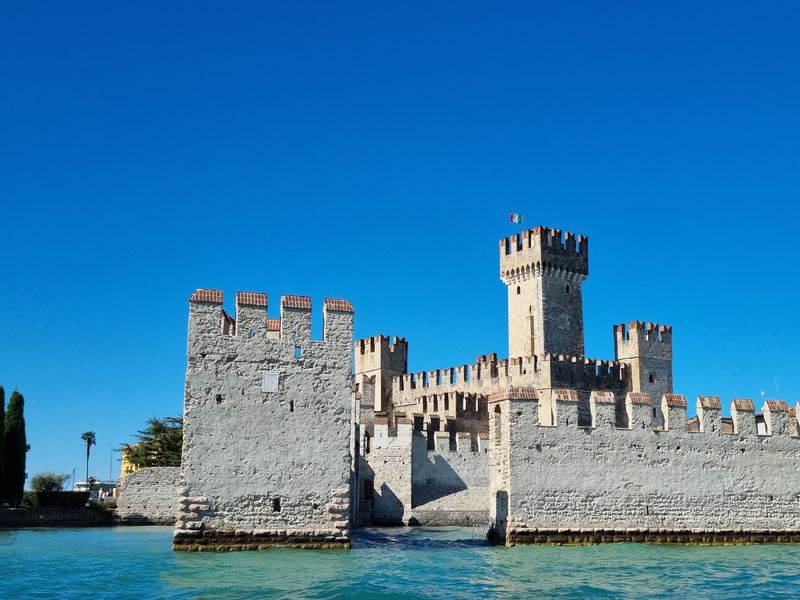
Few towns have a castle that appears to float on water, yet Sirmione manages it. The Scaliger Castle guards the entrance to a narrow peninsula that stretches into Lake Garda.
About 8,000 people live in the municipality, spread across the peninsula and the mainland.
The old center is closed to most cars, so residents walk or use bikes and small shuttles. Archaeologists have found Roman remains at the tip of the peninsula, known as the Grottoes of Catullus.
The area is also known for thermal springs, which feed local spas.
Many locals work in hotels, restaurants, and wellness centers, but the town has regular services too, including schools and clinics. Visit in early spring or late autumn to see how the community lives when crowds thin out.
Fishermen still cast lines from the shore, and conversations drift across cafe tables.
10. Thun, Switzerland
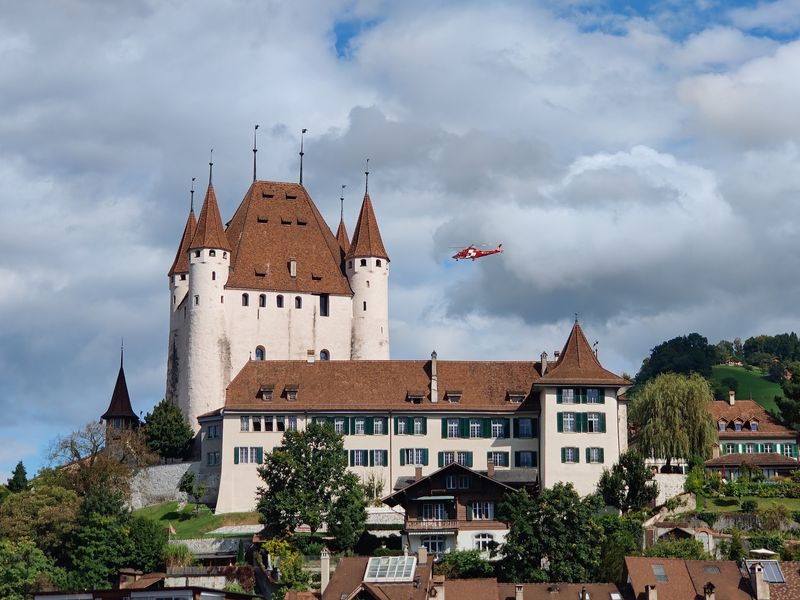
Thun is a place where a river, a lake, and a mountain skyline all meet. With around 45,000 residents, it is a true small city, not just a scenic stop.
Its medieval castle towers above the old town, and covered walkways line the streets.
One of its unusual features is the raised sidewalk on the Obere Hauptgasse, where shops sit on two levels. Locals use these lanes for everyday errands.
Swimmers also float down the Aare River in summer, a tradition many residents enjoy after work.
The town has a long link to the Swiss army and to regional industry, which keeps jobs steady. Steamboats cross the lake to nearby villages, and trains connect Thun to Bern in about twenty minutes.
In winter, the Alps glow white above the water, and the town settles into a calm routine.
11. Tihany, Hungary
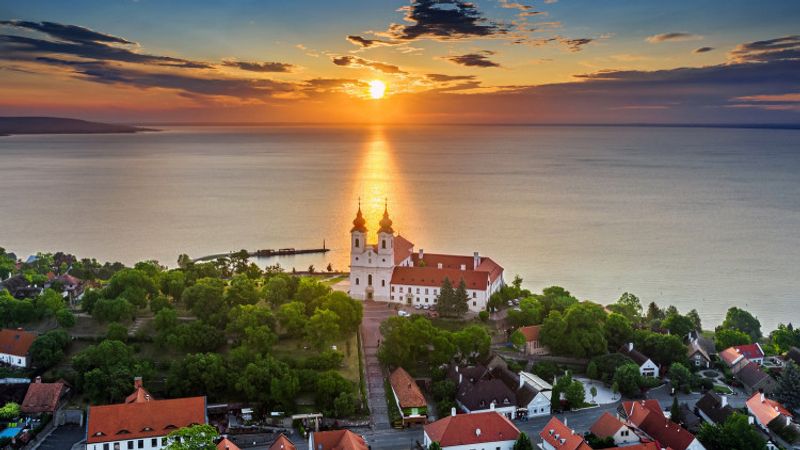
Lavender rows in bloom turn the hills around Tihany purple each summer. The village sits on a peninsula that reaches into Lake Balaton, the largest lake in Central Europe.
About 1,300 people live here year-round.
The Benedictine abbey, founded in 1055, rises above the rooftops and holds an important place in Hungarian history. Its founding charter includes some of the earliest written Hungarian words.
Residents are proud of this heritage and often share stories about it with visitors.
Thatched roofs and narrow lanes give the village a calm feel. Many locals sell lavender products, paprika, and handmade crafts, and others work in guesthouses.
Winter is quiet, with misty views over the frozen shoreline and fewer open shops. A walk along the peninsula trails shows a more private side of the community.
12. Menaggio, Italy
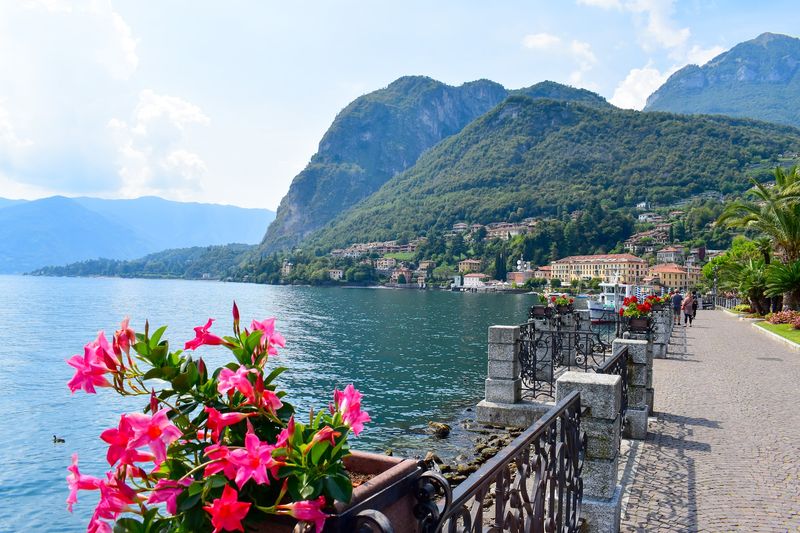
Ask a local where to find a normal day on Lake Como, and many will point to Menaggio. This town of about 3,000 people has a lakeside promenade, a busy market, and a ferry dock that links it with Varenna and Bellagio.
Menaggio feels less staged than some of its famous neighbors. Residents shop at hardware stores and bakeries, and children walk to school along ordinary streets.
A golf club and sports fields add to community life.
The hills behind town are crisscrossed by trails, including part of the Via dei Monti Lariani. Hikers can walk from the lakeshore into quiet forest in less than an hour.
Market day on Mondays draws locals from nearby villages, and the town fills with the sound of friendly bargaining. Winter keeps the pace gentle, with cozy trattorias still serving regulars.
13. Évian-les-Bains, France
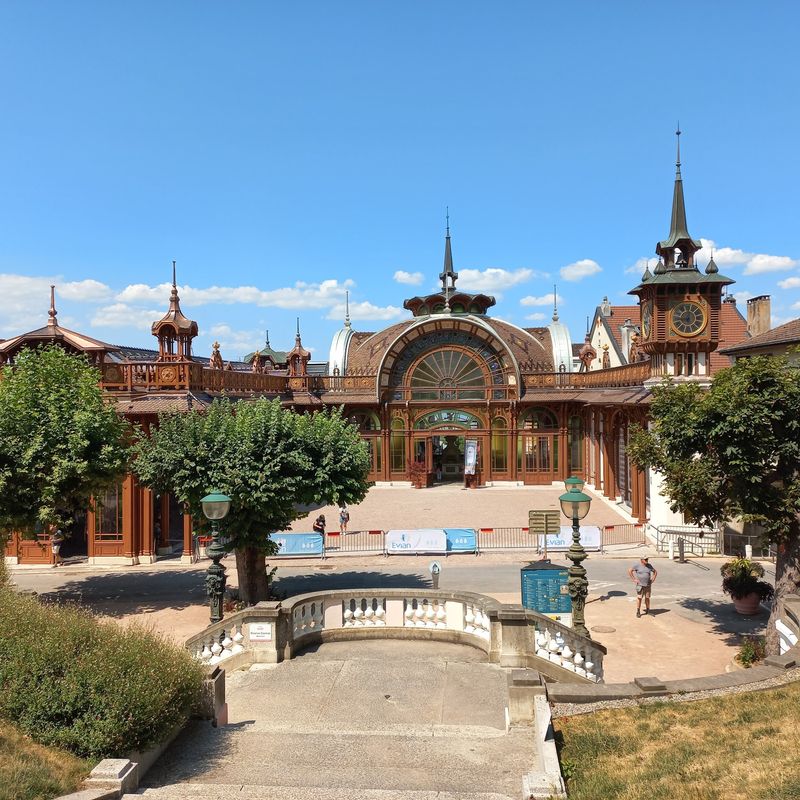
Long before it became known for bottled water, Évian was a spa retreat. Its Belle Époque buildings, such as the Palais Lumière and the old casino, reflect that elegant past.
Today, about 9,000 people live in the town.
Locals stroll through lakeside gardens and use a ferry service that connects the town with Lausanne in Switzerland. Some residents even commute across the lake, which shows how closely the region is linked.
Rainwater that filters through the nearby Alps is said to take years to reach the town’s springs, and the municipality celebrates that link to nature. A thermal bath center continues the spa tradition.
In winter, a calm mood settles over the promenade, and community events such as concerts and markets keep the town lively without large crowds.
14. Ohrid, North Macedonia
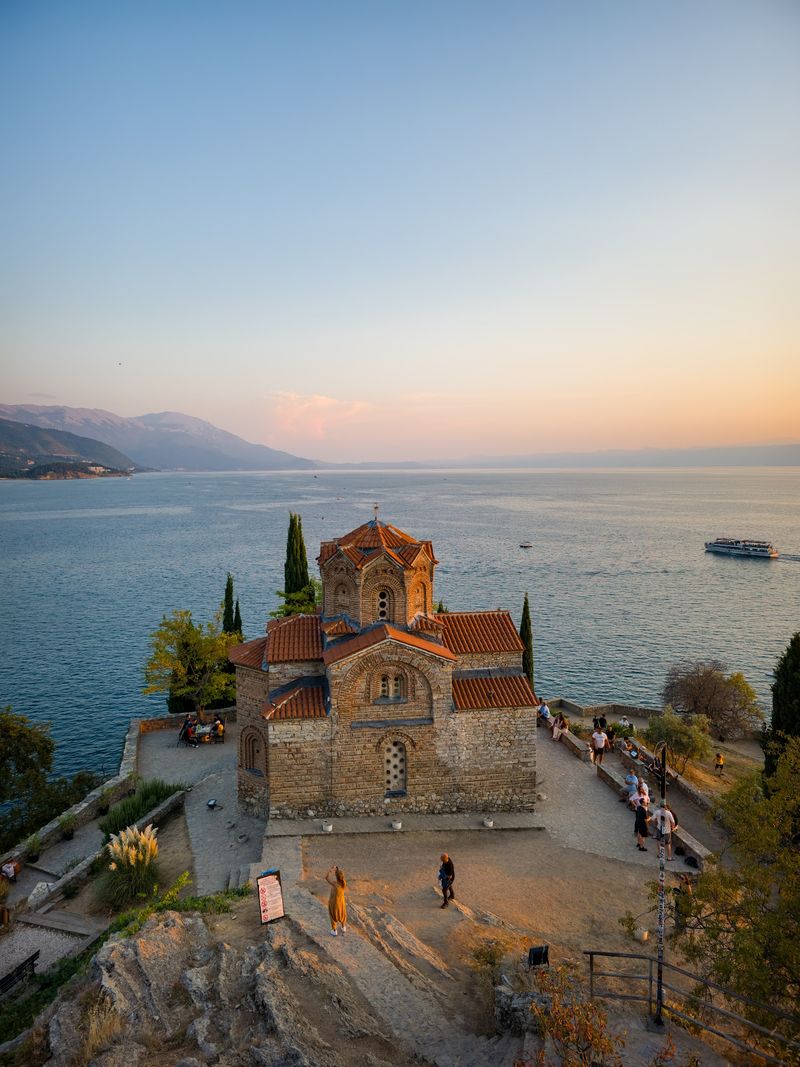
Few lakes can claim to be over a million years old, but Lake Ohrid can. It is among the oldest and deepest lakes in Europe, and the town on its shore has about 40,000 residents.
UNESCO lists the region for both natural and cultural value.
Ancient churches, including St. John at Kaneo, stand on rocky cliffs above the water. Traditional houses with wooden upper floors line the old town’s lanes.
Residents use these streets daily, walking to markets and cafes.
Local life includes fishing, crafts, and the making of Ohrid pearls, a jewelry tradition kept secret by a few families. The lake also hosts unique species found nowhere else, such as Ohrid trout.
In winter, the town feels peaceful, and locals gather in warm restaurants for grilled fish and strong coffee.
15. Riva del Garda, Italy
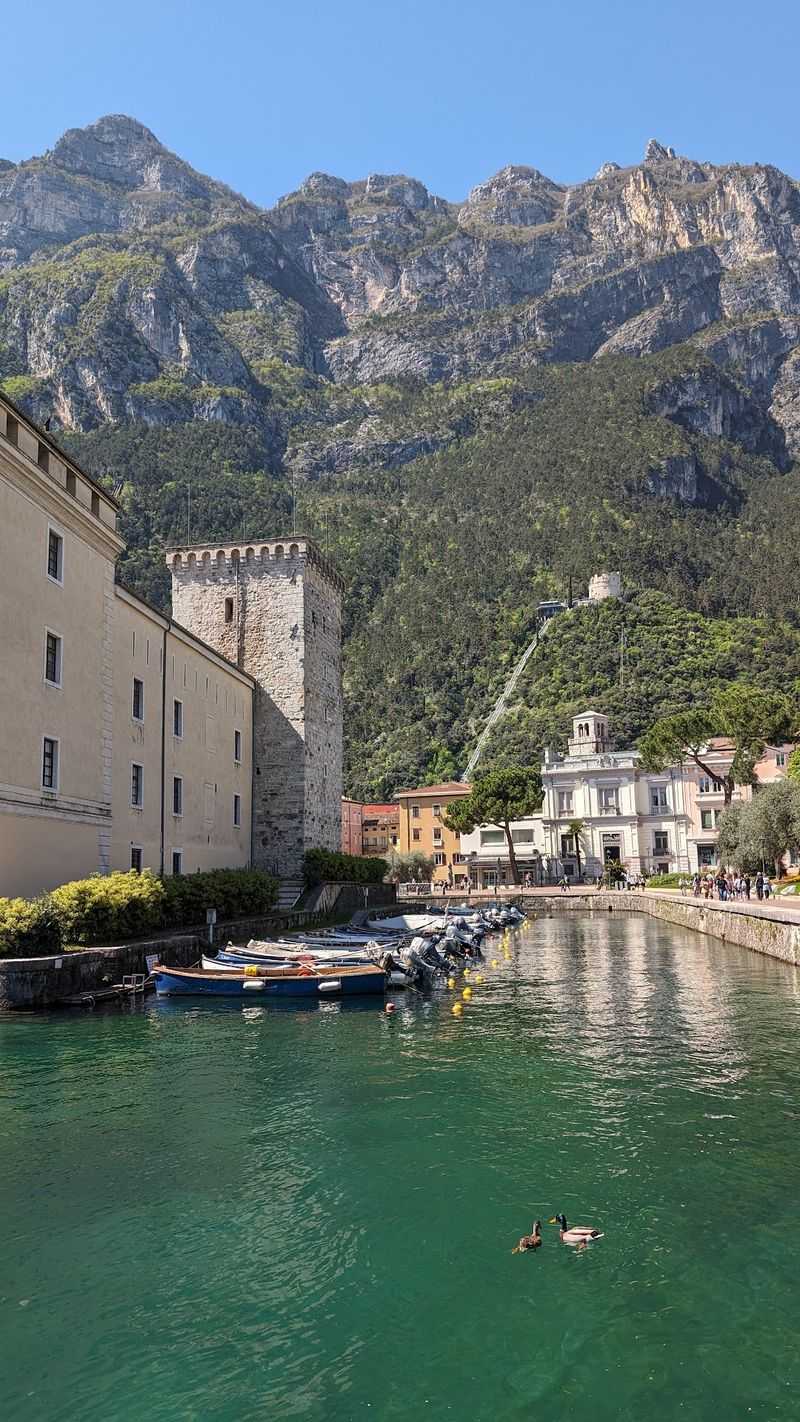
Wind is the local celebrity in Riva del Garda. Steady breezes sweep across the northern end of Lake Garda, and sailors and windsurfers have made the town a favorite place to train.
About 17,000 people live here all year.
The town sits at the foot of steep mountains, which gives it a dramatic setting. Cyclists and climbers use the surrounding trails, and many residents take part in these sports as a regular hobby rather than a vacation activity.
The old center has a medieval tower, a central square, and a lakeside promenade. Events and trade fairs are held in the area, which keeps local businesses active in different seasons.
In winter, the harbor is quieter, but residents still meet for coffee, walk the shoreline, and watch clouds gather over the peaks.
Share this story