Pittsburgh’s Strip District has an Argentine restaurant serving grilled steaks with chimichurri, beef and sweet corn empanadas, and small plates you won’t find at a typical steakhouse.
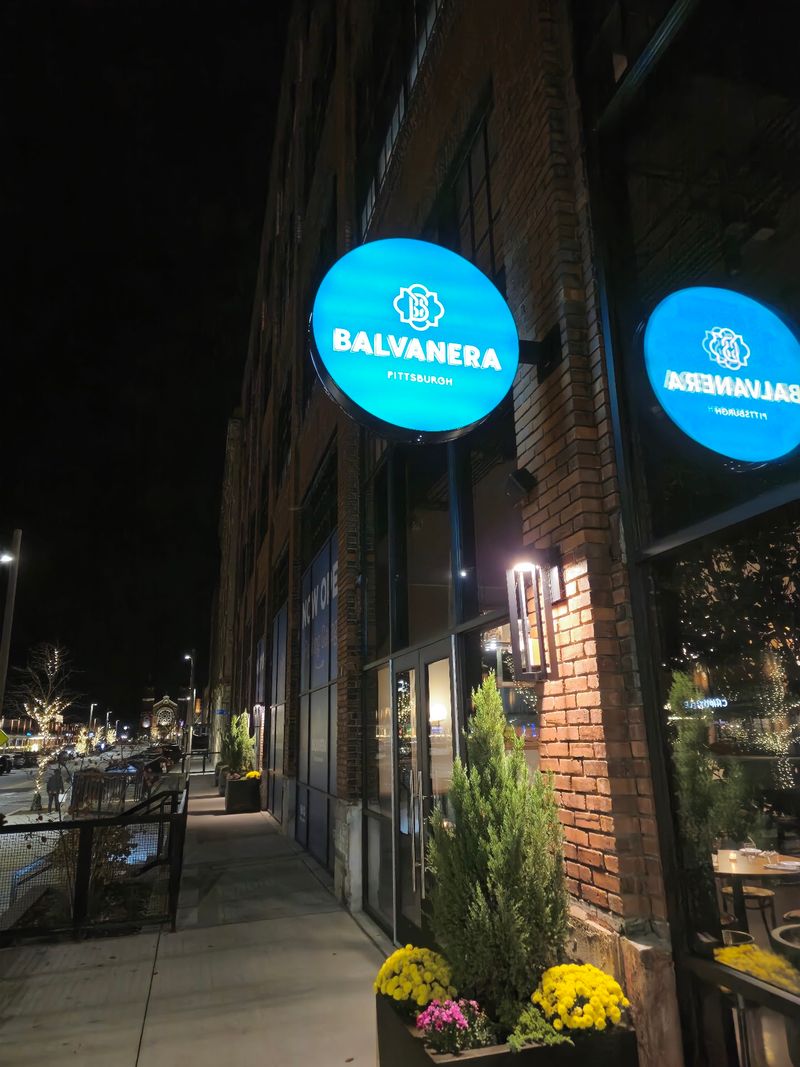
Balvanera, at 1660 Smallman Street, takes its name from a Buenos Aires neighborhood. The menu goes well beyond beef, with dishes like grilled octopus, sweetbreads, and chicken milanesa alongside Argentine favorites.
There’s another reason to visit beyond dinner. Balvanera also serves weekend brunch, with dishes like steak and eggs, dulce de leche French toast, and Argentine-style pastries.
Between the steaks, shareable plates, and unexpected brunch options, this is a Strip District restaurant with more to explore than its name might suggest.
A Buenos Aires Name on Smallman Street
Balvanera borrows its name from a busy neighborhood in Buenos Aires, Argentina. That choice tells you right away where this kitchen finds its inspiration.
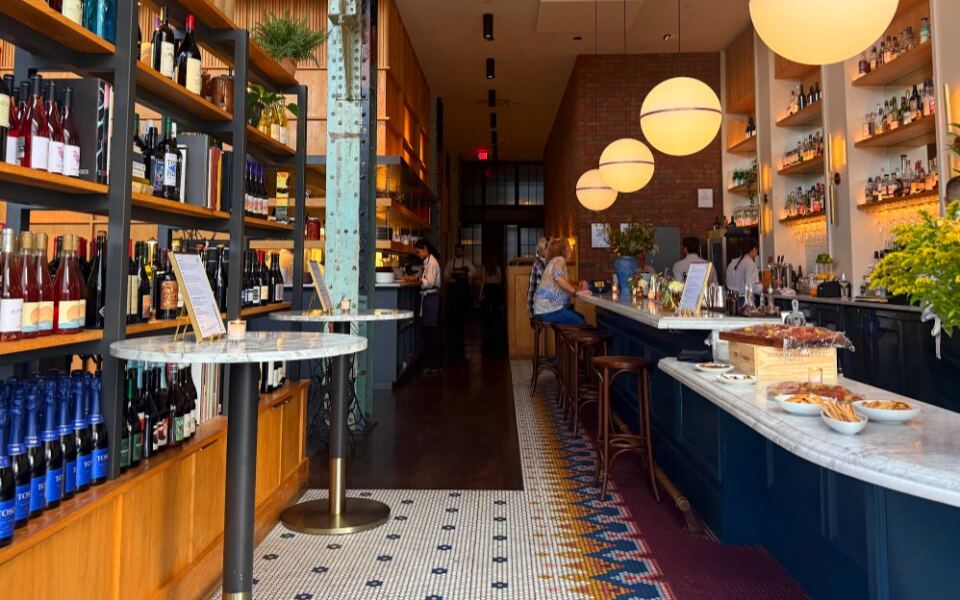
You’ll find the restaurant at 1660 Smallman St, Pittsburgh, PA 15222, in the heart of the Strip District. The area is known for food markets, specialty shops, and old warehouse buildings, so an Argentine dining room fits the neighborhood’s food-loving spirit.
Balvanera describes itself as an Argentinian restaurant, and the menu backs that up. Steaks, empanadas, and chimichurri share space with small plates that also borrow ideas from Spain and the wider Mediterranean.
I find that mix interesting because Argentine cooking has deep European roots. Many families in Argentina trace their history to Spain and Italy, and you can see those influences in dishes like croquettes and arancini.
The restaurant holds a strong 4.6-star rating on Google from hundreds of diners. That kind of score usually means a place is doing more than one thing well.
Dinner runs every night, so there is no tricky day off to plan around. Still, the most fun way to approach this menu starts with sharing, which brings us to the small plates.
Small Plates Built for Passing Around
Sharing is the whole point here. The menu is packed with small plates, and ordering several for the table is the easiest way to see what the kitchen can do.
Some choices stay simple and comforting. Jamon croquettes bring cured Spanish ham into a crispy bite, and cauliflower arancini give vegetables a fried, golden shell.
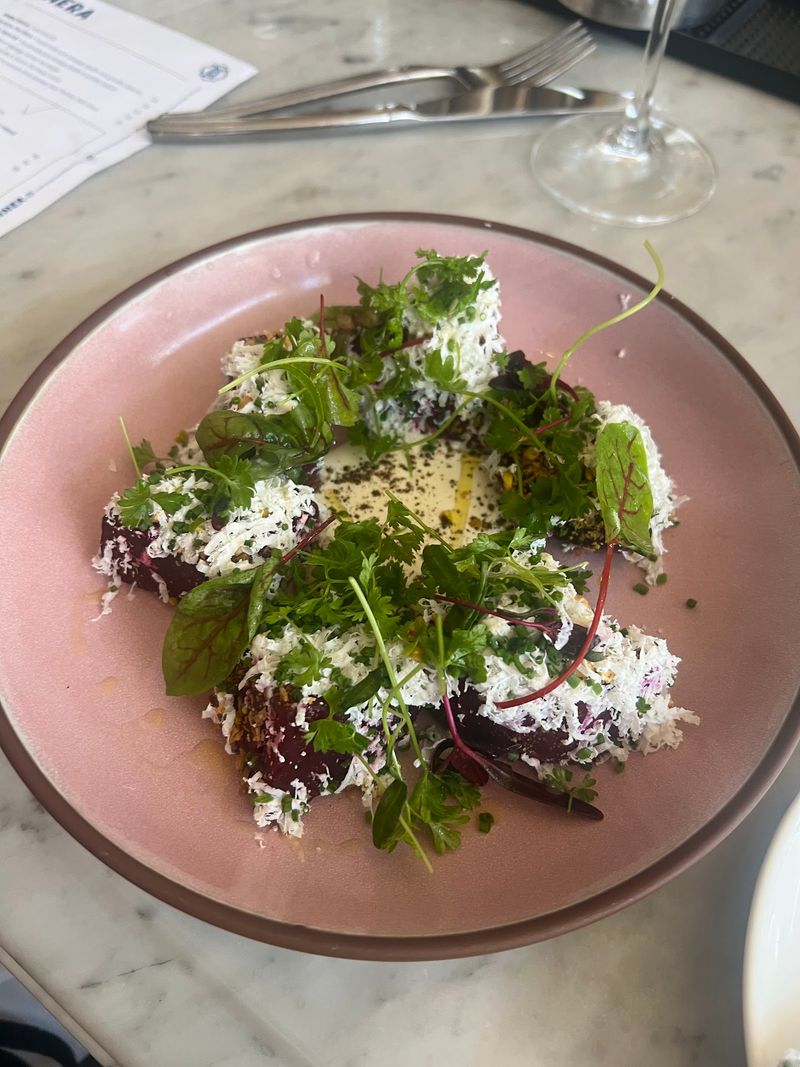
Other plates feel lighter. Beets come with ricotta salata and pistachios, while roasted carrots and eggplant offer more ways to eat well without a steak.
I would build a table around contrast. Pick something fried, something fresh, and something a little adventurous, then let everyone grab a fork.
Lamb sausage is a good example of that last category. It arrives with piquillo peppers and guindilla peppers, which are both popular in Spanish cooking.
Small plates also make this a smart spot for groups who can’t agree. One person gets the beets, another gets the sausage, and nobody has to fight over a single entree.
Menus can change with the seasons, so ask your server what’s new. The seafood side of the list deserves its own look, especially if you like bold starters.
Octopus, Crudo, and Tiny Silver Fish
Grilled octopus might be the most talked-about starter on the menu. Listed as pulpo, it has been served with greens and an olive mixture.
Seafood fans have more to explore. A yellowtail crudo, sometimes called hamachi crudo, shows up often in diner photos and conversations.
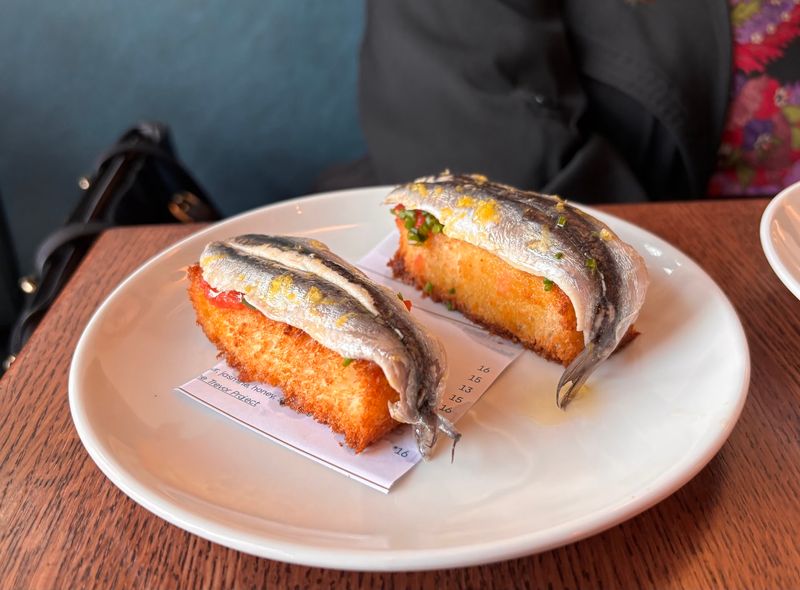
Then there are boquerones. These are white anchovies marinated in a Spanish style, and they taste far milder than the salty anchovies many people know from pizza.
That fact surprises a lot of first-timers. If you’ve avoided anchovies your whole life, boquerones are a gentle way to try again.
I like that the kitchen puts raw, grilled, and marinated fish side by side. It gives you three very different ways to enjoy seafood without ordering a full entree.
For a main course, striped bass has appeared on the menu as a seafood option. It’s a nice choice for anyone who wants a full plate but prefers fish over beef.
Pairing a seafood starter with a heartier dish keeps the meal balanced. Speaking of hearty, the menu also has some cuts that adventurous eaters will want to hear about.
Sweetbreads and Tongue for Bold Eaters
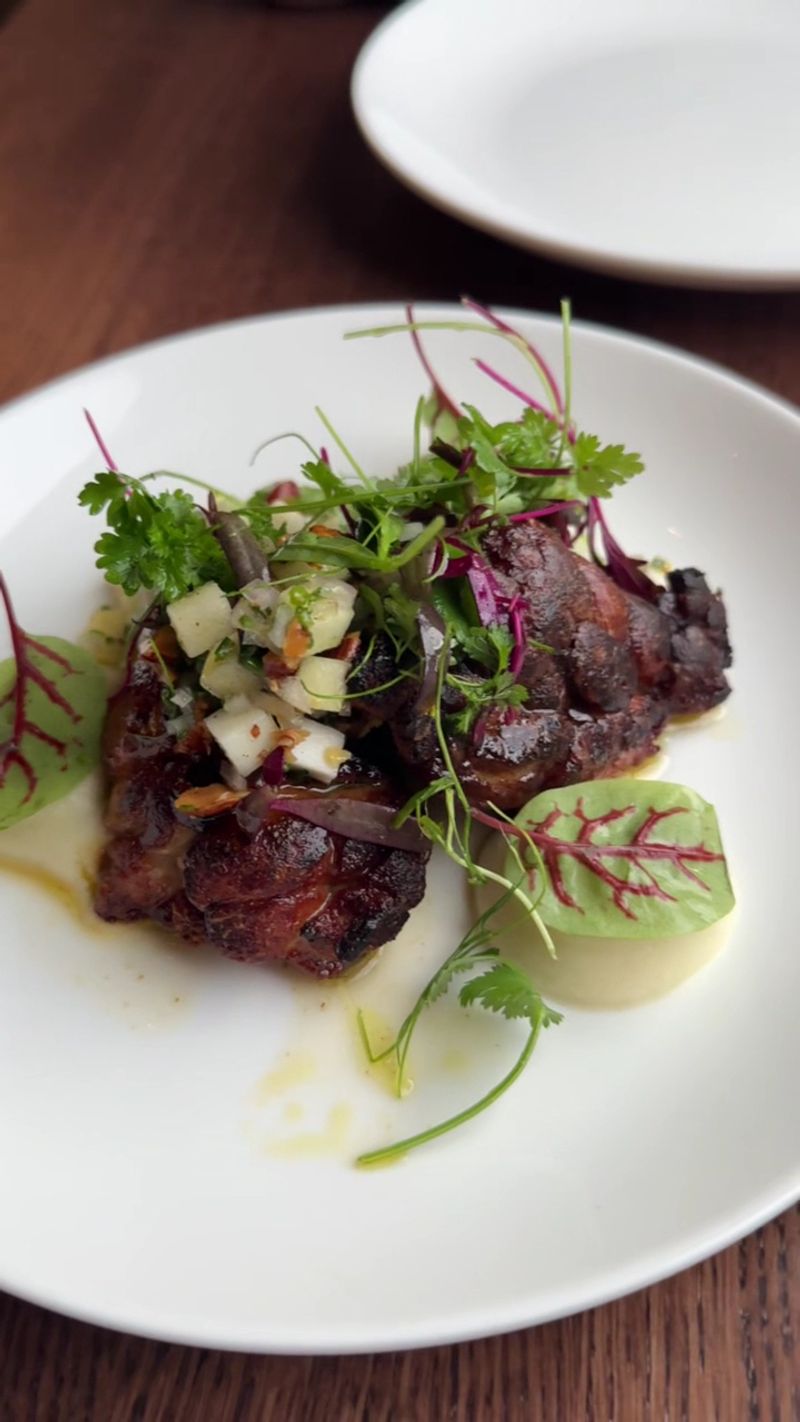
Argentine grills have a long habit of using the whole animal. Balvanera keeps that tradition alive with sweetbreads and beef tongue on its menu.
Sweetbreads are not bread at all. The name refers to the thymus gland, usually from a calf, and they are a classic part of an Argentine parrillada.
Many American restaurants have dropped them over the years. Finding them in the Strip District feels like a nod to how people actually eat in Buenos Aires.
Beef tongue is another old-school favorite in many cultures. Cooked slowly, it becomes tender enough to slice and serve as a shared plate.
Steak tartare also appears for diners who enjoy raw beef prepared with seasonings. It’s a dish with European roots that fits nicely beside the Argentine options.
I would order one of these alongside something familiar. That way, the table gets a little adventure without anyone feeling left out.
Not ready for organ meats yet? That’s fine, because the empanadas offer an easier starting point, and they come in two very different flavors.
Two Empanadas, One Big Decision
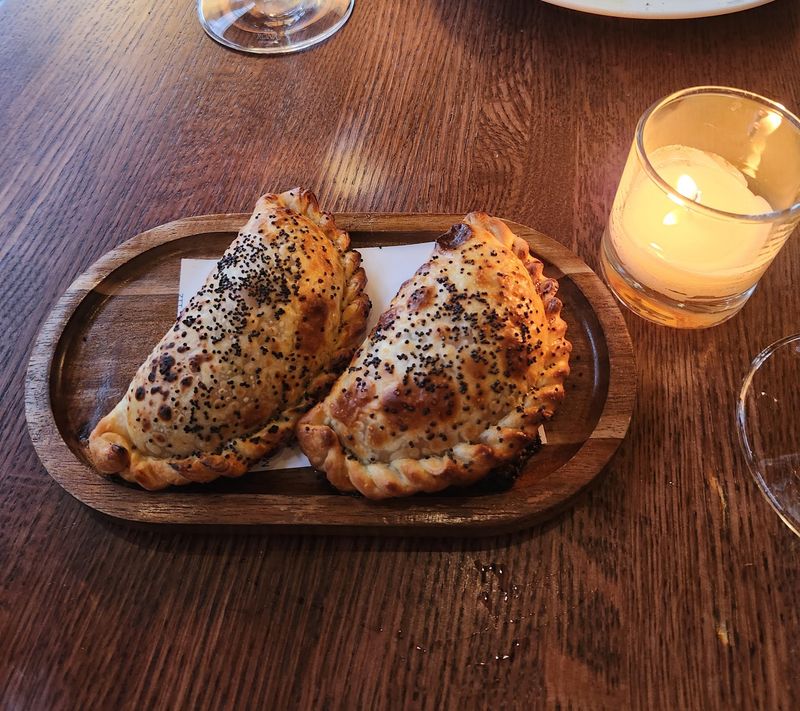
Beef or sweet corn? That’s the question every table seems to face at Balvanera.
Empanadas are the handheld pastries that Argentina is known for. Families there eat them at parties, on road trips, and as quick snacks, so they make a fitting start to a meal here.
The beef version follows the classic path most people expect. Seasoned meat sits inside a folded pastry, and it often arrives with chimichurri for spooning on top.
The sweet corn empanada takes a lighter direction. Corn fillings, often called humita in Argentina, are a beloved option in the country’s northern regions.
My advice is simple. Order both and split them, since each one shows a different side of Argentine home cooking.
The pleated edge you see on many empanadas is more than decoration. In Argentina, different folds can help tell the fillings apart at a glance.
Empanadas are also a good test of a kitchen’s patience, since the dough and filling both need care. Once you’ve tried them, the steaks are waiting, and they are the reason many people book a table.
Steaks with a Side of Green Sauce
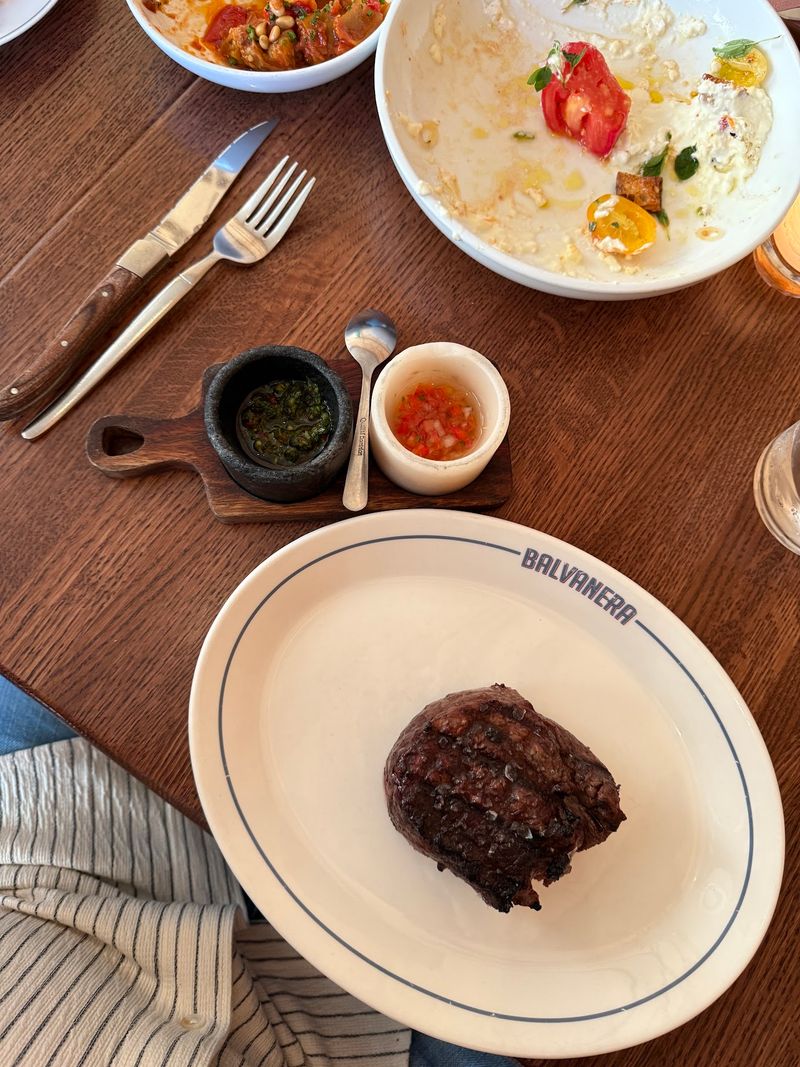
Argentina has a famous love for beef, and the steak section here honors it. Diners can choose from cuts like filet, strip steak, and skirt steak.
Chimichurri is the classic partner. This green sauce usually blends parsley, garlic, oil, vinegar, and herbs, and it’s served with grilled meats across Argentina.
Steaks at Balvanera have also come with a fresh salsa. Having two sauces on the plate lets you switch flavors from bite to bite.
Each cut offers something different. Filet is lean and tender, skirt steak has a beefy grain, and strip steak sits nicely between them.
Ordering a steak to share with small plates is a smart move for couples. You get the main event without filling up before trying the rest of the menu.
Sides matter here too. Pure de papas are mashed potatoes made with olive oil, and sweet potatoes and sauteed mushrooms called setas salteadas round out the options.
A Caesar salad with anchovies is big enough for several people. Still, one of the most surprising main dishes on the menu doesn’t involve beef at all.
The Chicken Cutlet That Keeps Winning Fans
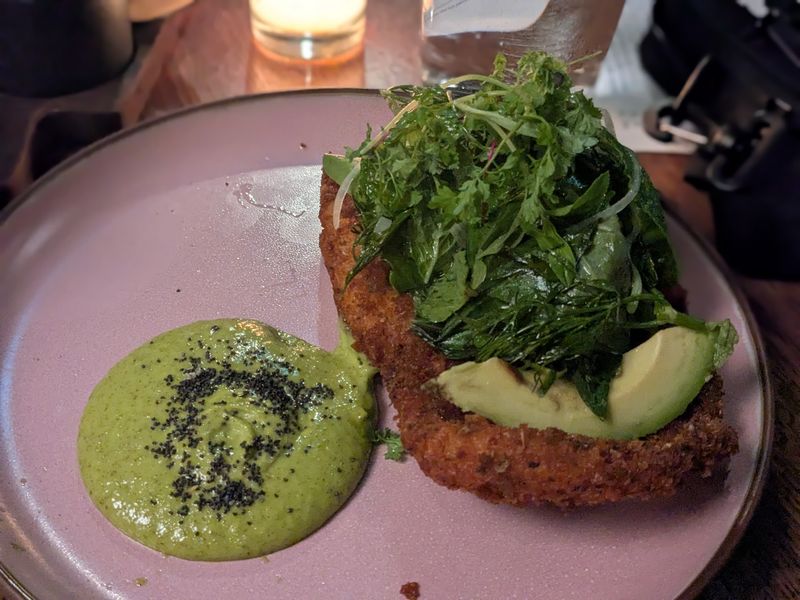
Chicken rarely gets attention at a steak-focused restaurant. At Balvanera, the chicken cutlet has become one of the dishes people mention again and again.
The preparation is simple but careful. A panko-crusted chicken breast comes topped with fresh dill, basil, cucumber, and shallots, with a sauce served on the side.
Fresh herbs on top of something crispy is a clever balance. The greens add brightness to a dish that could otherwise feel heavy.
Breaded cutlets also have a strong connection to Argentina. The milanesa, a thin breaded cutlet, is one of the most common family meals in the country.
I like that a fancy dining room still respects comfort food. It sends a message that the kitchen cares about every plate, not just the expensive ones.
The cutlet is also a friendly pick for picky eaters or younger diners. Someone who doesn’t want octopus or sweetbreads still gets something special.
Save some room, though. The dessert menu here is long, and choosing just one item is harder than it sounds.
A Dessert List That Tests Your Willpower
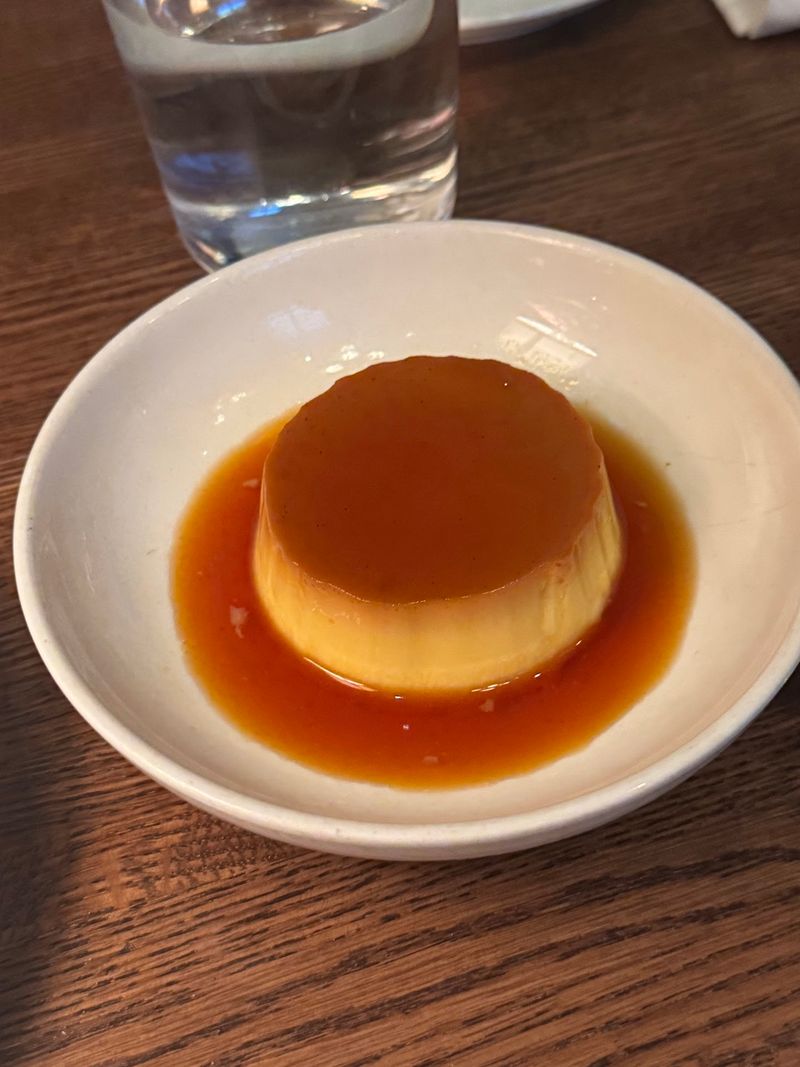
Dulce de leche is basically Argentina’s favorite flavor. It’s milk and sugar cooked slowly until thick and caramel-like, and it shows up in many desserts here.
The dulce de leche flan is a classic choice. Flan is a silky custard, and the caramel twist gives it a clear Argentine identity.
Alfajores are another must-know treat. These sandwich cookies are filled with dulce de leche and are sold in nearly every bakery in Argentina.
The menu stretches further than that. Basque cheesecake, date cake, carrot cake, and pistachio ice cream have all appeared as sweet options.
Almendrado is worth knowing about too. It pairs homemade vanilla ice cream with almond brittle, and it has been a helpful pick for gluten-free diners.
My plan would be to order two desserts for the table. Pick one Argentine classic, like flan or alfajores, and one wildcard, like the date cake.
Desserts can rotate, so check the current list when you visit. If you’d rather enjoy those sweets in a more private setting, the restaurant has an option for that.
Bar Seats, Brunch, and a Room Called the Bodega
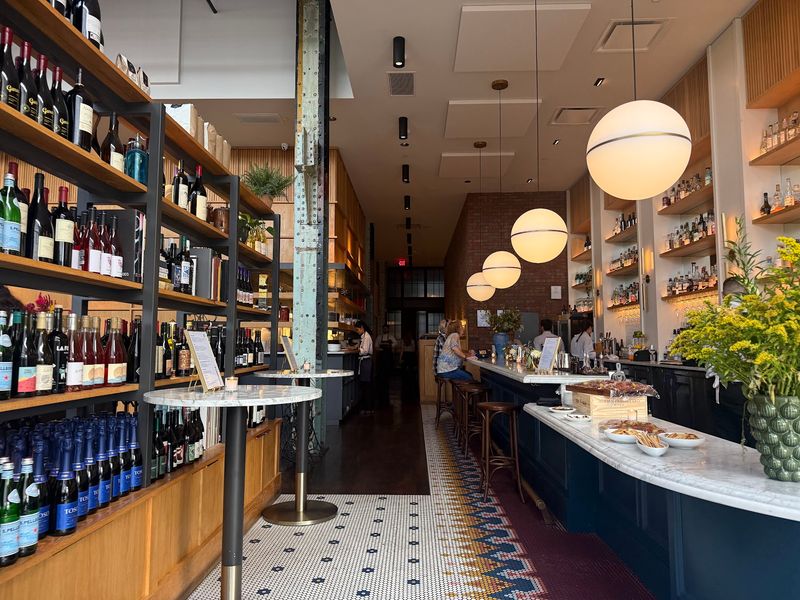
Weekend mornings bring a twist many people don’t expect. Balvanera serves brunch on Saturdays and Sundays from 11 am to 2:30 pm, before reopening for dinner at 5 pm.
Weekday visits are dinner only, running from 5 to 10 pm. That schedule makes brunch a fun way to explore the menu in daylight.
The bar is another good option. Solo diners and couples can grab seats there, and the bar staff can walk you through the menu.
For groups, the restaurant has a space called the Bodega in the bar area. It has hosted gatherings like birthdays, moms’ nights out, and private events.
Planning ahead helps for these. Contacting the restaurant early gives the team time to set up the space for your group’s needs.
Zero-proof drinks are also part of the lineup. That’s a nice touch for drivers, families, and anyone skipping the bar menu.
A special occasion here can be as big or small as you want. Before you go, though, a few planning tips can make the evening much smoother.
Smart Moves Before You Book
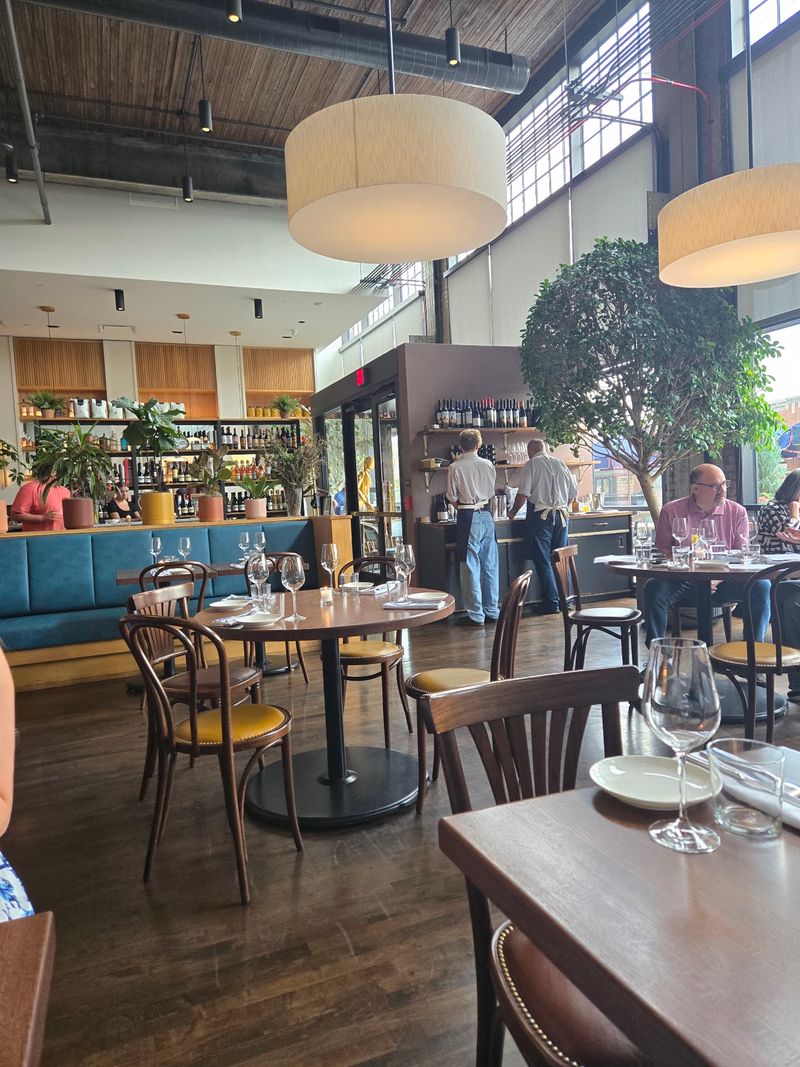
Reservations are your friend, especially on Friday nights and holidays. The dining room fills up for celebrations like Valentine’s Day, Mother’s Day, and graduation dinners.
Budget is worth thinking about too. Balvanera leans toward special-occasion dining, so plan for a meal that feels like a treat.
Small plates add up quickly. Agreeing on a few must-try dishes before you sit down can keep the bill in check.
Dietary needs are welcome topics. Staff have helped gluten-free diners find good options, so speak up when you order.
Accessibility matters as well. Let the host know if someone in your party needs a wider path or a larger table.
Noise is something to expect during busy hours. The room can get lively, so an early dinner or weekend brunch may suit quieter conversations.
Parking in the Strip District can be tight, especially on weekends. Leaving a little extra time keeps you from rushing to your table.
I would arrive with an open mind and a willingness to share. On a menu this wide, the best memories often come from the plate someone else ordered.
Share this story