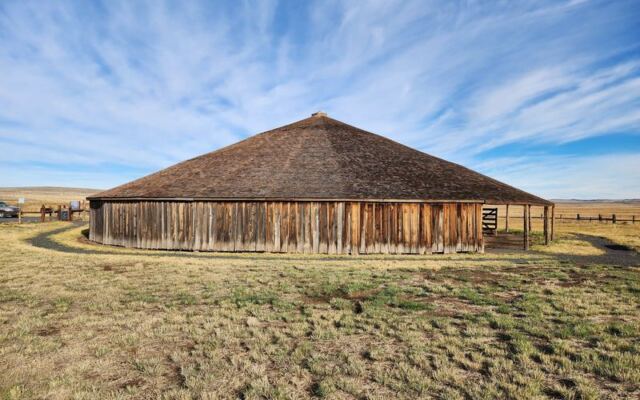
You know that feeling when a gravel road keeps going and you start to wonder if you took a wrong turn? Out in the sagebrush of eastern Oregon, I got that feeling, and then a huge round shape rose up from the flat land like it had been waiting just for me.
It looked like nothing special from far away, but it turned out to be one of the most memorable stops I have made in the state. If you love finding places most travelers drive right past, this one is for you.
A Round Barn Rising from the Sagebrush
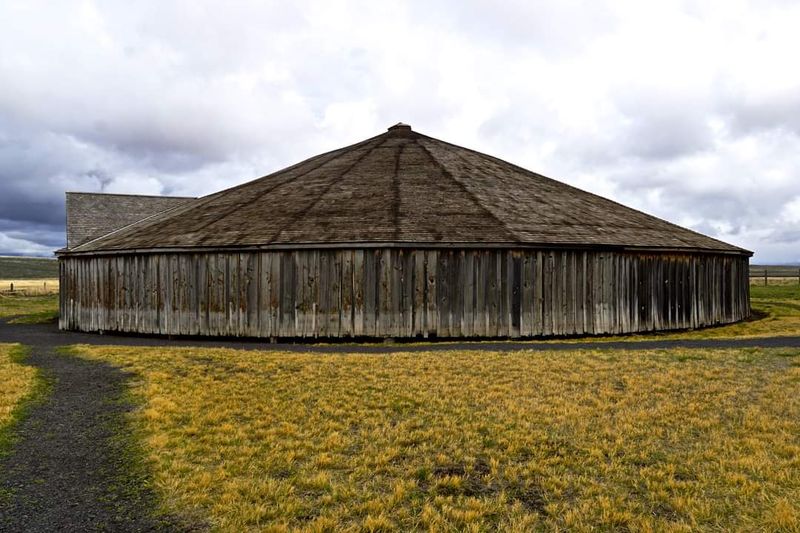
Picture a long gravel road, a sky the size of a continent, and then a perfectly round barn popping up out of the sagebrush. That is the Pete French Round Barn State Heritage Site, tucked along Lava Bed Road near Diamond in Harney County, Oregon.
Visitors say you can spot it from a long way off as you drive up.
The site is a state heritage property, and it is free to walk the grounds. Nobody charges at the gate, and nobody hands you a crowd to fight through.
Several visitors mention that they had the place almost to themselves.
The barn is only the headline act. A small visitor center, interpretive signs, and open desert views fill out the stop.
Think of it as a history lesson with no desks, set on a stretch of Oregon that most road-trippers skip.
The Cattle Baron Who Built It
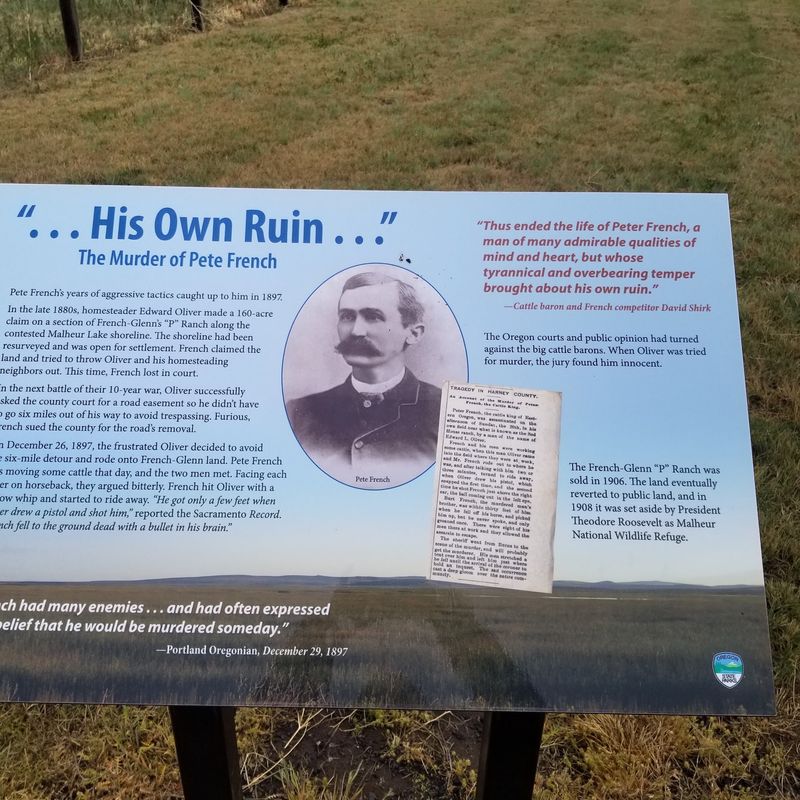
Rags to riches is a tidy phrase, and Pete French lived it out loud. Interpretive signs at the site tell how he rose to become one of the great cattle kings of the late 1800s in this corner of Oregon.
Visitors describe him as controversial and dynamic, yet well loved by the people who worked for him. That mix of admiration and argument runs through every story told here.
He was a man who made big plans and made bigger waves.
The barn is basically his business card in timber and stone. It shows how much he invested in horses, freight, and the long game of ranching.
Reading about him before you go adds a lot to the walk-through, so a quick look at his biography is a smart warm-up.
Land, Water, and a Wild Western Feud
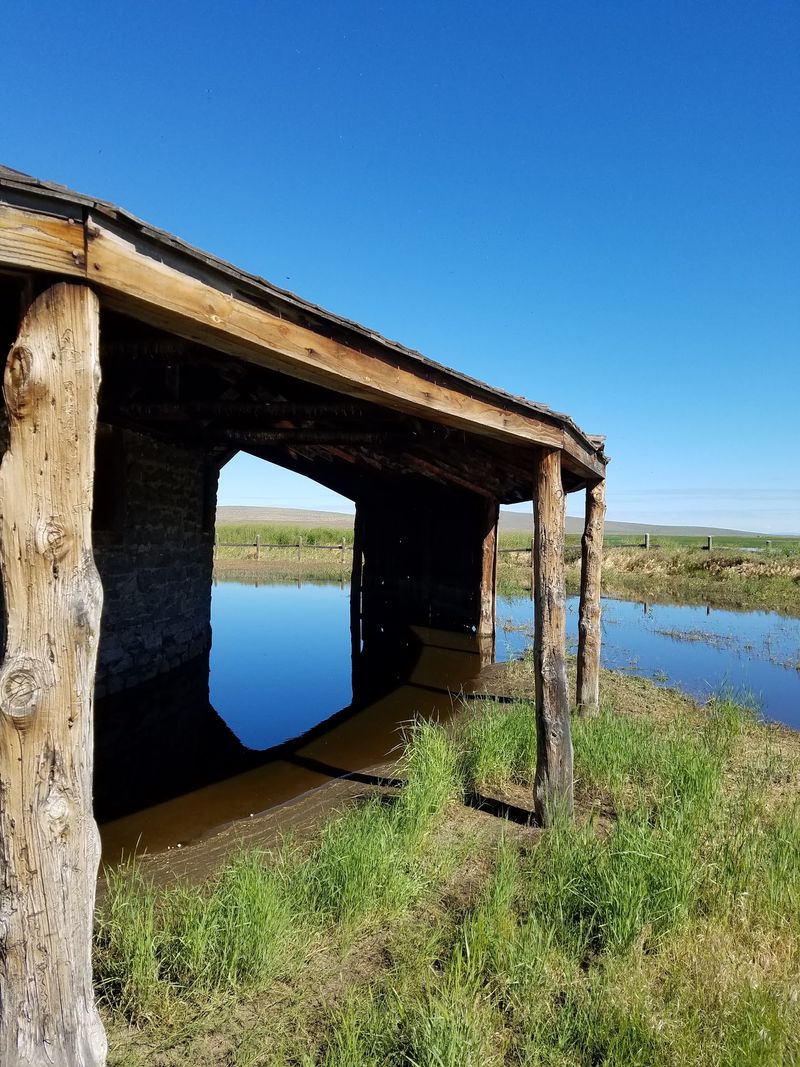
Here is where the story gets spicy. One visitor sums up that French used the Swamp and Overflow Act, which let marshland be bought for $1.25 an acre, and built dams to flood land he could then buy cheaply.
Estimates say he gathered between 160,000 and 200,000 acres.
After the Malheur Lake spill in 1881, he clashed with small farmers over water rights and land claims. Settlers who wanted access to unused land got eviction notices.
The tale ends with a neighbor named Edward Oliver, who had been forced to take a route of more than six miles to reach his own property. A jury later found Oliver not guilty, and even French’s brother was said to understand why.
It is classic frontier drama, and the signs and visitor center help you piece it together.
An Indoor Corral Built for Brutal Winters
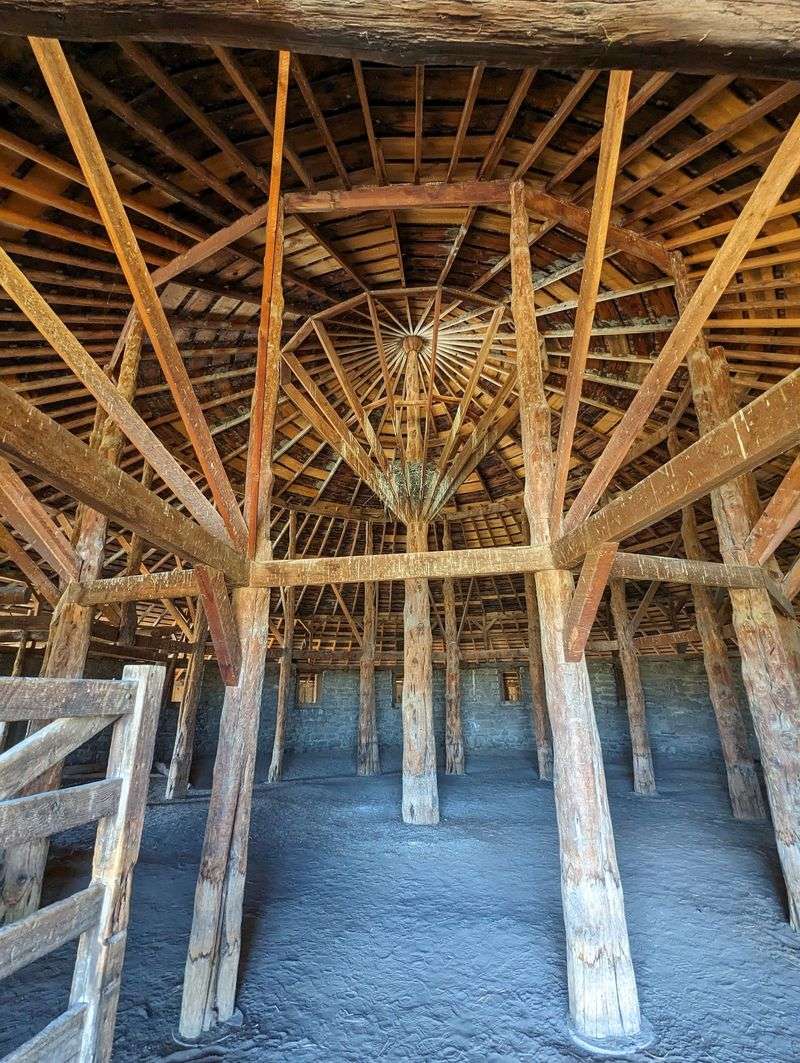
Winter on the high desert is no joke, and French had a clever answer to it. He built a barn around a corral roughly 100 feet across, so horses and mules could keep training when the weather turned harsh.
Visitors explain that cowboys led the animals around the inside ring to get them ready to pull heavy freight wagons. The inner circle was used to care for mares that were about to foal.
One visitor called it more of a covered arena than a traditional barn, and that fits.
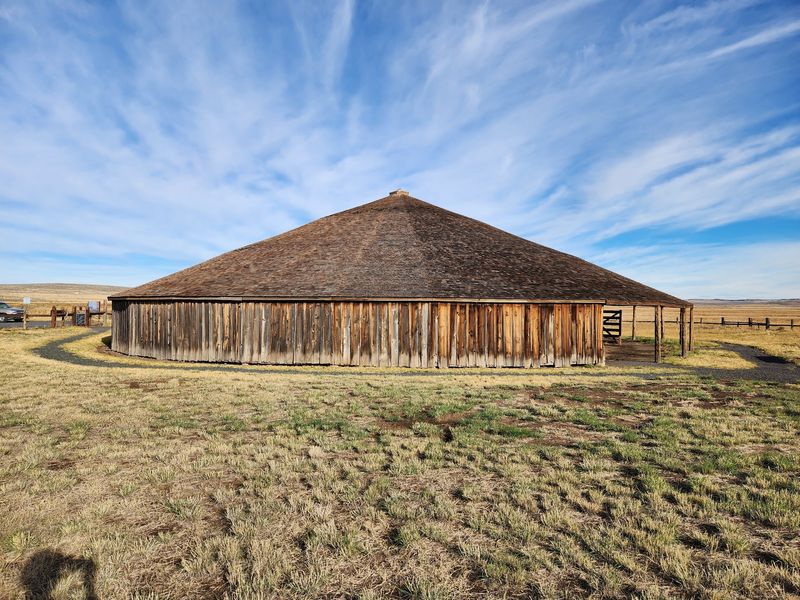
Dating to the 1880s, the structure is described by many as the last of its kind out here. Stand in the ring and picture the work that went on in it.
The round shape means no corners, so the animals simply kept moving in a steady loop.
Stone, Juniper, and Honest Patina
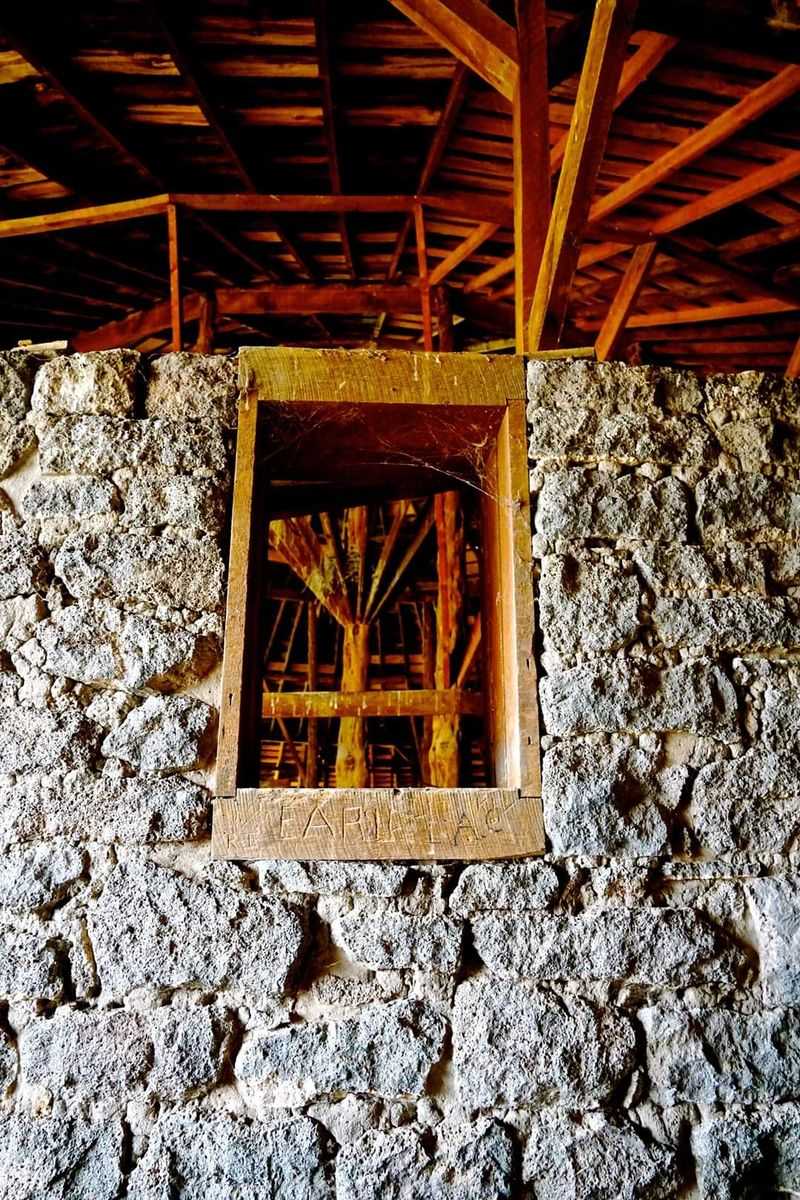
Bring your camera and a patient eye. Up close, the barn is all texture: stone walls, juniper beams, and wood worn silver by wind and sun.
One photographer found it fairly dark inside and suggested a tripod, which is good advice if you want crisp shots. Others enjoyed simply circling the building to spot details in the grain and stonework.
Architecture comes up often in what visitors talk about, and it is easy to see why.
A few visitors noted that the place looks a bit weathered these days, with some panels that could use a refresh. To me, that age adds to the mood rather than taking away from it.
This is a working-ranch-era building that has stood through well over a century of Oregon seasons, and it looks every bit the part.
The Owls Who Rule the Rafters
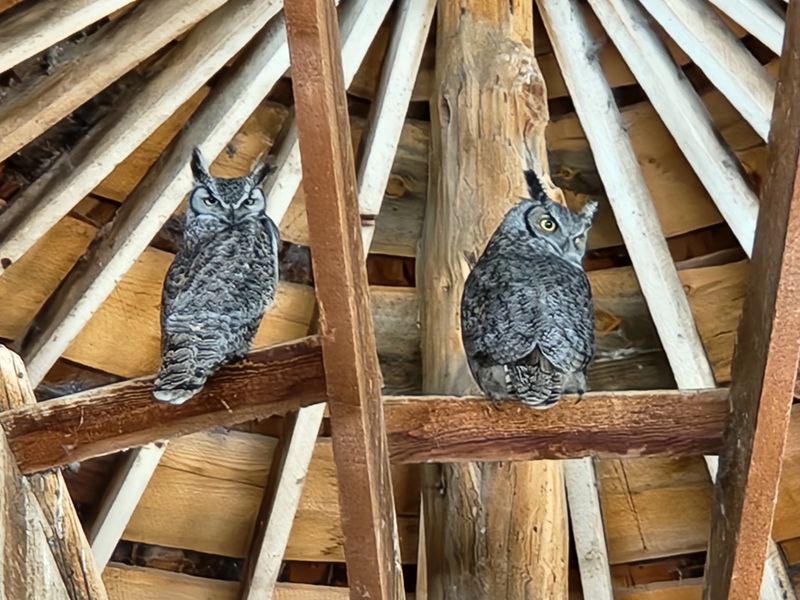
Look up, and something may look back. Owls are the second most talked-about feature among visitors, right behind the barn itself.
People mention a large nest, with bones from the owls’ meals scattered below. One visitor warned that the barn owls are protective of their space, while another enjoyed the little ones peeking out and squawking at passersby.
A few described the whole scene as pleasantly spooky.
Give the birds plenty of room and keep your voice low. You are a guest in their home, and they have been the landlords here for a long time.
With rodents plentiful in the sagebrush country, the owls have no shortage of dinner, so they stay put. Bring binoculars and keep your eyes on the beams.
Watch Your Step Around Wild Neighbors
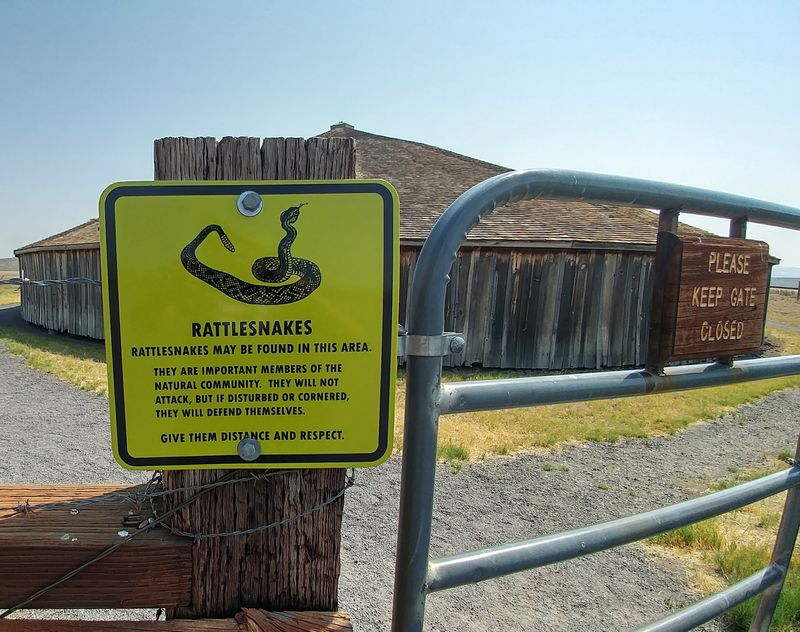
Nature is part of the exhibit here, so come prepared. One visitor watched a snake slip between the window slats to catch a mouse, a bit of desert theater nobody planned.
Another group reported two rattlesnakes inside the barn and chose to skip the full tour. That is a good reminder to watch where you put hands and feet, and to turn around if you see something you would rather not meet.
The ground deserves attention too. A photographer warned about plenty of holes hidden in the grass around the barn and twisted an ankle a few times.
Sturdy shoes and slow steps go a long way. None of this is cause for alarm, just ordinary high desert smarts that keep the visit relaxed and fun.
Signs That Tell the Timeline
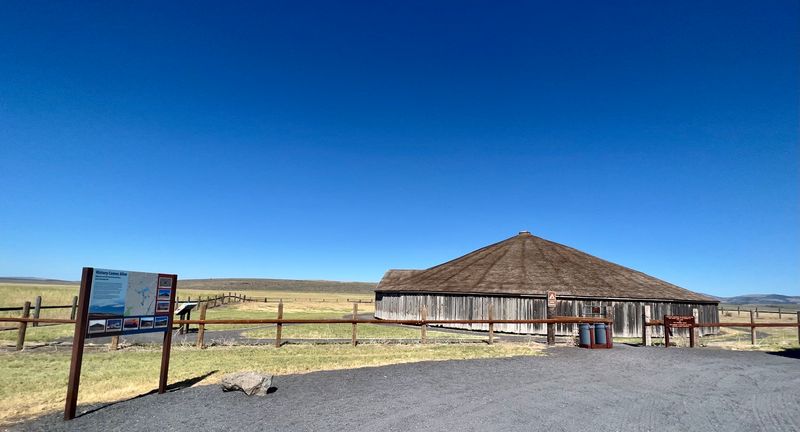
Reading is half the fun here. Interpretive panels line the site and walk you through the history in order, from the early cattle industry to the barn itself.
Visitors say the signage makes the story easy to follow, even if you arrived knowing nothing about Pete French. One guest figured the barn was just a barn until the history and purpose came into focus.
That shift from shrug to wow shows up in several comments.
A few mention that some panels are due for a refresh, so expect a little wear. The content still does its job.
Take your time at each stop, then step back inside the ring and let the facts fill in the empty space. It makes the walls feel a lot more talkative.
The Visitor Center and Gift Shop
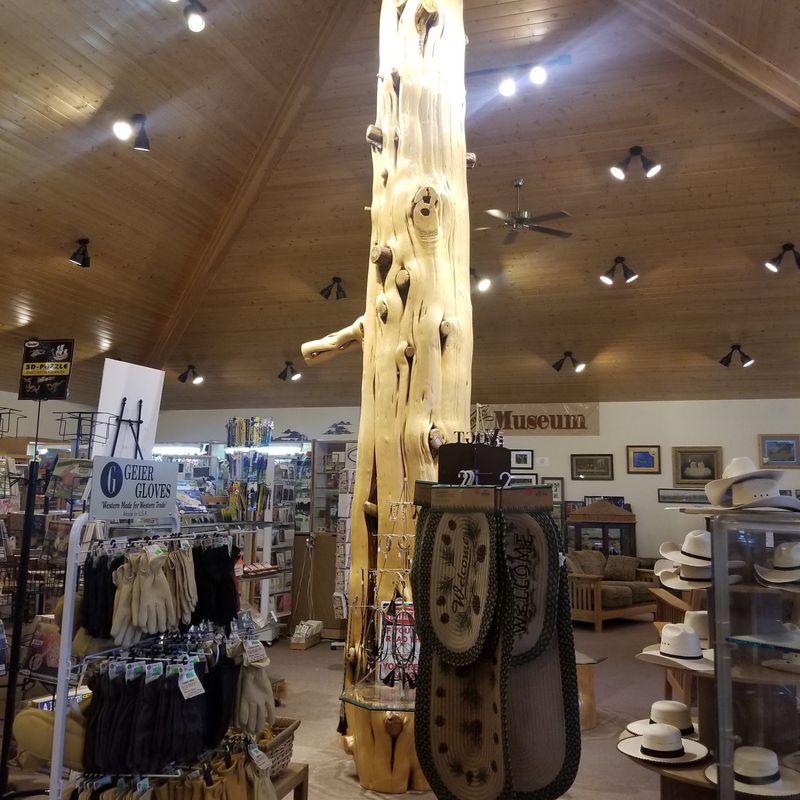
Do not judge this building by its outside. One visitor said it looks like nothing from the road, yet inside there is plenty to see and learn.
The privately owned shop carries local crafts, ranching books, and Steens Mountain souvenirs, plus some snacks. Visitors praise the staff, including a helpful fellow named Marty, who answers questions and shares tips on what to see nearby.
Guests also mention a real restroom, and one suggests buying something as a courtesy if you use it.
Opinions vary on the shop’s condition. A couple of visitors found it dusty and a bit spendy, while others loved the bookstore and the family history on display.
It was also closed during one visit, so do not count on it being open.
Big Sky, Birds, and Zero Crowds
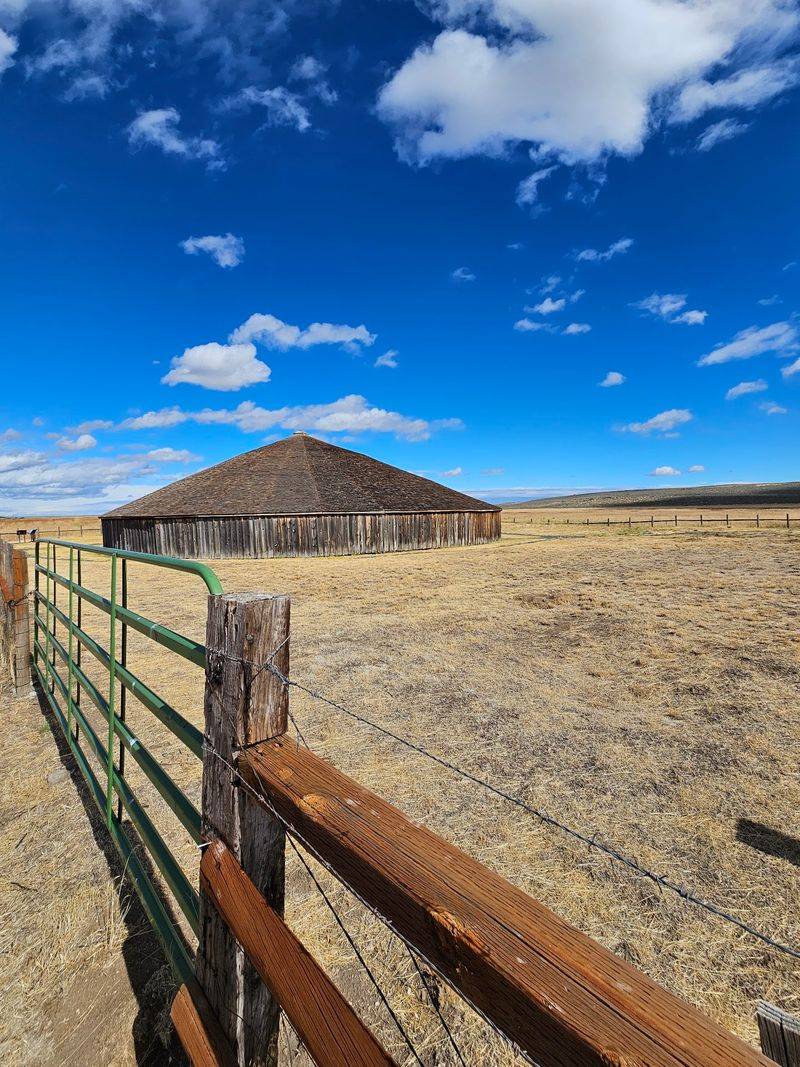
Quiet is the loudest thing out here. The barn sits on open sagebrush plains, and the views stretch toward the Malheur Refuge, which makes this a natural spot for a birdwatching break.
It fits neatly into a larger Harney County road trip. Several visitors came as a detour and left glad they did.
One described it as a stop for anyone who likes to travel off the beaten road.
For Oregonians who like their adventures uncrowded, this is the sweet spot. Spring and fall bring cooler air and softer light, and fewer cars on the gravel.
Pack water, fill the gas tank beforehand, and give yourself time to linger. The reward is wide-open silence that feels increasingly rare.
Practical Notes Before You Go
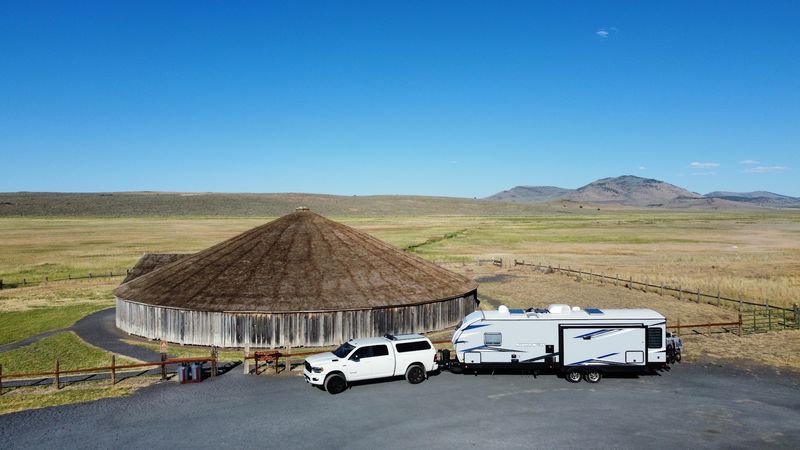
Planning is simple. The site is free, listed as open year-round, and visitors say parking is plentiful.
The address is 52229 Lava Bed Rd, Diamond, OR 97722.
Weather can change things, so check ahead. One visitor arrived after flooding and could not reach the barn itself.
Call 800-551-6949 or check the Oregon State Parks page for the latest word before you drive out.
The gift shop keeps its own schedule and was closed on one visit, so treat it as a bonus. Expect gravel on the final stretch.
Bring water, sturdy shoes, a tripod if you shoot photos, and a bit of patience for the dim interior. Some travelers have even stayed overnight through Harvest Hosts, which says a lot about how peaceful it is.
A Soft Verdict for History Lovers
So, is the detour worth it? Most visitors say yes, and I agree.
The mix of cattle-baron drama, clever engineering, owls in the rafters, and endless desert sky packs a lot into a free stop.
It suits history buffs, photographers, road-trippers, and families who like a story with their scenery. It may not suit anyone expecting polished displays, since the site shows its age.
That honest wear is part of its charm.
If you have ever wanted to be the Oregonian who knows the quiet places, this is your invitation. Take the gravel road, chat with the folks at the visitor center, and give the owls their space.
You will drive away with a story you can tell at the next gas station.
Share this story