A printing press from the 1800s still clanks out pages in a tiny village on the Tennessee plateau. The man who founded the place was a famous English author.
He wanted a fresh start for younger sons of British families, and he built it in the Appalachian woods.
That alone made me stop scrolling. Then I learned the old homes, the church, and a library packed with Victorian books are still standing.
Some of them still open their doors to curious visitors.
I like how quiet the whole idea feels. There are no rides, no flashing signs, and no big crowds pushing you along.
You stroll, peek in windows, and maybe grab a fried bologna sandwich before hitting a trail.
So how did a slice of Victorian England land in the Tennessee hills? And why does it still feel so peaceful today?
A Little Slice of England on the Cumberland Plateau
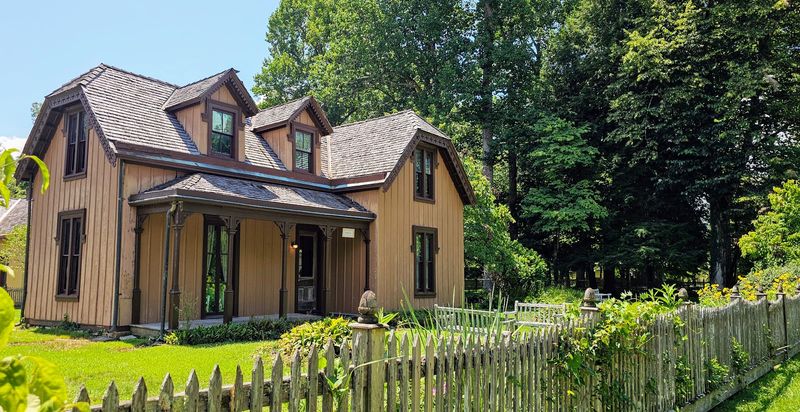
Few people expect to find a British-style village while driving the back roads of East Tennessee. Historic Rugby is exactly that, and it feels like someone set a Victorian postcard down in the woods.
The village sits on the Cumberland Plateau in Morgan County. It rests just east of the Clear Fork River and south of the Big South Fork National River and Recreation Area.
Restored homes, churches, and community buildings line the quiet roads. Many date to the late 1800s, so the whole place reads like a living timeline rather than a staged set.
One detail makes it stand out fast. Historic Rugby is a museum village, yet people still live and work here.
It is history you can walk through, not a theme park with a ticket booth at every corner.
For Tennessee road-trippers, that matters. You get a real community with a real story, plus forest, trails, and river views all around it.
Honestly, you would never guess this sits in Tennessee. That surprise is half the fun, and the other half is everything waiting inside those old buildings.
The Novelist Behind a Victorian Dream
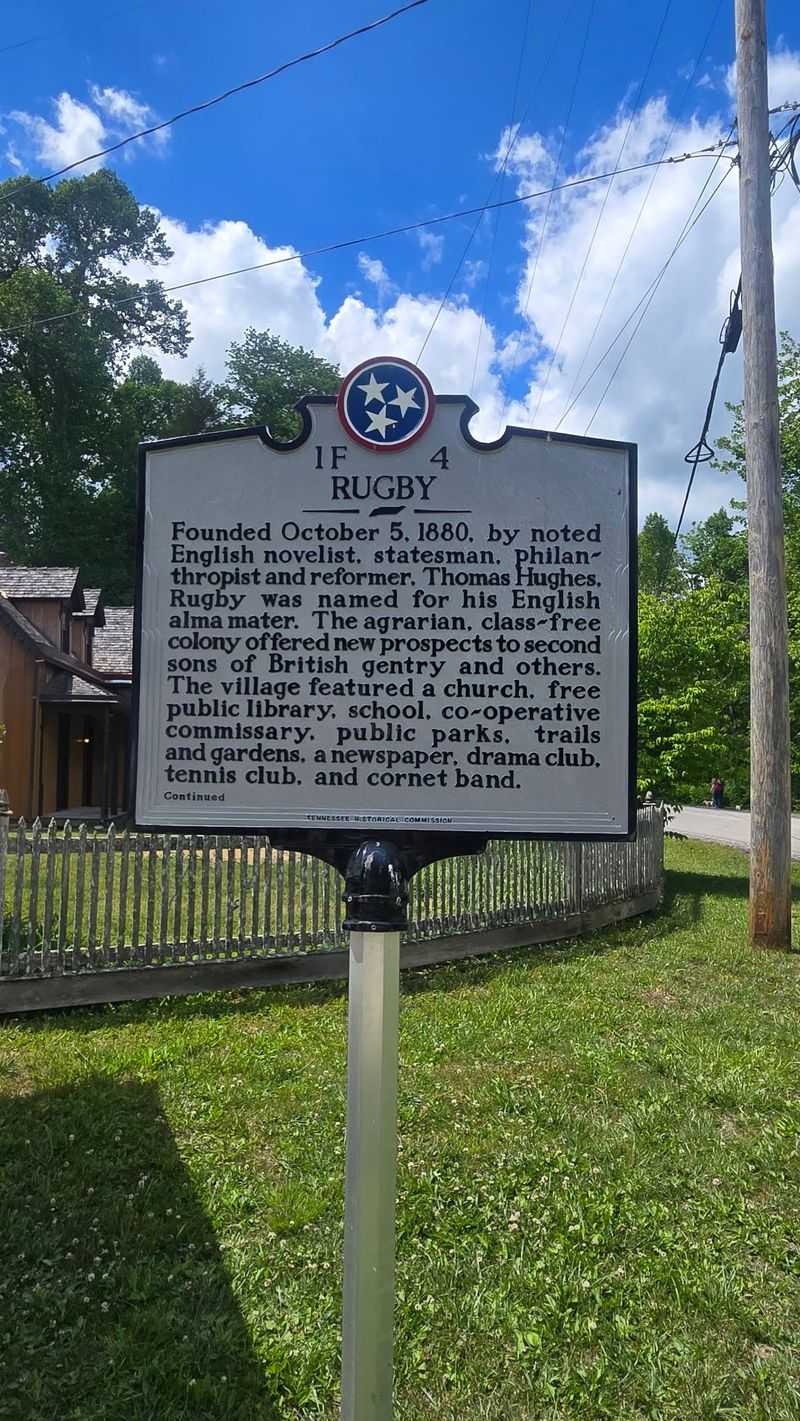
Back in 1880, a well-known English author named Thomas Hughes had a bold idea. He founded a community in the Tennessee hills and called it Rugby.
Hughes is best remembered for writing Tom Brown’s School Days. The name Rugby nods to the famous English school that inspired that book.
His goal was practical and a little idealistic. Many younger sons of British families had few chances to inherit land or titles back home, so Hughes pictured a fresh start for them in America.
The settlers built homes, a church, a library, and other community buildings. They brought English customs with them, which explains the distinctly British feel that still lingers here.
The original dream did not grow into a big city. Still, enough of it survived to make the village one of the most charming historic spots in the state.
I believe that is why the place hits so hard. You are not looking at a re-creation built for tourists.
You are standing where an author’s real experiment played out more than a century ago.
Your First Stop Is a Visitor Center With a Theater
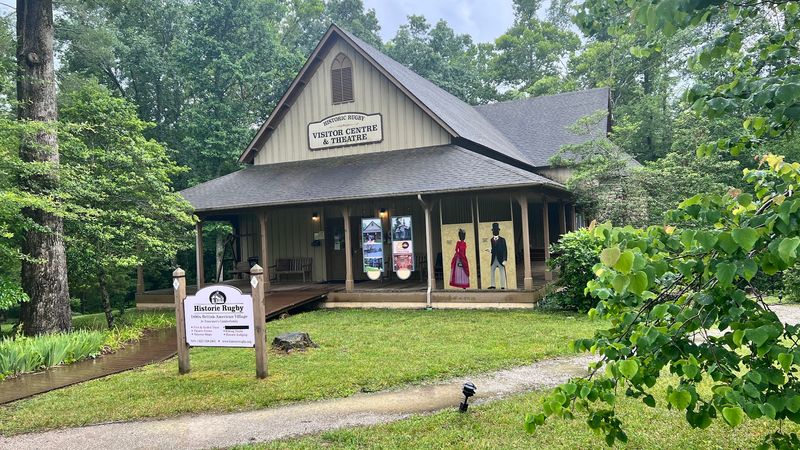
Smart visitors start at the visitor center, and not just for the restrooms. The building is designed with a historic look that sets the mood right away.
Inside, you’ll find exhibits that walk you through the story of the village. It is a handy place to gather information about Historic Rugby and this corner of the Big South Fork.
The Johnson Theater is located here too. A film helps fill in the background before you head outside, so the old buildings make more sense once you see them.
Gift shopping happens here as well. The center doubles as a gift and information stop, and it is also where tours begin.
Need a map? The staff can hand you one for a self-guided stroll through the houses and buildings.
They have a reputation for being friendly and full of helpful facts.
Think of this as your launch pad. A few minutes here turns a pretty drive-by into an actual story you can follow, house by house, down those quiet village lanes.
Why the Guided Tour Is Worth Booking Ahead
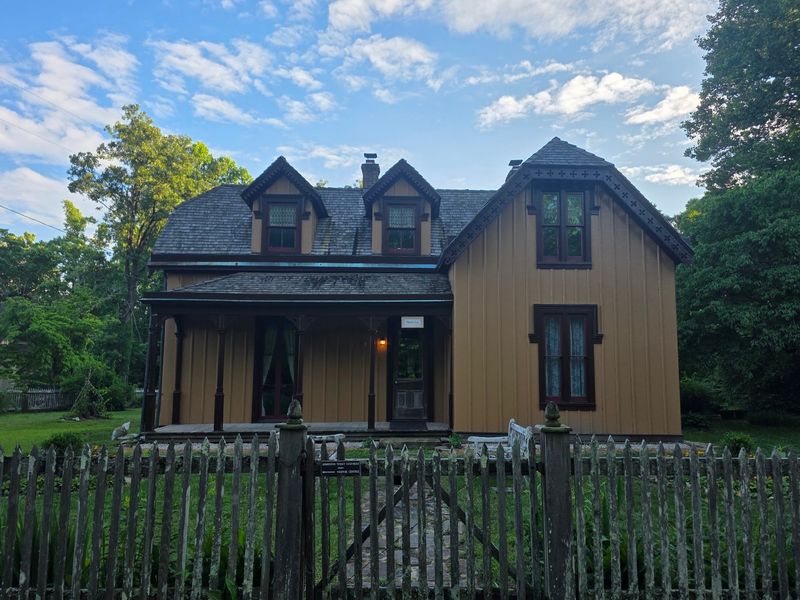
Strolling around on your own is free, and it is lovely. The catch is that many buildings stay closed to anyone not on a guided tour.
Guided tours require a reservation, so plan ahead. That small step unlocks the interiors of the main buildings, which are well maintained and nicely presented.
The guides earn a lot of praise for their knowledge. They share stories about the settlers, the buildings, and the quirks of village life in the 1880s.
Self-guided wanderers can still enjoy the architecture and the posted history signs. However, the layout can feel a little confusing without someone pointing the way.
Here’s a fair comparison. The self-guided route gives you exteriors, fresh air, and window peeking.
The guided route gives you context, interiors, and the little stories that stick with you on the drive home.
Want something spookier? A night ghost tour is offered too, with tales that add a playful chill to the old streets.
Pairing a daytime tour with the evening one makes for a full and memorable day in Tennessee history.
Ink, Gears, and an 1800s Press That Still Works
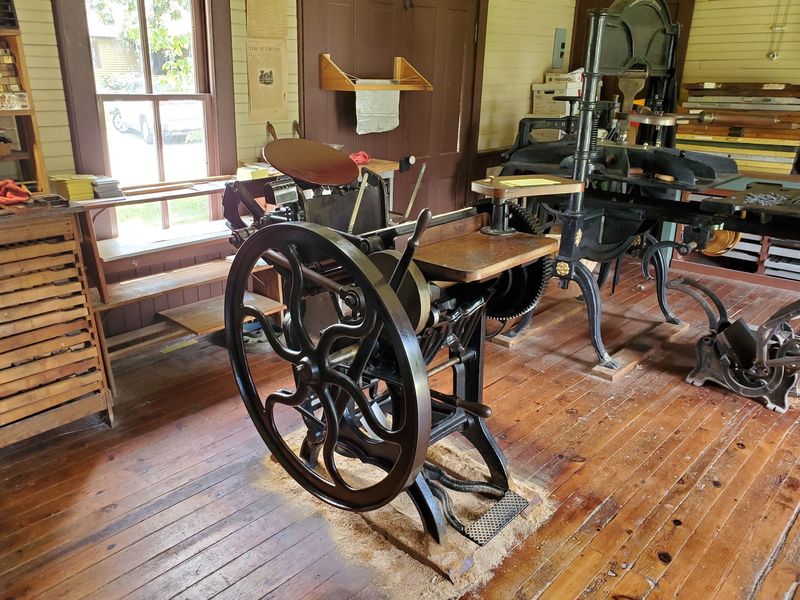
Clunk, slide, press, repeat. The print shop is where Historic Rugby stops being a quiet history lesson and starts feeling alive.
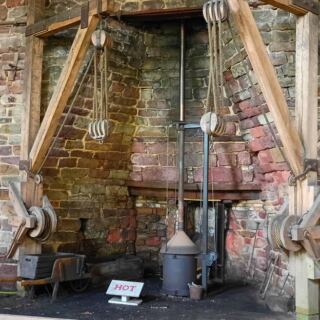
An old printing press is still in use here. Visitors often get to see a demonstration of how newspapers were printed back in the 1800s.
Watching it work is surprisingly satisfying. Every lever and roller has a job, and you quickly realize how much effort went into a single printed page.
Kids and grown-ups both tend to light up here. It turns a word like typesetting into something you can actually see, hear, and understand.
Even self-guided visitors have been able to step inside this building for a demo. That makes it one of the easiest highlights to catch, tour ticket or not.
Good luck leaving without a new respect for old-school publishing. In a world of instant texts, there is something wonderfully stubborn about a machine that still does things the slow, careful way.
If your group has a history buff or a tinkerer, put this stop at the top of the list. It might become their favorite part of the trip.
Bookshelves, Bells, and a Schoolhouse Still Standing
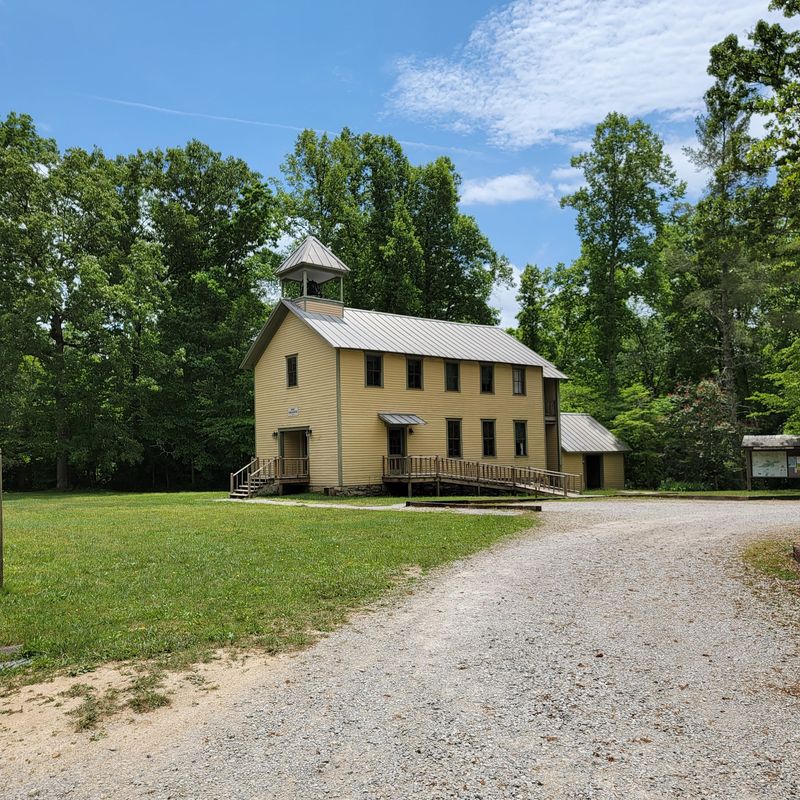
Book lovers, brace yourselves. The village library is a favorite stop, and it feels like a time capsule built from paper and wood.
Shelves of old volumes give you a peek into what settlers read in the Victorian era. It is easy to linger and imagine long evenings spent with these very books.
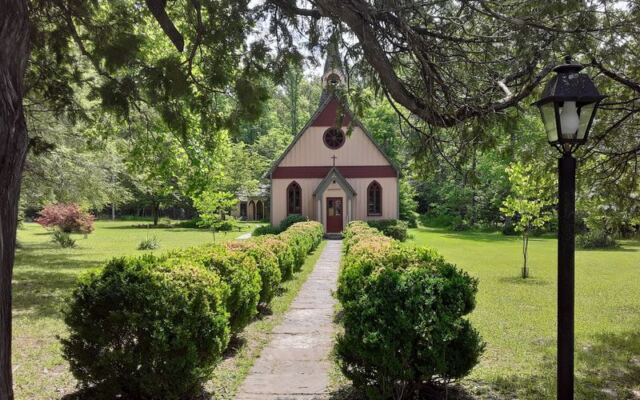
Nearby, a historic church still stands proudly. Its simple lines and careful restoration make it one of the most photographed spots in the village.
A schoolhouse remains too. Together with the church and library, it shows that the founders cared about learning, faith, and community from the very start.
Driving or walking around, you’ll also spot restored homes and other churches. They are easy to photograph, and each one adds another layer to the story.
What I like most is how unhurried it all feels. Nobody is rushing you from exhibit to exhibit.
You can stand in front of a building, read the sign, and let the details sink in before moving on.
Bring a camera and a little patience. These buildings reward a slow look.
Trails That Lead to the Gentleman’s Swimming Hole
History is only half the reason to visit. The trails around the village are just as tempting, especially for anyone who loves river views.
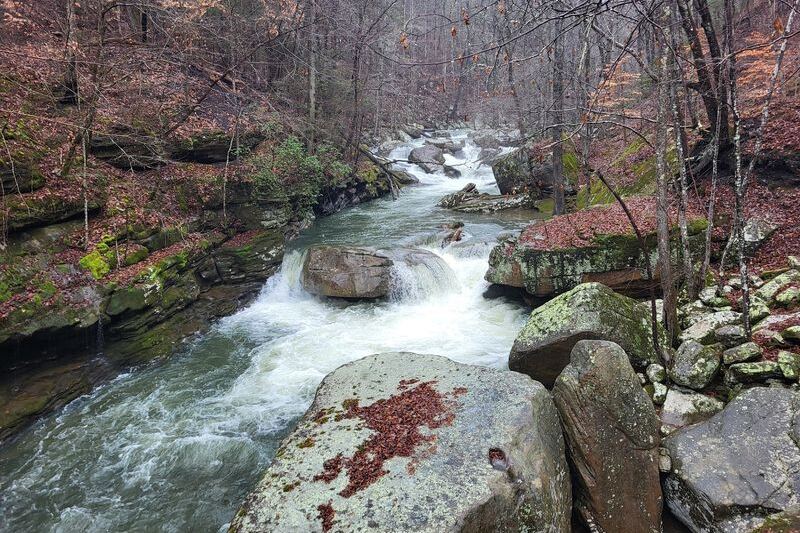
The Gentleman’s Swimming Hole hike gets a lot of love. Much of the trail follows the river, passing pretty cliffs and rocky overhangs along the way.
Prefer something shorter? A loop behind the visitor center runs a little over a mile through a lovely stretch of forest.
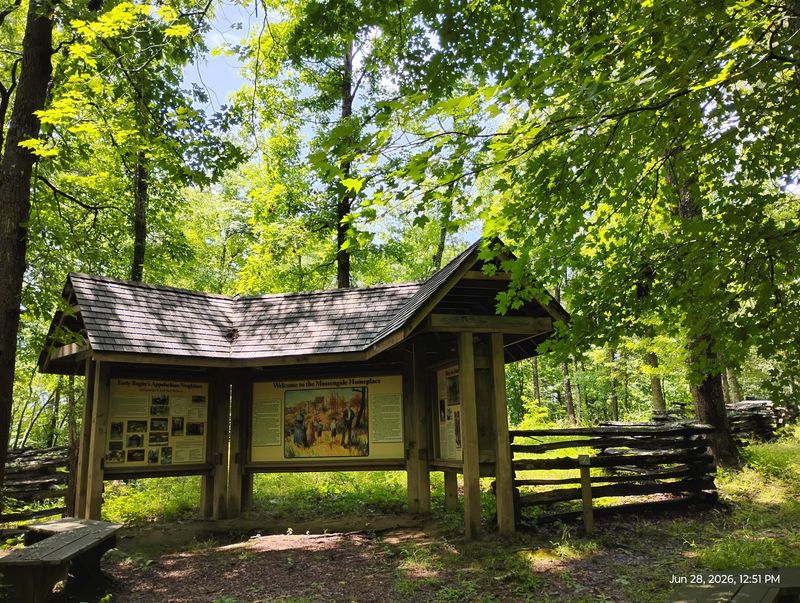
The Massengale trail leads to an old homestead site and spring. Information boards there share pictures and stories about the people who once lived on that land.
A few practical tips make these hikes more fun. Wear sturdy shoes, consider a walking stick, and use bug spray to keep ticks away.
Small footbridges can be slick, so step carefully.
Tennessee hikers know a good swimming hole when they hear about one. This one comes with a bonus, since you can pair it with a village full of Victorian charm on the same afternoon.
That combo of trail and town is hard to beat for a weekend outing.
Fried Bologna and Wheel Cheese After a Morning of History
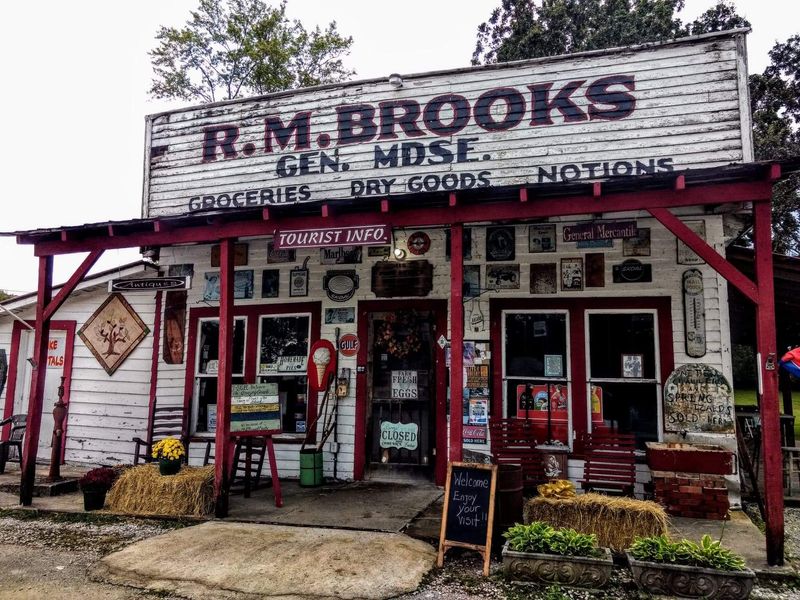
All that walking builds an appetite, and the village has an answer. Just a short hop from the visitor center, the R.M.
Brooks General Store is a go-to spot for food.
The local favorite to try is a fried bologna sandwich with wheel cheese. It is simple, hearty, and very Tennessee, which feels just right after a Victorian history lesson.
The store itself adds to the charm. A classic country general store fits perfectly with the slow pace of this little community.
The village has also had a local restaurant serving meals for overnight guests and day-trippers. Since hours and offerings can change, it is smart to check what is open before you go.
That sweet tearoom mood in the village name comes from the whole setting more than any single menu. Old homes, quiet lanes, and a slow lunch make for a cozy, unhurried afternoon.
I can’t imagine a better reward after a hike than a warm sandwich and a seat with a view of history. Plan a meal stop into your day, and the trip feels complete.
Hours, Seasons, and How to Get There
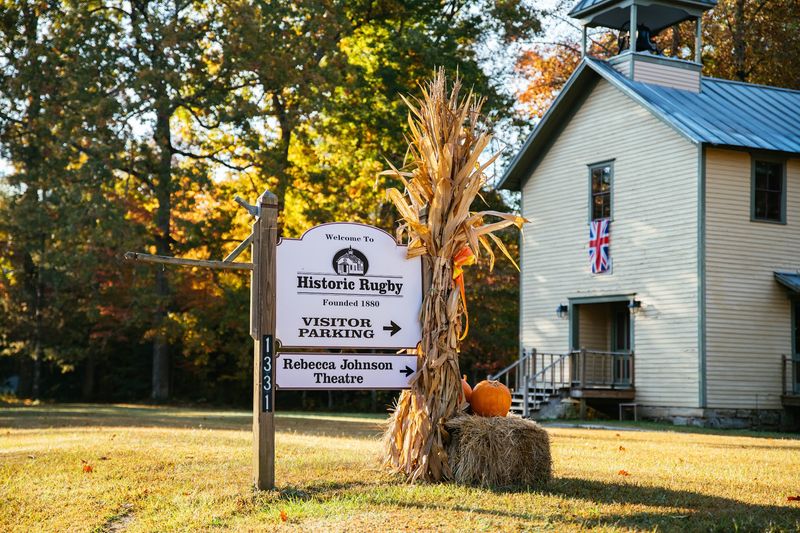
Timing is everything here. Historic Rugby opens Thursday through Saturday from 9 AM to 5 PM, and Sunday from noon to 5 PM.
Monday through Wednesday, the doors stay closed. Arriving right after closing means you will only see the outsides of the public buildings.
Winter is quieter too. Many businesses close for the colder months and reopen in March, though the grounds still make a peaceful stroll.
Plug 1331 Rugby Pkwy, Rugby, TN 37733 into your map app. From Knoxville, the drive takes roughly an hour and a half, which makes it an easy day trip.
Nashville and Chattanooga folks can make a weekend of it. Overnight lodging is available in the village, including historic spots like the Newberry House.
Fall is a special season to visit. Special events often happen then, and the forest around the village turns gorgeous.
Writer events have also drawn guests here over the years.
Walking around on your own costs nothing. Guided tours need a reservation, so book ahead if you want to see the interiors.
A Peaceful Detour Tennessee Can Proudly Call Its Own
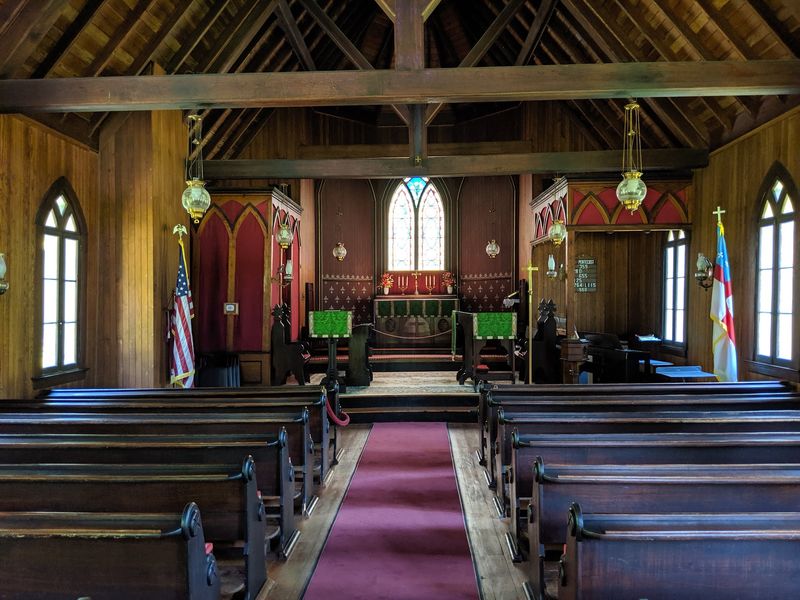
Peace is the word that keeps coming up. Visitors describe the whole village as serene, quiet, and gently restful.
Historic Rugby suits curious families, couples looking for a low-key day, and history fans who like stories over spectacle. Hikers get a bonus with nearby trails and river views.
It may not suit anyone hunting for nonstop action. There are no rides here, just old homes, a working print shop, and plenty of room to breathe.
Some travelers even call it better than a day in the big city nearby. That says a lot about how a small place can leave a big impression.
For Tennessee locals, this is the kind of spot worth bragging about. It is close to home, affordable, and genuinely unlike anywhere else in the region.
So pack good shoes and a little curiosity. Book a tour, grab a sandwich, walk a trail, and let the village slow you down for a while.
You might leave planning your next visit before you even reach the car. That feels like the truest sign of a place worth knowing.
Share this story