A 22-foot waterwheel, an old stone furnace, and an entire ironmaking village are waiting to be explored at this free Pennsylvania historic site. The buildings and equipment show how one community helped supply America’s growing demand for iron more than two centuries ago.
Founded in 1771, Hopewell Furnace operated for 112 years, producing pig iron, stove plates, and other goods. Today, visitors can explore the preserved and reconstructed buildings, including the ironmaster’s house, company store, and cast house.
The National Park Service has restored the village to reflect its appearance during the 1830s and 1840s. Along with the historic structures, seasonal demonstrations offer a closer look at the work that once kept the furnace running.
And with free admission, it’s an easy Pennsylvania history stop to add to a day trip.
An Iron Village Saved by the National Park Service
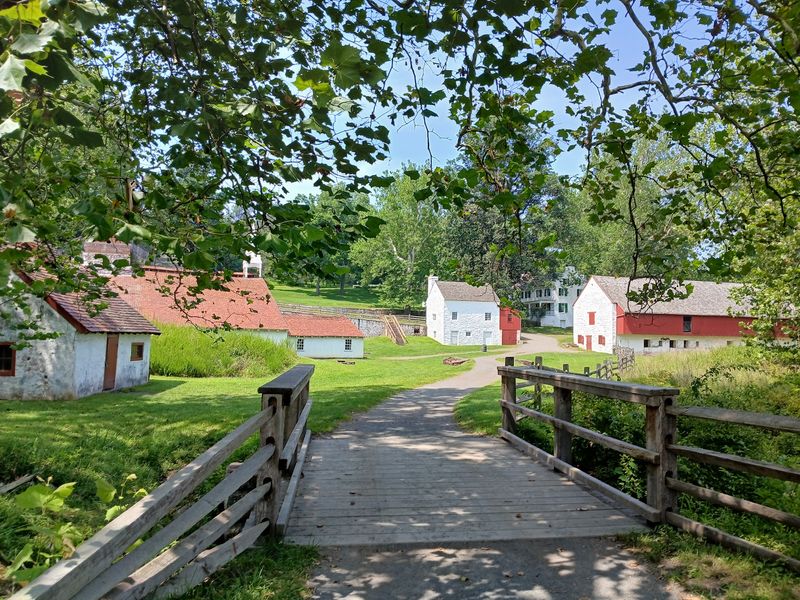
Hopewell Furnace National Historic Site sits at 2 Mark Bird Lane in Elverson, Pennsylvania. The park protects a full iron plantation, a kind of company town built around one big furnace.
Ironmaster Mark Bird founded the furnace in 1771. Yes, the lane leading in carries his name, so you start your visit with a small history lesson before you even park.
For more than 100 years, the furnace made iron for farms, homes, and a growing country. Workers and their families lived, shopped, and worked right here in the woods of Berks and Chester counties.
The fire finally went out in 1883. Newer, bigger mills had made small charcoal furnaces like this one old-fashioned.
Instead of vanishing, the village was kept. Today the National Park Service cares for the furnace, the homes, the store, and the barn so people can see how an ironmaking community really worked.
The park is usually open Wednesday through Sunday, and entry costs nothing. Parking sits right next to the visitor center, which makes a smart first stop before heading down the hill toward the old buildings.
Start With the Film and the Touch Table
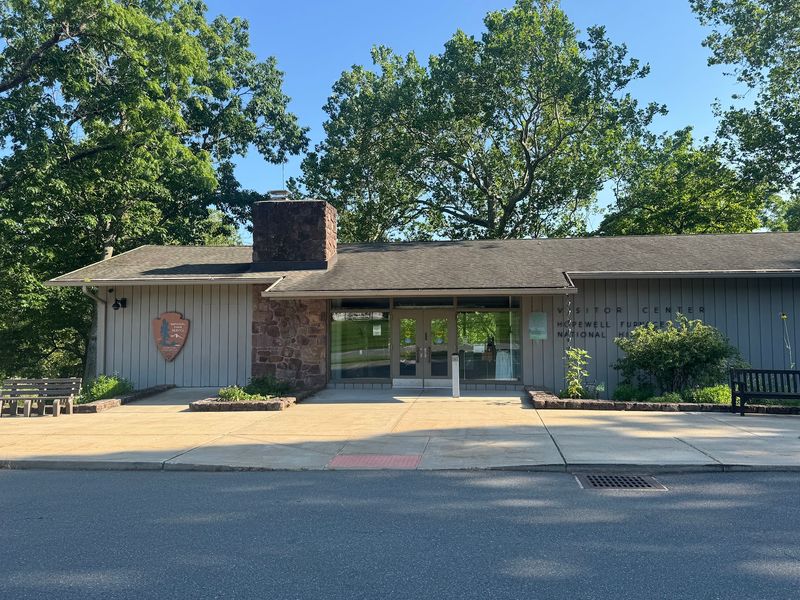
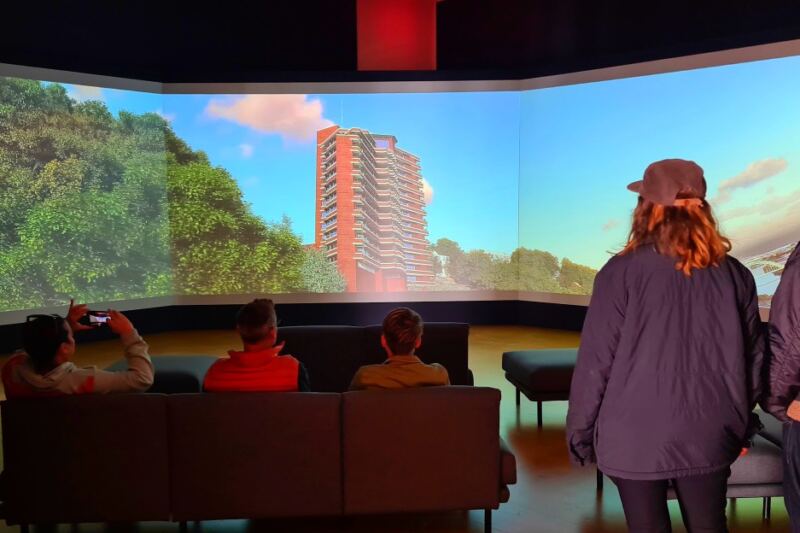
A short movie might be the most useful 15 minutes of your trip. The visitor center theater plays a film that explains how Hopewell made iron and who lived here.
Staff can start the film for you if it isn’t already running. I’d watch it first, since the buildings outside make much more sense once you know the story behind them.
The info desk sits in the middle of the room. Behind it, you’ll find the stamps for the National Park Service Passport book, which collectors love to fill with dated cancellation marks.
Exhibits line one side of the building. A touch table near the theater lets younger visitors handle objects instead of just staring at glass cases.
A small gift shop rounds things out. It carries books and souvenirs connected to the park and to early American ironmaking.
Outside, look for a board listing the day’s programs. Rangers post demonstrations and talks there, and some of them happen only at certain times.
Checking it early helps you plan your walk so you don’t miss the hands-on activity you came hoping to try.
The Waterwheel That Gave the Fire Its Breath
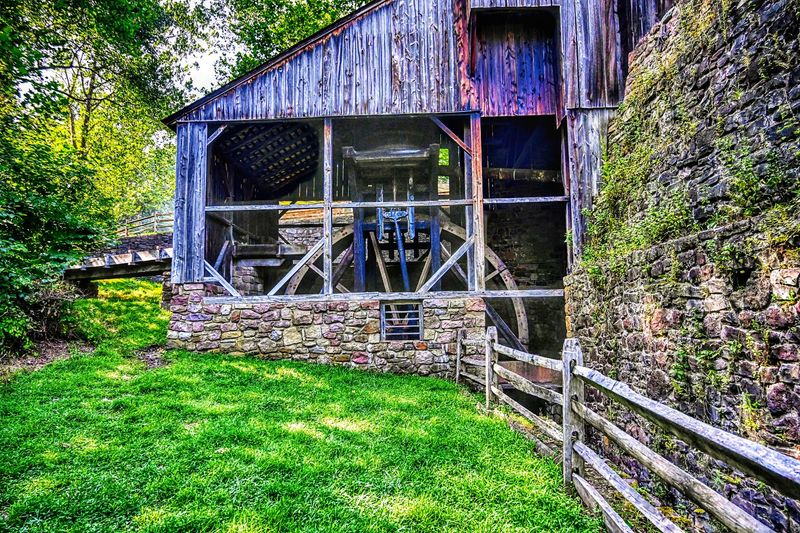
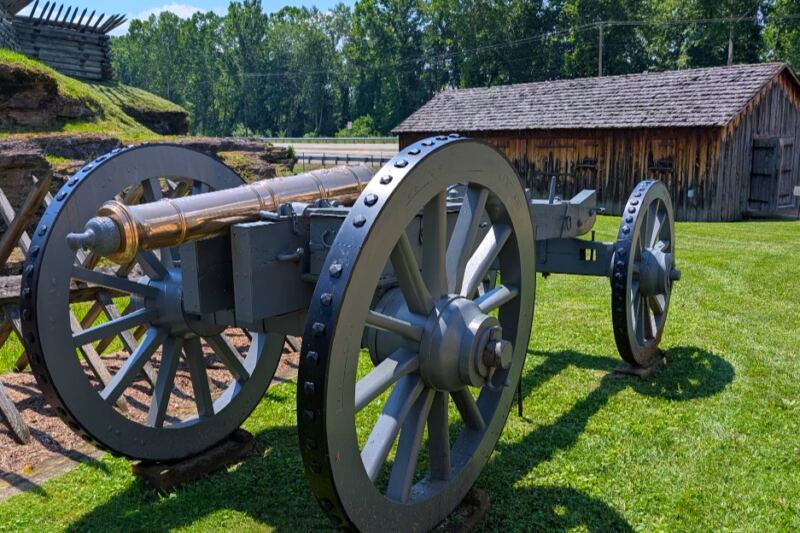
Fire needs air, and a furnace this size needed a lot of it. Hopewell’s answer was a giant wooden waterwheel, measuring approximately 22 feet in diameter.
Waterpower operated machinery that forced air into the furnace, helping maintain the high temperatures needed to smelt iron ore. Early equipment included bellows, which were later replaced by more efficient blowing tubs.
The waterwheel visitors see today is a reconstruction that helps demonstrate how the original system worked. It stands near the furnace and cast house, where workers once handled molten iron and prepared molds for finished products.
Waterpower played an essential role in Hopewell’s early operations, but the furnace’s technology changed over time. During the 19th century, the ironworks also introduced steam power to supplement its original water-powered equipment.
The furnace depended on much more than machinery. Workers needed a steady supply of charcoal, iron ore, and limestone, along with skilled labor to keep production running.
Standing near the wheel gives visitors a better understanding of how these different parts worked together. It also explains why access to water was so important when Mark Bird established the furnace here in 1771.
The reconstructed equipment is one of the site’s most recognizable features and offers a useful starting point for understanding the industrial history of this Pennsylvania village.
Inside the Cast House, Where Molten Iron Flowed
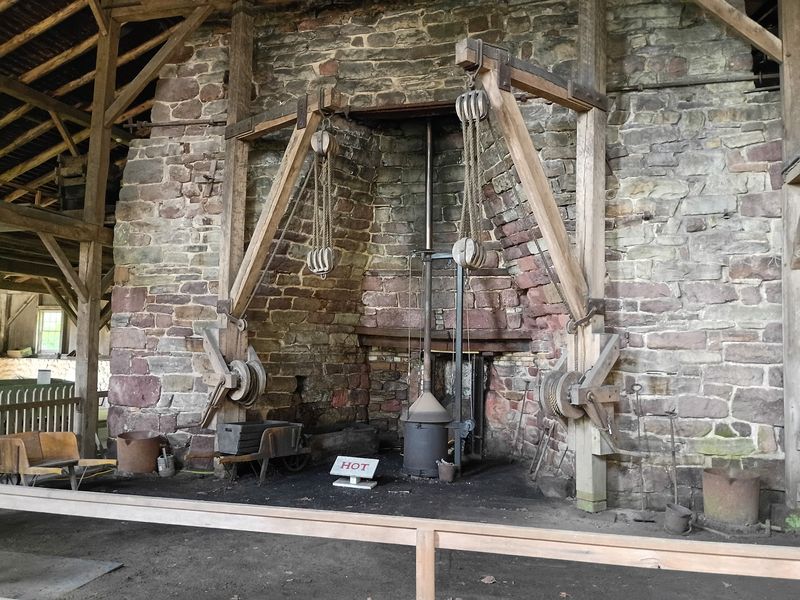
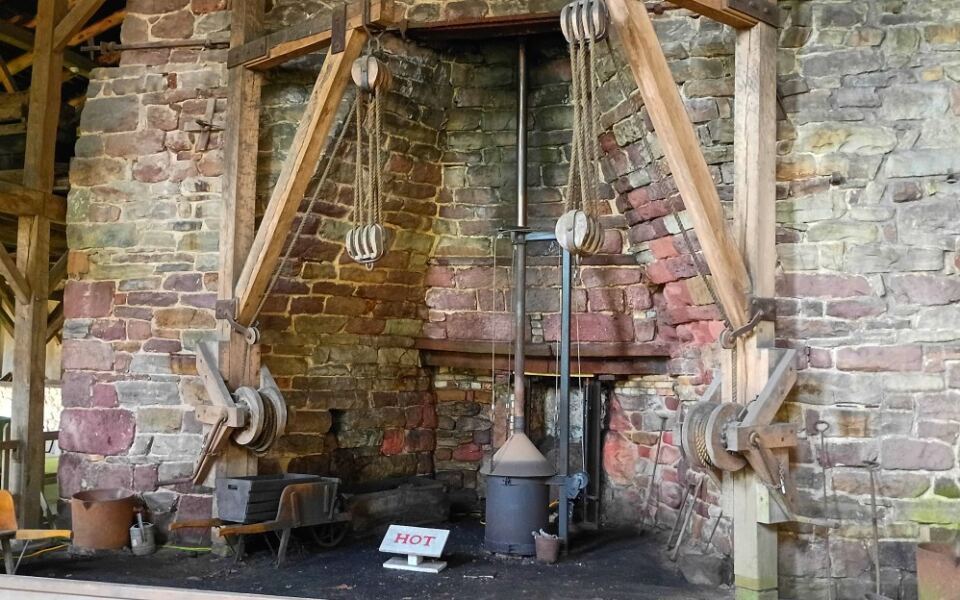
Picture workers sweating beside a river of glowing metal. That was daily life in the cast house, right at the base of the stone furnace.
Workers loaded the top of the furnace with iron ore, charcoal, and limestone. The limestone helped pull out impurities, which came away as a glassy waste called slag.
When the iron melted, workers let it run out onto a sand floor. It flowed into channels and molds, cooling into bars called pig iron.
Here’s a fun fact. The name comes from the shape, because the small bars branching off a main channel reminded people of piglets feeding beside their mother.
Hopewell also cast finished goods. Stoves were a big product, and the furnace became well known for its cast iron stove plates in the 1800s.
Walking through, look for the molding floor and the old furnace stack. Those simple pieces once kept dozens of families employed.
They also lead straight into one of the park’s most popular activities, where you get to try molding for yourself.
Make Your Own Mini Stove Plate
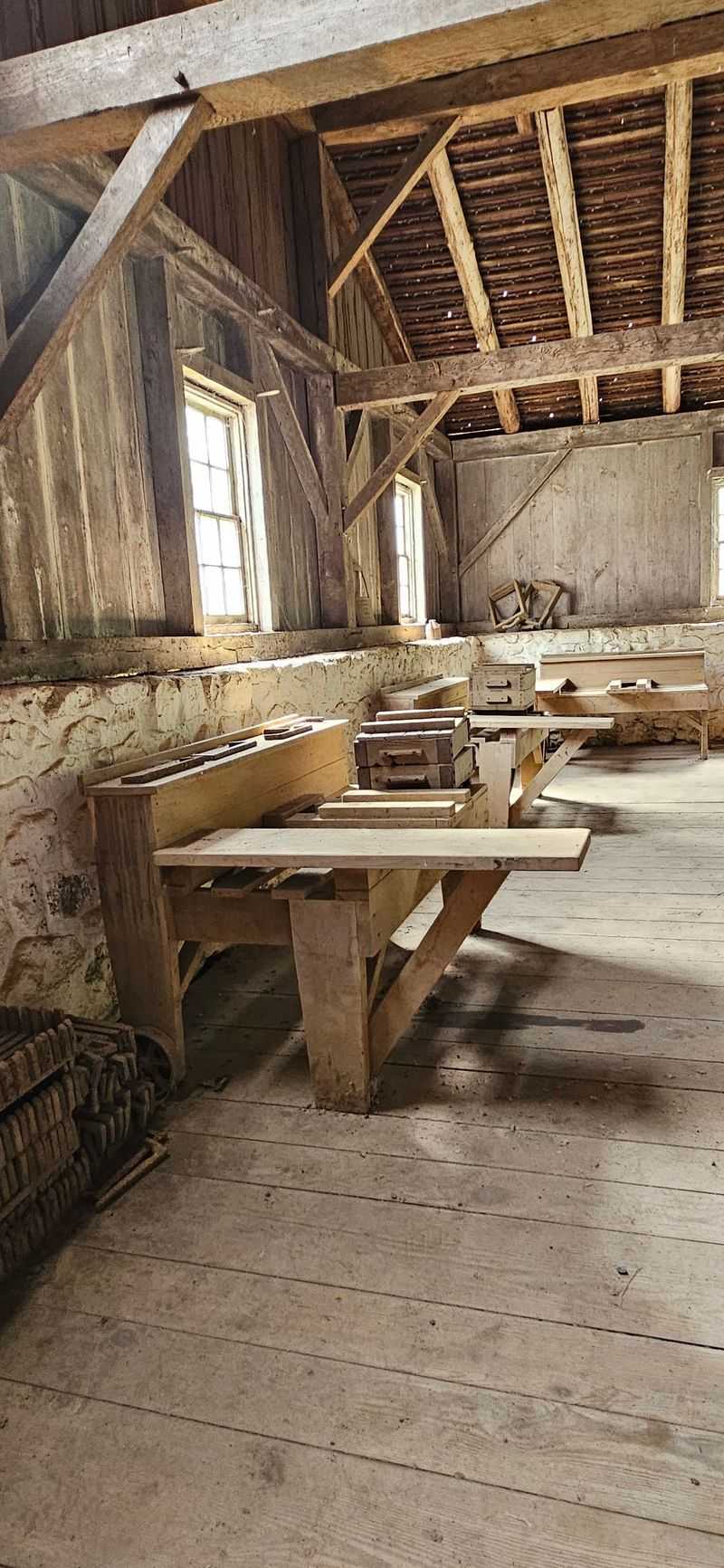
Kids and grownups both get messy hands at the molding demonstration. Rangers show how workers once shaped iron stove parts, then let you try a version yourself.
Instead of hot metal, you use plaster. You press a pattern into sand, pour the plaster, and wait for it to set into a small stove plate design.
It’s a safe, clever way to learn the real process. The steps match what molders did here long ago, just without the dangerous heat.
Best of all, you take your casting home. That makes it a free souvenir with a story you actually understand.
Demonstrations depend on the day and season. Check the program board at the visitor center or the park’s official site before you go.
I’d plan around this activity if you’re bringing children. It turns a history lesson into something they built with their own hands, and they’ll probably show it off for weeks.
Once the plaster dries, you’ll be ready to learn where all that furnace fuel came from in the first place.
Charcoal Made the Slow, Smoky Way
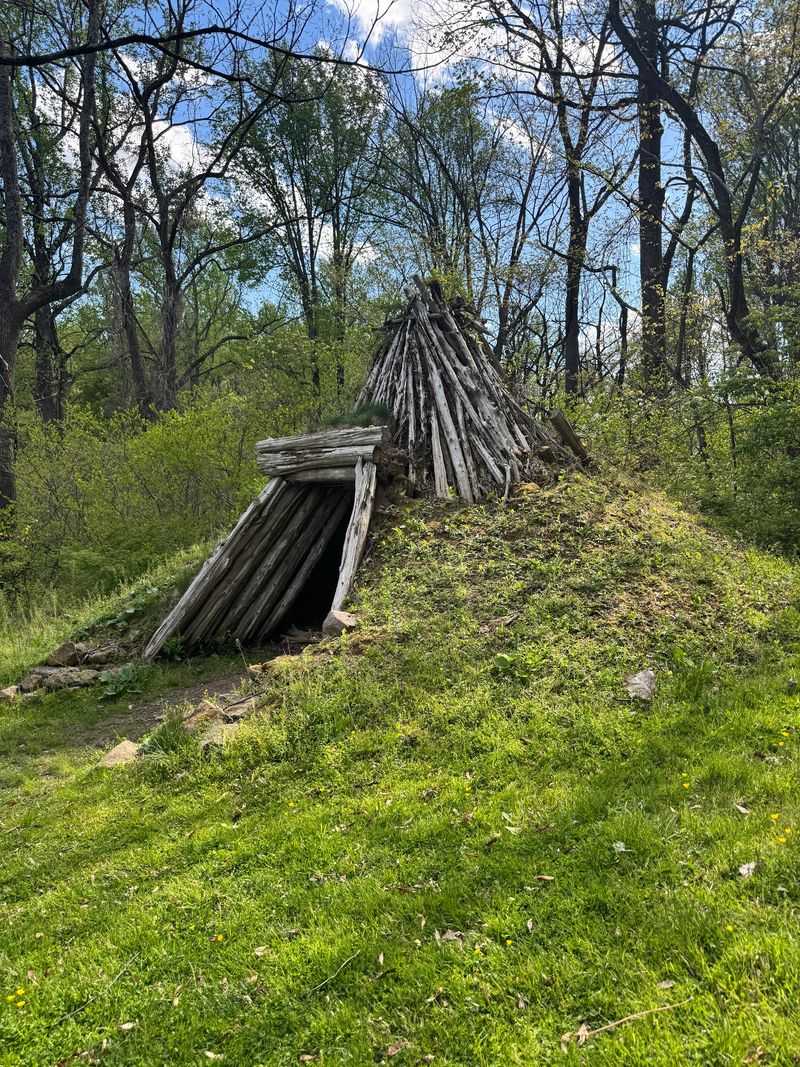
Hopewell’s furnace ate wood, though not in the form you might expect. It burned charcoal, and making it took serious patience.
Workers called colliers stacked big piles of wood, then covered them with leaves and dirt. The wood smoldered slowly with little air, turning into charcoal instead of ash.
A single pile could take around two weeks to finish. Colliers stayed nearby day and night, watching for flare-ups that could ruin the batch.
That’s why you’ll see a small collier’s hut near the charcoal pit. Workers lived in these simple shelters while they tended the fire.
The furnace needed huge amounts of charcoal. Colliers cleared large areas of forest over the years to keep it running.
At times, rangers rebuild and burn a real charcoal pile for visitors. If you catch one, they’ll explain each step as the mound slowly smokes.
Afterward, stop by the charcoal house, where the finished fuel was stored before heading to the furnace. It shows just how much planning went into keeping one fire going.
A Peek at the Ironmaster’s Big House
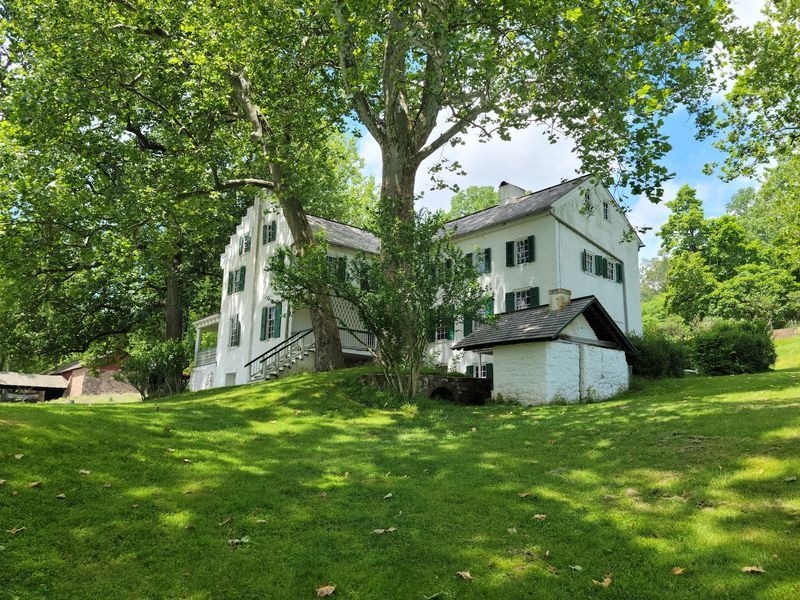
Not everyone in the village lived the same way. The ironmaster, who managed the whole operation, lived in the largest home on the property.
The Ironmaster’s House sits on a rise above the furnace. From there, the boss could keep an eye on the work below.
Inside, the first floor is open to explore on your own. Rooms hold period furniture, including a piano, dining spaces, rocking chairs, and children’s toys.
Railings keep visitors back from the furnishings. Signs near the stairs share details about the families who lived there.
The house also hosted guests and business meetings. Big meals here showed off the ironmaster’s position in the community.
Compare it with the simpler tenant houses nearby, where workers raised their families. That contrast tells you a lot about how the village was organized.
On some days, costumed interpreters sit outside and talk about daily life, which adds a friendly human touch to the old rooms. Next door, another building shows where those same families spent their wages.
Shopping at the Company Store
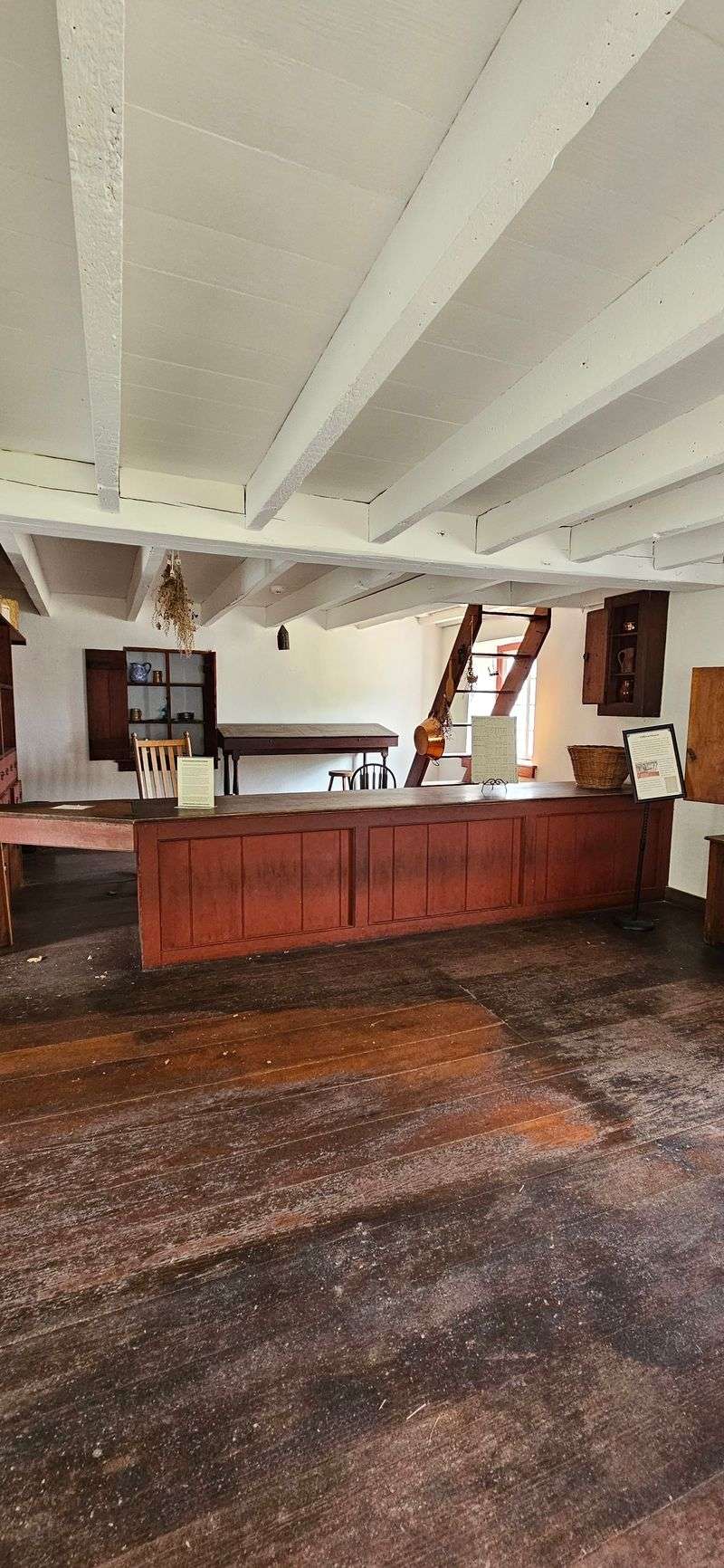
Paychecks didn’t always mean cash at Hopewell. Workers often bought goods through the village store, and their purchases were tracked against their wages.
The store and office building still stands today. Inside, displays recreate the kinds of items families once bought.
Think cloth, tools, food staples, and household goods. With the nearest town a long walk away, this store was the main place to shop.
Careful records were kept in big account books. Those records now help historians understand who worked here and how they lived.
I find that part interesting. Simple notes about sugar or shoes help bring real people back into the story.
Hopewell’s community included many kinds of workers, including free Black families. The park also shares that children here could attend school while their parents worked.
Take a few minutes with the exhibits before moving on. The store connects the hard work at the furnace to everyday choices at home.
It’s a quiet reminder that the village was full of families, not just fire and machinery.
Sheep, Barns, and Paws Welcome
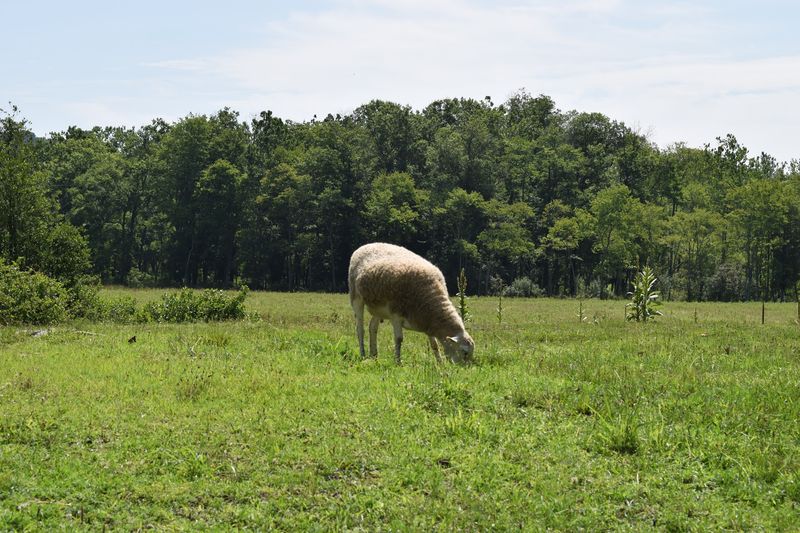
Sheep wandering near an old barn are a lovely surprise at an iron site. Farm animals help show that Hopewell was a working plantation, not just a factory.
Families raised food and animals here to keep the village going. The large barn once sheltered the mules and horses that hauled ore, charcoal, and finished iron.
Today, the animals make the setting feel lived in. Children especially enjoy spotting the sheep as they walk between buildings.
Dog owners get good news too. Hopewell welcomes leashed pets and runs a BARK Ranger program for four-legged visitors.
The BARK rules are simple. Bag waste, always leash your pet, respect wildlife, and know where you can go.
Human visitors can earn a badge as well. The Junior Ranger booklet isn’t only for kids, and adults are welcome to finish one and turn it in at the visitor center.
Bring water for everyone, especially on hot days. The parking lot has little shade, and the paths include some uneven stone steps.
Trails, Birds, and Seasonal Events
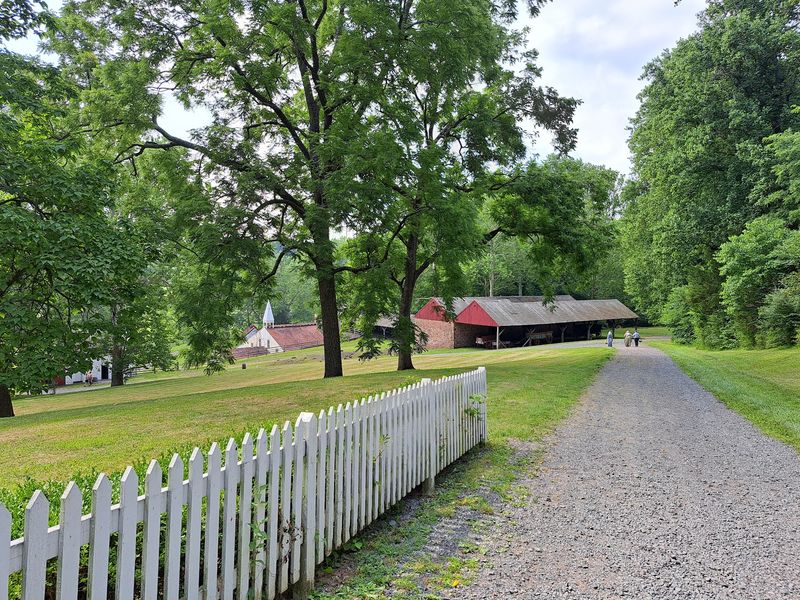
Woods wrap around the old village on almost every side. Hopewell borders French Creek State Park, so trails and forest stretch far beyond the furnace.
Hiking paths let you explore at your own pace. Some trails can close after storms knock down trees, so check conditions before setting out.
Birders enjoy the mix of fields and forest. Native plants thrive here, and Master Gardeners care for a small pollinator garden near the visitor center.
Artists come too. The quiet buildings and green hills attract painters who like to work outdoors.
Events happen throughout the year, even in winter. On the Fourth of July, the park has hosted public readings of the Declaration of Independence, along with essays from local students.
Hopewell sits about 45 minutes from Lancaster, so it pairs nicely with a day trip. Valley Forge National Historical Park is also within driving distance if you want more history.
Wear comfortable shoes and bring patience for slow wandering. The village rewards people who take their time on the paths.
Share this story