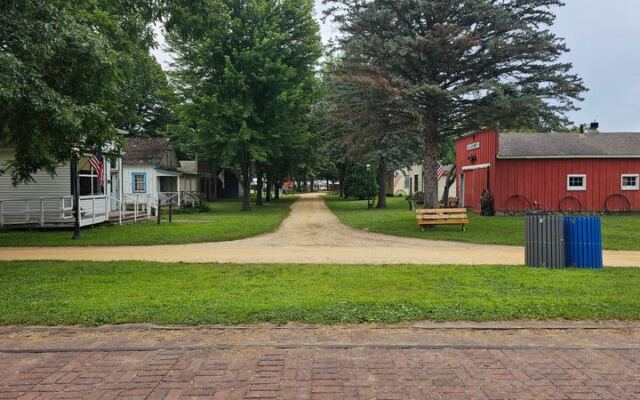
A whole 1900s town sits on dirt roads in the shady corner of a county fairgrounds, and most drivers zoom right past it. It has a bank, a jail, a train depot, a church, and a general store you can actually wander through.
The best part might be the people. Volunteers in period clothes run a working printing press and a blacksmith shop.
Kids sit in a one-room schoolhouse and get a lesson the way their great-great-grandparents did.
I like how a place this small can make Minnesota history feel close enough to touch. It turns a weekend outing into a time machine with free fresh air.
Then December arrives, and the lights come on. Horses pull wagons through the village after dark.
So how did a little pioneer town end up hiding inside a fairgrounds?
A Pioneer Town Hiding Inside the County Fairgrounds
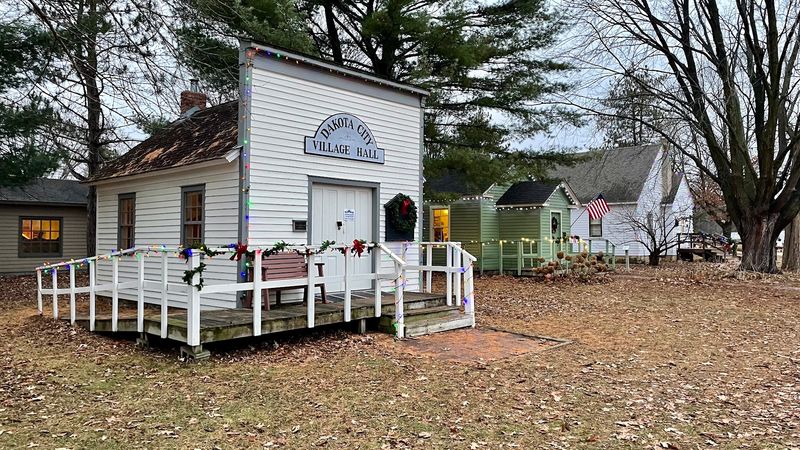
Most fairgrounds are known for rides, livestock barns, and something fried on a stick. Dakota City Heritage Village adds a full turn-of-the-century town to that list.
The village sits on the Dakota County Fairgrounds in Farmington, Minnesota. It operates as a museum, but it doesn’t feel like glass cases and quiet hallways.
Instead, you get streets lined with old buildings you can explore. There’s a general store, a bank, a post office, a school, a church, and a jail.
A firehouse and a train depot round out the town, along with several other shops. Each building helps tell how everyday life worked back in the early 1900s.
That makes the place more than a quick photo stop. It’s a walkable history lesson that kids can poke around in without anyone shushing them.
I love that this whole village exists a short drive south of the Twin Cities. Minnesota keeps proving that some of its best history lives in places big-city folks overlook.
Once you know it’s there, the fairgrounds never look quite the same again.
Dirt Roads, Shade Trees, and a Slower Century
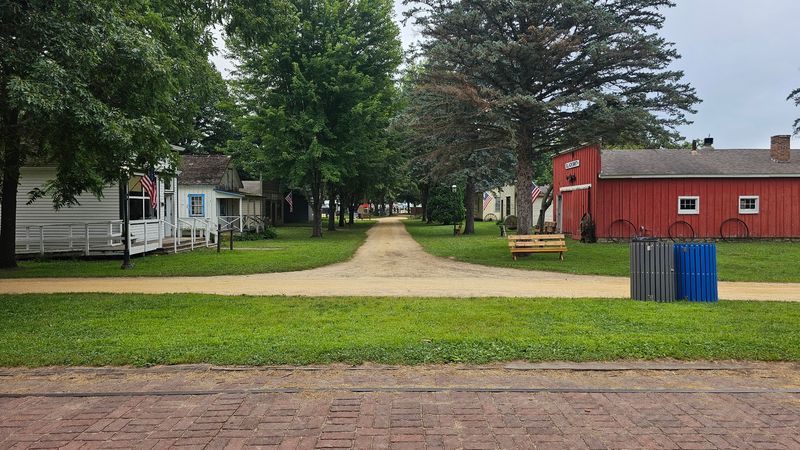
Pavement disappears fast here. The village streets are dirt, which instantly makes the modern world feel a little farther away.
Dakota City Heritage Village rests in a shady part of a fairgrounds covering roughly 360 acres. That leafy setting gives the town a calm, tucked-away mood that surprises first-timers.
The goal is simple and charming. Visitors get a sense of how a small Minnesota community may have looked and worked around the 1900s.
During the busy county fair, the village often doubles as a breather for tired fairgoers. You can trade crowds and noise for a peaceful walk between old buildings.
Even when the buildings aren’t open, the grounds can still make for a pleasant stroll. The storefronts, porches, and quiet lanes do plenty of storytelling on their own.
Of course, the experience shines brightest when doors swing open and volunteers are on hand. That’s when the town stops being scenery and starts feeling lived in.
Wear shoes you don’t mind getting a little dusty. Old roads come with old-road character, and that’s half the fun.
Shopping, Banking, and Mailing a Letter the Old-Fashioned Way
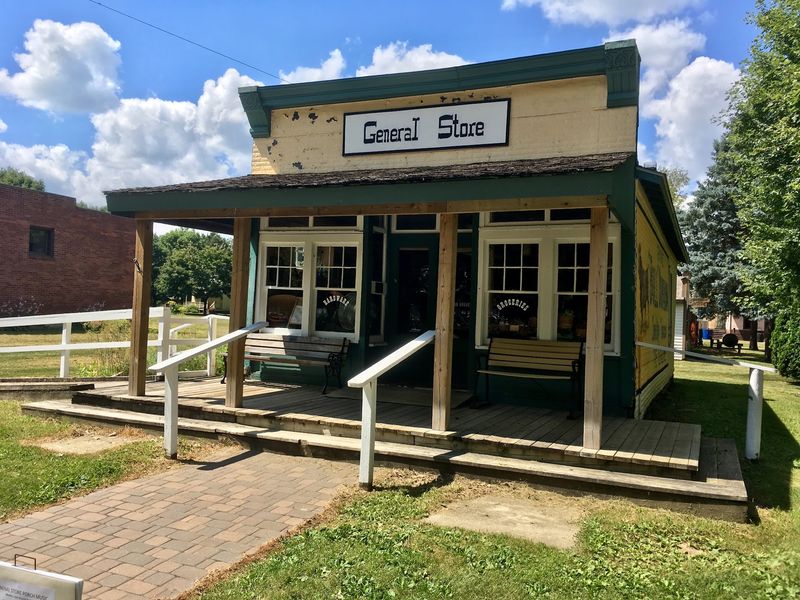
Shelves stocked with old-time goods are a big draw for curious kids. The general store at Dakota City Heritage Village shows what shopping looked like before barcodes and checkout lanes.
Back then, the general store was the heart of many small towns. Families picked up supplies, swapped news, and probably lingered longer than they planned.
Right nearby, the old bank tells a different story. Kids who have visited love describing how bank tellers handled their jobs long before ATMs existed.
Then there’s the post office, another hub of village life. Mail was a lifeline for rural Minnesota families, connecting farms to relatives far away.
Seeing these three buildings close together helps everything click. You start to understand how a town’s errands, money, and messages all moved through just a few doors.
I think that’s what makes the village so effective for young visitors. History stops being dates on a worksheet and becomes something they can stand inside.
Fair warning: your kids may start asking why the grocery store doesn’t sell things out of barrels anymore.
Class Is in Session at the One-Room Schoolhouse
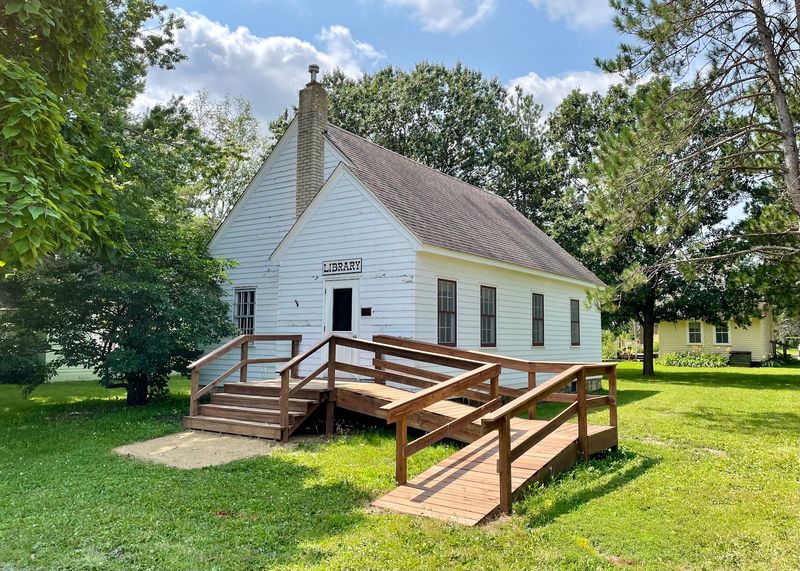
One teacher, one room, and every grade together. That was school for countless Minnesota children, and the village lets today’s kids try it out.
The one-room schoolhouse demonstration is a favorite for field trips. Visitors describe it as interactive and genuinely fun, which is high praise from anyone under twelve.
Students get a feel for how lessons, rules, and routines worked in an earlier era. Spoiler: there were no tablets, and recess probably looked very different.
Staff and volunteers lead the experience, and they’re known for being friendly and knowledgeable. That makes a big difference when a classroom full of kids starts asking questions.
Teachers and parents often appreciate how the demonstration sparks real conversations afterward. Comparing old school to modern school is an easy way to make history personal.
I can’t think of a better way to help kids appreciate a heated classroom and a decent pencil. A little perspective goes a long way.
If you’re planning a group visit, the schoolhouse is a strong reason to book ahead and ask what programs are available.
Ink, Iron, and Volunteers Who Really Know Their Stuff
Clank, press, repeat. The working printing press is one of the village’s most memorable stops, and it tends to grab teenagers’ attention too.
Watching type and ink turn into a printed page is oddly satisfying. It shows how small towns shared news long before anyone scrolled through a phone.
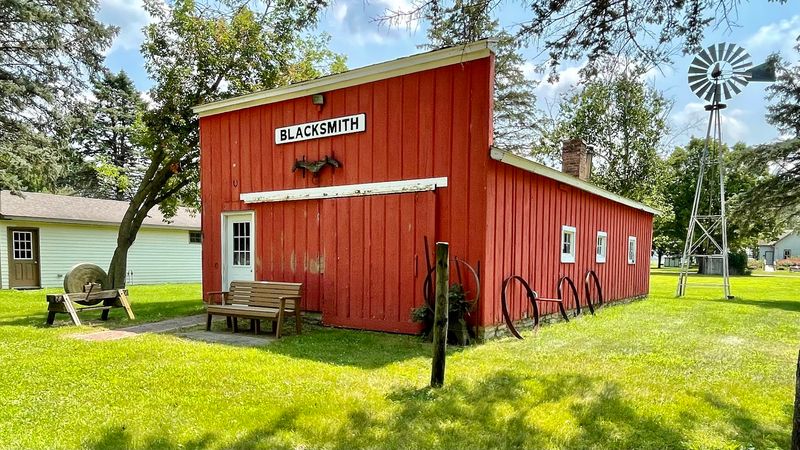
Across the village, the blacksmith shop brings its own kind of drama. Hot metal, heavy tools, and real skill make it a standout for many visitors.
What really elevates these demonstrations is who’s running them. The role-players are often described as true subject matter experts who simply enjoy teaching.
That passion matters. A good guide can turn a dusty tool into a story about how a whole community depended on it.
To be fair, some history buffs feel certain costumes lean more Wild West than rural Minnesota. Still, the hands-on trades are where the village’s teaching shines brightest.
If your family loves seeing how things are made, plan extra time here. You may find it hard to pull anyone away from the anvil.
From the Firehouse to the Train Depot, a Whole Town Awaits
Every real town needed a few essentials. Dakota City Heritage Village checks those boxes with buildings that cover safety, faith, travel, and order.
The old firehouse is a hit with kids who love anything involving rescues. It hints at how communities protected each other before modern equipment arrived.
Then comes the jail, which is always good for a playful photo. Just make sure everyone gets let back out before lunch.
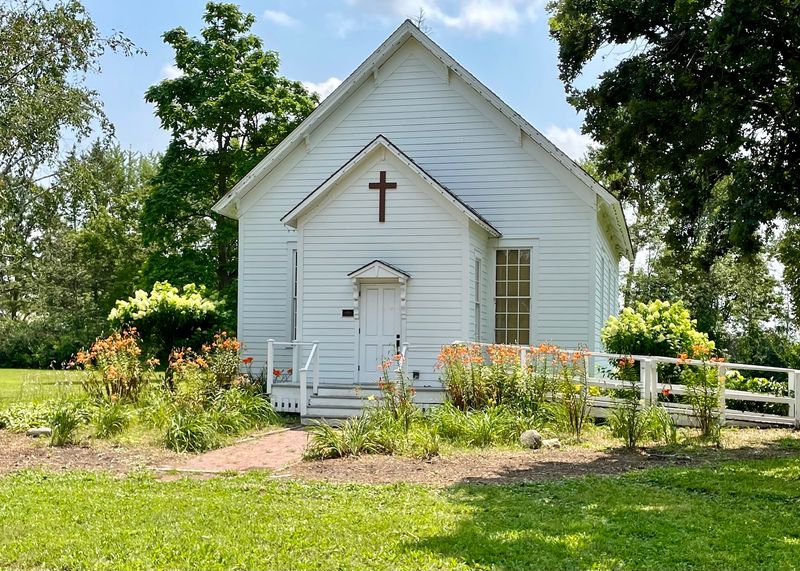
The church adds a quieter note to the village streets. It reflects how central faith and gathering were to small-town Minnesota life.
Railroad fans will want to linger at the train depot. Kids who have attended programs here enjoy explaining how the trains would run and connect towns.
Beyond these, the village includes many other buildings worth peeking into. Each one adds another piece to the puzzle of daily life back then.
Walking from one end to the other feels like flipping through a picture book. The difference is that you get to open every door yourself.
Fair Days Bring the Whole Village to Life
Timing can transform this place completely. During Dakota Fair Days, people dressed in period clothing fill the streets and the village truly comes alive.
Historical reenactment turns quiet buildings into busy workplaces. Suddenly the shops feel staffed, the roads feel traveled, and the past feels oddly close.
The village is also typically open during the Dakota County Fair. That means fairgoers can mix rides and exhibits with a stroll back in time.
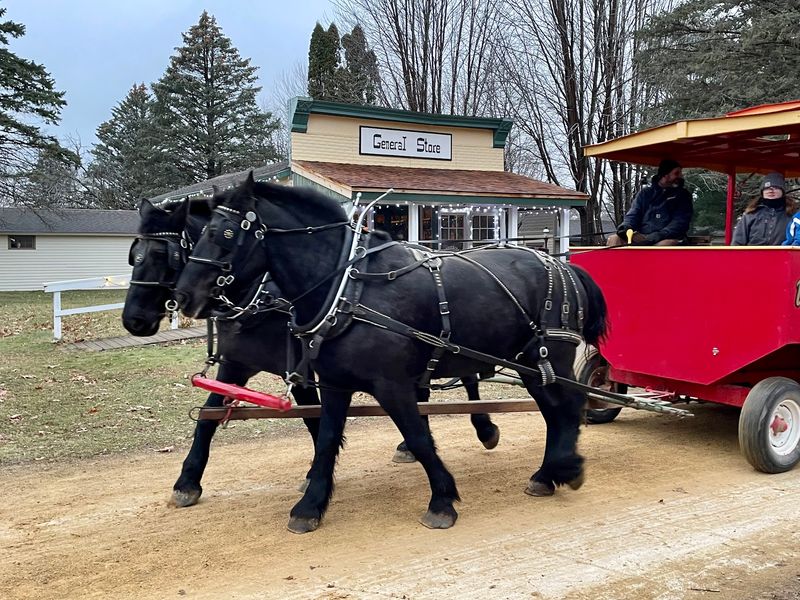
Horse-drawn transport adds to the old-fashioned mood at certain events. It’s hard to beat the clip-clop of hooves on a dirt road for atmosphere.
And yes, snacks are part of the story. Visitors have praised the donuts, and ice cream is reportedly served year-round along with the rest of the menu.
The grounds also host other gatherings, including the Mopars in the Park car show. Classic cars on dusty roads make for a fun, if slightly gritty, combination.
Check the event calendar before you go. The right weekend can turn a nice visit into a memorable one.
Christmas in the Village Glows After Dark
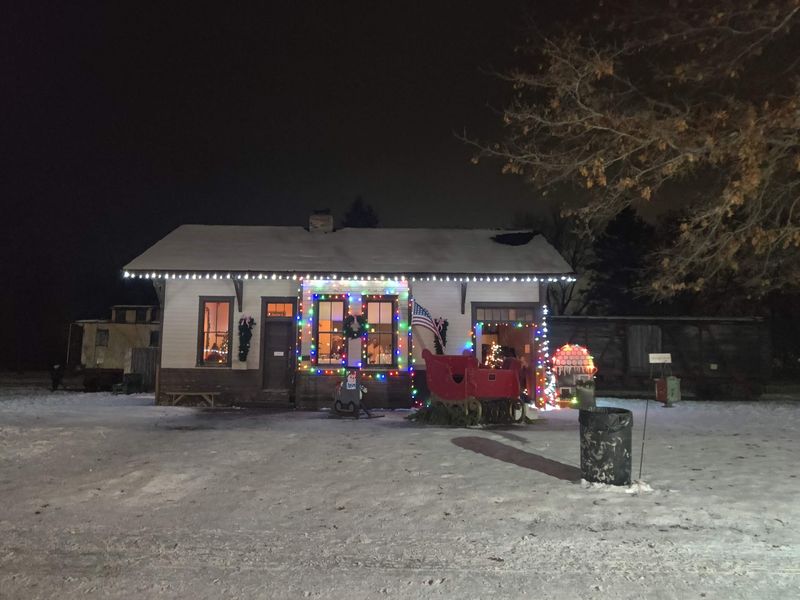
Snow, twinkle lights, and old storefronts make a pretty irresistible trio. Christmas in the Village is easily one of the most talked-about times to visit.
Volunteers set up the lights for December, and they typically glow each night of the event. Many families have turned the outing into a yearly holiday tradition.
Inside, various buildings have displays to explore between chilly walks. Horse-drawn rides and a trolley add festive extras, though the trolley can fill up fast.
Santa usually makes an appearance too, which makes the event popular with little ones. Bring that wish list just in case.
Keep expectations right-sized, though. The grounds are compact, so treat it as a cozy village outing rather than a massive light show.
Also note that the Christmas event isn’t free to enter. Checking current admission ahead of time can save any surprises at the gate.
Dress warmly, because Minnesota December nights don’t mess around. A good coat, mittens, and a hot treat will keep the holiday spirit going strong.
Smart Planning Before You Hit the Road
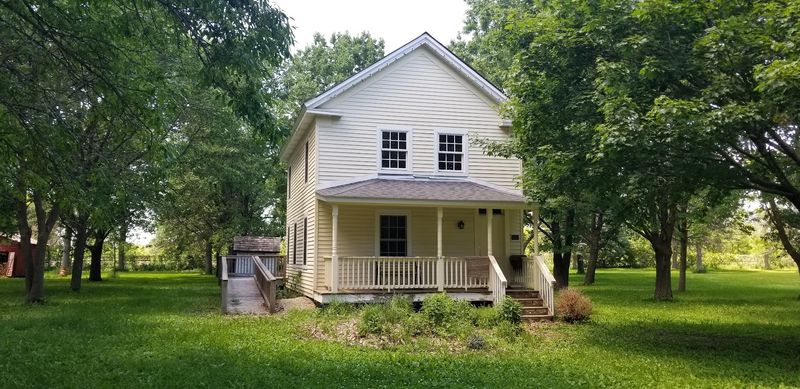
Hours here aren’t a simple nine-to-five deal. The village may only open its buildings at certain times, so checking ahead really matters.
You’ll find it at 4008 220th St W, Farmington, MN 55024. That puts it on the Dakota County Fairgrounds, an easy drive from much of the south metro.
Special events often set the schedule for the busiest days. The county fair, Fair Days, and Christmas in the Village are prime times to see everything open.
Groups have options too. Field trips are popular, and private tours have been described as welcoming, engaging, and thoughtfully put together.
Summer camps have also been offered in the past. Kids who attended came home full of stories about tellers, trains, and general store goods.
Prices vary by event, and fairgrounds offerings are generally considered reasonable. Since admission details can change, confirm current costs before packing the car.
Plan for weather, wear sturdy shoes, and give yourself a couple of relaxed hours. Rushing through a slower century kind of misses the point.
Why Minnesota Families Keep Coming Back
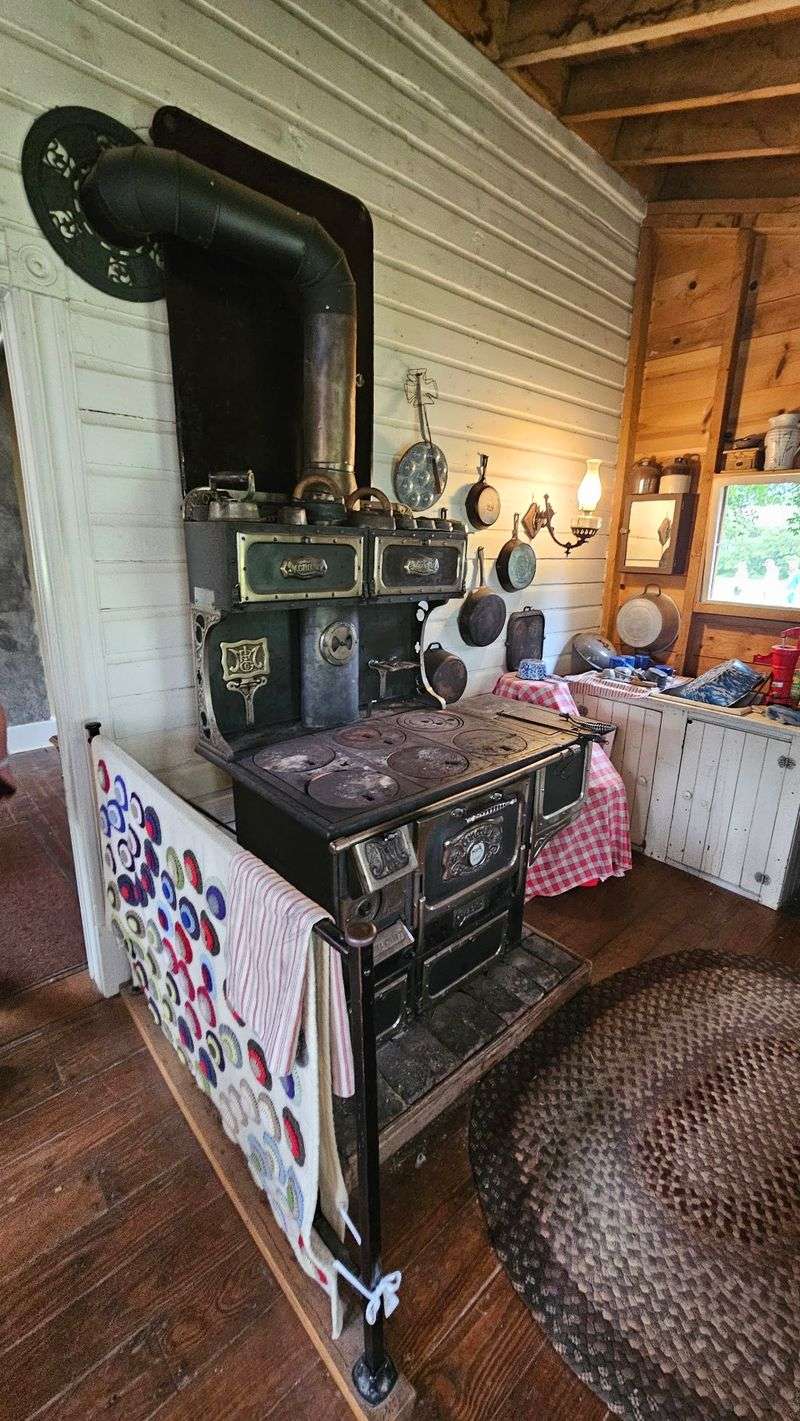
Honestly, the charm sneaks up on you. Dakota City Heritage Village doesn’t shout for attention, yet it leaves families with stories they repeat for weeks.
It works best for curious kids, history lovers, and anyone who enjoys learning by doing. The demonstrations and open buildings make everything feel hands-on and personal.
Big-city museums are wonderful, but they can feel overwhelming with little ones. This village keeps things walkable, friendly, and refreshingly unhurried.
Some families have visited every year for a long stretch. That kind of loyalty says plenty about the place’s warmth and holiday magic.
Just go in with the right mindset. It’s a small, volunteer-powered village, not a theme park, and that’s exactly where its heart lives.
I believe places like this are part of what makes Minnesota special. A fairgrounds corner keeping old trades and small-town life alive is worth celebrating.
So gather the crew, check the calendar, and make the drive. Your kids might even thank you for the history lesson, eventually.
Share this story