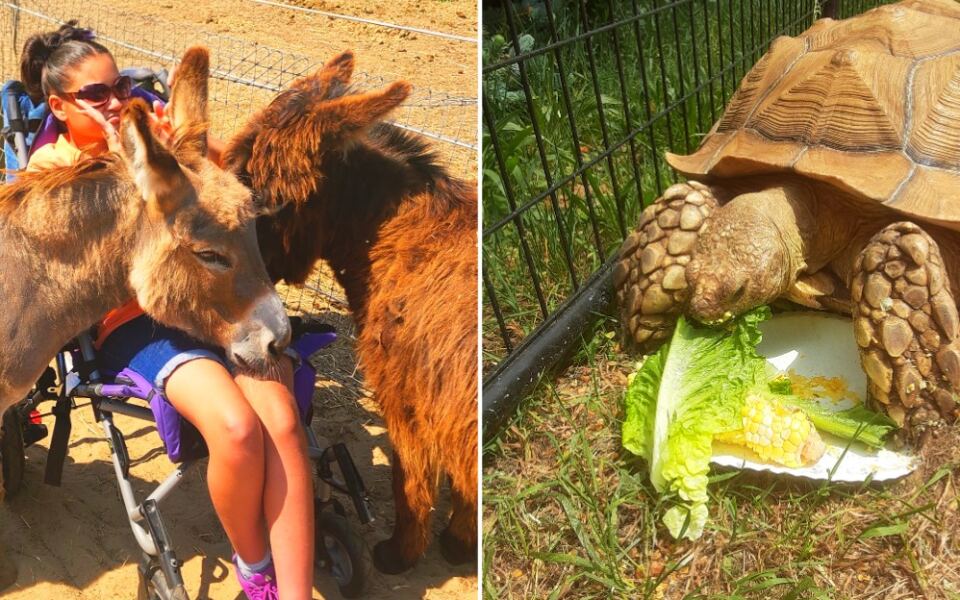
Mini donkeys, friendly goats, a resident pig, and even giant tortoises are among the animals visitors have encountered at Fellinlove Farm in Holland, Michigan. This family-run nonprofit offers guided visits where children and adults can interact with animals and learn about their care.
Tours are offered for a suggested $5 donation per person, making the farm an affordable family outing. Visits must be arranged in advance.
But the animals are only part of the story. The farm was created around one family’s experiences and has grown into a place that provides educational and social opportunities for people of different ages and abilities.
Where the Barnyard Welcome Begins
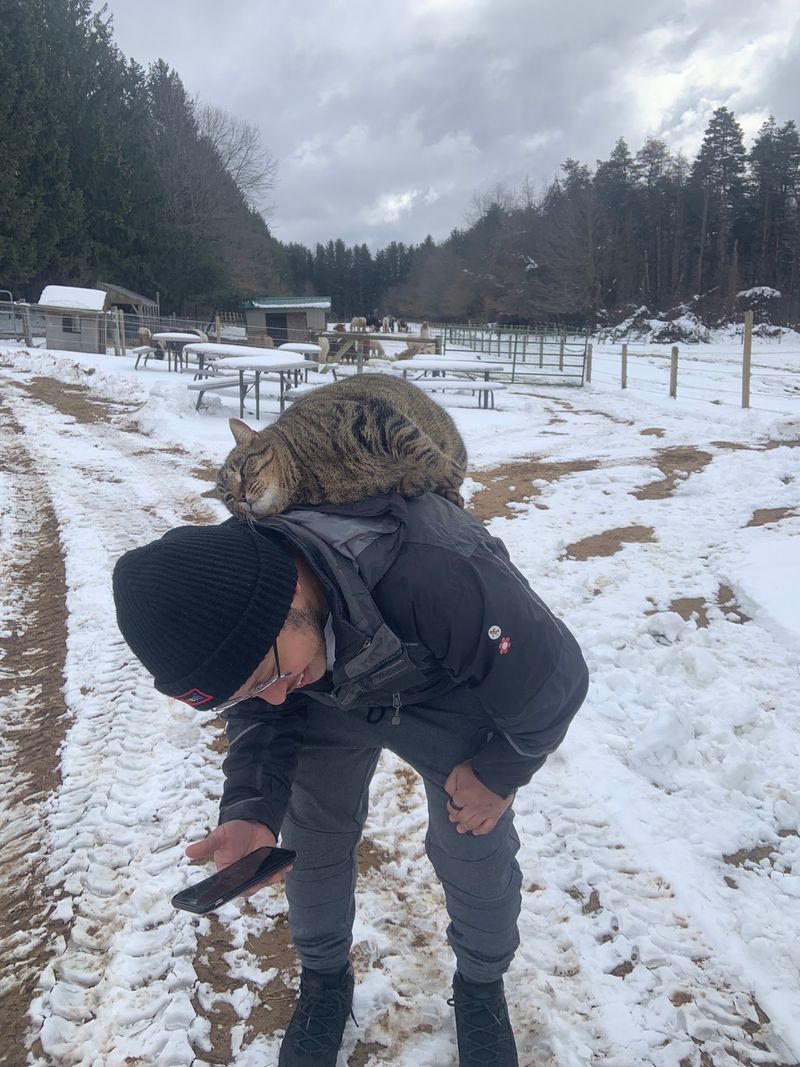
Cats serve as the official welcome wagon here, and one named Shadow has been known to greet guests right at their cars. That small detail tells you a lot about the place before you even meet the bigger animals.
Fellinlove Farm sits at 6364 144th Ave in Holland, Michigan. It runs as a non-profit organization, which surprises a lot of people who expect a regular petting zoo.
The farm is run by a family, led by owner Cheryl, along with volunteers who help care for the animals and guide visitors.
The setting is a working farm with pastures, pens, ponds, and barns. It feels more like being invited into someone’s big backyard than visiting a busy attraction.
Kids can see real chores happening, from feeding time to bringing animals in for the evening.
I like that the farm keeps things personal. Instead of rushing groups along, the staff tend to slow down and introduce each animal by name.
That personal style matters, because the reason this farm exists goes much deeper than fun afternoons with goats.
A Farm Built Around a Bigger Mission
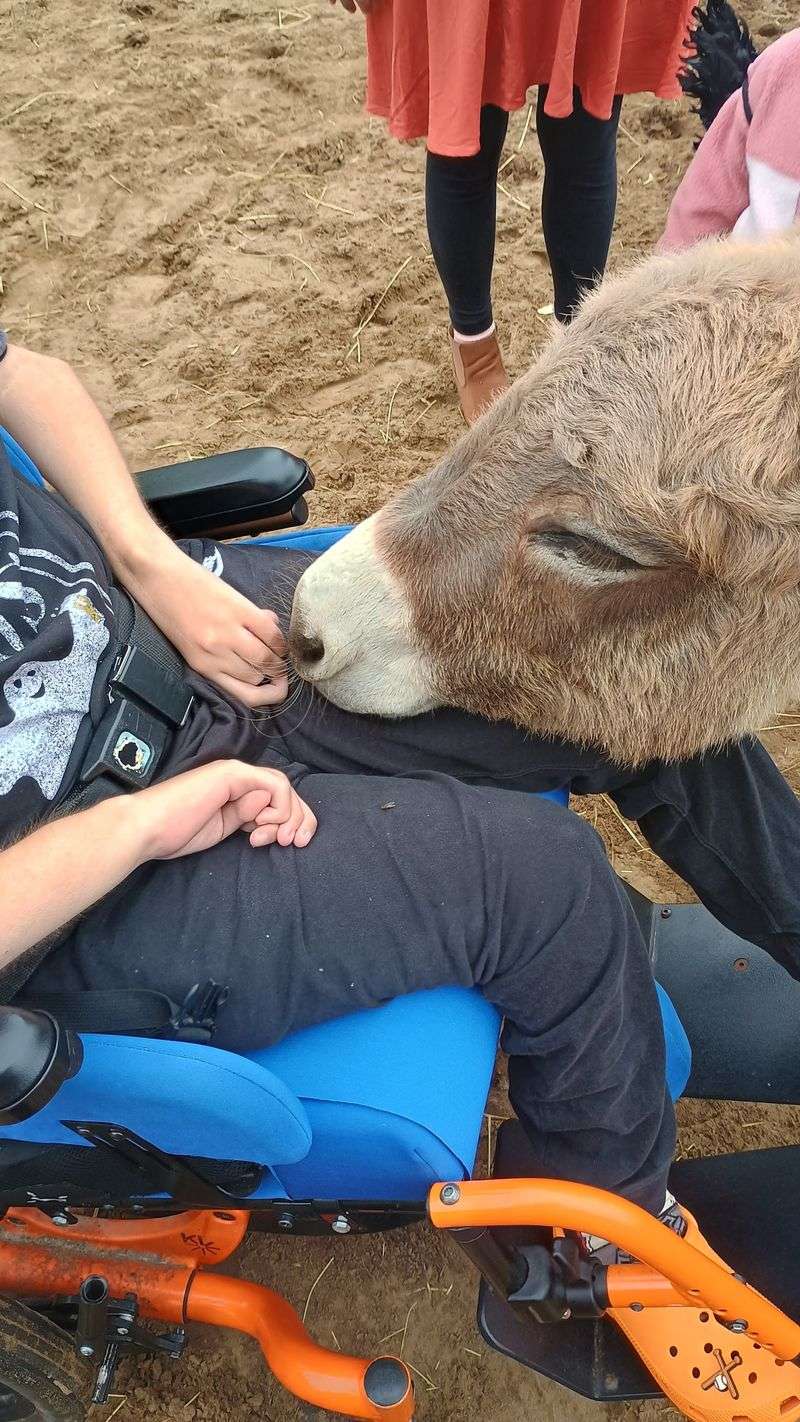
Ask Cheryl why she started the farm, and you will hear a story worth the question. Fellinlove Farm was created with a special purpose, and supporting people with special needs is at the center of its work.
The farm offers opportunities for differently-abled individuals to work with and around animals. For many people, caring for a goat or brushing a horse builds confidence in a way a classroom never could.
That mission also explains why the atmosphere feels so patient.
Visitors with disabilities are welcomed with real care. One group visited with a woman who is visually impaired, and staff helped her feed birds from her hand and trace the shape of a horse with her fingers.
Moments like that show how hands-on learning can work for everyone.
It is fair to mention one honest limit. Some trails and activity areas are not yet easy to reach by wheelchair, and the farm is raising money to improve access.
Knowing the mission makes each visit feel more meaningful. Your donation helps animals and people at the same time, which brings up how the farm handles money.
Mini Donkeys With Big Personalities
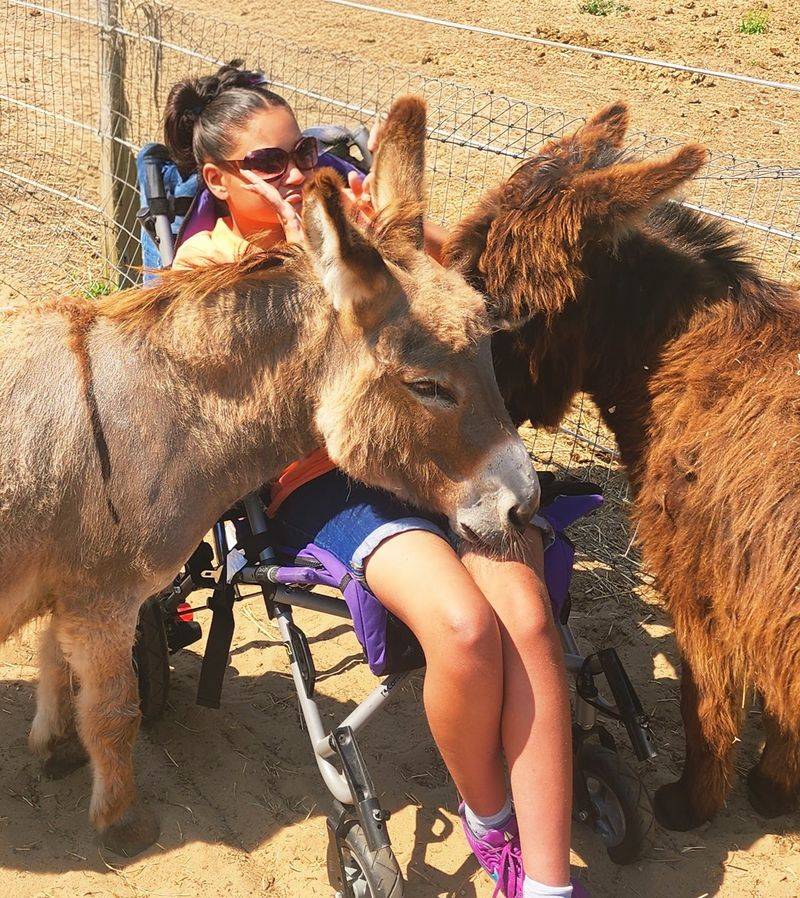
Wiggles and Squiggles are not shy. These two mini donkeys have a reputation for crowding close to visitors, especially kids, and staying right by their side.
Mini donkeys are much smaller than regular donkeys, usually standing under three feet tall at the shoulder. That size makes them less scary for young children who might feel nervous around a full-sized horse.
Their soft noses and fuzzy coats make them easy to love.
Here is a fun fact to share with your kids. Donkeys are known for being careful thinkers, not stubborn ones.
When a donkey stops, it is often deciding whether something is safe. That trait makes them steady, calm animals to be around.
At Fellinlove Farm, the donkeys often end up as the favorite stop for families, and it is easy to guess why. They seem to enjoy attention as much as visitors enjoy giving it.
If you bring a camera, plan on taking more donkey photos than you expected. Just be ready, because a certain pig on the property has his own fan club too.
Winston the Pig and Other Farmyard Favorites
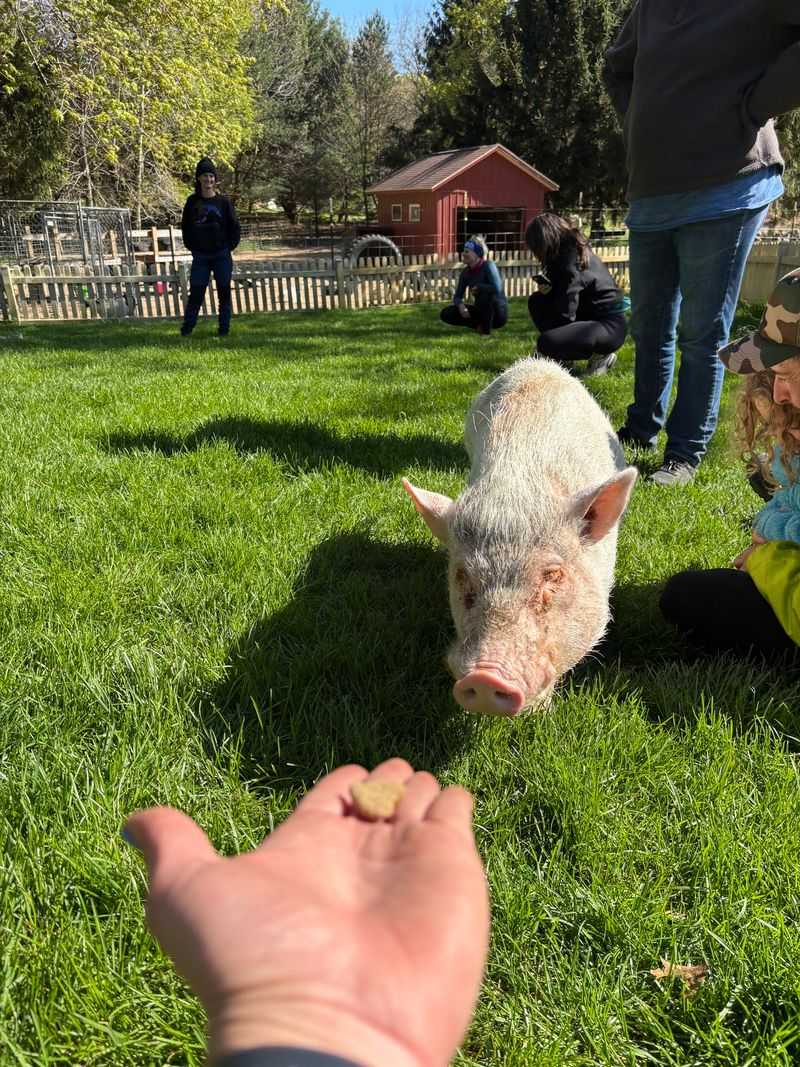
Some pigs nap all day. Winston, the farm’s pig, is better known as rowdy and adorable, which makes him a lively stop on any tour.
Pigs are smart animals. Scientists rank them among the cleverest animals on farms, able to learn names and simple routines.
Watching one react to its caretakers can teach kids that farm animals have real personalities.
The classic barnyard crowd is all here. You can meet goats, chickens, roosters, ducks, horses, and miniature horses.
Kids may get the chance to feed chickens and learn the right words for male and female birds, like rooster and hen.
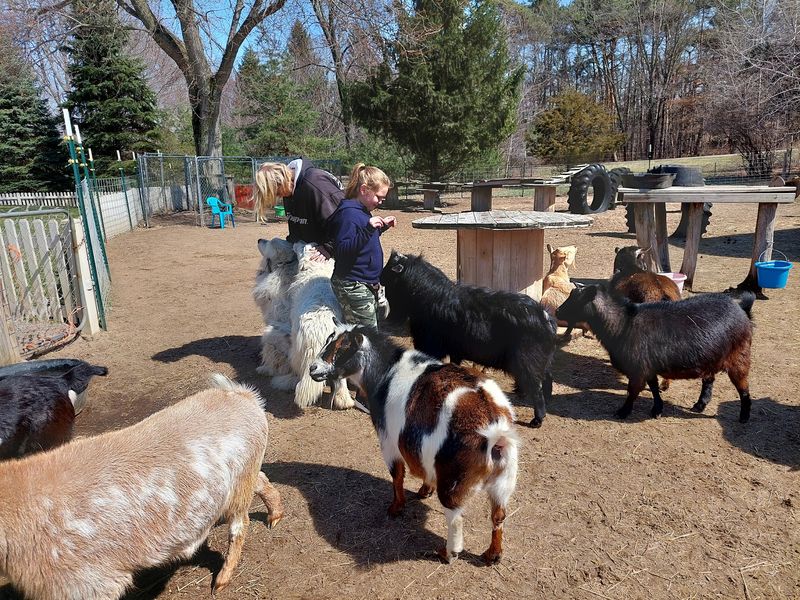
Goats are often happy to say hello and enjoy a gentle scratch. With a staff member nearby, children have sometimes been allowed inside pens for a closer look, which makes for great family photos.
I find this part of the farm especially helpful for city kids. Seeing where eggs come from or how a horse behaves teaches more than any picture book.
And the animal list keeps going in directions you might not expect from a Michigan farm.
Surprise Guests You Would Not Expect on a Farm
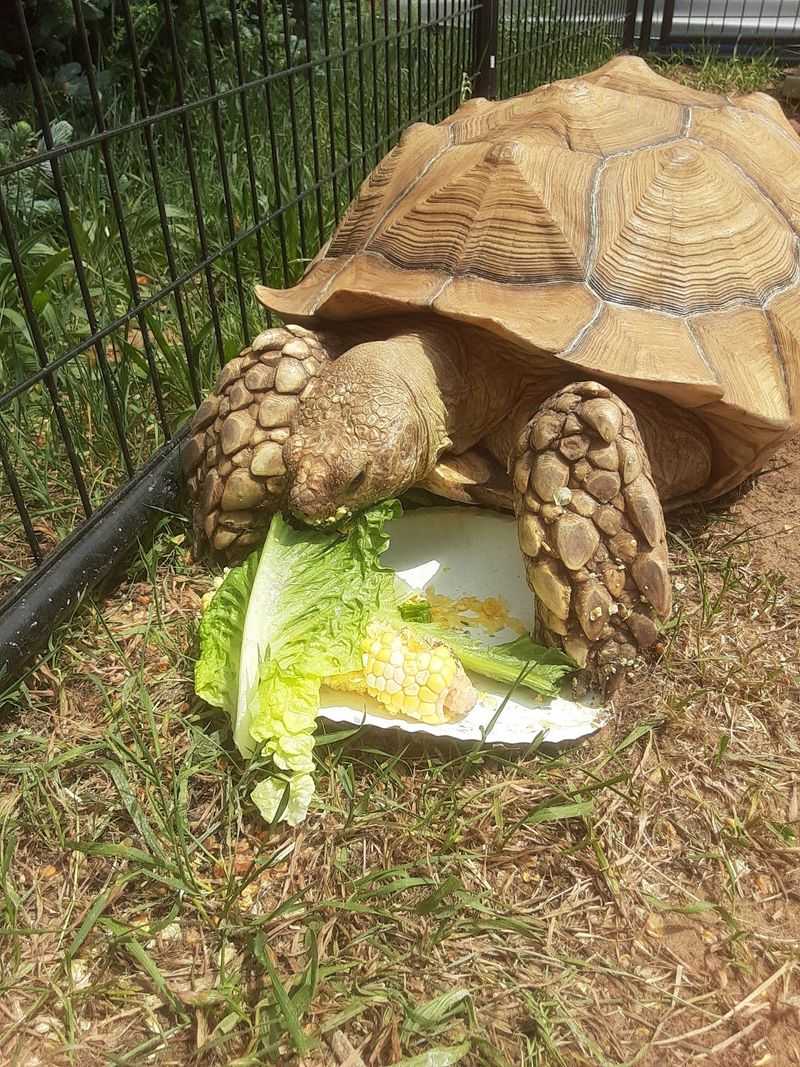
Giant tortoises eating watermelon and corn on the cob are not a typical Michigan farm sight. At Fellinlove Farm, though, lunchtime for the big tortoises can become a highlight of the day.
The farm’s animal family stretches far beyond cows and chickens. Visitors have met llamas, Zebu cows, turtles, lizards, chinchillas, and various fish.
Zebu cows are a breed with a hump on their shoulders, originally from South Asia, and they look quite different from regular dairy cows.
Llamas are another crowd pleaser. They come from South America, where people have used them for carrying loads for thousands of years.
They are curious animals, and their long necks let them peek at visitors from above.
Tortoises are slow, but they can live a very long time. Some species live well over 100 years, which is a fun fact kids love to hear.
This mix of animals gives the farm a little zoo feel without losing its friendly backyard style. The smallest animals, though, might be the ones younger kids remember most.
Pocket Pets and Soft Little Critters
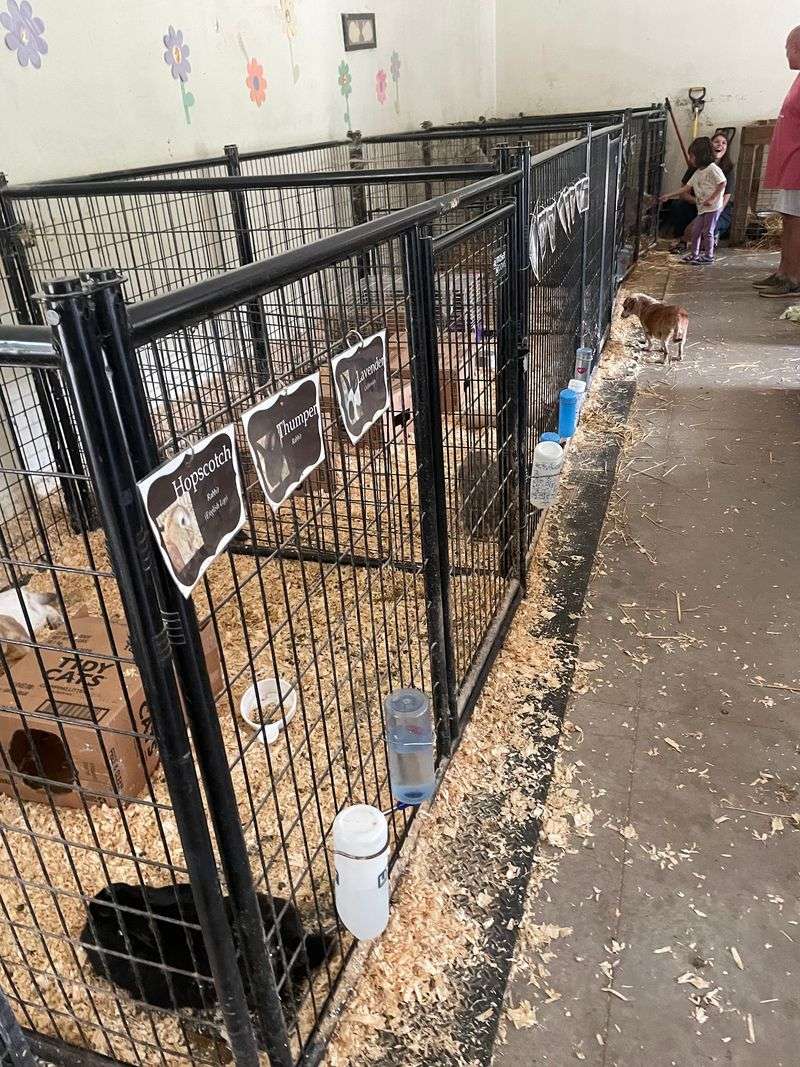
Small hands and small animals make a great match. The pocket pets at Fellinlove Farm, including bunnies, guinea pigs, and chinchillas, are a favorite for many families who come back again and again.
Pocket pets are a great way to introduce young kids to animal care. They are easier to approach than a horse, and they help children practice being calm and gentle.
A quiet voice and slow movements go a long way.
Chinchillas are especially interesting. They come from the Andes Mountains in South America and have some of the softest fur of any land animal.
Instead of water baths, they roll around in special dust to keep clean.
Guinea pigs make little squeaking sounds when they are excited, often around snack time. Bunnies, meanwhile, can be curious but easily startled, so they need patient visitors.
My advice for parents is simple. Before you reach the small animal area, remind kids to follow the staff’s lead and use two fingers to pet softly.
Those helpful staff members, by the way, are often younger than you might guess.
Young Guides Who Know Their Stuff
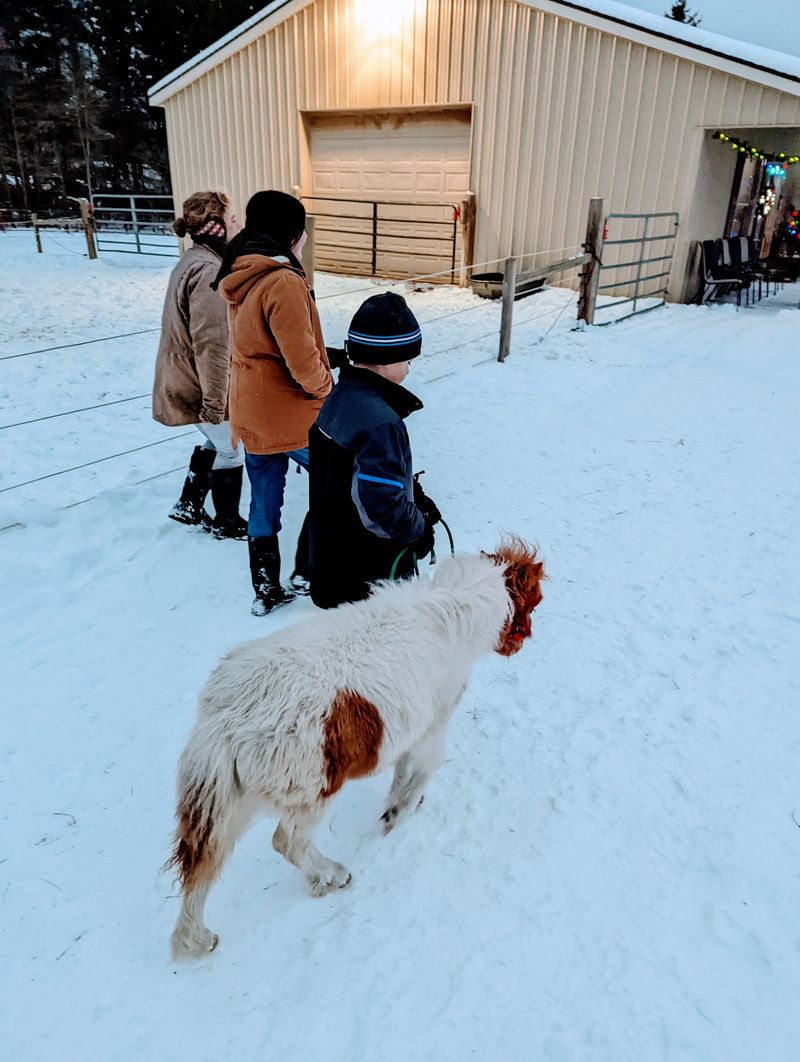
At Fellinlove Farm, young volunteers and family members often lead visitors around, and many families come away impressed by how much they know.
Tours are interactive. Guides introduce animals by name, explain horse behavior, and share what farm workers are doing that day.
Kids can ask all the questions they want, from what goats eat to why roosters crow.
The staff at each pen help make learning feel natural. Instead of long speeches, they share facts in small, fun bites.
Many visitors say they learn something new every time, even on repeat trips.
I think this setup is smart for another reason. Young kids often listen more closely to teens than to adults, so having young guides helps children feel comfortable.
The farm’s volunteers also show something important. Caring for animals teaches responsibility, and that shines through in how the helpers talk.
Volunteering is an option here too, which some families may want to explore after their visit.
Ponds, Paddle Boats, and Peaceful Spaces
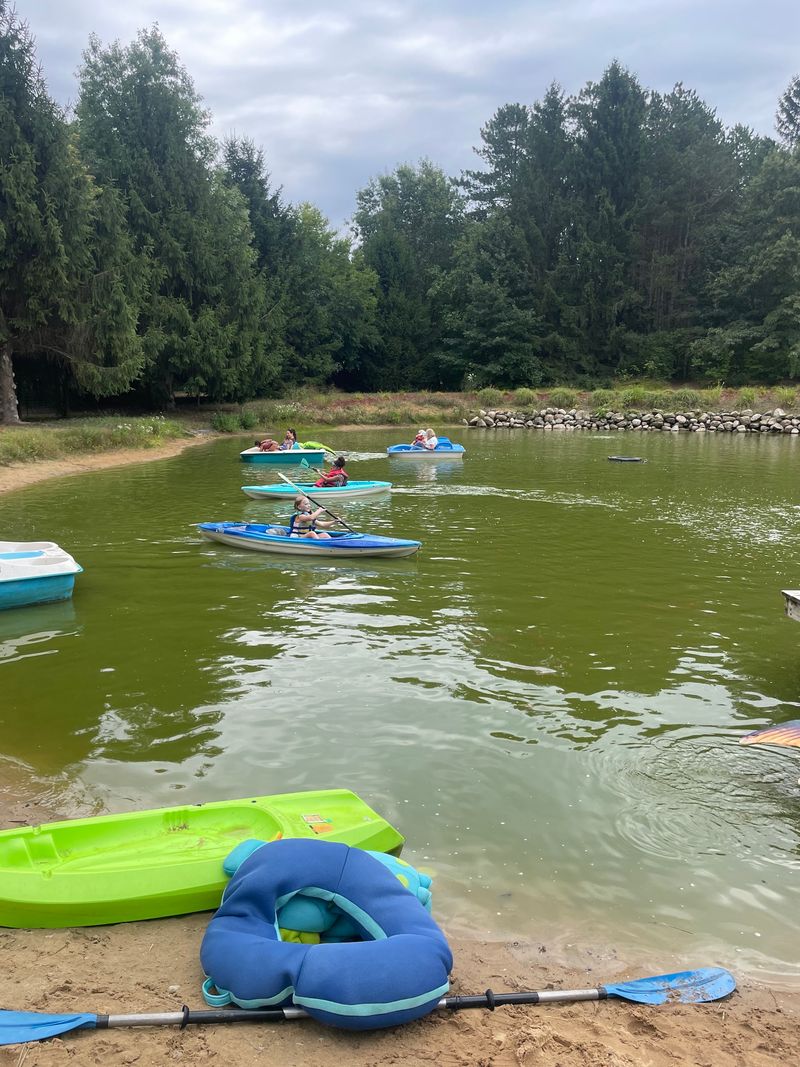
Paddle boats on a farm pond might not be the first thing you expect at an animal farm. Some families have enjoyed taking them out on the water as a bonus to their animal visit.
The grounds include ponds, pastures, and a koi pond. Koi are colorful fish related to carp, and they come in shades of orange, white, black, and gold.
Watching them swim can be a relaxing break between animal stops.
The farm also has a covered pavilion with tables. It gives families a spot to rest, snack, or warm up.
In winter, visitors have enjoyed hot chocolate there.
Many guests describe the farm as peaceful, which makes sense with all the open space. The grounds are well cared for, giving kids room to wander and explore.
Spring and summer are great times to see the ponds and pastures at their greenest. Still, the farm operates year round, so each season gives a slightly different look.
Speaking of seasons, the farm likes to celebrate them with special events.
Events, Birthdays, and a Famous Unicorn
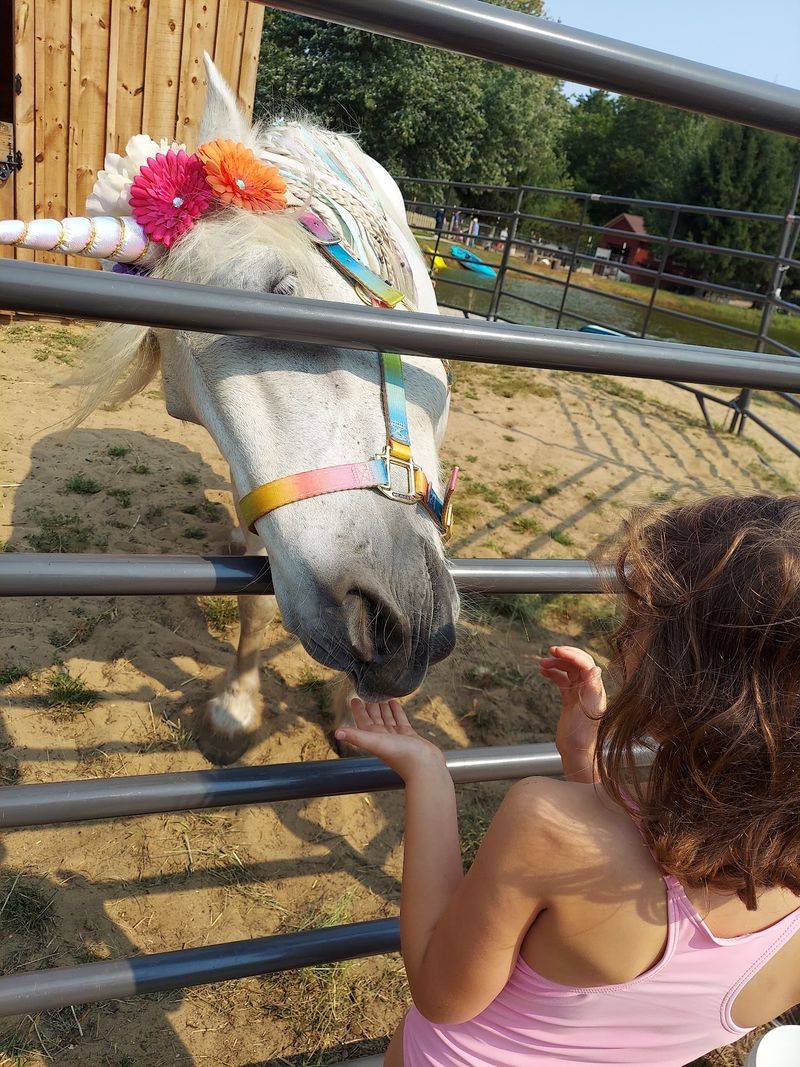
Yes, there is a unicorn, at least one dressed up for the occasion. Fellinlove Farm has hosted fun themed events, including a mermaid and unicorn day that kids talked about long afterward.
Seasonal events are part of the farm’s yearly rhythm. A fall event has drawn families with kids and grandkids, offering activities around the property.
Some special events charge admission, while most regular tours run by donation.
Birthday parties are another popular reason to visit. One family has celebrated their daughter’s birthday on the farm for several years in a row.
Having the animals as party guests makes for a celebration few kids forget.
Events can be busy, so a quick tip helps. Some guests have found it hard to follow activities in order, so asking a volunteer for a simple plan when you arrive can make things smoother.
Group outings also work well here. Schools, care groups, and families have visited together.
Before planning any trip, though, there is one important rule to know about booking ahead.
Smart Tips Before You Head Out
Call first. That is the most useful tip for visiting Fellinlove Farm, because the local township requires appointments for visits.
The farm is generally open Monday through Saturday during daytime hours and closed on Sundays. The staff try to be flexible with your schedule.
They simply want to know how many people are coming and when.
Leave your dog at home. Pets are not allowed inside because they can upset the farm animals.
That rule keeps everyone, furry or not, calm and safe.
Most tours are offered by donation, and the farm has a history of not turning anyone away. If you can give, your gift helps feed animals and support programs for people with special needs.
Dress for farm life with closed shoes and clothes that can get a little dirty. Weather does not stop chores, so even rainy days can still include a visit to the barn.
In the end, the friendly animals are only half the story. The people who care for them make Fellinlove Farm a place families want to return to season after season.
Share this story