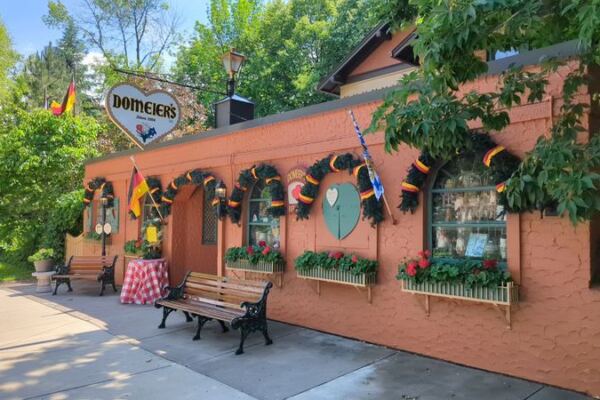
A basket of old-fashioned root beer barrel candies may greet you at the door of a museum that charges nothing to enter. That alone made me smile.
Then I learned what waits past that basket.
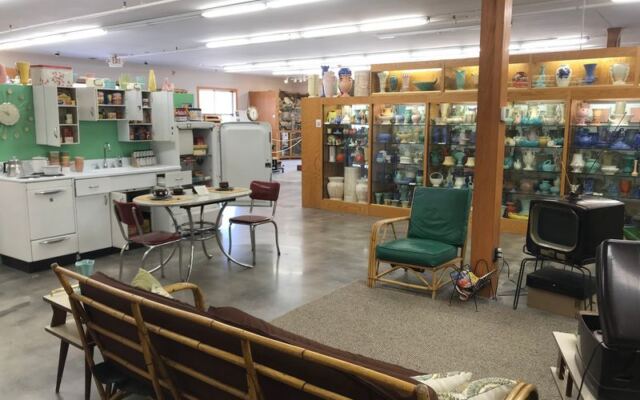
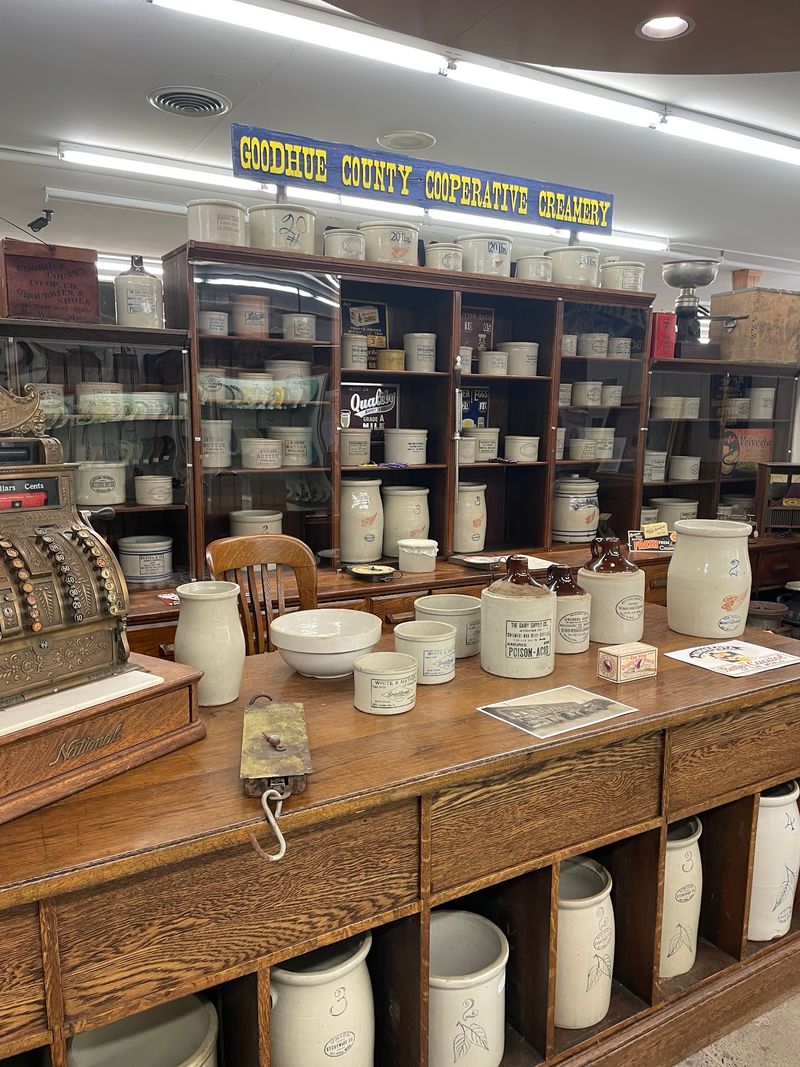
Shelf after shelf holds crocks, jugs, cookie jars, and colorful dinnerware from one Minnesota river town’s long love affair with clay. Some pieces are humble kitchen workhorses.
Others look ready for a fine art gallery.
I like how the place treats a salt crock with the same respect most museums save for paintings. I believe that says a lot about Minnesota pride.
Everyday objects built homes, farms, and families here, and somebody decided they deserved a spotlight.
So how does a free stop packed with old stoneware turn into one of the most surprising afternoons in the state? The answer starts in the clay.
A Free Museum Built Around One Town’s Clay
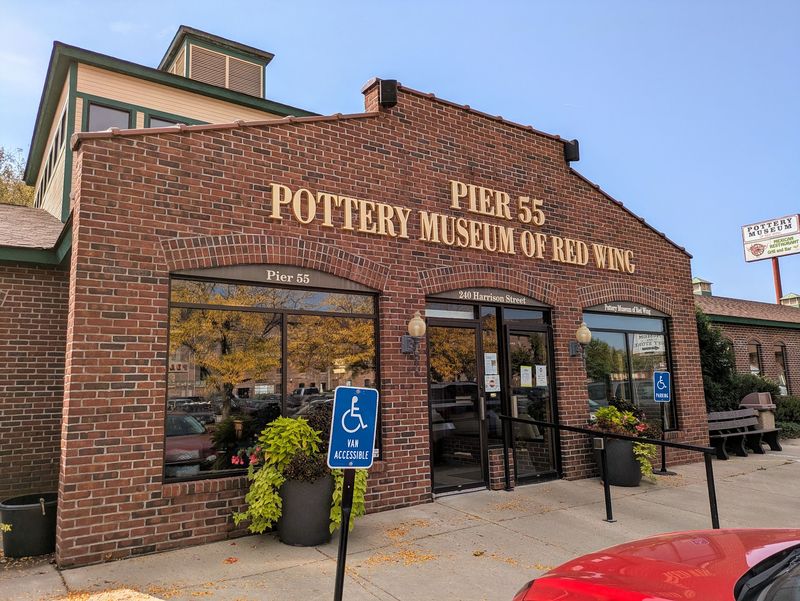
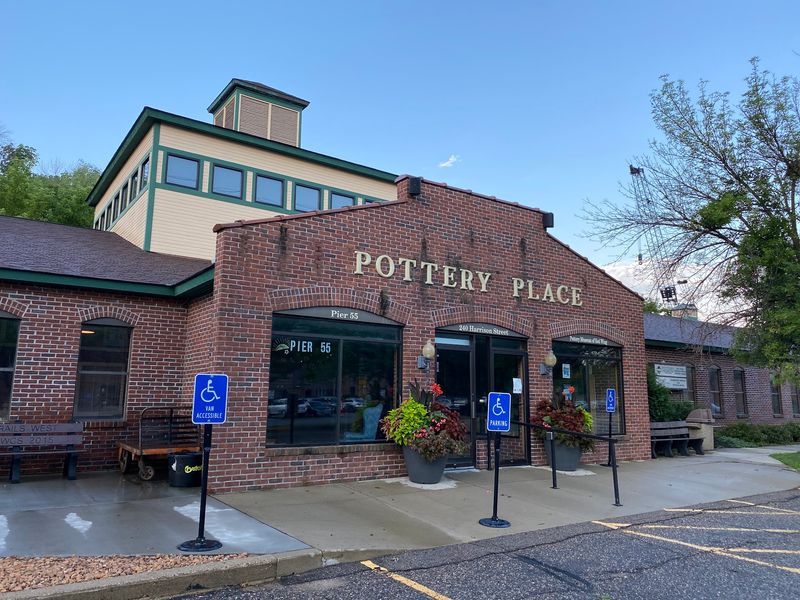
Admission costs exactly nothing, and that might be the first pleasant shock. The Pottery Museum of Red Wing sits in Red Wing, Minnesota, and it exists to preserve and celebrate the story of the local clay industry.
That mission sounds narrow on paper. In practice, it covers kitchen crocks, water coolers, jugs, dinnerware, cookie jars, and art pottery spanning roughly a century of production.
Entry runs on a donation basis, with a jar for anyone who wants to chip in. Big-city museums often charge a hefty ticket for a quick walk-through.
Here, you can wander as long as you like and decide afterward what the visit was worth.
The museum leans largely self-guided, so you set the pace. A self-guided tour brochure has been offered to help you follow the story from room to room.
Is it a giant institution? Not in the marble-columns sense.
Yet the depth of what’s packed inside catches plenty of people off guard, including folks who never thought twice about pottery. Minnesota has a way with small packages, and this one proves the point beautifully.
Stoneware Roots Reaching Back To 1877
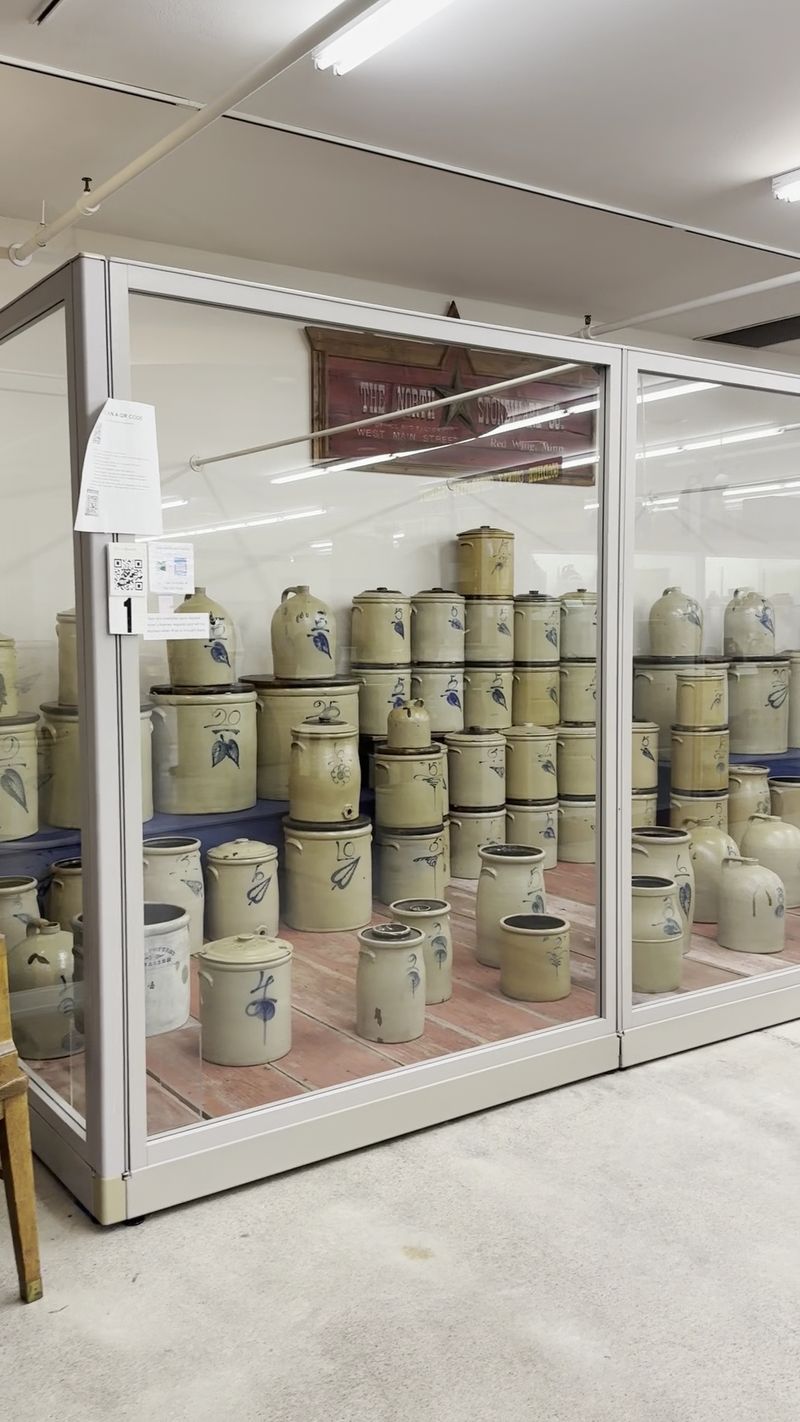
Back in 1877, Red Wing potters started producing stoneware jugs and crocks. Those sturdy vessels stored pickles, butter, water, and just about everything a Minnesota household needed to keep.
Nobody had refrigerators then. A good crock was serious kitchen equipment, and families relied on it through long Upper Midwest winters.
The museum walks you through how that early work evolved over the decades. Plain utilitarian pieces gradually gave way to decorated wares, new glazes, and eventually full dinnerware lines.
By the 1950s and 1960s, Red Wing dinnerware had become popular across the country. That’s quite a journey for a company that began with storage jars.
Following that arc is part of the fun. You can almost track American kitchen habits by watching what the potters made in each era.
Early pieces carry a rugged, practical charm. Later ones show off color and style that match changing tastes at the dinner table.
Seeing them lined up in sequence makes the history click in a way a textbook rarely manages, and it gives a small Minnesota river town a surprisingly big role in the national story.
One Collector’s Passion That Grew Into A Community Treasure
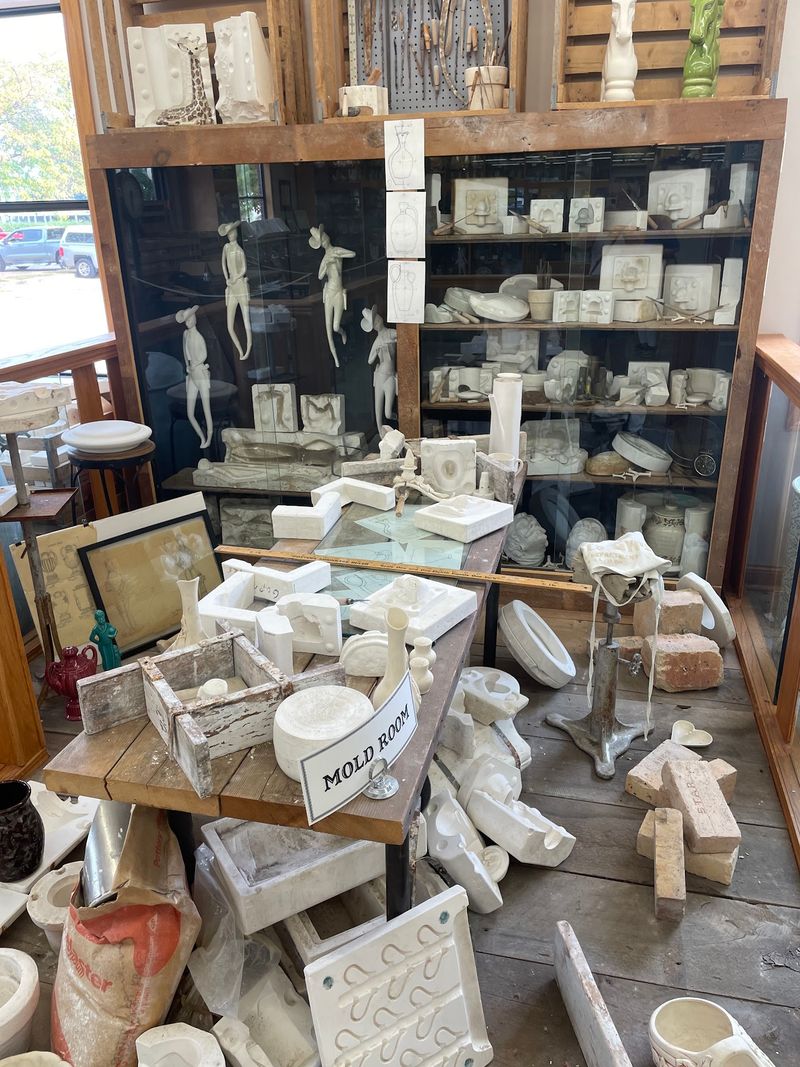
Collections rarely start big. The museum itself has acknowledged that the breadth of what Red Wing Potteries made, along with the sheer size of its holdings, surprises many people.
According to the museum’s own story, much of it reportedly began with one woman’s remarkable collection. Over time, that personal passion grew into something the whole community could share.
Small-town Minnesota does this well. Someone cares deeply about a piece of local heritage, and neighbors rally to make sure it lasts.
The result feels personal rather than corporate. You get the sense that these pieces were hunted down, cleaned, and placed with genuine affection.
Shelves stretch with examples in many sizes and colors. It’s the kind of variety that only comes from years of patient gathering.
Some people walk in knowing every glaze name and stamp. Others couldn’t tell a crock from a casserole.
Both groups tend to leave impressed, because the scale speaks for itself. When a collection feels this complete, it stops being a hobby and starts being a record, and Red Wing now owns a record of its own craftsmanship that few towns could match.
Crocks In Every Size You Never Knew Existed
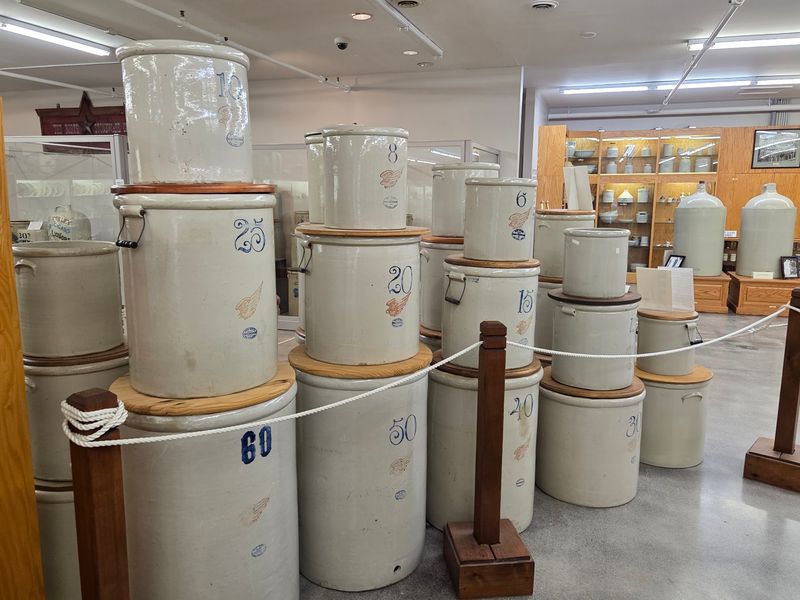
Grandma’s crock in the basement was probably just one member of a very large family. At the museum, you can meet the rest of the relatives.
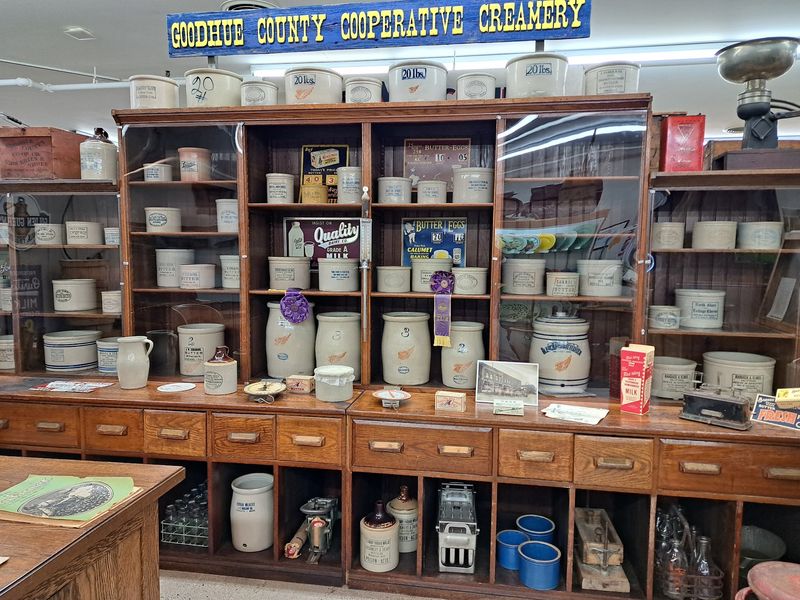
Red Wing crocks line the displays in a dizzying range of sizes. Small ones look ready for a countertop, while the biggest could practically hold a winter’s worth of sauerkraut.
Stone crocks are the stars for many guests. Learning how they were made and used turns an ordinary basement object into a little marvel of engineering.
Markings, stamps, and decorations change from piece to piece. Those details help collectors date items and trace which era a crock came from.
Jugs, churns, and other stoneware workhorses share the spotlight too. Every one of them once had a real job in a real home.
Honestly, it’s hard not to start mentally inventorying your own family’s attic. That crock you used as a plant stand might suddenly feel a lot more important.
Excellent signage explains what you’re looking at, so even total beginners can follow along. Crockery, it turns out, has far more personality than anyone expects before seeing a whole wall of it.
Dinnerware Colors That Brightened Mid-Century Tables
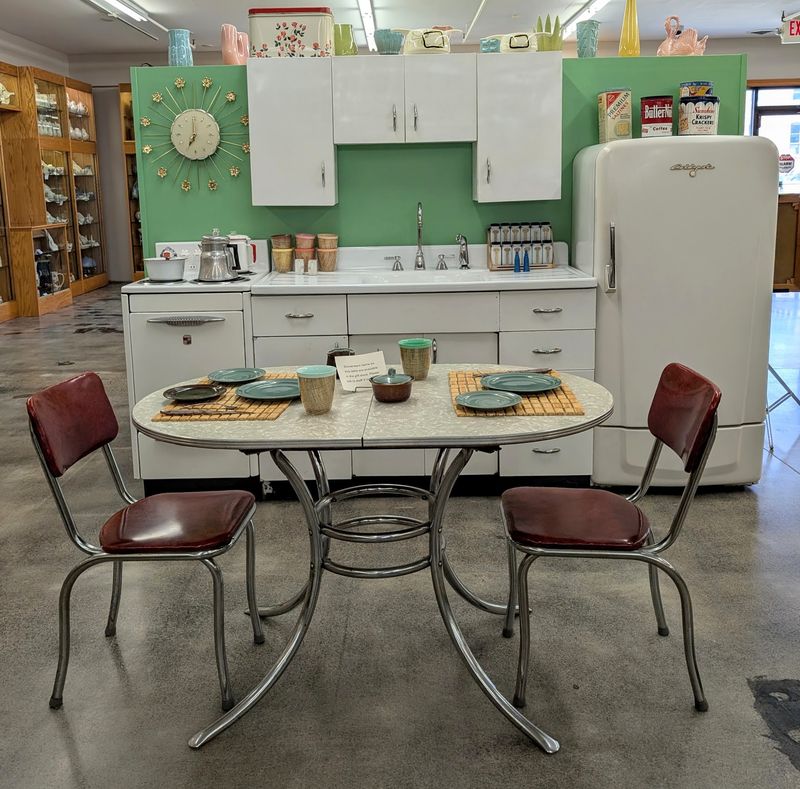
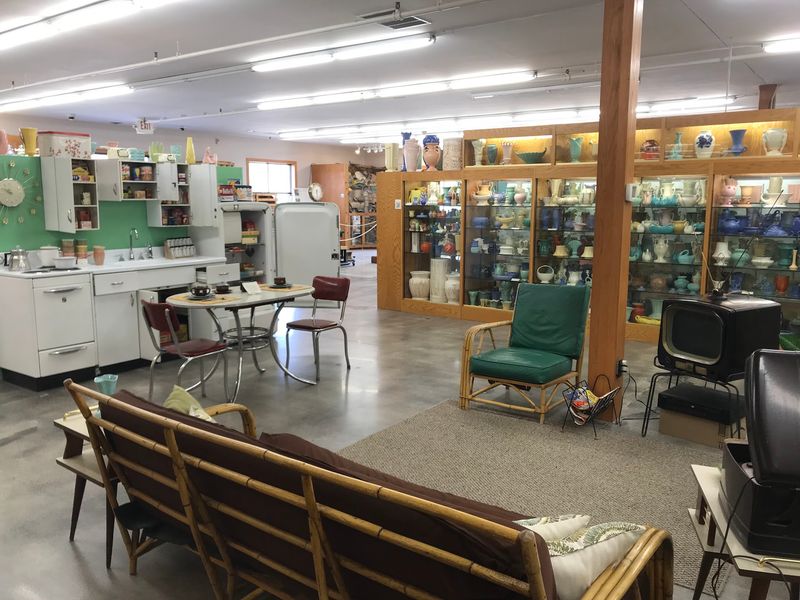
Turquoise, mustard, and soft pastels. The dinnerware section shows how Red Wing shifted from storage crocks to the plates and bowls that filled mid-century cupboards.
That change happened as families stopped needing big storage jars. Clever potters adapted, and dinnerware became the company’s popular new direction in the 1950s and 1960s.
Patterns and colors vary widely across the displays. Many people are surprised by how many styles one company produced over the years.
Cookie jars deserve a special mention. Spotting one that once sat on a family counter is a common delight here, and it sparks instant nostalgia.
Here’s a fun angle for road-trippers. Bring a parent or grandparent along, and the stories may start flowing before you reach the second shelf.
These pieces were built for daily use, not velvet ropes. Seeing them gathered together, though, reveals real artistry in the shapes and glazes.
For Minnesotans, it’s a reminder that a hometown company once set tables far beyond the state line. That’s a quiet kind of bragging right, and this room makes it easy to claim.
Art Pottery That Belongs In A Gallery
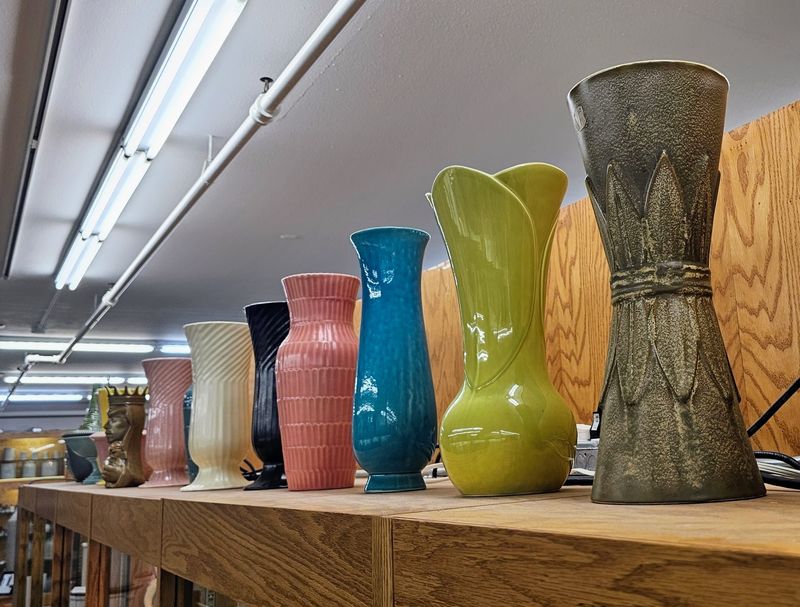
Not everything here held pickles. The art pottery displays show a softer, more decorative side of Red Wing production, including pieces from the Arts and Crafts period.
Vases and decorative wares bring graceful shapes and rich glazes into the mix. They stand in elegant contrast to the sturdy crocks nearby.
The museum presents a visual trip through American pottery styles. You can watch tastes shift from practical to ornamental as the decades roll by.
Fans of history, art, and handmade objects find plenty to linger over. Each era brought its own ideas about beauty and function.
Everyday objects and fine art sit under one roof, which is part of what makes the place memorable. You don’t have to pick a lane.
Big-city art museums often keep regional pottery tucked into a single corner case. Red Wing gives it entire rooms and lets it breathe.
That generous space helps you appreciate the craftsmanship in a way a quick glance never could. It also makes a strong case that some of America’s finest ceramic design came from a Minnesota river town.
A Wall Of Shards With Stories In Every Layer
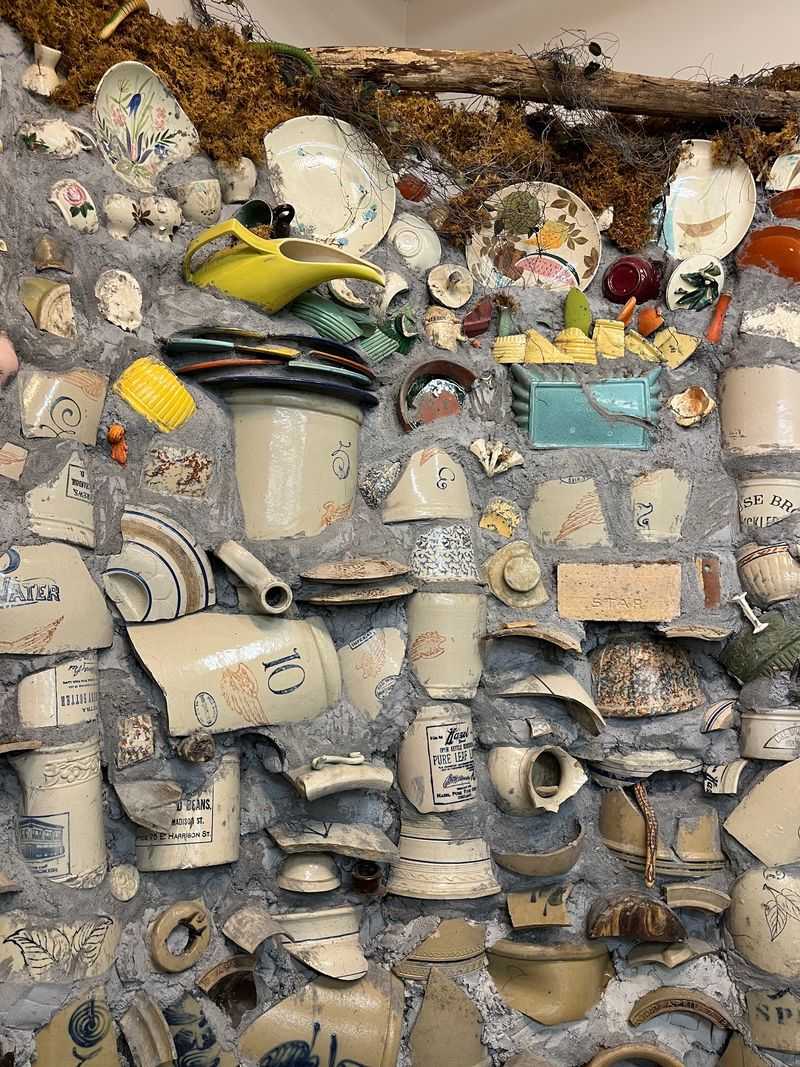
Broken pottery usually lands in the trash. At this museum, it has reportedly been turned into an exhibit worth studying.
A wall display has shown the layers of broken pottery found at the company’s old dump site. Think of it as a slice of earth that reads like a timeline.
Archaeologists love this kind of thing for good reason. Each layer hints at what the potters were making, testing, or discarding at a given moment.
Misfired pieces and cracked rejects tell honest stories. They show that even skilled workers had off days, and kilns didn’t always cooperate.
It’s a clever way to reveal the messy side of a polished craft. Finished pieces get the glory, but the scraps explain the process.
Kids often enjoy this kind of display because it feels like buried treasure. Adults tend to appreciate the detective work behind it.
Exhibits can change over time, so it’s smart to ask what’s on view when you arrive. If the shard wall is up, give it a few extra minutes, because the details reward slow looking.
QR Codes That Turn Shelves Into Storytellers
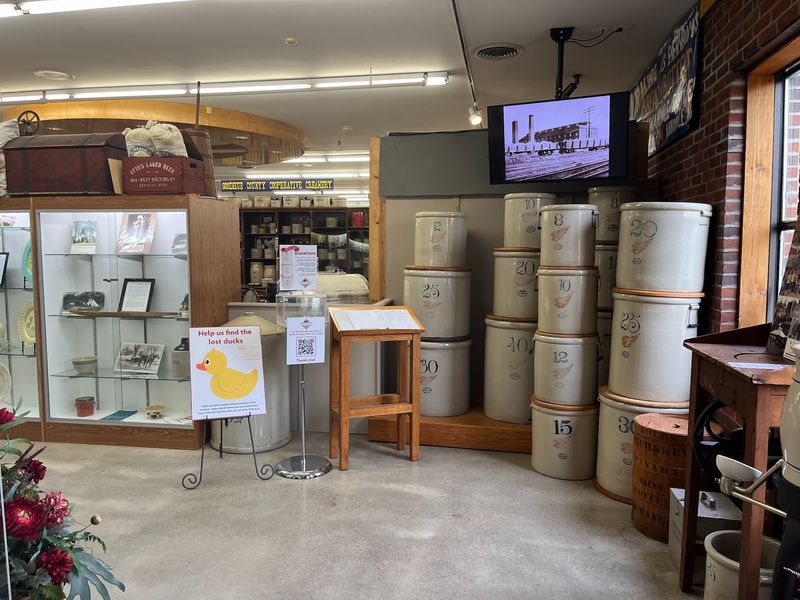
Smartphones earn their keep here. Displays include QR codes that link to more information, letting you go deeper on any piece that grabs your attention.
Videos connected to the exhibits add even more context. They help explain how pieces were made and why certain styles mattered.
No phone, or a phone that won’t cooperate? The museum has offered iPads for guests who need them, which is a thoughtful touch.
The videos can also be found on the museum’s website. That means you can revisit favorites at home or preview the story before your drive.
A quick tip helps a lot. Make sure your phone can read QR codes before you head out, so the extra layers of history load smoothly.
Historic photos round out the experience, showing workers, buildings, and the town in earlier days. Paired with the pottery, those images make the past feel close and real.
It’s a nice blend of old-school objects and modern tools. Small museums don’t always invest in this kind of digital storytelling, and it gives this one a polish that punches well above its size.
Friendly Volunteers Full Of Pottery Lore
Questions are welcome, and the answers often come with bonus stories. Knowledgeable volunteers and hosts are a big part of what makes the museum feel warm.
The folks staffing the gift shop have a reputation for sharing plenty of history. Ask about a glaze or a stamp, and you might get a mini lecture with a smile.
That human touch matters in a mostly self-touring museum. Signs and QR codes cover the basics, but people fill in the colorful details.
Friendly service feels very Minnesota. Nobody rushes you, and nobody makes you feel silly for asking what a churn is.
Curious beginners benefit the most. A five-minute chat can turn a confusing shelf into a story you’ll repeat at dinner.
Collectors find kindred spirits too. Swapping notes about patterns and eras is half the joy for serious fans.
If you have a family piece at home, bring a photo along. Someone may be able to share background on its style or era, and that alone could make the trip worth it.
A Gift Shop Worth Saving Room In The Trunk
Souvenir temptation runs high in the museum store. Shoppers regularly praise it, and it’s easy to see why once you browse the shelves.
You can find pottery that echoes historic Red Wing designs. Owning a piece of that heritage is a fun way to bring the story home.
Prices are generally considered reasonable for what you get. Minnesota-themed gifts also show up, which makes holiday shopping a little easier.
Worried about fragile cargo on the drive back? The shop ships, so you don’t have to cradle a crock in your lap all the way to the Twin Cities.
Buying here also supports the museum. Since admission runs on donations, store purchases help keep the doors open for the next curious visitor.
Root beer barrel candies have reportedly appeared in a basket near the entrance too. It’s a tiny, old-fashioned treat that fits the nostalgic mood perfectly.
Between the candy and the crocks, leaving empty-handed takes real willpower. Consider that fair warning before you set a budget.
Who Will Love An Afternoon Among The Crocks
History buffs are an obvious match. Still, the museum’s real magic is how it wins over people who walked in expecting to be bored.
Crockery doesn’t sound thrilling on a road-trip itinerary. Yet the variety, colors, and stories tend to flip skeptics into fans.
Families on a budget get a great deal. Free admission means you can pop in with kids and leave whenever attention spans run out.
Grandparents often bring the best commentary. Seeing a familiar bowl or cookie jar can unlock memories worth hearing.
Collectors, of course, could spend hours here. The completeness of the displays is a major draw for anyone hunting specific patterns.
Art lovers and makers will appreciate the craftsmanship up close. Handmade objects carry a different energy than mass-produced ones.
The sheer amount of pottery can feel almost overwhelming, so pacing yourself helps. Pick a few favorite rooms, soak them in, and save the rest for a return trip.
Plenty of people end up planning one anyway.
Hours, Address, And Easy Trip Planning

Mark Monday off your list, since the museum is closed that day. Tuesday through Saturday, doors typically open from 9 AM to 5 PM.
Sundays run shorter, usually 11 AM to 4 PM. Hours can shift, so a quick check before leaving home is always wise.
You’ll find the Pottery Museum of Red Wing at 240 Harrison St, Red Wing, MN 55066. Red Wing makes a scenic drive from the Twin Cities, following the Mississippi River into bluff country.
Admission is free, with donations gladly accepted. That leaves more room in the budget for lunch downtown or a treasure from the gift shop.
Plan on at least an hour, and longer if you love details. Scanning QR codes and watching videos easily stretches a visit.
A charged phone helps, along with a QR reader. Comfortable shoes are smart too, since there’s a lot of ground to cover among the shelves.
Pair the museum with other stops around Red Wing for a full Minnesota day trip. It’s an easy outing that feels far richer than the price of zero dollars suggests.
Why This Clay Story Earns A Spot On Your Minnesota List
Few free attractions deliver this much. The Pottery Museum of Red Wing packs a century of craftsmanship, design, and small-town grit into one memorable stop.
It honors objects most of us overlook. Crocks, jugs, and dinner plates suddenly look like the proud achievements they always were.
Minnesota has plenty of reasons to brag, and this belongs on the list. A river town turned local clay into wares that reached kitchens across America.
The museum keeps that legacy alive with care. Thoughtful signage, digital extras, and friendly volunteers make the history easy to enjoy.
Value seekers will love the donation-based entry. Families can explore without worrying about ticket costs adding up.
Is it flashy? Not really, and that’s part of the appeal.
It’s sincere, well-organized, and quietly impressive, much like the state it calls home. Tag the friend who still has Grandma’s crock in the basement.
Then plan a drive to Red Wing and see just how far that humble clay traveled.
Share this story