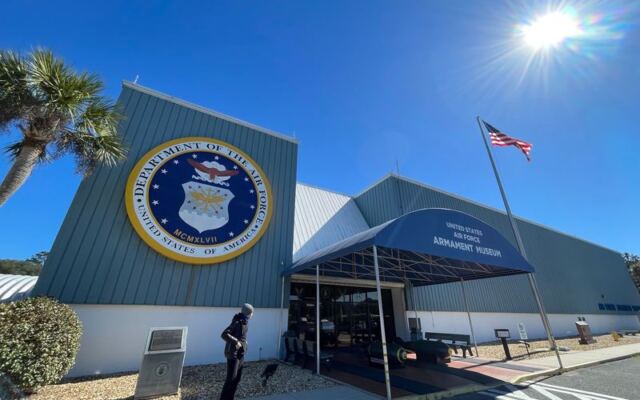
An SR-71 Blackbird, the sleek spy plane built for staggering speed, sits parked outside a museum that charges nothing to get in. Not a dime.
That alone made me stop scrolling.
The Blackbird has company, too. A B-52 bomber, a B-17, and more than two dozen other aircraft fill the grounds around the building.
Inside, two levels of exhibits trace the tools and technology behind American air power.
I like how unassuming the whole setup feels. It’s a quiet stop in the Florida Panhandle, close to some of the state’s best beaches.
Yet it holds machines that shaped entire eras of flight.
I can’t imagine a better rainy-day plan, or a better break from sand in your shoes. So what else is hiding in those hangars, and why haven’t more people heard about it?
A Free Museum Parked Beside the World’s Largest Air Base
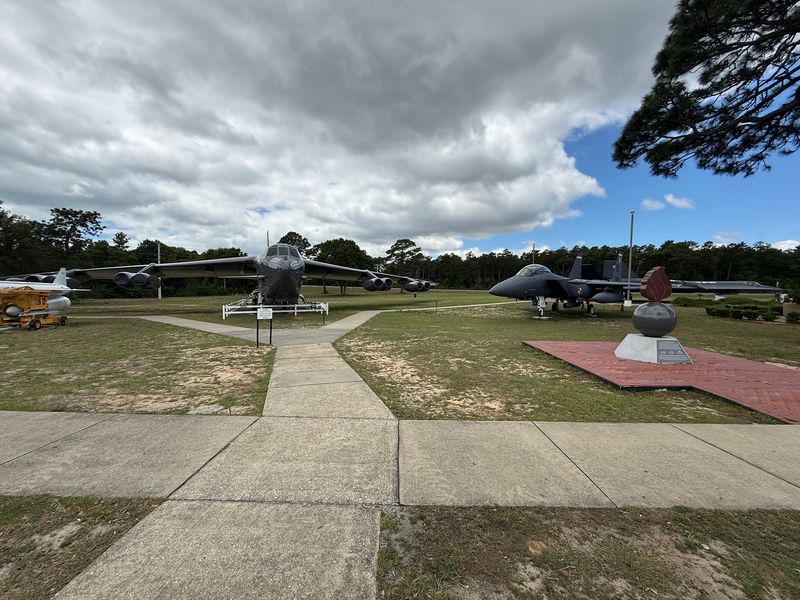
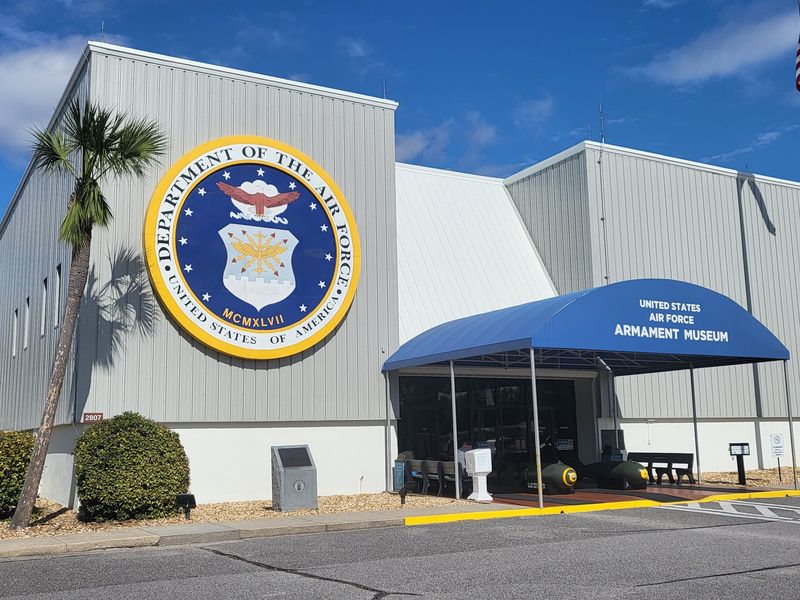
Few museums can claim a neighbor as big as Eglin Air Force Base. The Air Force Armament Museum sits right beside it, on the world’s largest air base, in the Florida Panhandle.
The museum focuses on warplanes and the armament that went with them. That’s a narrower focus than a general aviation museum, and it gives the place a sharp personality.
Admission is completely free. Donations are welcome, and the money matters, because the museum isn’t government funded.
You’ll find more than 25 aircraft spread across indoor and outdoor displays. Artifacts and exhibits fill the building, telling the story of Air Force technology across many decades.
The setting is easy to reach from the coast. Fort Walton Beach sits nearby, so a beach day and a museum visit fit together nicely.
Think of it as a field trip without a permission slip. You show up, wander as long as you like, and leave knowing a lot more about the planes overhead.
For Florida families watching their budgets, that combination is hard to beat. History, engineering, and giant aircraft, all for the price of a parking spot, which is also free.
The SR-71 Blackbird Steals the Whole Show
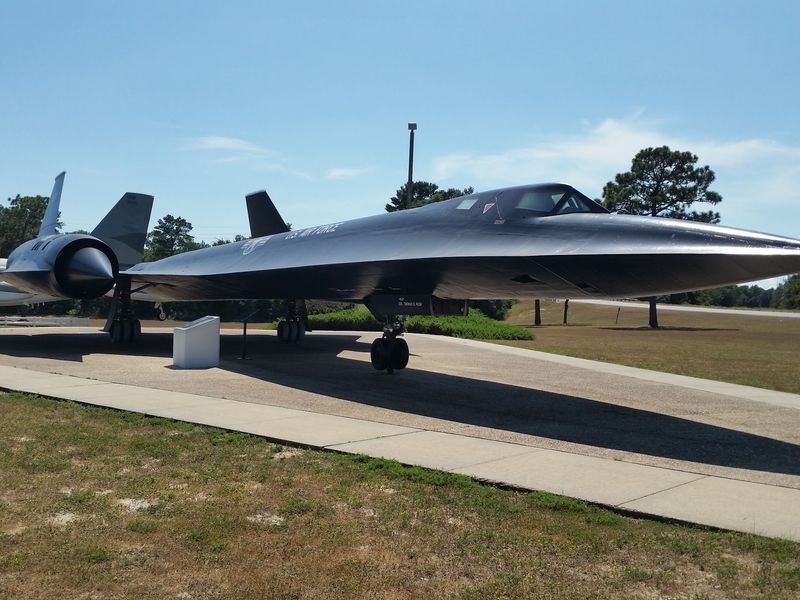
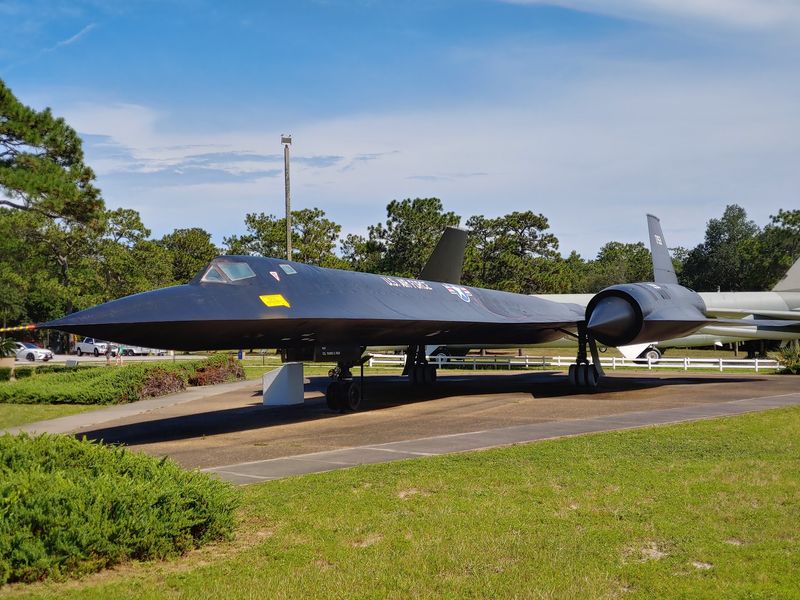
Long, black, and shaped like something from a sci-fi movie, the SR-71 Blackbird commands the outdoor aircraft park. It’s easily the most talked-about plane on the grounds.
The Blackbird was a reconnaissance aircraft, built to fly fast and high. It never carried bombs, which makes it a fascinating outlier at an armament museum.
Seeing it up close changes your sense of scale. Photos rarely capture how stretched out and strange that fuselage looks against the open Florida sky.
Bring your camera, and maybe a wide-angle lens. Getting the whole plane into one frame takes a few steps backward.
Kids tend to recognize it from books and documentaries. Adults often remember hearing about it during the Cold War years.
Either way, it makes a natural first stop. Many people circle it more than once before moving on.
Here’s a fun detail: the plane’s nickname comes from its dark finish. That deep color helped it handle the intense heat of high-speed flight.
Start here, then let the rest of the collection pull you along. The Blackbird sets a high bar, and the neighbors keep up surprisingly well.
Bombers Big Enough to Shade a Picnic
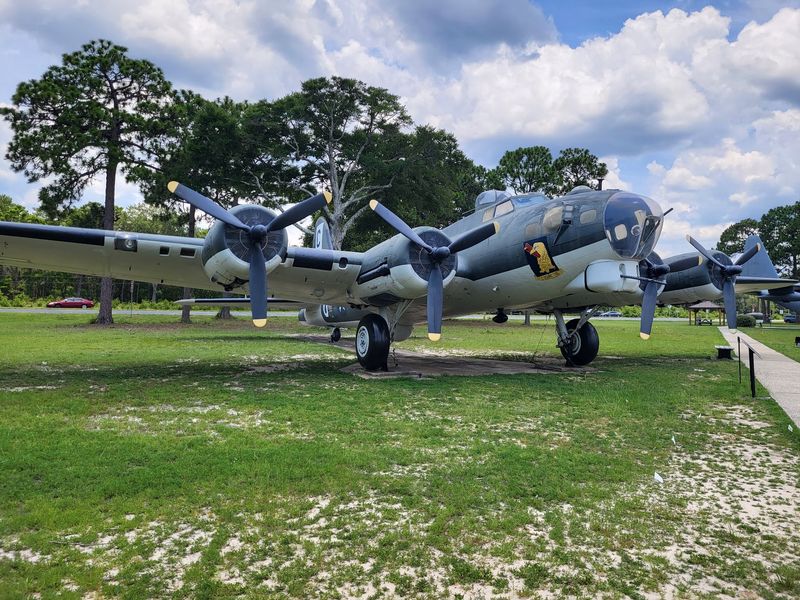
Wingspan is the first thing you notice about the B-52. That bomber stretches out so far it feels like its own neighborhood.
Nearby stands a B-17, a bomber famous from the World War II era. Placing the two close together shows how much aircraft design changed in just a couple of decades.
Other heavy hitters fill the outdoor park too. An AC-130 gunship and a Jolly Green Giant helicopter both appear among the displays.
About 30 static aircraft sit outdoors in total. They range from World War II planes to more modern machines.
You can walk right up to them and take photos. There are no long ropes keeping you far away from the action.
Each display includes information describing the aircraft. That helps casual visitors understand what they’re looking at without needing a guidebook.
Wear comfortable shoes and a hat. The Florida sun doesn’t take days off, and the outdoor loop covers real ground.
Bring water as well, especially in summer. These big birds deserve a slow lap, not a sweaty sprint back to the car.
Rare Fighters That Rarely Show Up Elsewhere
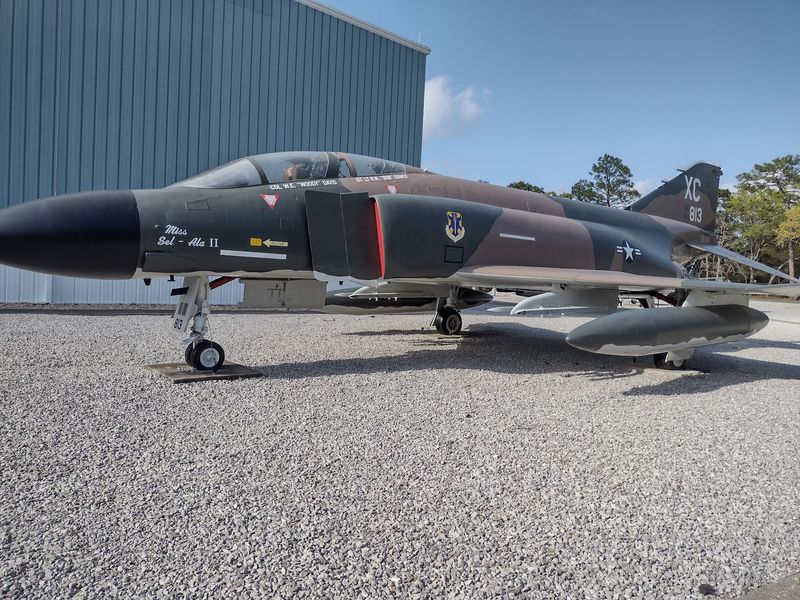
Aviation fans love a rare find, and this collection delivers a few. The F-105D Thunderchief and the P-47N Thunderbolt both stand out for their condition.
The P-47N in particular isn’t commonly seen in museums. Spotting one here feels like finding a rare baseball card in a dollar bin.
The F-105D Thunderchief represents a later generation of fighter design. Its sleek, powerful frame reflects the jet age at full speed.
Fighters from multiple eras appear throughout the grounds. That variety lets you trace how speed, size, and shape evolved over time.
Some rare exhibits sit inside the building rather than outdoors. So don’t skip the indoor galleries if you’re chasing unusual aircraft.
A Bell UH-1 helicopter also appears in the collection. It’s a reminder that air power includes more than fixed-wing jets.
The aircraft are well maintained, which makes a big difference. Faded paint and rust would steal the magic, and these planes avoid that problem.
Plan extra time if fighters are your thing. Reading every placard and studying every angle can easily stretch your visit well past an hour.
Two Floors of Armament and Engineering Inside
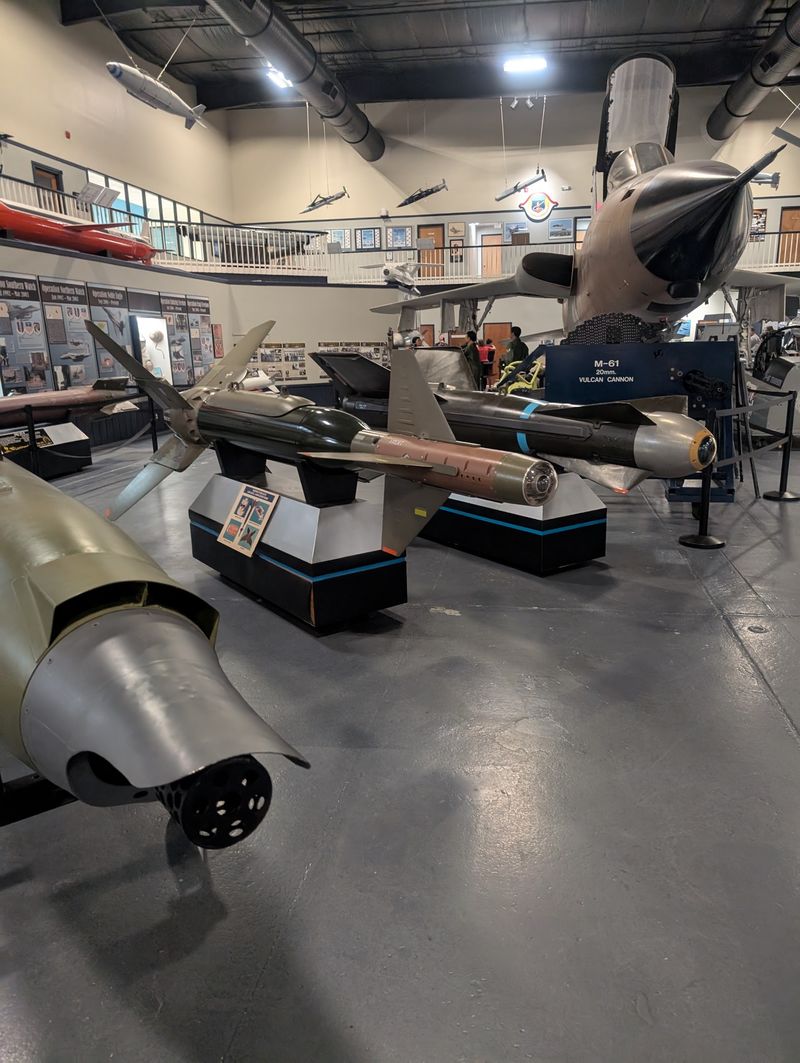
Step through the doors and the focus shifts. The Air Force Armament Museum earns its name inside, across a large two-level exhibit space.
The galleries display a wide variety of Air Force ordnance and equipment. The selection feels balanced, covering many decades of design and technology.
A replica of the Fat Boy and a napalm canister are among the notable pieces. Both offer a serious look at the tools of twentieth-century conflict.
More aircraft appear indoors as well. They share space with artifacts and detailed descriptive panels.
Educational videos play in parts of the museum. They add context for visitors who prefer watching to reading.
Every exhibit includes descriptive information. That makes the space friendly for curious newcomers, not just military history experts.
The tone here leans thoughtful. These displays invite reflection about engineering, responsibility, and the people who handled such equipment.
Exhibits connected to the Civil Air Patrol also appear among the artifacts. It’s a nice nod to a group many people overlook.
Give the indoor galleries real attention. Rushing through would mean missing the stories that tie the whole collection together.
Quiet Tributes Among the Steel Giants
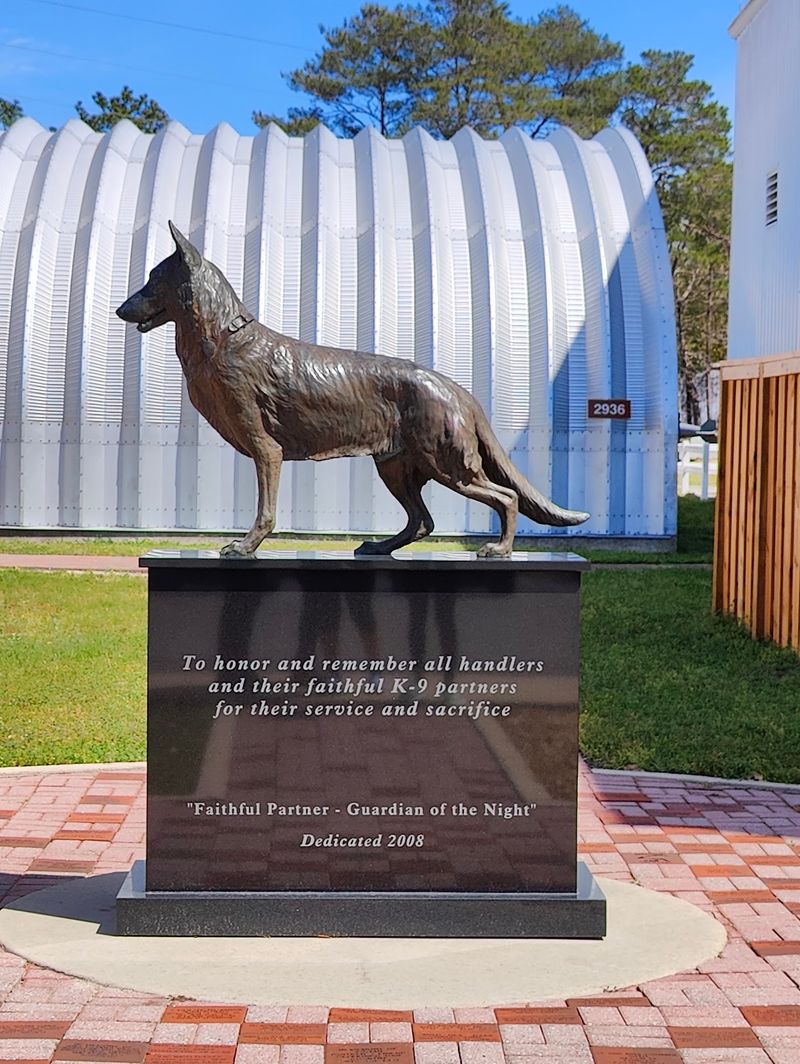
Between the massive planes, a smaller memorial catches attention. It honors Army nurses who served during the Vietnam era.
A plaque there recognizes First Lieutenant Sharon Ann Lane. Her story adds a deeply human layer to a park full of metal and engines.
That contrast sticks with people. Huge aircraft surround a tribute to individual lives and service.
It’s a good moment to slow down with kids. A short conversation about nurses and caregivers in uniform can be surprisingly meaningful.
The museum treats its subject with respect. Displays don’t glamorize the hardware so much as explain it.
Veterans often find the place personal. Seeing familiar aircraft can stir up fond memories of their own years of service.
Some visitors appreciate hearing veterans explain the training behind certain equipment. That kind of firsthand knowledge brings exhibits to life.
So yes, this museum is fun. It’s also a place that asks for a little quiet thought.
Those two moods sit comfortably together here. You might arrive for the Blackbird and leave remembering the plaque just as clearly.
Kids, Veterans, and Curious Beach Escapees
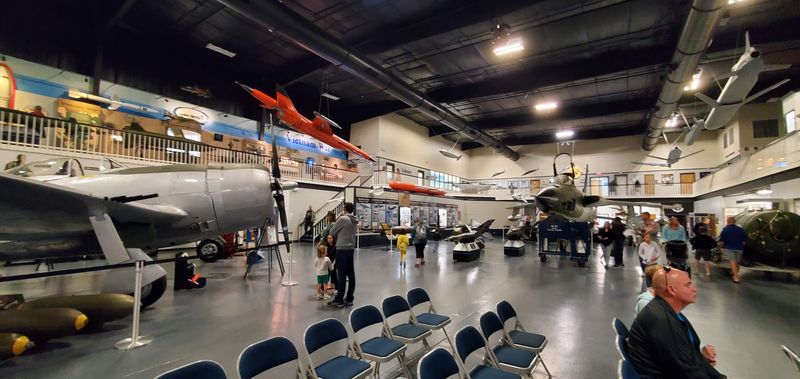
Toddlers to grandparents, the crowd here covers every age. Families with young children find plenty to keep small eyes busy.
The self-guided format is a big plus. You can linger at a favorite plane or move along whenever attention spans fade.
Aviation buffs obviously get a feast. But you don’t need to know a Thunderbolt from a Thunderchief to enjoy yourself.
Engineers and mechanically minded folks often admire the sheer scale. The craftsmanship behind these machines rewards a close look.
Need a break from the beach? This makes an easy afternoon swap when you’re tired of sunscreen.
Rainy days are another perfect fit. The indoor galleries offer plenty to explore while storms roll across the Panhandle.
The museum stays clean and well kept. That makes a visit comfortable for families with strollers or little ones in tow.
Staff and volunteers are friendly and helpful. A greeter at the entrance often helps set the stage for your visit.
Honestly, it’s tough to find someone who wouldn’t enjoy this place. Maybe a cat, but cats rarely care about aircraft.
Souvenirs Worth a Stop on the Way Out
Model planes, toys, and keepsakes wait near the end of the tour. The gift shop is small but well stocked.
It carries items for kids, babies, and adults. That range means nobody in the group gets left out.
Commemorative coins make a popular memento. They’re compact, durable, and easy to pack in a suitcase.
Toys tend to win over younger visitors. After seeing real bombers, a pocket-sized version feels like a trophy.
Shopping here also supports the museum. Since it relies on donations rather than government funding, every purchase helps.
Speaking of donations, a drop box sits in the main lobby. Bringing a little cash makes it simple to give back.
Nobody pressures you to spend. Still, a free afternoon this good makes a small contribution feel natural.
Think of it as paying it forward. Your donation helps keep the doors open for the next family exploring the Florida coast.
And the souvenir? It might end up on a bedroom shelf for years, sparking questions about the day you saw a Blackbird.
Hours, Directions, and Planning Your Visit
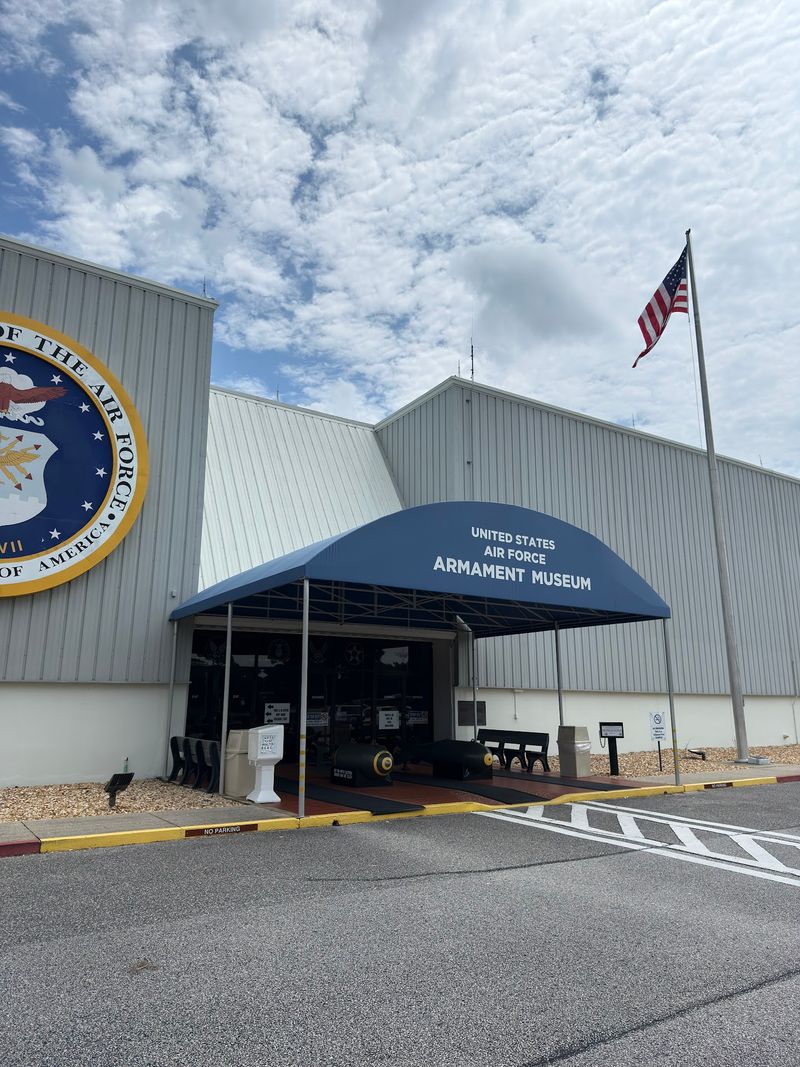
Good news for flexible schedules: the museum opens every single day. Hours run from 9 a.m. to 5 p.m., Monday through Sunday.
You’ll find it at 100 Museum Dr, Eglin AFB, FL 32542. It sits just outside the base, so you don’t need special base access.
Fort Walton Beach is close by. That makes the museum an easy addition to any Emerald Coast itinerary in Florida.
Plan on at least an hour inside and out. Many people find they could easily stay longer.
Morning visits can help you beat the afternoon heat. The outdoor aircraft park offers plenty of sunshine and little shelter.
Admission stays free, so budgeting is simple. Just set aside something for the donation box if you can.
Wait times typically stay short, even on weekends. That’s a refreshing change from ticket lines at bigger attractions.
Pair your trip with a nearby beach or lunch stop. The museum fits neatly into a half-day plan.
Check ahead around holidays, just in case. Then grab sunglasses, comfortable shoes, and a full camera battery.
Why the Panhandle Keeps This One Close
It’s not the Smithsonian, and it doesn’t try to be. The Air Force Armament Museum wins through focus, care, and an unbeatable price.
Bigger aviation museums exist in Florida, including the naval museum in Pensacola. Yet this smaller collection holds its own with rare planes and thoughtful exhibits.
The aircraft look sharp and well preserved. The galleries feel organized, informative, and easy to explore at your own pace.
Value is the clincher. Few attractions give you a Blackbird, a B-52, and two floors of history for free.
Repeat visits make sense too. Some aviation fans return multiple times and still spot new details.
It works for quick stops and long, lingering afternoons. That flexibility suits vacationers and locals alike.
Panhandle residents might drive past it for years without stopping. That would be a shame, honestly.
So next time the beach feels crowded, steer toward Eglin. Those legendary jets and bombers will be waiting right where they’ve been parked.
Just remember the donation box on your way out. Keeping history free takes a little help from everyone.
Share this story