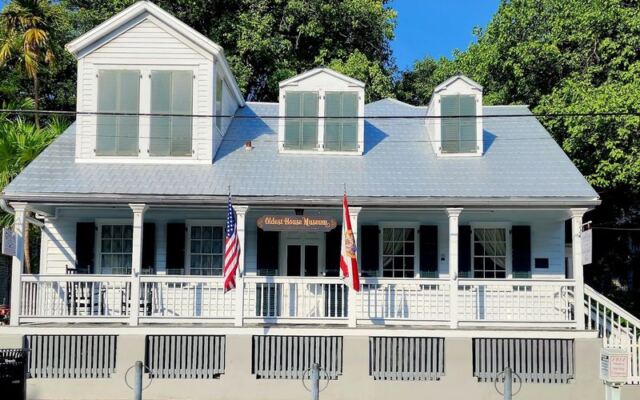
A wooden house from 1829 still stands on one of the busiest party streets in Florida. Plenty of people stroll right past it without a second look.
That still makes me grin.
A sea captain once called this place home. His study, his family portraits, and his period furniture still fill the rooms.
Out back, a separate cook house shows how meals got made before modern kitchens existed.
Then there’s the garden. It’s shady, quiet, and dotted with benches that feel built for catching your breath.
For years, the visit ran on donations alone, and it still costs only a modest admission today.
I like how a place this small can hold so many stories. I also like that it rewards anyone curious enough to stop walking.
How many treasures do we miss simply because we never look up?
A Sea Captain’s Home Hiding in Plain Sight on Duval
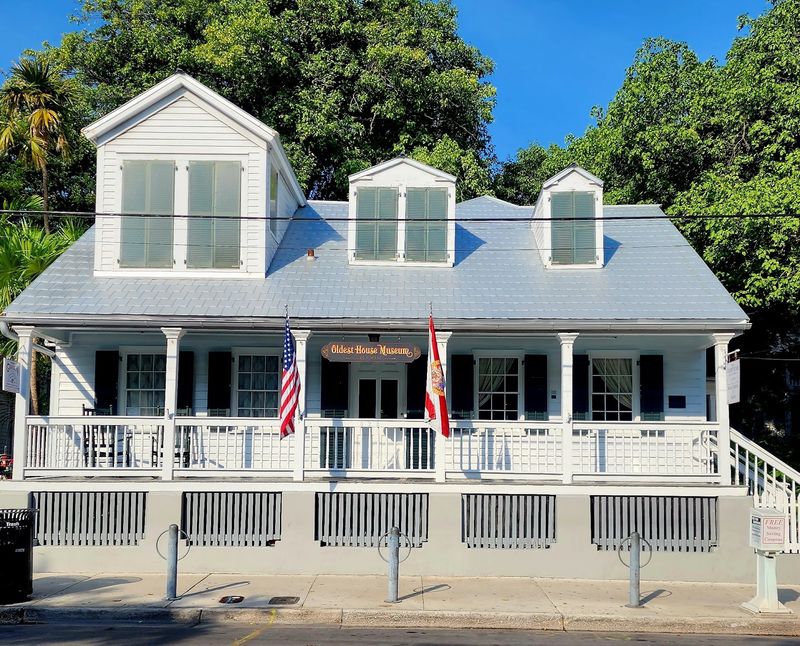
Duval Street is famous for shops, music, and crowds. Right in the middle of it all sits the Oldest House Museum & Gardens Key West, a quiet survivor from another century.
The museum is a historical home filled with period antiques. Its rooms showcase family portraits and original furnishings from the people who once lived there.
Behind the house, a peaceful garden offers shade and benches. There’s also a detached cook house, which shows how daily chores worked long before air conditioning or electric stoves.
A small visitor center stands next to the house and garden. It’s the starting point for your visit and the spot to ask questions before wandering through.
What makes the setting so fun is the contrast. One minute you’re dodging souvenir bags, and the next you’re standing in a sea captain’s parlor.
Many people walk by the building for years without realizing what it is. That’s a shame, because the property packs a surprising amount of Florida history into a compact footprint.
So slow down when you reach the 300 block. The oldest house on the island deserves at least a peek.
The Year 1829 and a Town Just Getting Started
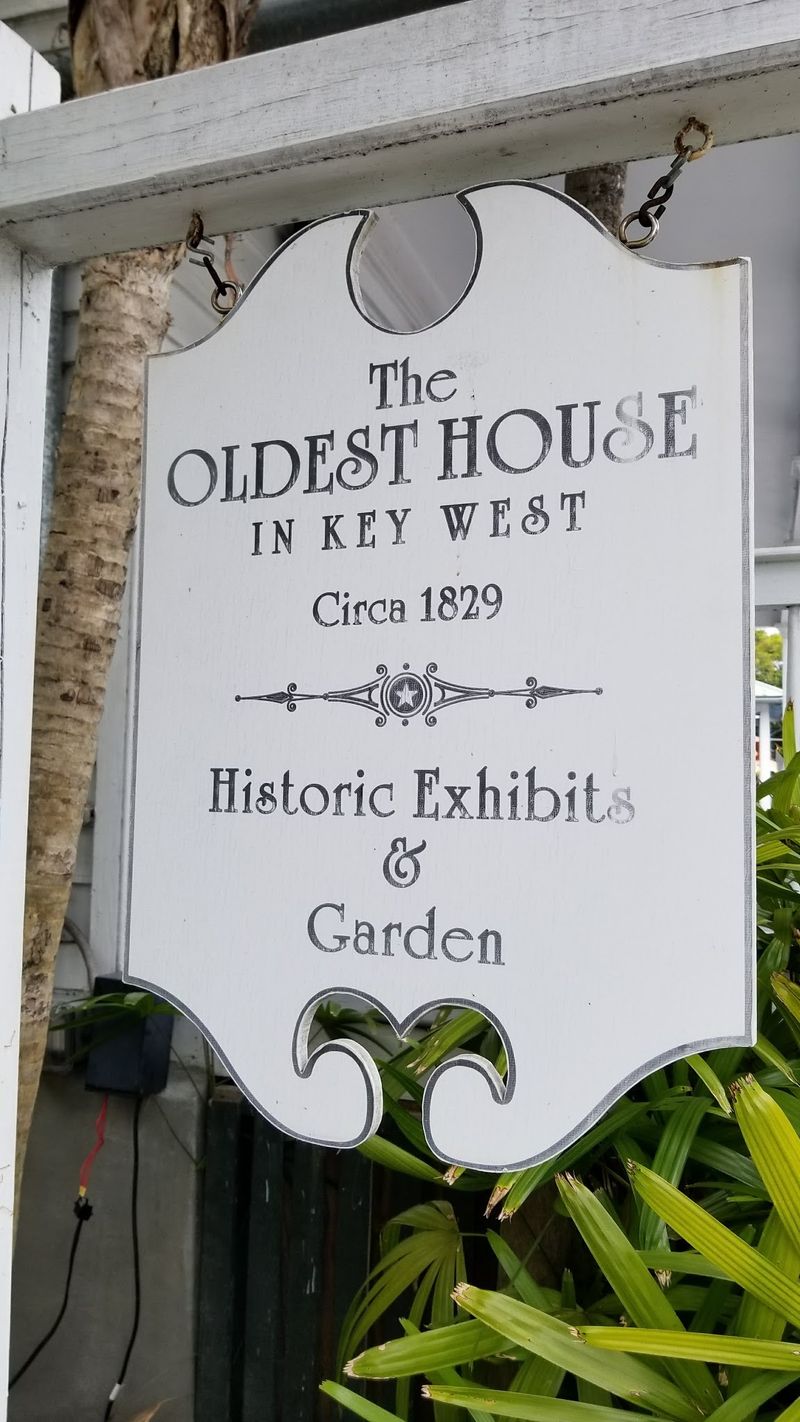
Andrew Jackson was barely in the White House when this house went up. The year was 1829, and Key West was still a young port town finding its feet.
That date gives the home its claim as the oldest house in town. It’s a rare chance to see what island living looked like nearly two centuries ago.
Wooden homes of that era had to handle salty winds and tropical heat. Surviving all those decades on a busy island is a feat worth appreciating.
Inside, the furnishings and portraits help fill in the picture of daily life. You start to sense how families cooked, worked, rested, and entertained guests in a much slower age.
History buffs will enjoy connecting the house to Florida’s early maritime story. Casual visitors will simply enjoy how different everything feels from the modern street outside.
The best part is how approachable it all is. You don’t need a textbook or a full afternoon to understand why this home matters.
A quick visit gives you a clear snapshot of early Key West. That’s a pretty good return on a short detour.
Captain Francis Watlington’s Old Address
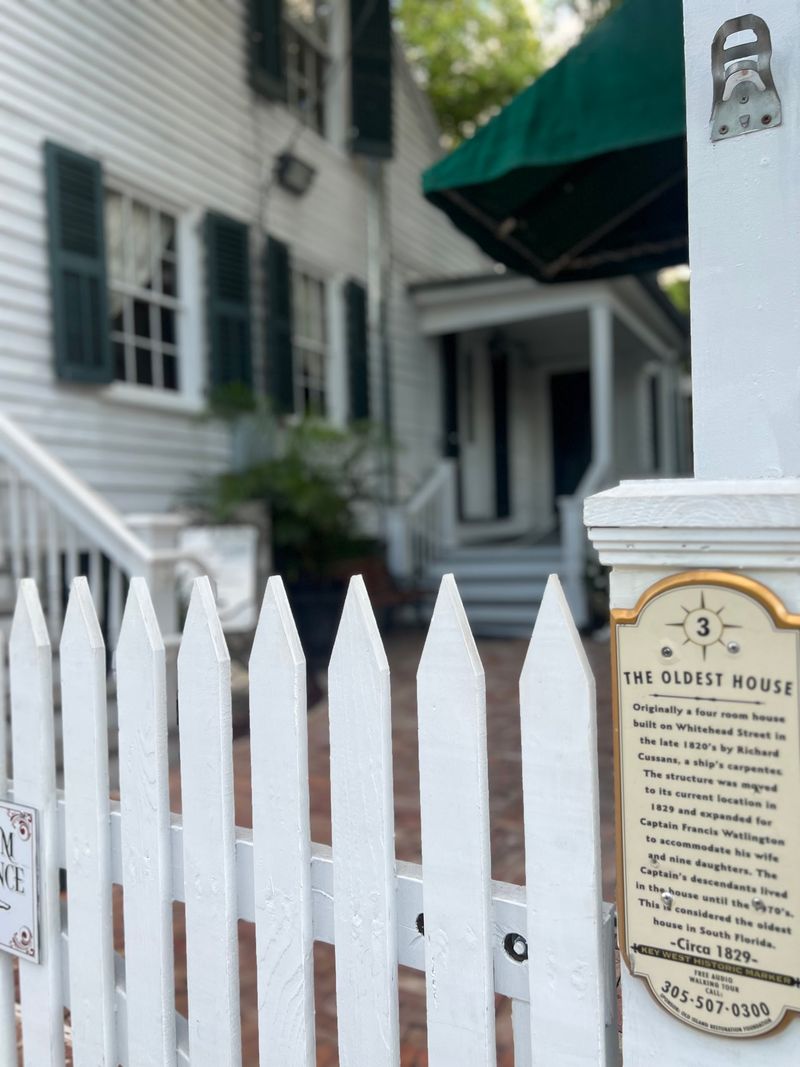
Every old house has a main character, and this one belongs to a sea captain. Captain Francis Watlington is the name tied to the home, and his presence still shapes the visit.
Docents often open with context about the captain and the era he lived in. That introduction makes the rooms feel less like exhibits and more like a family’s actual home.
Family portraits hang throughout the house. They put faces to the stories and remind you that real people walked these floors every day.
A sea captain’s life in early Key West revolved around the water. Ships, trade, and travel defined the town, and his home reflects that seafaring world.
Some fascinating people lived in and visited the house over the years. The guides share many of those tales, which adds plenty of color to a modest building.
It’s easy to get attached to the captain by the end. His home tells you about him in ways a plaque never could.
Listen closely to the stories. They’re the glue that holds the whole experience together.
Restoration Work Done by People Who Care
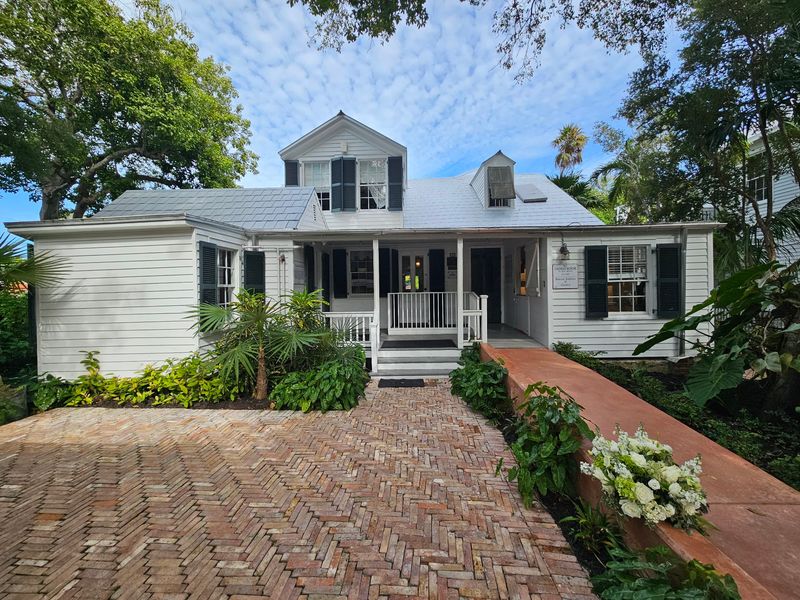
Old houses don’t stay standing by luck. The Oldest House Museum & Gardens Key West is maintained by the Old Island Restoration Foundation, a nonprofit focused on preserving island history.
Its work shows in the details. The house, detached kitchen, and garden are all well restored and carefully kept.
Running a museum like this takes steady support. The nonprofit relies on admissions, donations, and sales from its gift shop to keep the doors open.
That model makes your visit feel meaningful. Even a small purchase or entry fee helps protect a building that has lasted since 1829.
Restoration here doesn’t mean making things look shiny and new. It means keeping the home authentic, so the rooms still reflect the time period they represent.
A curator also helps guide the museum’s historical work. That kind of expertise keeps the stories accurate and the collection in good shape.
Florida loses old buildings to development all the time. Places like this prove that a little dedication can save a whole chapter of local history.
Rooms Full of Original Furnishings and Family Faces
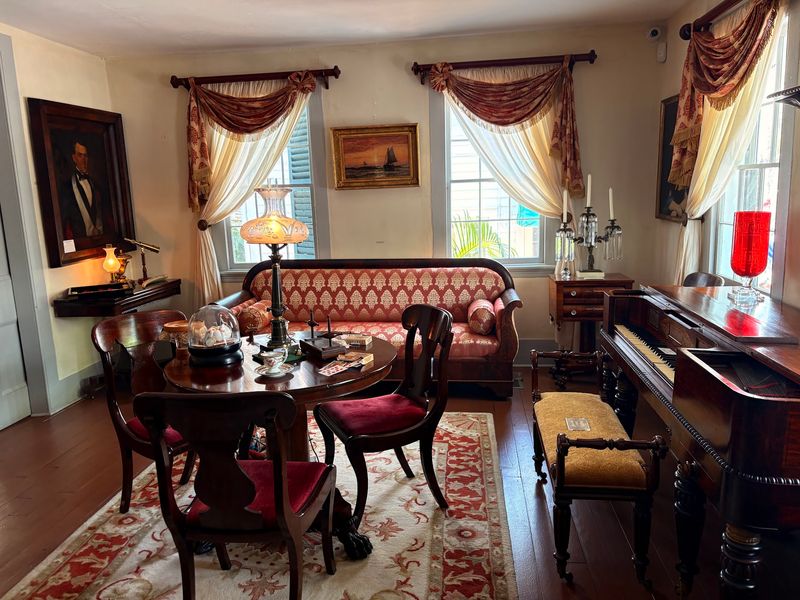
Original furnishings are the stars inside. Plenty of museums fill rooms with lookalike pieces, but this house shows off authentic items tied to its past.
Period antiques line the rooms in a way that feels lived-in rather than staged. The effect is less like a showroom and more like the family just stepped out.
Portraits play a big role in the atmosphere. Seeing the faces of the people connected to the home makes the history feel personal.
Vintage items appear throughout, and each one gives clues about daily routines. Furniture styles, decorations, and household objects quietly explain how life worked back then.
The house is small, which actually works in your favor. You can study every room closely without feeling rushed or overwhelmed.
Art lovers will find plenty to admire too. The mix of history and artwork rewards anyone who likes to linger.
Give each room a few extra moments. Small details tend to reveal the biggest surprises here.
The Captain’s Office Might Steal the Show
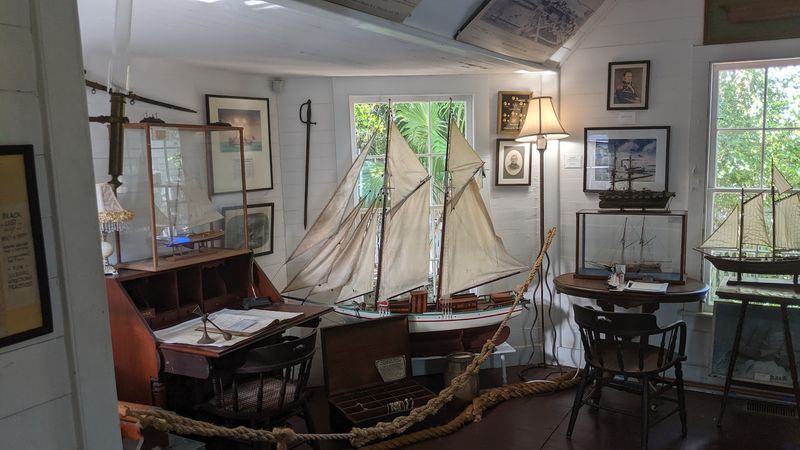
Some rooms are worth the trip all on their own. The captain’s office is one of them.
The study holds many authentic pieces from the period. It gives you a glimpse into where the captain handled business and planned his time at sea.
Offices tell you a lot about a person. Desks, papers, and personal items reveal habits in ways a living room never could.
Here, you get a real sense of maritime work in early Florida. Running ships and trade from an island outpost required organization, grit, and plenty of paperwork.
The space is compact, so take your time. Look closely at the furnishings and imagine the decisions made there nearly two hundred years ago.
It’s the kind of room that sparks questions. Luckily, the staff and docents are usually happy to answer them.
If you only remember one room afterward, there’s a good chance it’ll be this one. Pretty impressive for a single small study in a small house.
Quilts, Keepsakes, and One Surprise Piano
Handmade quilts bring warmth to the house in more ways than one. They’re among the interesting pieces displayed inside, and they add a homey, human touch.
Quilts carry stories in every stitch. They hint at the patience and skill of the people who made them, long before store-bought blankets were common.
Furniture pieces round out the collection. Each one offers a different angle on how families arranged their homes in early Key West.
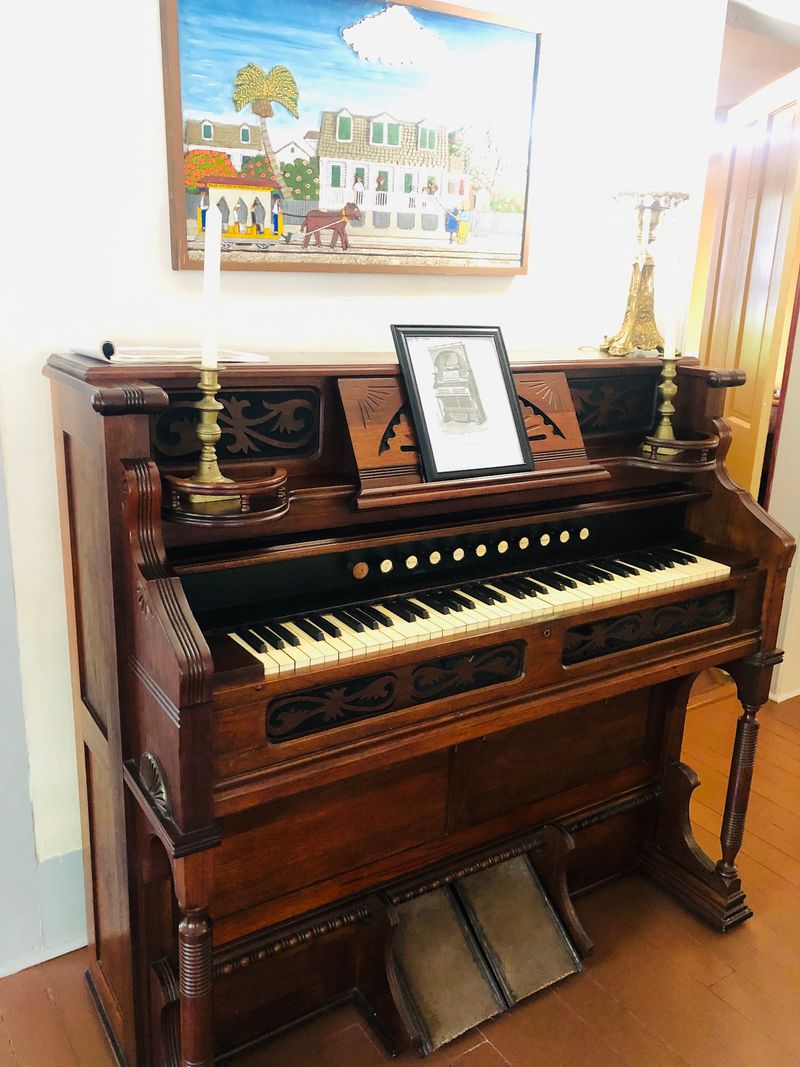
Then there’s the piano. It joined the house a few years ago, giving the rooms an extra dash of old-fashioned charm.
Music was a big part of home entertainment in earlier centuries. A piano in the parlor fits naturally into the scene the museum recreates.
The mix of textiles, wood, and keepsakes keeps the rooms visually interesting. Your eyes always have something new to land on.
Slow, curious visitors will get the most from these details. They’re easy to miss and delightful to discover.
Why the Kitchen Lived in Its Own Building
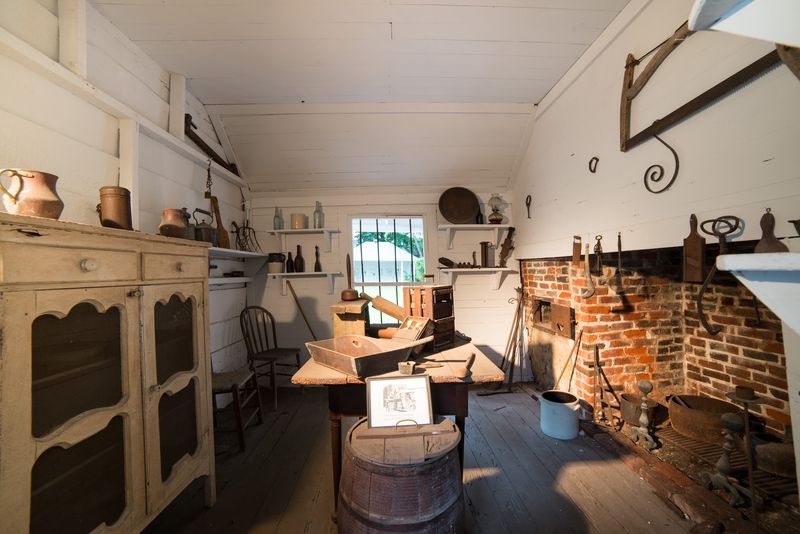
Cooking indoors in the tropics during the 1800s? Not a chance.
Homes of this era often used a separate cook house, and this property still has one. It kept heat and smoke away from the main living space.
The detached kitchen is authentic and feels like a snapshot in time. It’s one of the most talked-about features of the whole property.
Standing near it, you realize how much work went into every meal. Fires, heavy pots, and hot weather made cooking a serious daily effort.
The cook house has been carefully restored along with the main home. It helps tell the full story of household life, not just the fancy parlor parts.
Kids especially tend to find this building fascinating. Comparing it with a modern kitchen makes for a great conversation on the walk home.
Don’t skip it on your way to the garden. It’s small, but it might be the most eye-opening stop on the property.
An Outhouse With a Change of Address
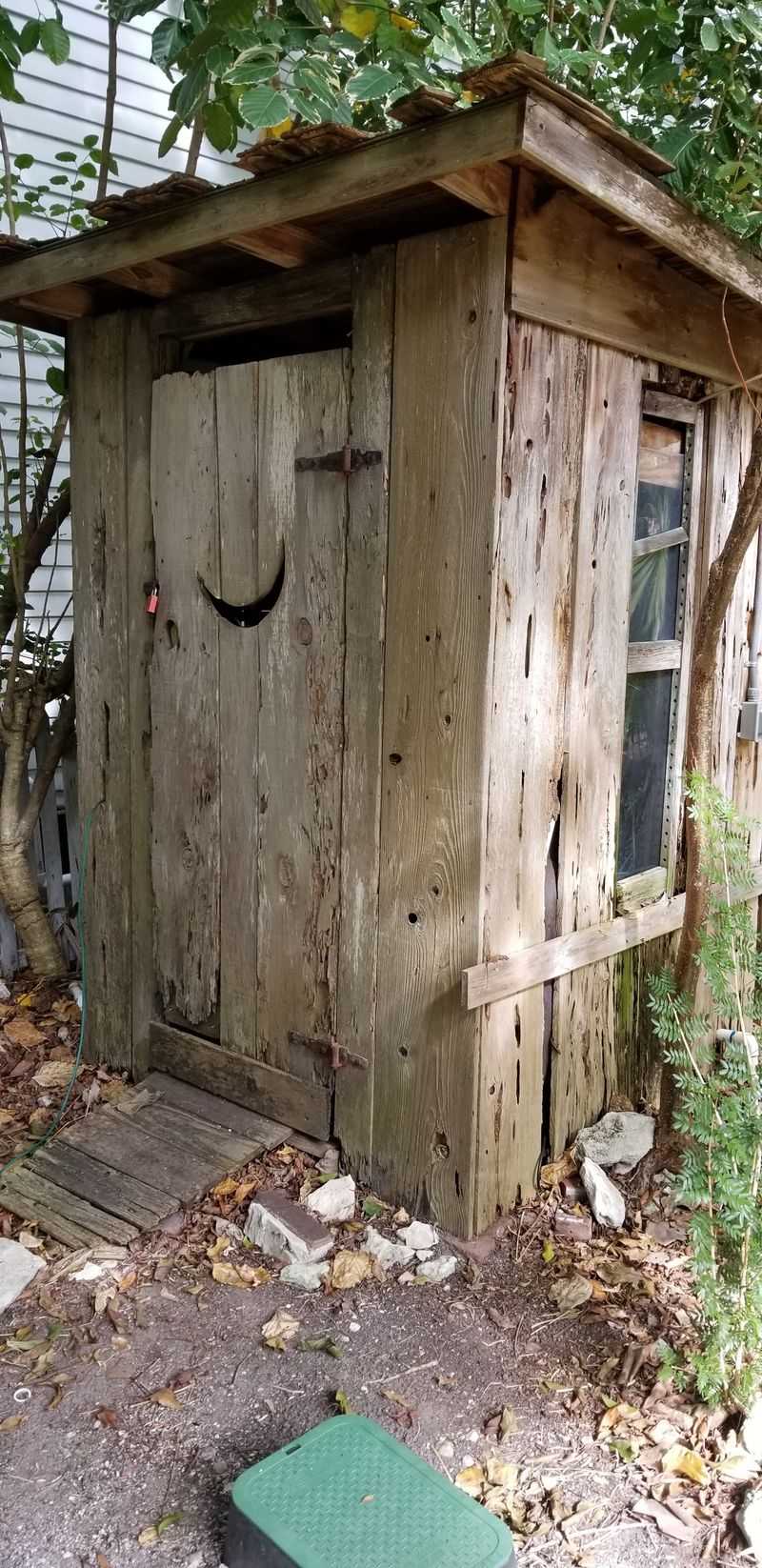
Few historic outhouses get a second career. This one did.
The original outhouse once stood near the street. It was later relocated to the garden area, where it now serves as a quirky piece of history.
It’s a funny little reminder that indoor plumbing is a modern luxury. Early island families handled life’s basics very differently from us.
Seeing it in person adds a dose of reality to the visit. History isn’t only portraits and fine furniture, after all.
The move also shows how preservationists think creatively. Instead of losing the structure, they found a fitting new spot for it.
Kids will probably giggle, and honestly, adults might too. That’s part of the charm.
It takes only a moment to check out. Still, it’s the sort of detail people remember and mention long after they leave.
Consider it a bonus fun fact for your next trivia night. Not many folks can say they’ve seen a well-traveled outhouse.
Shady Benches and a Garden Built for Breathing Room
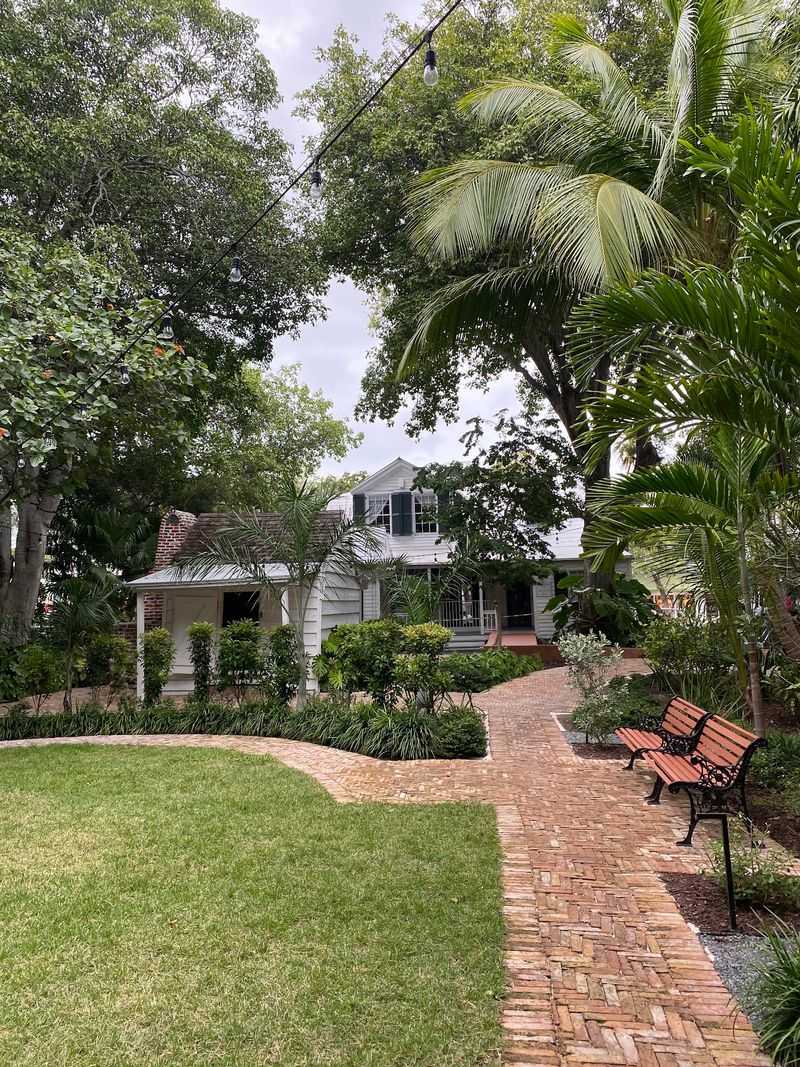
Duval Street can feel loud by midday. The garden here feels like someone hit the mute button.
Shade, greenery, and several benches make it an easy place to sit and rest. It’s cool, quiet, and well maintained.
The garden has been restored alongside the house and cook house. Together, they show how a full homestead once fit on this lot.
Many visitors make the garden a highlight of their trip. Its calm setting is a welcome contrast to the bustle just steps away.
In past years, the visit ran on a donation jar, and the garden doubled as a free spot to unwind. Today there’s a small admission, but the peaceful payoff remains.
Bring your camera, or just bring your patience. Both get rewarded here.
Sitting a while lets you soak in the setting without hurry. It’s one of the rare quiet corners in the heart of Key West.
Don’t rush back to the street. The garden is where the visit truly exhales.
Docents Who Turn Old Rooms Into Great Stories
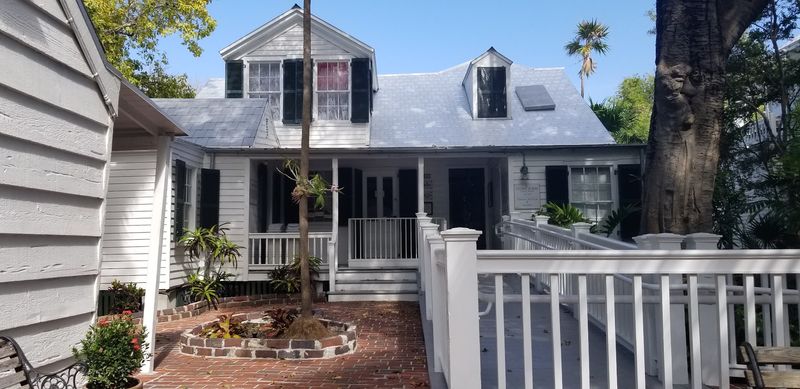
A good storyteller can make a small house feel enormous. That’s exactly what happens here.
Friendly docents and staff share the history of the home and its people. Their stories add context that turns furniture into a living timeline.
Tours can be self-guided, so you can wander at your own pace. Still, it pays to chat with the staff before and after you explore.
They’re known for answering questions with patience and real enthusiasm. Many clearly love Key West history and enjoy passing it along.
The introduction often covers the sea captain and his era. It sets the stage so every room makes more sense once you step inside.
Helpful staff also keep the visit relaxed and welcoming. There’s no stiff, museum-hush feeling here.
Got a strange question about life in 1829? Ask it.
Chances are someone has a fun answer ready. These conversations often become the most memorable part of the stop.
A Gift Shop Stocked With Local Artist Treasures
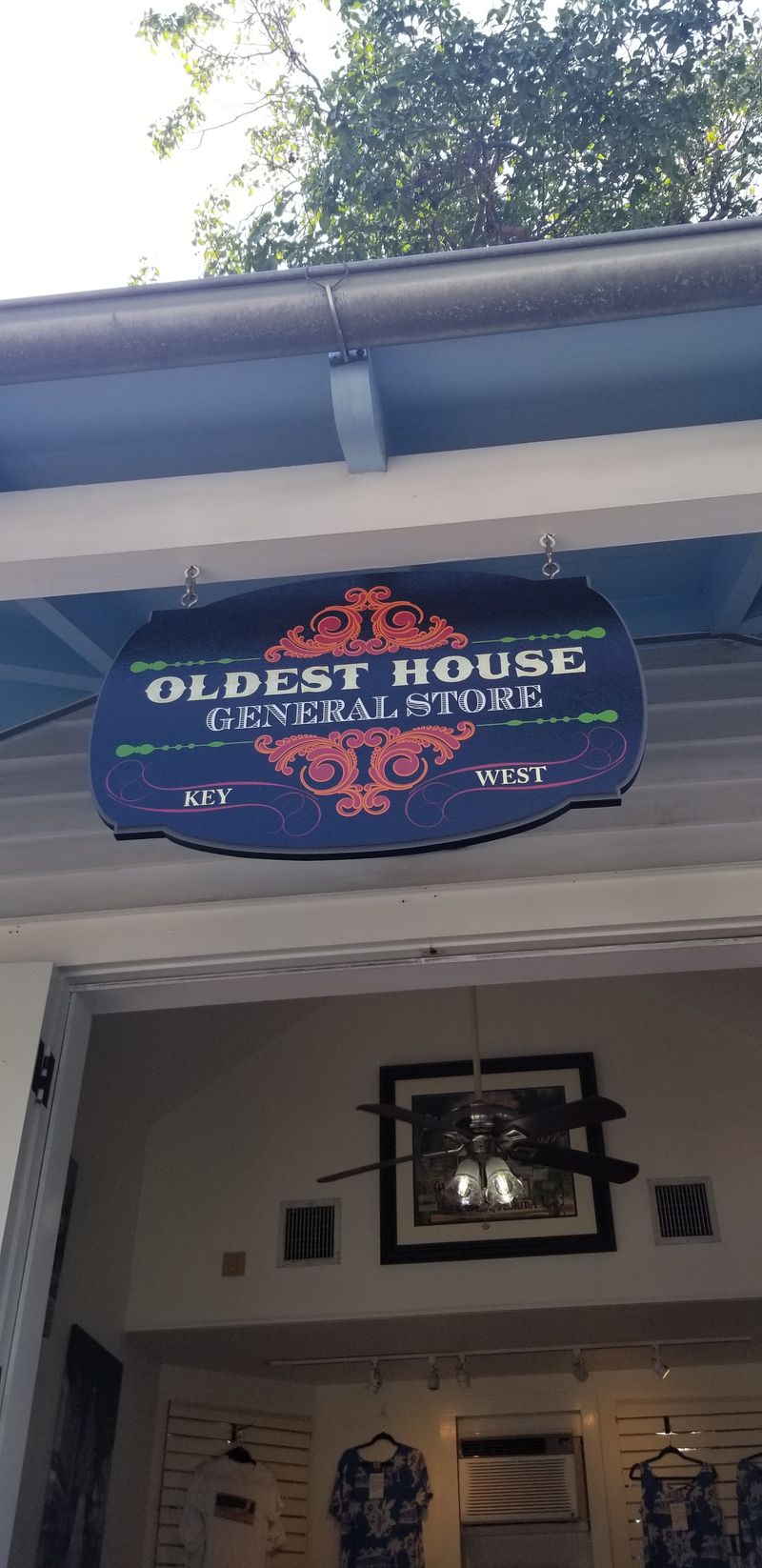
Souvenir shopping on Duval often means T-shirts and magnets. The museum’s gift shop offers something more thoughtful.
It carries treasures from local artists. That makes it a great place to find a gift with genuine island character.
Shopping here does double duty. Gift shop sales help fund the nonprofit that keeps the house standing.
So your new piece of art supports preservation too. That’s a souvenir with a feel-good backstory.
The shop sits alongside the visitor center next to the house. It’s easy to browse before or after your tour.
Items range in style, so different tastes should find something appealing. Art lovers especially may want to budget a few extra minutes.
Small museums depend on these little purchases. Every sale helps keep historic Florida properties open for the next curious traveler.
Leave a bit of room in your bag. You might walk out with more than memories.
Hours, Admission, and Smart Planning Tips
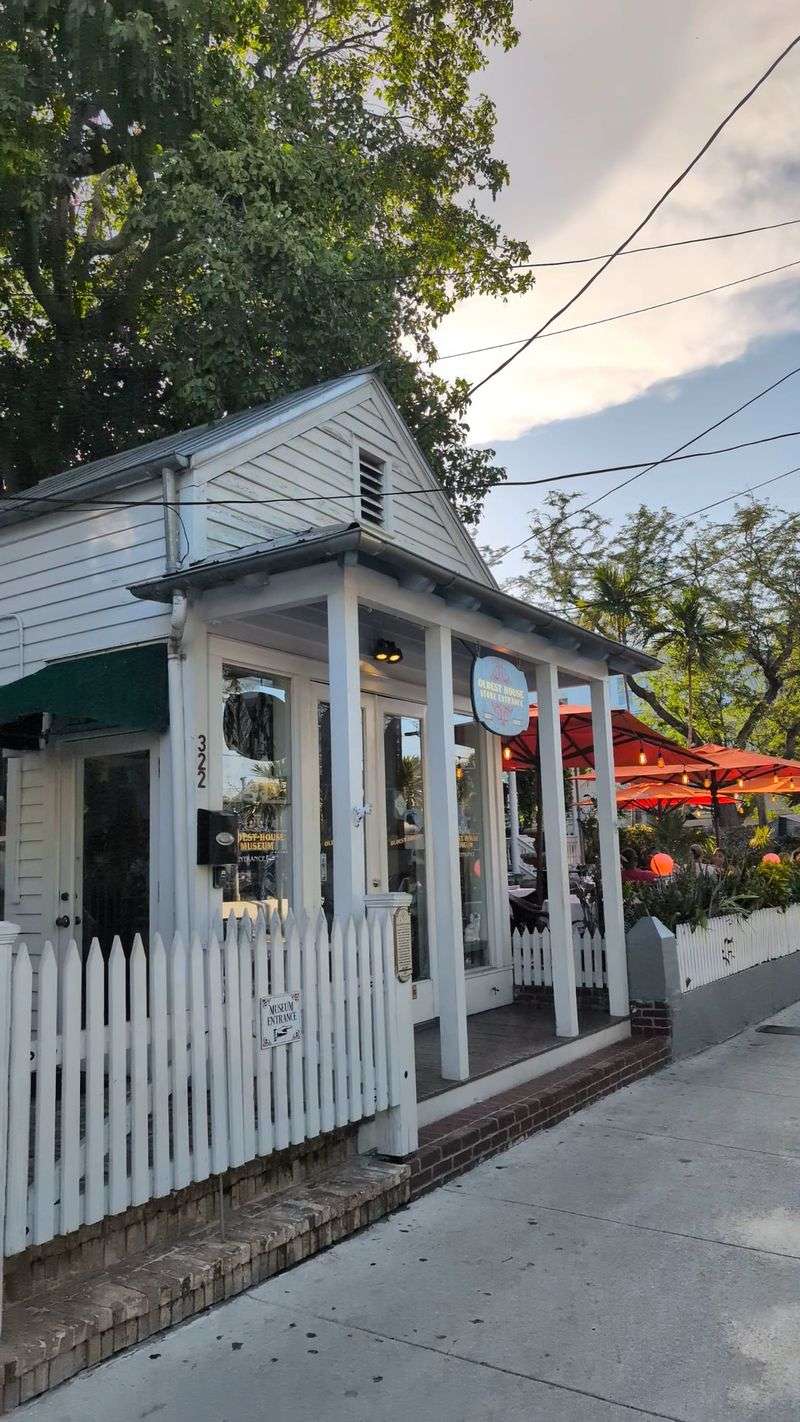
Good news for flexible travelers: the museum opens every day. Hours run from 10 AM to 4 PM, Monday through Sunday.
You’ll find it at 322 Duval St, Key West, FL 33040. It sits right in Old Town, so it pairs easily with a walk along the street.
Admission is a small fee per person these days. The house once ran on donations, so longtime visitors may notice the change.
The house is small, and the second floor isn’t open for viewing. Plan on a short, relaxed visit rather than an all-day outing.
Air conditioning inside is a welcome treat on hot Florida afternoons. The garden adds shady seating once you head outdoors.
Self-guided touring lets you set the pace. Staff remain nearby to answer questions or share extra history.
Arriving earlier in the day leaves time for both house and garden. Then you can wander back into Duval’s buzz feeling refreshed.
It’s an easy addition to almost any Key West itinerary.
Worth the Detour for Curious Wanderers
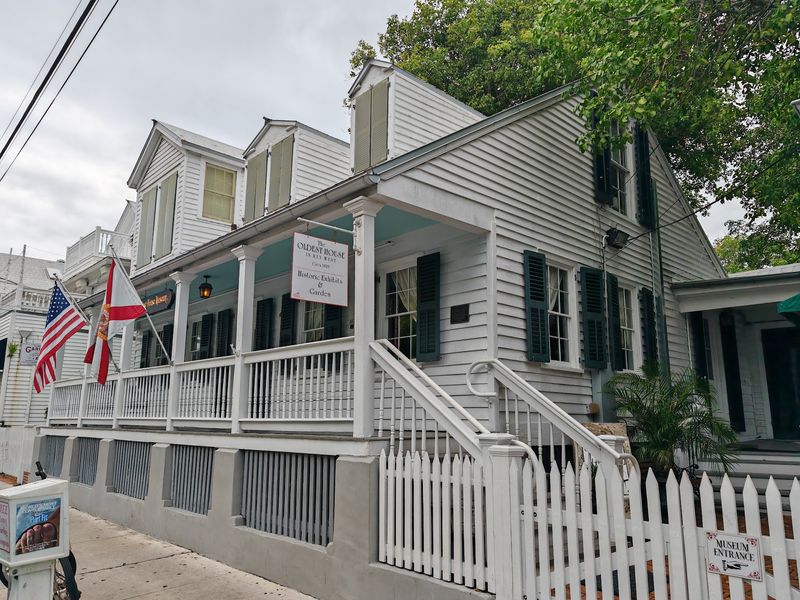
Small doesn’t mean minor. The Oldest House Museum & Gardens Key West proves that a modest home can hold big history.
You get a sea captain’s story, original furnishings, and a captain’s office worth lingering in. Add the cook house and relocated outhouse, and the property feels full of surprises.
The garden seals the deal. It offers rare calm on one of Florida’s busiest streets.
History fans will appreciate the authenticity and restoration work. Families will like the short visit and the hands-on feel of seeing old household life.
Travelers who prefer long, sprawling museums might want more. The closed second floor keeps the experience brief.
Still, the friendly staff and great stories stretch the value. So does knowing your visit supports a nonprofit protecting island heritage.
Next time you’re strolling Duval, look for the old wooden house. It’s been waiting since 1829.
Step through the gate and give it an hour. You’ll leave knowing Key West a little better.
Share this story