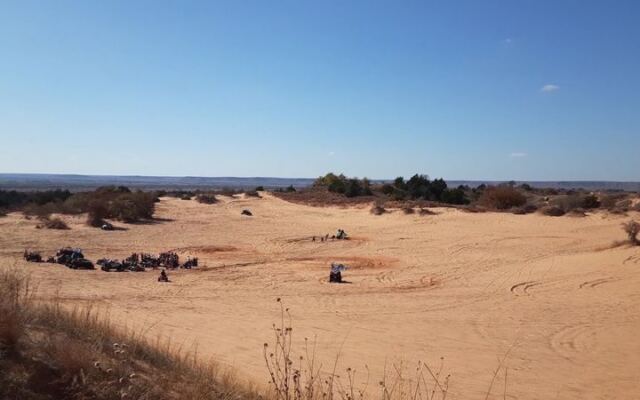
You expect wheat fields and wide skies on a drive across northwest Oklahoma, not a beach with no ocean in sight. Then the grass gives way to soft, pale sand piled into real dunes, and suddenly the whole trip feels like a secret you stumbled into.
It is one of the rarest landscapes on the Great Plains, and it turns an ordinary weekend into a full-throttle adventure. If you love quirky places that surprise you, this one belongs at the top of your list.
A Desert Hiding in Northwest Oklahoma
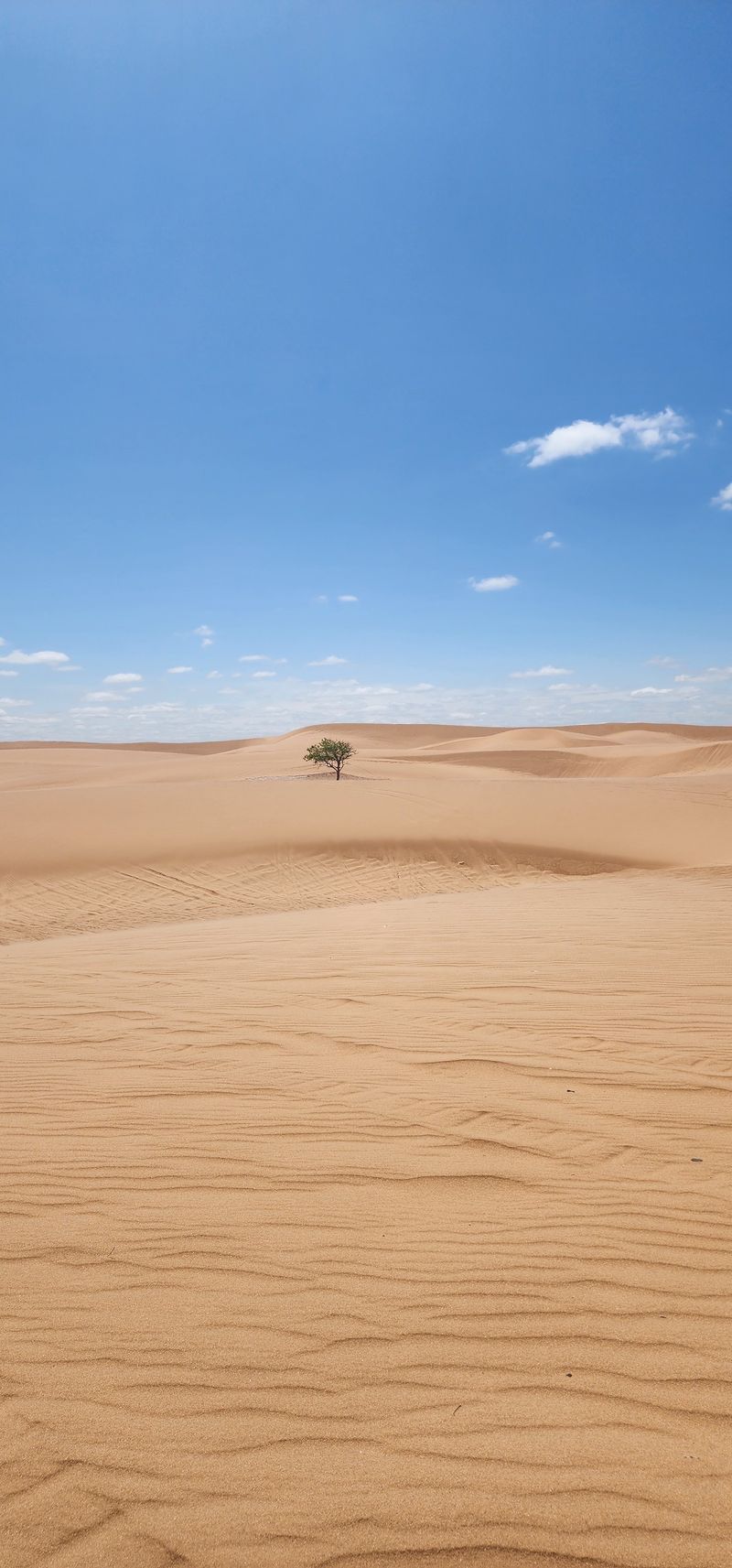
Picture rolling prairie, a small town, and then a sea of sand that looks borrowed from another continent. Little Sahara State Park sits at 101 Main St in Waynoka, in the northwest corner of Oklahoma, and it covers roughly 1,600 acres of recreational dunes and campground space.
Visitors often describe it as one of only two or three places in the state with true sand dunes. On the Great Plains, that kind of terrain is genuinely rare, which explains the double takes from first-timers.
Many admit they never expected to find anything like it in Oklahoma.
The park is built around motorized fun. Dune buggies, side by sides, four wheelers, and dirt bikes are the main way people experience the sand, and the campgrounds give riders a home base for the weekend.
Think of it less as a quiet nature preserve and more as a giant outdoor playground. One rider summed it up as one of the best adult sandboxes in the state, and that description fits.
Families, couples, and groups of friends all roll in looking for the same thing: a chance to throttle up and play.
So yes, the desert is real, and it is waiting just off the highway.
How a State Park Changed the Dunes
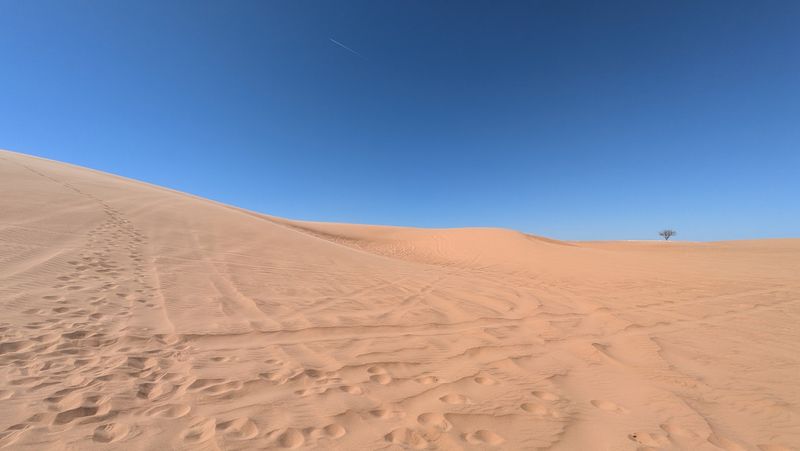
Longtime visitors remember a looser era. According to some who have been coming for years, people used to wander the sand freely, walking or riding wherever they pleased.
Things shifted once the area became a state park. Today there are more rules, and regulars note that the change brought restrictions along with real improvements.
The most obvious upgrade is the campground, which one returning guest praised as large, clean, and terrifically maintained by the state.
Rules now cover who can go onto the sand and how. Walking out on the dunes is generally not allowed, since so many vehicles are zipping around that it becomes a safety hazard.
Riders buy wristbands, fly safety flags, and follow posted guidelines.
Some nostalgia lingers for the old freewheeling days, and that is understandable. Still, the trade-off has produced clean restrooms, showers, electrical hookups, and staff on hand to help.
Rangers get good marks from guests, who describe them as useful and informative. If you have questions about conditions or permits, the ranger office is a friendly first stop.
The story here is a familiar one for popular outdoor spots. As crowds grew, structure followed, and the dunes became safer and easier to enjoy for newcomers and veterans alike.
Wide Open Sand and Tight Brushy Trails
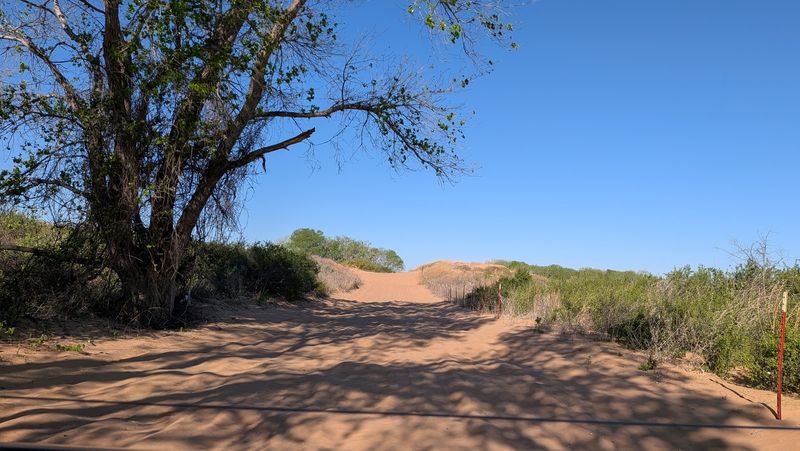
Ride for five minutes and you will notice the variety. The park offers a little bit of everything, from sweeping open dunes to narrow sandy trails that wind through brush.
Big bowls and tall ridges draw the side by side crowd, and plenty of visitors say the dunes were larger and more impressive than they imagined. One group in a Bronco warned others to be careful for exactly that reason.
These hills are not gentle speed bumps.
Technical trails add another layer for riders who like a challenge. Dirt bikers mention that some side trails in the brush can be tricky to handle on two wheels, so skill and patience pay off there.
Conditions shift as wind moves the sand, and experienced riders stress staying alert to changing dune faces. A spot that felt smooth yesterday might have a sharp drop today.
One fan described riding here as being in a completely different world, calling it throttle therapy. That feeling seems to hook people of every skill level, whether they arrive with a dirt bike, a four wheeler, or a full size side by side.
Courtesy matters too. Regulars encourage riders to watch out for others, keep a safe distance, and ride responsibly so everyone gets home grinning.
Rentals and Guided Rides Outside the Gates
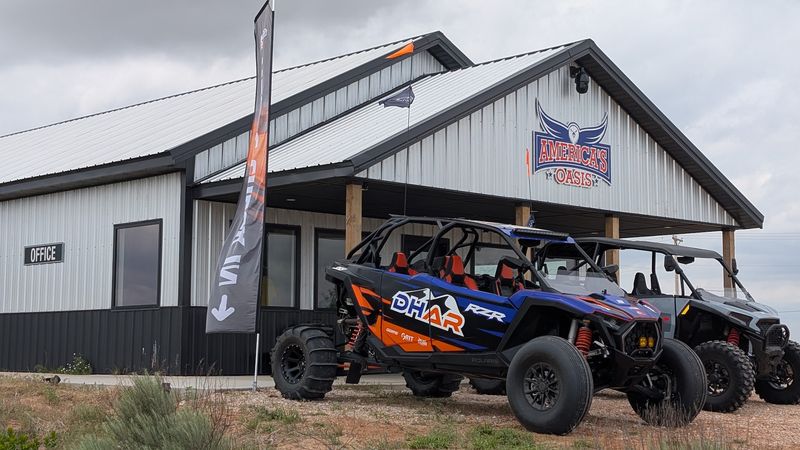
No off-road machine at home? No problem.
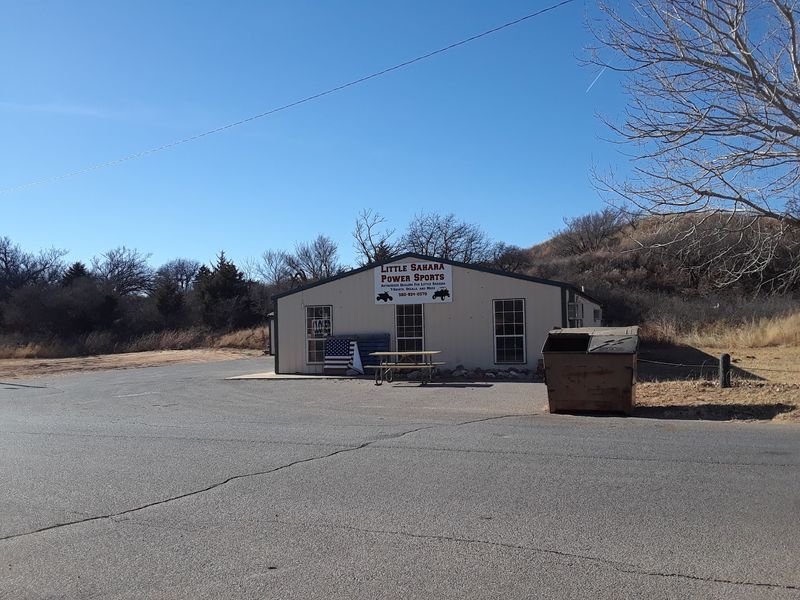
Rental businesses sit right outside the park gates and in town, ready to put newcomers behind the wheel.
Many visitors say renting is basically the way to experience the dunes. Regular vehicles are permitted, but even a 4×4 truck has a good chance of getting stuck in the soft sand.
A purpose-built buggy or side by side makes life much easier.
Plenty of reviews glow about rented off-road vehicles, with riders calling their time amazing and the dunes more impressive than expected. Rentals do cost real money, and one guest playfully flagged them with dollar signs, so budget accordingly.
Guided outings are another option. A recent visitor took a ride right before sunset and raved about both the views and a friendly guide.
For anyone nervous about driving solo on big dunes, having an experienced leader can turn jitters into fun.
Local sandsports shops also stock flags, parts, and accessories. Riders praise the friendly staff and the range of gear for a dune weekend.
A smart plan is to reserve your rental ahead of a busy holiday weekend. Then you can roll straight from the shop to the sand without wasting daylight.
Flags, Wristbands, and Tire Pressure Tricks
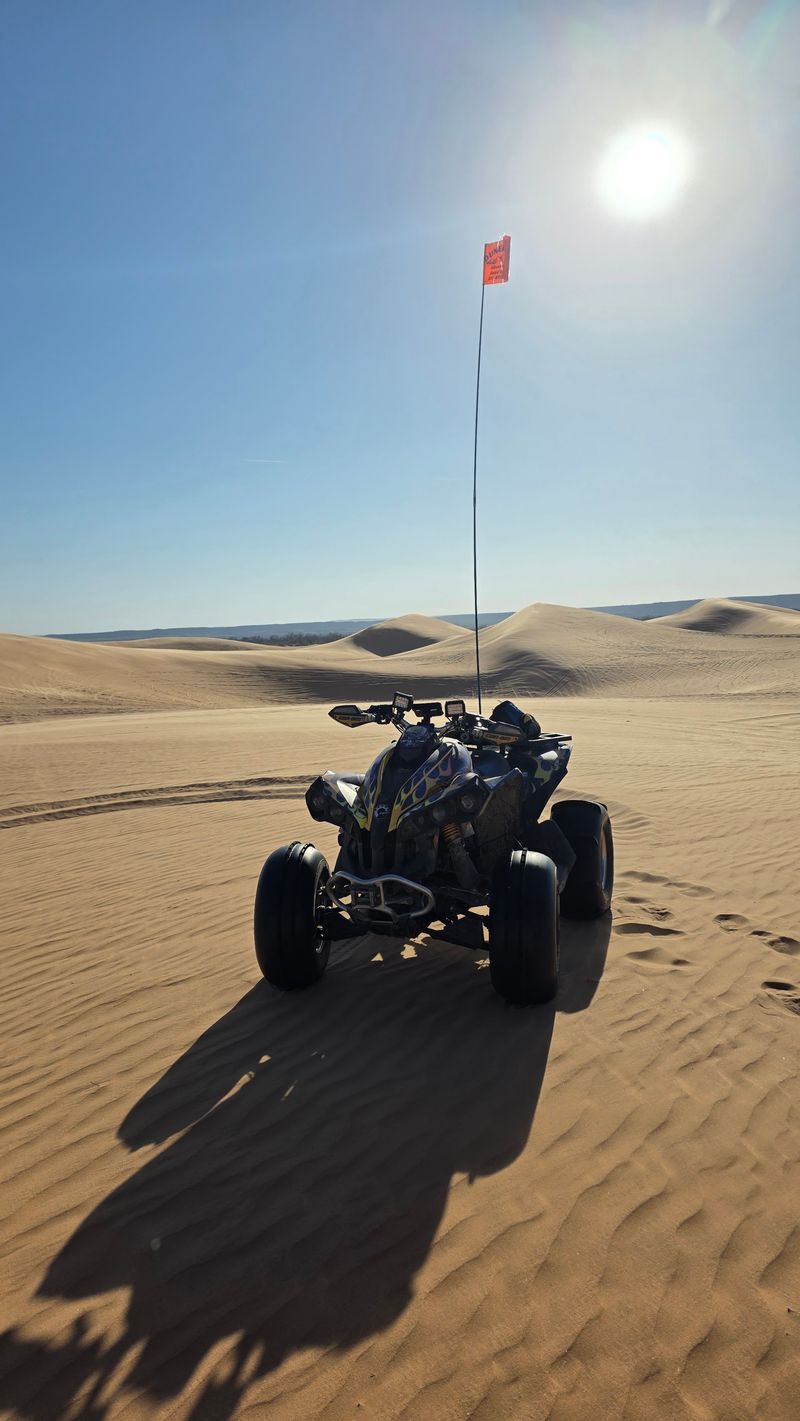
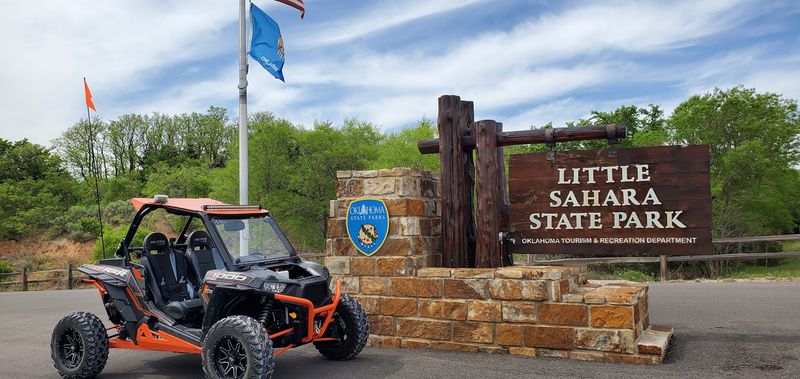
Here is the one piece of gear you cannot skip: a long flagpole topped with a solid orange flag. Every machine heading onto the dunes needs one, so other riders can spot you over the crest of a hill.
Getting on the sand also requires a wristband. You can grab yours at a card kiosk by the ranger office, or buy it at the guard shack as you enter the riding area.
Visitors report the dune entry fee runs about $15 per person.
Then comes the trick that saves countless first days. One family got stuck within thirty seconds of their first ride, laughing about it later.
Some helpful kids told them to let air out of their tires, and after lowering the pressure they cruised just fine.
Soft sand loves to swallow fully inflated tires. Airing down spreads the footprint and helps vehicles float over the surface instead of digging in.
A first-time rider shared that her trip felt stressful at moments, yet she ended up proud of how well she handled the dunes. Preparation helps that confidence grow.
Bring the flag, buy the band, check your tires, and the sand becomes a lot friendlier.
Night Riding Under Plains Stars
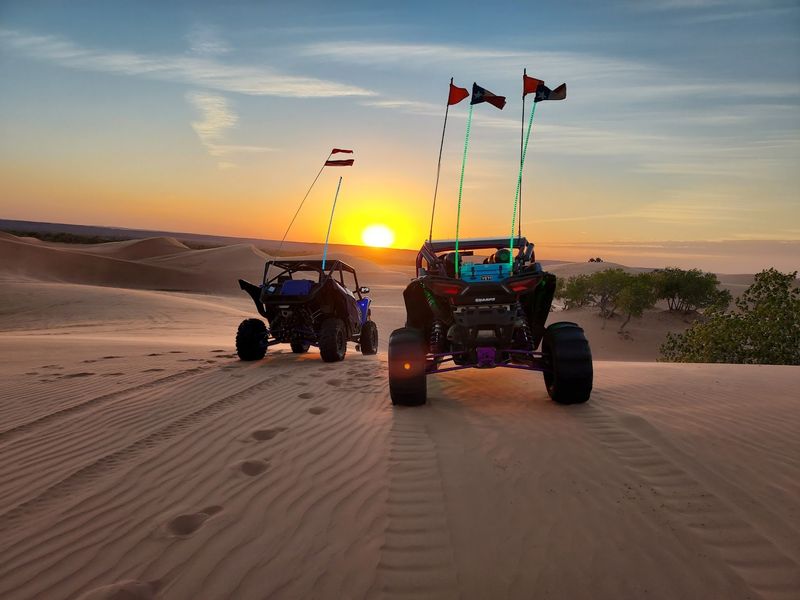
Most parks send everyone home at dark. Little Sahara keeps going, because the riding area is open 24 hours a day, seven days a week, and night riding is allowed.
That opens up a whole new mood. As the sun drops, the sand turns warm shades of gold and pink, and one recent visitor said the views right before sunset were absolutely beautiful.
Staying out past dusk lets you catch that glow and then keep exploring by headlight.
Darkness does change the game, though. Dune faces are harder to read, and drop-offs can sneak up quickly.
Riders who go out at night should know the terrain, keep flags visible, and move at a careful pace.
Round-the-clock access also helps campers fit riding around meals, naps, and campfires. You can squeeze in an early morning run while the air is cool, then head back for breakfast.
For travelers coming from across Oklahoma, that flexibility means arrival time matters less. Pull in late Friday, set up camp, and the dunes are ready whenever you are.
There is something special about a quiet plains sky above rippling sand. It makes the whole place feel even more like a far-off desert.
Campgrounds With Names Like Buttercup and Cowboy Camp
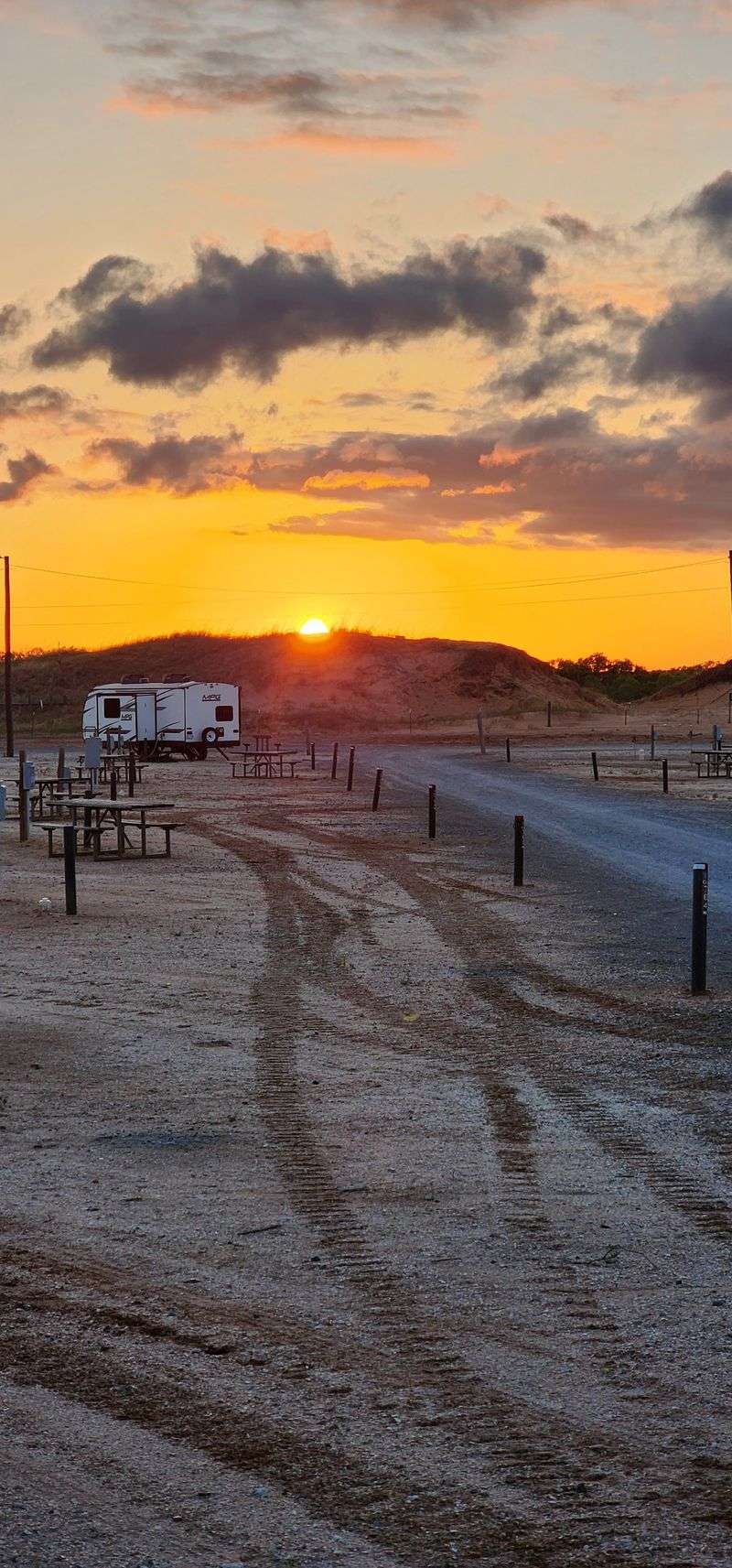
Camping is the heartbeat of a dune weekend, and the park has plenty of sites for tents and RVs. Reservations can be made online, which is a lifesaver during busy stretches.
Buttercup campground earns warm words from guests. Sites there are pull-through with electric and water, plus a fire ring, picnic table, and charcoal grill.
A restroom building sits within walking distance and was cleaned daily during one family’s stay.
Cowboy Camp offers another flavor. One group found their site nicely level, though it lacked sewer at the spot itself.
Fortunately, the park has a dump station for RVs.
Full hookup sites were reported at about $35 a day, and 30 and 50 amp electrical service is available. Wheelchair accessible campsites are also part of the mix.
Opinions on atmosphere vary. One visitor felt the tent and RV areas seemed cramped and short on shade, while others called the campground terrific, serene, and well kept.
Your favorite loop may depend on what you value most.
Either way, waking up a short ride from the sand is the real perk. Coffee, a quick check of the tires, and you are rolling.
Hot Showers and Tidy Restrooms
After a day of sand in your hair, ears, and pockets, a warm shower feels like luxury. Thankfully, the park delivers better facilities than many riders expect.
Guests repeatedly mention clean, stocked restrooms and well kept grounds. One camper laughed that they were roughing it for four days, except for the bathrooms, showers, and electricity.
That pretty much captures the vibe: rugged fun with comfortable backup.
A fun detail from one review: showers were coin operated, costing 50 cents for three minutes or $1.25 for seven and a half minutes. The shower rooms were heated and clean, which impressed that family on a chilly visit.
Those prices came from an older stay, so bring some change and expect possible updates.
Garbage dumpsters are on site, making cleanup simple. Picnic areas are scattered around for lunch breaks between rides.
Accessibility also gets attention, with showers and toilets available alongside wheelchair accessible campsites. That makes the park more welcoming for a wider range of travelers.
Little touches like these matter on a long weekend. Riders can focus on the dunes knowing a clean place to freshen up is never far away.
The Observation Deck, Honestly Rated
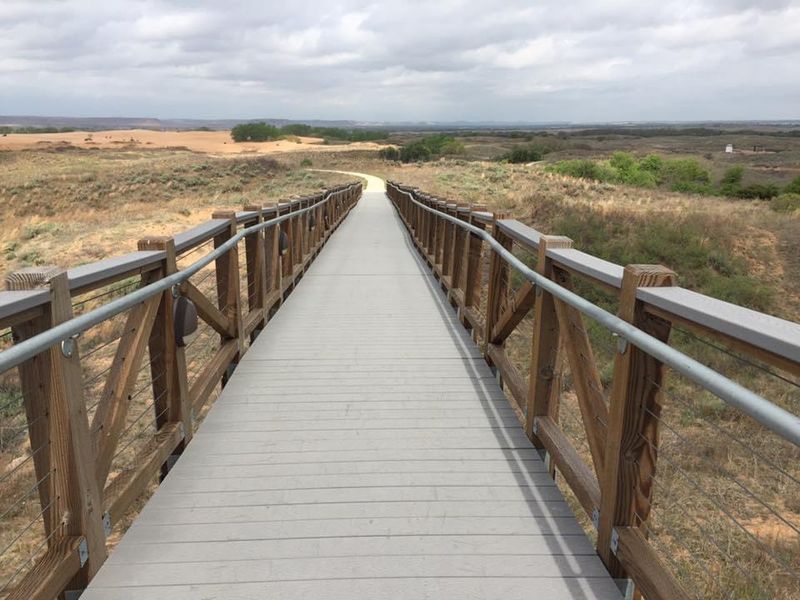
Hoping to admire the dunes without riding? Set your expectations carefully.
The park has an observation deck, and it is a nicely built platform, but visitors say it does not show much sand.
Several guests noted you can barely see the dunes from the top. One joked that you can spot them if you squint.
Another said the mounted binoculars were packed with sand and not working during their visit.
The short sidewalk trail leading up can also be covered in stickers, those prickly burrs that cling to socks and paws. Dog owners may want to think twice before walking a pet up there.
There is a bright side. One visitor appreciated the native plants growing along the sidewalk, a small reminder of the prairie surrounding the sand.
Hikers should know the park is mostly built for vehicles. Some guests wished there were more viewing spots for people not renting a buggy, and walking onto the dunes is generally off limits for safety.
So treat the deck as a quick leg stretch, not the main event. The real views live out on the sand, behind the wheel or on a guided ride.
Who Feels Right at Home Here
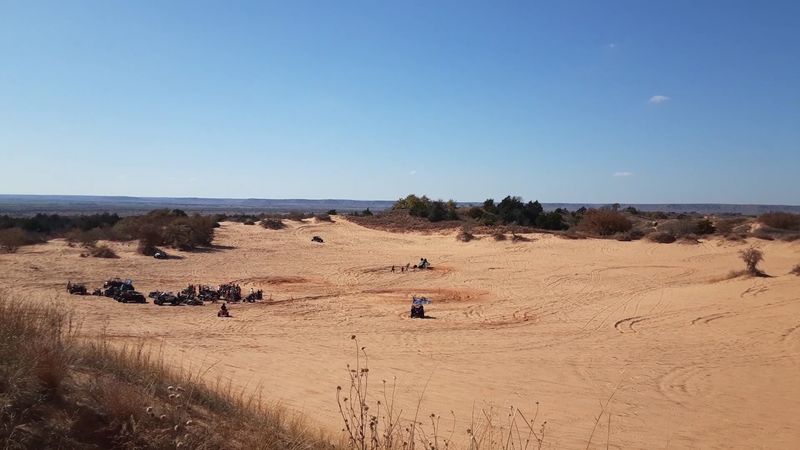
Off-road fans will feel like they hit the jackpot. If you own a dirt bike, four wheeler, Jeep, or side by side, regulars say you simply have to check this place out.
Families fit in nicely too. Riders describe it as a ton of fun for the whole family and suitable for any skill level.
First-timers who arrived nervous often leave proud and eager for another round.
The social scene gets plenty of praise. Visitors call fellow campers friendly and respectful, and stories of strangers helping stuck riders pop up often.
That neighborly spirit makes a crowded weekend feel more like a big gathering.
Not everyone will love it, though. People seeking hiking trails, quiet strolls, or barefoot sand play may feel let down, since walking access is limited and the park caters to machines.
Crowds swing with the calendar. Spring break and Memorial Day weekends get jam packed, though guests still found them manageable and even energizing.
Anglers get a small bonus, with one guest mentioning good fishing during their stay. Mostly, though, this is a place for people who smile when engines rev and sand flies.
Supplies, Fuel, and Trails Into Town
Pack like you mean it. Visitors warn that food and shopping options near the park are limited, so bring what you need or plan a drive to a nearby town for supplies.
Fuel is worth planning too. One rider found only two spots selling premium gas, with a 30 cent price difference between them.
Filling up before heading out can save a few dollars and some stress.
Here is a quirky perk: some riders say you can follow trails all the way from the state park into town to restock. Few places let you cruise your off-road machine straight to the store.
Waynoka itself offers more to do if you need a break from the sand, according to guests. The town also has businesses renting gear and machines.
Lodging is another consideration. Hotels are scarce in the area, so most visitors bring a motorhome, trailer, or tent and stay at the park.
A simple checklist helps: groceries, water, fuel, flags, a tire gauge, and sunscreen. With those covered, you can spend more time riding and less time hunting for what you forgot.
Hours, Fees, and Getting There
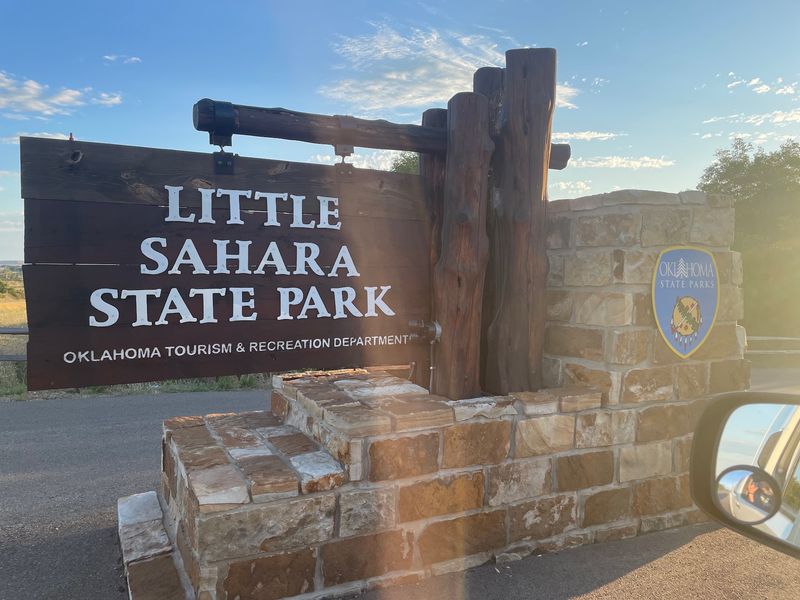
Good news for night owls and early birds: the park is open 24 hours, every day of the week. The riding area follows that same round-the-clock schedule.
Costs reported by visitors are straightforward. Dune access runs around $15 per person, and full hookup campsites were about $35 a day.
Coin showers, rentals, and gear are extra, so plan a little cushion in your budget.
You will find the park at 101 Main St, Waynoka, OK 73860, in the northwest part of the state. For questions about conditions or camping, call +1 580-824-1471, or check the listing on TravelOK for more details.
Campsite reservations can be made online, which is wise for holidays and spring break. Wristbands are sold at the ranger office kiosk or at the guard shack by the dunes entrance.
Remember the essentials before arrival. Every machine needs a tall orange flag, and lowering tire pressure helps prevent getting stuck.
Want to stretch the trip? One visitor suggested pairing the dunes with Alabaster Caverns, about 30 minutes away, or the hot springs near Woodward.
Northwest Oklahoma rewards road-trippers who linger.
A Sandbox Worth the Drive
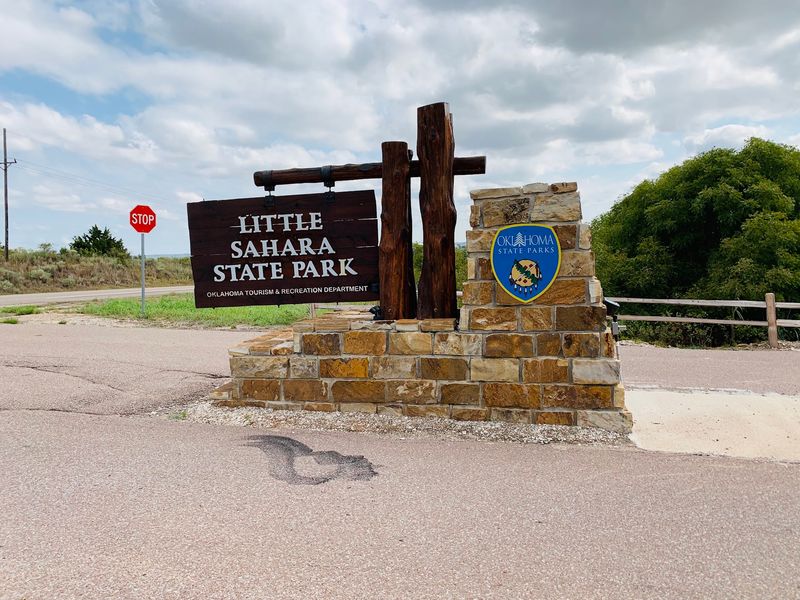
Some places look ordinary on a map and turn out unforgettable in person. Little Sahara is one of them, a slice of desert that seems to have wandered onto the Oklahoma plains by mistake.
Riders love the wide open dunes, the technical trails, and the freedom to play around the clock. Campers appreciate clean facilities and friendly neighbors.
Many call it a hidden treasure and promise to return.
It is not perfect for everyone. Walkers and sightseers may wish for more viewing spots, and the observation deck leaves people wanting more.
Rentals can also add up fast.
Still, the core experience shines. Climbing a sandy ridge with an orange flag snapping overhead, then watching the sun sink across rippling dunes, is hard to match anywhere in the region.
For the best visit, rent or bring a capable machine, air down your tires, reserve a site, and stock up before you arrive. Then let the sand do the rest.
If you have ever wanted to brag that you rode the dunes without leaving Oklahoma, this is your chance. Pack the cooler, grab your helmet, and point the truck toward Waynoka.
Share this story