I walked in expecting a quick look at some old photos and maybe a dusty display case or two. Instead, I found an airplane hanging over my head, neon lights glowing around a corner, and an elevator that seemed to carry me straight into the past.
This spot in Oklahoma turned out to be the kind of place you keep talking about on the drive home. If you have ever wanted to feel the story of the Sooner State instead of just reading about it, keep going.
A Smithsonian Affiliate Just Down the Street From the Capitol
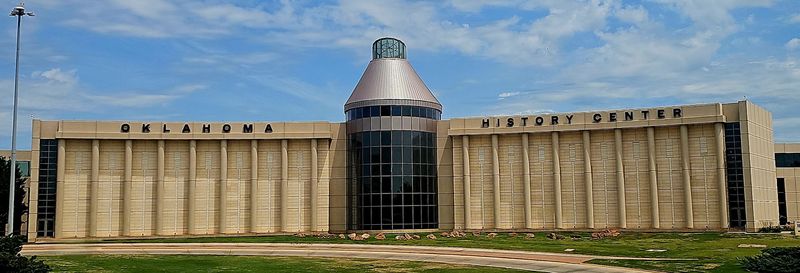
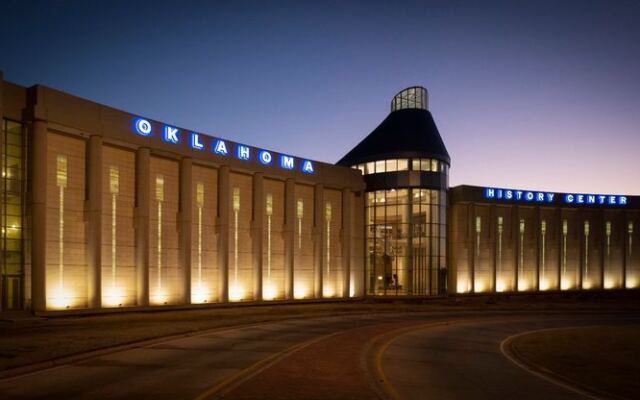
Picture a museum so close to the Oklahoma State Capitol that visitors can spot the dome while wandering the exhibits. That is exactly where you will find the Oklahoma History Center, sitting at 800 Nazih Zuhdi Drive in Oklahoma City.
The building itself is striking, and guests often mention how beautiful it looks before they even step inside.
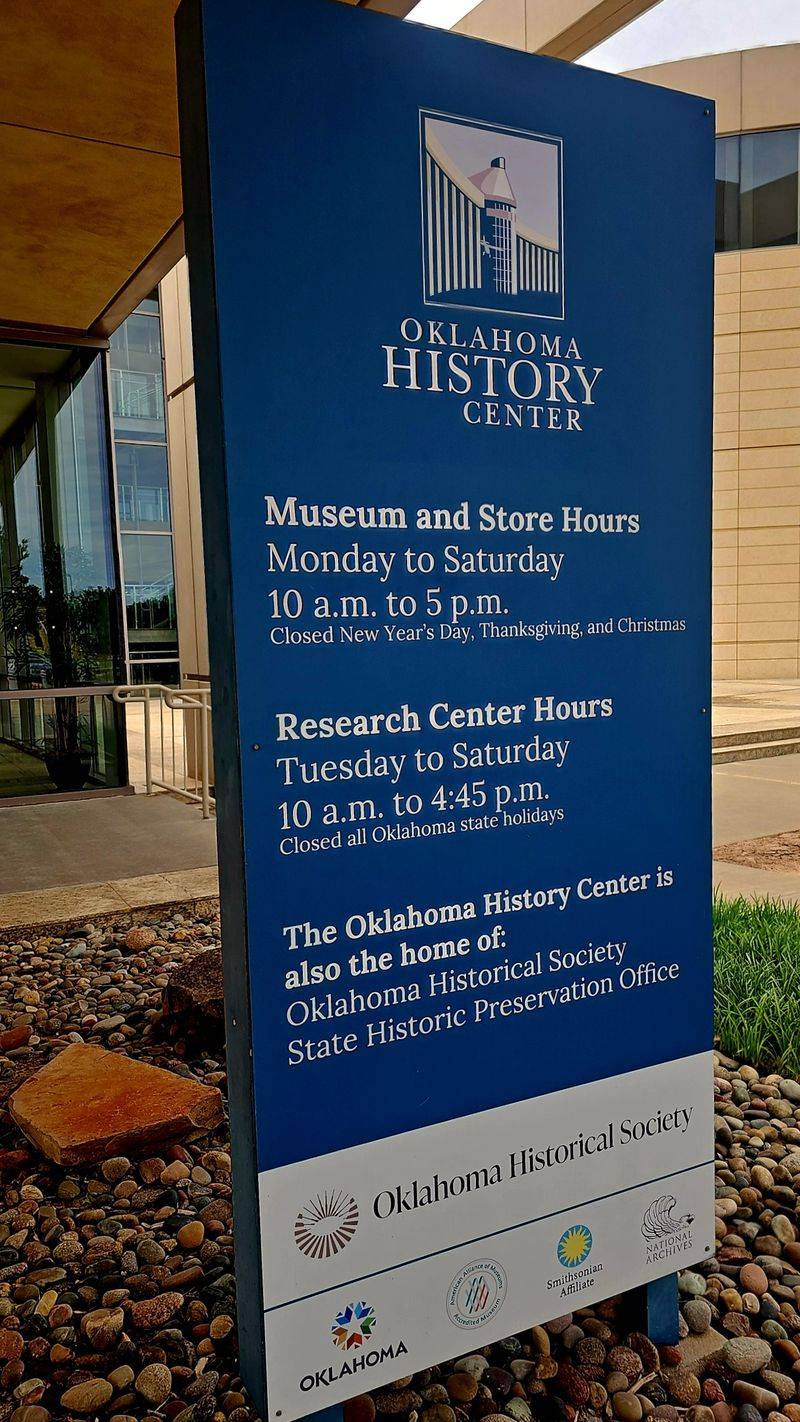
Big credentials come with the place too. The museum is a Smithsonian Affiliate, works alongside the National Archives, and holds accreditation from the American Alliance of Museums.
Those are serious badges for a state history museum, and they hint at the quality waiting behind the front doors.
Despite all that, plenty of first-time guests call it a hidden gem. Some travelers say it ranks among the best history museums they have seen in the central United States, and they are surprised more people do not talk about it.
That underrated feeling is part of the charm.
So what exactly is it? Think of it as the official storyteller for the whole state.
From Native American heritage to oil, business, music, and even space travel, the center gathers Oklahoma’s many chapters under one roof, then spills a few more out onto its grounds.
Eighteen Acres of Stories, Inside and Out
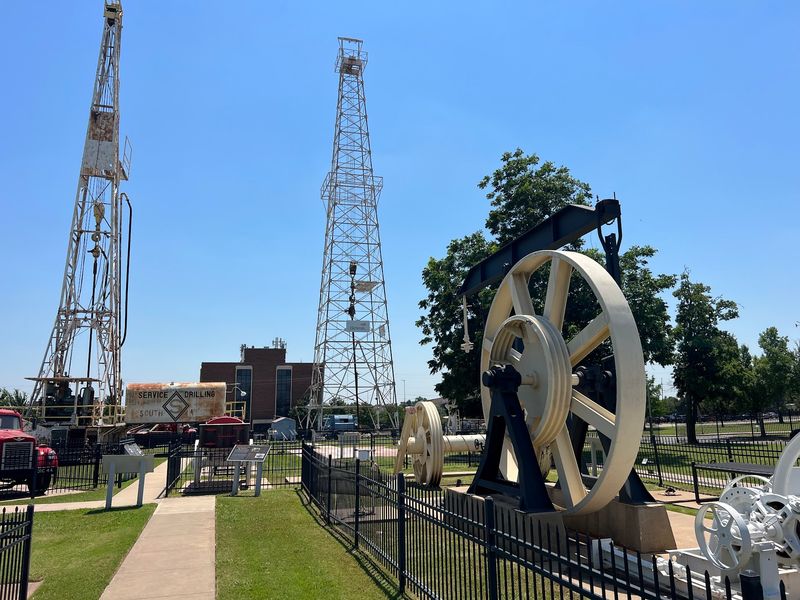
Most museums stop at the walls. The Oklahoma History Center keeps going, stretching across 18 acres that mix indoor galleries with outdoor exhibits and gardens.
It is a setup that rewards curious wanderers who like a little fresh air between history lessons.
Inside, the subjects jump around in the best way. One room might be about Native American nations, while the next turns toward oil booms, art, manufacturing, or music.
Visitors often say the variety surprised them, since they expected a narrow focus and found something much broader.
Outside, the story continues on the grounds. Sculptures, artifacts, and a walking trail give the campus a park-like feel, and the gardens add a calm contrast to the busy galleries.
Guests who visit on warm days mention that the building feels like a refreshing break, while the outdoor areas invite a slow stroll afterward.
The size matters for planning. Many people walk in thinking they will be done in half an hour, then realize the place deserves far more time.
Between the galleries upstairs and down plus the outdoor spaces, it is easy to lose track of the clock. Give yourself room to explore at your own pace.
An Airplane Overhead and an Elevator to the Past
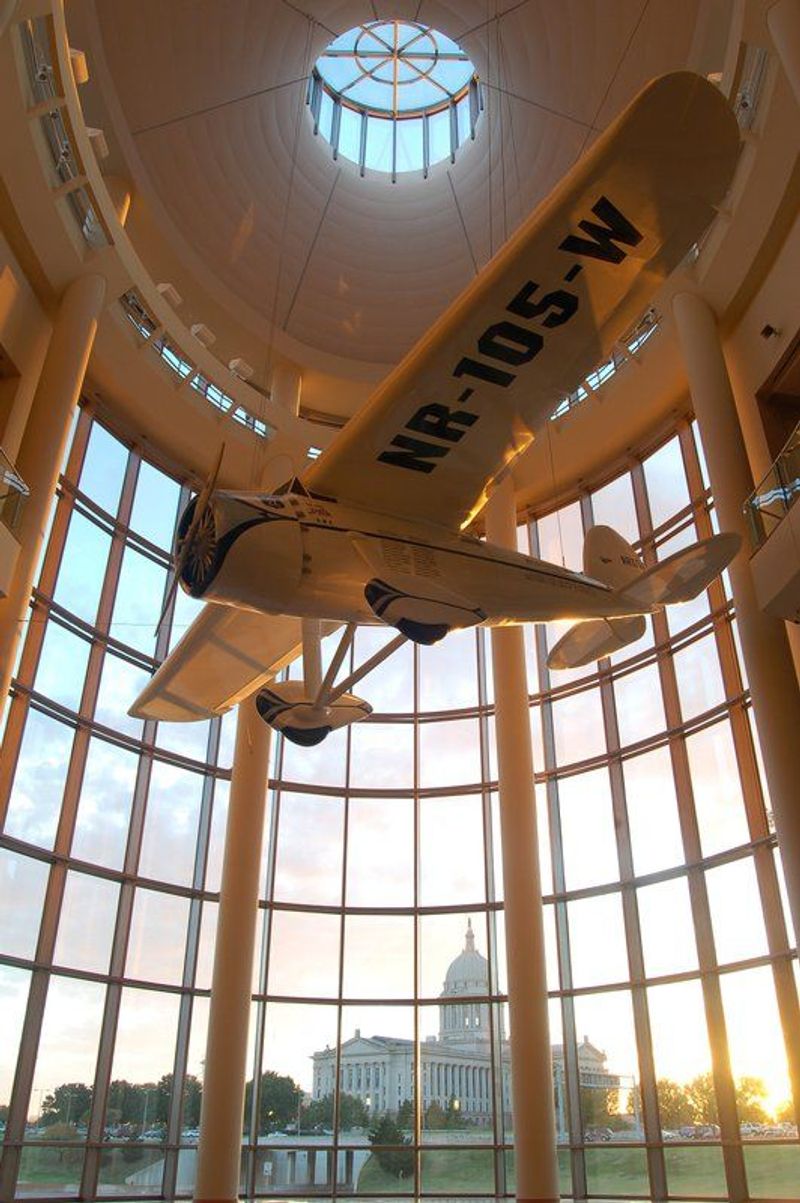
Look up the moment you enter. A vintage airplane hangs in the lobby, and it quickly becomes a favorite for many guests.
Some even say it was the highlight of their whole visit, especially with the Capitol framed in the windows behind it.
The front desk sits close by, where you buy tickets and get an admission sticker to wear. Staff here earn plenty of kind words, with visitors describing the check-in team as friendly and helpful.
It is a welcoming start that sets a relaxed tone.
Here is where the adventure gets fun. After exploring the first floor, most people return to the lobby and ride the elevator up to the second story.
That short trip feels a bit like time travel, since the upper level holds even more galleries that many guests never expected.
One visitor admitted thinking the museum looked small at first. Then the elevator doors opened, and a whole new set of exhibits appeared.
That moment of discovery is a big reason the place sticks in people’s memories.
Tip for first-timers: do not assume you have seen it all after the ground floor. The real surprises often wait just one ride up.
Four Galleries With No Rulebook
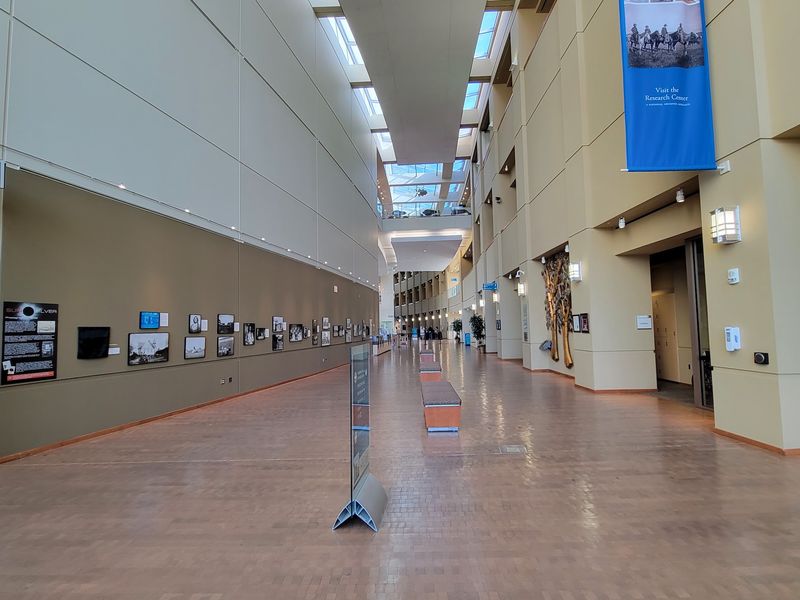
Freedom is built into the floor plan. The museum holds four main galleries, two on the first floor and two on the second, and there is no set order for seeing them.
You can wander however your curiosity leads.
That flexibility sparks a fun debate among visitors. One homeschooling parent said the very first gallery they entered was so exciting that, looking back, she would have saved it for last.
The upper galleries, she noted, feel quieter and more text-based, yet they are still packed with information worth your time.
Guests frequently praise how thoughtfully the exhibits are laid out. Rather than walls covered in tiny print, much of the storytelling leans on visuals and hands-on displays.
Travelers who usually zip through museums say this approach kept them engaged far longer than planned.
The themes cover a lot of ground. Expect halls on Native American tribes, military history, business and entrepreneurship, and culture, along with music and science.
If you have traveled around the state and heard of certain historical figures or landmarks, you will likely find their stories somewhere inside.
One heads-up: a gallery is occasionally closed for updates. Even then, guests say there is still plenty to enjoy.
Neon Lights and Little Flight Simulators
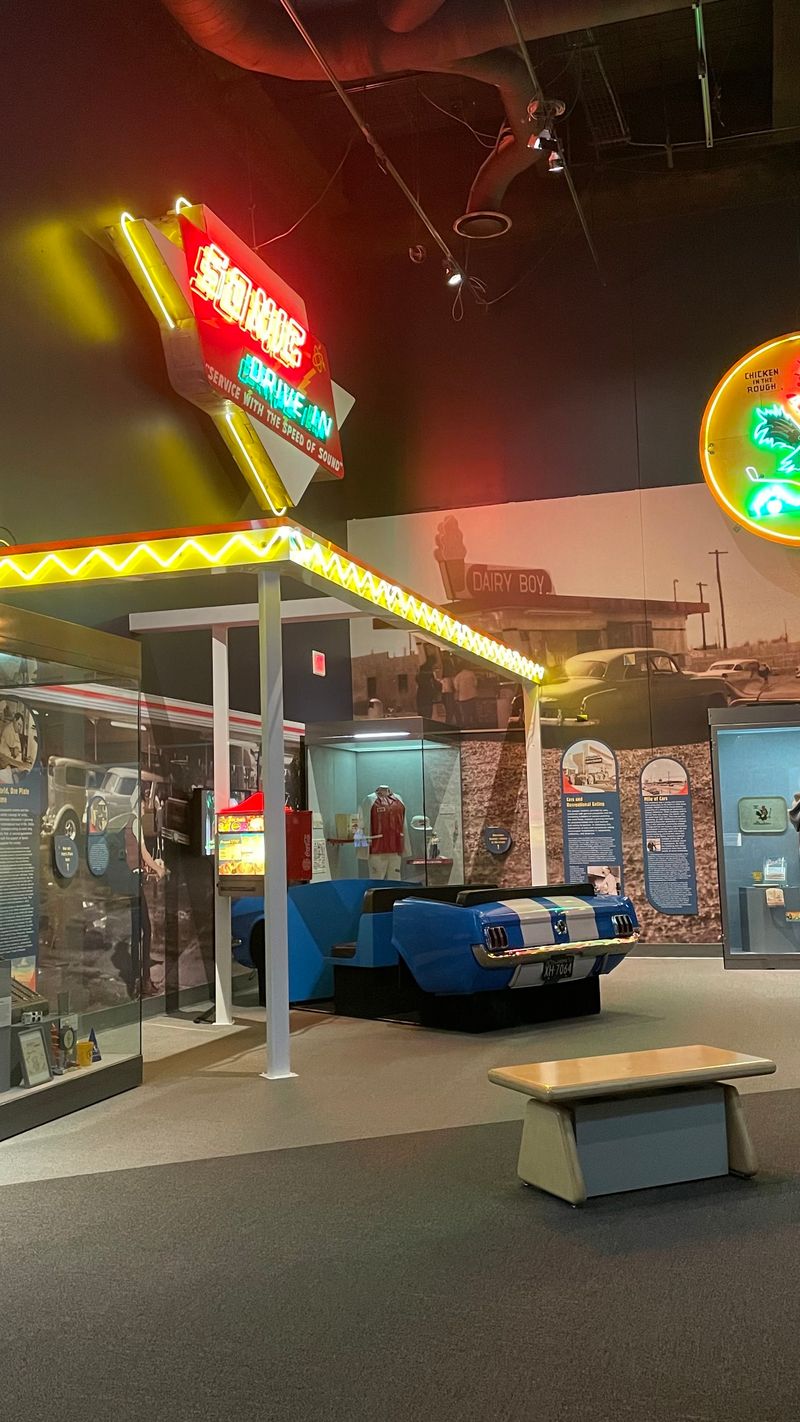
Glowing tubes of color light up one of the most talked-about spaces in the building. Visitors describe stunning neon lights that turn an exhibit into an immersive showcase, the kind of place that makes you slow down and grin.
It feels less like a museum hall and more like stepping onto a set.
Kids have their own favorite corner here. Small flight simulators let young visitors pretend to pilot an airplane and a helicopter, and parents say their children loved every minute.
It is a clever way to connect Oklahoma’s aviation story with something you can actually touch.
Hands-on fun shows up again and again in what guests share. Families praise the many interactive displays that bring lessons to life, and one parent noted that even a three-year-old made it through the whole visit happily.
Another visitor called it perfect for all ages.
Not every exhibit is built for tiny tots, and one traveler suggested very young children might not get as much out of it. Still, the mix of lights, buttons, and simulators gives most kids plenty to do while grown-ups read the details.
If you want an energetic start, many guests point here first.
Honoring the Native Nations of Oklahoma
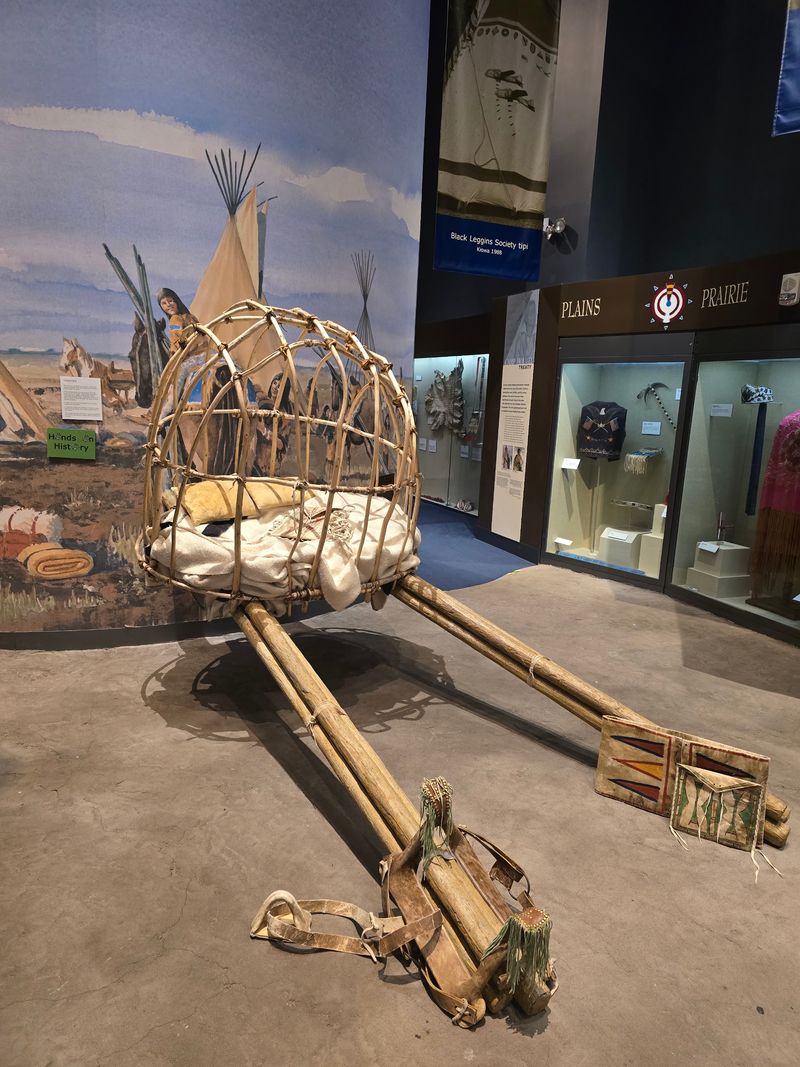
Oklahoma’s story cannot be told without its Native American nations, and the History Center gives them a gallery of their own. Visitors who appreciate thoughtful layouts often single out this hall as a meaningful part of the experience.
The exhibits explore the tribes that call Oklahoma home, presenting culture, artifacts, and history in a way that feels clear and organized. Guests describe the displays as well preserved and carefully explained, which helps the stories land with both adults and older kids.
Honesty runs through the museum’s approach. One visitor shared feeling both pride and sadness while touring, and another praised how the exhibits tell the complex story of Oklahoma rather than a simple one.
That balance gives the visit real weight.
For travelers from out of state, this gallery offers context that makes the rest of Oklahoma easier to understand. Place names, landmarks, and traditions you notice on road trips suddenly connect to deeper roots.
Locals say it deepens their appreciation for the communities around them.
Take your time here. Reading the panels slowly and studying the artifacts closely turns a quick walk-through into a lasting lesson about the people who shaped this land long before statehood.
Risk Takers, Burgers, and Breakfast Legends
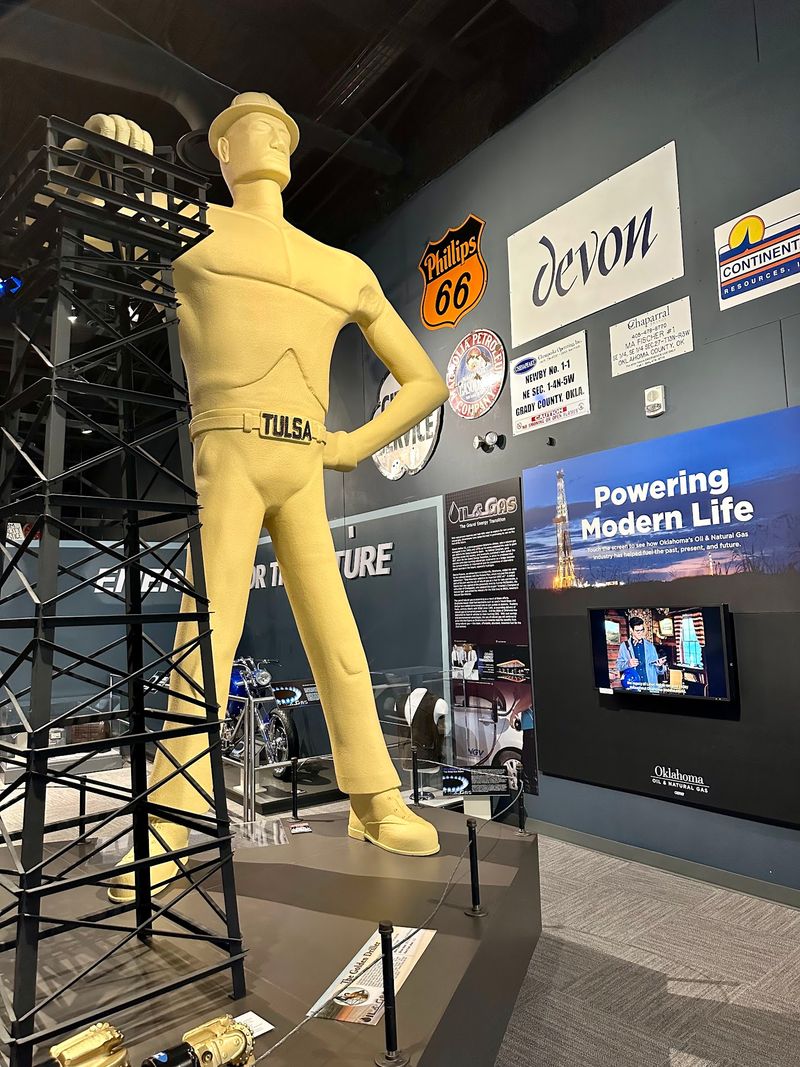
Ever wondered how a famous drive-in got its start? The business and entrepreneurship section answers questions like that, and visitors love spotting familiar names.
Exhibits connected to brands such as Sonic and Jimmy’s Egg get special mention from guests who grew up with them.
Known as the Inasmuch section, this area highlights the risk takers and inventors who shaped Oklahoma and its people. One traveler from outside the state called it a personal favorite, saying it showed how bold ideas changed everyday life across the region.
Oil plays a major role in the bigger picture, too. The museum covers the industry along with manufacturing and other businesses that built local economies.
Seeing everything side by side helps explain why so many towns grew the way they did.
There is something fun about learning history through the lens of brands you might pass on your next road trip. A drive-in sign or a diner menu suddenly carries a backstory, and that makes the next stop feel a little more special.
Families tend to enjoy this hall because it feels relatable. Kids recognize logos, adults recall memories, and everyone walks away with a few surprising facts to share later.
Oklahoma’s Reach Toward the Stars
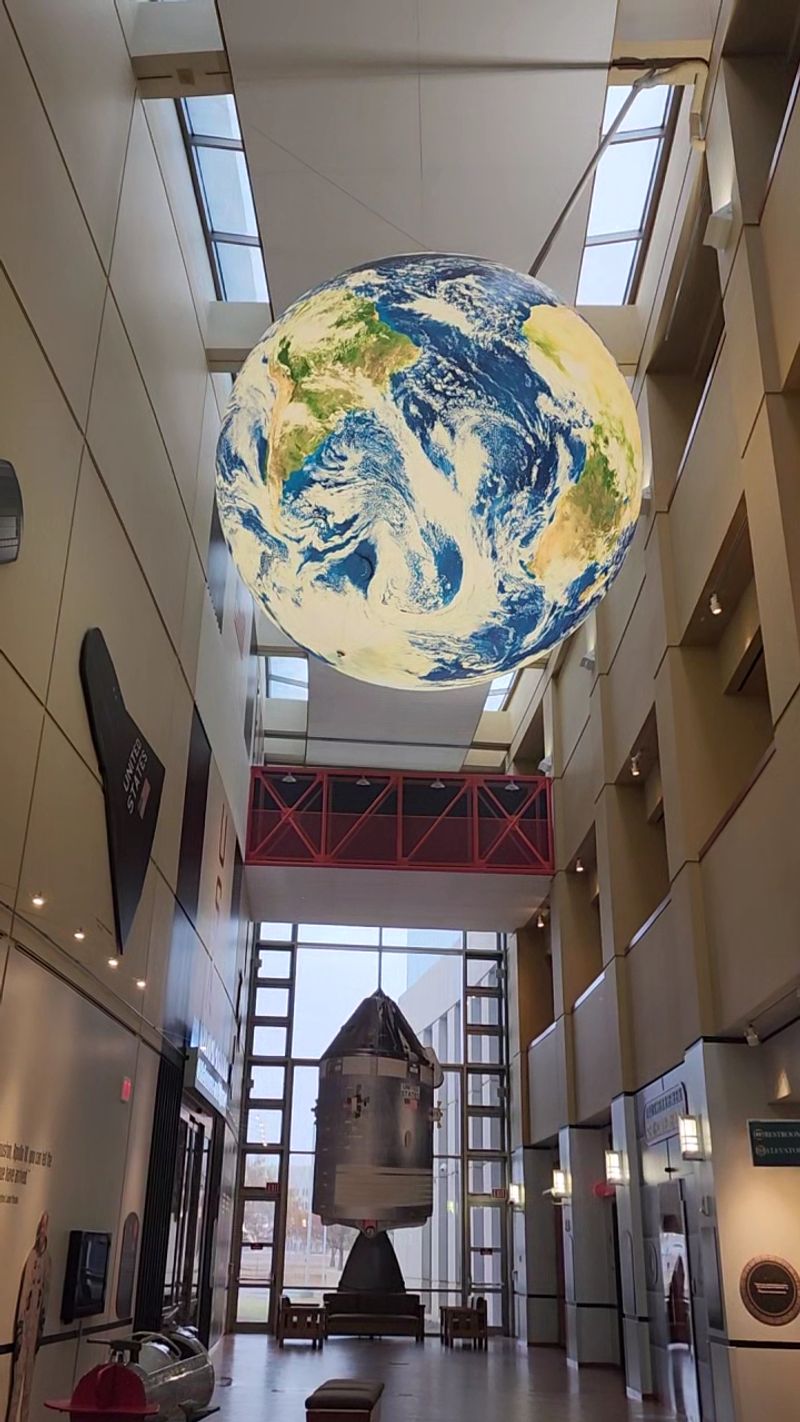
Few people expect a state history museum to send them into orbit. Yet space exploration ranks among the topics visitors bring up most often, and many leave amazed at how much Oklahoma contributed to the journey beyond Earth.
The exhibits connect the state to the wider story of flight and space travel. Combined with the airplane in the lobby and the simulators downstairs, the theme of reaching upward runs through much of the building.
It makes a fitting thread for a place that celebrates bold dreams.
Guests praise how clearly the information is organized. One longtime fan said the center teaches not only Oklahoma history but also culture, manufacturing, music, and space exploration, all explained in a way that is easy to follow.
Science-loving kids especially seem to light up here.
For road trippers, this section adds an unexpected twist to the usual prairie and frontier stories. You come for wagons and land runs, then find yourself reading about rockets and missions.
That kind of surprise is exactly what makes the visit memorable.
Budget a little extra time. Space fans often linger longer than planned, studying each display and connecting the dots between small towns and big achievements.
Pink Kitchens, Carriages, and Show Tunes
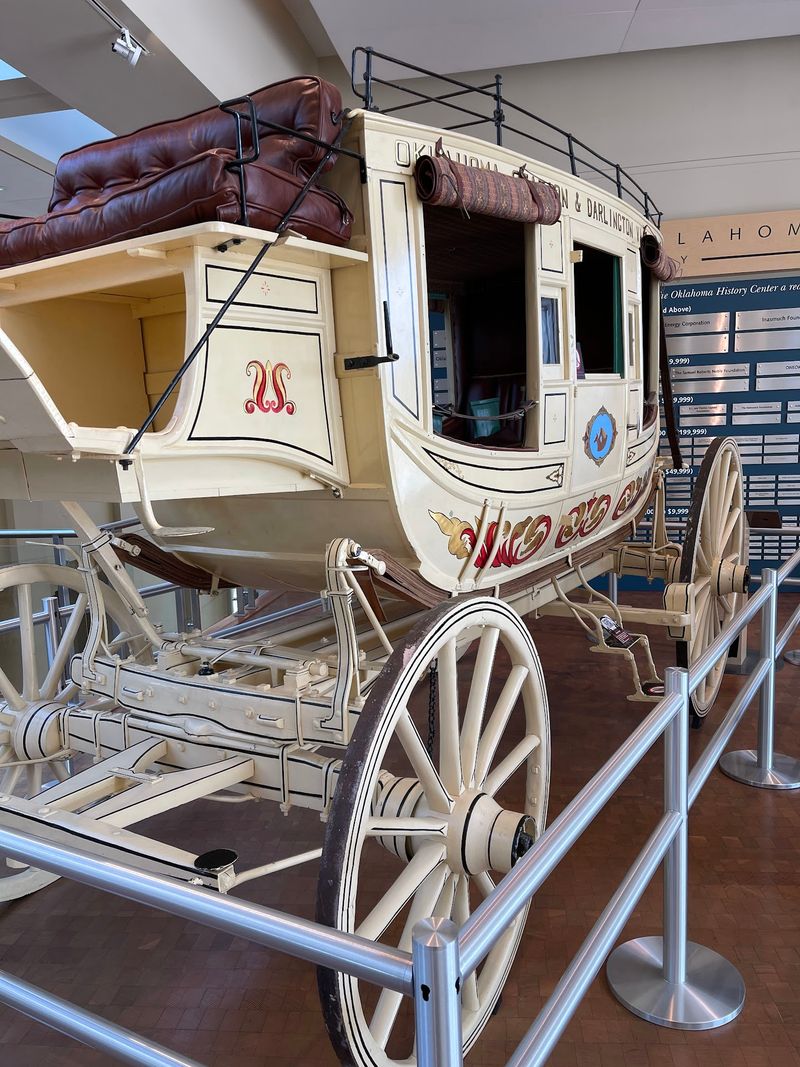
Some artifacts are big enough to park. Visitors are often stunned to find an old airplane, a horse-drawn carriage, and vintage cars displayed right inside the building.
Seeing them up close makes earlier eras feel real rather than distant.
Then comes the pink kitchen. Guests mention this cheerful, retro space with real affection, and it is easy to see why.
A room like that sparks instant nostalgia for grandparents and pure curiosity for kids who have never seen anything quite so colorful.
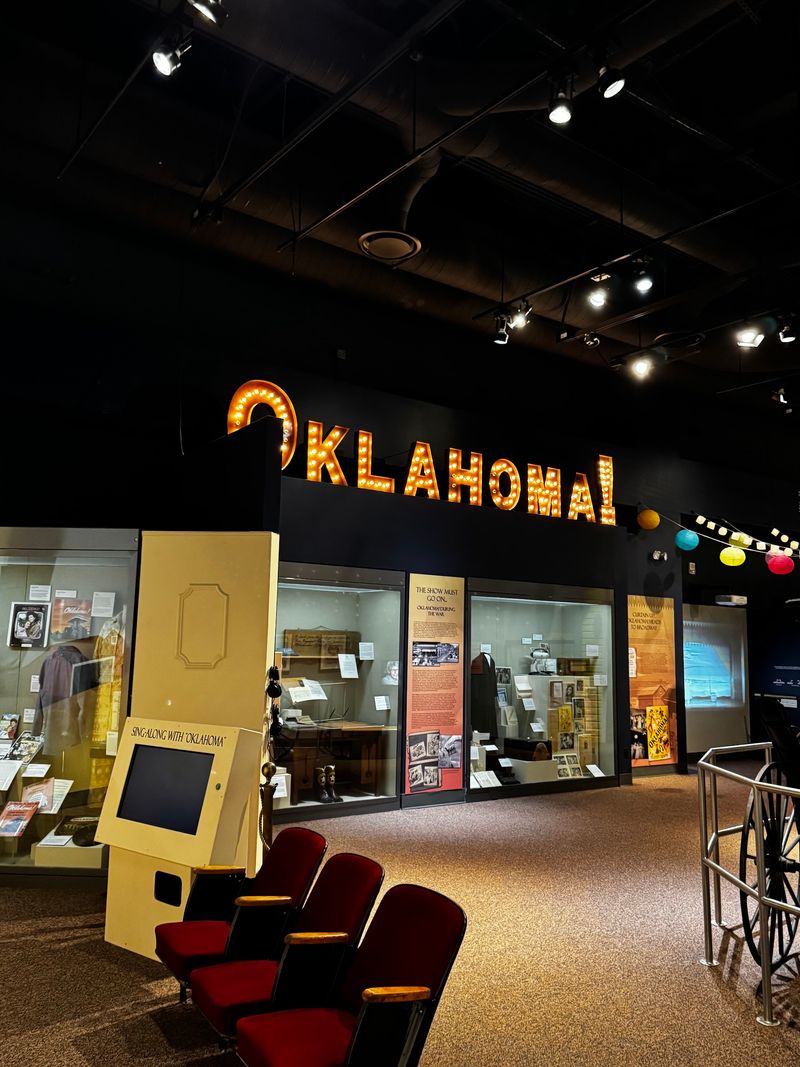
Music lovers get a treat as well. An exhibit tied to the famous Oklahoma musical earns warm praise, celebrating a show that carried the state’s name onto stages everywhere.
It is a lighthearted reminder that history includes songs and performances, not just dates.
These displays capture what the frontier and the decades after looked and felt like. From wheels pulled by horses to engines and household gadgets, the progression tells a story of change you can follow with your eyes.
They also make great photo spots. Families often snap pictures beside the carriage or in front of the kitchen, turning a museum trip into a fun memory album of Oklahoma’s everyday past.
A Liberty Bell Replica and a Trail Outside
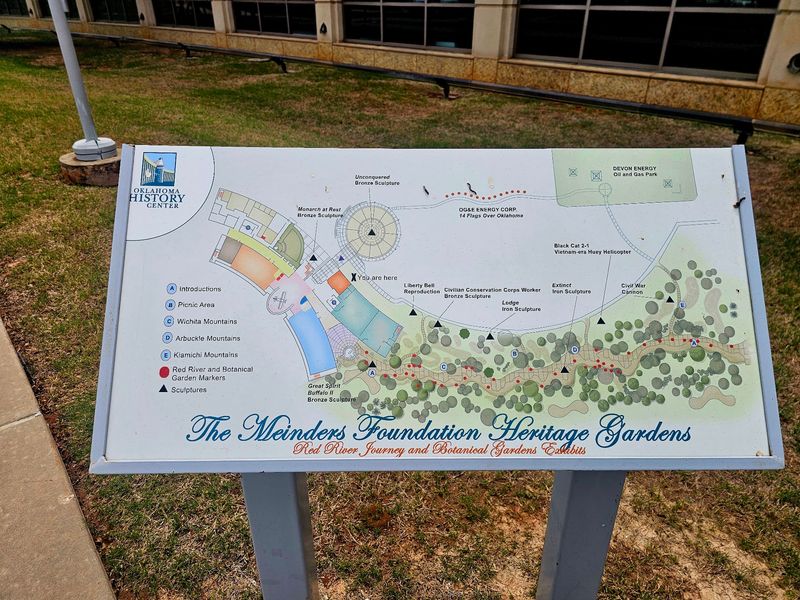
Collectors of quirky landmarks, take note. Oklahoma’s replica Liberty Bell sits at the front of the History Center, and some travelers seek it out on purpose while visiting state capitols across the country.
It is a fun bonus for anyone who loves a good roadside oddity.
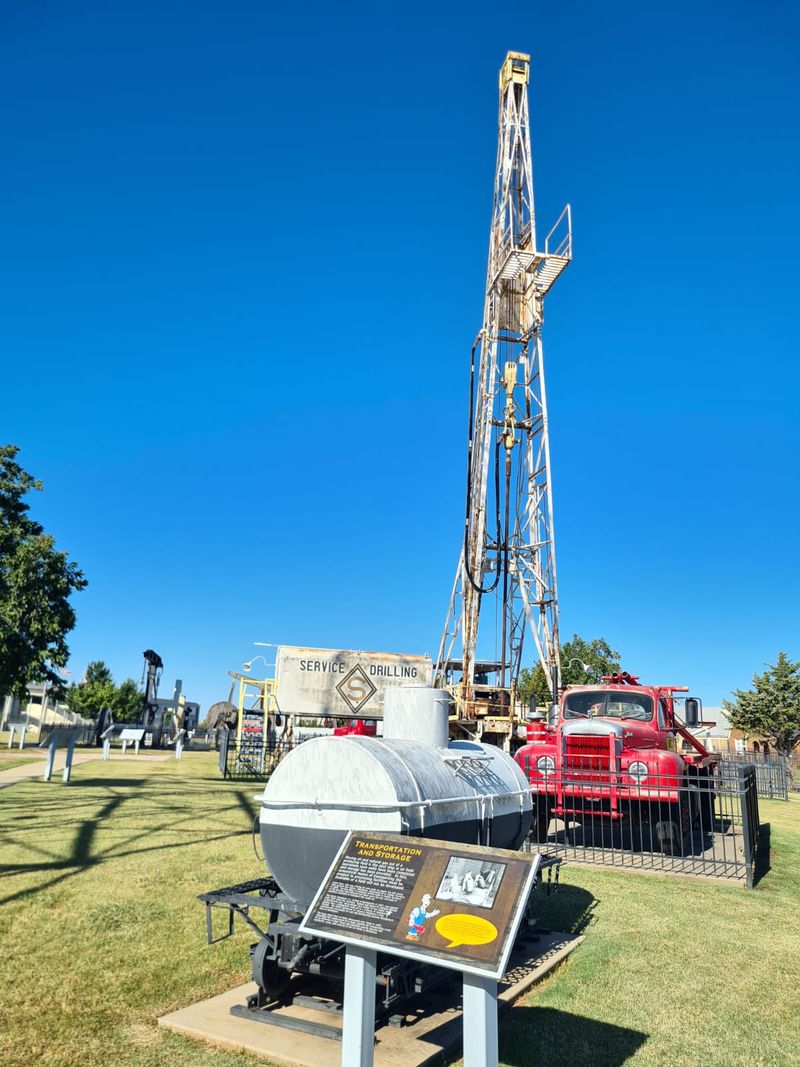
Beyond the bell, the grounds hold plenty more. Sculptures and artifacts are scattered across the property, and a walking trail lets you view them at an easy pace.
Gardens soften the landscape, giving the outdoor area a peaceful feel.
Visitors regularly mention the outdoor portion as a pleasant surprise. Several describe it as pretty neat, and others recommend saving time for it after finishing the galleries.
Combining indoor and outdoor exhibits, one longtime guest said, makes the trip worth a few hours.
Weather can shape this part of your plan. On mild days, a stroll outside feels like a perfect way to stretch your legs after reading exhibit panels.
On hot afternoons, you might want water and a slower pace.
Either way, do not rush back to the car. The open space and Capitol views offer a calm ending, and the bell makes a classic photo before you leave.
Family Roots and a Research Center
Curious about your great-grandparents? Family history is one of the most common topics guests bring up, and the History Center includes a research center that draws people hoping to trace their roots.
While the galleries tell the big story of the state, the research side lets you zoom in on personal chapters. Many Oklahoma families have deep ties to farming towns, oil fields, tribal nations, and early settlements, so it makes sense that genealogy fans find their way here.
Even casual visitors notice it. One guest who toured the exhibits said they were curious about what people research in that space and what happens there.
That sense of mystery adds a fun layer for anyone who likes uncovering hidden details.
If you plan to use the research center, it is smart to contact the museum ahead of time. The phone number is 405-522-0765, and the website at okhistory.org/historycenter is a helpful starting point for questions.
Pairing a research session with a gallery visit can be meaningful. After digging through records about your own family, walking past exhibits about the same eras feels personal, almost like seeing your ancestors’ world come alive.
Field Trips, Quiet Afternoons, and Even Weddings
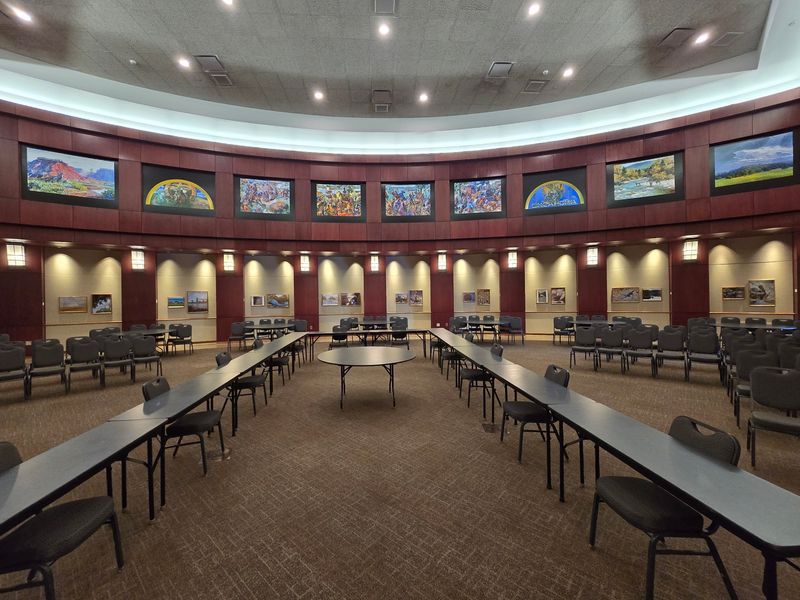
Crowds are rarely a problem here, which surprises many guests. Visitors describe weekday trips where only one or two other people were wandering the halls, and even a Friday visit felt roomy.
That calm makes it easy to read, linger, and talk.
Families and educators seem to love it most. Homeschooling parents call it an ideal afternoon field trip, and a parent who chaperoned a third-grade class shared what a great first visit it was.
Hands-on displays keep kids busy while adults soak up details.
History buffs and out-of-state travelers fit right in too. Locals say it is worth visiting whether you are in town for a day, a week, or live nearby.
Anyone who enjoys connecting road trip stops to their backstories will feel at home.
The building also hosts special events. A wedding professional praised its elegant ballrooms, outdoor courtyards, and flexible spaces, noting how the galleries and grounds make a memorable backdrop for celebrations.
Moods vary inside. Some galleries feel lively and bright, while others are quieter and more reflective.
Guests describe leaving with a mix of pride and thoughtfulness, which speaks to how deeply the exhibits connect.
Hours, Admission, and Parking Before You Go
Planning ahead is simple. The Oklahoma History Center is open Monday through Saturday from 10 am to 5 pm and closed on Sundays.
Arriving in the morning gives you the best shot at seeing everything without feeling rushed.
Time is the biggest factor. Most visitors say two to three hours covers the four main galleries, though one family spent about four hours and still wished for more.
A guest who only allowed 90 minutes later said they should have stayed twice as long.
Admission gets praise for being affordable, and a family rate is available. Military members and veterans get in free with ID, which several guests appreciated.
Policies can change, so checking the website before your trip is a good idea.
Parking is easy and free. The lot is large and simple to find, so there is no stress about circling the block.
You will find the museum at 800 Nazih Zuhdi Drive, close to the State Capitol.
Save a few minutes for the gift shop on your way out. One visitor found a cool exhibit-related book for just one dollar, a sweet souvenir that keeps the learning going at home.
Why This Museum Deserves a Spot on Your Oklahoma Route
Honestly, it is hard to leave without feeling a little more connected to Oklahoma. The History Center packs Native American heritage, business legends, space dreams, neon glow, and frontier-era treasures into one easy visit.
Few places cover so much while staying this approachable.
What stands out most is the hands-on spirit. Instead of making you squint at endless text, the museum invites you to sit in simulators, admire vintage vehicles, and step into colorful rooms.
Guests from all walks of life describe walking in skeptical and walking out impressed.
Nothing is flawless, of course. A gallery may be closed for updates now and then, and the quieter upstairs halls suit readers more than restless toddlers.
Even so, visitors agree there is always plenty left to explore.
For road trippers, it makes a perfect indoor stop when the weather turns hot, cold, or rainy. Pair it with a walk past the Capitol and a stroll around the grounds, and you have a full, satisfying afternoon.
So ride that elevator, wander the trail, and ring in some state pride by the bell replica. Chances are, you will be telling friends about this hidden gem for weeks.
Share this story