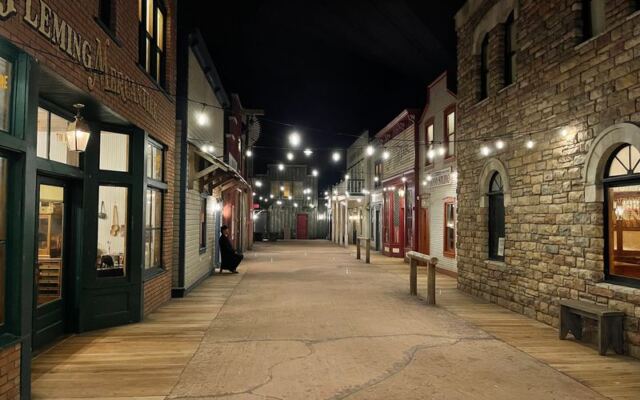
I expected a quiet hour of old saddles and dusty glass cases somewhere in Oklahoma. Instead, I found myself walking down a boardwalk street under a dim prairie sky, peeking into a schoolhouse and a blacksmith shop like I had slipped back a century.
The whole place felt like a secret the state had been keeping just for curious travelers. If you love the Old West, or simply love being surprised, this is one stop you will want to make.
A Western Treasure House on NE 63rd Street
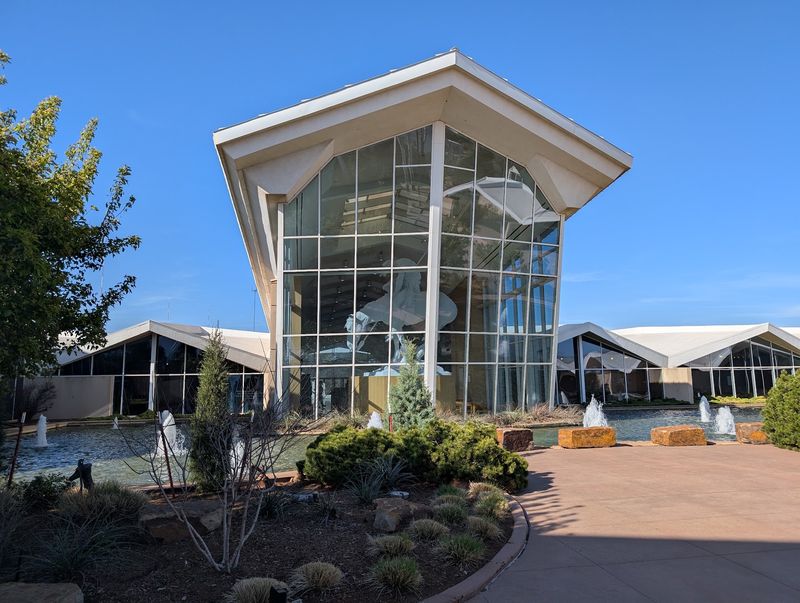
Tucked along NE 63rd Street in Oklahoma City, the National Cowboy & Western Heritage Museum sits at 1700 NE 63rd St, a short hop from the city’s busy core. From the outside, it looks dignified and calm.
Step inside, though, and the scale starts to sink in fast.
The museum focuses on the history and culture of the American West. That means dioramas, artifacts, fine art, sculptures, and plenty of stories that explain how cowboy life really looked.
Visitors often describe it as huge, and many say they underestimated how much there was to see.
Western fans will find everything from Native American artifacts to rodeo history, early Hollywood stars, and an impressive barbed wire collection. Some guests arrive planning a quick stop and leave hours later, still talking about what they missed.
For Oklahomans, it is a point of pride. For road-trippers, it is a bucket-list detour.
Either way, it is a place where the West feels close enough to touch, and that is exactly what keeps people coming back again and again.
Families, solo wanderers, art lovers, and history buffs all seem to find their own corner here, which says a lot about how carefully it has been built.
Story Told from the Very Beginning
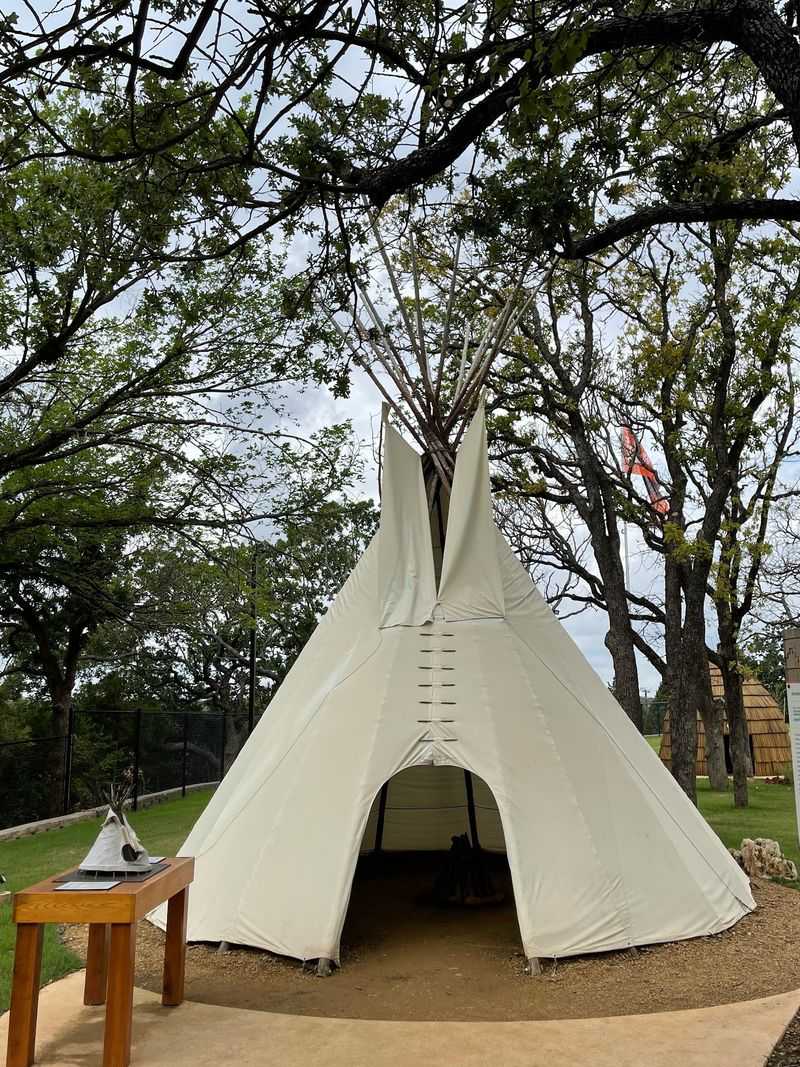
Good stories start at the start, and the curators here clearly agree. Rather than jumping straight to spurs and lassos, the galleries open with Native American history and the early Americas.
Cowboy culture is then introduced gradually, carrying visitors right up to modern times.
Guests appreciate that approach. Several mention how refreshing it is to see the full history told in its entirety, instead of a simplified version built only for tourists.
One road-tripper admitted thinking they knew plenty about cowboys before walking in, then learning far more than expected.
The flow makes sense even for younger visitors. You move room by room, era by era, watching the West take shape.
Pioneers, ranchers, Native nations, and performers all get their turn in the spotlight.
History lovers sometimes bring their own knowledge to the table, too. A few guests enjoy debating details, like the true origins of famous ranches, which shows how engaging the exhibits can be.
Some visitors even found the galleries emotional. Seeing a shared heritage laid out so thoughtfully can stir something deep, and more than one person has noticed others quietly moved while walking through.
It is history with heart, not just dates on a wall.
Prosperity Junction, a Prairie Town Indoors
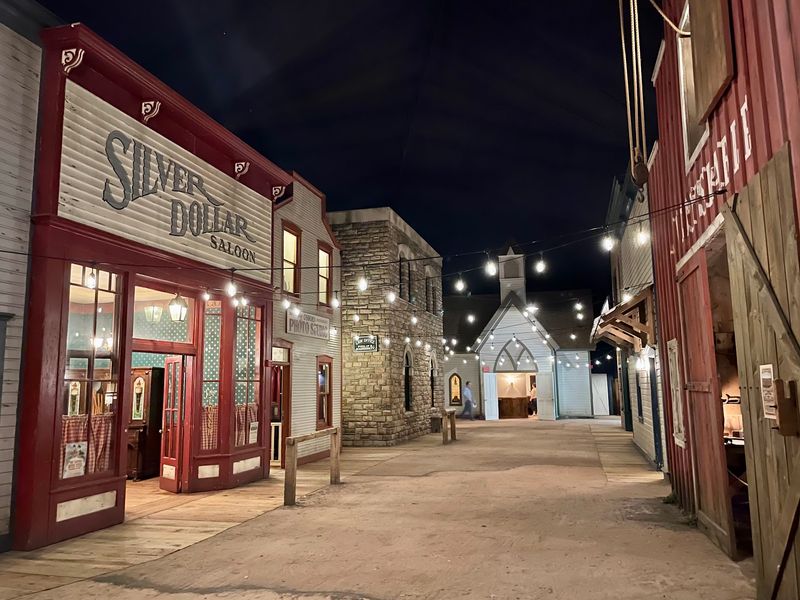
Picture a full cattle town, boardwalks and all, sitting under a roof. Prosperity Junction is the museum’s crown jewel, a life-sized replica of a 19th-century prairie town tucked inside a space visitors describe as roughly 14,000 square feet with 40-foot ceilings.
The lighting is beautifully dimmed, giving the streets a twilight glow. You can stroll past a church, a schoolhouse, a blacksmith shop, and a saloon storefront, each fully realized with careful detail.
It feels less like an exhibit and more like a movie set you are allowed to wander.
Guests rave about it. Teenagers call it the coolest part, kids love exploring the storefronts, and adults say it truly feels like stepping back in time.
It manages to be educational and genuinely fun at once, which is not easy.
Take your time here. Peek into windows, read the signs, and notice the small touches that make the town believable.
Photographers will find great angles around every corner.
Standing on those boards, it is easy to imagine dusty riders tying up their horses outside, swapping news at the general store before heading back to the open range. That feeling alone is worth the trip.
The End of the Trail and a World of Sculpture
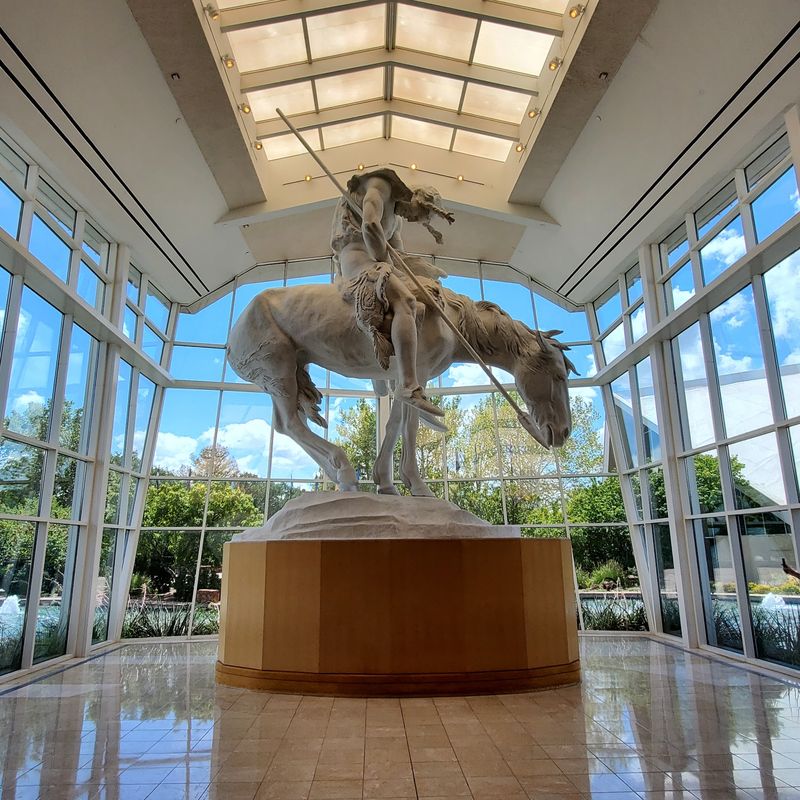
Sculptures earn more praise here than almost anything else, and one piece sets the tone right away. James Earle Fraser’s colossal The End of the Trail greets visitors with a weary rider slumped atop an exhausted horse.
Many guests call the moment breathtaking.
It is a deeply moving work, and seeing it in person feels very different from seeing it in a book. The sheer size makes you pause, look up, and think.
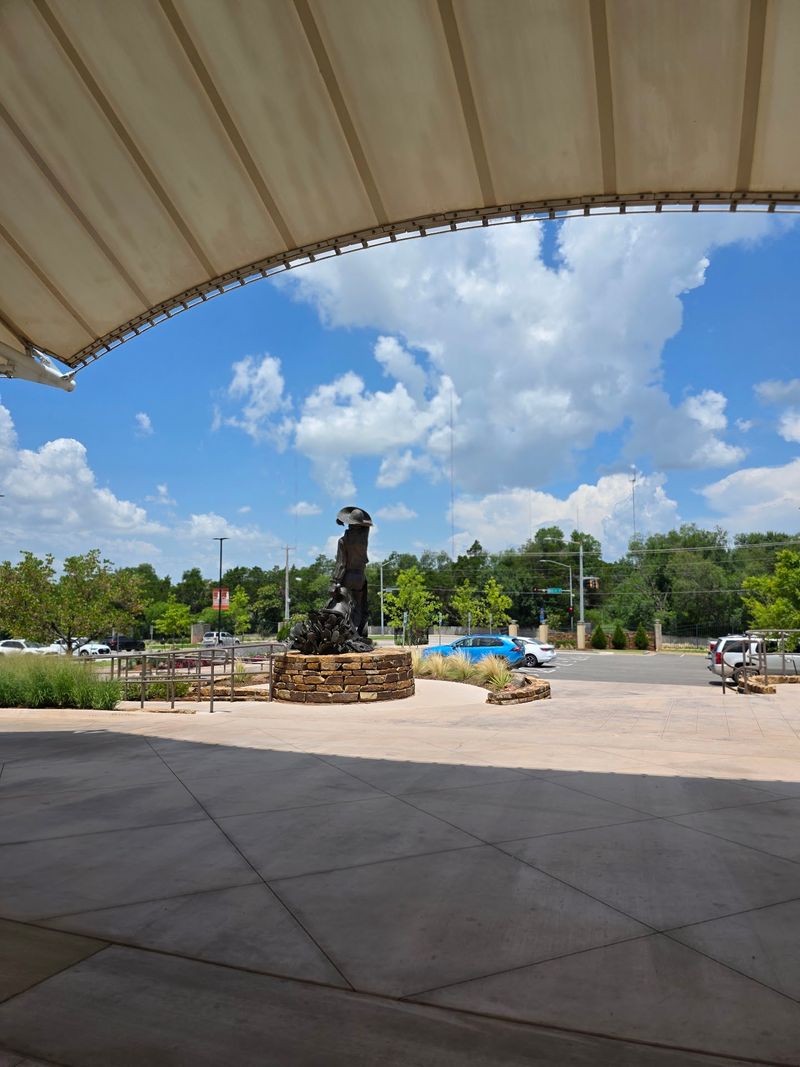
Beyond that famous piece, the collection keeps going. Statues and sculptures fill the galleries and spill into the outdoor spaces, with towering bronzes standing among the gardens.
One repeat visitor wondered aloud how artists can see life and capture it so perfectly in bronze.
Fans of Western art should also look for works by Frederic Remington, several of which have been on display. The fine art galleries are a favorite for many, with paintings that capture sweeping landscapes, cattle drives, and quiet frontier moments.
Even if you are not usually an art person, these pieces tend to win you over. They tell stories without a single word, and they linger in your memory long after you walk out the door.
Barbed Wire, Saddles, and Horse Gear
Who knew fence wire could be so fascinating? The barbed wire collection is one of the quirkiest highlights, showing dozens of styles and explaining how each one shaped ranching history.
Visitors regularly single it out as a surprise favorite.
It sounds odd until you see it. Twisted, looped, and spiked, each strand tells a story about land, cattle, and the changing West.
Fun fact lovers will find plenty to chew on.
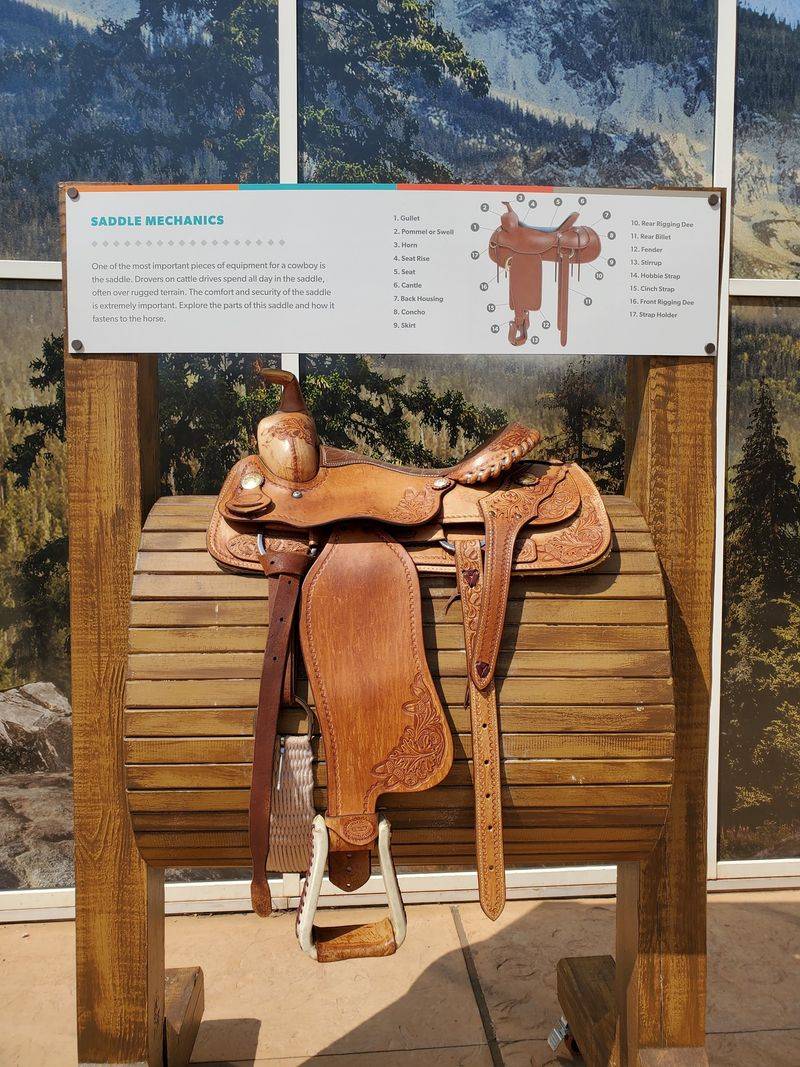
Nearby, a large area is dedicated entirely to horses and their equipment through the years. Saddles, bridles, and tack show how riders and their animals worked together on the trail.
Self-described horse people say this section alone made the visit worthwhile.
Artifacts throughout the museum are praised for both quantity and quality. Cowboy gear, tools, clothing, and everyday objects fill cases from wall to wall.
You get a real sense of what life on the range demanded.
There is also an extensive firearms collection for those interested in frontier history. Whether you lean toward the practical side of ranch life or the craftsmanship behind it, these galleries reward a slow walk and careful reading.
Bring your curiosity and a little patience, and you will leave knowing more than you planned.
Hollywood Westerns and Rodeo Legends
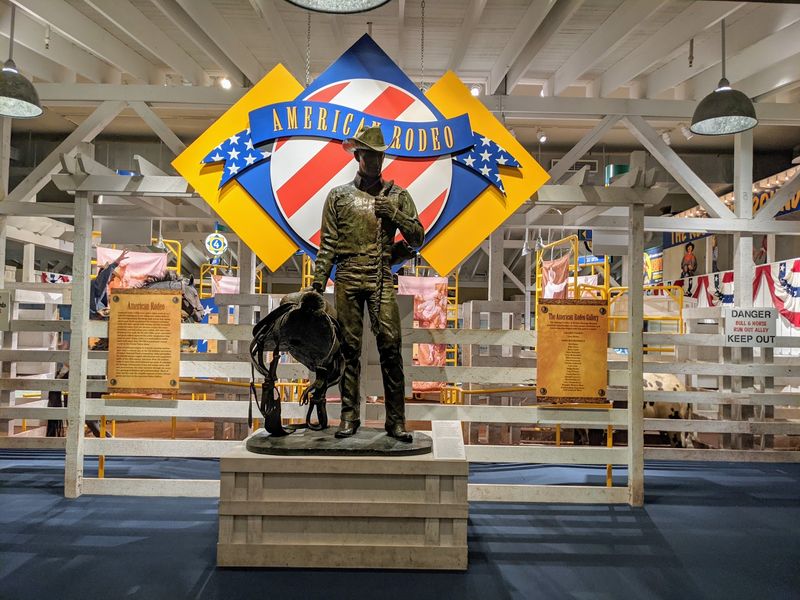
Grew up watching Gunsmoke with your grandparents? You will feel right at home in the film stars area.
Visitors call it exceptionally well set up, packed with memorabilia from classic Western movies and television.
Costumes, props, and stories of silver-screen cowboys fill the space. It is a fun reminder of how the Western shaped American entertainment, and many guests list it among their favorite stops.
The rodeo circuit gets its own spotlight too. Rodeo history is a big draw, though some guests found that section temporarily closed for renovation during their visits.
A few were disappointed, so it is smart to check ahead if rodeo is your main reason for coming.
Exhibits do change over time. One visitor on a third trip noted the museum keeps evolving, while another found large areas closed for installation of new displays.
That means each visit can feel a little different from the last.
Calling the museum before your trip is an easy way to avoid surprises. Ask what is open, what is new, and what is coming soon.
Either way, the mix of Hollywood glamour and real rodeo grit makes these galleries a lively counterpoint to the quieter art rooms.
Hands-On Fun, from Stagecoaches to Cowboy Photos
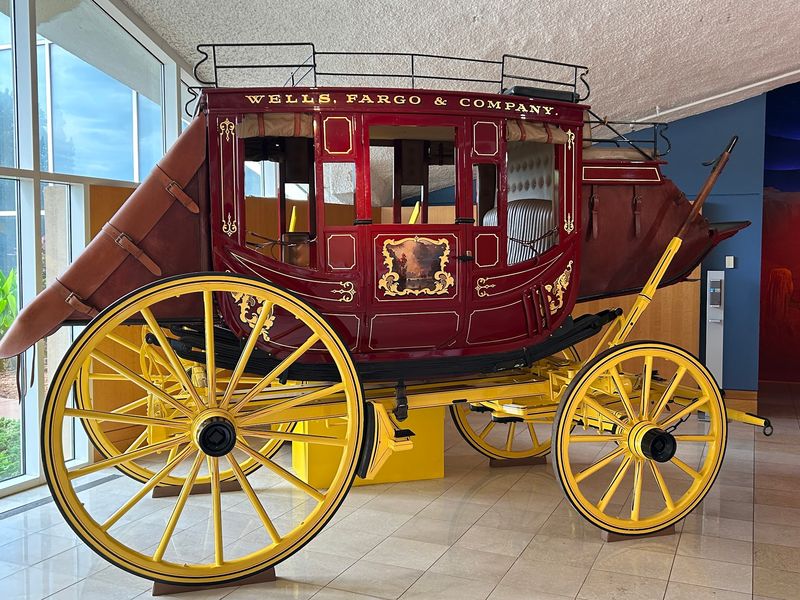
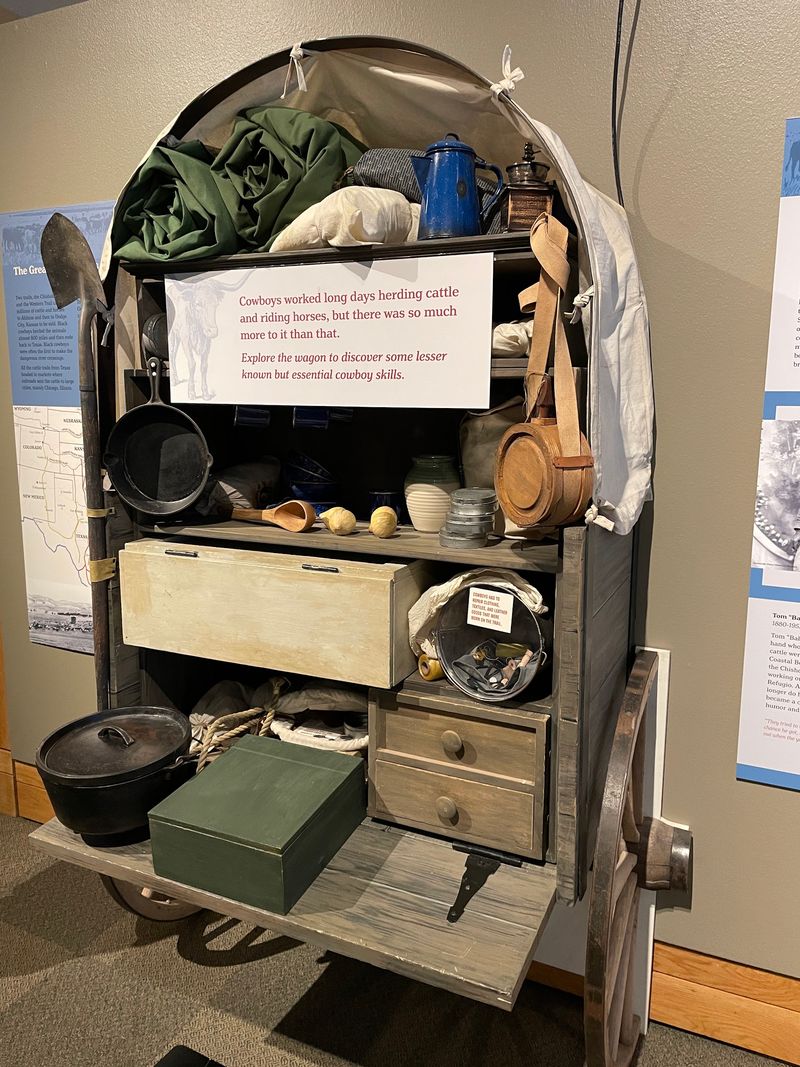
Kids, and plenty of grown-ups, light up when they realize they can climb into a stagecoach. A replica Wells Fargo coach lets visitors sit inside, and items like those once carried on the wagon can be handled and examined up close.
Then there is the cowboy photo booth. This self-service station uses AI to dress you in Western gear, adjusting your look for a classic frontier vibe.
Guests say it is easy to use, free, and loads of fun. Several insist you should not skip it.
The immersive experience is another draw. Visitors mention it is narrated by Tom Selleck, which earns a smile from many fans.
Opinions vary a bit, with some loving it and others finding it just okay, but most say it was worth trying.
Interactive exhibits throughout the galleries keep teens engaged, too. One family visiting for a school extra credit assignment said their son had a blast with the hands-on parts.
These moments break up the reading and give everyone a chance to play. They also make great memories, and those cowboy photos tend to get plenty of compliments once they are shared with friends back home.
Gardens, Koi Ponds, and Liichokoshkomo
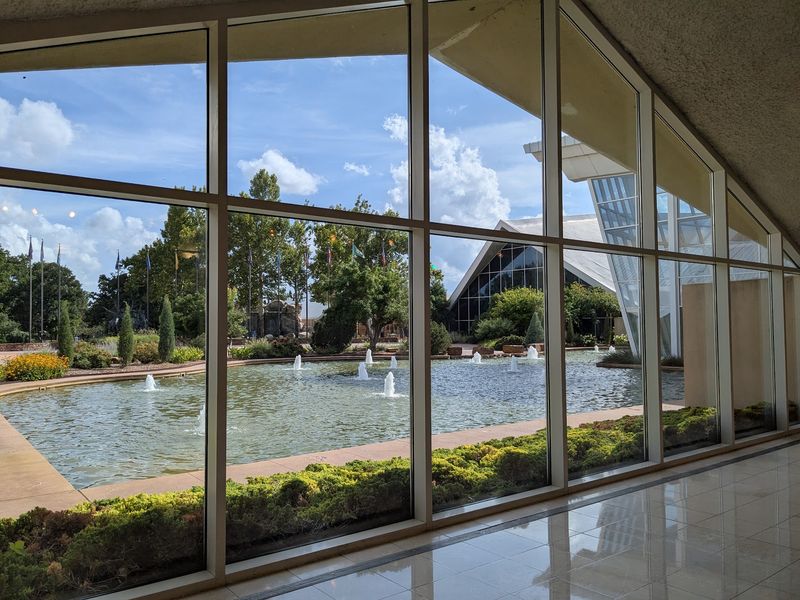
Fresh air awaits once the indoor galleries are done. The outdoor exhibits draw tons of praise, with quiet water gardens, koi fish, and bronze statues set among the greenery.
Families should head for Liichokoshkomo, a massive outdoor space visitors describe as around 100,000 square feet. It offers interactive exploration and even a playground for little ones.
Parents say their kids loved burning off energy there after the museum.
The gardens make a peaceful break. Strolling past the sculptures feels calm and reflective, a nice contrast to the busy indoor halls.
Some guests call the outdoor bronzes the most breathtaking pieces of all.
Timing matters, though. Oklahoma summers can be hot, and one couple planned a return trip in cooler months specifically to enjoy the outside areas properly.
Spring and fall seem ideal for lingering among the koi ponds and statues.
Bring water, wear comfy shoes, and leave room in your schedule. The outdoor spaces add a whole second layer to the visit, and skipping them means missing half the charm.
Many visitors are surprised by just how much there is beyond the front doors, so plan accordingly and enjoy the sunshine.
Friendly Docents and Festival Days
Ask a question here and you might get a story in return. Volunteers and docents earn steady praise for being knowledgeable and friendly, often sharing fun facts that never make it onto the signs.
Their enthusiasm adds warmth to the visit. Guests describe staff who clearly love the West and enjoy passing that love along.
Chatting with them can turn a quick glance into a memorable lesson.
Special events bring even more life to the grounds. The Chuck Wagon Festival is a crowd-pleaser, with children’s activities, live music, and homemade cobblers in cherry, peach, and boysenberry, all cooked over real fire pits.
Visitors have also enjoyed fry bread, hominy with green chili stew, and cowboy stew with biscuits.
During busy events, shuttle buses carry guests from overflow parking right to the front door. One family even rode the same festive bus both ways and called it part of the fun.
If you can time a visit with a festival, it is a wonderful way to taste a little frontier flavor. Even on ordinary days, though, the people make this place shine.
Their kindness turns a big museum into a welcoming one.
Practical Tips for Planning Your Visit
Clear your afternoon. Visitors repeatedly warn that this museum is bigger than it looks, with many recommending at least two hours and others spending three or four without seeing everything.
Hours run 10 AM to 5 PM Monday through Thursday. Friday and Saturday stay open later, until 8 PM, which is handy for evening trips.
Sunday hours are shorter, from noon to 5 PM.
There is an entrance fee, and while some mention the price, guests overwhelmingly call it worth every penny. Check the website at nationalcowboymuseum.org for current admission details, or call 405-478-2250 with questions.
Parking is a breeze most days, thanks to a huge free lot right outside. On busy days the main lot can fill, but overflow parking comes with shuttles that bring you to the entrance.
A few more pointers help. Wear comfortable shoes, since you will walk a lot inside and out.
Ask about any closed galleries before arriving. Pace yourself, too, because the detail can be overwhelming.
You can spend as little or as much time as you like, and many people end up planning a second visit just to read everything they skimmed the first time.
Who Will Love It Most
Honestly, it depends on your love of stories. History buffs, art fans, horse lovers, and Western movie fans will feel like they hit the jackpot.
Visitors who have toured museums around the world still call this one special.
Families with teens seem especially happy, thanks to the interactive spots and Prosperity Junction. Parents of very young children may want to plan around the playground and outdoor areas, since some galleries lean heavily on reading.
A few guests suggest little ones enjoy it most if they already like cowboys.
Solo travelers do well here too. One guest happily spent three hours wandering alone, soaking it all in at their own pace.
Even if museums are not usually your thing, the walk-through town and photo booth might change your mind. Still, those with zero interest in history may find it a lot to take in.
For Oklahomans, it is a proud reminder of shared heritage. For travelers crossing the plains, it is a rewarding stop that goes far beyond what the outside suggests.
Bring curiosity, leave time, and let the West work its quiet magic. You may just find yourself planning a return trip before you reach the parking lot.
Share this story