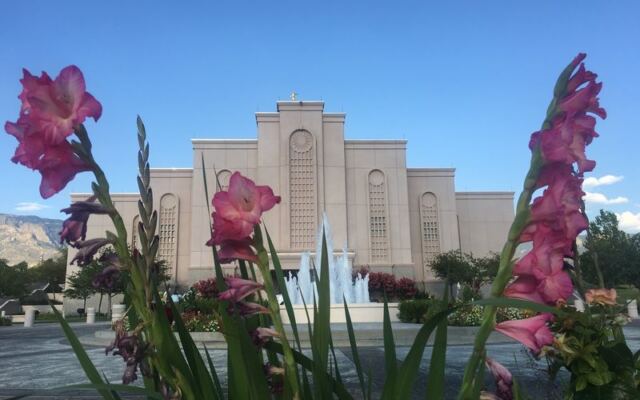
Some places look like just another building from the highway, and then the gate swings open and the whole afternoon changes. In the foothills of New Mexico, a pink-toned spire rises against the mountains, ringed by flower beds, a fountain, and a row of redbud trees that steal the show every spring.
Locals drive past it daily, and travelers pull over and stay longer than they planned. The grounds are free to walk, the views reach across an entire valley, and the building itself is packed with regional symbolism worth slowing down for.
Keep reading to learn its story, its standout features, and the practical details that make a visit easy.
A Spire on San Francisco Road
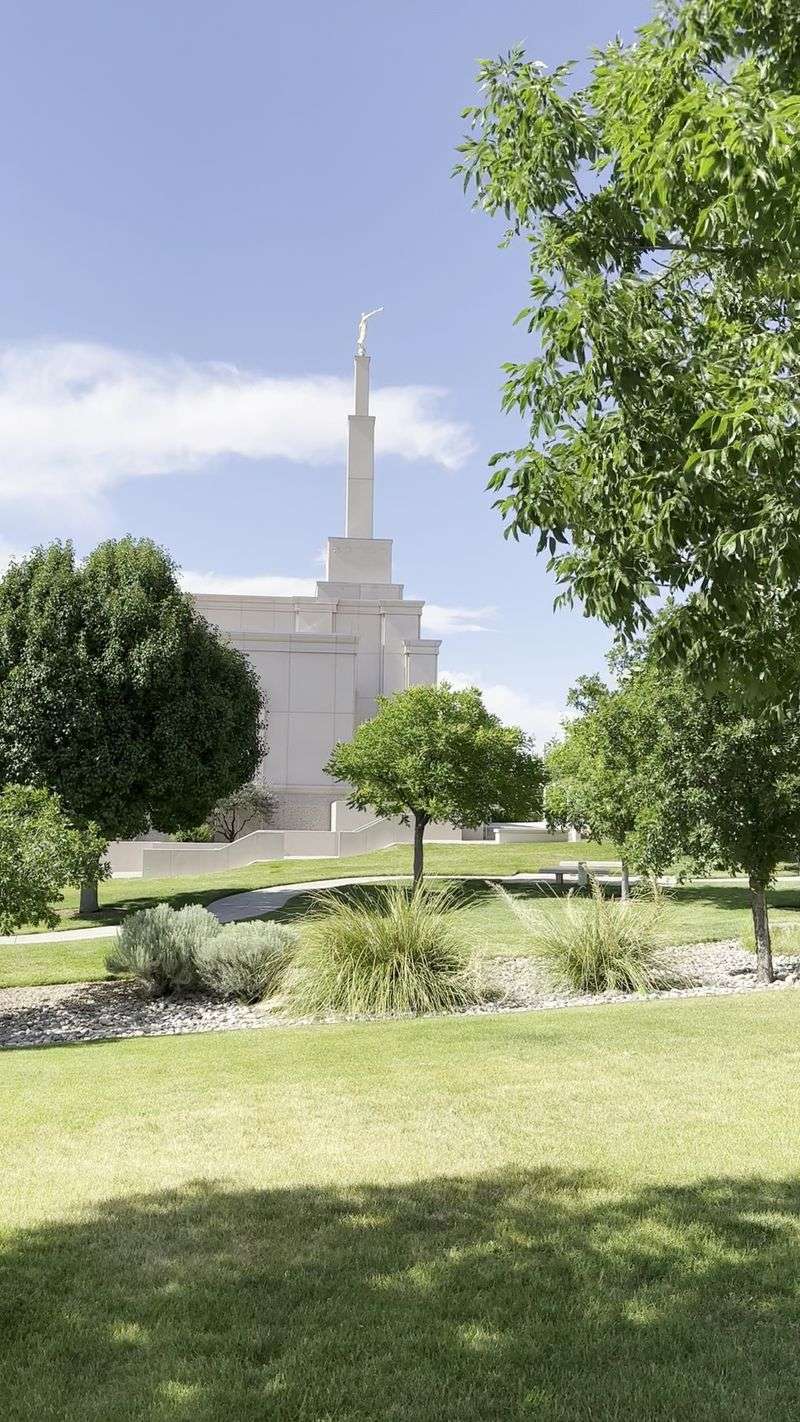
Northeast Albuquerque holds a landmark that many residents simply call the temple. The Albuquerque New Mexico Temple sits at 10301 San Francisco Rd NE, Albuquerque, NM 87122, in the state of New Mexico.
It belongs to The Church of Jesus Christ of Latter-day Saints. The building is a place for sacred ordinances and covenants rather than regular Sunday services, which are held in the church’s local meetinghouses.
That distinction surprises some first-timers. The interior is reserved for church members who hold a temple recommend, but the outdoor grounds welcome anyone when the gate is open.
So a curious neighbor, a road-tripper, and a lifelong member can all spend time here, each in a different way. The property covers 8.5 acres near the edge of the valley, with the mountains close behind.
For a quiet stop with plenty to see, the address alone is a promising start.
Dedication Day in March 2000
History moved fast here once construction wrapped up. Before the doors closed to the general public, a 10-day open house drew about 70,000 people who toured the finished building.
Church president Gordon B. Hinckley dedicated the temple on March 5, 2000.
In the dedicatory prayer, he expressed hope that the new temple would turn the hearts of members toward their families.
That family theme still shapes how people use the building today. Many come to perform ordinances on behalf of relatives, a practice central to the faith.
The Albuquerque temple became the 73rd operating temple of the church. It now serves roughly 55,000 members across New Mexico and nearby parts of Arizona and Colorado.
For a building only a couple of decades old, that is a large territory and a busy calendar. Its story is still being written, one family visit at a time.
Desert Rose Walls and Pearl Granite Trim
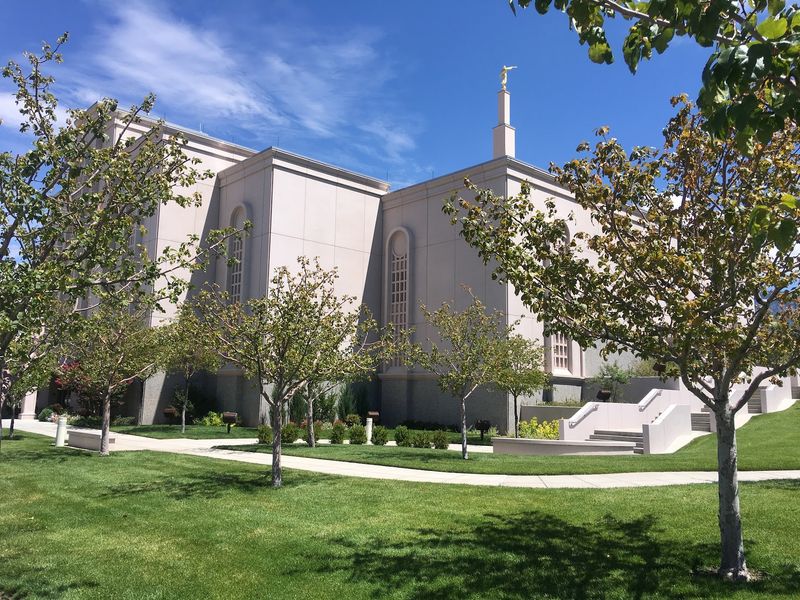
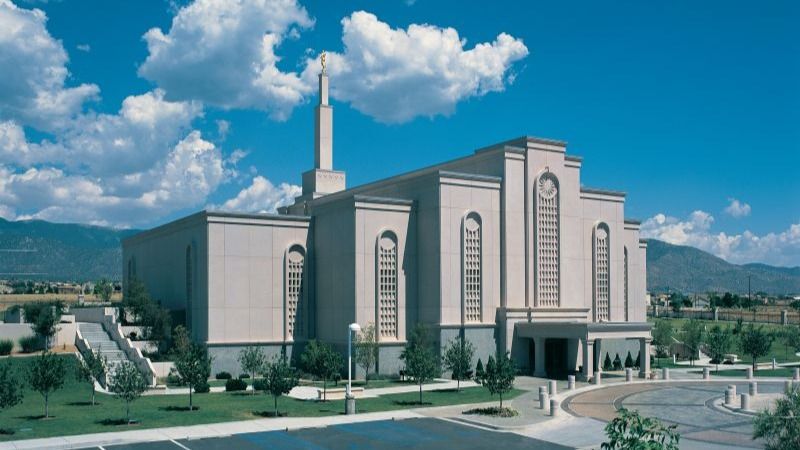
Color is the first thing people mention, and for good reason. The exterior is finished in desert rose precast concrete, a warm pinkish tone that sets the building apart from the stark white many expect.
Texas pearl granite trims the walls. A single spire rises above, topped by a gold statue of the angel Moroni.
The design leans into traditional Southwestern architecture. That choice helps the temple feel like it belongs to Albuquerque instead of being dropped in from somewhere else.
The church tends to give each temple a local character. Here, the geography and landscape clearly guided the look, and the result stands out against its desert surroundings without clashing with them.
Photographers love the hue in changing light. Temple enthusiasts who collect visits across the country often single out this concrete as a highlight, which says plenty about a material most folks never think twice about.
Redbuds, Flower Beds, and a Fountain
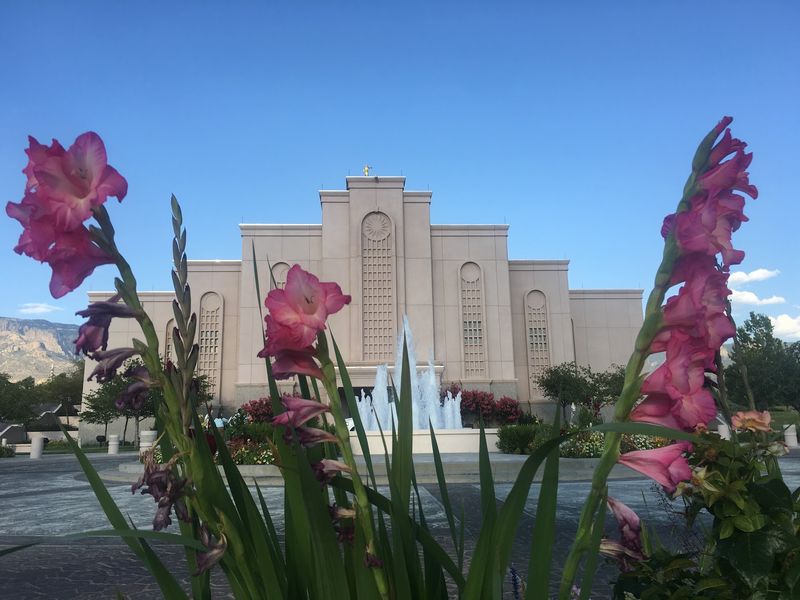
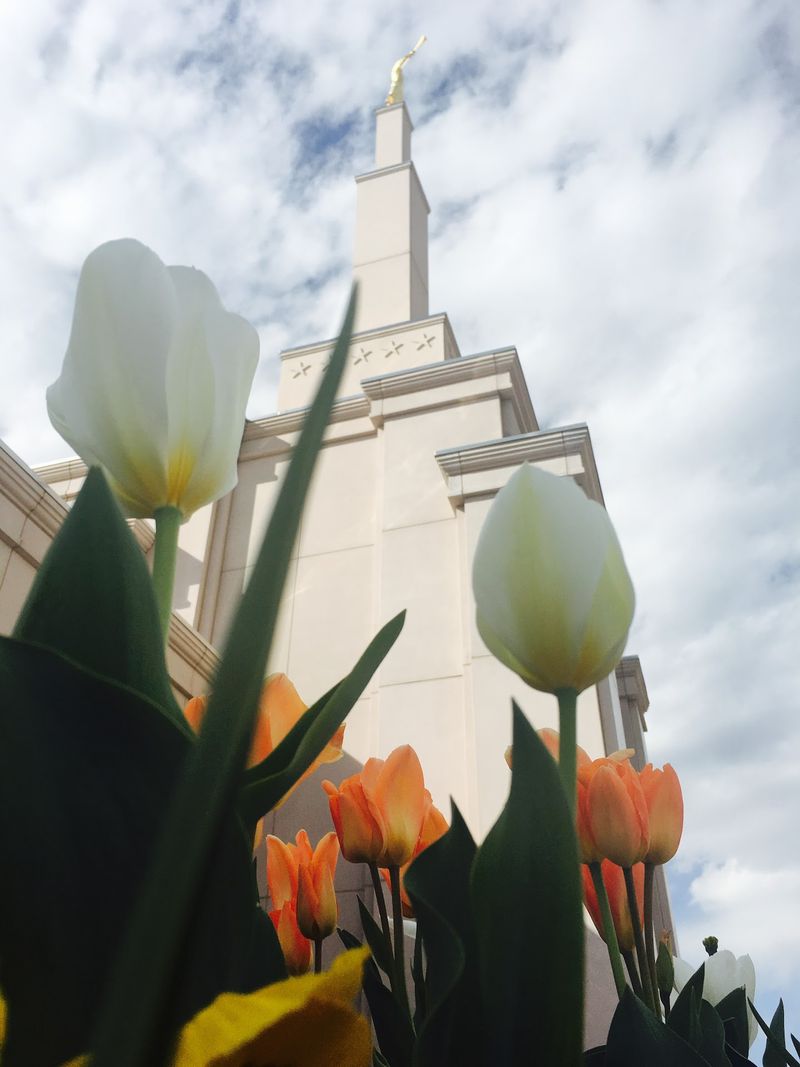
Spring is when the grounds really earn their reputation. Redbud trees burst into bloom out front, and the surrounding flower gardens fill in around them.
Together they frame the desert rose walls for some of the most popular photos on the property. Plenty of guests time their visit for the season when the flowers are budding.
A fountain anchors the front landscaping. The layout of paths and beds feels thoughtfully planned, guiding people around the building at an easy pace.
Maintenance is another point of pride. The lawns, shrubs, and walkways stay remarkably tidy year-round, a fact that locals appreciate as a gift to the wider community.
Gardeners will notice how the plantings suit the regional style, matching the Southwestern architecture. Even outside peak bloom, the grounds give visitors plenty of reasons to linger on a bench for a while.
Bring a camera, and maybe a little patience for the perfect shot.
Views From the Valley’s Edge
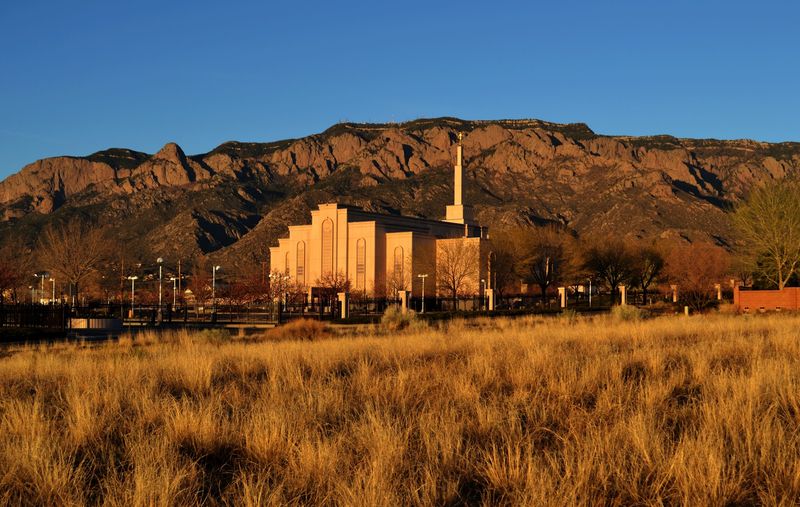
Location adds a second showpiece to the visit. The temple sits atop the edge of the valley, right next to the mountains.
Turn one way and the spire rises against rugged slopes. Turn the other and a broad view of Albuquerque spreads out below.
That backdrop makes the building look even more majestic. Many longtime admirers count this among the prettiest temples in the western United States, largely thanks to its setting.
Commuters who pass it daily say the sight never quite gets old. The combination of elevation, open sky, and mountain scenery turns a short walk into a scenic outing.
Late-day light is a favorite for photos, though any clear day delivers. Hikers heading to or from the foothills can easily add a stop here.
It is a rare spot where a city skyline and a mountain range share the same lawn.
Symbols Hidden in Plain Sight
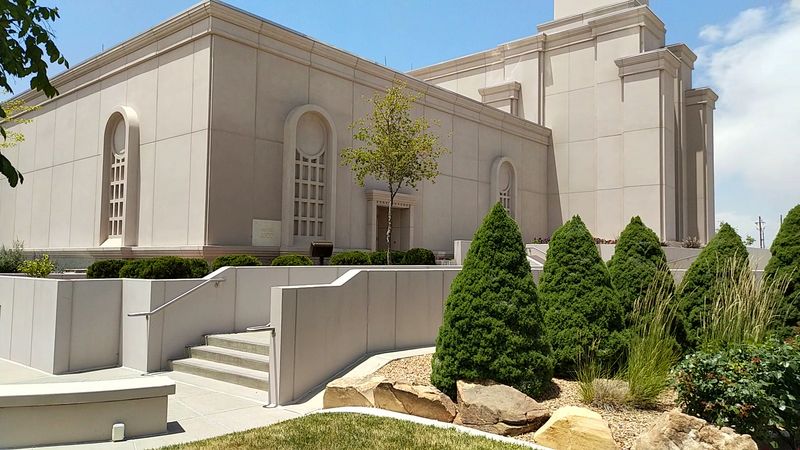
Look closely, because almost nothing here is decorative by accident. Every part of the building is designed to represent something deeper.
Local and Native-inspired symbols appear prominently throughout. They connect the temple to the cultural heritage of the region.
Alongside them, members point out the eight-pointed star, the seal of Melchizedek, and the compass. Each carries layered meaning within the faith, and spotting them becomes a quiet treasure hunt.
Artwork inside adds to the experience for those attending ordinances. The mix of regional and religious imagery reflects how the temple serves members from diverse backgrounds.
Outside, the architecture itself carries the Southwestern theme. Even non-members strolling the grounds can appreciate the care in the details.
Curious about a particular motif? Volunteers are generally happy to share what they know.
A second walk around the building usually reveals something missed the first time.
A Calm, Unhurried Atmosphere
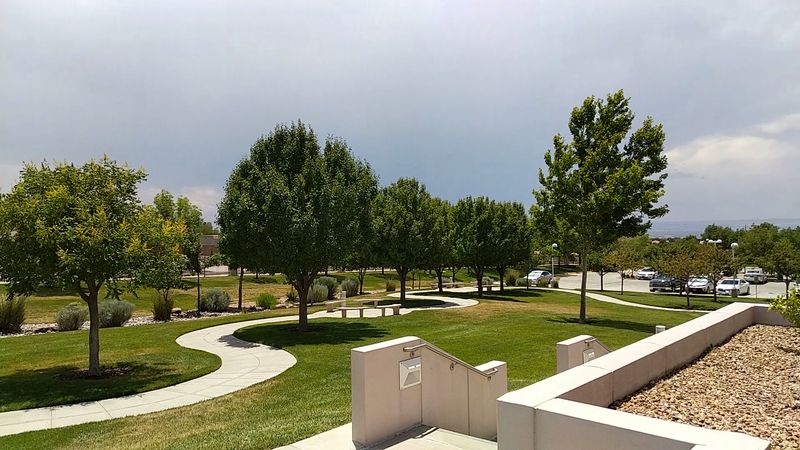
Peace comes up again and again in descriptions of this place. The grounds stay quiet and welcoming, offering a break from the noise of everyday life.
An outdoor seating area invites people to sit and ponder. Many say a simple walk around the building is enough to reset a busy day.
Inside, temple workers earn steady praise for kindness. Patrons describe being given time to experience the temple without feeling rushed through procedures.
Out-of-town members often say it feels like coming home. A friendly welcome at the recommend desk sets the tone right away.
The temple suits several kinds of guests. Members come for worship and service, families come for baptisms, and non-members come to walk and reflect.
It is described as a smaller temple, which may help explain the personal attention. In a city of traffic and errands, this lawn moves at its own gentle speed.
Practical Tips Before the Trip
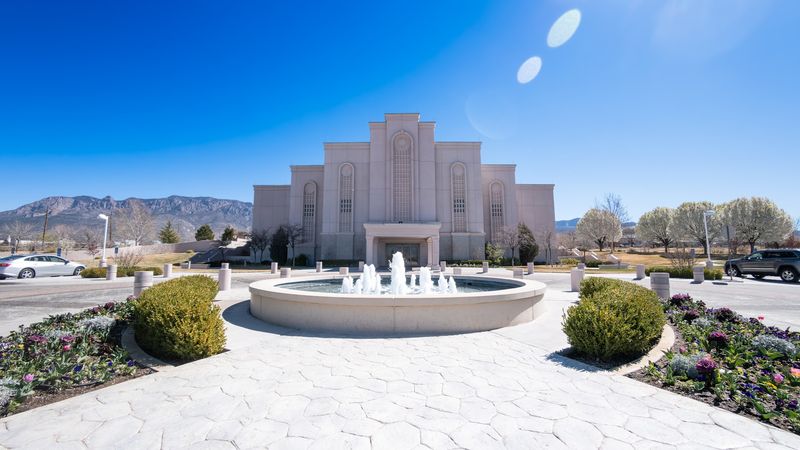
Good news for budget planners: walking the grounds costs nothing. Admission to the outdoor areas is free whenever the gate is open.
The temple interior requires a current temple recommend. Members on weekdays have sometimes been accommodated as walk-ins for ordinances, and many attendance times are available.
A clothing rental desk is on site. A church distribution center sits next door, which members find especially handy.
A small visitor center beside the temple has restrooms, and some traveling families have used it to change. Check current availability ahead of time.
Hours vary, so look at the official church website before visiting. The temple can be reached by phone through its listed number as well.
At Christmas, a life-sized stone nativity appears on the grounds. Spring brings the redbud bloom, so plan accordingly if flowers top the wish list.
A little preparation keeps the visit smooth.
Worth the Detour, Any Season
Short on time in Albuquerque? This stop asks for very little and gives back quite a lot.
Free grounds, mountain views, and a pink-toned spire make it easy to add between other plans. The redbud trees and flower gardens turn spring into the headline season, but tidy landscaping keeps it appealing year-round.
Members find a welcoming, unhurried place to worship. Temple collectors checking off their lists often rank it among the memorable ones.
Non-members can simply enjoy a peaceful walk and a closer look at regional symbolism. Few spots in the city combine architecture, gardens, and views so neatly.
Since its dedication in 2000, the temple has become a treasured part of northeast Albuquerque. Its design honors local geography instead of ignoring it.
Bring comfortable shoes and a camera. The gate, the fountain, and those blooming redbuds will handle the rest of the welcome.
Share this story