In 1967, the music business ran mostly on 45-rpm singles, and a hit usually lasted about three minutes. Then something shifted.
The Beatles treated the recording studio as a creative tool, soul singers from Detroit and Memphis ruled the airwaves, and bands from San Francisco brought psychedelic rock onto national charts. Albums started to matter as much as singles, and FM stations began playing longer tracks that AM radio would never touch.
A single station could play a Southern soul anthem, a British organ ballad, and a California harmony group within ten minutes. That mix made 1967 one of the most varied years in pop music history.
Some songs from that year still play on oldies stations every week. Others faded from regular rotation but remain stuck in the memories of people who heard them on transistor radios and family car dashboards.
The list below covers fourteen recordings that defined the year, from chart toppers to album tracks that changed how artists thought about music. You will find chart positions, songwriting stories, surprising facts, and the reasons each song mattered.
Keep score as you read. If most of these titles start a tune in your head, your radio education was a thorough one.
1. A Whiter Shade of Pale by Procol Harum
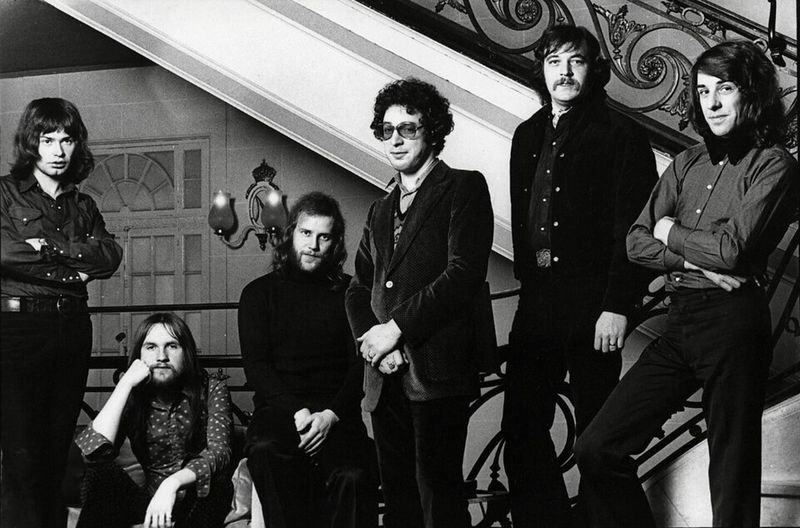
Few bands score a worldwide hit with their very first single. Procol Harum did exactly that in 1967 with A Whiter Shade of Pale.
The song topped the British chart for six weeks and reached No. 5 in the United States. Reports suggest it sold millions of copies around the world.
Matthew Fisher’s organ line borrowed ideas from Johann Sebastian Bach, especially his famous Air on the G String. Gary Brooker sang lyrics by Keith Reid that nobody could fully explain.
Fans argued for years about what the words meant. Reid himself kept answers vague.
The song also led to a long legal story. In 2009, a British court ruled that Fisher deserved songwriting credit for his organ part, decades after the record came out.
Critics often point to the song as an early step toward progressive rock.
2. Happy Together by The Turtles
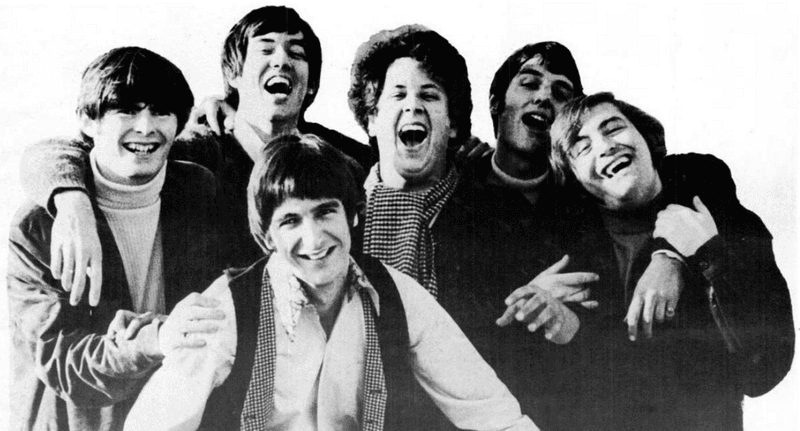
Plenty of bands passed on this song before The Turtles said yes. Writers Garry Bonner and Alan Gordon reportedly shopped Happy Together around, and the demo copy was worn from use by the time it reached the group.
The Turtles saw potential in it anyway. Their instincts paid off in March 1967, when the single knocked the Beatles’ Penny Lane out of the No. 1 spot.
Howard Kaylan sang lead, and Mark Volman added harmonies that made the chorus huge.
Here is the funny part. The lyrics describe someone imagining a relationship, not actually having one.
Most listeners never noticed because the music sounds so upbeat.
The song became the Turtles’ biggest American hit and a staple of oldies radio. It has also appeared in countless films and commercials, keeping it familiar to younger audiences.
3. All You Need Is Love by The Beatles
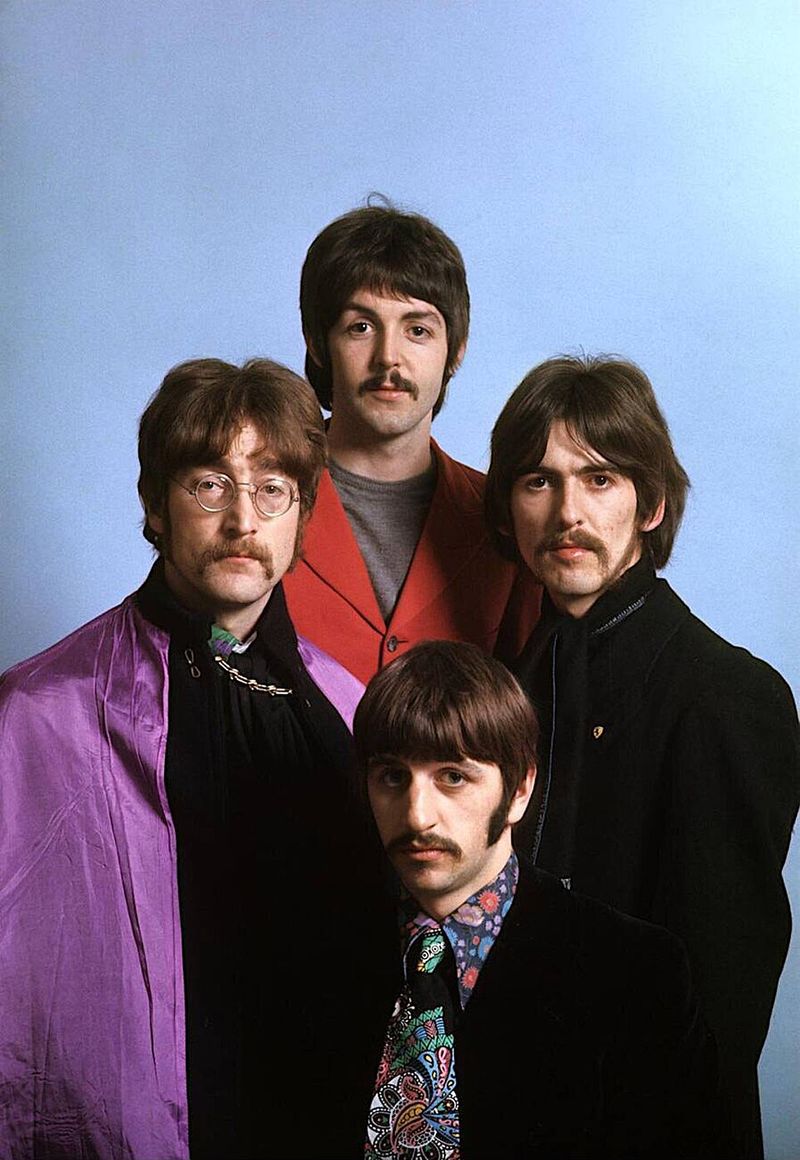
Roughly 400 million people may have watched the Beatles introduce All You Need Is Love on June 25, 1967. The performance was part of Our World, the first live worldwide satellite television broadcast.
The BBC asked the band to write something simple enough for viewers in many countries to understand. John Lennon delivered a short message anyone could follow.
Guests in the studio included Mick Jagger, Keith Richards, Eric Clapton, and Marianne Faithfull. They sat on the floor and sang along on the chorus.
The arrangement opens with a piece of the French national anthem and closes with snippets of other tunes, including Greensleeves.
Released as a single shortly afterward, the song hit No. 1 in both Britain and the United States. It became an unofficial theme of the Summer of Love.
4. Respect by Aretha Franklin
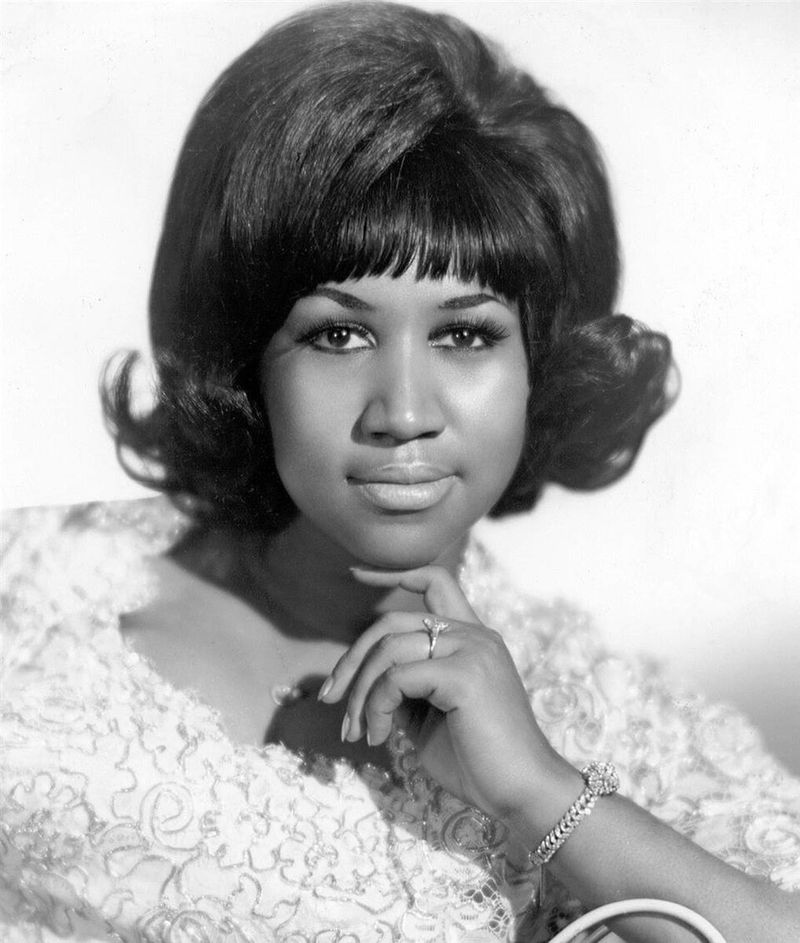
Otis Redding wrote it first, but Aretha Franklin made it hers. Redding released Respect in 1965, and it became a modest hit.
Franklin recorded her version in New York on Valentine’s Day in 1967. She added the famous R-E-S-P-E-C-T spelling section and the quick backing line about taking care of business, sung with her sisters Carolyn and Erma.
The changes turned a song about a tired man coming home into a bold statement of self-worth. It reached No. 1 on the Billboard Hot 100 in June and topped the R&B chart too.
Redding reportedly joked that the song now belonged to her. He was right.
Respect connected with the civil rights movement and the growing women’s movement. It also earned Franklin two Grammy Awards and the lasting nickname Queen of Soul.
5. Light My Fire by The Doors
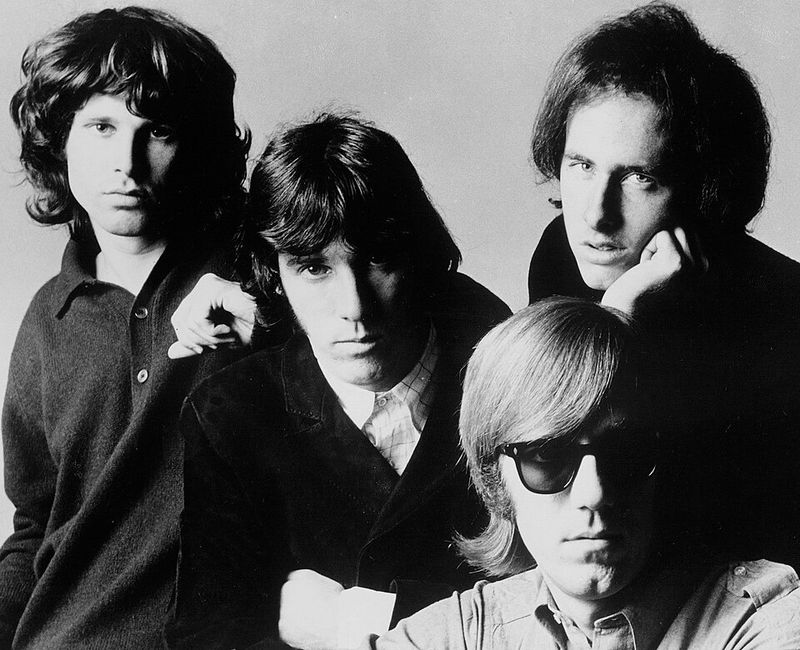
Seven minutes was far too long for AM radio in 1967, and The Doors knew it. Their record label trimmed the album version of Light My Fire down to under three minutes for the single.
That edit worked. The song climbed to No. 1 on the Billboard Hot 100 in July and stayed on top for three weeks.
Ray Manzarek’s organ introduction became one of the most famous openings of the decade. Guitarist Robby Krieger wrote most of the song, which surprised fans who assumed Jim Morrison wrote everything.
Many listeners first heard the short version and later discovered the long instrumental break on the debut album. That discovery pushed some fans toward FM stations, which were happy to play full album tracks.
The Doors went from a Los Angeles club act to a national name within months, all thanks to one carefully edited single.
6. Brown Eyed Girl by Van Morrison
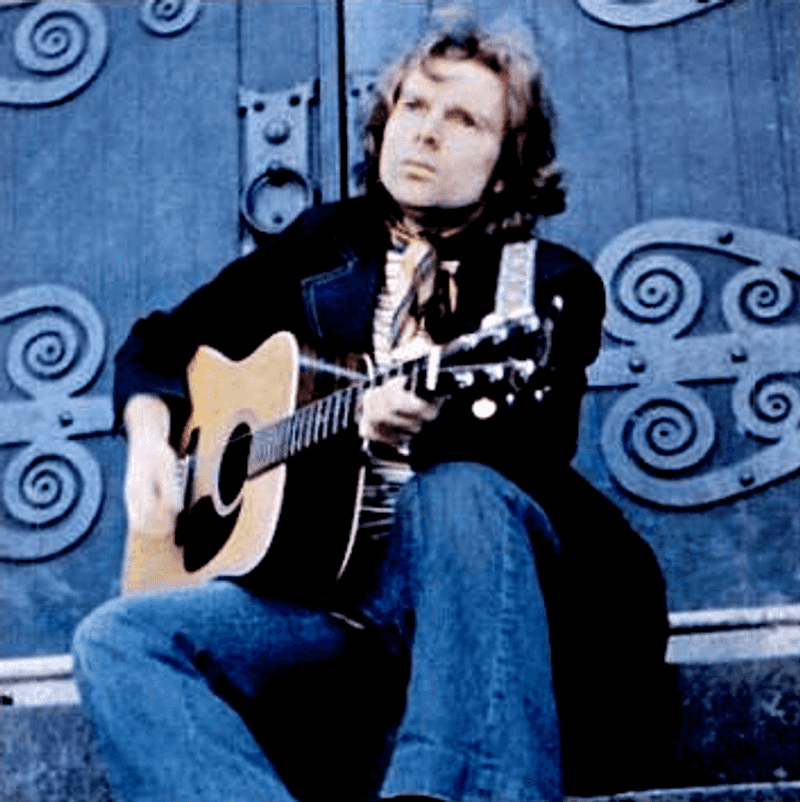
Originally, the title was Brown-Skinned Girl. Van Morrison changed it before recording, and he later admitted he sometimes forgot the switch when singing it.
Morrison had recently left the Belfast band Them and flown to New York to work with producer Bert Berns. Brown Eyed Girl came out of those sessions in 1967.
The single reached No. 10 on the Billboard Hot 100. Some radio stations played an edited version that removed a line about making love in the green grass.
That small edit did not slow the song down at all.
Brown Eyed Girl has become one of the most played songs in radio history. Morrison went on to make respected albums such as Astral Weeks and Moondance, yet casual listeners still know this one best.
Its sha la la chorus is easy to join even without knowing the verses.
7. I Think We’re Alone Now by Tommy James and the Shondells
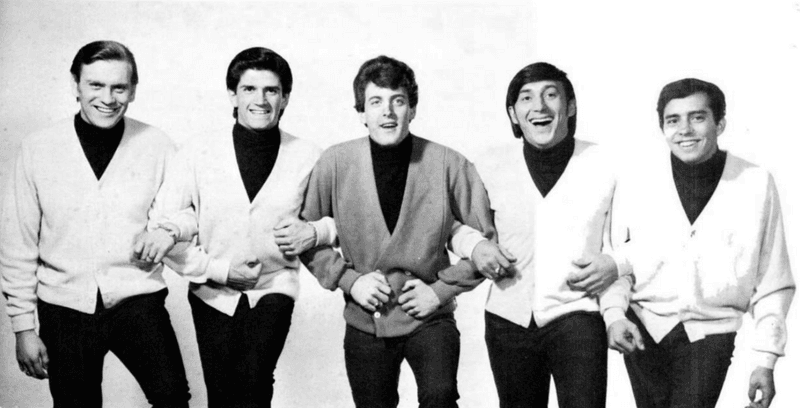
Tommy James was barely 20 when this single made him a household name for the second time. His group had already scored a No. 1 hit with Hanky Panky in 1966.
I Think We’re Alone Now arrived in early 1967 and climbed to No. 4 on the Billboard Hot 100. Ritchie Cordell wrote it, and he co-produced several of the band’s records.
The song’s steady bass line was built to sound like a heartbeat. Its story about two teens sneaking away from their parents connected easily with young listeners.
Critics sometimes called it bubblegum pop. Fans did not mind one bit.
Twenty years later, Tiffany recorded her own version and promoted it with concerts in shopping malls. It reached No. 1 in 1987, giving parents and their kids a hit in common.
8. Incense and Peppermints by Strawberry Alarm Clock
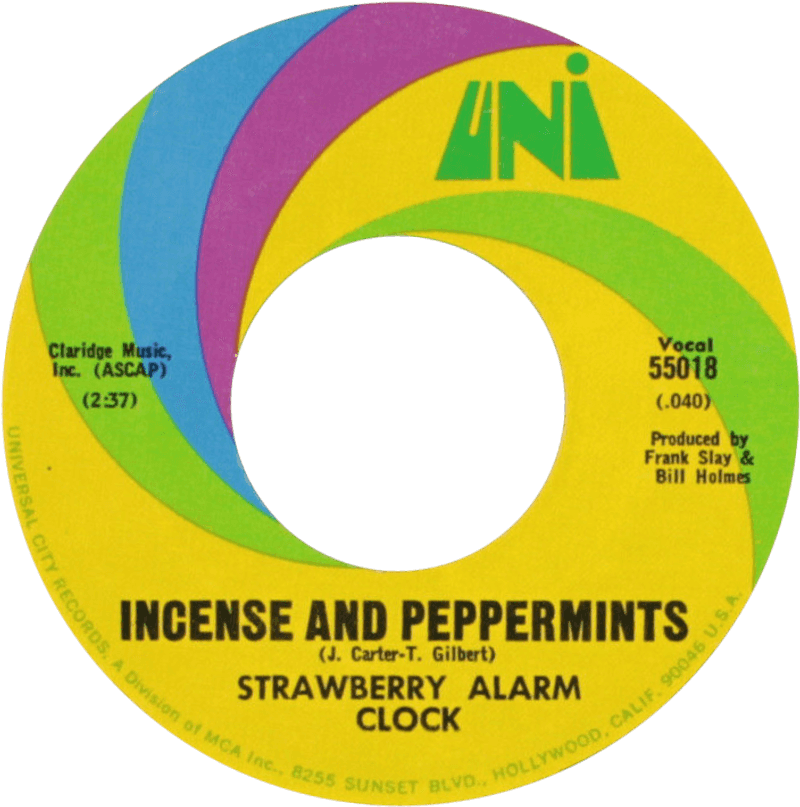
Originally meant as a B-side, Incense and Peppermints ended up as the A-side after a radio station flipped the record and started playing it.
Strawberry Alarm Clock was a young band from Southern California. Their single reached No. 1 on the Billboard Hot 100 in November 1967.
Here is an odd detail. The lead vocal was sung by Greg Munford, a 16-year-old friend who was not even an official band member.
The regular members reportedly did not want to sing it.
The lyrics make very little sense, which suited the psychedelic fashion of the moment. Keyboards and fuzzy guitar filled every corner of the record.
The band never landed another American Top 10 hit. Even so, the song showed that strange, experimental pop could top the charts, something that would have seemed unlikely in 1964.
9. To Sir with Love by Lulu
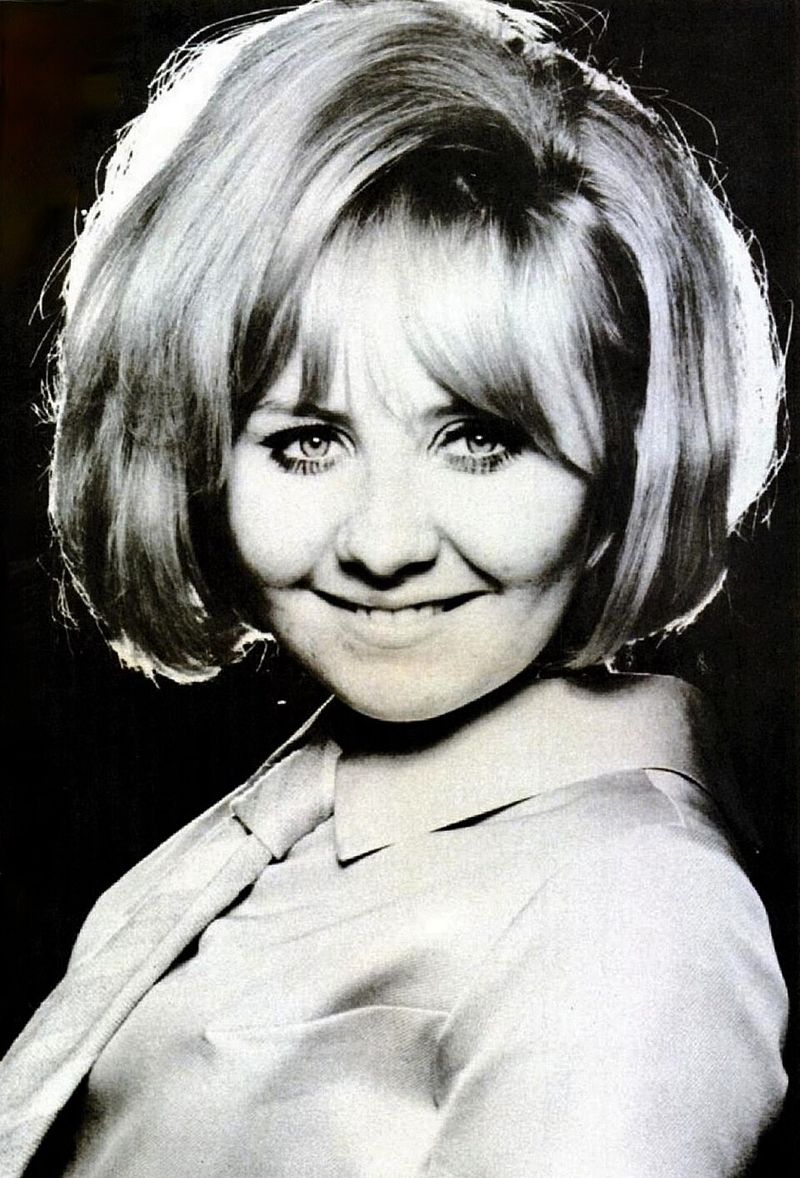
Teachers rarely get their own No. 1 hit, but one did in 1967. To Sir with Love was the theme song for the film starring Sidney Poitier as a teacher in a tough London school.
Lulu, a Scottish singer still in her teens, also acted in the movie. She sang the song as a thank-you from the students to their teacher.
The single spent five weeks at No. 1 on the Billboard Hot 100. Billboard later named it the top song of the entire year.
Here is a surprise. In Britain, it was released only as a B-side and did not chart there at all.
The song relied on a simple melody and sincere words instead of studio tricks. Its success proved that a classic pop ballad could still beat the psychedelic competition.
Many graduation ceremonies have used it ever since.
10. Soul Man by Sam & Dave
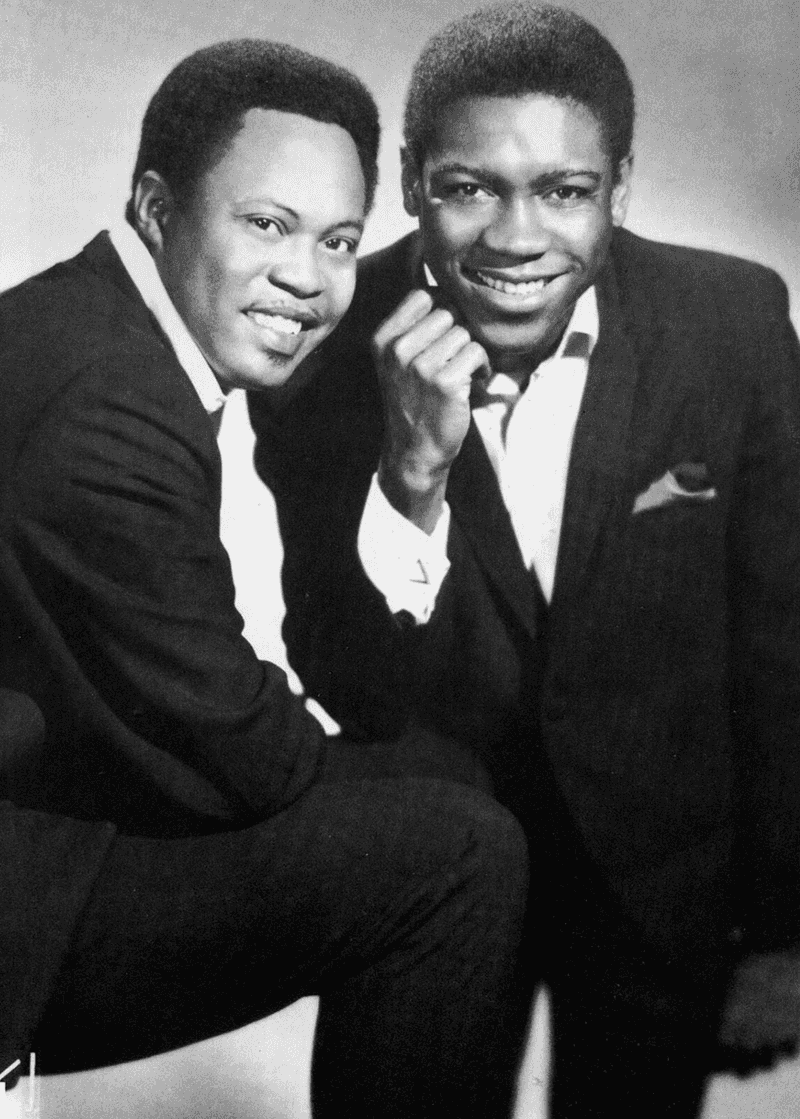
Isaac Hayes got the idea for Soul Man while watching news coverage of the 1967 Detroit unrest. He noticed that Black residents had marked buildings with the word soul, and he turned that sense of pride into a song.
Hayes and David Porter wrote it for Sam Moore and Dave Prater, known as Sam & Dave. The duo recorded at Stax Records in Memphis.
Guitarist Steve Cropper played the famous sliding guitar part, and Sam even calls out his name during the song.
Soul Man reached No. 2 on the Billboard Hot 100 and No. 1 on the R&B chart. It also won a Grammy Award.
The Blues Brothers, played by Dan Aykroyd and John Belushi, took the song back into the Top 20 in 1979. Their version introduced the Stax sound to a new generation.
11. Somebody to Love by Jefferson Airplane
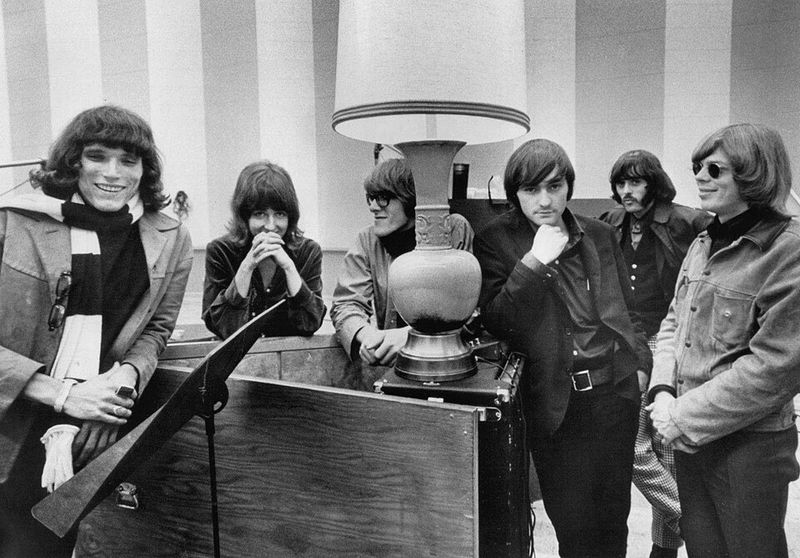
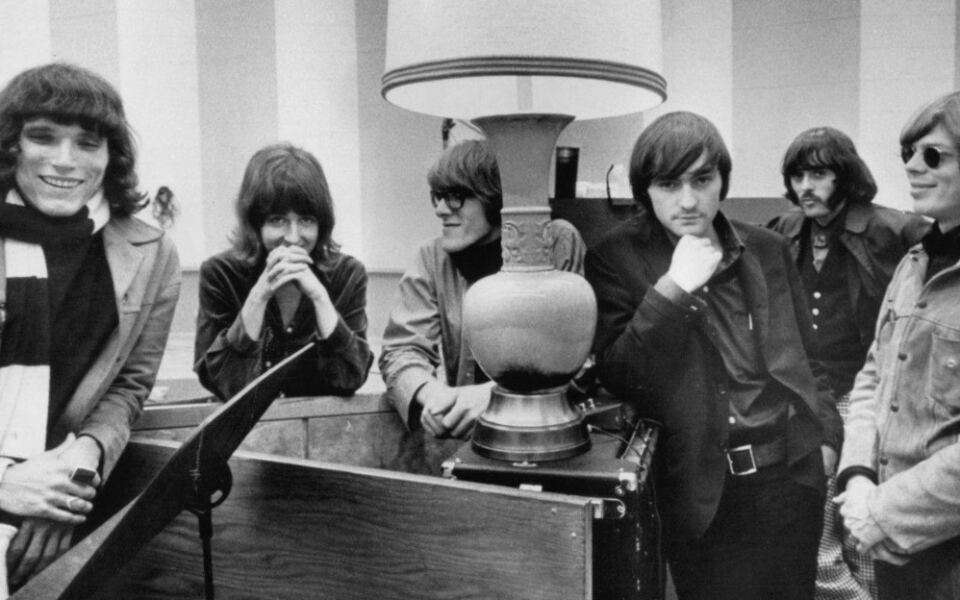
Grace Slick brought two songs with her when she joined Jefferson Airplane in late 1966. One was White Rabbit, and the other was Somebody to Love.
Her brother-in-law, Darby Slick, wrote Somebody to Love for their earlier band, the Great Society. That group recorded it first, but few people outside San Francisco heard it.
Jefferson Airplane sped it up and added a sharper guitar sound. The new version appeared on the album Surrealistic Pillow and reached No. 5 on the Billboard Hot 100.
Slick’s forceful vocal set it apart from softer pop songs of the season. It quickly became linked with the Summer of Love and the Haight-Ashbury neighborhood.
The success also showed record companies that San Francisco bands could sell records nationwide. Labels soon started signing other local groups, hoping to find the next big act.
12. Never My Love by The Association
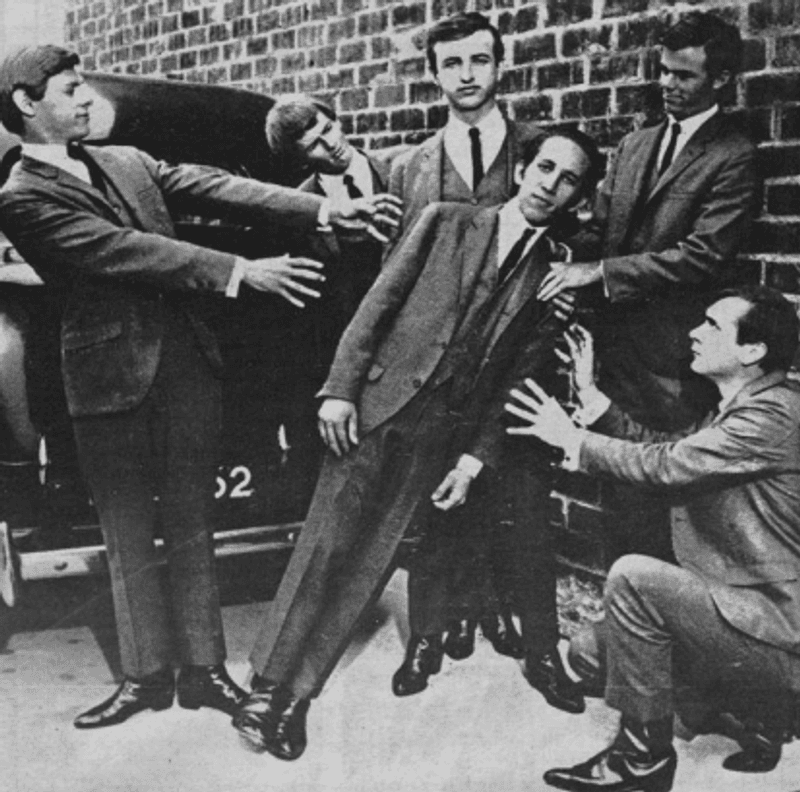
Brothers Donald and Richard Addrisi wrote Never My Love, and it became one of the most played songs of the twentieth century. Broadcast Music Inc. reported that it had been aired on radio and television millions of times.
The Association released it in 1967, and it climbed to No. 2 on the Billboard Hot 100.
Its strength came from layered harmonies. The group had six members, so they could stack voices in ways most rock bands could not.
The song answers a simple question. Will you ever grow tired of me?
The reply, of course, is never.
That calm message stood out during a year full of loud guitars. Adult listeners especially liked it, and easy listening stations kept it in rotation for decades.
Later artists including the 5th Dimension and Blood, Sweat and Tears recorded their own versions.
13. Windy by The Association
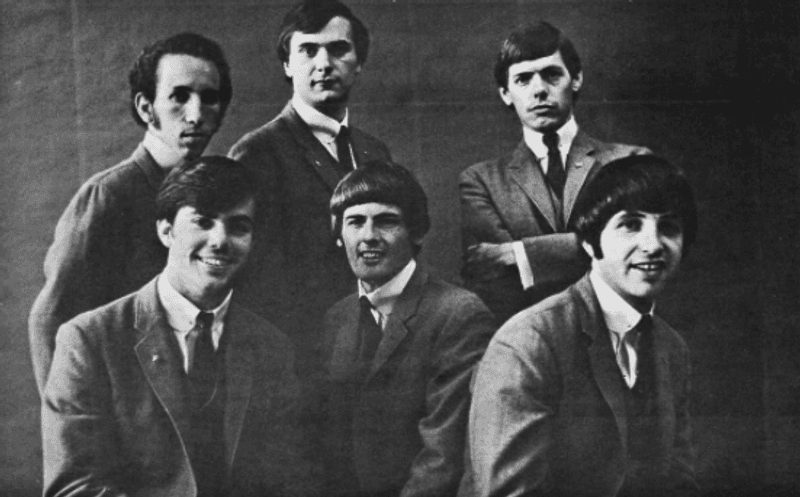
Ruthann Friedman wrote Windy in about 15 minutes while living in a house in Southern California. She was in her early twenties and had no idea it would become a chart topper.
The Association recorded it in 1967 and took it to No. 1 on the Billboard Hot 100. It stayed there for four weeks during the summer.
Friedman originally imagined the song in a slower waltz rhythm. The band and producer Bones Howe sped it up and gave it a bouncy pop beat.
Despite the title, the song has nothing to do with weather. Windy is a free-spirited person who walks through town with stars in her eyes.
Howe also brought in session players from the famous Los Angeles group later called the Wrecking Crew. Their polished playing helped the record sound bright and professional on radio.
14. A Day in the Life by The Beatles
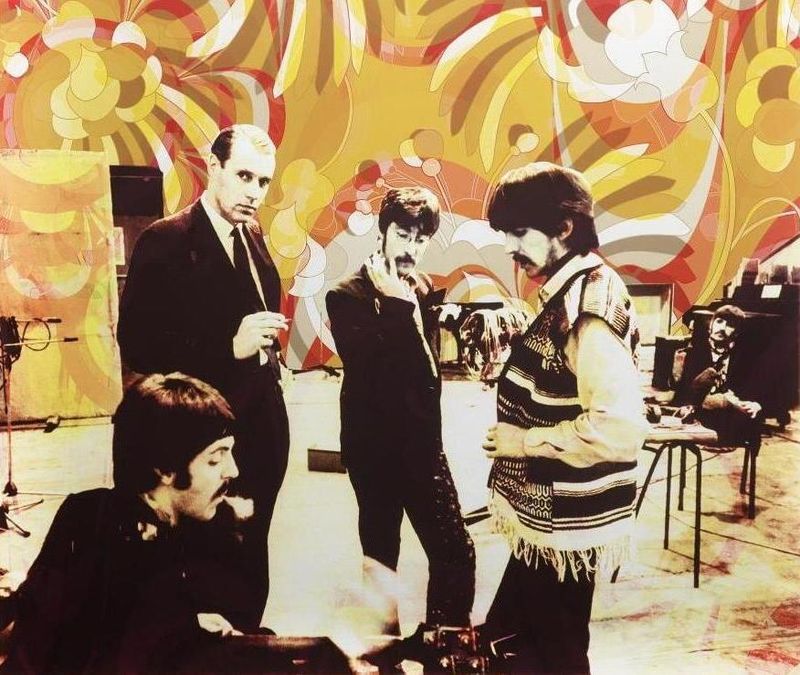
It took about 40 orchestra musicians, four pianos, and one very long chord to finish A Day in the Life. The Beatles placed it as the final track on Sgt.
Pepper’s Lonely Hearts Club Band, released in June 1967.
John Lennon wrote the main verses, partly inspired by newspaper stories. Paul McCartney added the middle section about waking up and catching a bus.
The orchestra was told to climb from its lowest note to its highest. Some players reportedly wore party hats and costumes during the session.
The ending piano chord lasts more than 40 seconds as it fades.
The song was never a US single that year, and the BBC banned it over one lyric. Even so, it showed that rock albums could be planned like art projects.
Many critics now call it one of the greatest Beatles recordings.
Share this story