Philadelphia has much more to offer than the Liberty Bell and Rocky Steps, with fascinating attractions hidden throughout the city. From a historic prison that once held Al Capone to a traditional Japanese house, a six-floor art experience, and a submarine you can explore, there is no shortage of unusual places to discover.
These 14 Philadelphia attractions include historic landmarks, interactive museums, family-friendly destinations, and hidden gems. Some are completely free, while others offer one-of-a-kind experiences that make exploring the City of Brotherly Love even more memorable.
1. Eastern State Penitentiary, Philadelphia, Pennsylvania
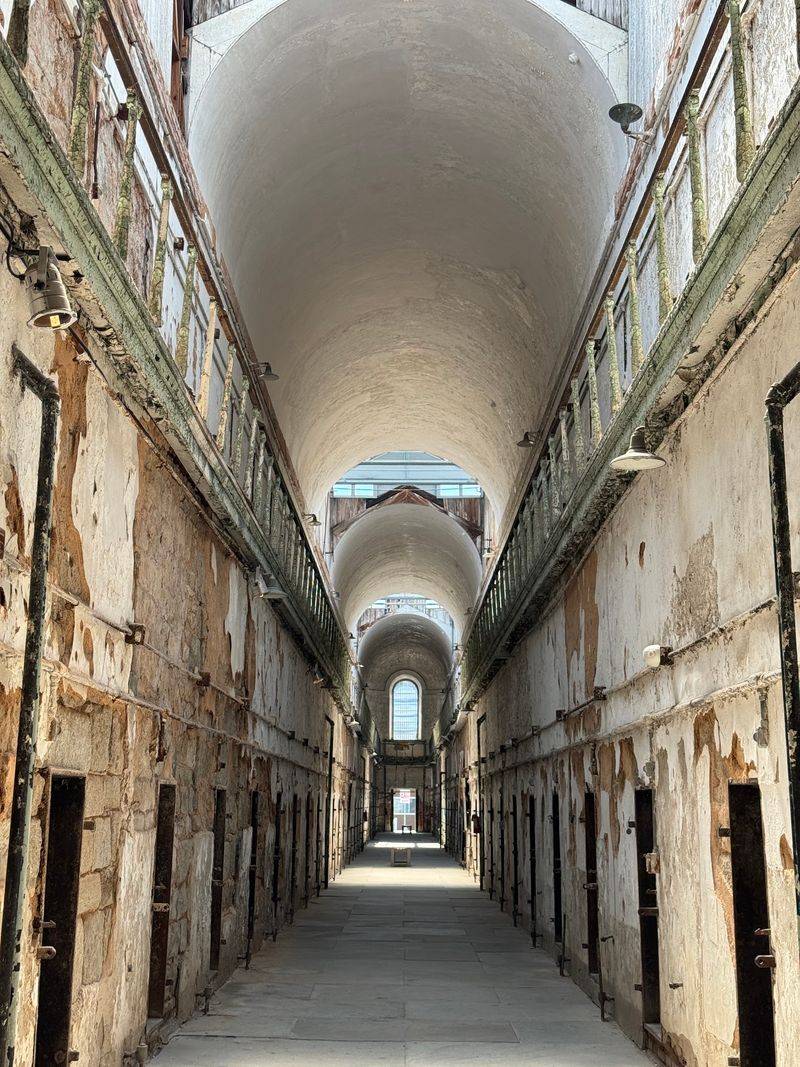
Al Capone spent eight months here in 1929, and his cell had rugs, paintings, and a radio. Most inmates got a lot less.
Eastern State Penitentiary opened in 1829 with a bold plan. Each prisoner lived alone, hoping quiet time would lead to regret and change.
The building used a hub-and-spoke design, with cellblocks spreading out from a central guard station. Around 300 prisons worldwide copied this layout.
Each cell had a small skylight, running water, and heat, which was rare for its time. During trips outside, prisoners often wore hoods so they could not talk to each other.
Today you can explore the cellblocks with an audio tour narrated by actor Steve Buscemi. Former guards and inmates share stories along the way.
Do not skip the exhibit called Prisons Today. It connects the old building to modern questions about justice.
Plan for about two hours, and buy timed tickets online.
2. Philadelphia’s Magic Gardens, Philadelphia, Pennsylvania
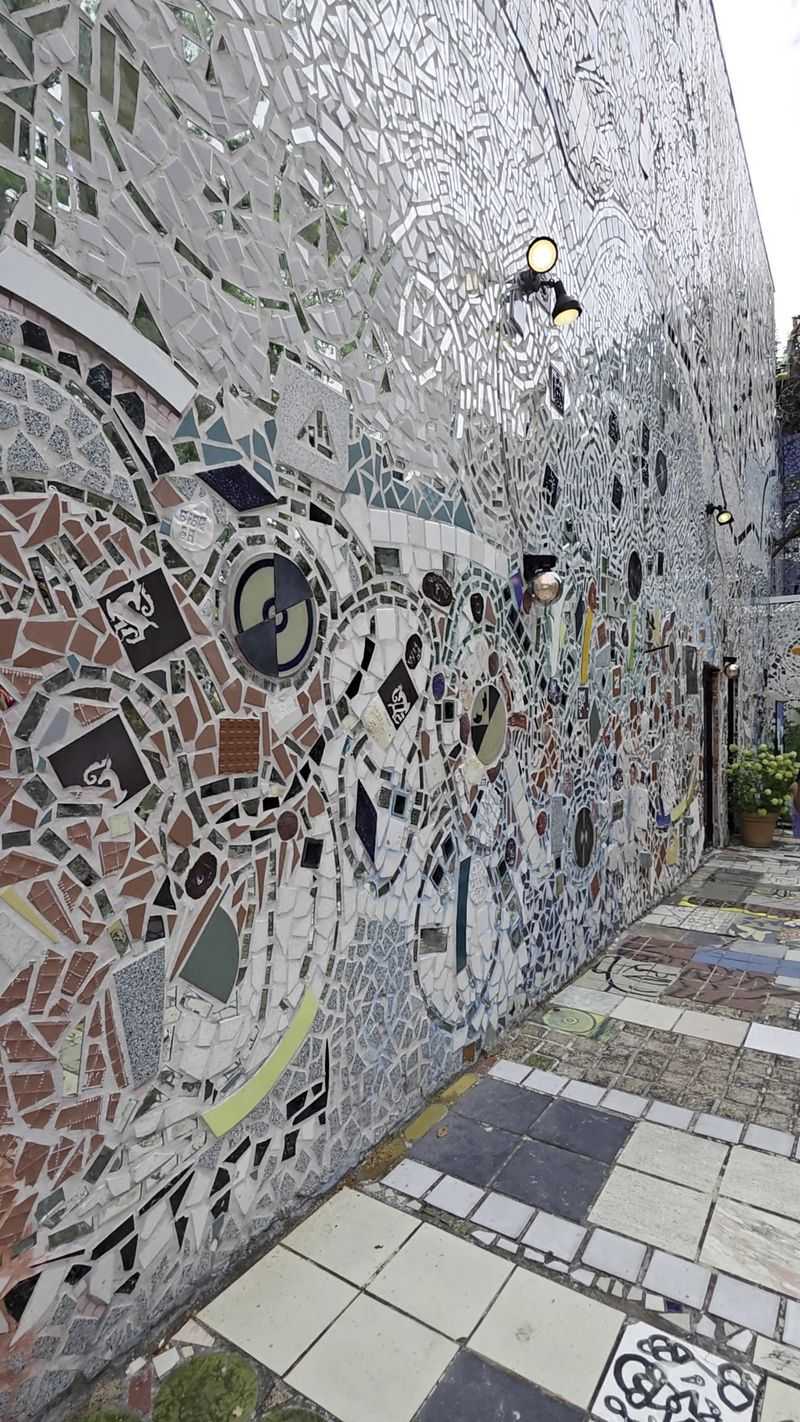
Broken plates have never looked this good. Artist Isaiah Zagar spent fourteen years turning empty lots on South Street into a giant mosaic maze.
He started decorating the neighborhood in the 1960s. His main project began in 1994 and grew to cover more than 3,000 square feet.
Zagar used handmade tiles, mirror pieces, glass bottles, bicycle wheels, and folk art from around the world. He calls the work a visual diary, so look for names, words, and faces hidden in the walls.
The outdoor garden has two levels, plus tunnels and small grottos to explore. Inside, two galleries host rotating shows by other artists.
Photos are welcome, but touching the art is not allowed. That rule keeps the pieces from cracking.
Neighbors saved the site in 2002 when the land was up for sale. Entry is timed, and weekends sell out fast, so book ahead.
3. Reading Terminal Market, Philadelphia, Pennsylvania
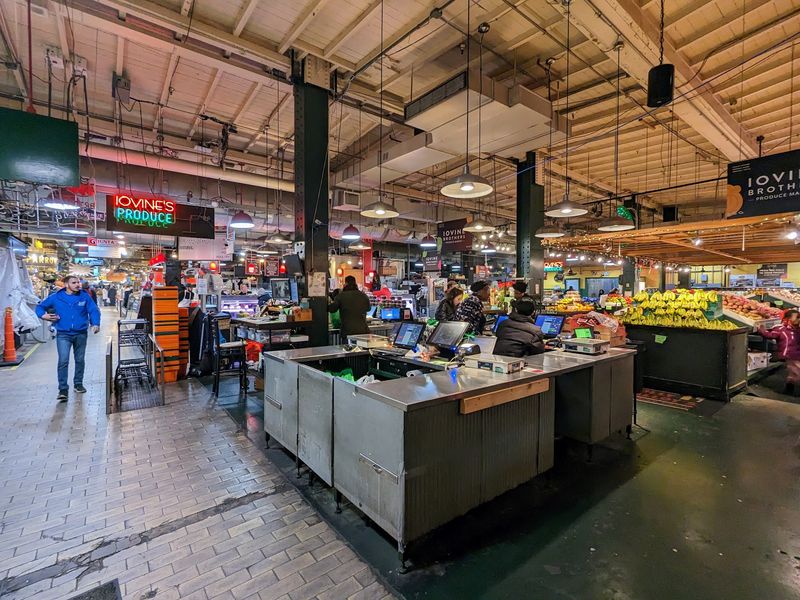
Bassett’s Ice Cream has been scooping here since 1892, a year before the market officially opened. That is a long time to perfect vanilla.
Reading Terminal Market sits under an old railroad train shed. The aisles follow a grid, much like Philadelphia’s streets.
More than 80 merchants work here today. Some families have run their stands for generations.
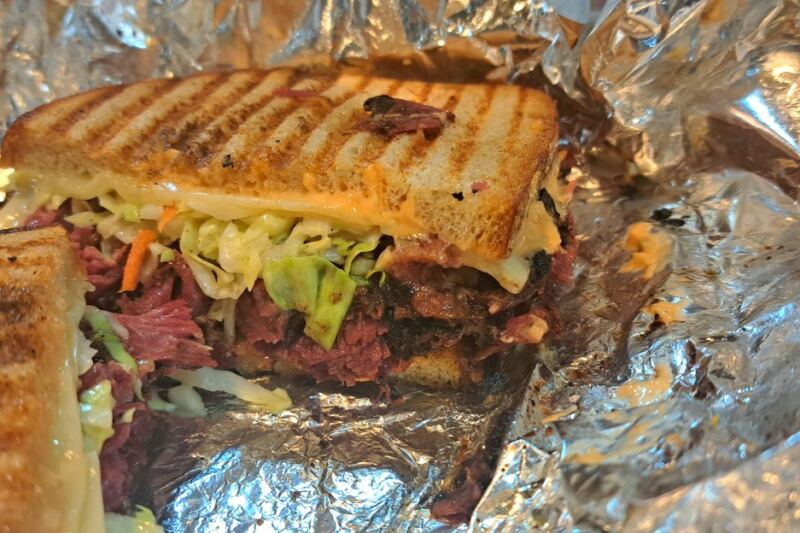
Hungry first-timers should try a roast pork sandwich from Tommy DiNic’s. Cheesesteaks, scrapple breakfasts, and hand-rolled pretzels from Miller’s Twist are also popular picks.
Amish and Mennonite vendors from Lancaster County sell doughnuts, apple dumplings, and baked goods. They close on Sundays, so plan around that.
You can also grab Caribbean, Middle Eastern, and Cajun dishes without leaving the building.
Entry is free, and the market runs daily from 8 a.m. to 6 p.m. Arrive before 11 a.m. or after 2 p.m. to dodge the lunch crowd.
4. Shofuso Japanese Cultural Center, Philadelphia, Pennsylvania
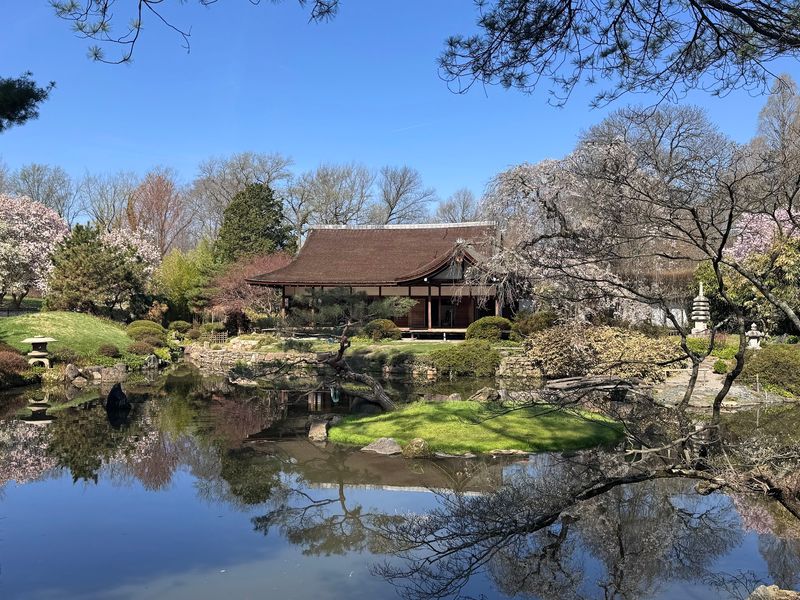
Few houses in Philadelphia have traveled farther than this one. Shofuso was built in Nagoya, Japan, in 1953 as a gift of peace and friendship.
It was first shown at the Museum of Modern Art in New York. In 1958 it moved to West Fairmount Park for good.
The name means Pine Breeze Villa. Architect Junzo Yoshimura designed it with sliding doors and a roof made of hinoki tree bark, the only one of its kind outside Japan.
The rooms have no furniture on purpose. That way, the woodwork and the garden views get all the attention.
Outside, a hill and pond garden includes a waterfall, an island, and koi you can feed. There is also a tea garden with a small tea house.
Inside, look for 20 waterfall murals by artist Hiroshi Senju. Shoes come off at the door, so wear clean socks.
Spring cherry blossom season is the busiest time.
5. Morris Arboretum & Gardens, Philadelphia, Pennsylvania
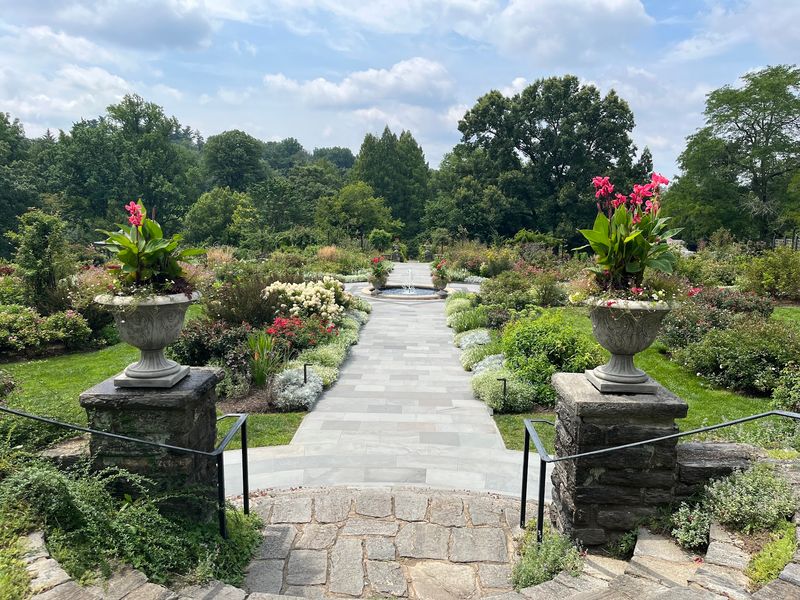
Ever wanted to stand inside a giant bird’s nest? Morris Arboretum in Chestnut Hill makes it possible, 50 feet above the ground.
The Tree Adventure walkway stretches 450 feet through the treetops. It is wheelchair friendly, and it includes a rope net called the Squirrel Scramble.
This 92-acre garden belongs to the University of Pennsylvania. It was once a private estate and now holds some of the oldest and rarest trees in the city.
Fern fans should head to the fernery, built in 1899. It is the last freestanding Victorian fernery in North America and holds over 200 kinds of ferns.
In warm months, the Garden Railway runs model trains past tiny Philly landmarks. Builders make them from bark, twigs, leaves, and acorns.
Kids can also build fairy houses in the Whimsical Woods. Food options on site are limited, so pack a picnic and bring water.
6. Please Touch Museum, Philadelphia, Pennsylvania
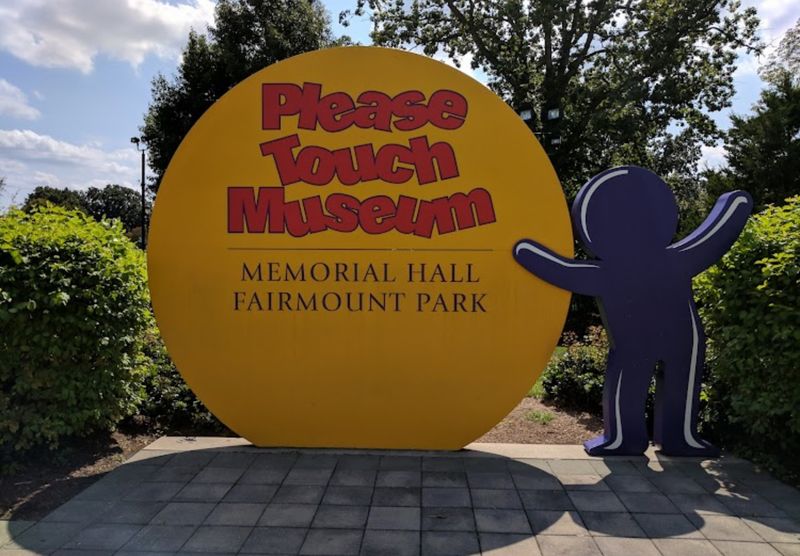
Here is a museum where breaking the usual rules is the whole point. Little hands are supposed to grab, push, and pretend.
The Please Touch Museum opened in 1976 as the first museum in the country made for kids seven and under. Since 2008 it has lived inside Memorial Hall, the art gallery from the 1876 World’s Fair.
Kids can stock shelves and run a checkout in a play supermarket. They can also drive a real bus or float boats on a tiny Delaware River.
The Alice in Wonderland area lets them play croquet with the Queen. The Mad Hatter’s tea table is a favorite too.
The star attraction is the Woodside Park Dentzel Carousel, built in 1908. Its hand-carved horses, rabbits, cats, and pigs spin inside a glass atrium.
The museum works best for ages six months to eight years. Book tickets ahead on busy days, and expect a fee for the gated parking lot.
7. Wagner Free Institute of Science, Philadelphia, Pennsylvania
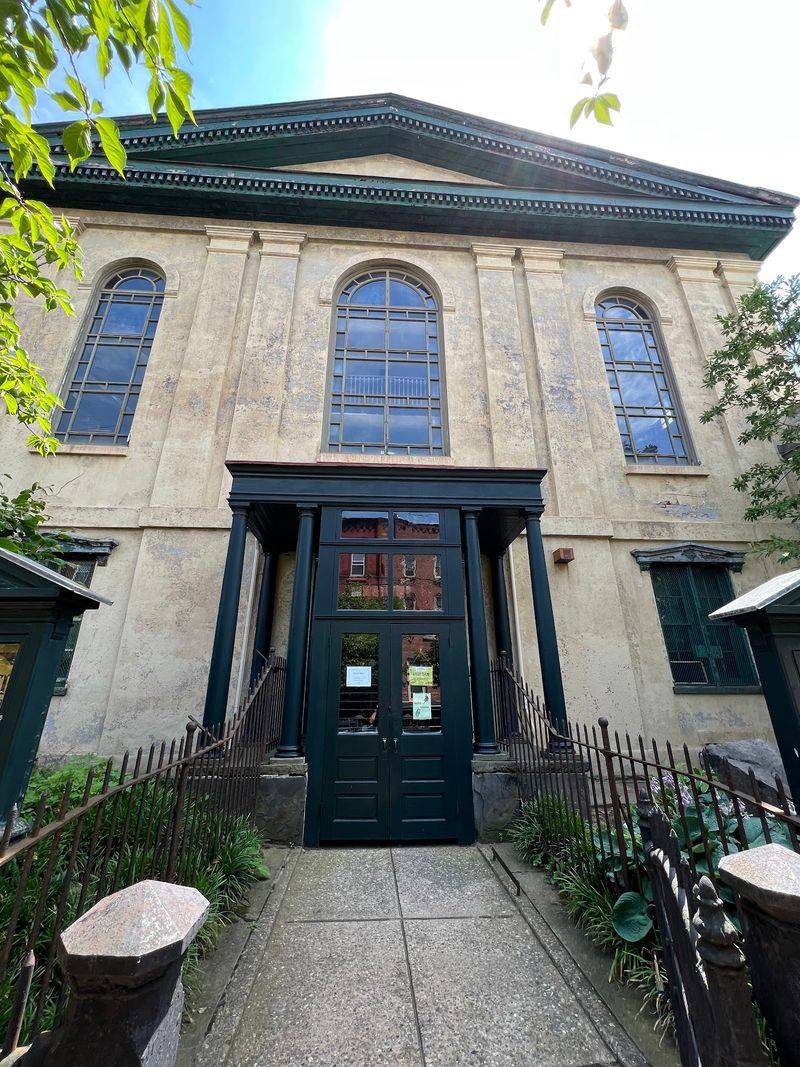
Call it a museum of a museum. The Wagner Free Institute of Science looks almost exactly as it did over a century ago.
Merchant and science fan William Wagner founded it in 1855. His goal was simple: free science lessons for everyone, and the institute still offers them.
The building was designed by John McArthur Jr., the same architect behind City Hall. Inside, more than 100,000 specimens sit in their original cherry-wood and glass cases from the 1880s.
Look for fossils, minerals, shells, and mounted birds. Many insect labels are still handwritten by old curators.
The big show-off is the first American saber-toothed cat ever found, dug up in Florida in 1886. A buffalo skeleton and a draft horse skeleton stand nearby.
Admission is free. The hall opens Tuesday through Friday and the first Saturday of each month.
It sits up a flight of stairs, so plan for that.
8. Bartram’s Garden, Philadelphia, Pennsylvania
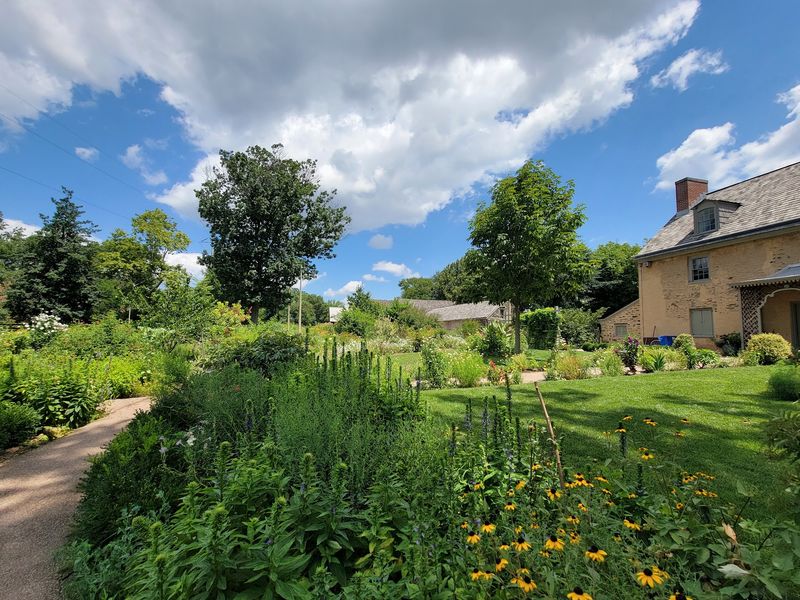
Benjamin Franklin was friends with the man who planted this place. John Bartram started his garden in 1728, and it is now the oldest surviving botanical garden in North America.
Bartram was a self-taught Quaker farmer. King George III later named him Royal Botanist for North America.
His family shipped boxes of seeds to buyers in Europe. That plant business kept the garden growing for three generations.
The stone Bartram House from the 1730s still stands. Nearby, look for a yellowwood tree planted in 1805.
The garden covers about 45 acres along the Schuylkill River. In season, you can borrow kayaks and rowboats for free from the Welcome Center.
The Bartram’s Mile Trail runs about two miles along the water, with skyline views. It connects to the East Coast Greenway.
Entry costs nothing. The Welcome Center opens Thursday through Monday, and biking or public transit is the easiest way in.
9. The Mütter Museum, Philadelphia, Pennsylvania
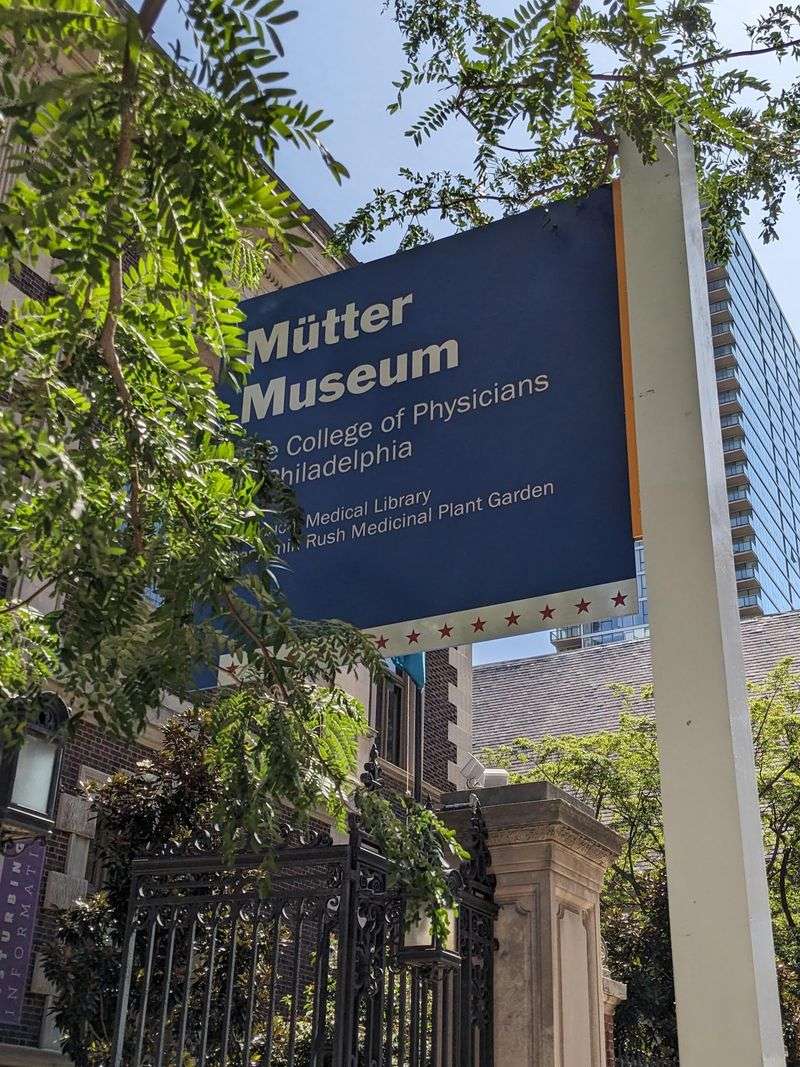
A drawer of 2,374 swallowed objects might be the most surprising display in the city. Pins, buttons, and toy pieces were all removed by Dr. Chevalier Jackson during his long career.
Jackson kept careful notes on each one. Doctors still learn from his records today.
The Mütter Museum sits inside the College of Physicians of Philadelphia. Dr. Thomas Dent Mütter founded it in 1863 with his own teaching collection.
Today it holds tens of thousands of medical objects. Many are displayed in the same style of wooden cases used in the 1800s.
Famous items include the Soap Lady, a skull collection, and a cast related to the Bunker twins. There is also a 7 foot 6 inch skeleton and slides of Albert Einstein’s brain.
Some displays are intense, so it is best for older kids and adults. Photos of human remains are not allowed.
Buy timed tickets, especially for weekends.
10. Cherry Street Pier, Philadelphia, Pennsylvania
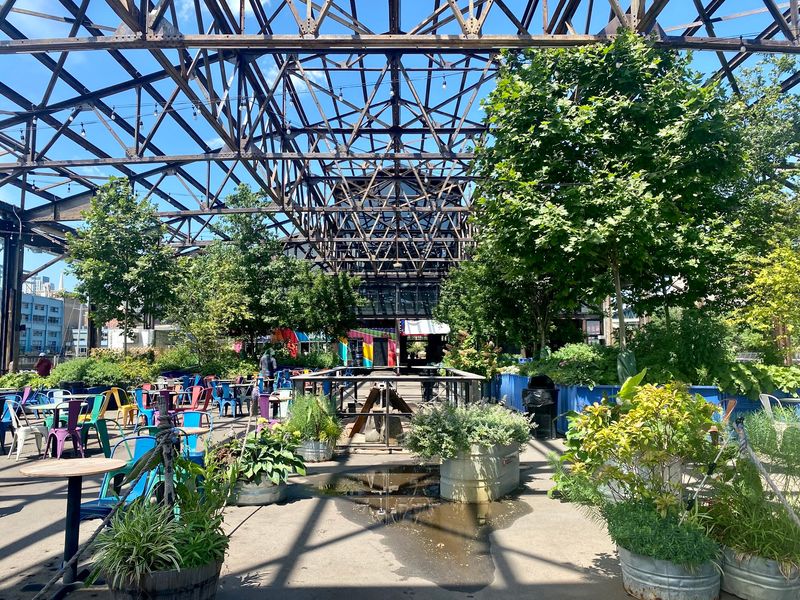
Shipping containers make surprisingly good art studios. At Cherry Street Pier, 14 of them have glass fronts, so you can watch artists at work.
The pier was built in 1919 as Municipal Pier 9. Workers once moved goods from ships onto trains here.
After years of sitting empty, it reopened in 2018 as a public space. The original rail tracks and steel roof trusses are still in place.
The pier has three zones. The Garage holds the studios, and The Platform hosts rotating exhibits and shows.
The Garden sits at the far end, where part of the roof was removed. Food vendors work out of old trolley cars, and the Ben Franklin Bridge fills the view.
Watch the calendar for artisan markets and studio tours. Entry is free year-round, and leashed dogs are welcome.
There is no heating or air conditioning, so dress for the weather.
11. Independence Seaport Museum, Philadelphia, Pennsylvania
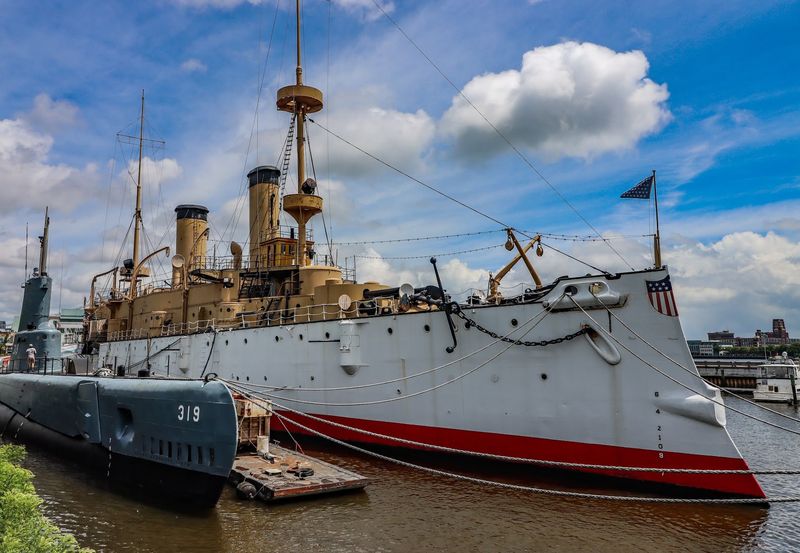
The oldest steel warship still afloat is parked on the Delaware River. The cruiser Olympia launched in 1892 and now welcomes visitors aboard.
She served as Admiral Dewey’s flagship at the Battle of Manila Bay in 1898. Self-guided tours show where sailors slept, ate, and worked.
Right next door sits the submarine Becuna, nicknamed Becky. She launched in 1944 and completed five patrols in the Pacific during World War II.
Guided tours of Becky are for visitors age 10 and up. Expect tight hatches and narrow passages.
Inside the museum, River Alive explains the river’s wildlife and how millions of people drink its water. Patriots and Pirates covers the early U.S.
Navy, which got its start in Philadelphia.
Kids can climb aboard a replica 1797 schooner. At the Workshop on the Water, staff build wooden boats by hand.
The ships have no heat or AC, so check the forecast.
12. Fairmount Water Works, Philadelphia, Pennsylvania
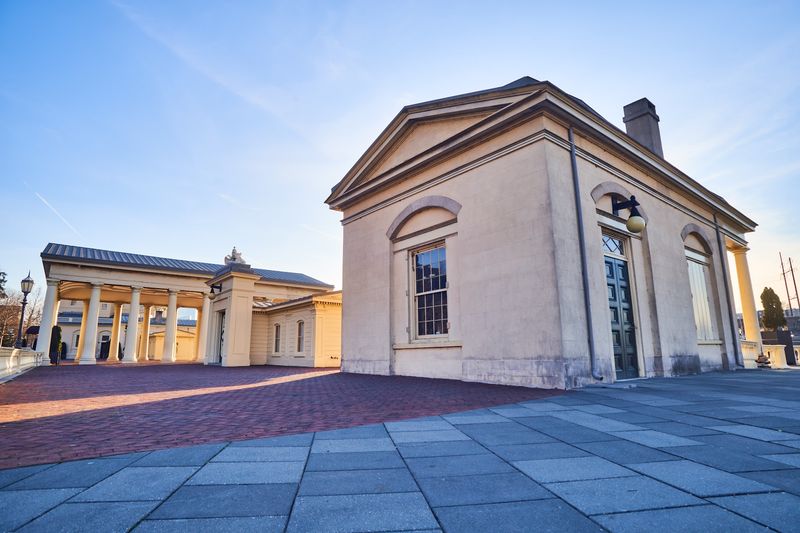
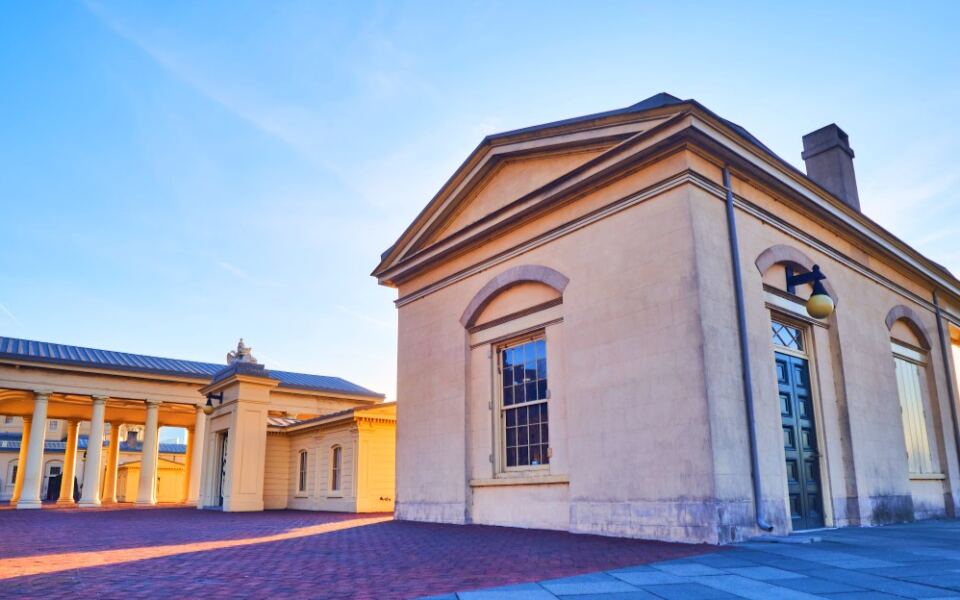
Those fancy white buildings below the art museum were once a giant water pump. Engineer Frederick Graff designed the Fairmount Water Works, which opened in 1815.
Philadelphia needed clean water after dirty wells caused serious illness. The city built a dam across the Schuylkill River in 1821 to power water wheels.
The buildings were styled to look like an elegant country estate. Nobody guessed they hid machinery inside.
After pumping ended in 1909, the site became the Philadelphia Aquarium. Later it served as a public pool.
Since 2003, it has been a free learning center run by the Philadelphia Water Department. Exhibits explain the old turbines and how rivers stay healthy.
One fun extra is a freshwater mussel hatchery. Staff raise baby mussels that help clean the river.
13. Ministry of Awe, Philadelphia, Pennsylvania
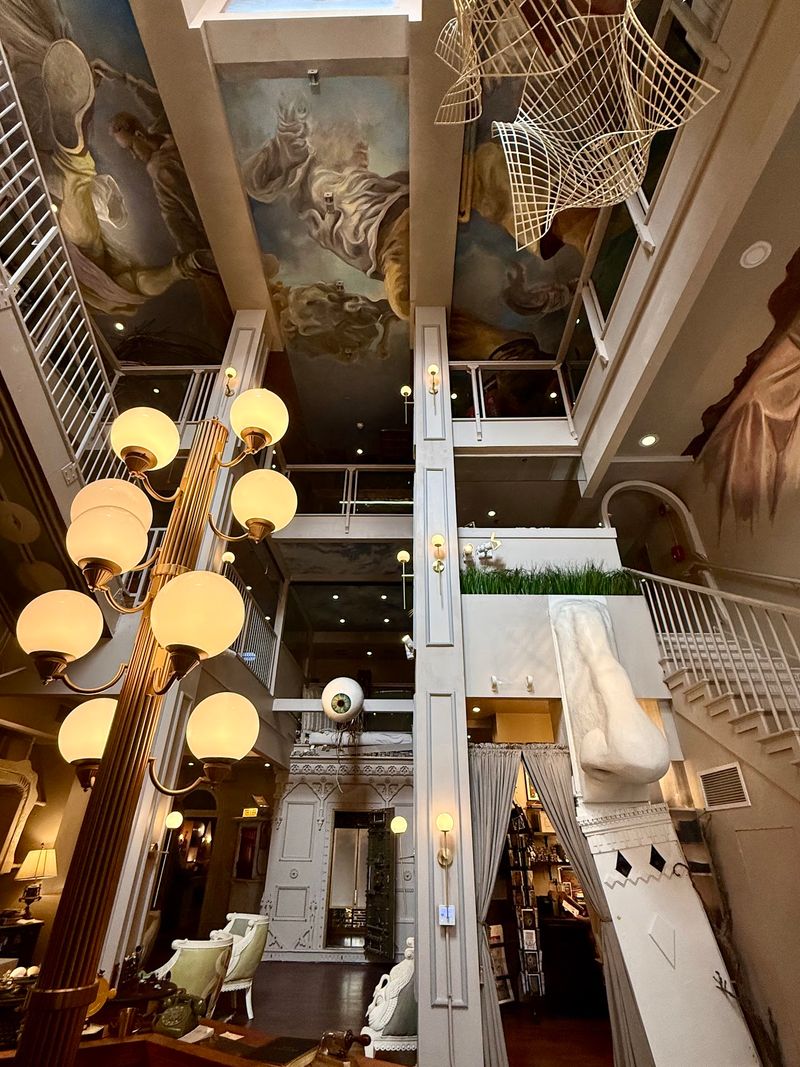
Most banks guard money. This one in Old City guards surprises instead.
The Ministry of Awe fills a former 19th-century bank with six floors of art. The building had stood mostly empty since 1985.
Philadelphia muralist Meg Saligman created the project with more than 100 local artists. There is no set path, so visitors wander wherever curiosity leads.
Expect twisting hallways, an old bank vault, and a grand Victorian atrium. Large murals and odd sculptures are built right into the walls.
In one room called Heavens, visitors’ words and movements help shape a changing mural. Old typewriters and calculators show up too, and even the restrooms are decorated.
Costumed characters wander the halls and chat with guests. Adult tickets start around 30 dollars.
Plan for 90 minutes to two hours and wear comfy shoes. An elevator reaches most floors, and timed tickets are the way to go.
14. Calder Gardens, Philadelphia, Pennsylvania
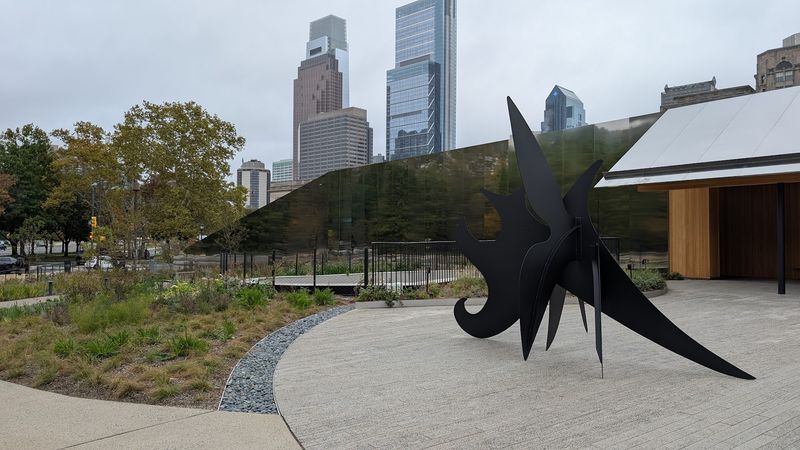
Three generations of Calders have left their mark on Philadelphia. The newest stop, opened in September 2025, celebrates Alexander Calder, the hometown artist famous for hanging mobiles.
Calder Gardens sits on the Benjamin Franklin Parkway on 1.8 acres. Swiss firm Herzog and de Meuron designed the low building with metal panels.
Most galleries sit underground. Two sunken gardens bring daylight down to the art.
Garden designer Piet Oudolf, known for New York’s High Line, planted over 250 kinds of plants. The meadow changes with every season.
Inside, the art rotates and covers Calder’s 50-year career. You will see mobiles, big steel stabiles, paintings, and drawings, but not in time order.
Current admission is $18 for adults, and children 12 and under enter free. There is no parking lot, so take transit or use nearby garages.
Share this story