A historic stamp mill, a butterfly-shaped flower garden, and views across Butte all share one small hillside in Montana. Old Lexington Gardens brings together the city’s mining history and a tribute to an amusement park that disappeared decades ago.
The site marks the location of Butte’s first stamp mill, established in 1867. Today, visitors can examine historic mining equipment, read interpretive signs, and explore gardens inspired by the former Columbia Gardens amusement park.
The most unexpected detail is the butterfly display, which recreates a floral design that was once a familiar part of Butte’s history.
A Garden Born From a Mining Town
Old Lexington Gardens sits at 300-304 E Granite St in Butte, Montana, in the eastern part of the historic Uptown district. It is a small public park, and it stays open around the clock, so you can wander in whenever it fits your plans.
The space is listed by the state tourism office as the Old Lexington Stamp Mill and Gardens. That longer name hints at the two sides of this place.
One side is history, and the other side is plants and flowers.
Butte grew up as a mining town, and much of its story comes from copper and silver dug deep underground. This garden pulls that past into the open air, where anyone can walk around and learn.
I like that it does not feel like a stuffy museum. You get to read, look and breathe fresh air at the same time.
The park is small, so it does not take a whole day to explore. That makes it an easy add-on to a stroll through Uptown Butte.
The first thing most people want to see, though, is the giant machine standing on the grounds.
The Stamp Mill Steals Attention
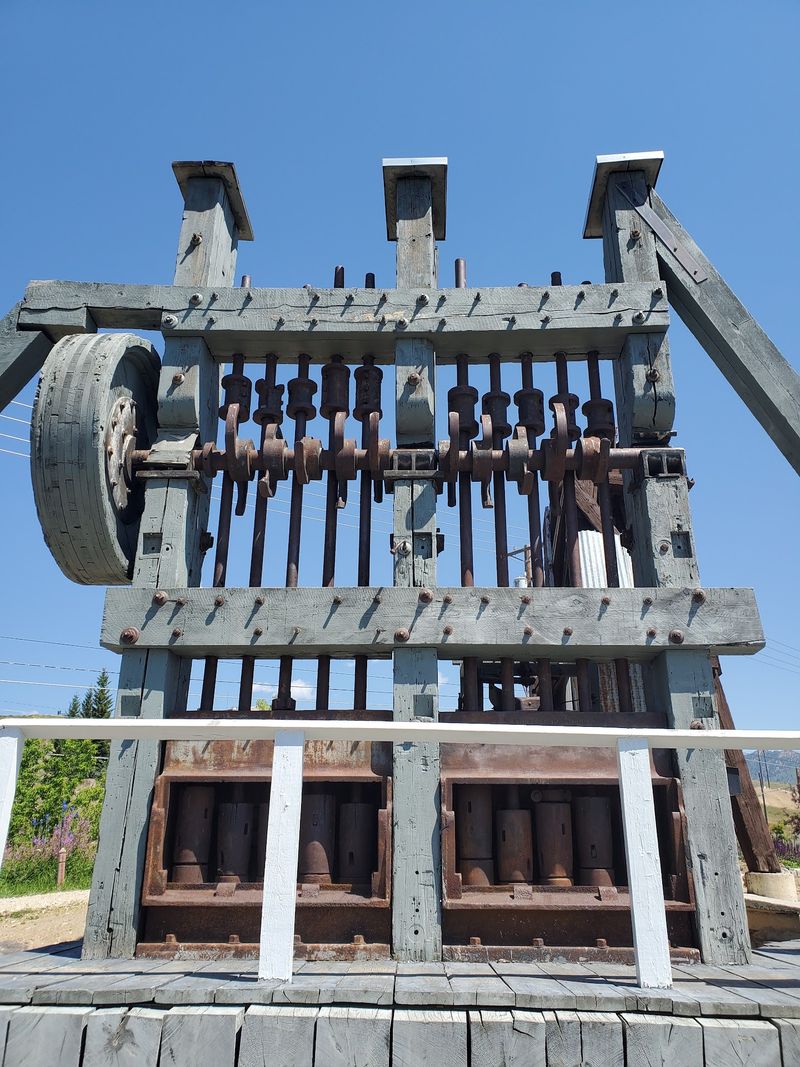
Heavy iron and old wood rise above the flower beds here. The Lexington stamp mill is a real piece of mining equipment, and it is displayed right on the grounds where you can walk around it.
A stamp mill had one big job. It crushed rock that miners pulled from the ground so the valuable metal inside could be separated and collected.
The machine worked by lifting heavy weights, called stamps, and dropping them onto the ore again and again. You can only guess how loud that must have been in its working days.
Seeing it up close helps the story of mining feel real. Reading about ore processing in a book is one thing, but standing beside the actual equipment makes it much easier to understand.
The mill is also a favorite spot for photos. Its rugged shape stands out against the bright plants nearby, which makes for interesting pictures.
Kids especially may enjoy studying the gears and parts. Curious minds will want answers, and luckily the park has signs that explain exactly how it all worked.
Signs That Teach Without Feeling Like School
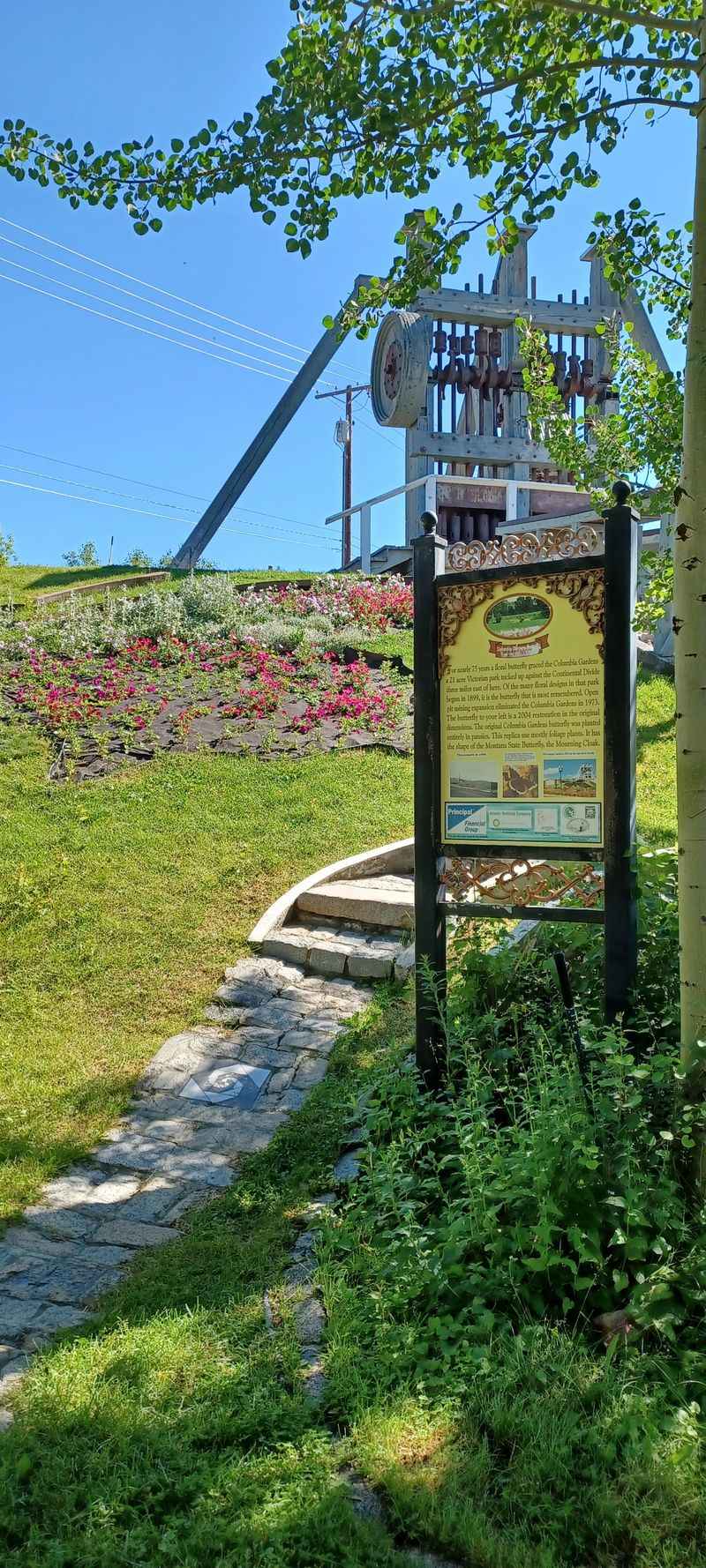
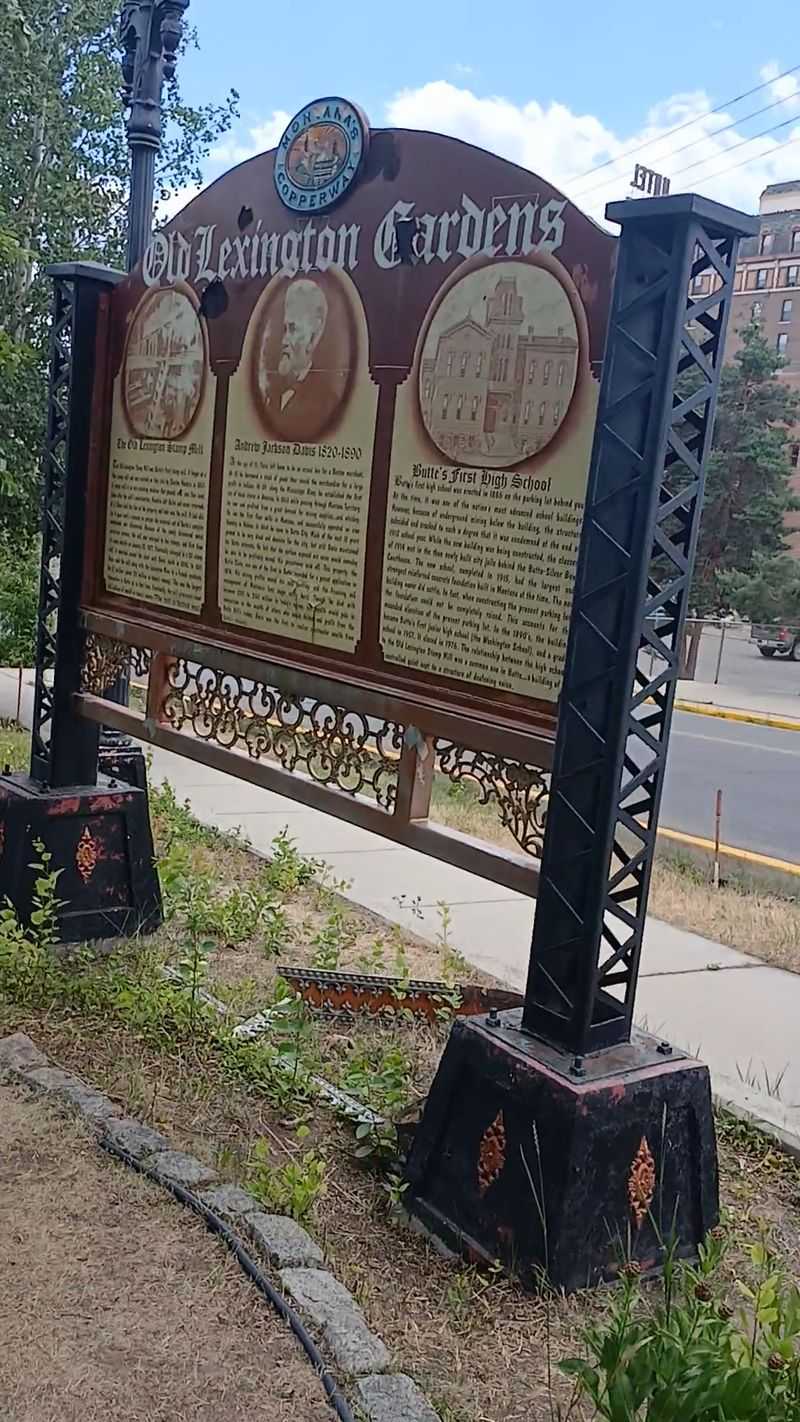
Reading is part of the fun at this park. Informational panels around the grounds explain how ore was stamped and crushed, plus other bits of Butte history.
Some of the signs share fun facts too. That helps the details stick, especially for younger visitors who might not care about mining terms at first.
I find this setup smart. You can read a panel, look at the machine it describes, and then rest on a bench while the idea sinks in.
Not every sign looks brand new, and a few may show some wear from Montana weather. Still, the information gives helpful background on why mining mattered so much here.
Here is a simple tip. Take your time and read the panels in order if you can, because they build a clearer picture together.
Families can turn it into a small game. Ask kids to find one surprising fact on each sign and share it with the group.
After all that reading, your eyes will probably drift toward the edge of the park, where the whole city spreads out below.
A View Over the Mining City
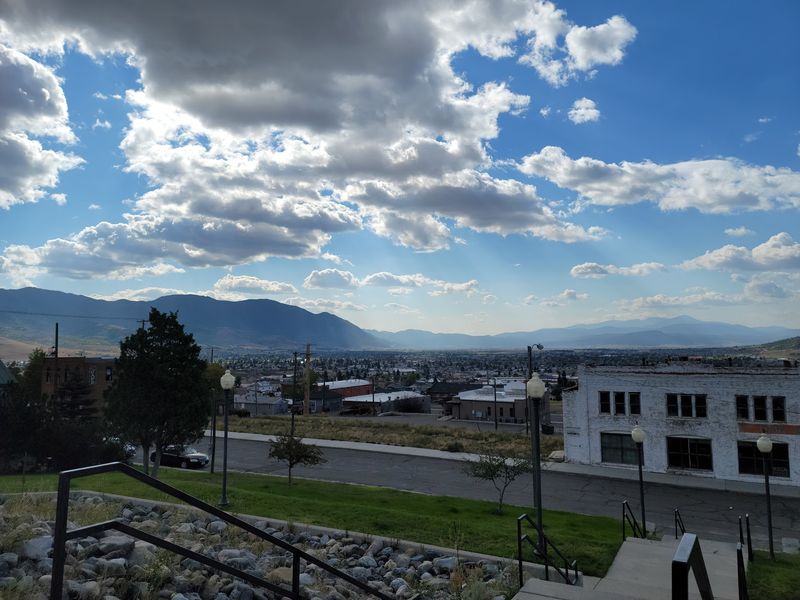
From the top of the park, Butte opens up beneath you. The garden sits on a slope, and that height gives visitors a wide look across the city.
You can see rooftops, streets and the landscape that shaped this mining community. It helps you understand how the town spread across the hills.
I would save a few minutes just for this view. It is a good moment to slow down and connect what you learned at the stamp mill with the city in front of you.
The overlook also makes a nice spot for photos. Morning or late afternoon light may give the scene a softer look, though weather in Montana can change quickly.
Bring a jacket even in summer. Butte sits high up, and breezes can feel cool on an open hillside.
The location is also on a quieter corner without much traffic. That calm feeling adds a lot to the experience of standing and looking out.
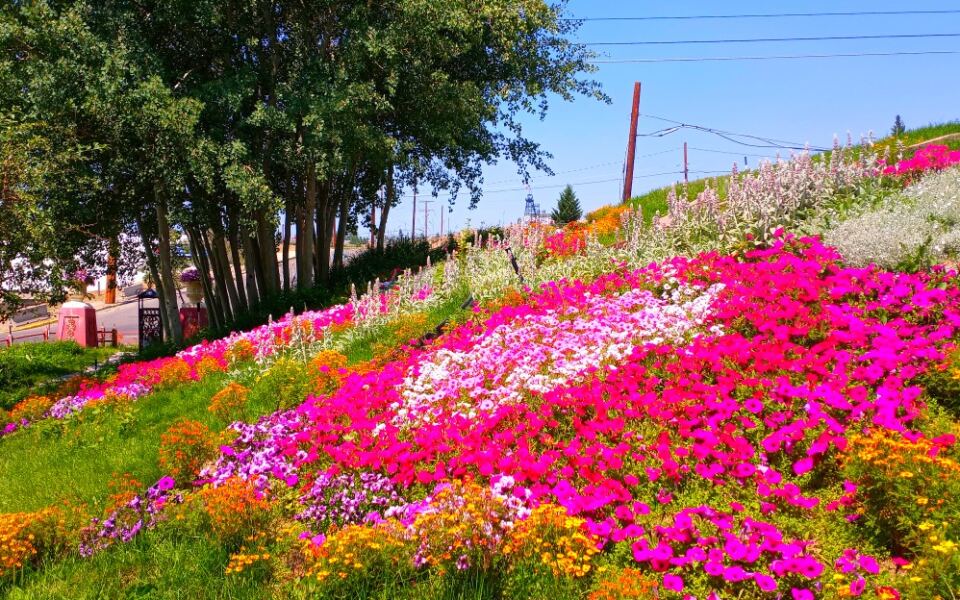
Turn around from the view, though, and the colors of the garden beds pull your attention right back.
Flowers That Handle a Short Season
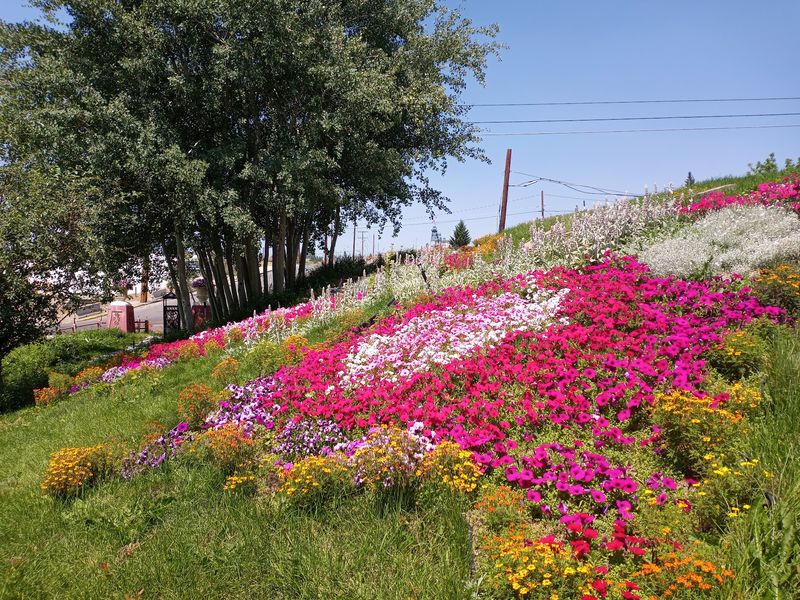
Growing flowers in Butte takes patience. The city has a short growing season, often described as only about 60 days, so every bloom here has to work fast.
The garden features a mix of flowering plants, including Montana wildflowers. It gives visitors a chance to see what can thrive in this high, chilly climate.
Gardeners may find this part especially useful. If you live in a cold area, noticing which plants do well here could give you ideas for your own yard.
Keep your expectations flexible. Conditions in the beds can vary from year to year, and some seasons look fuller than others.
Summer is the safest time to plan a visit if flowers are your main goal. Early spring and fall may show far fewer blooms because of the weather.
I like the idea that this small garden quietly shows off toughness. Every flower here survives cold nights and a quick summer.
Some of the plantings once followed a special design, and one of them connects to a beloved Butte memory.
A Butterfly Nod to Columbia Gardens
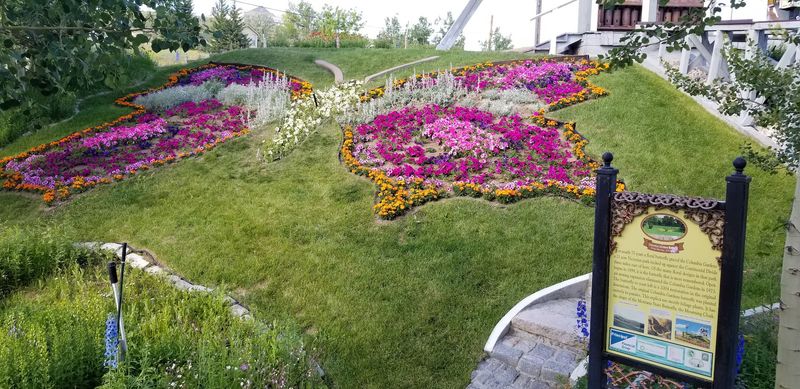
Long before this park existed, Butte had a famous amusement park called Columbia Gardens. It was known for its flower displays, including large designs made with blooms.
Old Lexington Gardens has featured a butterfly garden that echoes those old displays. The giant butterfly shape was planted as a tribute to that well-loved piece of Butte history.
I find that link heartwarming. A flower bed becomes a way for older residents to remember, and for newer visitors to learn.
Columbia Gardens closed decades ago, but many people in Butte still speak about it fondly. This garden keeps a small part of that memory growing each summer.
The butterfly bed depends on planting and care, so it may look different on any given visit. Some years it has been fuller than others.
If you see it in bloom, take a moment to step back. The design reads best from a little distance or from higher up the slope.
Memories are not the only thing that brings crowds here, because the park also plays a role during a lively summer festival.
Music and Dance During Festival Days
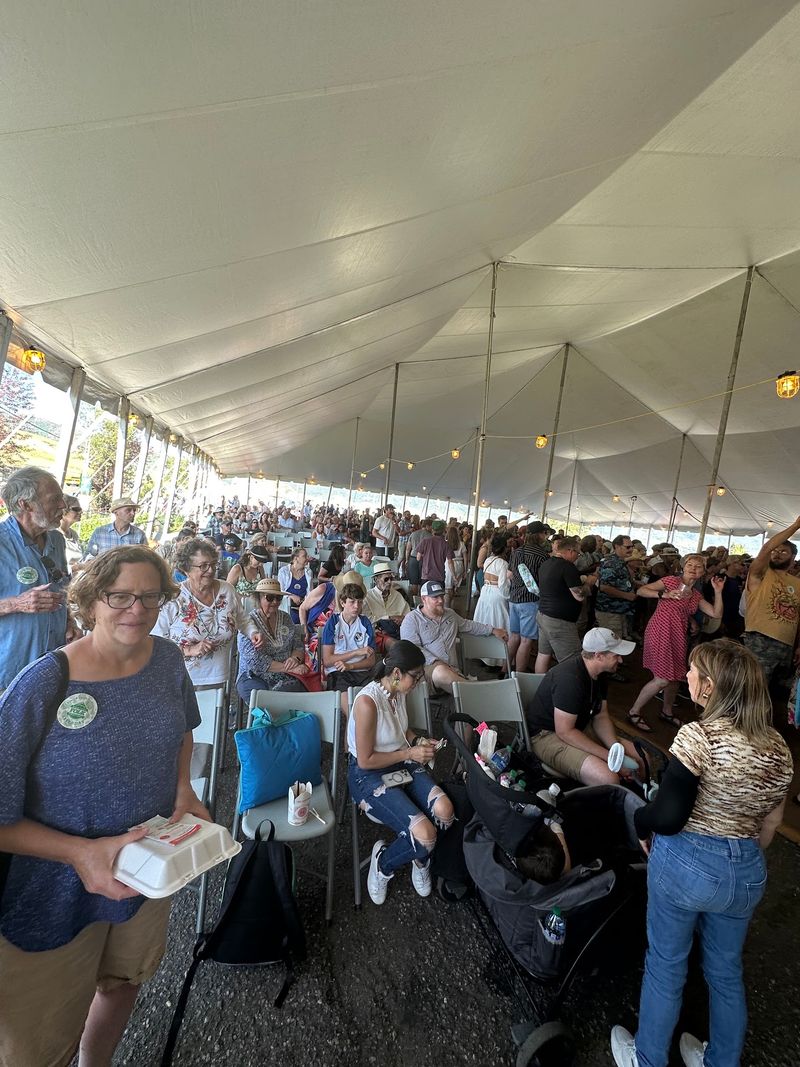
Each summer, Uptown Butte fills with music for the Montana Folk Festival. Old Lexington Gardens has served as a spot for a dance stage during the event.
That means this quiet park can suddenly turn into a place full of movement and sound. Folk music and dancing bring a whole new energy to the hillside.
The festival is a free outdoor event that celebrates traditional music and culture from many places. It draws large numbers of people into the historic Uptown streets.
If you visit during festival weekend, the garden can also make a nice place to rest. Shade and benches give tired feet a break between performances.
Plan ahead if you want to go then. Check the current festival schedule and stage locations, since details can change from year to year.
Outside of festival time, the park returns to its calm, peaceful self. Both versions have their own appeal, depending on what kind of day you want.
On a regular afternoon, though, the simplest pleasure here may be the one that involves a sandwich.
Lunch With a Side of History
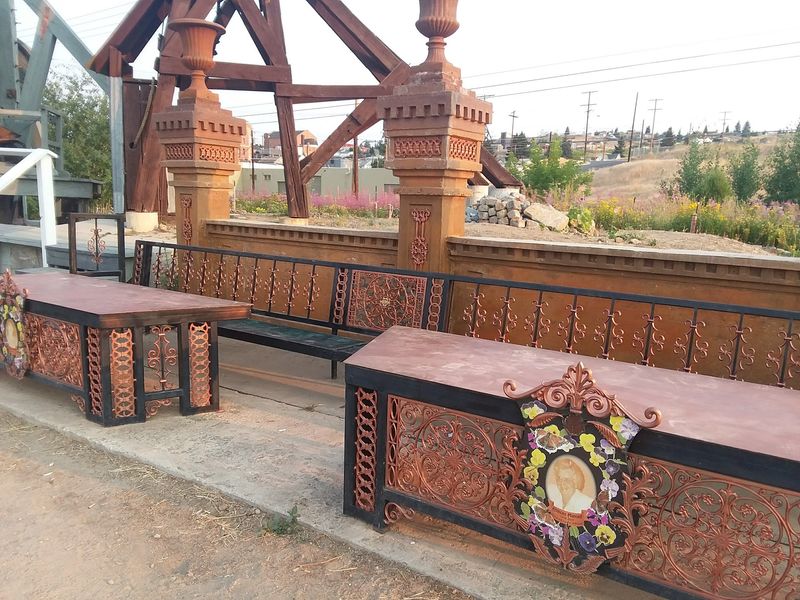
Packing a sack lunch might be the smartest move for this stop. The park has picnic tables and a small bench, making it an easy spot for a quiet meal outdoors.
Trees provide some shade, which helps on warm summer days. It is a relaxing place to sit and enjoy the open air.
I like the idea of grabbing food in Uptown Butte and carrying it here. You can eat while looking at old mining equipment and colorful plants.
Keep things tidy while you are there. Pack out your trash so the garden stays nice for the next visitors.
There is a portable toilet on site, which is handy for families. Still, facilities are basic, so plan accordingly.
Bring water too, especially in summer. The high elevation and sun can make you thirsty faster than you expect.
A picnic here does not need to be fancy. A few snacks and a good view are enough.
Getting to the park is fairly easy, and the parking situation is better than many people expect in an old Uptown neighborhood.
Room to Park, Even for an RV
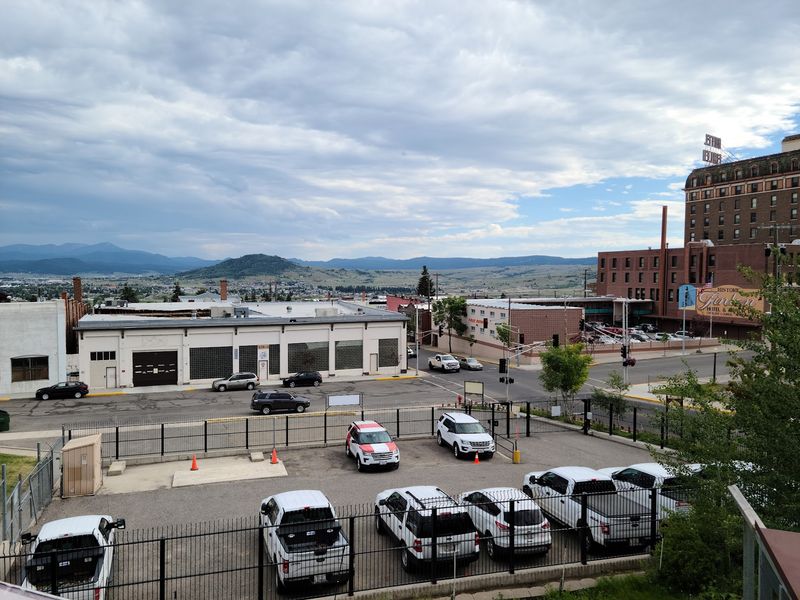
Road trippers will appreciate this detail. The park has a large parking lot, with enough space for RV-size vehicles.
That is a big help in Uptown Butte, where older streets can feel tight. Finding a place to leave a large vehicle is not always simple in historic areas.
Many travelers use the garden as a starting point. You can park, enjoy the grounds, and then walk to explore more of Uptown.
Main Street and nearby historic buildings have their own plaques to read. Pairing those with the garden signs gives a fuller picture of Butte’s past.
Wear comfortable shoes if you plan to wander. Uptown Butte sits on hills, so some streets climb more than you might expect.
The park is open 24 hours, which gives flexibility for early starts or evening stops. Daylight is still the best time to see the flowers and read the signs.
Before you set out, though, it helps to know a few honest things about how the garden looks at different times.
Know Before You Go
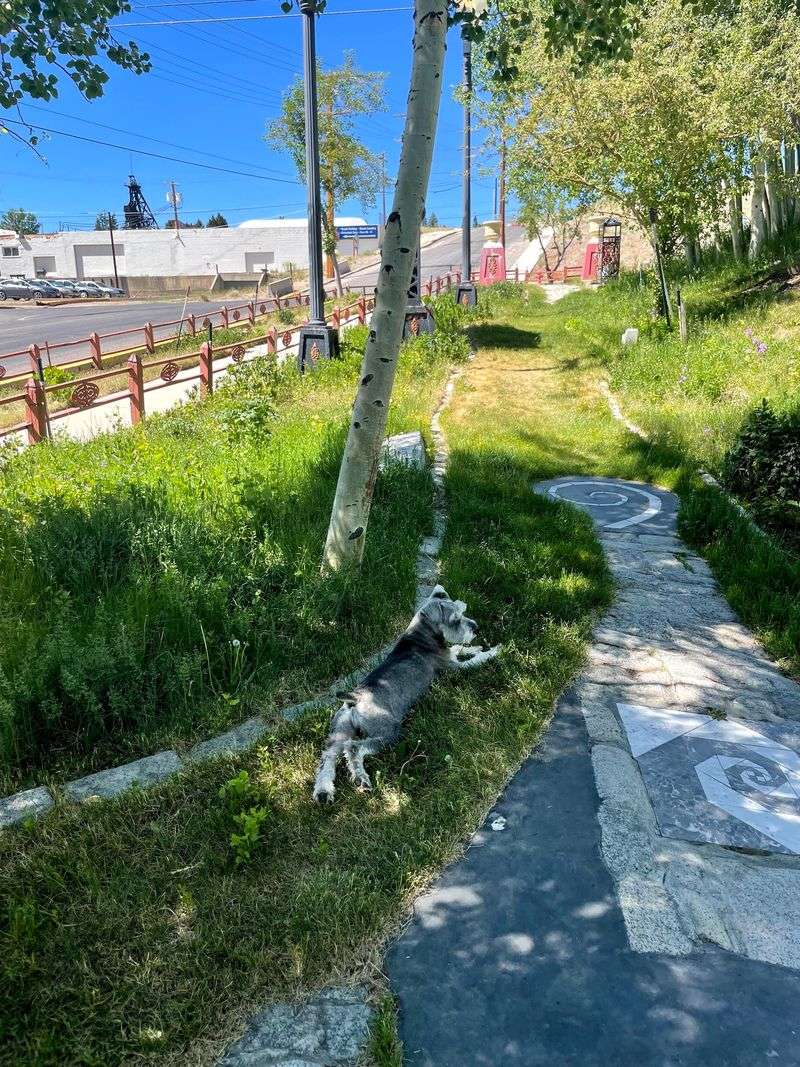
Honest expectations make any trip better. Old Lexington Gardens depends on ongoing care, and its condition can change from season to season.
Some years the flower beds look full and bright. At other times, weeds and overgrowth have taken over parts of the garden.
I would suggest checking recent photos or asking around in Butte before making a special trip. That way you will know what shape the beds are in.
The stamp mill and historic signs remain the steady attractions. Even when flowers are thin, the mining history and city view are still there.
Visiting in summer, especially around big Uptown events, may give you the best chance of seeing the garden at its fullest.
Be careful on stairs and handrails, and watch your footing on the slope. Simple caution keeps the visit pleasant.
Small parks like this often rely on community support. Treating the space with respect helps it stay welcoming.
In the end, this little hillside shows how a mining town can make room for flowers, memories and a quiet place to sit.
Share this story