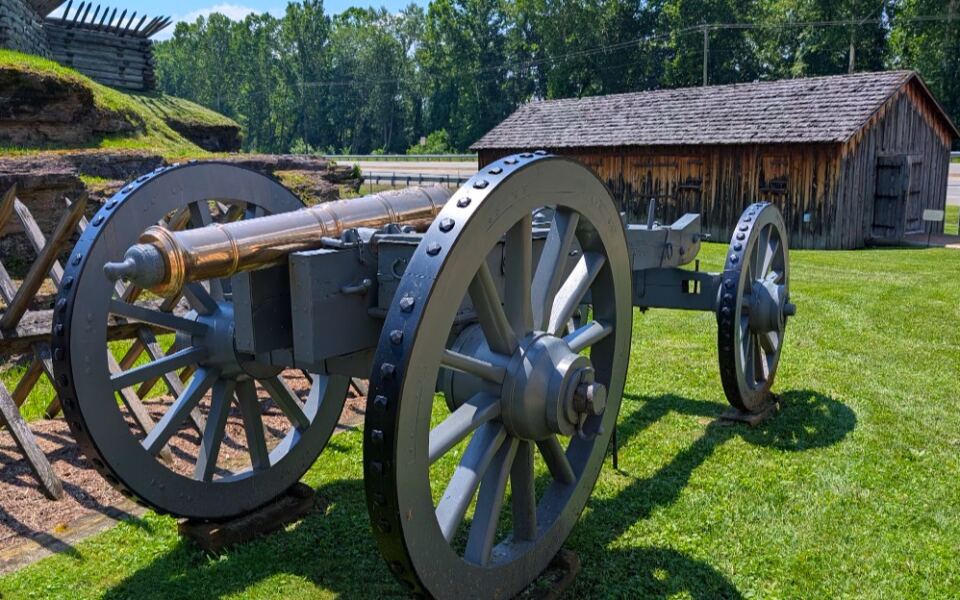
A reconstructed British fort in Ligonier, Pennsylvania, lets visitors explore military history dating back to 1758. Fort Ligonier features defensive walls, cannons, historic buildings, and a museum filled with original artifacts from the French and Indian War.
The reconstruction was guided by surviving 18th-century plans, while archaeological discoveries helped researchers understand the original fort’s layout. Visitors can explore the grounds and learn how this outpost supported the British campaign toward Fort Duquesne, near present-day Pittsburgh.
The fort also has an unexpected connection to George Washington. In November 1758, the 26-year-old officer became caught in a deadly friendly-fire incident involving troops fighting on the same side.
The museum explores that event, including archaeological evidence discovered more than 260 years later.
A British Outpost on the Edge of a Small Town
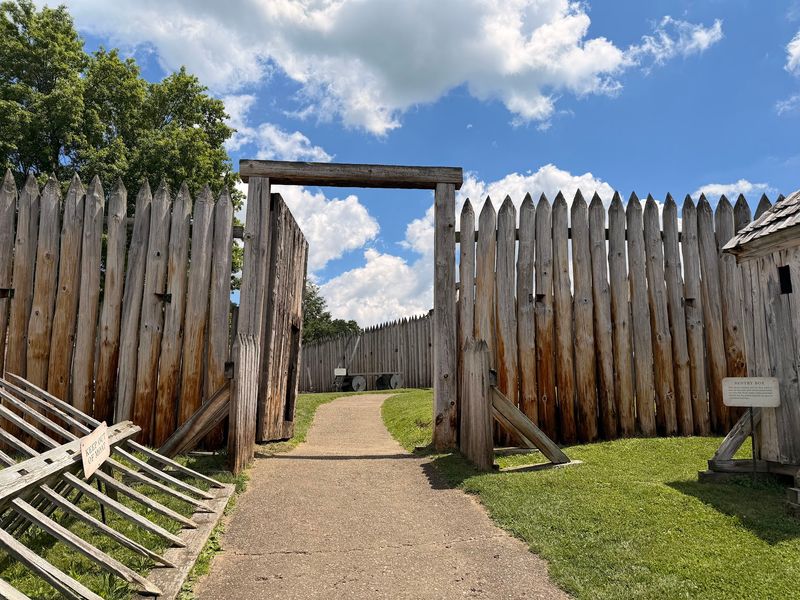
Fort Ligonier sits at 200 South Market Street in Ligonier, Pennsylvania, in the United States. The British built the original fort in 1758 during the French and Indian War.
Today, a careful reconstruction stands on the same ground.
The fort served as a supply base for the British army. Troops were moving west to take control of the French post called Fort Duquesne.
That French fort stood where Pittsburgh is today, about 50 miles away.
Ligonier was a key stepping stone in that long push across the mountains. Soldiers could rest, gather food, and store gear before the next leg of the march.
Without places like this, the campaign would have struggled.
The site was named for Sir John Ligonier, a top British military leader at the time. He never visited, but his name stuck to both the fort and the town.
I find it interesting that a sleepy frontier base became so important. Modern visitors get both a museum and the rebuilt fort in one stop.
The fort grounds are where the story starts, so the walls deserve a closer look first.
Rebuilt From Drawings Saved in England
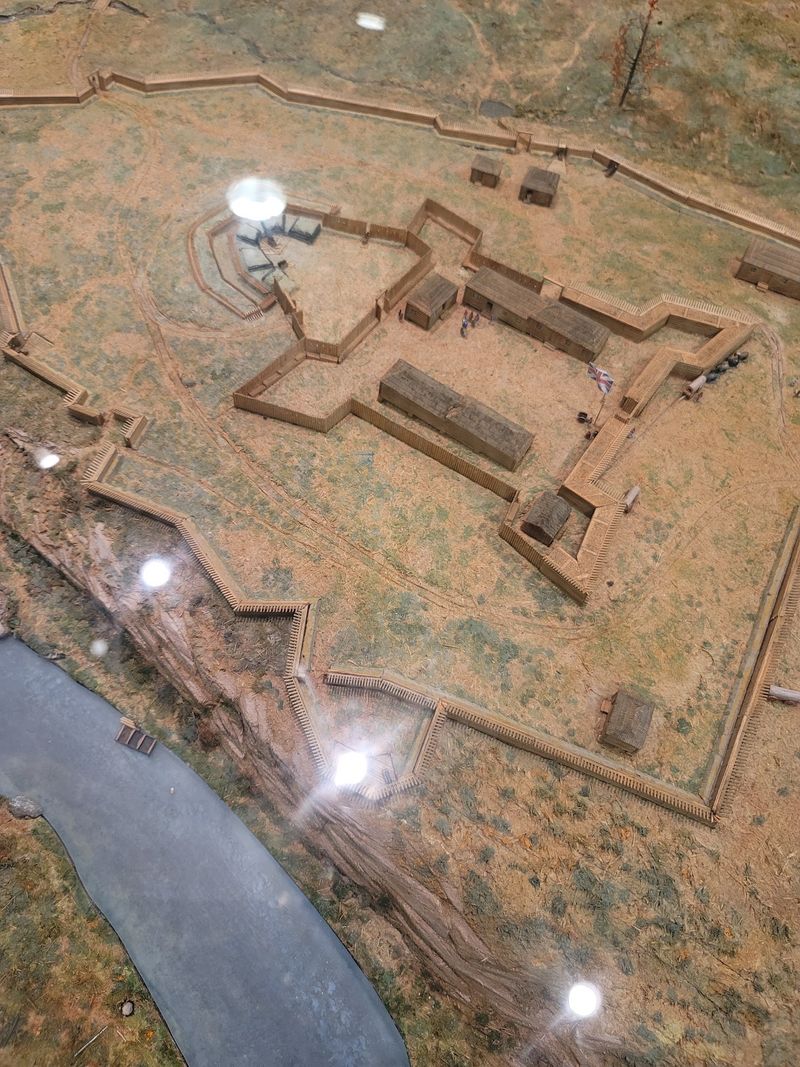
Old paper turned out to be the secret ingredient here. The reconstruction follows original plans of the fort that survived in archives in England.
Builders used those drawings to guide the layout of walls and buildings.
Why does that matter? Many rebuilt forts rely on guesses.
At Fort Ligonier, the design comes from records made by the people who planned the real thing.
You can see the result in the sharp angles of the defenses and the placement of the buildings inside. Each section had a job.
Some areas protected soldiers, while others stored supplies or housed officers.
Archaeology also helped. Digs at the site uncovered thousands of objects and clues about where things once stood.
Those finds helped confirm details that the drawings alone could not show.
I like that the fort is honest about being a reconstruction. It doesn’t pretend the logs are 260 years old.
Instead, it shows what the place looked like using solid evidence.
Once you understand how carefully it was rebuilt, the buildings inside make more sense. Some of them hold surprising details worth slowing down for.
Going Underground Into the Powder Magazine
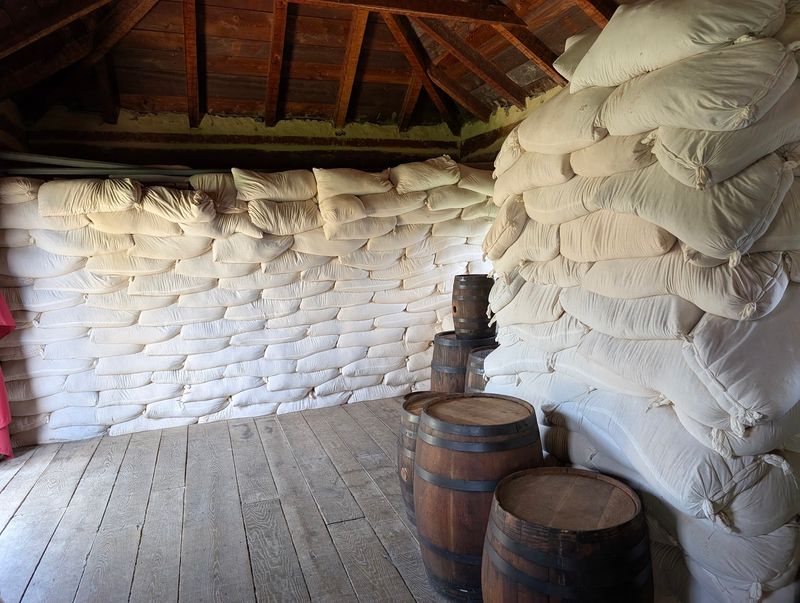
Gunpowder was precious and dangerous on the frontier. Soldiers needed it close but safe.
Their answer was an underground magazine, and you can walk down into it at Fort Ligonier.
Keeping powder below ground protected it from enemy fire and from the weather. Damp powder was useless, so storage mattered as much as supply.
A safe magazine kept the whole fort ready.
Heading down the steps feels different from walking the open grounds. The space shows how much planning went into something as simple as storage.
It’s a small detail that tells a big story about frontier life.
Kids especially tend to like this spot because it feels like a secret room. Adults may find themselves thinking about the soldiers who carried heavy barrels up and down.
Some fort buildings may have seasonal access, so check before you go if seeing the inside of every structure matters to you. Warmer months usually offer the most open spaces.
After the quiet of the magazine, the cannons up top feel even louder in comparison. They also happen to be one of the fort’s most talked about sights.
Cannons Lined Along the Walls
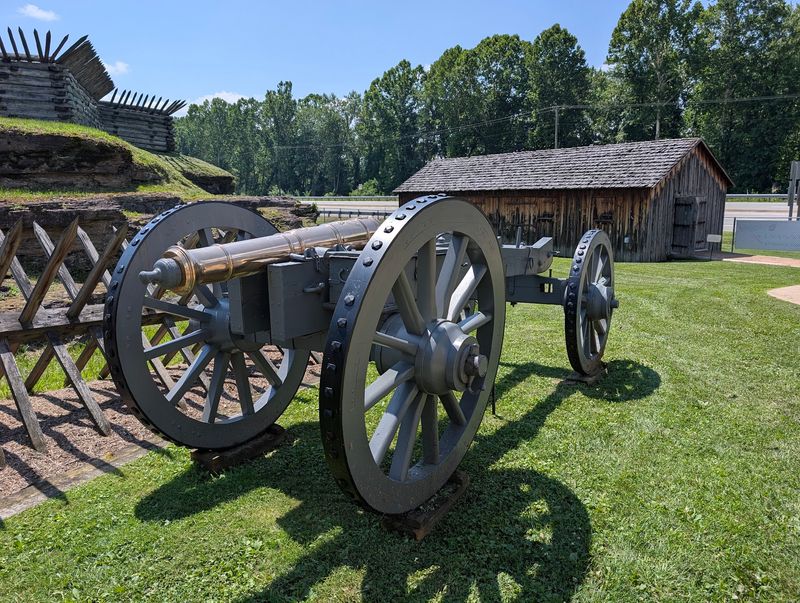
Polished cannons point out over the walls, ready for an attack that will never come. They are reproductions, but they show how the fort was armed in 1758.
Several different types sit around the defenses.
Each cannon had a role. Bigger guns could reach far across open ground, while smaller ones covered closer areas.
Their placement followed the fort’s design so no side was left weak.
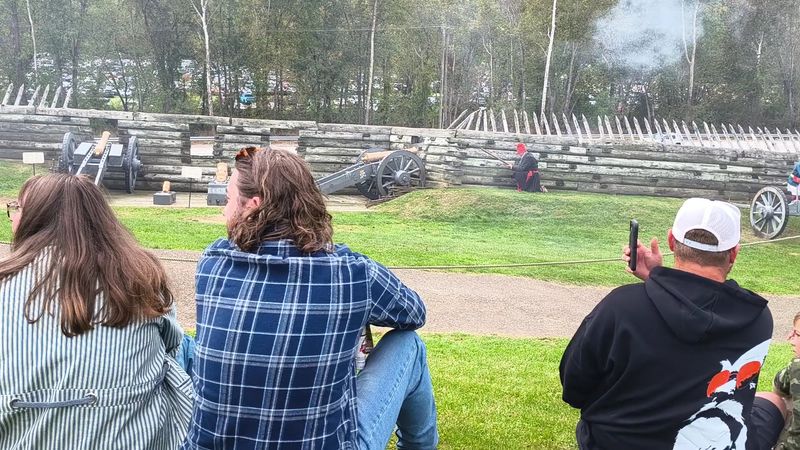
On some days, staff hold cannon and black powder demonstrations. School groups and families have enjoyed these programs, which explain how crews loaded and fired the guns.
Schedules can change, so ask at the front desk about demonstrations.
Here’s a fun fact. Cannon crews worked as a team, with each person doing one task in a set order.
Mistakes could be costly, so practice was constant.
Standing near the guns, I can picture how tense watch duty must have felt. Soldiers spent long hours staring at the tree line, waiting.
That waiting connects to a famous night near Ligonier. It involves a young officer who later became the first U.S. president.
A Confusing Night for Young George Washington
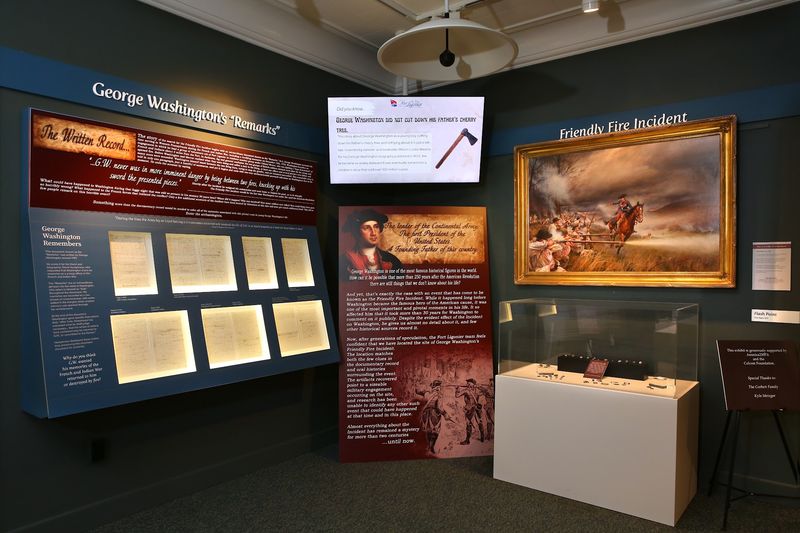
November 1758 brought one of the strangest moments of George Washington’s early career. He was a 26-year-old officer leading Virginia troops near the fort.
In the dim evening, two groups of British-side soldiers ran into each other.
Each side thought the other was the enemy. Shots rang out before anyone realized the mistake.
Washington later said he rode between the lines and pushed rifles away to stop the firing.
Historians call this a friendly fire incident. Dozens of men were hurt or lost.
The museum at Fort Ligonier has an exhibit about it and makes a case that it happened nearby.
I find this story fascinating because it shows a very human side of Washington. He was young, under pressure, and still learning.
Big leaders don’t start out perfect.
Only weeks later, the British reached Fort Duquesne and found the French had left. That success changed control of the region.
The museum digs deeper into stories like this one. Its galleries reach well beyond one fort and stretch across several continents.
A Museum That Covers a Worldwide Conflict
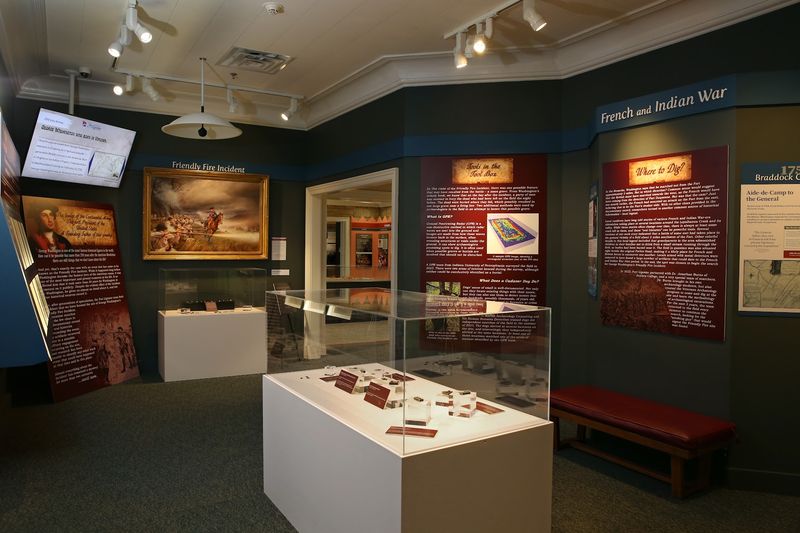
Most people think of the French and Indian War as a local fight. The museum at Fort Ligonier shows it was part of something much larger.
In Europe, it was called the Seven Years’ War, and it reached many parts of the globe.
Exhibits explain how battles in Pennsylvania connected to events in Europe, India, and beyond. Original clothing and objects from different places help tell that broader story.
Many items on display were found right at the site. Archaeologists uncovered everyday things soldiers used, like tools, buttons, and pieces of dishes.
These small finds show what daily life really looked like.
The galleries are modern and well lit. Expect plenty of reading, since the exhibits include a lot of text.
I’d suggest pacing yourself and picking a few rooms to explore closely.
Some objects are displayed in ways that feel close and personal. Seeing items actually used by people from 1758 gives the story real weight.
Paintings fill another part of the museum. They show the faces of people who shaped this era, and they deserve their own visit.
Faces From the 1700s in the Art Gallery
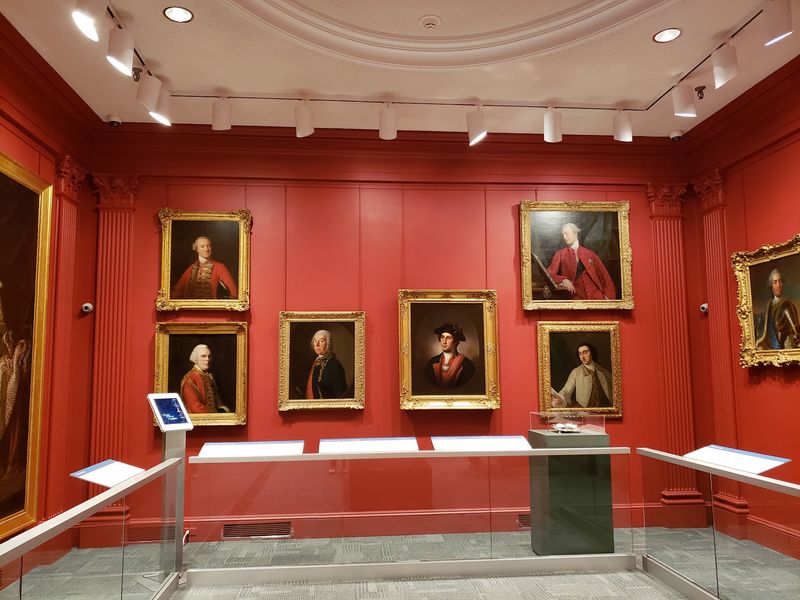
Faces look back at you from gilded frames in one of the museum’s quieter rooms. The art gallery holds 18th-century portraits connected to people and events of the era.
It adds a calm, thoughtful stop between the busier exhibits.
Portraits were the photos of their time. Wealthy people and officers paid artists to capture their looks, clothing, and status.
Studying them tells you a lot about fashion and rank in the 1700s.
Look closely at details like uniforms, wigs, and jewelry. Each choice sent a message about who the person was.
A red coat or a fancy collar meant something to viewers back then.
I enjoy galleries like this because they put real faces on history. Names in a textbook become people with expressions and personalities.
Kids might enjoy a simple game here. Ask them to spot who looks the most serious or who has the most interesting outfit.
It keeps young eyes busy.
Another room tells the story of a man who helped shape the frontier long after the fort’s war ended.
Arthur St. Clair’s Parlor Moved Indoors
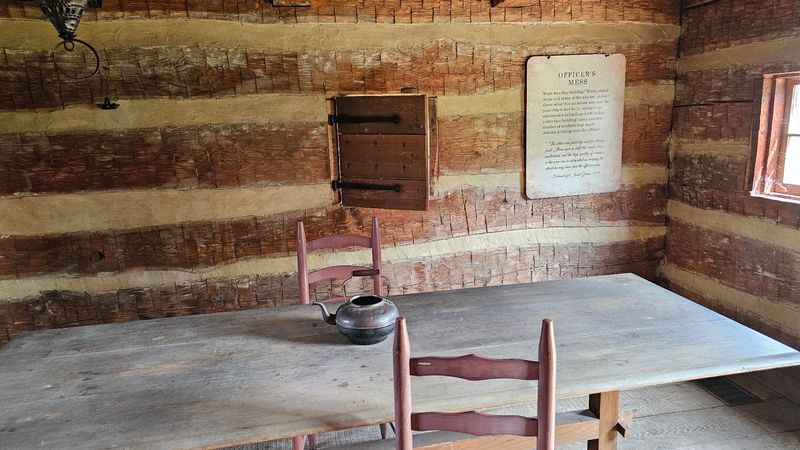
Arthur St. Clair has a surprising presence in this museum. A room from his home was moved and placed inside the building for visitors to see.
It’s a rare chance to step into a space connected to an early American leader.
St. Clair served in the British army during the French and Indian War. Later, he became a general in the American Revolution.
He also served as president of the Continental Congress and governor of the Northwest Territory.
He settled near Ligonier, so his story ties closely to the area. His work helped shape how America grew westward in the years after independence.
The room shows how a well-known frontier figure lived. Wood paneling and period details give a sense of comfort in a rugged region.
It’s a contrast to the plain buildings inside the fort.
I like how this exhibit stretches the story forward in time. It shows that people from the fort’s era went on to build the young nation.
All this history can feel like a lot. Thankfully, the fort makes learning easy with a few helpful touring options.
Tours, Phones, and Candle Dipping
Earbuds might be the most useful thing to pack. The fort offers a self-guided audio tour you can launch by scanning a QR code with your phone.
Using headphones keeps things quiet for others.
Guided tours with staff are another option when available. Guides often share stories and answer questions, which can bring the buildings to life.
Timing your arrival with a tour can make a big difference.
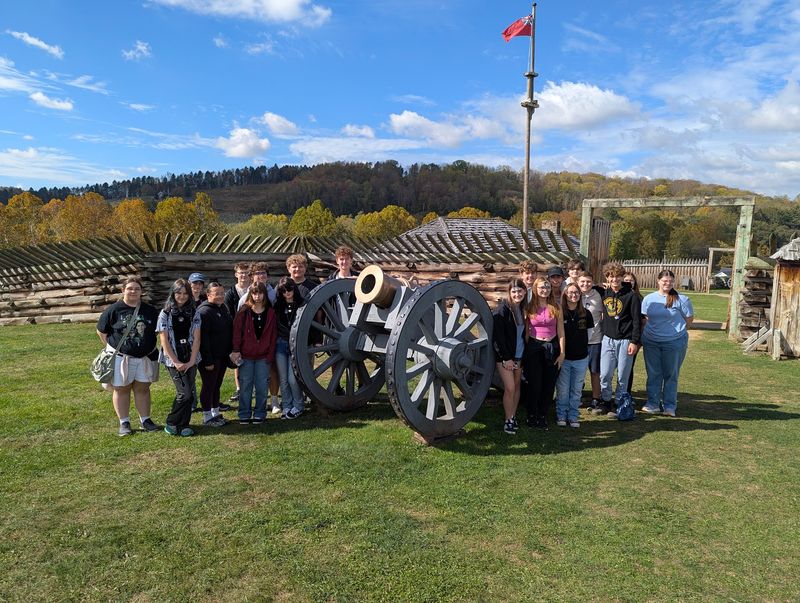
School and homeschool groups often visit for field trips. Some programs include hands-on activities like candle dipping.
Kids get to try a chore that frontier families did all the time.
The fort is open daily, typically from 10 a.m. to 5 p.m., but check before visiting. In colder months, some fort buildings may have limited access.
Summer usually offers the most to see indoors.
There’s a gift shop with books and souvenirs, and the museum has restrooms. Families who plan return trips may want to look into a membership.
Each fall, the whole town joins the fun. That annual celebration fills Ligonier with crowds and color.
Fort Ligonier Days Brings the Town Together
Every October, Ligonier throws a party to remember its history. Fort Ligonier Days is an annual community festival tied to the fort’s 1758 story.
It usually runs over a weekend in mid-October.
The celebration includes a parade, food vendors, crafts, and baked goods. Streets around the town’s Diamond fill with activity.
Reenactments and historical programs often take place at the fort during the event.
Fall is a lovely time in this part of Pennsylvania. Colorful leaves frame the fort walls, and cool weather makes walking comfortable.
Photographers will find plenty to capture.
Expect bigger crowds during festival weekend. Parking can fill quickly, so arriving early is smart.
If you prefer quiet exploring, choose a different week.
The fort also hosts other special events through the year, from reenactor encampments to special exhibits. Checking the calendar ahead of time helps you match your visit to your interests.
I like how a single historic site gives a small town such a strong identity. Long after 1758, people still gather here to share stories, enjoy good food, and remember how this frontier outpost helped shape early America.
Share this story