You don’t have to pay big-city museum prices to see an impressive collection of American art. In Greensburg, Pennsylvania, The Westmoreland Museum of American Art houses more than 3,000 works, and general admission and parking are usually free.
About an hour east of Pittsburgh, the museum features paintings, sculptures, and historical works that tell the story of southwestern Pennsylvania. Its collection includes scenes of steel mills, small towns, and everyday American life, alongside changing exhibitions that bring new subjects into the galleries.
The building is another reason to visit. A modern cantilever gallery extends from the museum, while family programs, art activities, and special events offer more ways to explore.
It’s an affordable day trip with more to discover than you might expect.
Meet the Museum on North Main Street
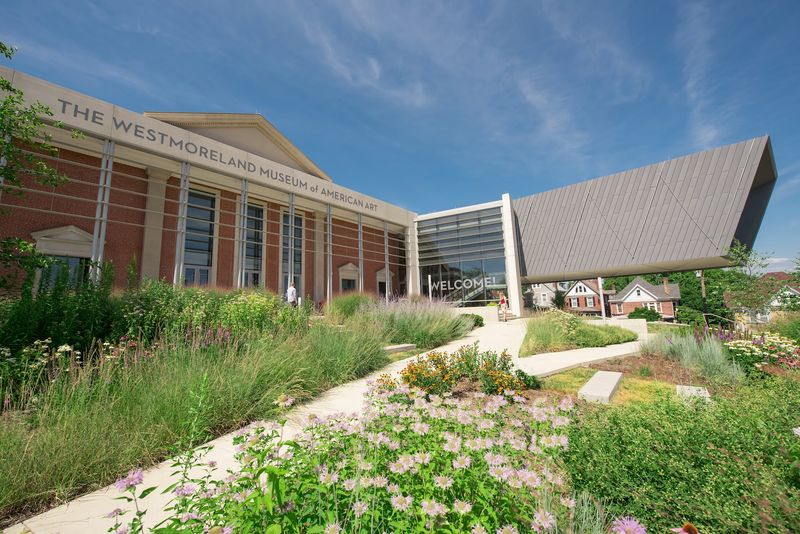
Greensburg is a quiet county seat, yet it holds a serious art collection. The Westmoreland Museum of American Art sits at 221 North Main Street in Greensburg, Pennsylvania, about an hour’s drive east of Pittsburgh.
The museum is devoted to American art. Its collection includes more than 3,000 works, with a strong focus on artists and scenes from southwestern Pennsylvania.
That local angle gives it a personality you won’t get from a giant city museum.
Paintings, sculpture, prints, folk art, and photographs all have a place here. Many pieces tell stories about the region’s farms, rivers, small towns, and industrial past.
You can see Pittsburgh and nearby towns through the eyes of artists who knew them well.
I find that regional focus refreshing. Instead of a quick tour of famous names, you get a slower, deeper look at one part of the country and how it changed over time.
The museum is open Wednesday through Sunday, and it is closed Mondays and Tuesdays. Check the official website before you go, since special events can change things.
The building itself also has a story worth telling, and it starts with a bold piece of architecture.
A Modern Building With a Daring Wing
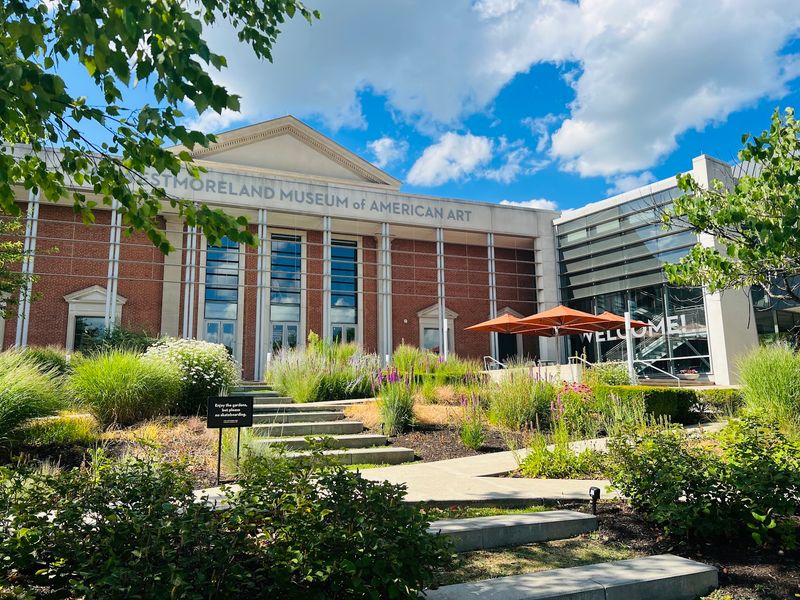
Look up as you approach, and one part of the building seems to float. The museum’s cantilever gallery stretches out from the main structure, giving the place a modern look on a historic street.
The Westmoreland reopened in 2015 after a major renovation and expansion. The project refreshed the older building and added new gallery space, including that eye-catching cantilever.
The result is bright, open, and easy to move through.
Inside, the galleries feel roomy and clean. Large windows let in natural light in public areas, while the art rooms keep lighting steady for the works on display.
The cantilever space often holds special installations. Sometimes it closes for a short time while staff prepare something new, so it helps to check what is showing before your trip.
I like how the design mixes old and new. Greensburg has plenty of classic brick buildings, and this museum adds a fresh shape without feeling out of place.
Accessibility matters here too. The museum offers a wheelchair accessible entrance, restrooms, and parking.
Changing tables are available in the restrooms, which parents will appreciate.
Of course, a building is only a frame. The real draw is what hangs on those walls.
Steel Mills, Rivers, and Hometown Scenes
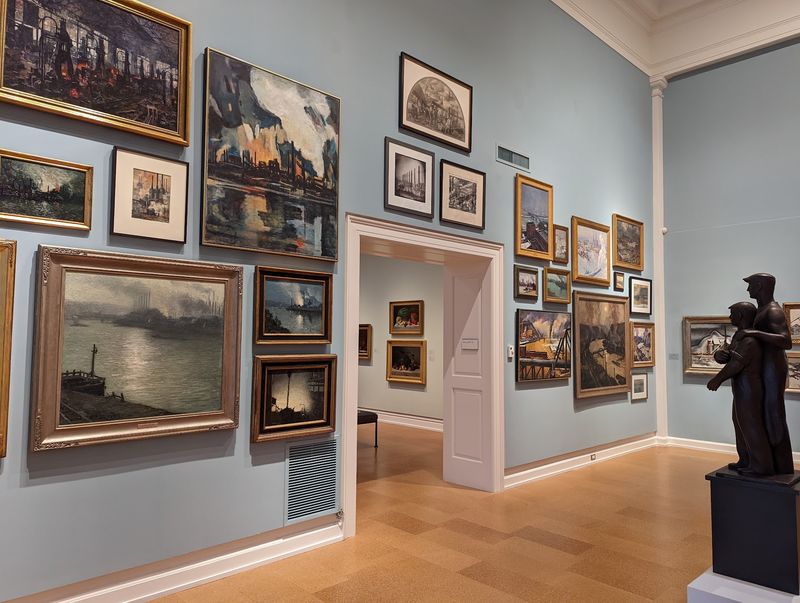
Smokestacks glowing over a river. Workers heading home from the mill.
Scenes like these fill some of the museum’s most memorable galleries.
Southwestern Pennsylvania was shaped by coal, coke, and steel. Many artists in the collection painted that world, showing both its power and its everyday people.
Seeing these works gives you a feel for what life looked like in the region decades ago.
The permanent collection also includes landscapes, portraits, and town views. Labels explain the history behind each piece, so even if you know nothing about art, you’ll walk away knowing more about the area.
I’d start with the industrial scenes. They connect so directly to the roads and towns you drove through on your way in.
The museum’s storytelling covers many lives, including laborers, women, and enslaved people. That wide view helps the history feel honest and personal rather than polished.
Here’s a practical tip. Give yourself more time than you expect, because the descriptions are detailed and easy to get lost in.
While local scenes anchor the collection, the museum also reaches back to some older and quirkier forms of American art.
Fraktur and Folk Art Full of Color
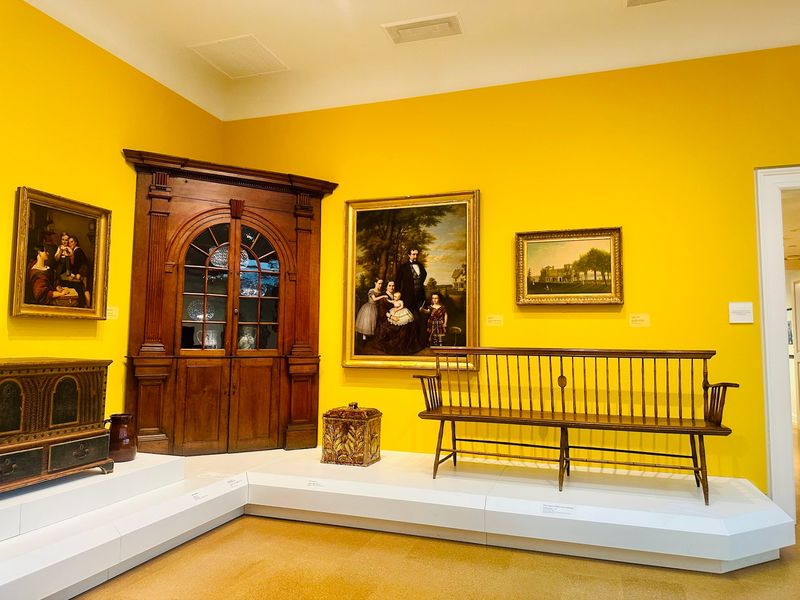
Bright birds, tulips, and swirling letters make fraktur one of the happiest surprises in the building. This colorful folk art came from Pennsylvania German communities long ago.
Fraktur pieces were often hand-drawn records of big life moments, like births, baptisms, and marriages. Families decorated them with hearts, flowers, and fancy writing.
Each one was personal, and many were treasured for generations.
The Westmoreland includes folk art among its American collection. These pieces show that art was not only for wealthy collectors.
Ordinary people made beautiful things for their homes and families.
Fun fact: the word fraktur comes from a style of broken, angular lettering used in old German writing. Look closely and you can spot those sharp letter shapes.
Kids often enjoy hunting for animals and patterns in these works. It turns a quiet display into a small search game.
I can understand why folk art pulls people in. It feels handmade and close to real life, almost like reading someone’s family scrapbook.
From handmade family records, the museum also jumps forward to bigger, louder, more modern experiences that wrap around you.
Rooms Where the Walls Come Alive
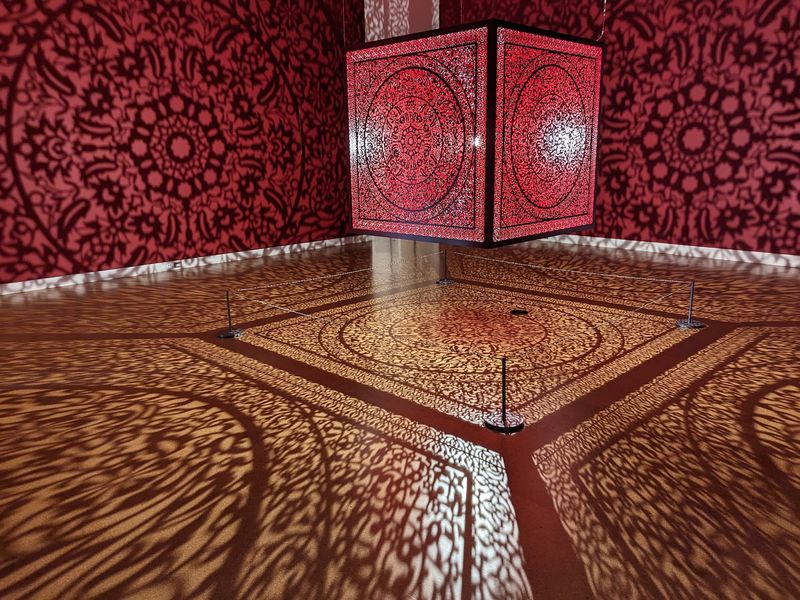
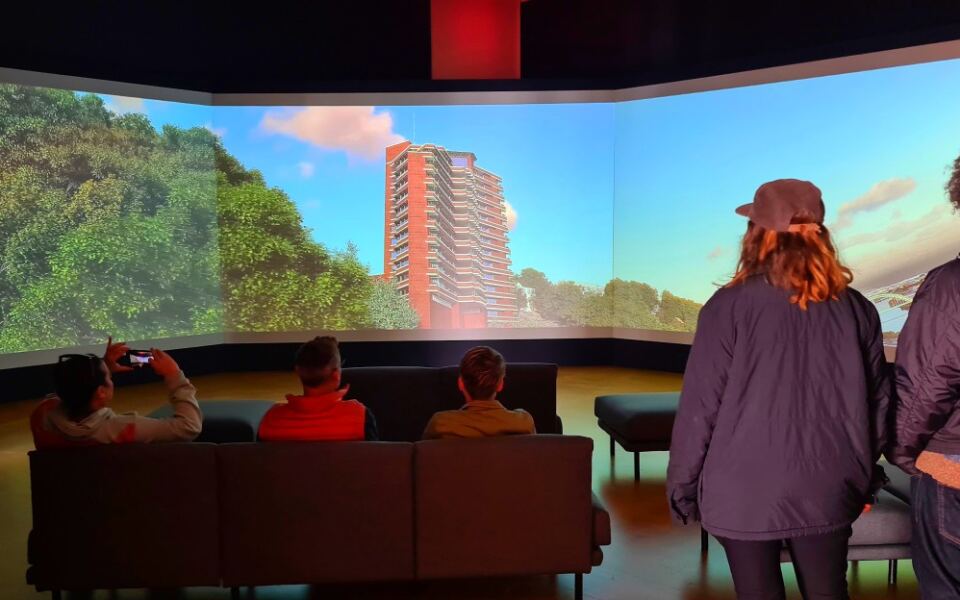
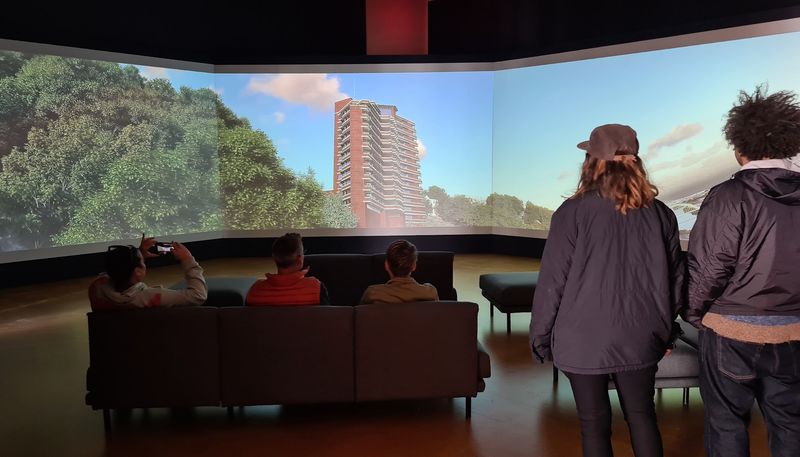
Sit down in the right room, and images of Pennsylvania history will move across all four walls around you. The museum has presented full-room projection experiences that turn art and history into a short, surrounding show.
These immersive presentations change over time. One has featured the history of Pennsylvania, while others have explored living art in a big, moving format.
New displays arrive every so often, giving return visitors a reason to come back.
This kind of room works well for kids who struggle with standing still in front of paintings. They can sit, watch, and soak it in.
Adults get something out of it too. Seeing artwork enlarged and animated helps you notice details you might miss on a small canvas.
I’d plan a break here in the middle of a visit. It’s a nice way to rest your feet while still taking in something new.
Since programs rotate, check the museum’s website or social media to see what’s currently showing before you head over.
Watching art is great, but this museum also encourages visitors to pick up a pencil and make some themselves.
Hands-On Fun in the Creative Space
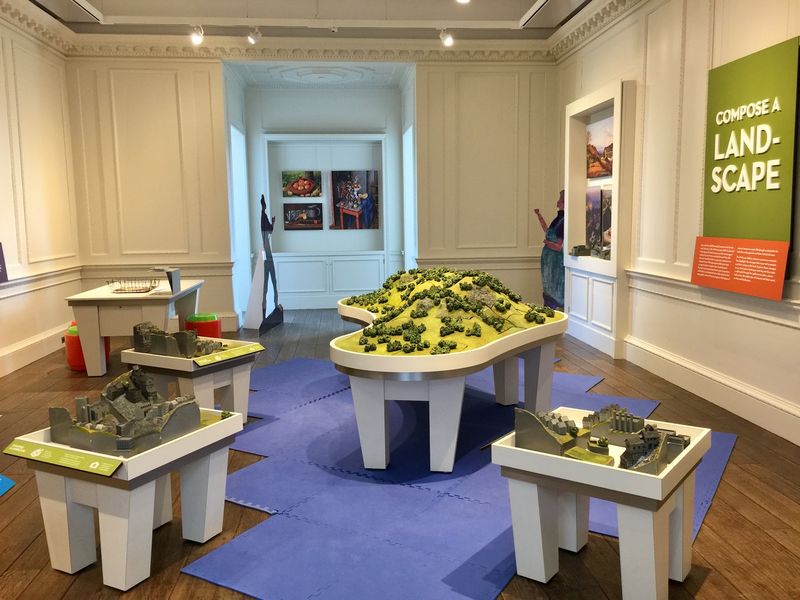
Crayons, paper, and a little inspiration from the walls. That’s the simple idea behind the museum’s hands-on areas, where visitors can try drawing or making art themselves.
The museum has long offered interactive spaces, including a Center for Creative Connections designed for families. Drawing and painting tables let all ages respond to what they’ve seen in the galleries.
Some events add even more, like pop art making stations. Kids can borrow ideas from bold, bright styles and create their own version to take home.
Parents who worry about bored children can relax a bit here. A short art break often gives kids fresh energy to explore more galleries afterward.
I like that these spaces don’t require any skill. Scribbles count.
The point is to look closely and play with ideas.
Adults are welcome to join in too. Sketching a painting is a great way to really notice its colors and shapes.
Interactive features can change with exhibitions, so ask staff what’s open when you arrive.
For families who want an even bigger dose of fun, the museum’s special event days are where things really get creative.
Mini Golf, Mazes, and Sunday Funday
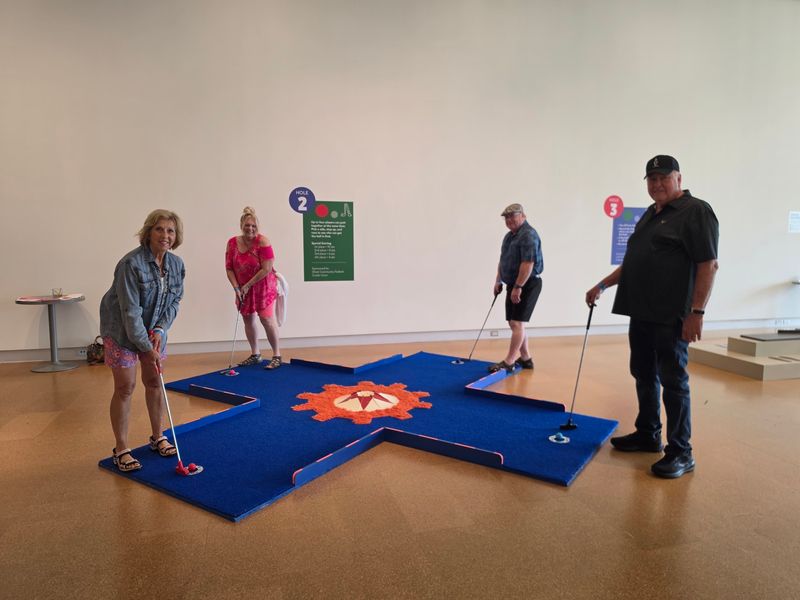
Mini golf inside an art museum sounds like a joke, but it’s real. The Westmoreland has hosted Putt-a-palooza, a museum mini golf event paired with trivia and scavenger hunts.
Family events here lean playful. Past Sunday Funday celebrations have included an art maze built from cardboard, with artwork displayed along its twists and dead ends.
Some outdoor activities have even brought in farm animals for kids to meet.
Homeschool Days are another popular offering. These free programs give homeschooling families a chance to explore with docents, try art activities, and enjoy special displays.
Scavenger hunts appear often too. Kids get a sheet of things to find, which turns a gallery walk into a mission.
I find this approach smart. Fun events bring in families who might never visit otherwise, and many of them return on regular days.
Event schedules change throughout the year, so keep an eye on the museum’s calendar. Some programs require registration ahead of time.
Not every visit needs a big event, though. The changing exhibitions give regular days plenty of reasons to stop by.
Exhibits That Keep Changing
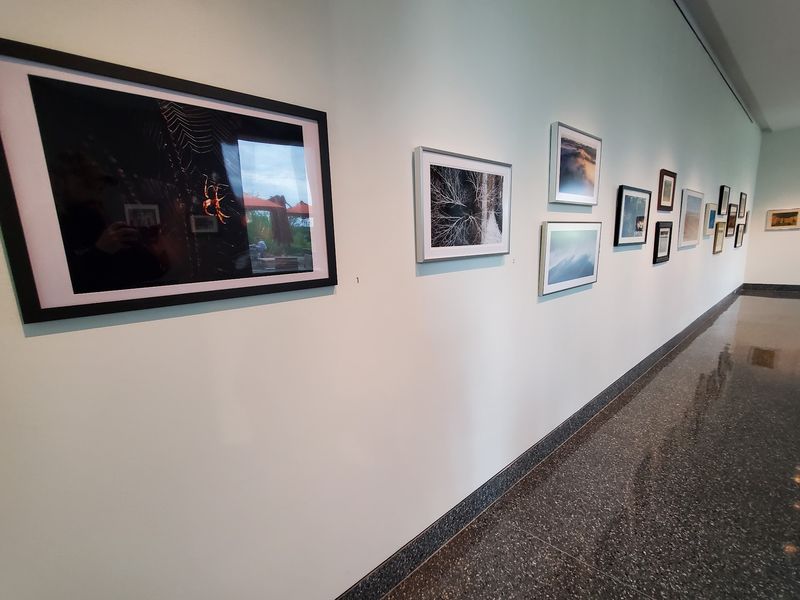
Frank Lloyd Wright. Ansel Adams.
Baseball. The list of special exhibitions at the Westmoreland covers a surprising range of subjects.
Rotating shows give the museum a fresh feel every few months. A Frank Lloyd Wright exhibition ran into January 2024, and more recent shows have included Ansel Adams photography and Reflections in Glass.
A baseball-themed exhibit also drew attention from families.
These exhibitions often bring well-known names to a smaller city. You can see major work without fighting big-city crowds or traffic.
Some regular visitors stop in several times a year just to see what’s new. Since admission is free, popping in for one exhibit is easy.
I’d check the exhibitions page before every trip. Knowing what’s on view helps you decide where to spend most of your time.
Special shows also pair nicely with the permanent galleries. You might see a famous photographer upstairs and local mill scenes nearby, all in one afternoon.
Of course, the people guiding you through all this art make a big difference, and the museum puts real care into that part.
Friendly Docents and a Gift Shop Worth Browsing
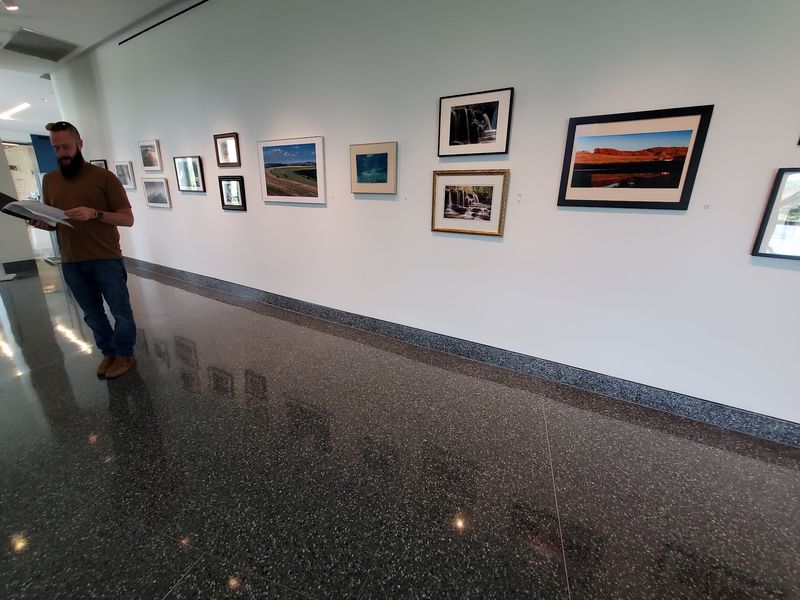
Questions are welcome here. The museum’s docents and staff help visitors understand the art, and they’re happy to talk when you want them to.
Guided tours are available, which is handy if you want the stories behind the pieces. Docents often lead school and homeschool groups, sharing details that make the art feel personal.
Prefer exploring alone? That works too.
You can move at your own pace and read the detailed labels on your own.
On the main floor, you’ll find the museum store. It carries handmade crafts, jewelry, and home decor, making it a nice stop for gifts with a local feel.
A small cafe area is also part of the main floor. It’s useful if you want a quick break before heading back into the galleries.
Free Wi-Fi is available, which helps if you want to look up an artist while standing right in front of their work.
I’d save the shop for the end. That way you’ll know which artists or styles caught your eye most.
Before you leave, a few practical tips can make the whole trip smoother.
Smart Tips Before You Head to Greensburg
Free general admission and parking make The Westmoreland Museum of American Art an affordable stop, but checking the schedule before visiting is important.
The museum is open Wednesday through Sunday and closed Mondays and Tuesdays. Friday hours vary by season, and special exhibitions or events may affect admission and access.
Check the museum’s official website for current hours before making the trip.
Give yourself time to explore. The galleries feature American paintings, sculptures, and works connected to southwestern Pennsylvania’s history.
Families should check the events calendar for Sunday Funday, art activities, and other special programs. Some activities may require advance registration.
Greensburg sits roughly an hour east of Pittsburgh, making the museum an easy day trip. Downtown restaurants and shops offer additional stops after exploring the galleries.
Donations and memberships help support the museum’s free general admission. Even a short visit offers a chance to discover American art without the usual admission cost.
Share this story