Royal palaces can look like treats meant only for big travel budgets, but many of the grandest ones are surprisingly cheap to explore. Some hold hundreds of rooms, miles of corridors and gardens big enough to get lost in.
Emperors, kings and dynasties once lived in them, and now ordinary visitors can walk right in. Here are 15 palaces that deliver huge scale and history without emptying your wallet.
Forbidden City – China
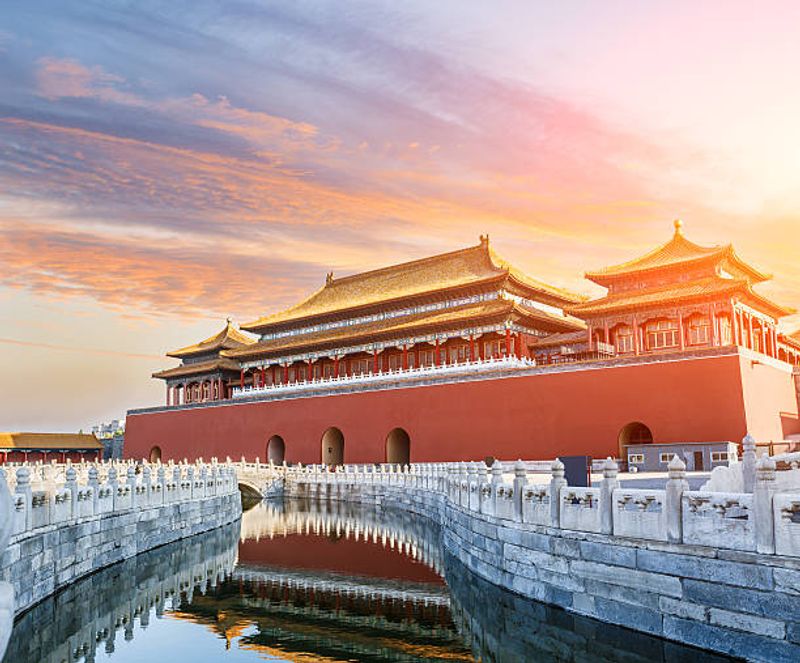
Picture 24 emperors living behind one set of walls. Beijing’s Forbidden City was built mostly between 1406 and 1420, and it still feels like a city inside a city.
Halls, courtyards, residences and gardens line up along a carefully planned central axis.
The price is the real shocker. The Palace Museum lists standard tickets at 60 yuan from April to October and 40 yuan from November through March.
Special galleries add small extra charges, but the basic ticket covers an enormous amount of ground.
Plan ahead, because foreign visitors must book in advance using passport information. Do not wait until you arrive at the gate, or you may be turned away.
Booking online a few days early keeps things simple.
Wear comfortable shoes. The grounds are huge, and the stone courtyards seem to stretch forever.
Start early, walk the central line first, then wander into the quieter side halls where crowds thin out and the photos get better. A water bottle helps too.
Royal Palace of Madrid – Spain
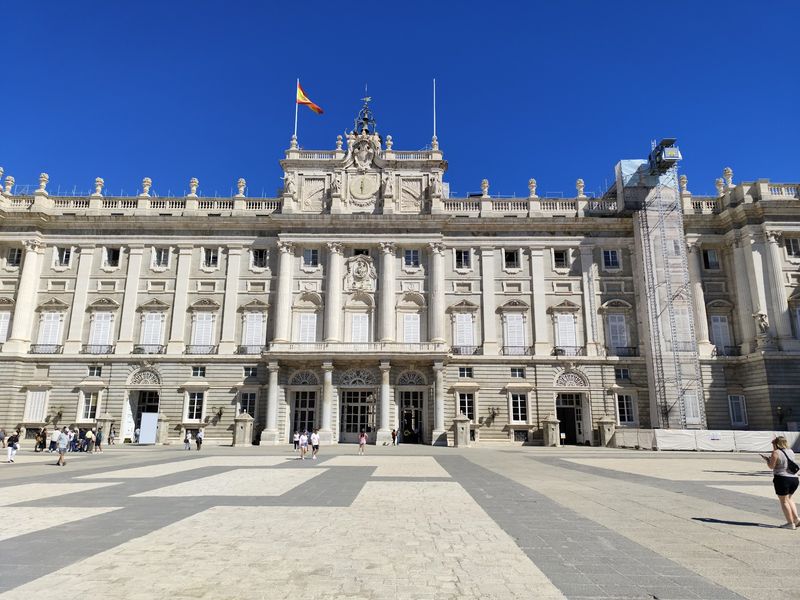
Here is a number to chew on: 3,418 rooms. Spain’s Patrimonio Nacional says Madrid’s Royal Palace is the largest royal palace in Western Europe, with more than 135,000 square meters of space.
That is a lot of chandeliers to dust.
Inside, you can see the throne room, grand state rooms, paintings and decorative arts. Some areas are still used for official ceremonies, so you are walking through a working royal stage.
Standard admission is 18 euros, but savvy travelers can do better. EU residents and citizens of many Latin American countries can enter free during set Monday through Thursday afternoon hours.
Check the official schedule before you go, since lines for free entry can get long.
Even if you skip the interior, the Campo del Moro gardens beside the palace are free to visit. Stroll the shaded paths, spot a peacock or two, and enjoy a royal view without spending a cent.
Palace of Versailles – France
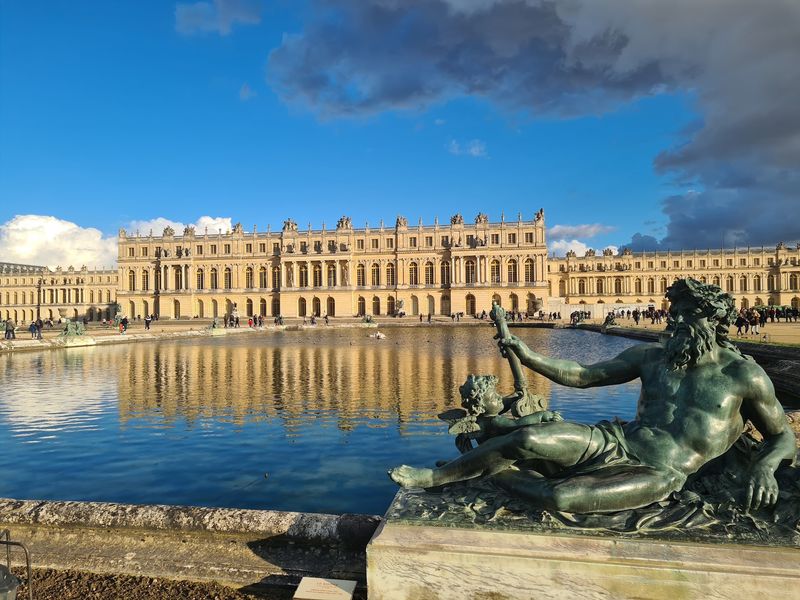
Gold gates, mirrored halls and fountains that seem to show off. Versailles is royal excess at its finest.
Louis XIV turned a hunting lodge into a giant palace surrounded by formal gardens and extra residences like the Grand and Petit Trianon.
The cost is kinder than you might guess. During the 2026 low season, a full Passport ticket is 25 euros, and late-afternoon admission drops to 18 euros.
Late visits also bring softer light and thinner crowds.
Here is the best trick: the whole estate is free to everyone on the first Sunday of each month from December through March. Palace reservations are still required, so book your slot early.
The park and several other areas can also be visited free under normal conditions. Pack a snack, rent a bike or just walk the long garden paths.
You can easily fill a day without paying for every attraction.
Royal Palace of Caserta – Italy
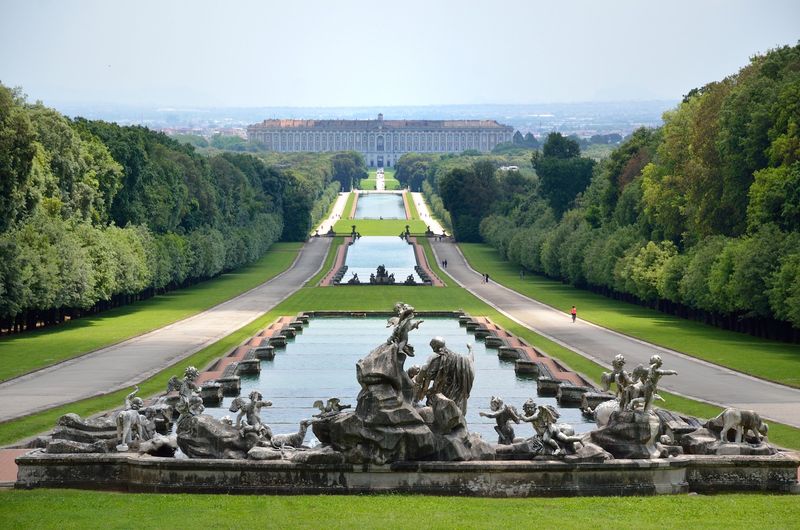
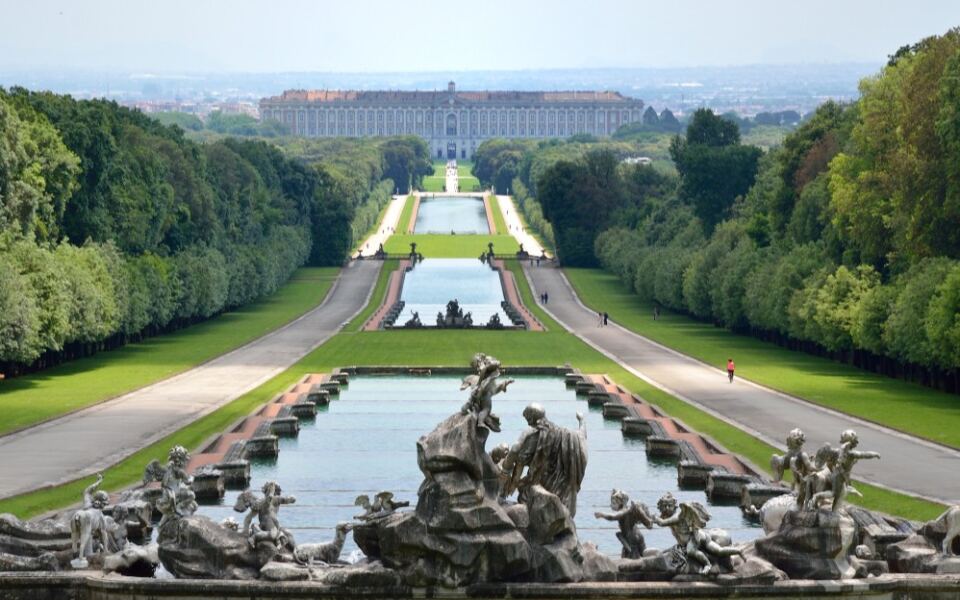
The Bourbon rulers of Naples had a simple goal: outshine every other royal home in Europe. Caserta is the proof.
Luigi Vanvitelli designed this 18th-century giant with monumental apartments, huge courtyards and a park that rolls toward the hills.
Standard admission is 18 euros, and it covers both the Royal Palace and the Royal Park with its English Garden. For a site that can eat up most of a day, that is a bargain.
Official visitor guidance suggests about two hours for the palace and another four for the park and gardens. That means you should treat this as a full outing, not a quick stop.
Bring good walking shoes and water, because the main garden axis is very long. Some visitors rent bikes or take a shuttle to reach the far waterfall.
Film fans may even spot rooms that look familiar from big movies.
Grand Palace – Thailand
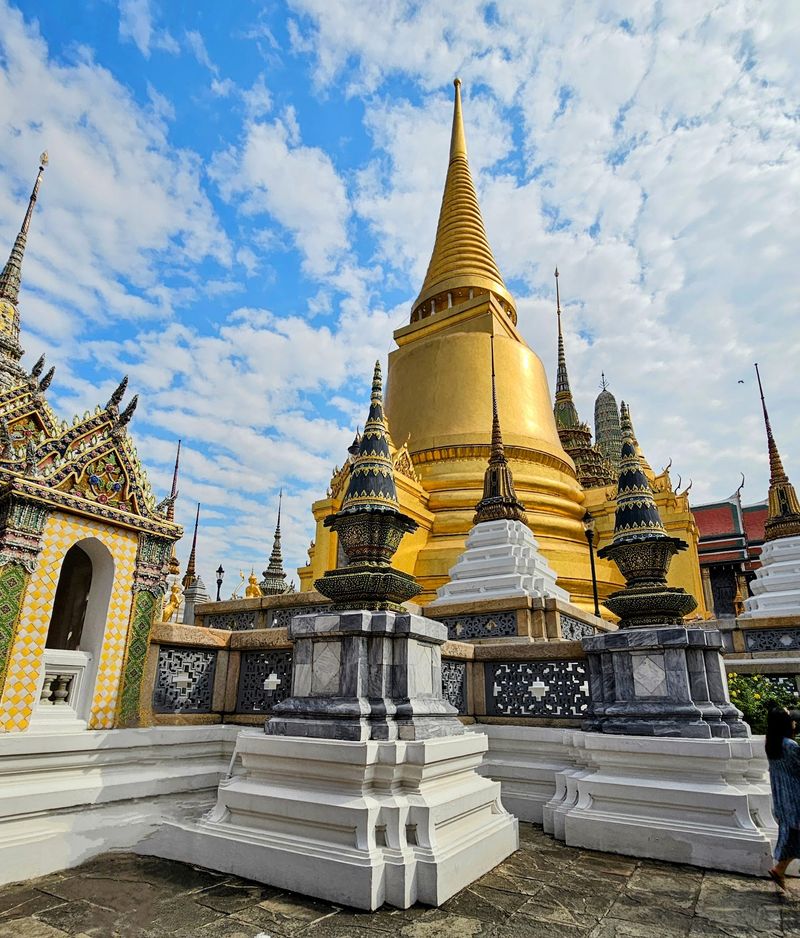
Golden spires flash in the Bangkok sun, and suddenly your camera battery is in danger. The Grand Palace has been a heart of Thailand’s monarchy since King Rama I founded the new capital in 1782.
The sprawling compound holds royal halls, courtyards, ceremonial buildings and the dazzling Temple of the Emerald Buddha. It is one of the country’s most famous sights, yet the foreign visitor ticket is still 500 baht.
That one ticket covers the Grand Palace, Wat Phra Kaew and the Queen Sirikit Museum of Textiles, plus other attractions the palace lists. Thai citizens enter free.
So many major sites for one price makes this a strong value in Asia.
Dress respectfully, with covered shoulders and knees. Arrive when gates open to beat the heat and the tour groups.
Ignore strangers who claim the palace is closed, and buy tickets only at the official entrance.
Gyeongbokgung Palace – South Korea
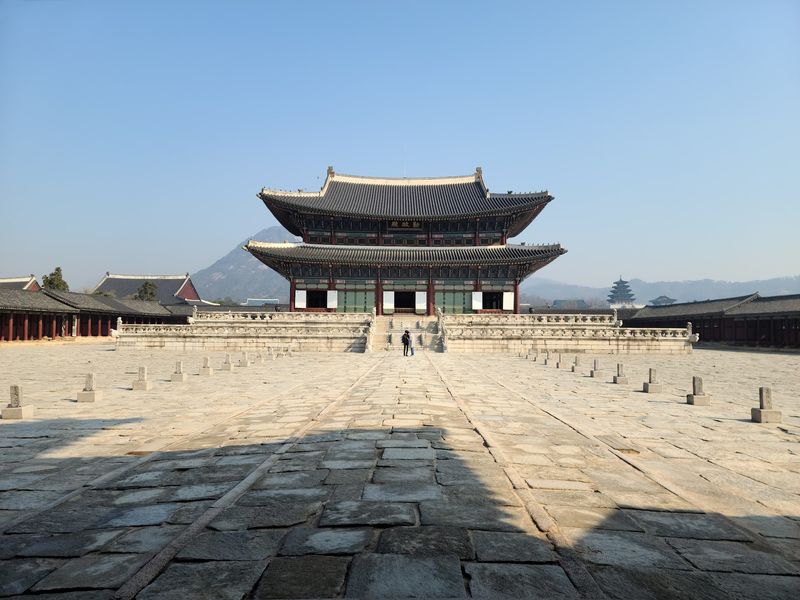
Three thousand won. That is all it costs to step into one of Korea’s most important royal compounds in Seoul.
Cheaper than many lattes, it buys you a front-row seat to Joseon history.
Gyeongbokgung was founded in 1395 and served as the main palace of the Joseon dynasty. Destruction and rebuilding changed it over the centuries, but the monumental gates, throne hall, courtyards, pavilions and ponds still tell the story clearly.
Foreign visitors aged 18 or younger and those 65 or older can enter free under current rules. That makes a low price even lower for families and retirees.
The grounds sit beside the National Palace Museum and the National Folk Museum, so you can add more culture for little extra. Catch the royal guard ceremony near the main gate if the timing works.
Mountains behind the palace make every photo look like a postcard.
Mysore Palace – India
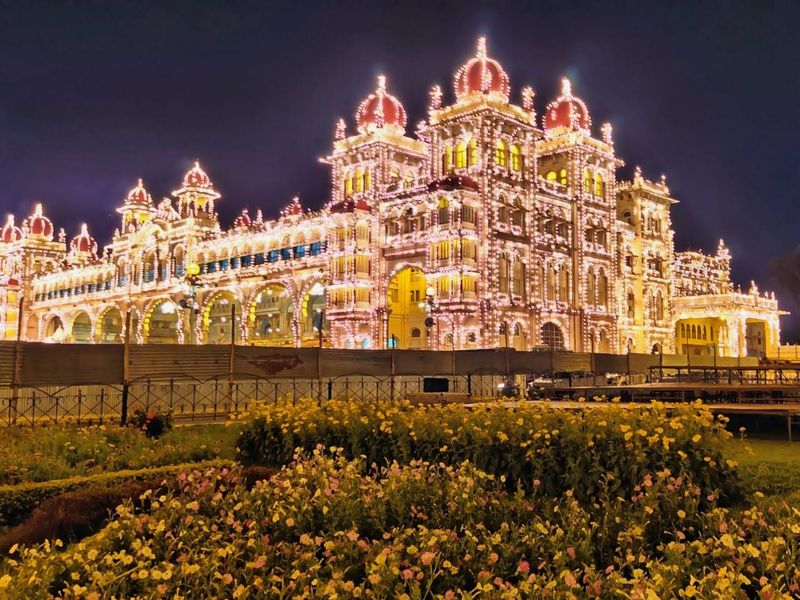
Mysore Palace looks like it should cost a small fortune to enter. Karnataka Tourism lists general entry at just 120 rupees per person.
Your wallet can relax.
The current palace was built between 1897 and 1912 after a fire destroyed the wooden one before it. Architect Henry Irwin mixed Hindu, Islamic, Rajput and Gothic ideas into a style called Indo-Saracenic.
The result is a riot of domes, arches and color.
Inside, look for grand halls, stained glass, carved doors and signs of the Wadiyar dynasty’s wealth. Remember to check shoe and camera rules at the entrance, since inside photography is often restricted.
Try to visit on a Sunday, a public holiday or during Mysuru Dasara. Then tens of thousands of lights trace the outside of the palace, and the whole building glows against the night sky.
It is a free light show on top of an affordable tour.
Royal Palace – Sweden
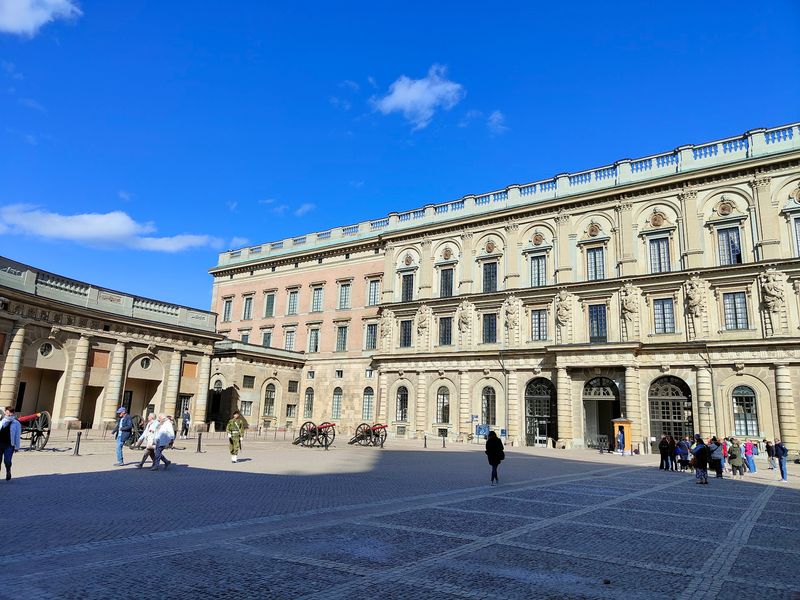
Think of a palace with 600 rooms across eleven floors, where a real royal family still works. That is Stockholm’s Royal Palace.
Sweden’s royal authority calls it one of Europe’s largest palaces.
A standard ticket costs 220 or 240 Swedish kronor, depending on the period. It includes the Royal Apartments, the Treasury and the Tre Kronor Museum.
Three major sights under one ticket is a good deal in a pricey city.
You can admire state rooms, royal regalia and archaeological remains from the older castle that once stood on this spot. The Treasury sparkles with crowns and other symbols of power.
Time your visit near the changing of the guard for extra flavor, but expect a crowd. Check the website first, because some rooms close for official events.
Stockholm is not known for cheap sightseeing, so this palace is a pleasant surprise.
El Escorial – Spain
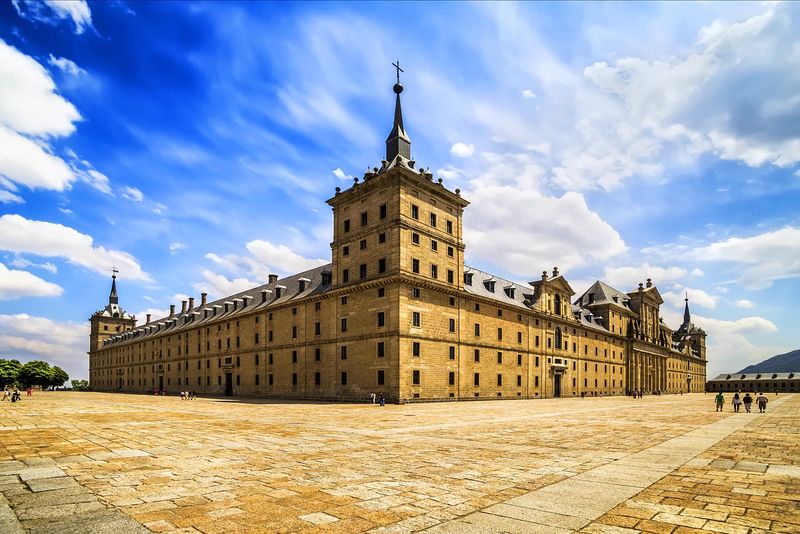
Philip II did not do small. El Escorial is a palace, monastery, basilica, library, royal tomb and political statement all in one.
It sits outside Madrid and covers more than 33,000 square meters.
The gray granite outside looks plain, almost stern. Step inside, though, and you find royal apartments, art collections and one of Europe’s most remarkable historic libraries.
Its painted ceiling alone is worth the trip.
Standard admission costs only 14 euros, with a reduced ticket at 7 euros. There are also set free periods, including certain Wednesday and Sunday afternoons from October through March.
The town is an easy day trip by train and bus from Madrid. Bring a jacket, since the mountain air can be cool.
If you love Spanish royal history, few places offer this much architecture and story for such a modest price.
City Palace – Udaipur, India
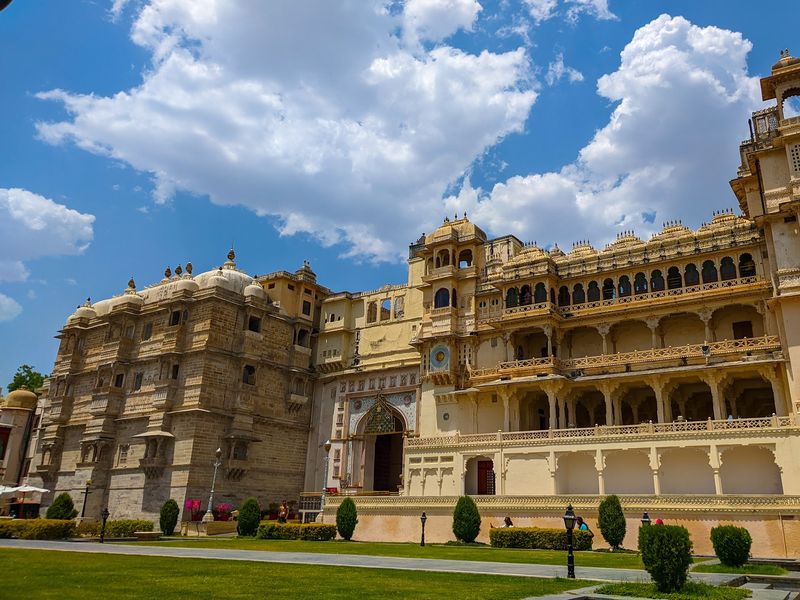
Locals call it a palace of palaces, and the museum agrees. Udaipur’s City Palace is not one building but a cluster of royal structures added by many rulers of Mewar.
It rises right above Lake Pichola.
You will find courtyards, balconies, ceremonial halls and royal chambers. Highlights include the mirrored Kanch Ki Burj, the colorful Mor Chowk and the Zenana Mahal, once home to royal women.
The museum has historically charged a uniform admission of around 400 rupees for domestic and international visitors, with concessions for several groups. That fairness in pricing is rare at popular sites.
Go early, because the narrow corridors fill up fast. Stop at the windows and balconies for lake views, and keep an eye out for peacock mosaics.
It is a friendly way to take in Rajasthan’s royal style without a royal budget.
Christiansborg Palace – Denmark
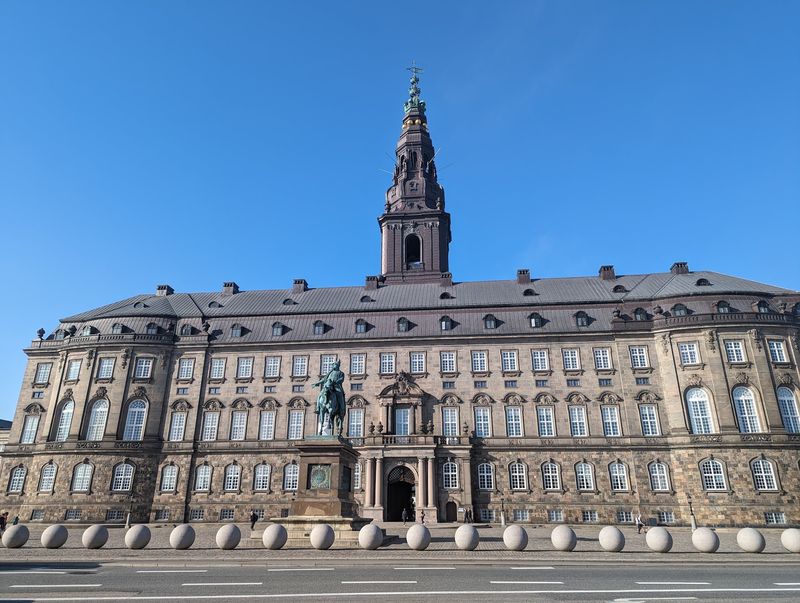
Kings, lawmakers and judges all share one address in Copenhagen. Christiansborg Palace houses Denmark’s Parliament, Supreme Court and Ministry of State.
Even so, its royal reception rooms still host ceremonies for the monarchy.
You do not have to buy every attraction separately. Admission to the Royal Reception Rooms is 140 Danish kroner, and the ticket includes a guided tour when one is offered.
Inside, you will see spaces like the Great Hall, the Throne Room and halls used for official state visits. The Great Hall is known for its modern tapestries telling the story of Danish history.
Check opening days before you go, since ceremonies can change the schedule. Pair the visit with a walk along the nearby canals.
It is a compact, affordable look at the ceremonial heart of Denmark.
Grand Master’s Palace – Malta
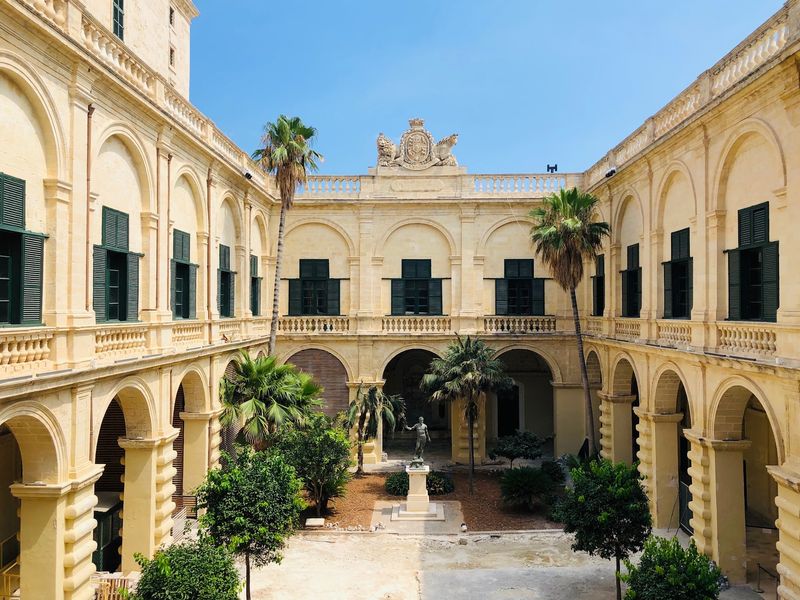
About 450 years of Maltese politics have happened behind these walls. The Grand Master’s Palace in Valletta began with the Knights of St. John, later served British governors, and now houses the office of Malta’s president.
After major restoration, visitors can explore most of the palace. Expect richly decorated state rooms and the historic Armoury, full of armor and weapons.
Heritage Malta lists adult admission at just 12 euros, with lower prices for young visitors and seniors. For a working state building in a European capital, that is unusually fair.
Some ceremonial rooms may close for official events, so check ahead. Walk around Valletta’s streets afterward, since the palace sits right in the center.
Short on time? You can see the main sights in a couple of hours.
National Palace of Queluz – Portugal
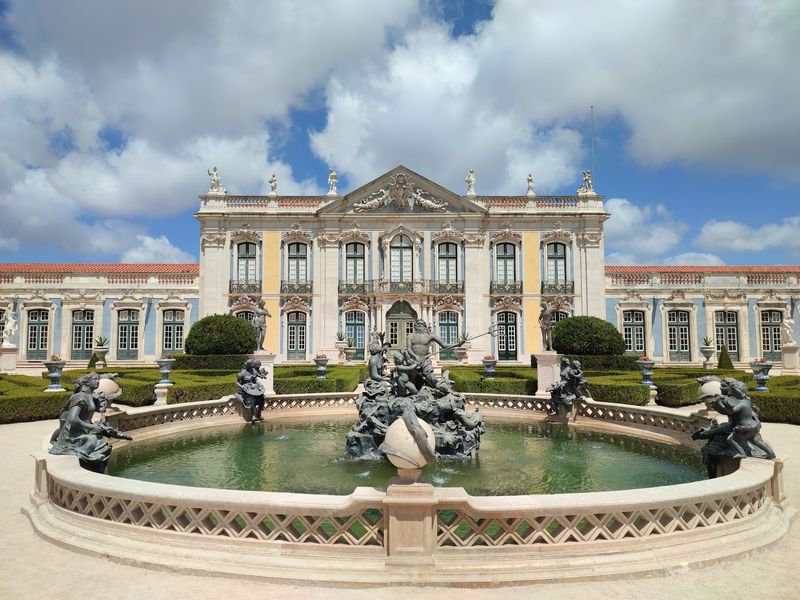
Called the Versailles of Portugal, Queluz gets compared to the big names often. Yet it gets far fewer crowds than the palaces around Sintra.
That is good news for your photos and your patience.
It was built and expanded in the 18th century and blends Rococo, Baroque and Neoclassical styles. Ceremonial rooms, royal apartments and ornamental gardens fill the grounds.
The price makes it even better. Admission to palace and gardens is currently 13 euros for adults, while the gardens alone cost 6 euros.
If you are watching your budget, the gardens-only option is still lovely.
Queluz sits near Lisbon, so you can fit it into a city trip without booking a costly excursion. Take a local train and walk from the station.
Leave time to enjoy the garden canals and statues.
Rundāle Palace – Latvia
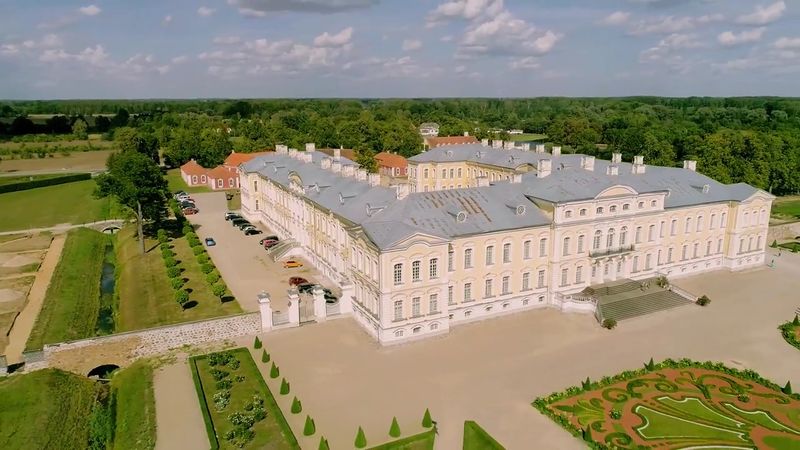
Tucked in the Latvian countryside, Rundāle Palace surprises first-time visitors with its golden Baroque glow. Architect Bartolomeo Rastrelli designed it for the Dukes of Courland.
He is also linked to some of Imperial Russia’s most spectacular buildings.
Inside, you can wander elaborate halls, private apartments and period interiors. Then step outside to stroll through the formal French garden, especially lovely when roses bloom.
Prices stay modest. The main museum exhibition costs 12 euros for adults, and a combined palace-and-garden ticket is 17 euros in the main season.
Online purchases can receive a discount, so check the official site first.
The palace is a good day trip from Riga, though a car or tour makes it easier. Bring a camera and a bit of time.
It is one of Europe’s more affordable ways to experience a major aristocratic palace.
Schönbrunn Palace – Austria
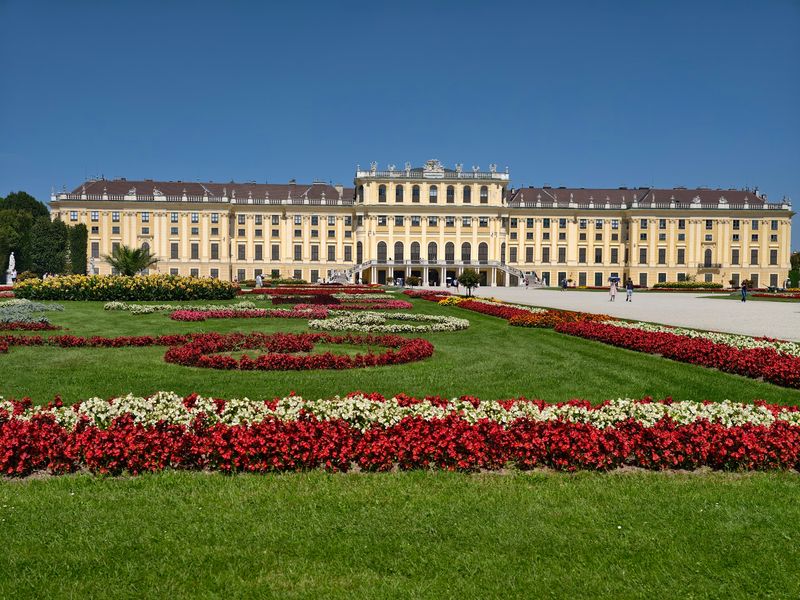
Over a thousand rooms and a famous yellow facade make Vienna’s Schönbrunn hard to miss. The Habsburgs used it as their imperial summer home.
Today it is one of the city’s top sights.
A full interior tour is not among Europe’s cheapest. In 2026, admission to selected State Apartments costs 30 euros.
Still, you have choices, and the savvy traveler can shape a visit that fits the budget.
Much of the vast palace park can be explored without buying the full premium package. Walk the gardens, climb toward the Gloriette for city views and enjoy the fountains at no big cost.
If you do pay for a visit, you will see ceremonial rooms and richly decorated interiors linked to Maria Theresa, Emperor Franz Joseph and Empress Elisabeth. Choose the ticket level that suits you instead of the priciest pass.
Share this story