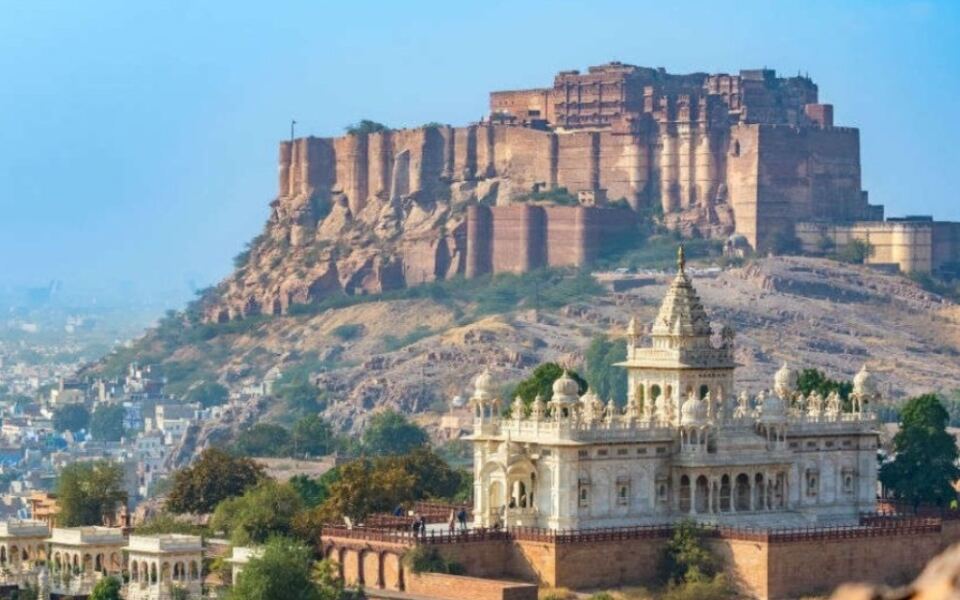
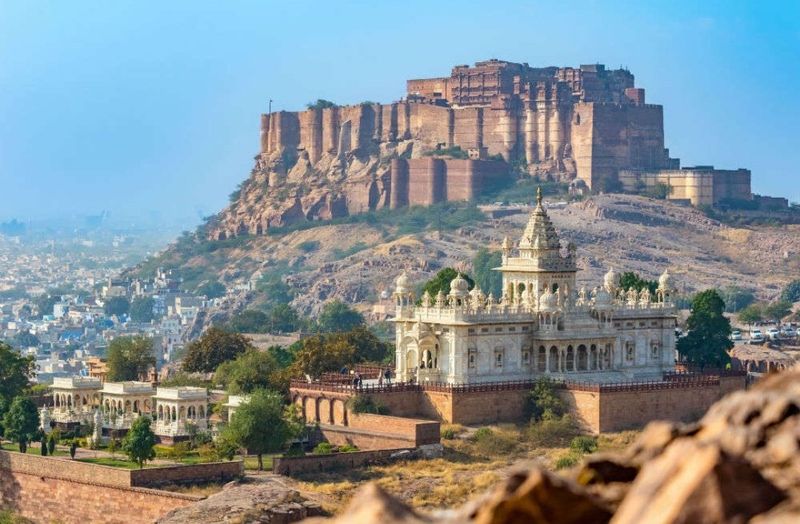
Perched on a rocky hill in Jodhpur, Mehrangarh Fort looks down on a sea of blue houses. It has stood there since the 1400s, and its walls still tell wild tales of kings, battles, and clever builders.
Here are ten things that make this giant fort a top stop in Rajasthan. Lace up your comfy shoes and get ready.
A Hill Built on Bird Tales
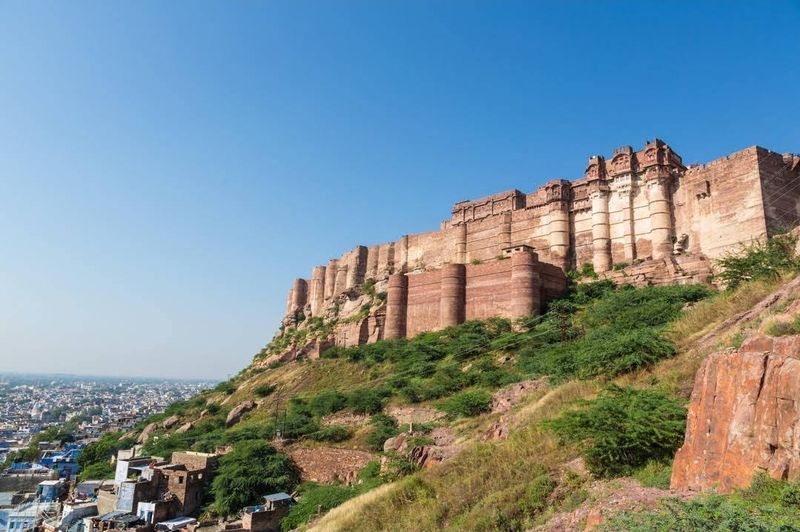
Birds once ruled this rocky hill, and the old name still proves it. Locals called it Bhakurcheeria, the mountain of birds.
Rao Jodha chose the spot in 1459 when he moved his capital from Mandore.
The hill rises about 400 feet above the plain. That height was no accident.
Enemies had a long, tiring climb before they even reached the walls, and archers had a perfect view of every move below.
Visitors today feel that height right away. Even before you step inside, the fort pulls your eyes upward and keeps them there.
One reviewer said it commands attention before you ever buy a ticket.
Fun fact: the walls rise up to about 120 feet in some places. That is taller than a ten-story building.
Stand at the base and tilt your head back, and you will see why Rajput rulers felt so safe up here.
Tip for travelers: take a moment at the bottom to snap a photo before heading in. The full scale of the fort looks best from a distance, and your camera roll will thank you later.
Blue Rooftops for Miles
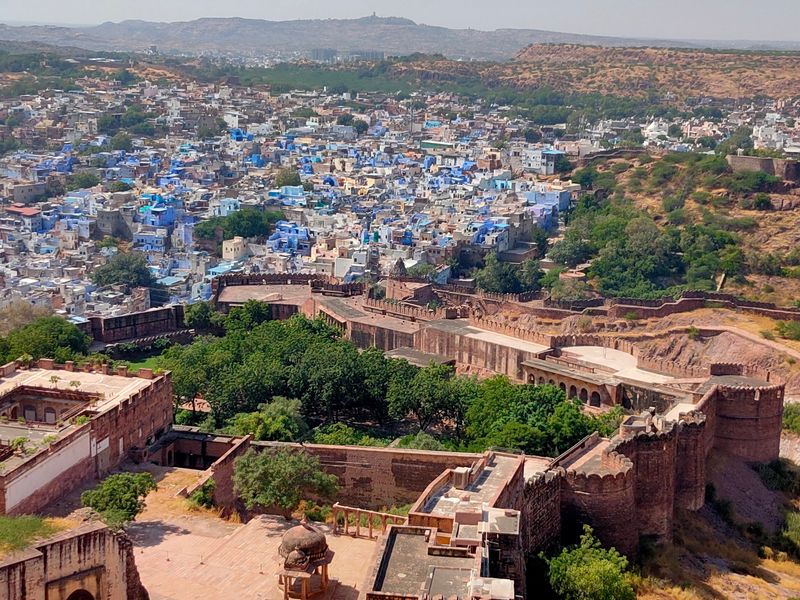
Look down from the ramparts and the whole old city glows in shades of blue. Reviewers mention this view more than almost anything else, with hundreds of visitors calling it unforgettable.
It feels calm, wide, and a little unreal.
The blue paint is part of Jodhpur’s charm. The houses cluster tightly around the base of the fort, so the color seems to flow right out from the walls.
Rooftops, lanes, and tiny terraces all blend into one soft sea.
Timing matters here. Golden hour makes the colors pop, and photographers love that late afternoon light.
Early morning is also lovely, with fewer people crowding the best spots.
Walk along the walls slowly and stop at each viewpoint. Every angle gives a slightly different picture of the city, and the fort itself often sneaks into the frame.
Bring a phone with plenty of storage. You will take far more photos than you planned, and you will probably still want one more.
Gates With Spikes and Stories
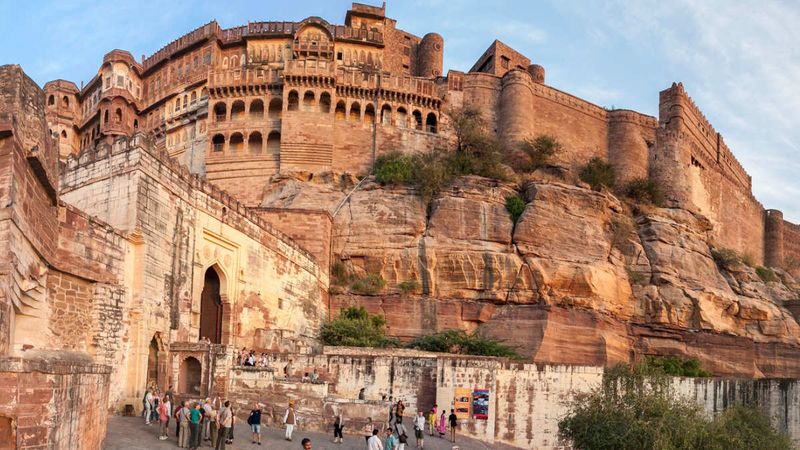
Iron spikes are sticking out of those huge doors, and they are not for decoration. They were built to stop war elephants from ramming the gates down.
Imagine an elephant charging, then thinking twice.
Jayapol and Fatehpol were built to celebrate military victories. Their names even mean victory gates.
Near Jayapol you can still spot dents from cannon fire during old battles.
Walk slowly through the passage and run a hand near the stone, though not on the fragile parts. The thick walls make the world outside feel far away.
It is easy to picture guards watching from above.
Loha Pol holds a quieter moment. Handprints of royal women who performed sati are pressed into the wall there, a serious reminder of the past.
Many visitors pause here in silence.
Take your time at the gates. They set the mood for everything inside, and the audio guide has good stories about each one.
Sheesh Mahal Sparkle
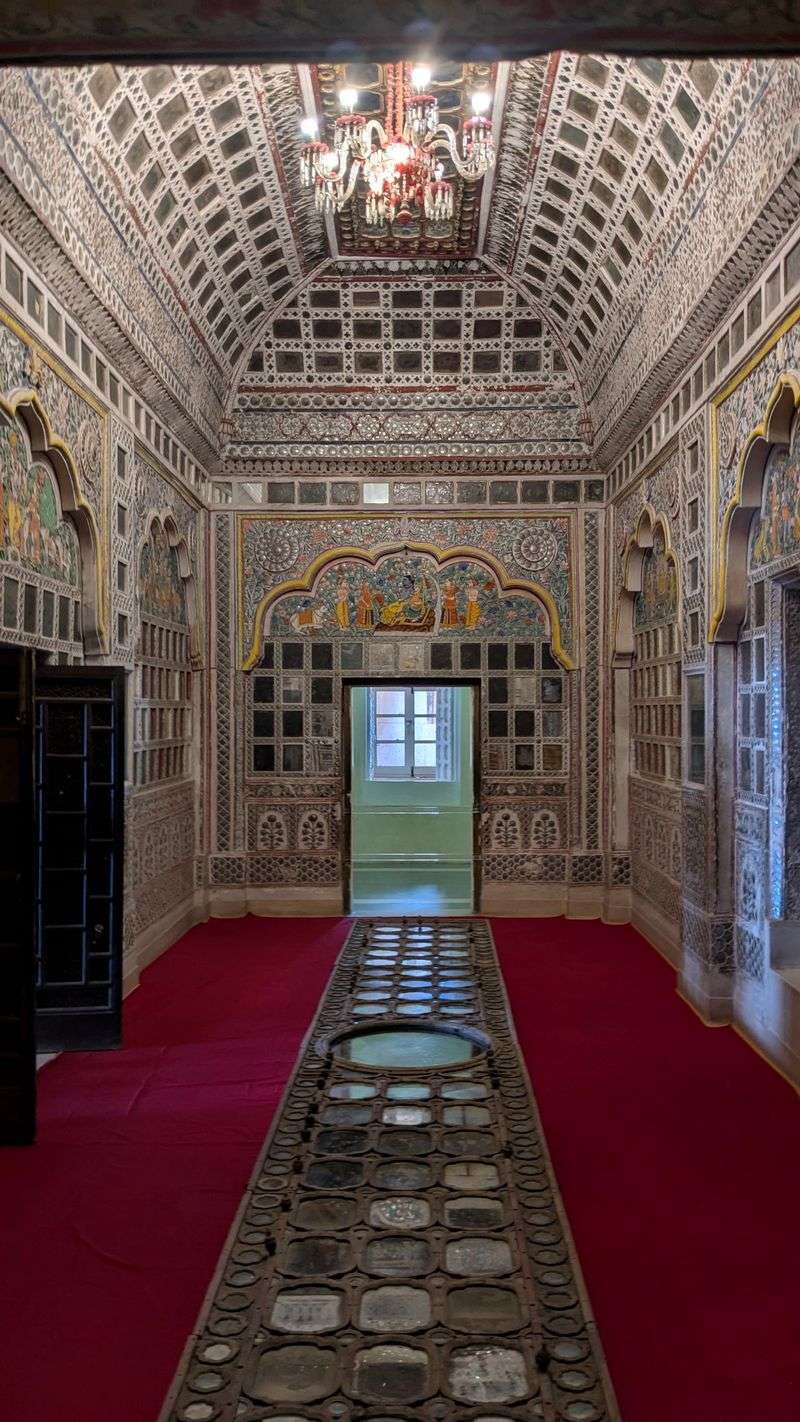
Walk in and the walls wink back at you. Sheesh Mahal, the palace of mirrors, is covered in tiny mirror pieces set into elegant patterns.
Light bounces around the room like confetti.
Reviewers rave about the detail here, with about ninety mentions of it. The gold work and glass are fine enough to make you lean in close.
Take a second look at the ceiling too.
The room was made for royalty, and it shows. Every surface was planned, from the painted panels to the shimmering corners.
Craftsmen spent long hours on work you can admire in minutes.
Photos are allowed, but the real glow is hard to catch on a screen. Step slowly and let your eyes adjust to the sparkle.
If the room is crowded, wait a minute and the flow usually clears. A short pause gets you a calmer view and a better picture.
Phool Mahal and Gold Details
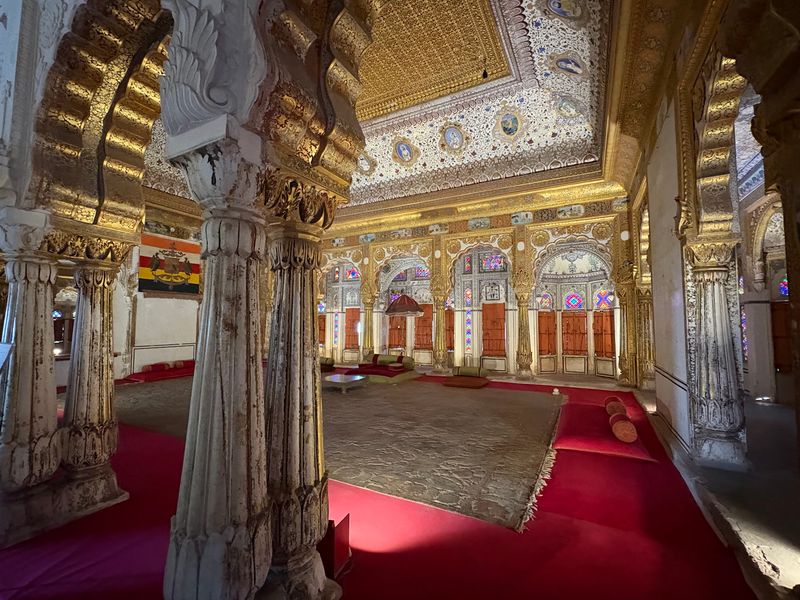
Gold gleams from every corner of Phool Mahal, the flower palace. Its ceiling and walls are decorated with paint, glass, and patterns that seem to glow.
Over a hundred visitors have mentioned this room in their reviews.
It was once a place for royal celebrations, music, and dance. Today it is quiet, which makes it easier to spot the small touches.
Look for the painted details that curve along the ceiling.
Moti Mahal nearby adds more color. Its windows and painted ceilings show how rulers loved art as much as strength.
Together these rooms feel like a jewelry box tucked inside a fortress.
One reviewer called the gold work and mirrors incredible. That is a fair summary, though photos only do part of the job.
Plan a few extra minutes to simply stand and look up.
Walk in with an audio guide on, and the stories behind each room come to life without any effort.
The Museum of Royal Treasures
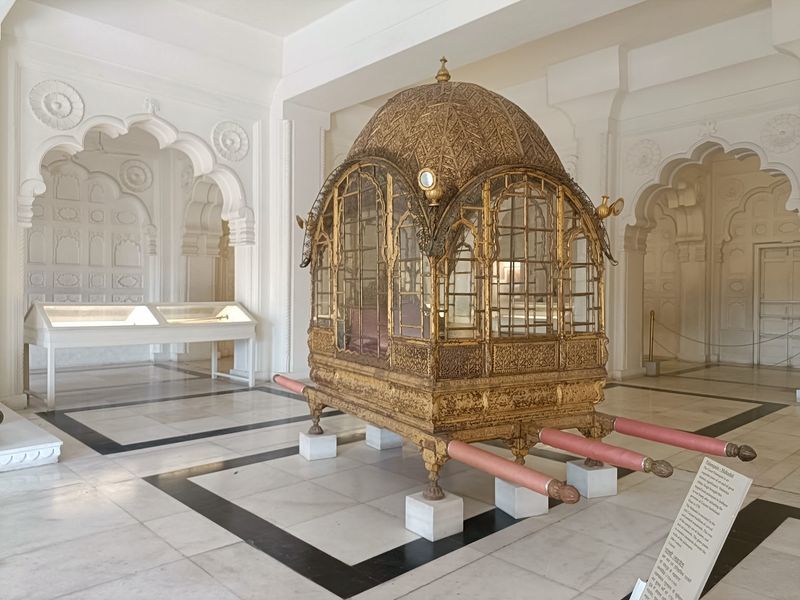
Where else can you meet a royal cradle, a stack of swords, and a golden elephant seat in one afternoon? The museum inside Mehrangarh is often called one of the best in Rajasthan.
It is neat, clear, and full of surprises.
Highlights include howdahs, palanquins, weapons, paintings, and royal costumes. The cradle gallery charms nearly everyone, especially younger visitors.
Each case has labels that add real context.
Reviewers say the museum gives depth to what you see rather than simply showing objects. That makes the visit feel like a story rather than a checklist.
Take your time in each room.
Most guests use the lift to reach the top, then wander down through the galleries. That saves your legs for later and keeps the route simple.
It is a smart plan.
Look for the armor and think about how heavy it must have been in summer heat. Suddenly your water bottle does not seem so bad.
Cannons With a View
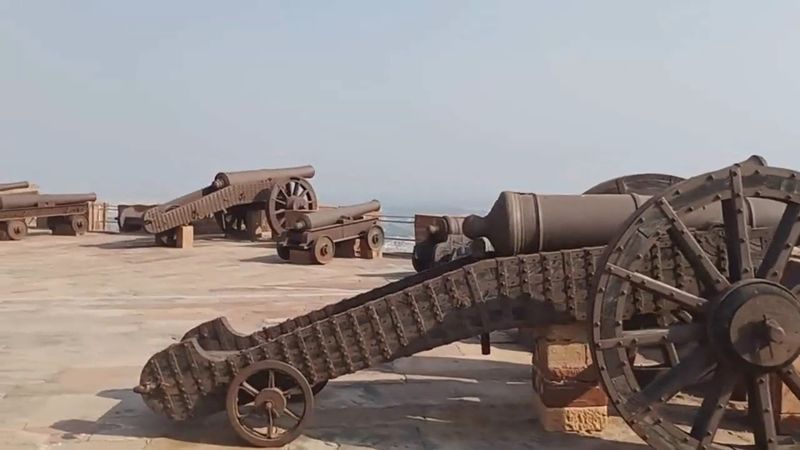
Cannons line the ramparts, and one of them even has a name: Kilkila. Its barrel points toward the city, as if still watching for trouble.
Kids tend to love this stop.
These old guns once guarded the hill from invaders. Today they make excellent photo props.
Line one up with the blue city behind it and you get a postcard-worthy shot.
The ramparts are wide enough for a relaxed stroll. Wind often drifts across the walls, which feels nice in the heat.
Stop at each cannon and read the small signs.
Some visitors say the best pictures come near sunset. The sky turns warm, and the stone glows.
Others prefer early light, when the city is quiet below.
Watch your step on the uneven stone paths. Comfortable shoes make the walk far more fun, and your feet will be grateful.
Carvings That Stop You Cold
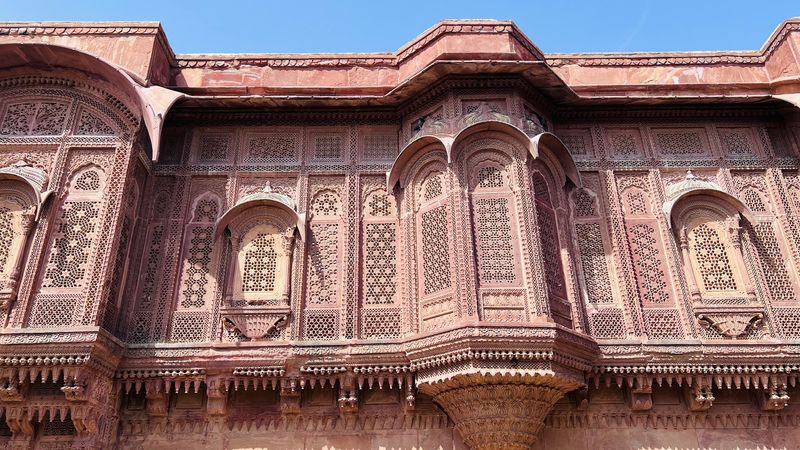
Look closely at the windows, because the stone seems to be lace. Mehrangarh is famous for jharokhas and lattice screens carved with astonishing patience.
Over a hundred reviewers mention the carvings.
Sandstone made this possible. It is soft enough to shape into delicate patterns, yet strong enough to last centuries.
Craftsmen turned plain walls into art.
These screens also had a practical job. Royal women could watch events in the courtyards without being seen.
Air flowed through the holes, which kept rooms cooler.
Walk through the courtyards and keep your eyes moving. Each window frame, balcony, and panel has its own pattern.
One reviewer called the sandstone work stunning, and it is hard to argue.
Photographers should try shooting at an angle. Shadows through the lattice make beautiful shapes on the floor.
It is a simple trick with great results.
Lift, Audio Guide and Smart Planning
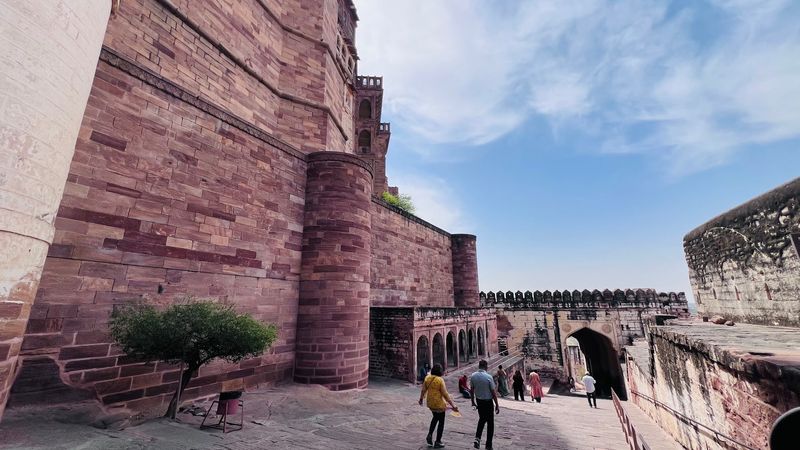
Good news for tired legs: a lift carries you up to the main fort. Indian visitors pay around 50 rupees for it, and many reviewers call it a lifesaver for elders and little ones.
It saves the steepest climb.
The audio guide gets rave reviews, with hundreds of mentions. Press the number for your spot and listen to the story.
One visitor wished the numbering were clearer, so keep an eye on the signs.
Plan three to four hours if you love details, or about two if you are rushing. Start early to beat the heat and the crowds.
In summer, the hilltop can feel hot even in the morning.
Entry is about 200 rupees for Indian visitors and 600 for international guests, and parking costs 50. Cards, cash, and UPI are accepted.
Water mist sprays near the ticket counter cool you down.
Bring a water bottle and wear sturdy shoes. Your day will go much smoother.
Zip Lines and Sunset Moments
Ready to fly past a fortress? A zip line run here gives visitors a bird’s-eye rush over the walls.
Around 250 reviewers have mentioned it, so it is clearly a crowd pleaser.
Not every trip needs a thrill ride, though. Many guests prefer a calm sunset on the walls.
The sky turns orange, the stone warms up, and the city lights begin to flicker.
After exploring, take a break in one of the cafes inside. Reviewers say the food is good, if a little upscale.
A cool drink and a seat with a view can reset tired feet.
The shopping area has crafts and gifts, though some find prices high. Markets outside the fort may offer better deals.
Also note that some shops sit up stairs, which can be tricky for travelers with limited mobility.
Whichever way you end your visit, leave a little time to look back at the fort. It looks just as grand from outside.
Share this story