In 1966, a single week on the radio could bring you the Beatles, the Supremes, the Rolling Stones, and a sergeant in the U.S. Army, all fighting for the same top spot.
The Billboard Hot 100 was only eight years old, and it was already working hard to keep up with how quickly music was changing. Folk singers were plugging in electric guitars.
Motown was turning out hits from a small studio in Detroit. British bands were trying sitars, and a TV show was creating a pop group from scratch.
Teenagers bought 45 rpm singles for under a dollar, and those small records decided which songs became national hits. A song could rule the country for five weeks and then fade from memory within a few years.
That is what makes this year so interesting to look back on. Some of its No. 1 songs still play at weddings and ballgames today.
Others were huge at the time but rarely get mentioned now. Below, you will find the stories behind each chart-topper, including who wrote them, how long they stayed at the top, and why they mattered.
Keep count as you read, and see how many you can still sing from memory.
1. The Sound of Silence by Simon & Garfunkel
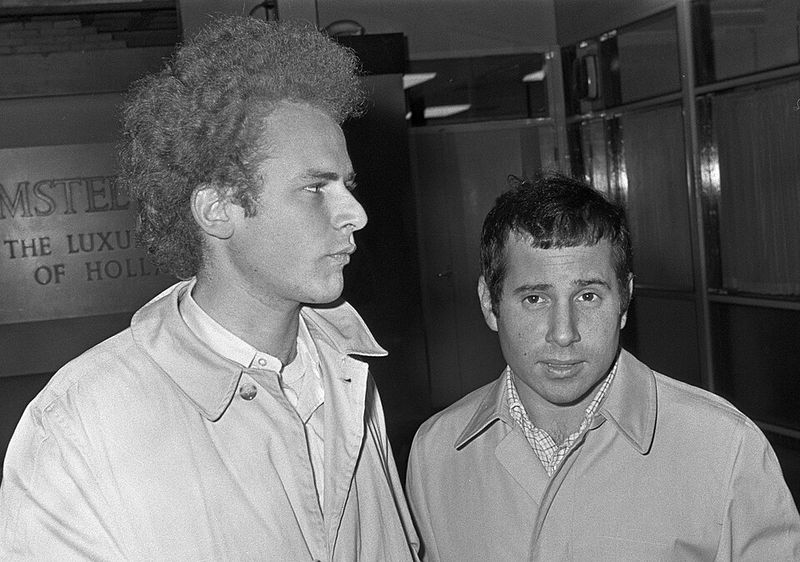
A song that flopped on its first try ended up kicking off 1966 at the very top. The Sound of Silence hit No. 1 on the Billboard Hot 100 on January 1, 1966, and stayed for two weeks.
The first version was acoustic. It appeared on the duo’s 1964 debut album, Wednesday Morning, 3 A.M., which sold poorly.
Paul Simon and Art Garfunkel had even split up for a while.
Then producer Tom Wilson stepped in. He added electric guitar, bass, and drums without asking the duo first.
That new version came out as a single in September 1965 and slowly climbed the charts.
Simon heard about the success while living in England. He soon reunited with Garfunkel to record more music.
The hit helped launch the folk-rock movement, which mixed thoughtful lyrics with rock instruments. Not bad for a song that almost stayed buried.
2. We Can Work It Out by The Beatles
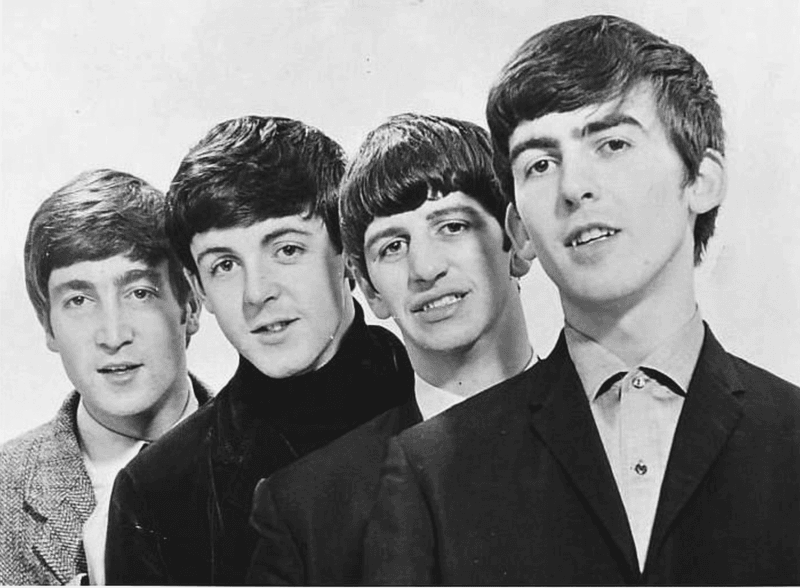
Two songwriters, two moods, one hit record. We Can Work It Out reached No. 1 in January 1966 and held the top spot for three nonconsecutive weeks.
Paul McCartney wrote the hopeful verses about fixing a relationship. John Lennon added the middle section, which sounds more impatient and serious.
Together, the parts show how differently the two men thought.
Here is a fun musical detail. During that middle part, the beat briefly switches into a waltz-like 3/4 time before returning to a normal rock rhythm.
Few pop songs of the time tried anything like that.
The single was released as a double A-side with Day Tripper. That meant both songs were treated as equal hits, which was unusual back then.
The record showed the Beatles were growing as writers. They were no longer just a fun boy band with catchy tunes.
3. My Love by Petula Clark
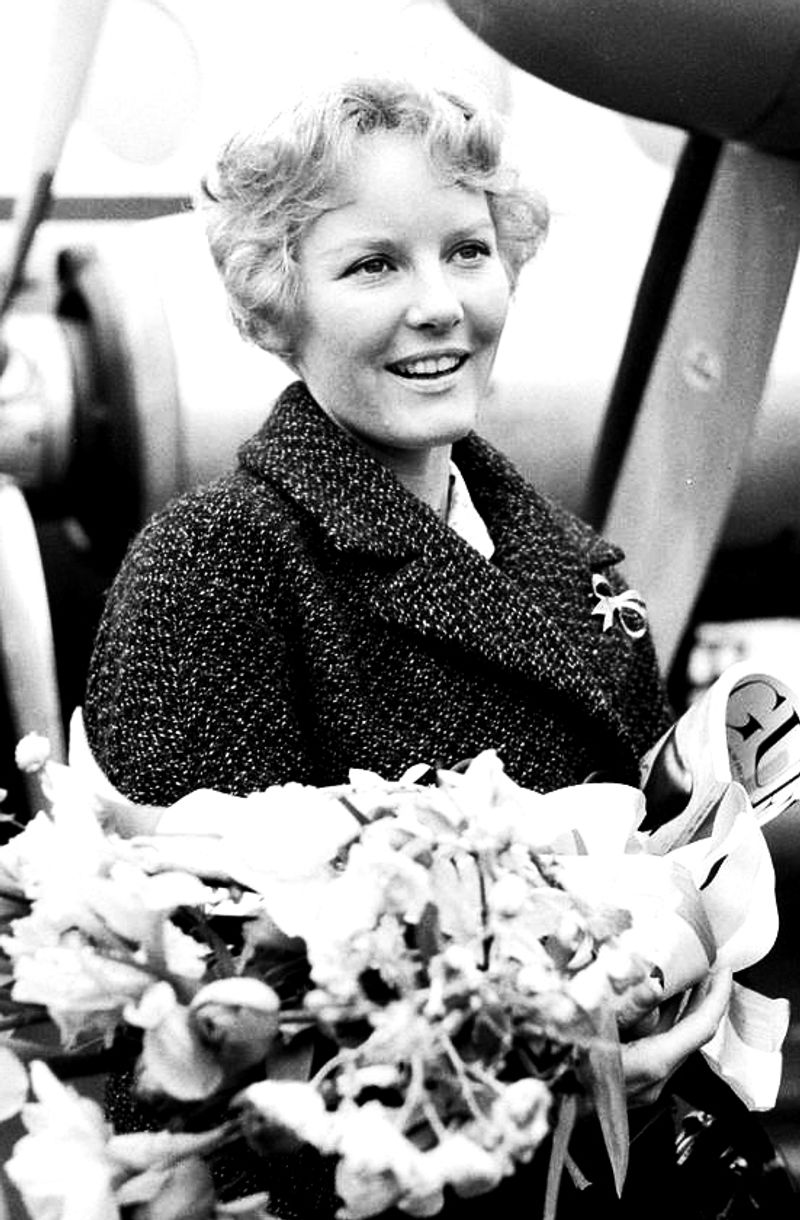
Not every British Invasion star carried an electric guitar. Petula Clark proved that with My Love, which hit No. 1 in February 1966 and stayed for two weeks.
Clark had been performing since childhood. She sang on BBC radio during the 1940s and acted in British films as a kid.
She also recorded songs in French, German, and Italian, so she was famous across Europe long before Americans knew her.
Her American breakthrough came with Downtown in 1965. My Love was her second U.S. chart-topper, written and produced again by Tony Hatch.
Hatch liked big, bright arrangements with horns and strings. That style made the song a perfect match for AM pop stations.
Clark’s success reminded record companies that grown-up pop singers could still sell records to teenagers. Talent, it turns out, does not need a mop-top haircut.
4. These Boots Are Made for Walkin’ by Nancy Sinatra
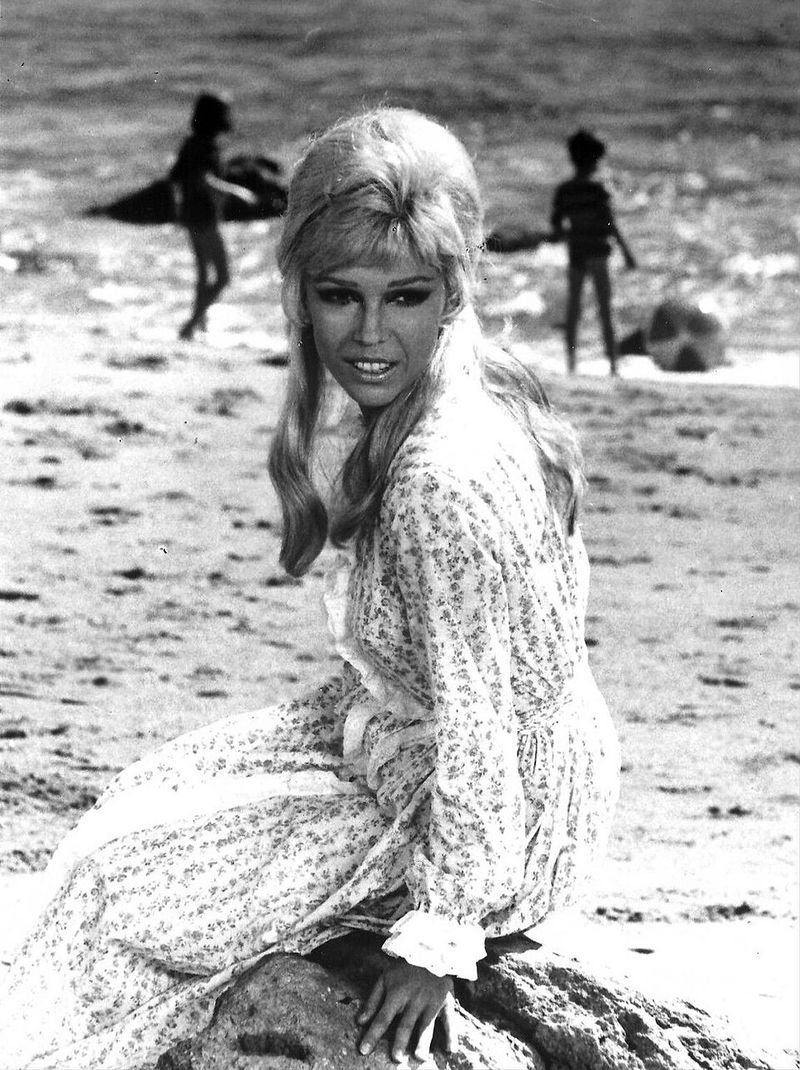
Being the daughter of Frank Sinatra opened doors, but it did not guarantee hits. Nancy’s early singles mostly failed until songwriter Lee Hazlewood changed her sound.
Hazlewood reportedly told her to sing lower and tougher, like someone who meant business. The result was These Boots Are Made for Walkin’, which hit No. 1 in February 1966.
The famous sliding bass line is the first thing most people recognize. It was played by session musician Chuck Berghofer, part of the group of Los Angeles studio players later called the Wrecking Crew.
The lyrics feature a woman who is done with a bad relationship and ready to leave. In 1966, that kind of confidence in a pop song felt fresh.
Sinatra wore go-go boots in her TV appearances, and the look became part of the song’s identity. Her signature hit also sold over a million copies.
5. Ballad of the Green Berets by SSgt. Barry Sadler
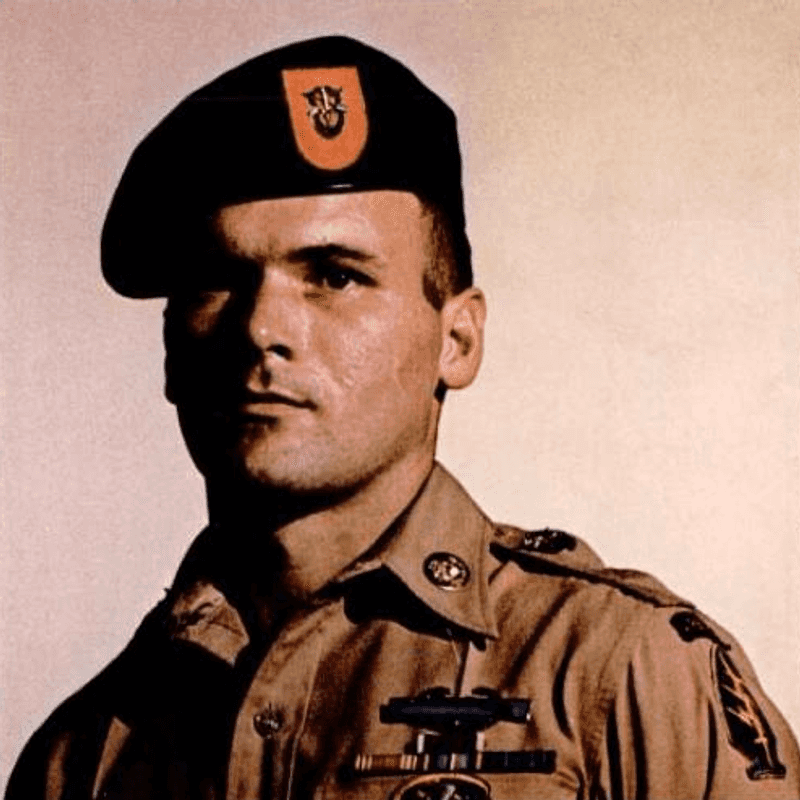
Billboard’s biggest song of 1966 did not come from a rock band. It came from Staff Sergeant Barry Sadler, a U.S.
Army Special Forces medic.
Sadler started writing Ballad of the Green Berets during his medic training. He finished it after being injured during his service in Vietnam.
The song honored the soldiers who earned the famous green beret.
It reached No. 1 in March 1966 and stayed there for five straight weeks. Billboard later ranked it No. 1 on its year-end Hot 100 chart.
The slow, march-style ballad sounded nothing like the Beatles or Motown. Its success showed how much public attention the military was receiving, even as Americans grew divided about the war.
Sadler toured to promote the Special Forces afterward. He never had another hit this big, which makes him one of the decade’s most famous one-hit wonders.
6. Good Lovin’ by The Young Rascals
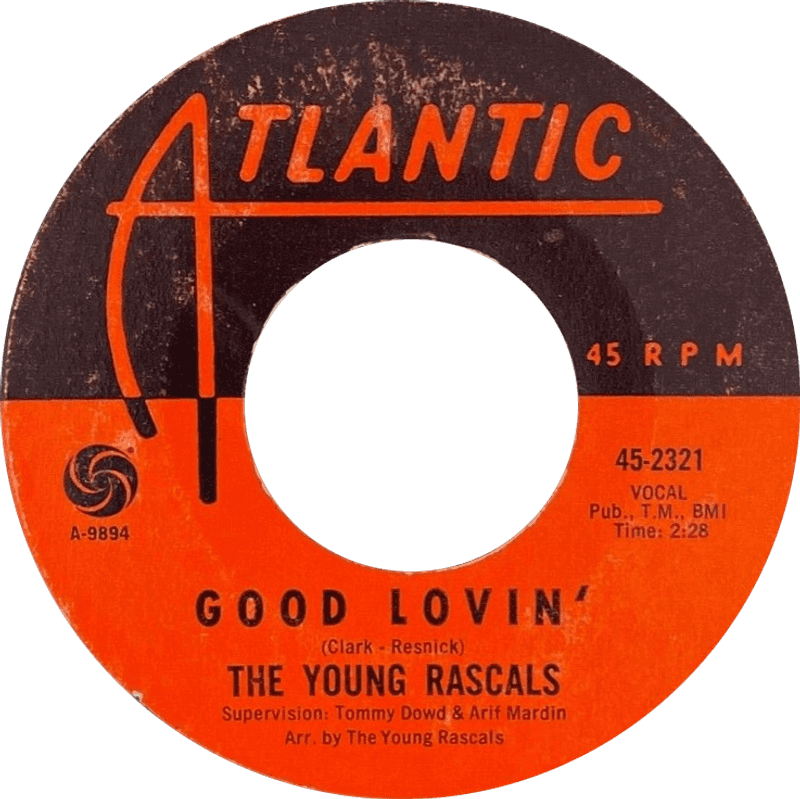
Ever wonder why a rock band would call itself Young? The Rascals were pushed to add the word because a comedy group called the Harmonica Rascals already existed.
Managed by Sid Bernstein, the promoter who brought the Beatles to Shea Stadium, the band signed with Atlantic Records. Their big moment came with Good Lovin’, which reached No. 1 in April 1966.
The song was not new. The Olympics had recorded it in 1965, but that version barely charted.
The Rascals sped it up and added a soulful sound.
Felix Cavaliere sang lead and played a Hammond organ, which gave the band its signature style. They were one of the first white rock groups widely praised for their rhythm and blues feel.
By 1968, the band dropped Young from its name. Good Lovin’ still shows up at ballparks and parties today.
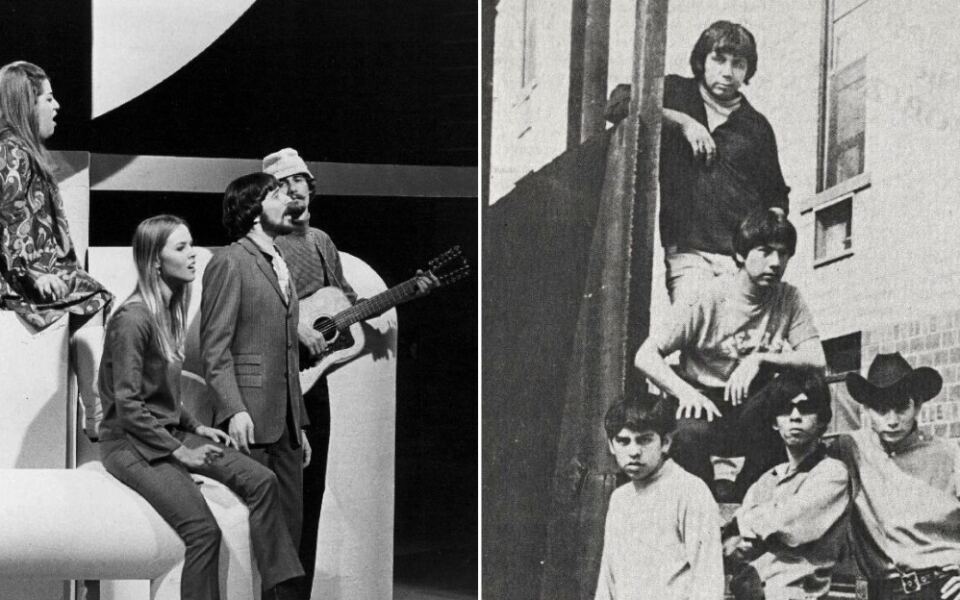
7. Monday, Monday by The Mamas & the Papas
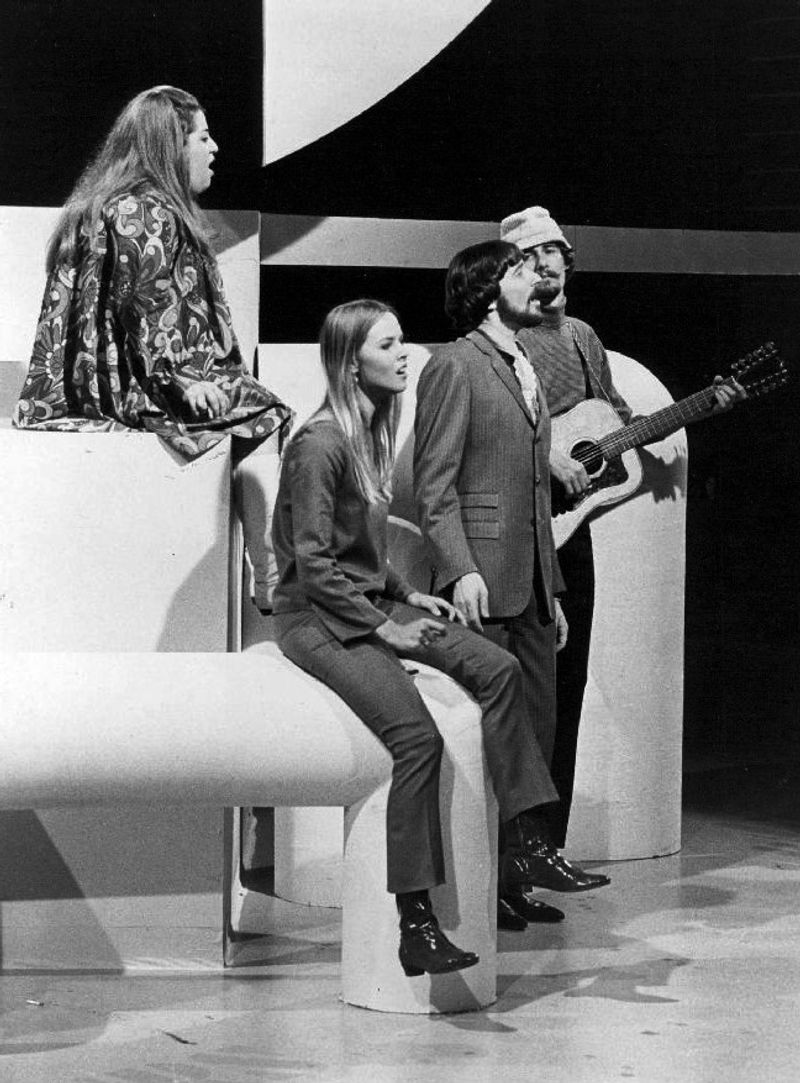
Mondays have a bad reputation, and John Phillips put that feeling into a song. Monday, Monday reached No. 1 in May 1966 and stayed there for three weeks.
Phillips said he wrote it quickly, aiming for a song with universal appeal. Almost everyone has had a disappointing Monday, after all.
The lyrics compare the day to a relationship that starts with promise and then lets you down. The group’s four voices, stacked in careful harmony, made the song stand out on the radio.
Surprisingly, it became the group’s only No. 1 hit in the United States. California Dreamin’ was famous too, but it peaked at No. 4.
Monday, Monday also won the Grammy for Best Contemporary Group Performance. The award helped show that the California folk-rock sound was being taken seriously by the music industry.
8. When a Man Loves a Woman by Percy Sledge
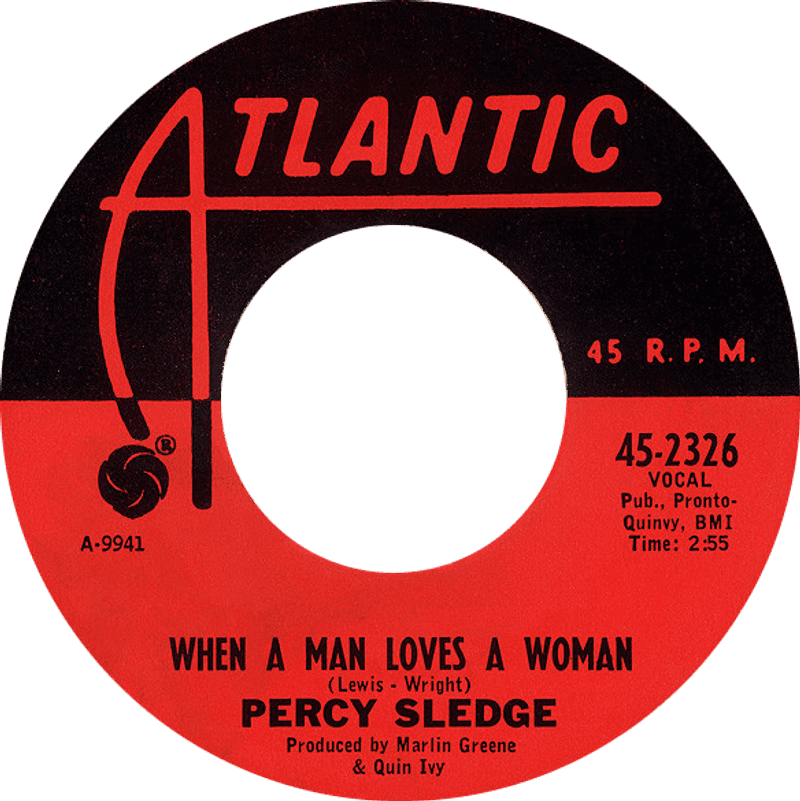
Before his singing career took off, Percy Sledge worked as a hospital orderly in Alabama. He sang with a local band on weekends.
When a Man Loves a Woman was recorded at Norala Sound Studio in Sheffield, Alabama, near the famous Muscle Shoals music scene. It became the first No. 1 Hot 100 hit recorded in that area.
The song reached the top in May 1966 and stayed for two weeks. It also ruled Billboard’s R&B chart for four weeks.
Sledge sang with raw emotion that felt very different from smooth pop ballads. That honest delivery is why the song became a landmark of Southern soul.
Decades later, Michael Bolton took his own version to No. 1 in 1991. Movies and TV kept the original alive too.
Still, the 1966 recording remains the one most fans consider the real deal.
9. Paint It, Black by The Rolling Stones
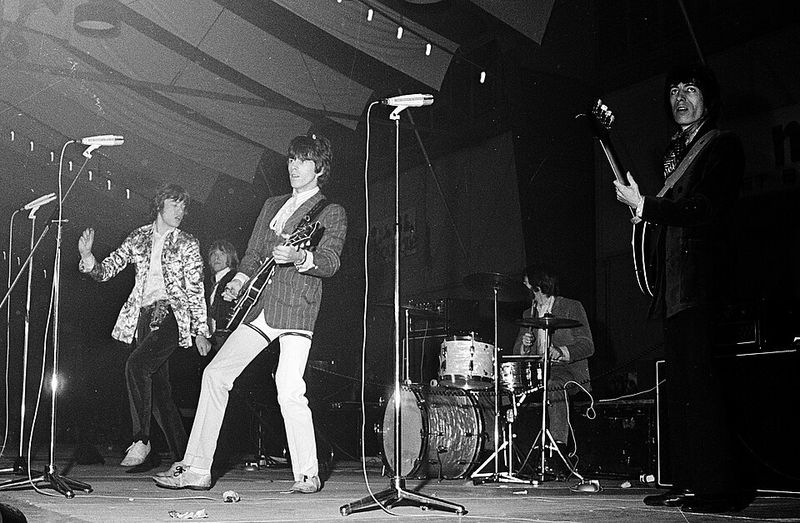
A sitar on a rock record was still a strange idea in 1966. Brian Jones of the Rolling Stones played one on Paint It, Black, and suddenly it sounded cool.
Jones was a multi-instrumentalist who loved trying new things. Using an Indian instrument fit a growing trend, as bands started borrowing sounds from around the world.
The song reached No. 1 in June 1966 and held the top spot for two weeks. Its lyrics deal with grief and deep sadness, a sharp turn from the cheerful pop around it.
Fun detail: the comma in the title was reportedly added by the record company, not the band. Fans have debated its meaning ever since.
Earlier Stones hits leaned on American blues. This one showed they could experiment too.
It remains one of the band’s most recognizable recordings, and it still appears in movies, shows, and video games.
10. Paperback Writer by The Beatles
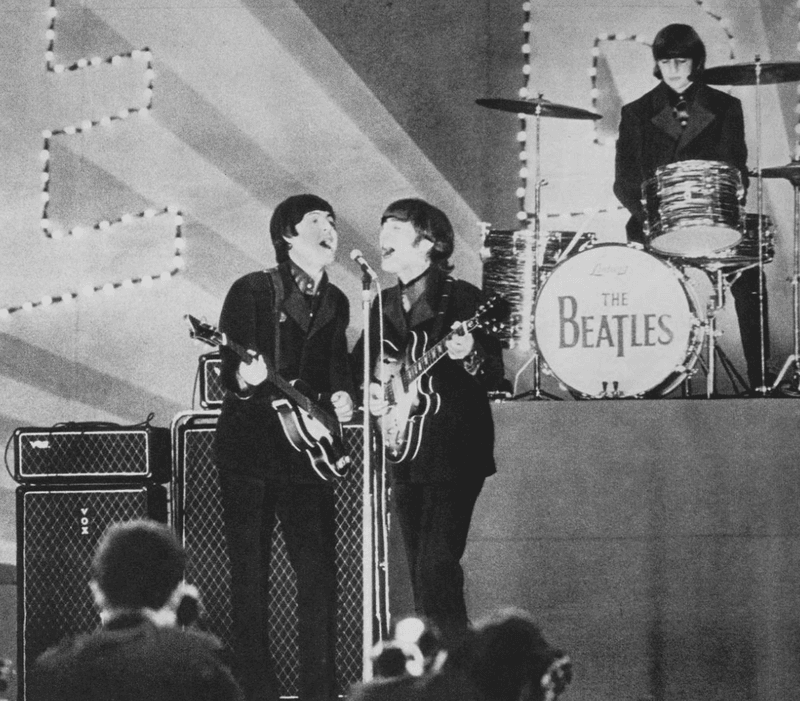
Paul McCartney’s aunt once asked him why the Beatles always wrote about love. He answered with Paperback Writer, a song about something completely different.
The lyrics are written like a letter. A hopeful author begs a publisher to accept his novel, even offering to change the style or make it longer.
Musically, the record pushed boundaries. Engineers boosted the bass louder than usual for a single, making it stand out on the radio.
The detailed backing vocals added another layer.
Paperback Writer reached No. 1 in June 1966 and spent two nonconsecutive weeks there. It came out just before Revolver, the album many fans see as a major turning point for the band.
The song showed the Beatles could tell stories about everyday characters. That idea would grow in later songs like Eleanor Rigby and Penny Lane.
11. Wild Thing by The Troggs
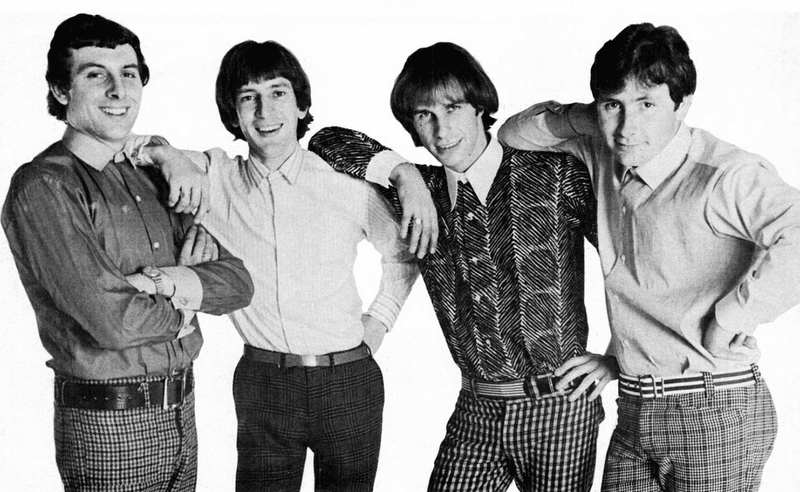
Three chords and a lot of attitude were enough to top the charts in July 1966. Wild Thing by the Troggs stayed at No. 1 for two weeks.
Chip Taylor, an American songwriter, wrote it. Another band recorded it first, but nobody noticed.
The Troggs, a group from a small English town, turned it into a hit.
Singer Reg Presley delivered the lyrics in a rough, playful style. The band kept the music simple and loud.
In the middle, there is even a solo played on an ocarina, a small wind instrument.
While other bands built fancy studio productions, the Troggs went the other way. That raw approach later inspired garage rock and punk bands.
Beginner guitarists still love it because the chords are easy. If you have ever taken a guitar lesson, there is a good chance you met this song.
12. Summer in the City by The Lovin’ Spoonful
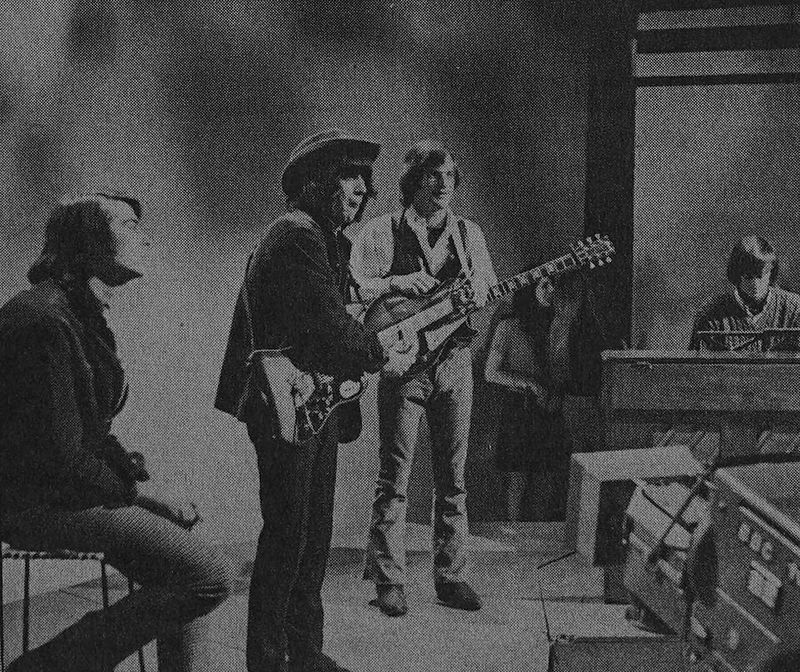
Most summer songs from the 1960s were about beaches and sunshine. The Lovin’ Spoonful went another way and wrote about sweaty city streets.
Summer in the City reached No. 1 in August 1966 and stayed three weeks. It was the band’s only chart-topper.
The song came from a family effort. John Sebastian’s teenage brother Mark wrote the early lyrics, and bassist Steve Boone helped finish it.
What made it special? The band added real city sound effects, including car horns and a jackhammer.
Using effects like that in a pop single was still uncommon at the time.
The verses describe hot, crowded days, while the chorus looks forward to cooler nights and fun after dark. That back-and-forth gave the song a distinct personality.
Plenty of city kids in 1966 heard it as an accurate report on their own neighborhoods.
13. You Can’t Hurry Love by The Supremes
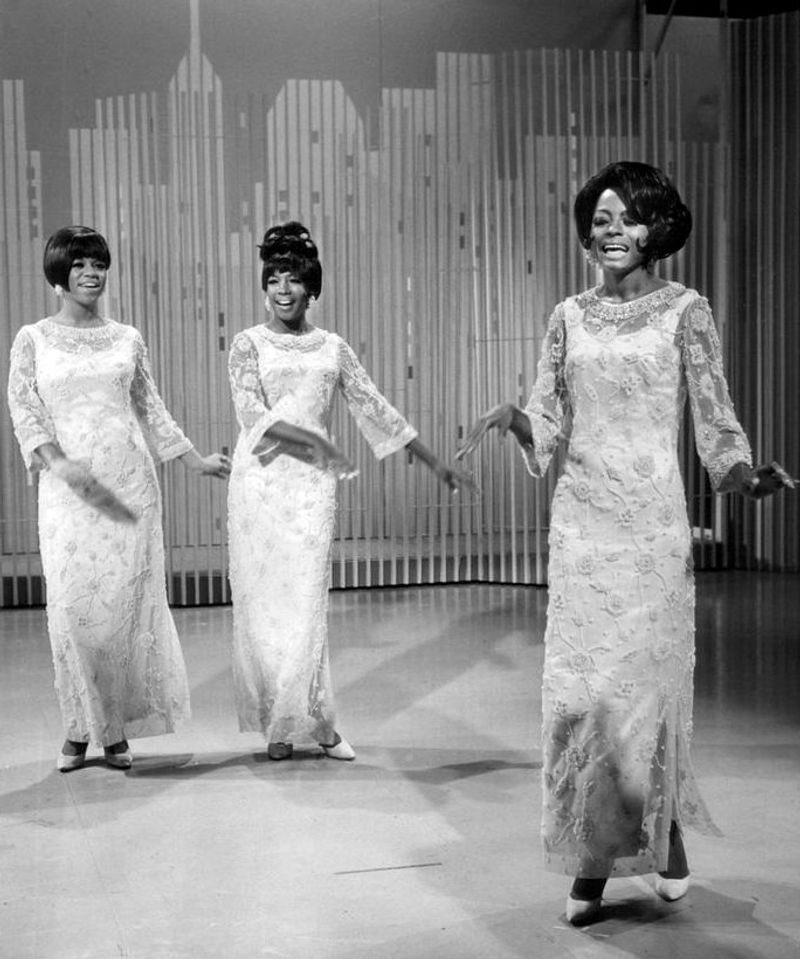
Patience is a hard lesson, and Motown made it danceable. You Can’t Hurry Love reached No. 1 in September 1966 and held it for two weeks.
The songwriting team Holland-Dozier-Holland wrote and produced it. They reportedly drew on an older gospel song for the idea of waiting for love to arrive.
Diana Ross sang lead, with Mary Wilson and Florence Ballard backing her. The Funk Brothers, Motown’s house band, created that bouncy beat.
It was the Supremes’ seventh No. 1 single. The group was breaking records for an American vocal group, and their songs crossed easily between pop and R&B radio.
In 1982, Phil Collins recorded a cover that went to No. 1 in the UK and No. 10 in the United States.
Many younger listeners met the song through Collins first, then discovered the Supremes later.
14. 96 Tears by ? and the Mysterians
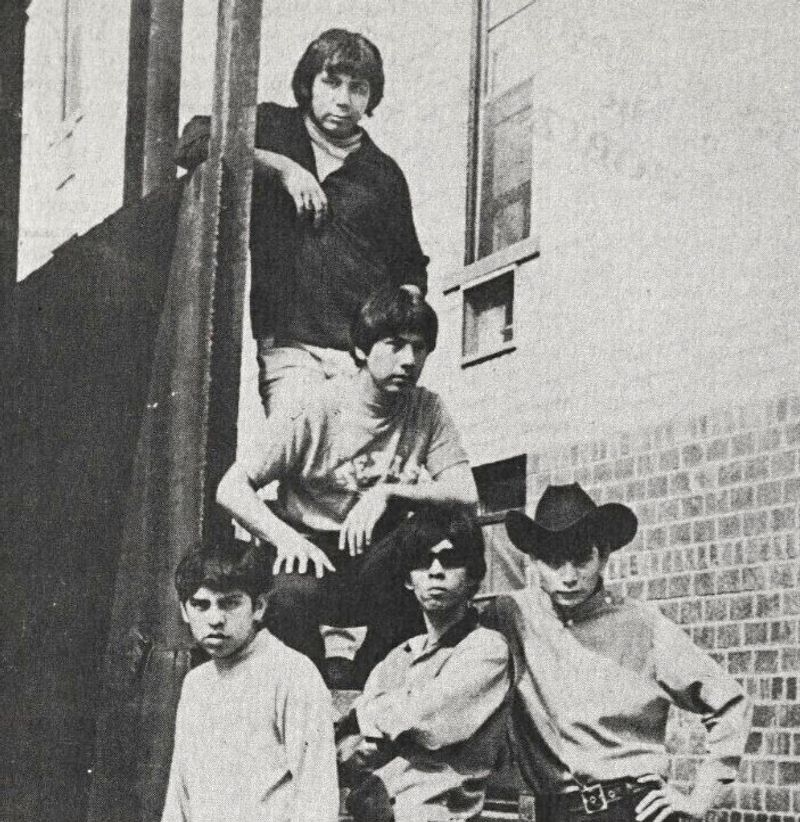
How do you spell a band name with a punctuation mark? Radio announcers in 1966 had to figure that out, because ? and the Mysterians had a national hit.
The lead singer, Rudy Martinez, went by Question Mark and almost always wore sunglasses. The band’s name was reportedly inspired by a 1957 Japanese science fiction movie called The Mysterians.
Most members were children of Mexican American farmworkers who settled in Michigan. They first recorded 96 Tears for a tiny local label.
The song spread through regional radio and then went national. It reached No. 1 in October 1966 for one week.
That bouncy organ riff was played on a cheap Vox organ. The rough, simple sound later made the song a proto-punk favorite.
It remains proof that a small-town band with a strange name could beat the big labels.
15. I’m a Believer by The Monkees
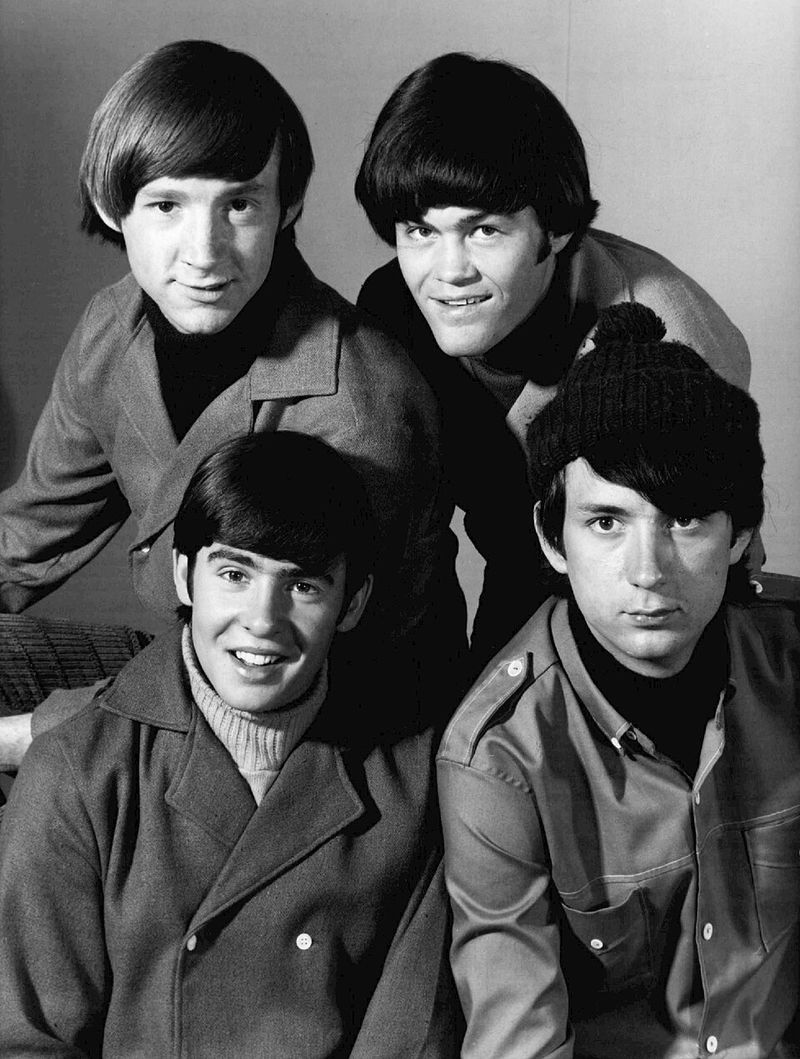
A band built for a TV show ended up selling more records than almost anyone. The Monkees were cast for an NBC sitcom that debuted in September 1966.
Their music took off right away. I’m a Believer, written by Neil Diamond, reached No. 1 on December 31, 1966.
Micky Dolenz sang lead.
Then it simply refused to leave. The single stayed at the top for seven straight weeks, carrying the 1966 hit deep into 1967.
It became one of the best-selling singles of its era.
Critics sometimes teased the Monkees for being created by producers. Fans did not mind one bit.
Weekly episodes promoted the songs, and the songs pulled more viewers to the show.
Younger fans might know it from the 2001 movie Shrek, where Smash Mouth recorded a cover. Either way, the chorus sticks.
Share this story