English has always been a collector of words. Over many centuries, speakers have picked up terms from travelers, traders, cooks, and inventors around the world.
Some of these words are so familiar that few people realize they came from somewhere else. Here are fifteen everyday examples and the languages that gave them to us.
1. Algebra – Arabic

Math class may feel modern, but the word algebra is more than a thousand years old. It comes from the Arabic word al-jabr, which appeared in a ninth-century book by the scholar Muhammad ibn Musa al-Khwarizmi.
Al-jabr meant something like restoring or reuniting broken parts. In the book, it described a method of balancing both sides of an equation to solve for an unknown number.
European scholars later translated the work into Latin, and the word traveled into English. Interestingly, the word algorithm also traces back to the author’s name, which shows how much influence his writing had.
So the next time you solve for x, you are using a term and a technique shaped by scholars in Baghdad long ago.
2. Ballet – French

Picture a dancer rising onto her toes, floating across a stage as if gravity took the night off. That art form has a French name, and for good reason.
Ballet grew out of Italian court entertainments, but it flourished in France under King Louis XIV, who loved to dance. He founded the Royal Academy of Dance in 1661, and French became the language of the art.
That is why so many ballet terms are still French, including plie, pirouette, and arabesque. Dancers around the world, from Tokyo to Toronto, learn the same French vocabulary in class.
English adopted the word ballet in the 1600s, and it now describes both the dance style and a full performance.
3. Cafe – French
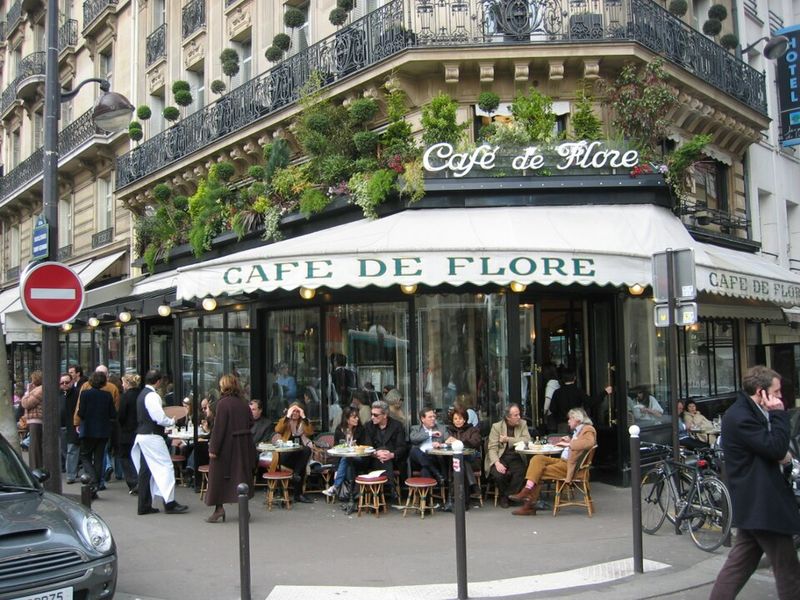
Few places invite you to slow down like a small cafe with a window seat and a warm cup in hand. The word itself arrived in English from French in the 1800s.
In French, cafe means coffee, and it also names the place where coffee is served. The French borrowed the word from Italian, which took it from Turkish, which in turn traced it back to Arabic.
That makes it a word with a long journey.
Paris helped make cafes famous as meeting spots where writers, artists, and thinkers gathered to talk.
Today, English speakers use cafe for any casual spot serving drinks and light meals. The accent mark is often dropped, but the French spelling remains common.
4. Chocolate – Spanish (from Nahuatl)
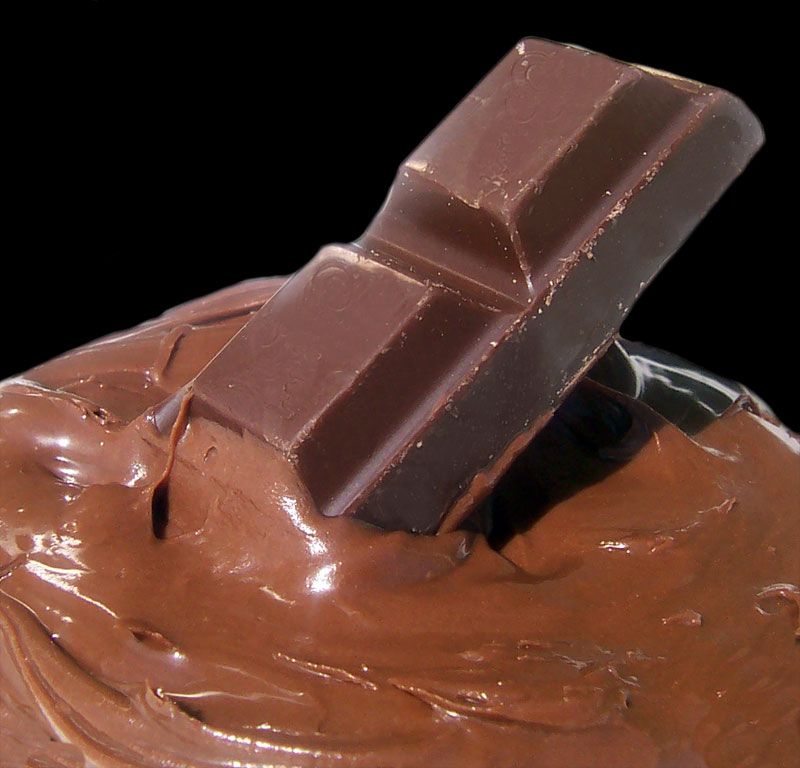
Here is a sweet fact: the treat in your candy drawer began as a bitter drink. The Aztecs, who spoke Nahuatl, prepared a cacao beverage often linked to the word xocolatl.
Spanish explorers encountered the drink in the early 1500s and carried it back to Spain. There, the word shifted into chocolate, and cooks began adding sugar to soften the flavor.
From Spain, the drink and its name spread across Europe and eventually into English by the 1600s.
Historians still debate the exact roots of the word, so you may see slightly different explanations. What is clear is that the path runs from Mesoamerica through Spanish to English, and the world has been grateful ever since.
5. Cookie – Dutch
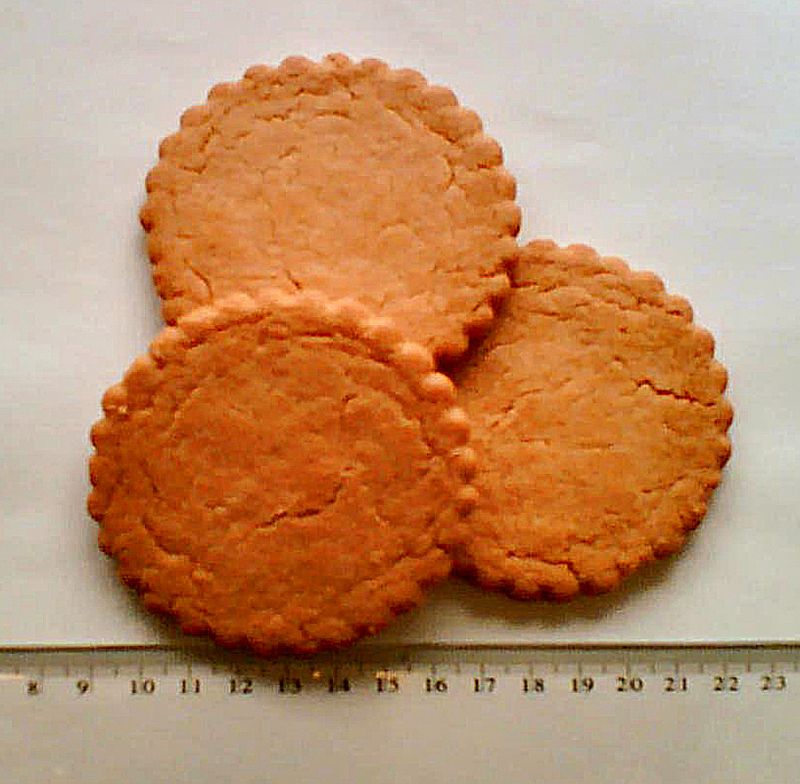
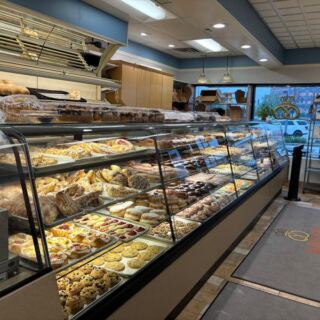
Ask a baker in Amsterdam for a koekje, and you will get something very close to what Americans call a cookie. The English word comes from the Dutch koekje, meaning little cake.
Dutch settlers brought the term to North America in the 1600s, especially around what became New York. Over time, cookie became the usual American word for a small, sweet baked treat.
In Britain, people more often say biscuit, which is why the two countries can argue over snack time. Both words are perfectly correct in their own places.
Next time you reach for a warm one from the oven, remember that its name started as a tiny cake in the Netherlands.
6. Kindergarten – German

Imagine a school built like a garden, where little ones grow at their own pace. That was the idea behind the German word Kindergarten, which means children’s garden.
Friedrich Froebel, a German educator, opened the first one in 1837. He believed young children learn best through play, songs, and hands-on activities rather than strict lessons.
German immigrants brought the concept to the United States in the mid-1800s, and the name came along unchanged. English speakers kept the German spelling, including the capital letter in some early uses.
Today, kindergarten is the first year of formal school in many countries, and the word still carries Froebel’s gentle idea of nurturing growth.
7. Karaoke – Japanese

Few things bring out courage like a microphone and a screen full of lyrics. The word karaoke blends two Japanese terms: kara, meaning empty, and oke, short for orchestra.
In other words, it is an orchestra without a singer, waiting for you to fill the gap. The idea took off in Japan in the 1970s, when machines playing instrumental tracks became popular in bars.
By the 1980s and 1990s, karaoke had spread across Asia, Europe, and North America. English adopted the word without changing it.
Whether people sing beautifully or wildly off key, the fun is in joining in. That shared joy helps explain why the Japanese word is now known almost everywhere.
8. Piano – Italian
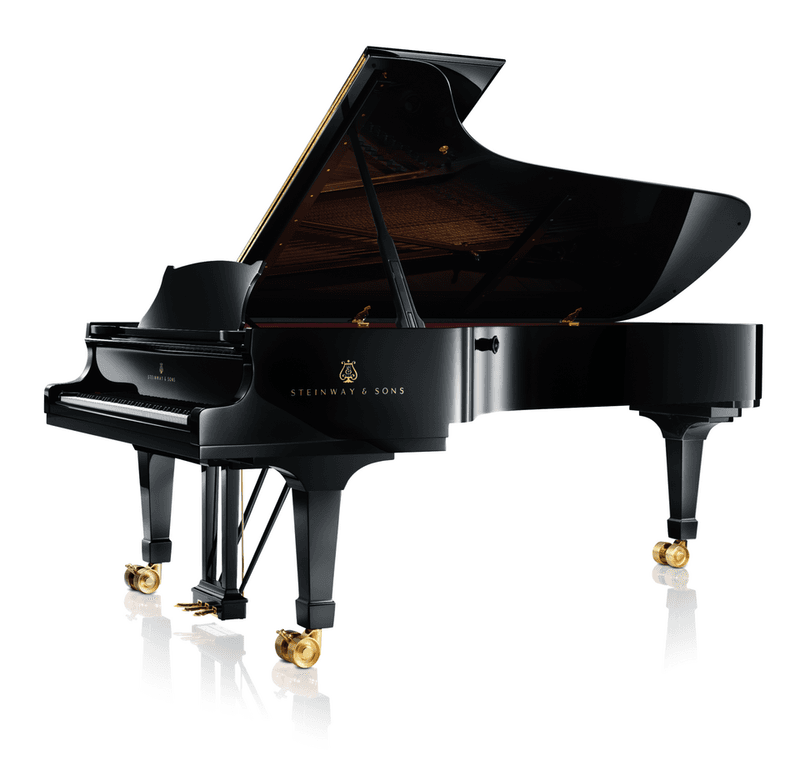
Its full name is a mouthful: pianoforte. The shortened word piano comes from Italian and literally means soft-loud.
Around 1700, an instrument maker in Florence named Bartolomeo Cristofori built a keyboard that could play both quietly and loudly, depending on how hard the player pressed the keys. Earlier instruments, like the harpsichord, could not do that.
That new ability gave musicians far more expression, and the instrument quickly gained fans across Europe.
English speakers adopted the Italian name in the 1700s and later trimmed it to piano. Italian also gave music many other terms still seen on sheet music, such as allegro, forte, and crescendo.
9. Patio – Spanish

On a warm evening, few spots beat a patio with good company and a cool breeze. The word came into English from Spanish in the early 1800s.
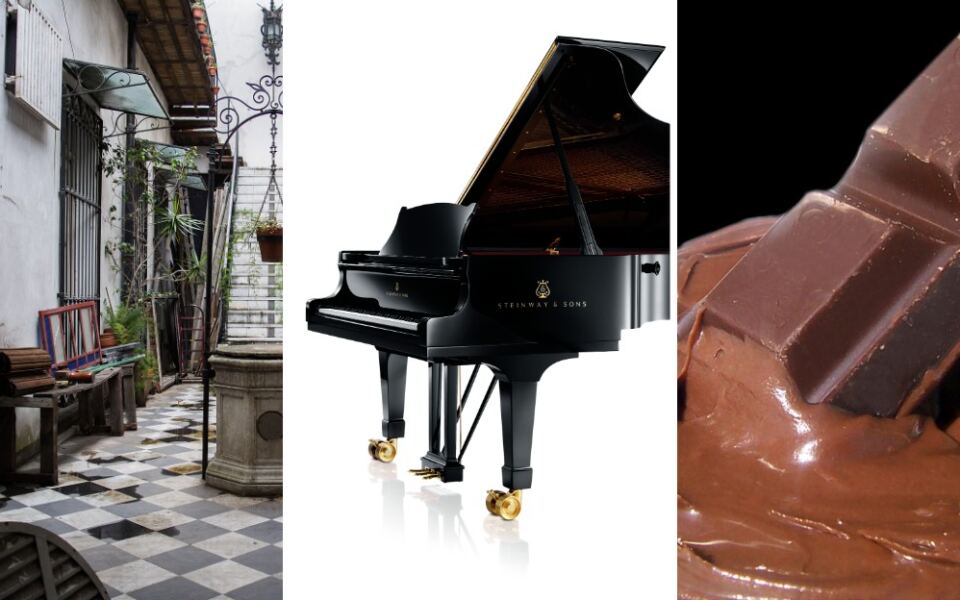
In Spanish, a patio is an inner courtyard, usually open to the sky and surrounded by the walls of a house. Courtyards like these are common in Spain and Latin America, where they offer shade, plants, and a place to gather.
English speakers, especially in the United States, began using the word for paved outdoor areas next to a home. The meaning shifted a bit, but the idea of a relaxing outdoor space stayed.
So your backyard barbecue spot has roots in Spanish courtyards.
10. Pajamas – Hindi (from Persian)
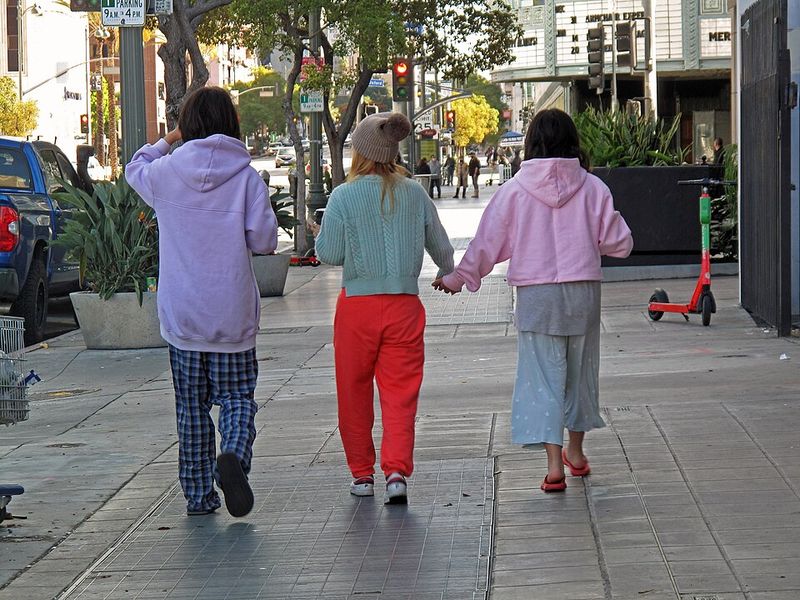
Comfort clothing has a surprisingly worldwide history. The word pajamas comes from Hindi and Urdu, where pae jama described loose, lightweight trousers tied at the waist.
Those words have Persian roots, with pay meaning leg and jama meaning garment. British colonists in South Asia admired the airy trousers and began wearing them to bed in the 1800s.
The style and name traveled back to Britain and then across the English-speaking world. Early versions were simple, but later designs added matching shirts and fun patterns.
In British English, the spelling is often pyjamas, while Americans usually write pajamas. Either way, the word recalls a South Asian invention that made bedtime much cozier.
11. Robot – Czech

Robots seem like a product of modern labs, yet the word was born on a theater stage. Czech writer Karel Capek used it in his 1920 play R.U.R., short for Rossum’s Universal Robots.
The term comes from the Czech word robota, which means forced labor or hard work. Capek’s brother Josef, an artist, reportedly suggested the word to him.
In the play, artificial workers are made to serve humans, and their story raises questions about work and fairness. Audiences were fascinated, and translations soon carried the word around the globe.
English adopted robot almost immediately. Today it describes everything from factory machines to vacuum cleaners, but its first meaning was about labor, not metal.
12. Safari – Swahili

Long before it meant a wildlife tour, safari simply meant a journey. The word comes from Swahili, a language spoken across East Africa, and it traces back to an Arabic term for travel.
In the late 1800s, English speakers began using it for overland expeditions in Africa, particularly those organized to observe or hunt animals.
Over time, the meaning shifted toward guided trips focused on watching wildlife in places like Kenya and Tanzania. Many visitors now carry cameras instead of rifles.
Swahili uses safari for any trip, so a family road journey could be called one too. English narrowed the meaning, but the sense of adventure remains at the heart of the word.
13. Shampoo – Hindi
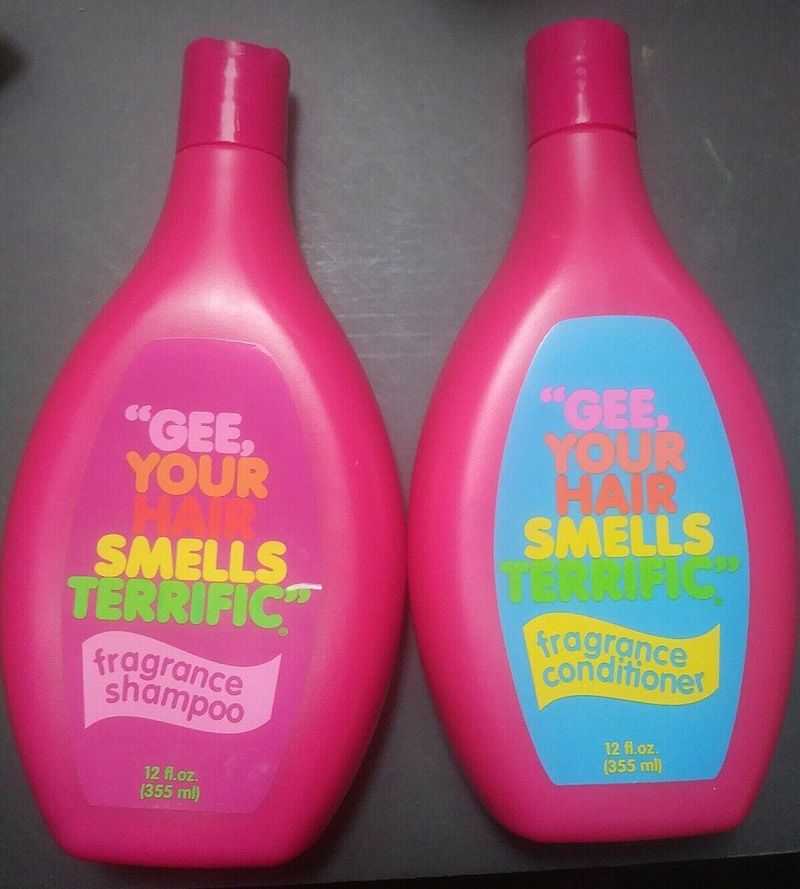
Fun fact: the first shampoo experience was a massage, not a hair wash. The word comes from the Hindi champo, which came from a verb meaning to press or knead the muscles.
British travelers in India during the 1700s enjoyed head and body massages, often with scented oils. They brought the term home, where it was used for that kind of treatment.
By the mid-1800s, the word began to describe washing hair with soap or special lotions. A man named Sake Dean Mahomed, who opened a bathhouse in Brighton, England, helped popularize the practice.
Eventually, shampoo came to mean the product itself. That is quite a change from a relaxing massage.
14. Tsunami – Japanese

Scientists once called these giant waves tidal waves, but that name was misleading. Tides have nothing to do with them, which is why many experts prefer the Japanese word tsunami.
Tsunami combines tsu, meaning harbor, and nami, meaning wave. Fishermen coined the term because they would return from sea to find their harbor wrecked, even though they had noticed nothing unusual in open water.
Such waves are usually caused by undersea earthquakes, landslides, or volcanic eruptions. In deep water they can be barely noticeable, then grow tall near the shore.
English adopted the word in the late 1800s, and it became widely used after major events in the Indian Ocean in 2004 and Japan in 2011.
15. Yogurt – Turkish

Creamy, tangy, and often topped with fruit, yogurt has been a staple for centuries. Its name comes from Turkish, where yogurt is related to a verb meaning to thicken or curdle.
Turkic peoples of Central Asia are among the earliest known to make it, fermenting milk with helpful bacteria. The method spread through the Middle East and the Balkans, where yogurt became a daily food.
English speakers picked up the word in the 1600s, though the food did not become popular in Western countries until the 1900s. Scientists in Europe began studying its health benefits around that time.
You may also see the spellings yoghurt or yoghourt, especially in British English. All of them come from the same Turkish word.
Share this story